Your immune system is an extraordinarily complex network of cells, proteins, and organs that works around the clock to defend your body against pathogens, damaged cells, and environmental threats. While no supplement can replace the fundamentals of immune health, including adequate sleep, regular exercise, stress management, and a nutrient dense diet, certain compounds have demonstrated meaningful immune supporting properties in clinical research.
This article examines five supplements with the strongest scientific evidence for immune support in 2026, including dosage guidance, key research findings, and practical advice for choosing quality products.
1. Vitamin D: The Immune System Regulator
Vitamin D is arguably the most well researched immune supporting nutrient, and widespread deficiency makes it one of the most impactful supplements for a large segment of the population. The vitamin functions as a hormone that directly modulates both the innate and adaptive immune systems.
What the Research Shows
A comprehensive meta analysis published in the British Medical Journal (2017) analyzed 25 randomized controlled trials involving over 11,000 participants and found that vitamin D supplementation reduced the risk of acute respiratory infections by 12% overall, and by 70% in participants who were severely deficient at baseline. A 2020 review in Nutrients confirmed that vitamin D receptors are present on virtually all immune cells, and that adequate vitamin D levels are necessary for proper activation of T cells and macrophages.
Practical Guidance
Most adults in northern latitudes are deficient or insufficient in vitamin D, particularly during winter months. The Endocrine Society recommends 1,000 to 2,000 IU daily for most adults, with higher doses (up to 4,000 IU) for those with confirmed deficiency. Vitamin D3 (cholecalciferol) is the preferred form, and taking it with a fat containing meal improves absorption by up to 50%.
2. Zinc: The First Responder Mineral
Zinc is essential for the development and function of immune cells, including neutrophils, natural killer cells, and T lymphocytes. It also plays a critical role in the physical barrier function of skin and mucous membranes, your body's first line of defense against pathogens.
What the Research Shows
A Cochrane systematic review analyzing 18 trials found that zinc supplementation within 24 hours of cold symptom onset reduced the duration of illness by an average of 33%. A 2019 study in the American Journal of Clinical Nutrition demonstrated that even mild zinc deficiency impairs immune cell production and increases susceptibility to infections. The elderly and vegetarians are at highest risk for suboptimal zinc status.
Practical Guidance
The recommended daily allowance for zinc is 11mg for men and 8mg for women. For immune support, many practitioners recommend 15 to 30mg daily. Zinc picolinate and zinc citrate are the most bioavailable forms. Avoid taking zinc on an empty stomach, as it can cause nausea, and do not exceed 40mg daily long term without medical supervision, as excess zinc can deplete copper levels.
3. Elderberry: The Traditional Antiviral
Elderberry (Sambucus nigra) has been used in European folk medicine for centuries, and modern research has begun to validate its traditional reputation as an immune supporting berry. The deep purple fruits are rich in anthocyanins, flavonoids, and phenolic acids with demonstrated antioxidant and immunomodulatory activity.
What the Research Shows
A 2019 meta analysis published in Complementary Therapies in Medicine analyzed four randomized controlled trials and found that elderberry supplementation substantially reduced the duration and severity of upper respiratory symptoms compared to placebo. A laboratory study published in Journal of Functional Foods found that elderberry extract stimulated cytokine production, indicating immune system activation. The anthocyanins in elderberry have also been shown to reduce oxidative stress markers in human studies.
Practical Guidance
Look for standardized elderberry extracts (typically standardized to anthocyanin content) rather than raw berry preparations. Common dosages in clinical trials range from 300mg to 600mg of extract daily. Elderberry is generally well tolerated, though individuals with autoimmune conditions should consult their healthcare provider before use, as the immune stimulating properties could theoretically be counterproductive in certain autoimmune contexts.
4. Echinacea: The Immune Primer
Echinacea is one of the most widely used herbal supplements in North America and Europe. Three species are commonly used medicinally: E. purpurea, E. angustifolia, and E. pallida. The plant contains a complex mixture of active compounds including alkamides, polysaccharides, and cichoric acid that interact with the immune system through multiple pathways.
What the Research Shows
A landmark meta analysis published in The Lancet Infectious Diseases analyzed 14 studies and concluded that echinacea reduced cold incidence by 58% and cold duration by 1.4 days on average. However, the evidence is somewhat mixed, with some studies showing minimal effect, likely due to variations in species, plant part used, and preparation method. The most consistent positive results come from E. purpurea preparations using the aerial parts of the plant.
Practical Guidance
For immune support, standardized E. purpurea extracts taken at the first sign of symptoms appear to be most effective. Many herbalists also recommend cycling echinacea (taking it for 8 weeks, then pausing for 1 to 2 weeks) rather than continuous year round use, as some evidence suggests the immune stimulating effect may diminish with uninterrupted long term use.
5. Graviola: The Tropical Immune Powerhouse
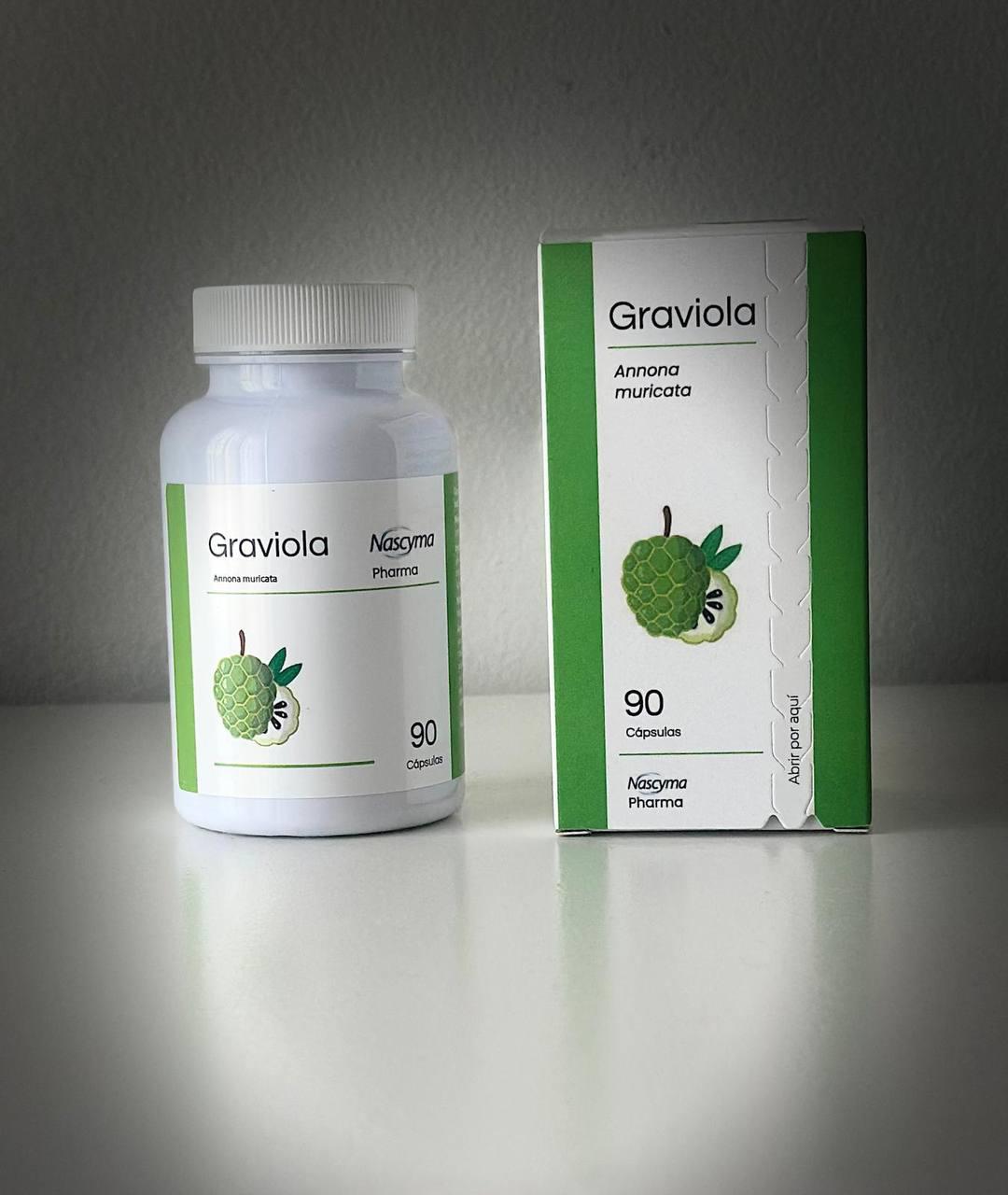
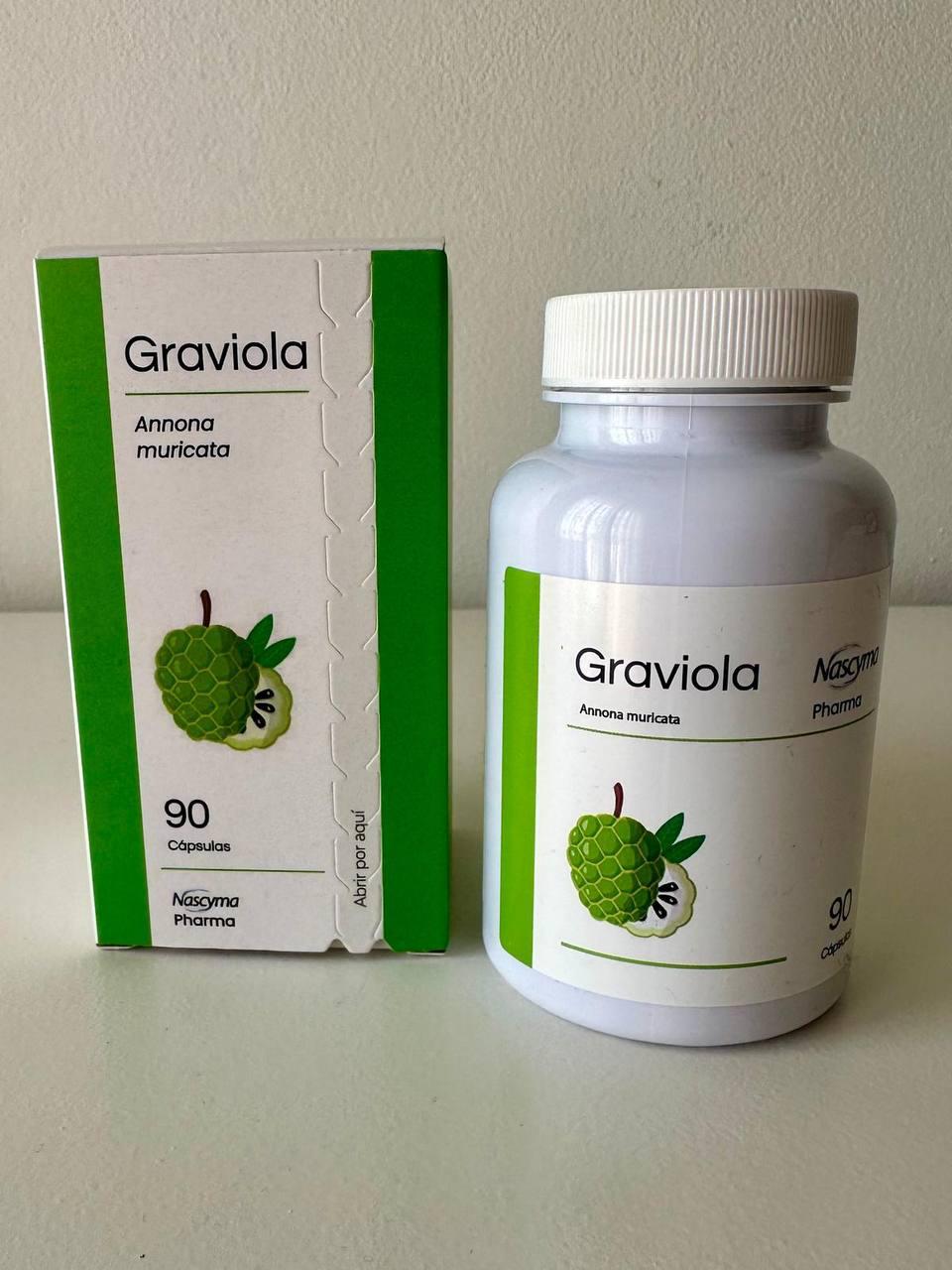
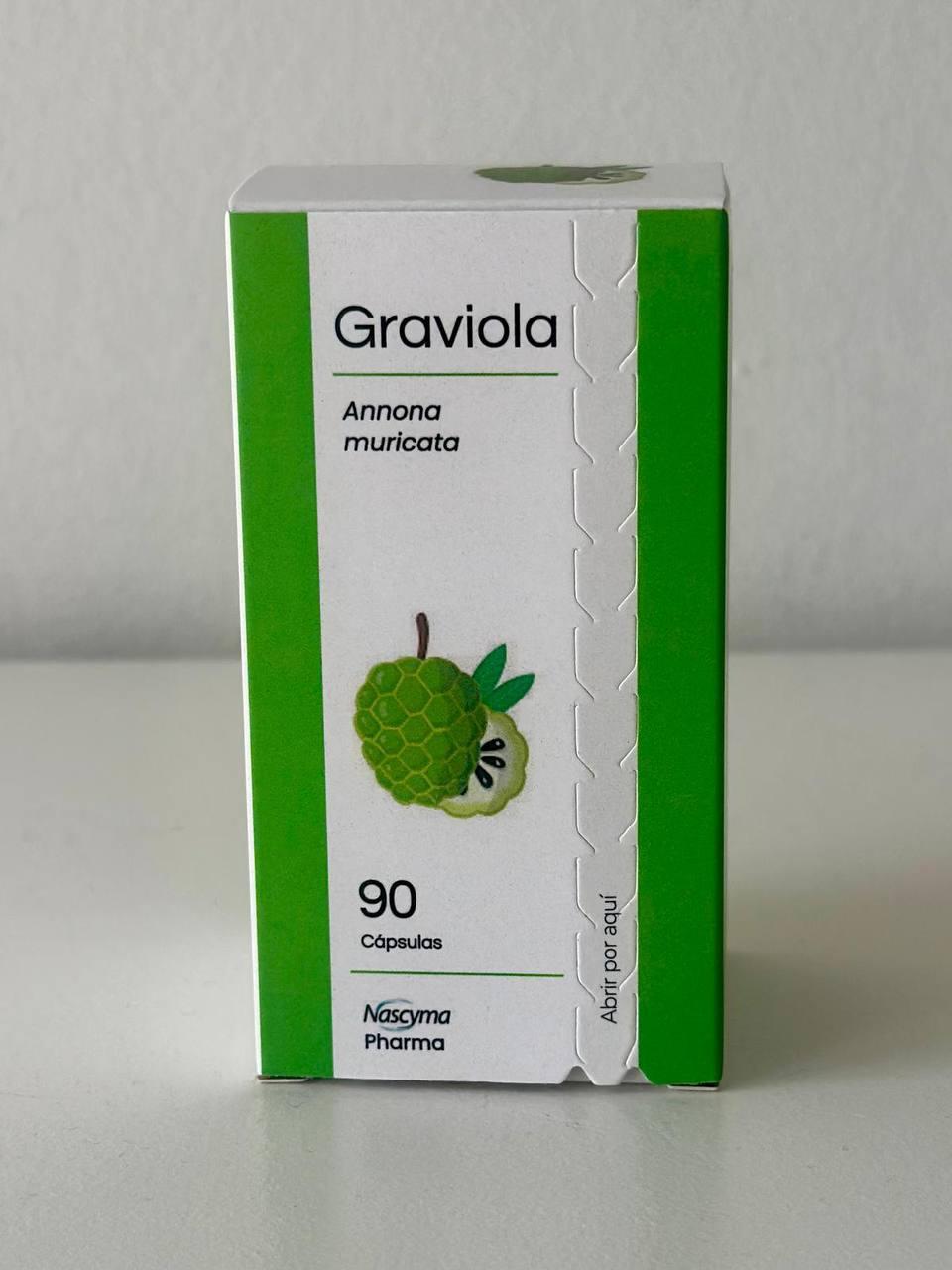
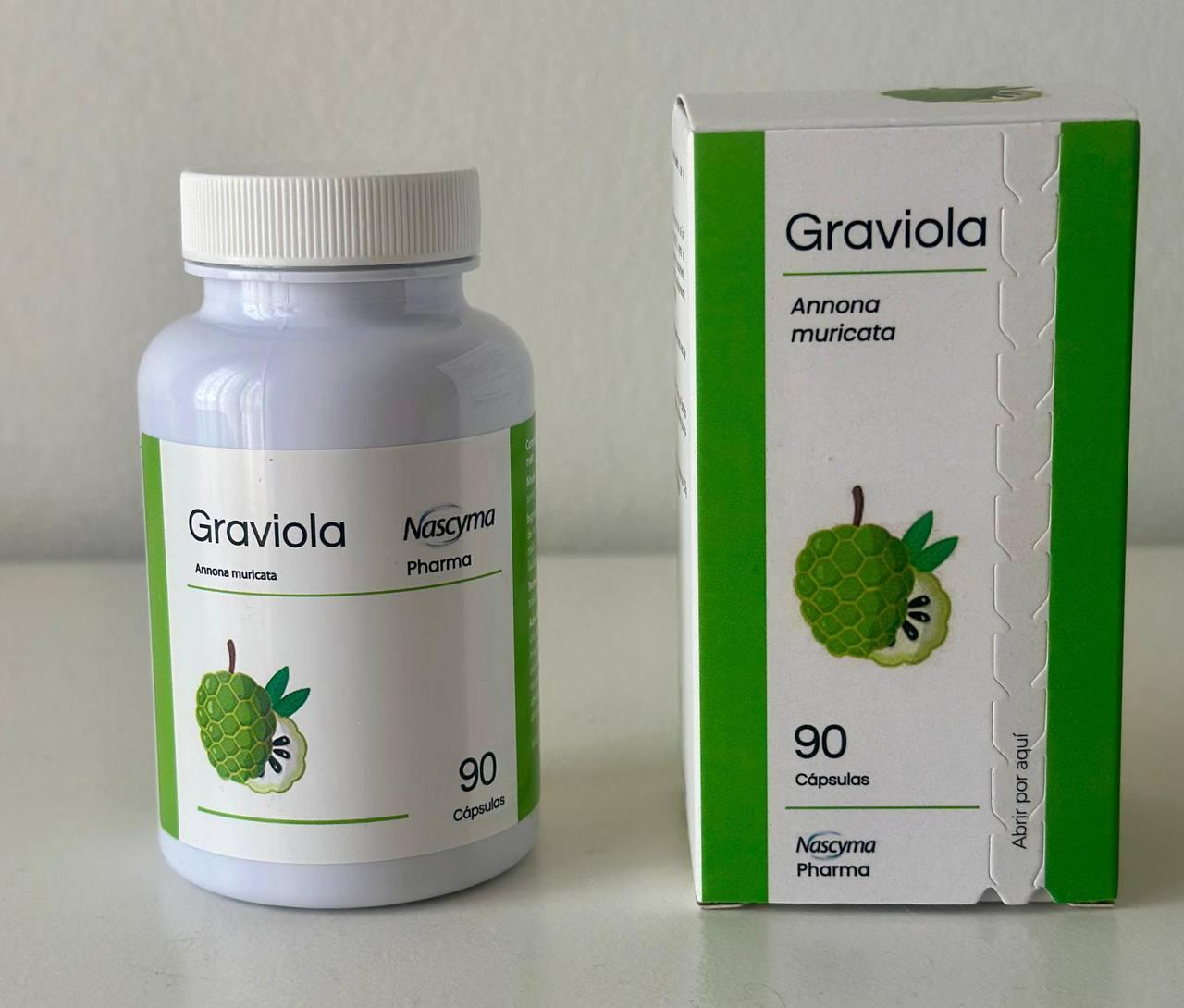
Graviola (Annona muricata), also known as soursop, is the newest entry in the evidence based immune support conversation, and it may be the most interesting. While the tropical fruit and its leaves have been used in traditional medicine across Central America, South America, and Southeast Asia for generations, modern phytochemical research has revealed a unique class of compounds, the annonaceous acetogenins, that set graviola apart from other immune supporting botanicals.
What the Research Shows
A 2016 study published in BMC Complementary and Alternative Medicine demonstrated that graviola leaf extract exhibited significant immunomodulatory activity, enhancing the production and activity of key immune cells in laboratory models. The more than 100 acetogenins identified in graviola have a unique mechanism of action, affecting cellular energy pathways through Complex I inhibition, that is not found in any other commonly available supplement.
Beyond immune modulation, graviola has demonstrated potent antioxidant activity. A study in the Journal of Ethnopharmacology found that graviola leaf extracts showed radical scavenging capacity comparable to established antioxidant reference standards. This antioxidant activity complements the direct immune effects by helping reduce oxidative stress, a known suppressor of immune function.
Graviola also contains significant levels of vitamin C, B vitamins, calcium, iron, and zinc, nutrients that independently support immune health. The combination of unique acetogenins, broad spectrum antioxidants, and essential micronutrients makes graviola a multifaceted immune supporting supplement rather than a single pathway compound.
Practical Guidance
The potency of graviola supplements varies enormously depending on the extract ratio. A raw graviola powder (1:1) delivers minimal active compounds per capsule, while a high concentration extract like Labisan's 22:1 Graviola Capsules uses a water extract from the fruit (not the leaves) and concentrates the bioactive compounds from 22 kilograms of raw fruit pulp into every kilogram of extract. This means each 274mg capsule delivers the bioactive equivalent of over 6 grams of raw graviola fruit, a meaningful dose without the higher-risk acetogenin density of leaf extracts. Our detailed guide explains why 22:1 graviola extract concentration matters compared to 4:1 and 10:1 alternatives.
Manufacturing quality is equally important. Graviola supplements manufactured under European pharmaceutical GMP standards, particularly from Austrian facilities, undergo the most rigorous testing for potency, purity, and contaminant screening. When choosing a graviola supplement, look for a clearly stated extract ratio of 10:1 or higher, third party testing verification, and transparent manufacturing origin.
Building Your Immune Support Stack
These five supplements can work together as a comprehensive immune support strategy:
- Foundation: Vitamin D (1,000 to 2,000 IU daily) and Zinc (15 to 30mg daily) address the most common nutritional deficiencies affecting immune function.
- Antioxidant and immune modulation: Graviola extract (one to two capsules of a high potency 22:1 extract daily) provides unique acetogenins plus broad spectrum antioxidant support.
- Seasonal reinforcement: Elderberry extract (300 to 600mg daily) during cold and flu season adds anthocyanin rich immune support.
- Acute response: Echinacea (E. purpurea extract) at the first sign of symptoms can reduce the duration and severity of upper respiratory infections.
As always, supplements work best alongside the fundamentals: 7 to 9 hours of quality sleep, regular moderate exercise, a diet rich in whole foods, adequate hydration, and effective stress management. No capsule replaces those pillars, but the right supplements can meaningfully enhance your body's natural defenses.
Ready to Support Your Wellness?
Graviola Capsules — 22:1 Extract
1 Bottle: $44.99 | 3 Month Supply (3x): $119.97 (save 11%) | 5 Month Supply (5x): $179.95 (save 20%)
Free EU shipping over $49, $19.99 worldwide. 30 day money back guarantee.
Shop Labisan Graviola CapsulesFrequently Asked Questions
Which immune supplements have the strongest 2026 evidence base?
Vitamin D3 with K2, zinc picolinate, and standardized botanical extracts including elderberry and graviola lead the published literature for upper respiratory and innate immune support. Vitamin C remains useful as adjunct rather than primary defense. Mushroom beta glucans (reishi, maitake) have growing trial data, particularly for natural killer cell activity.
How is graviola different from a typical immune multivitamin?
A multivitamin replaces dietary gaps with isolated nutrients. Graviola delivers a full plant matrix of acetogenins, alkaloids, and flavonoids that act on immune signalling rather than nutrient status. The two are complementary, not competing. The full graviola benefits guide covers the mechanism in detail.
Should I take immune supplements year round or only during cold season?
Year round low dose use builds a steadier baseline than seasonal megadoses. The immune system adapts slowly, and intermittent high doses of zinc or vitamin C can disrupt copper balance and gut microbiome composition. A consistent daily protocol of 1,000 to 2,000 IU vitamin D, 15 mg zinc, and a standardized botanical extract is a defensible default for most adults.
What separates a clinically meaningful supplement from filler?
Three things: standardized active compound concentration printed on the label, third party Certificate of Analysis with a batch number, and a manufacturing address subject to GMP inspection. Without these, the dose on the label is an estimate rather than a measurement.