The Labisan Journal
Expert guides on lip care, cold sore prevention, graviola supplements, and natural wellness from Austria.
Reading Series
View all →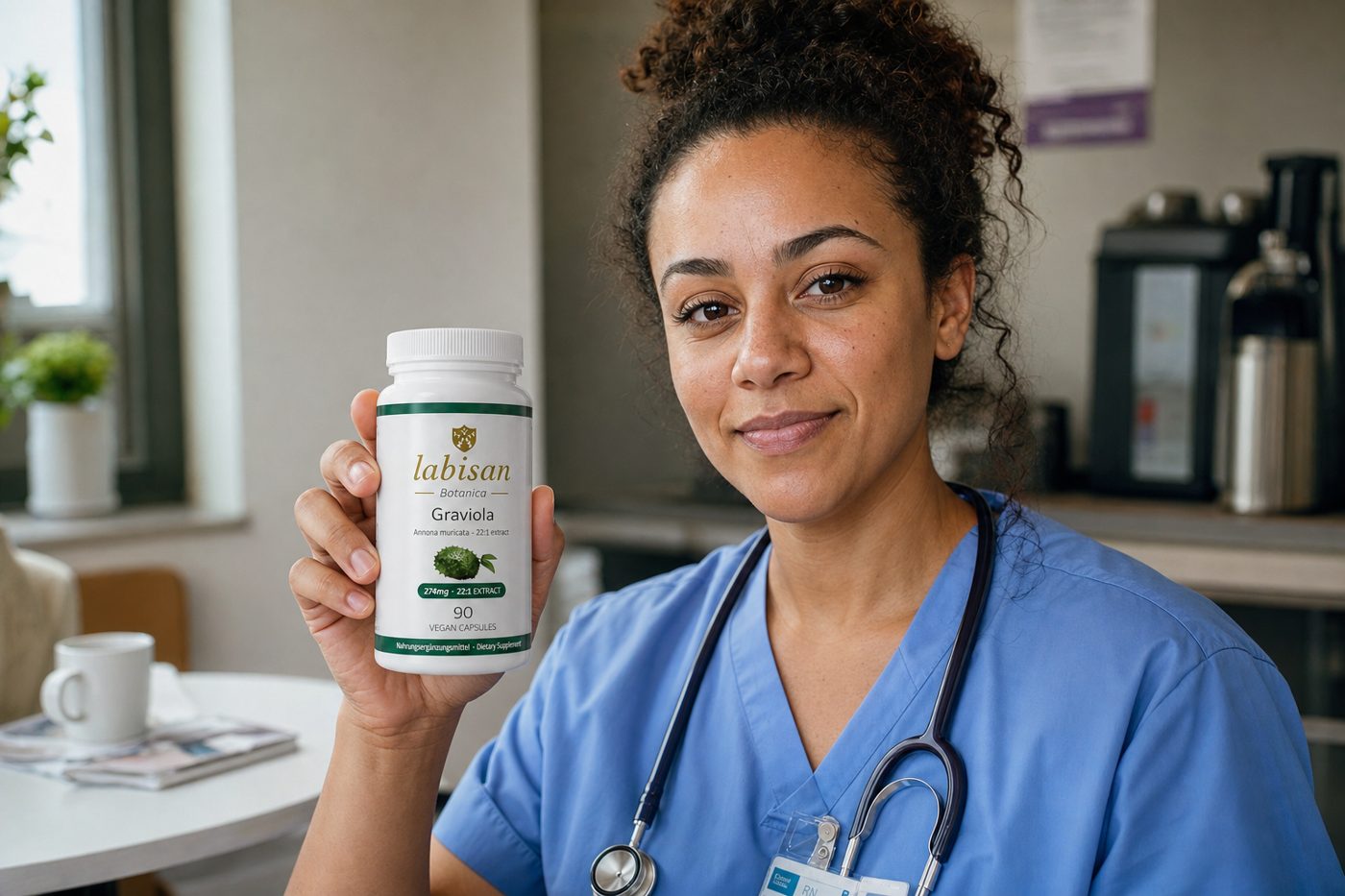
How Long Until Graviola Works? Realistic Timelines for a Wellness Supplement
Plasma levels of graviola's flavonoids reach steady state within a day or two, and that tells you almost nothing about when you might notice anything. This is the realistic timeline: what happens in week one, week four and week twelve, why extract strength and batch variability move the answer more than your own biology does, how to run a measurement window that can actually produce a verdict, and why expecting drug-like effects from any botanical is the fastest route to disappointment.
Read Article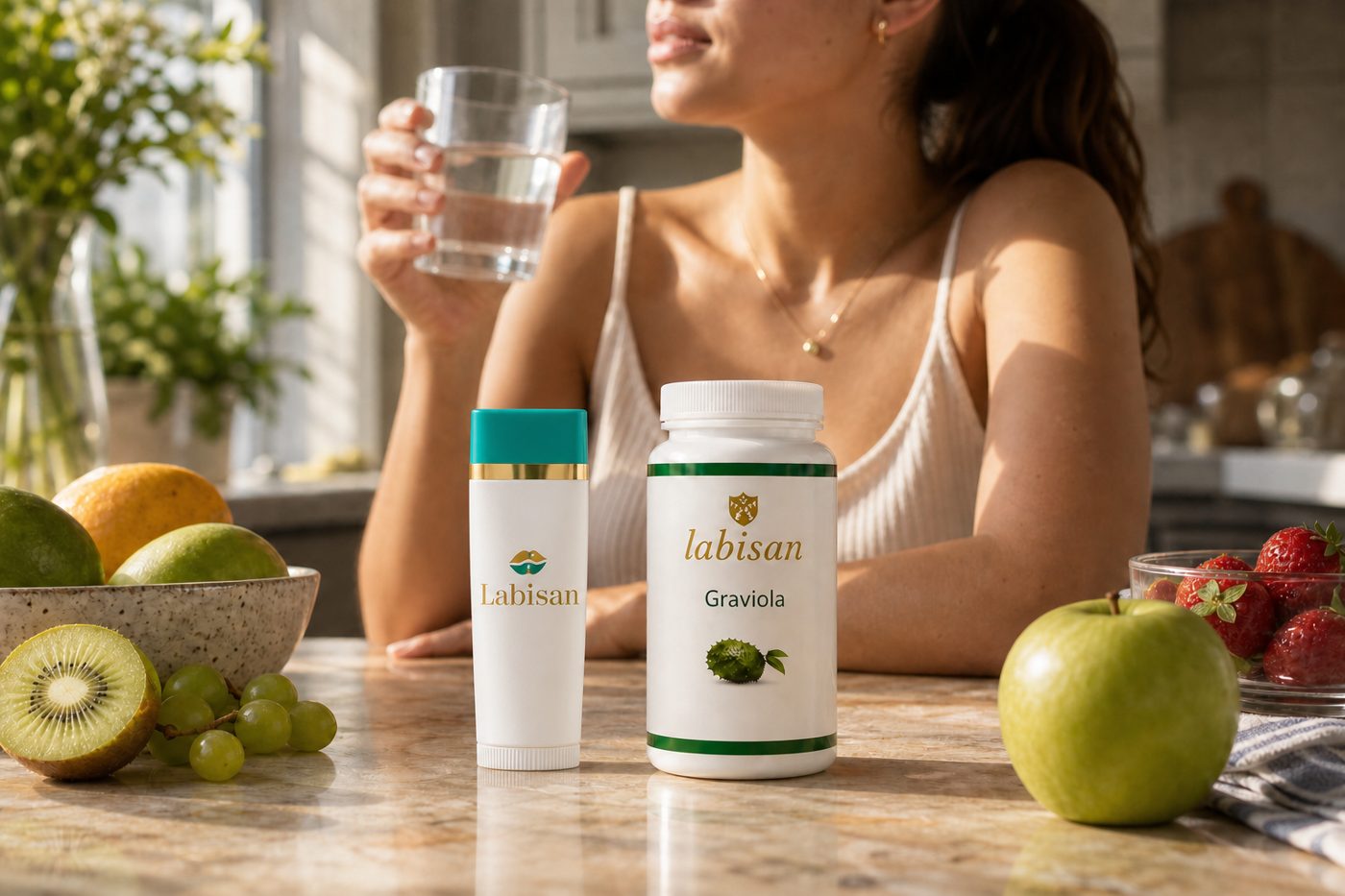
The Outside-Inside Cold Sore Protocol: Barrier Plus Immune System
Ultraviolet light triggers a measurable share of recurrent cold sores, yet a sunscreen lip balm alone cut recurrences to zero in one controlled trial while the placebo group hit 71 percent. That gap is the whole argument for a two-layer cold sore prevention protocol: a UV barrier outside, immune support inside.
Read Article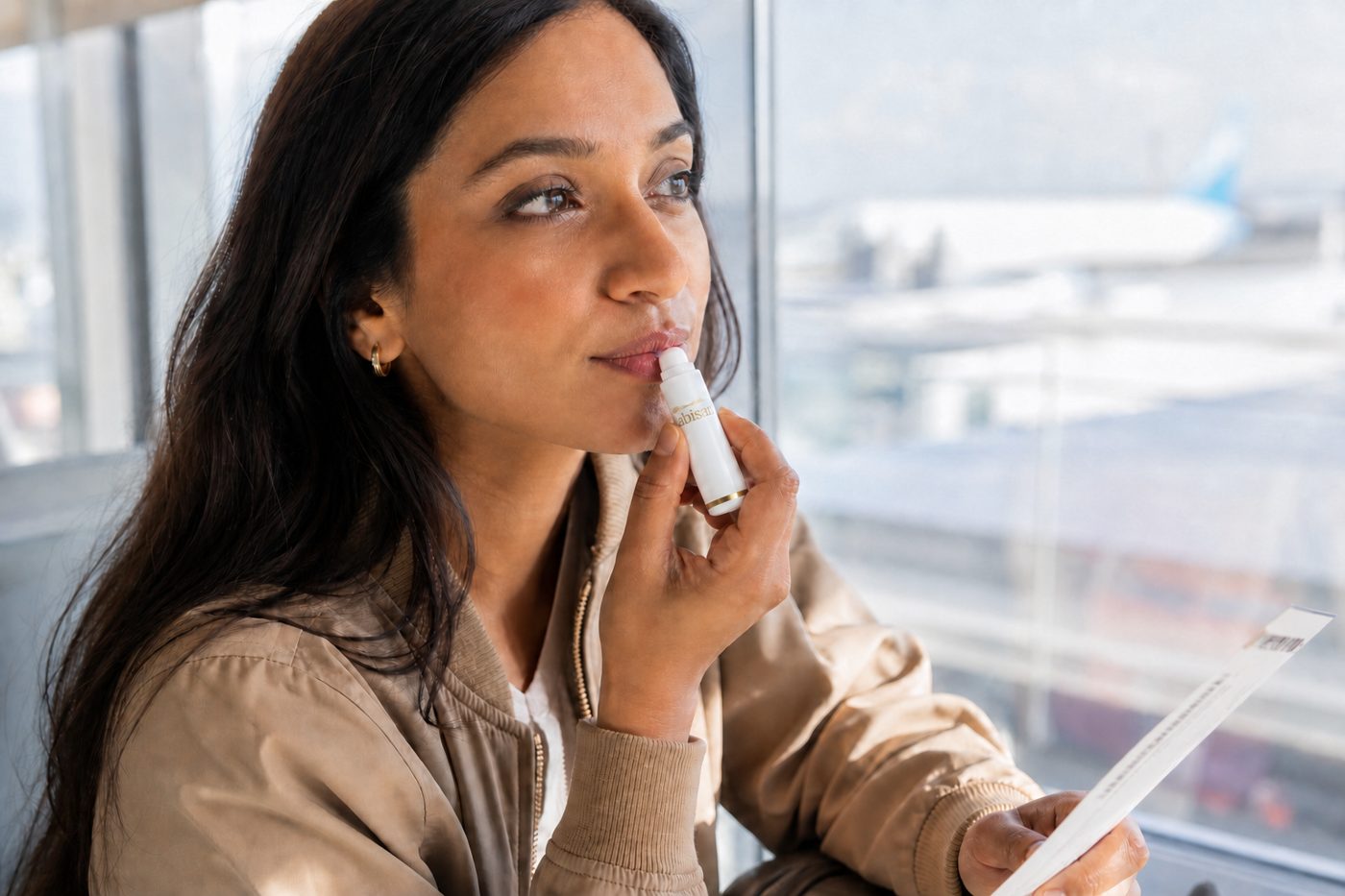
Cold Sore Treatment Side Effects Compared: Docosanol, Lysine, Patches, Antivirals and SPF Balms
Efficacy gets all the attention in the cold sore aisle, but tolerability is what decides whether you actually finish a course. This is a side by side comparison of what each option does to your skin and your stomach: docosanol trial safety data, oral and topical lysine, hydrocolloid patch adhesive issues, the general tolerability picture for prescription antivirals, and why the UV filter in your SPF balm is the most common allergen of the lot.
Read Article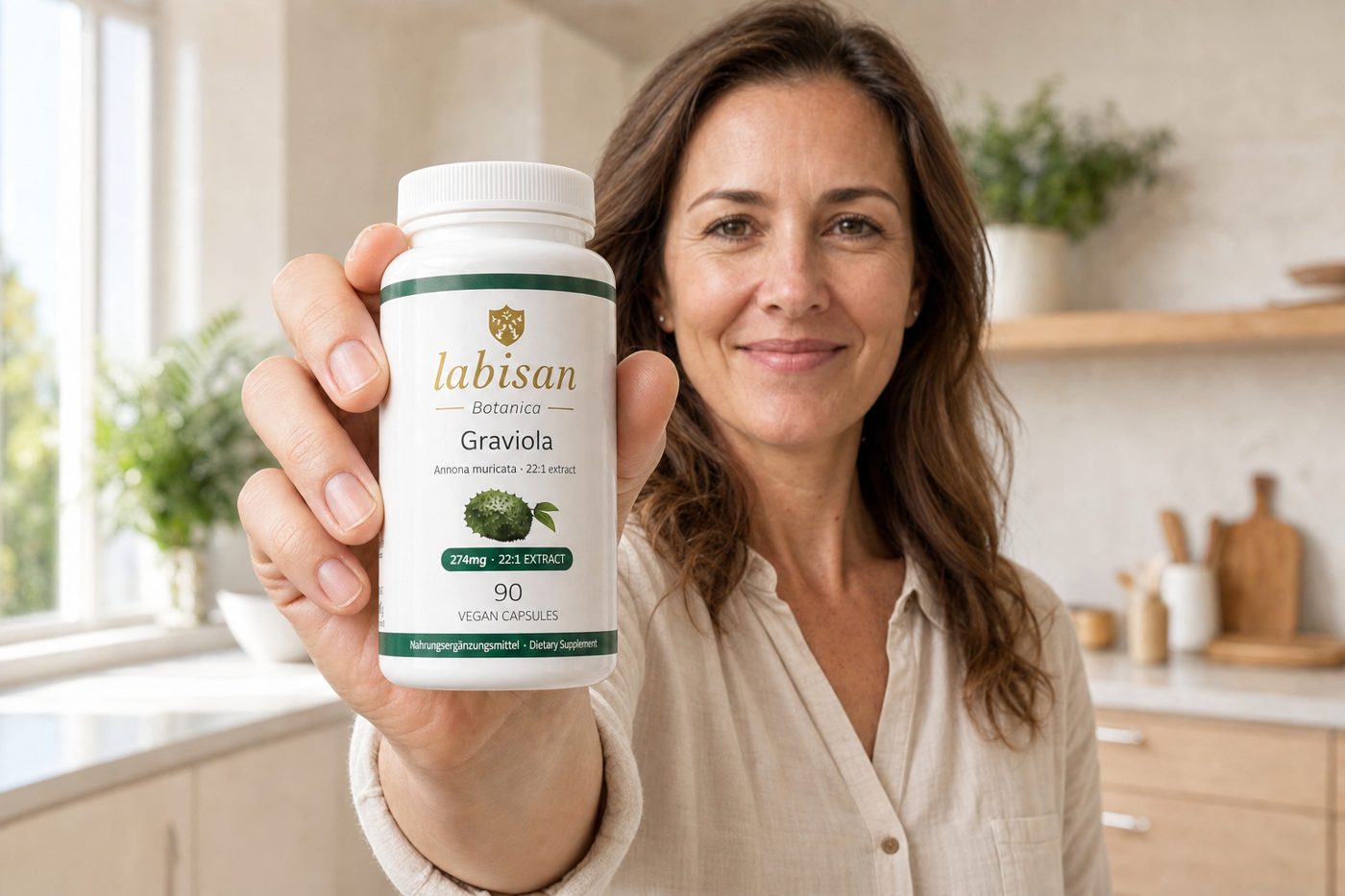
Is Graviola Worth It? An Honest Evidence Review
Graviola is sold with claims the evidence cannot support and dismissed with alarm the evidence does not quite justify either. We read the acetogenin laboratory work, the missing human trials, the Guadeloupe parkinsonism signal and the EFSA risk assessment, then give a verdict that names the three conditions under which a graviola supplement is defensible.
Read Article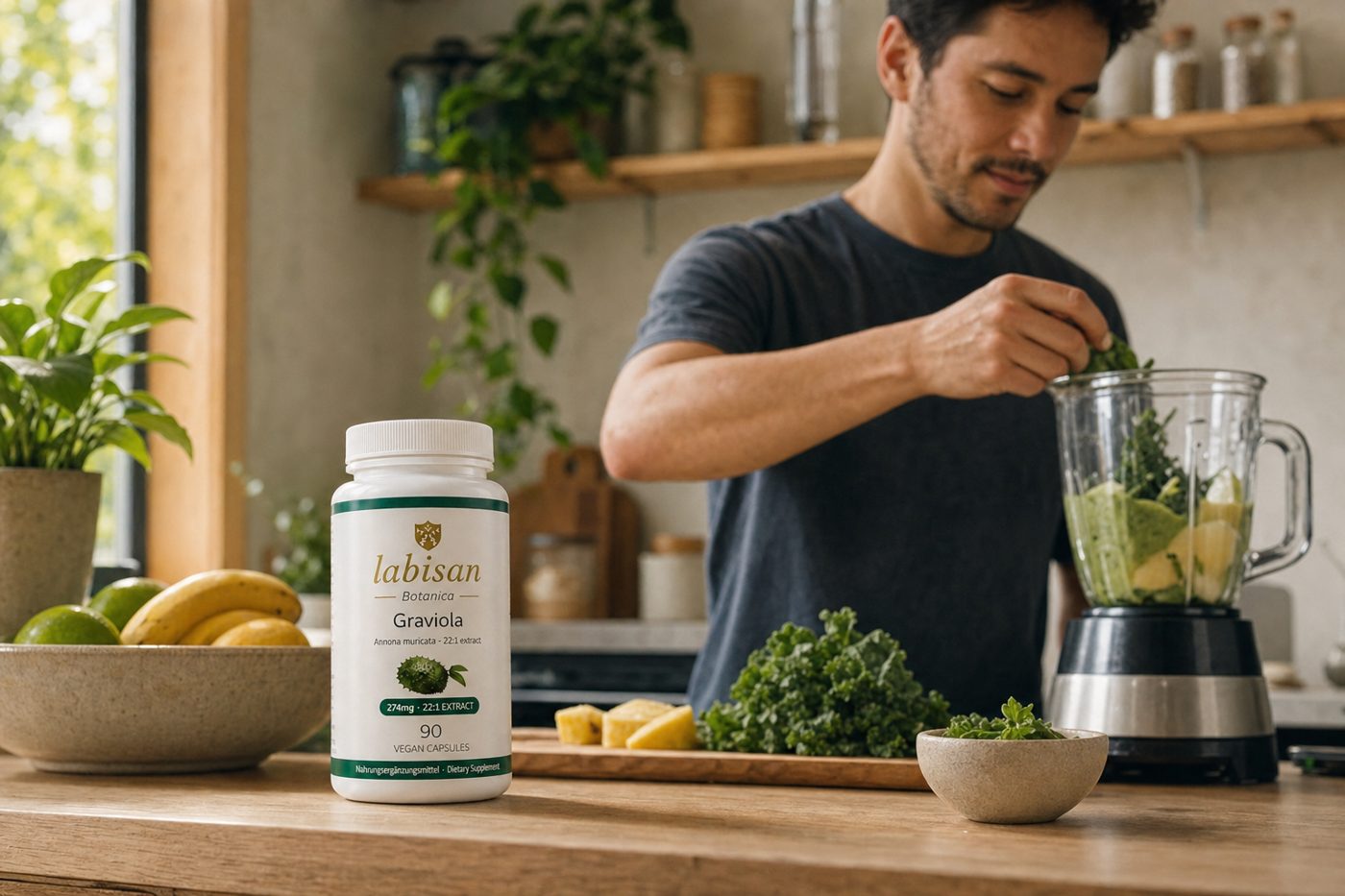
How to Reduce Cold Sore Outbreak Frequency Naturally: an Immune-First Approach
Most cold sore products only act after the blister appears. This is a step-by-step, immune-first protocol you can start today to reduce cold sore outbreak frequency: block the UV trigger at the lip, protect sleep and stress recovery, and support immune resilience from the inside.
Read Article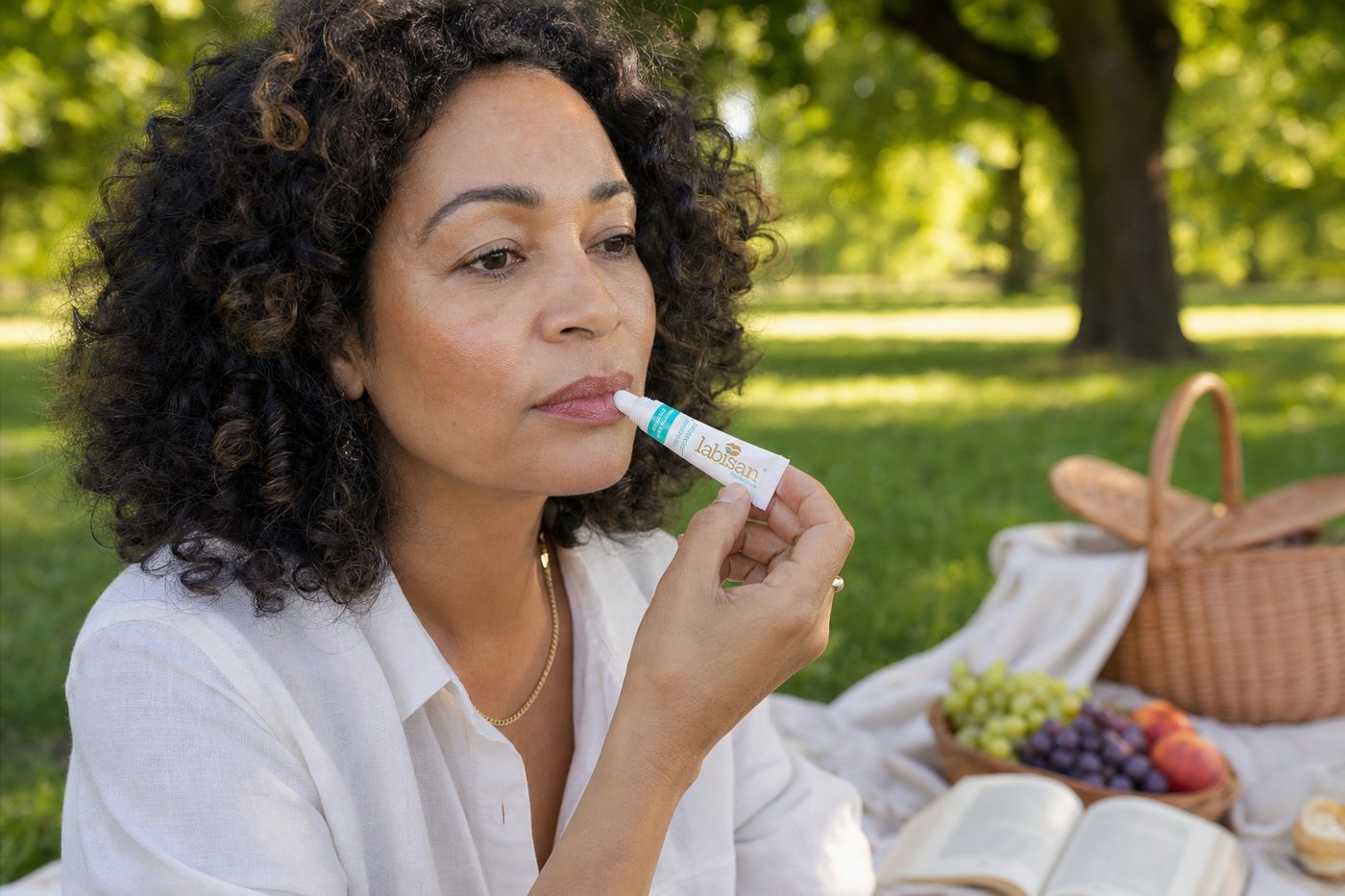
Does Lysine Prevent Cold Sores? The Oral vs Topical Evidence, Reviewed Fairly
Lysine is the most recommended cold sore supplement on the internet and the one Cochrane says does not work. Both statements can be defended, and the reason is dose. We walk through every controlled trial from 1980 to the 2017 review, separate oral from topical, and give a verdict that respects the actual data.
Read Article
Autumn UV: The Underestimated Lip Risk
Most people file sun protection away with the beach towels in September. The physics disagrees: autumn UV lip protection matters because the ozone column is at its annual low, UVA barely dips, and a low sun angle aims light straight under your hat brim at the one part of your face with almost no natural defence.
Read Article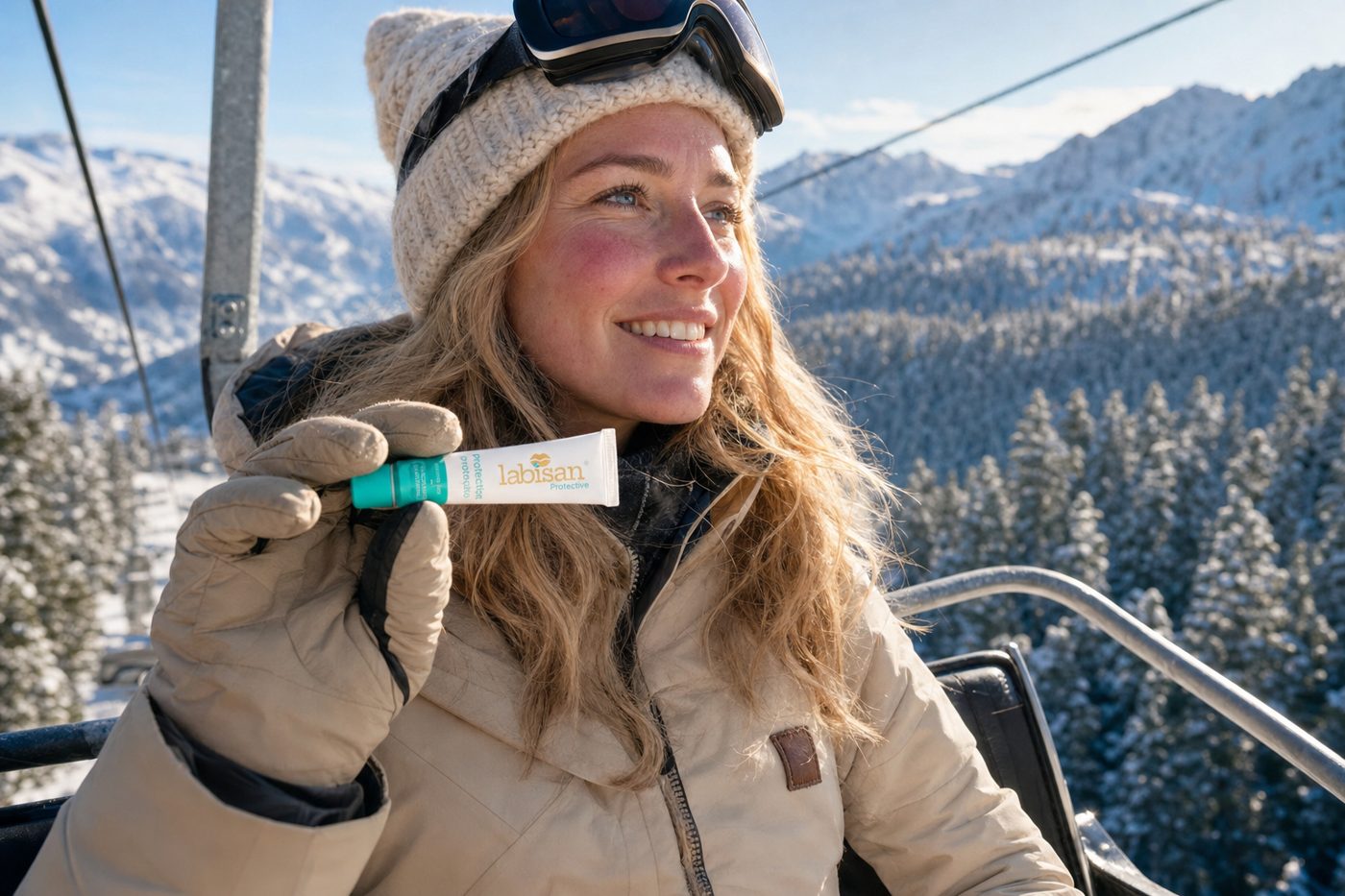
7 Compeed Cold Sore Patch Alternatives, From Cheaper Patches to Prevention
Compeed's invisible patches hide a cold sore beautifully and contain nothing antiviral. We compared seven alternatives, cheaper hydrocolloid patches, numbing overnight patches, docosanol cream, film forming gels, SPF sticks and daily prevention, on price, discretion and what each one actually treats.
Read Article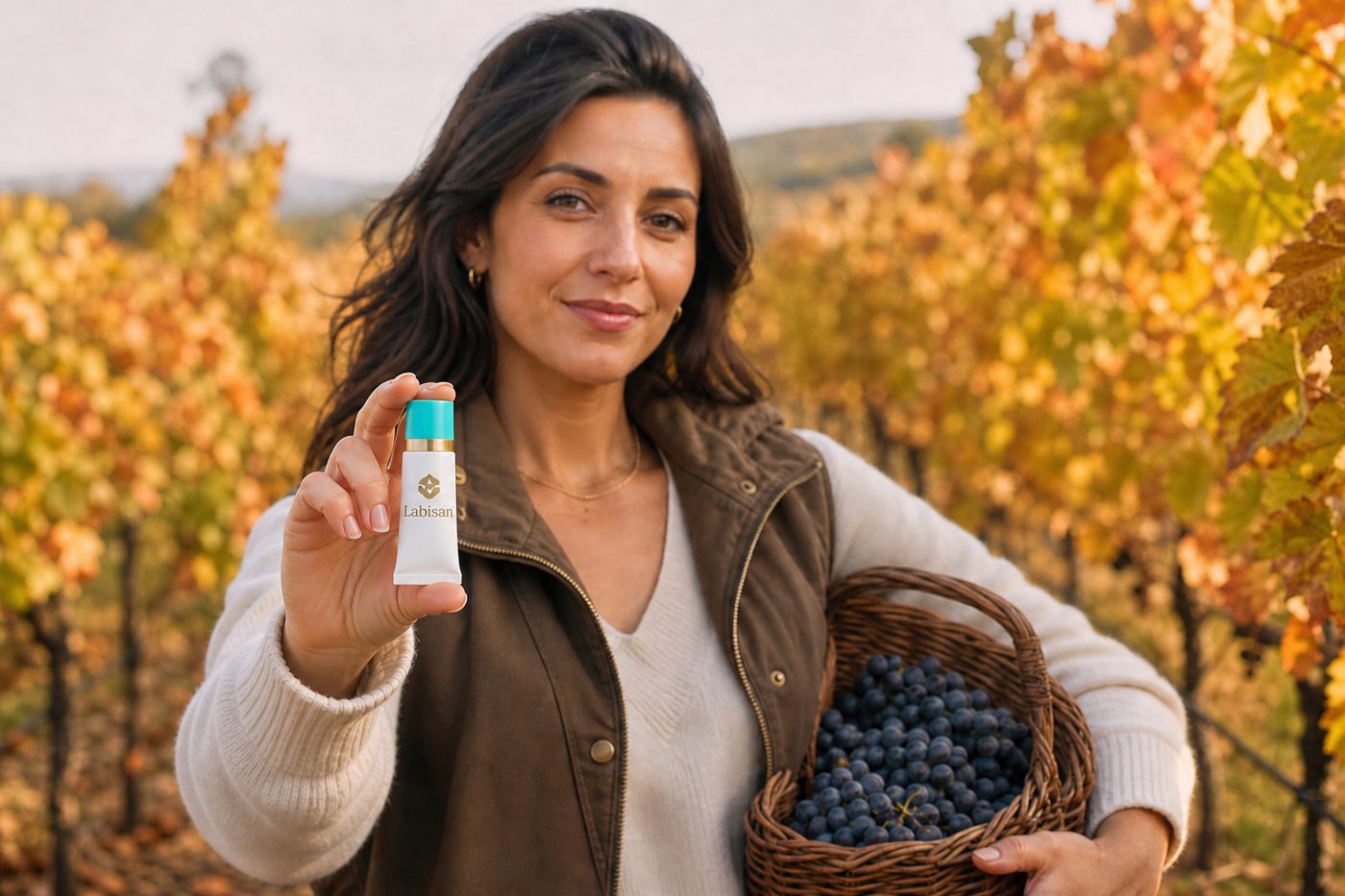
Transition Season: Rebuilding the Lip Barrier
Autumn gives you roughly one repair cycle between the last useful UV and the first hard frost. This is the physics, the timeline, and the protocol for seasonal lip barrier repair, before winter starts testing lips that summer already weakened.
Read Article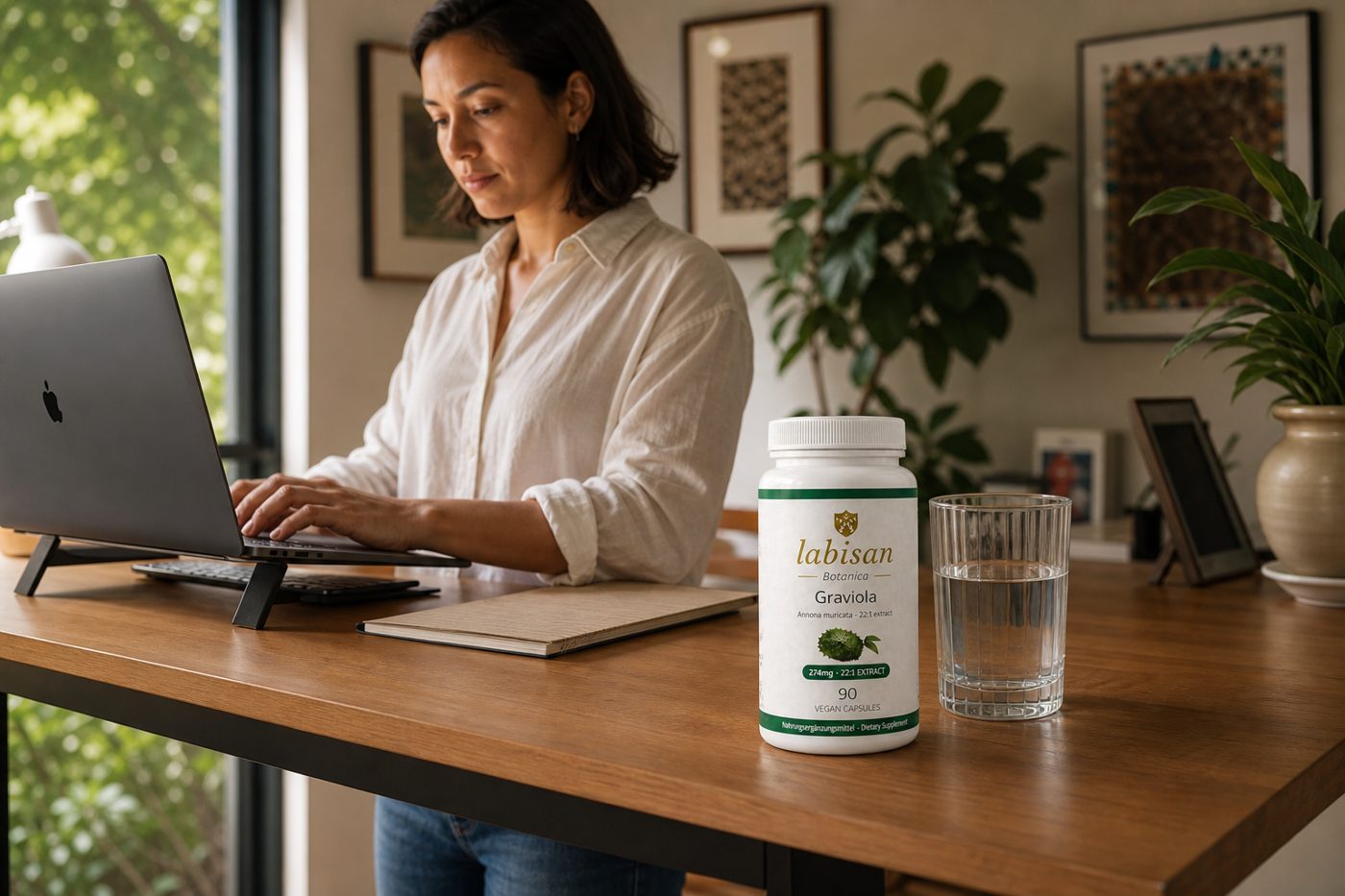
Graviola Side Effects and Safety: What the Research Actually Flags
Graviola has a real safety literature, and most of the internet either ignores it or exaggerates it. This is the honest version: what the Guadeloupe atypical parkinsonism research found and what it did not, how much annonacin is actually in leaf versus fruit, why published testing of commercial leaf products found a threefold spread between batches, the tolerability issues people genuinely report, and exactly who should not take graviola at all.
Read Article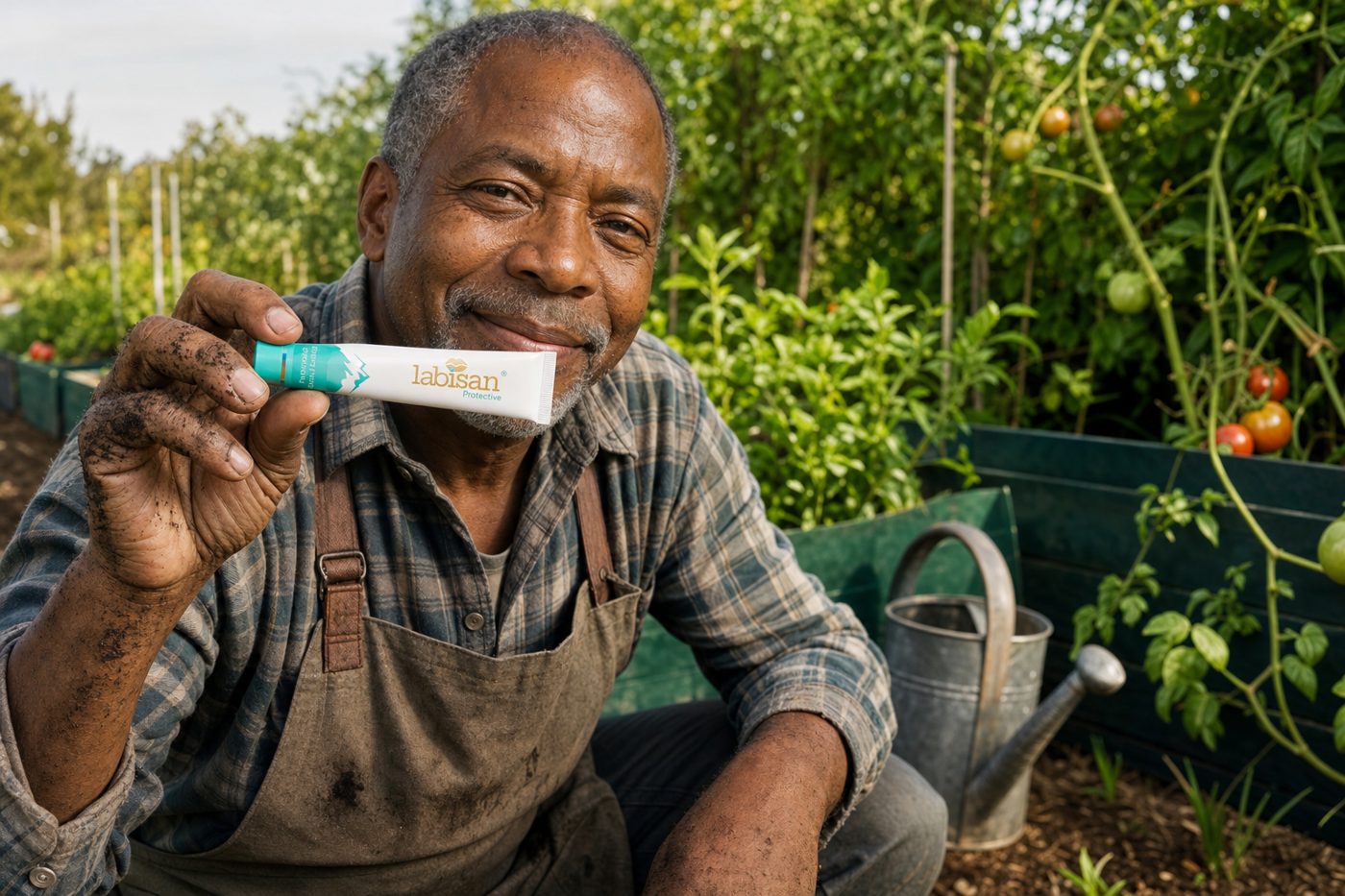
7 Herpecin-L Alternatives: Better Options for Cold Sore Prone Lips
Herpecin-L pairs SPF 30 with lysine and lemon balm for about five dollars, which is why it has a loyal following. It also uses chemical sunscreen filters, a heavy petrolatum base and added fragrance. We compared seven alternatives on filter type, texture, evidence and what each one is genuinely for.
Read Article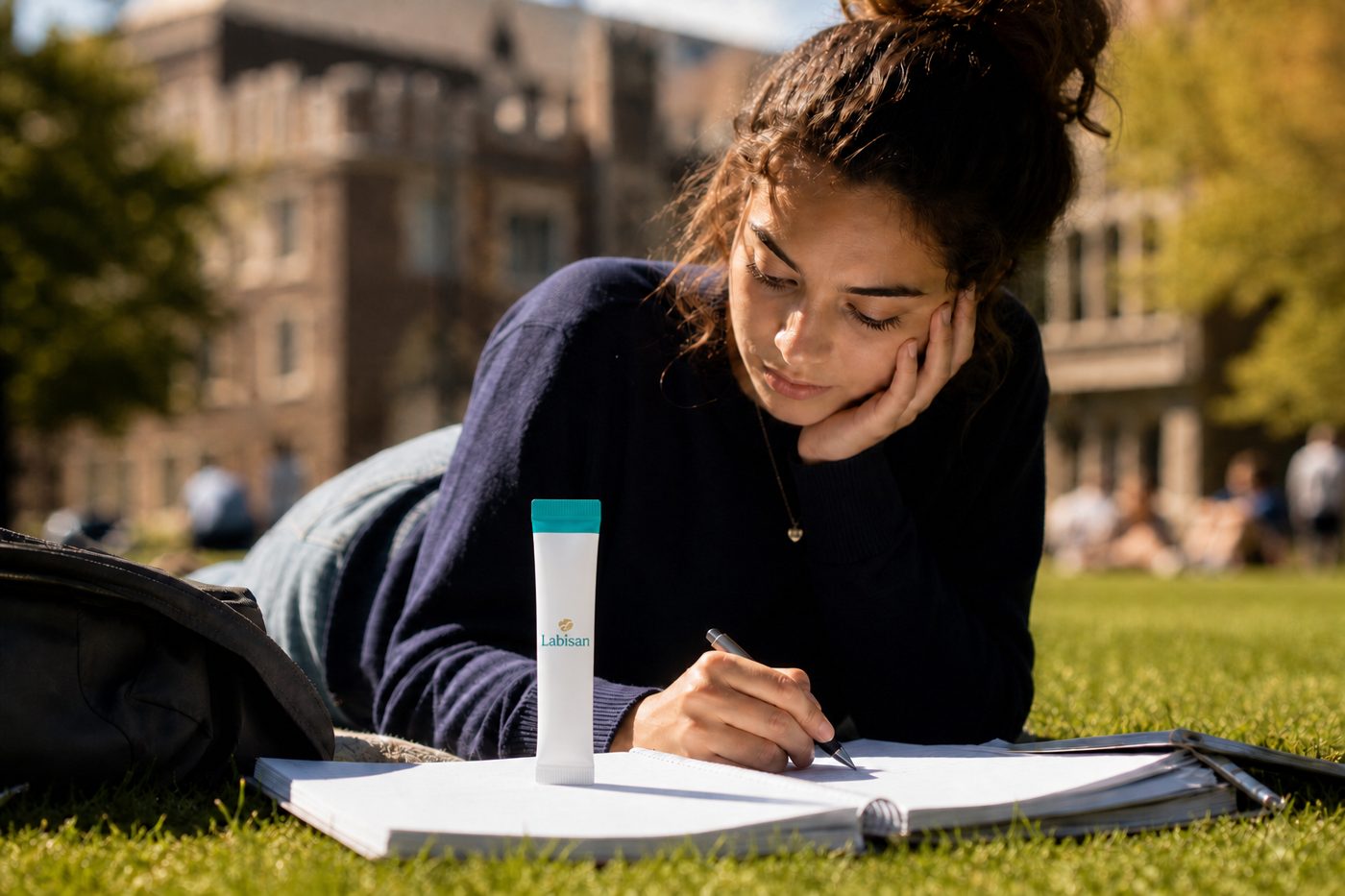
Back-to-School Stress and Cold Sore Season
September is one of the most reliable recurrence windows of the year, and the stress cold sore back to school pattern has a real physiological basis: cortisol suppresses the T-cell surveillance that keeps HSV-1 latent, while late-summer UV still reaches the lip. Here are the questions teachers, students and parents actually ask, answered honestly. Plus the two-part prevention protocol that works better than waiting for the tingle.
Read Article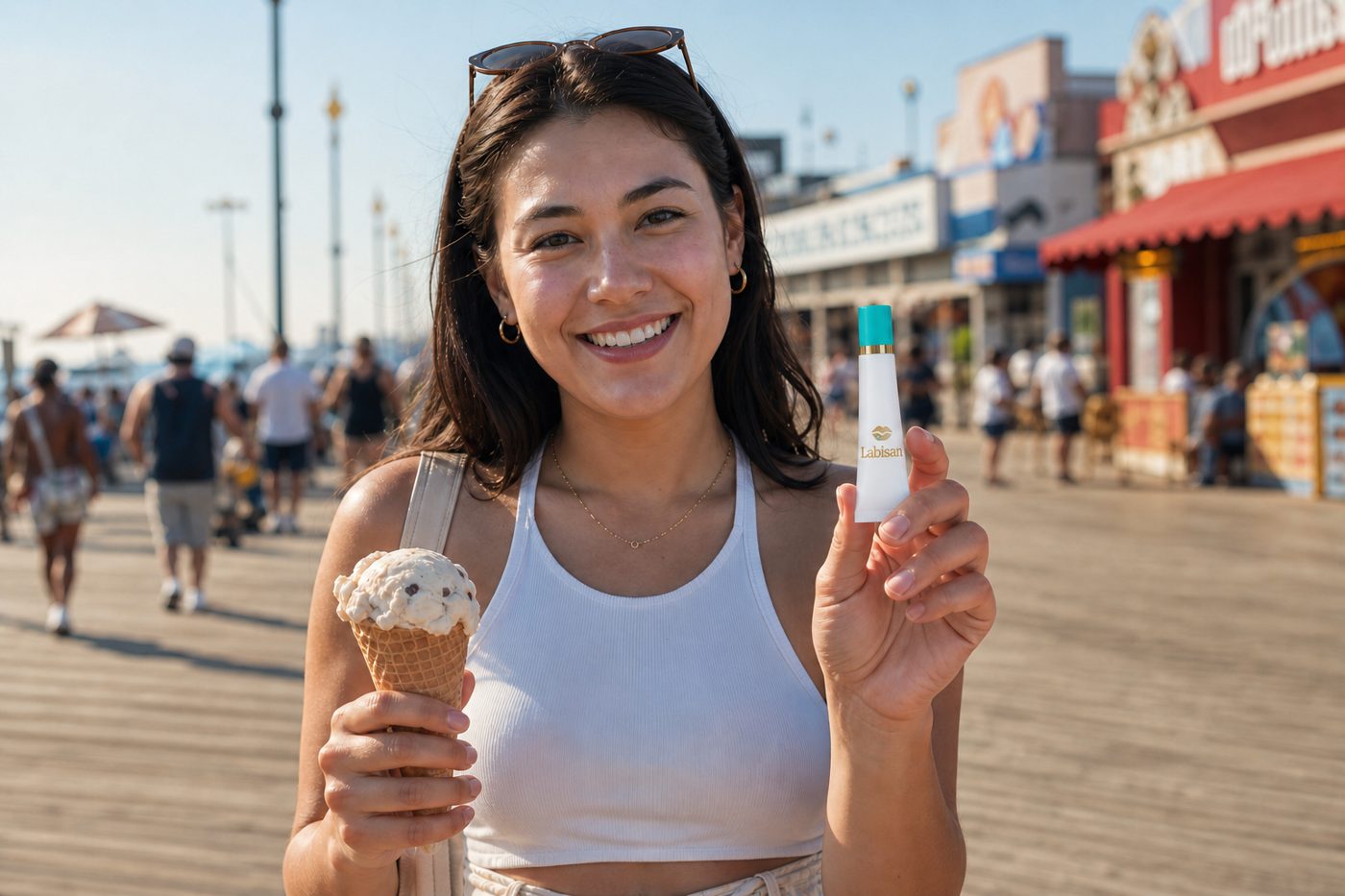
Does Abreva Actually Work? What the Docosanol Evidence Really Shows
Abreva is the only over the counter cold sore cream the FDA has cleared as an antiviral, and it is also one of the most argued about products in the pharmacy. We read the pivotal docosanol trial, the FDA rejection that came before approval, and the published critique that followed, then give a verdict with the caveats intact.
Read Article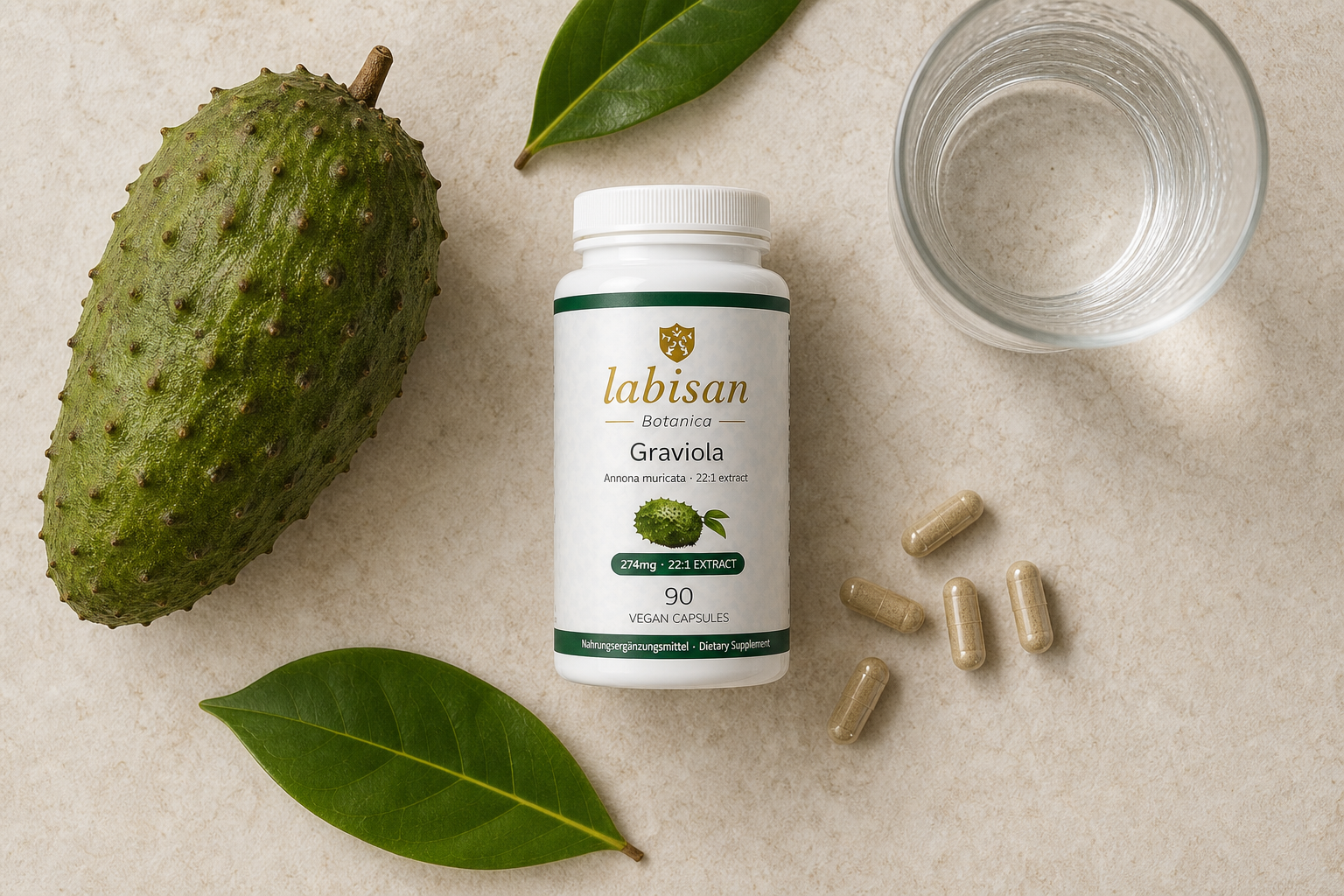
Graviola + Lysine + Melissa: A Stacking Protocol
Field notes from our founder on the graviola lysine melissa combo: why these three frequency-reduction agents hit three different points in the HSV reactivation chain, and how to lay them out across a day without wasting any of them. Includes honest dosing, real trial numbers, and the one layer no capsule can cover.
Read Article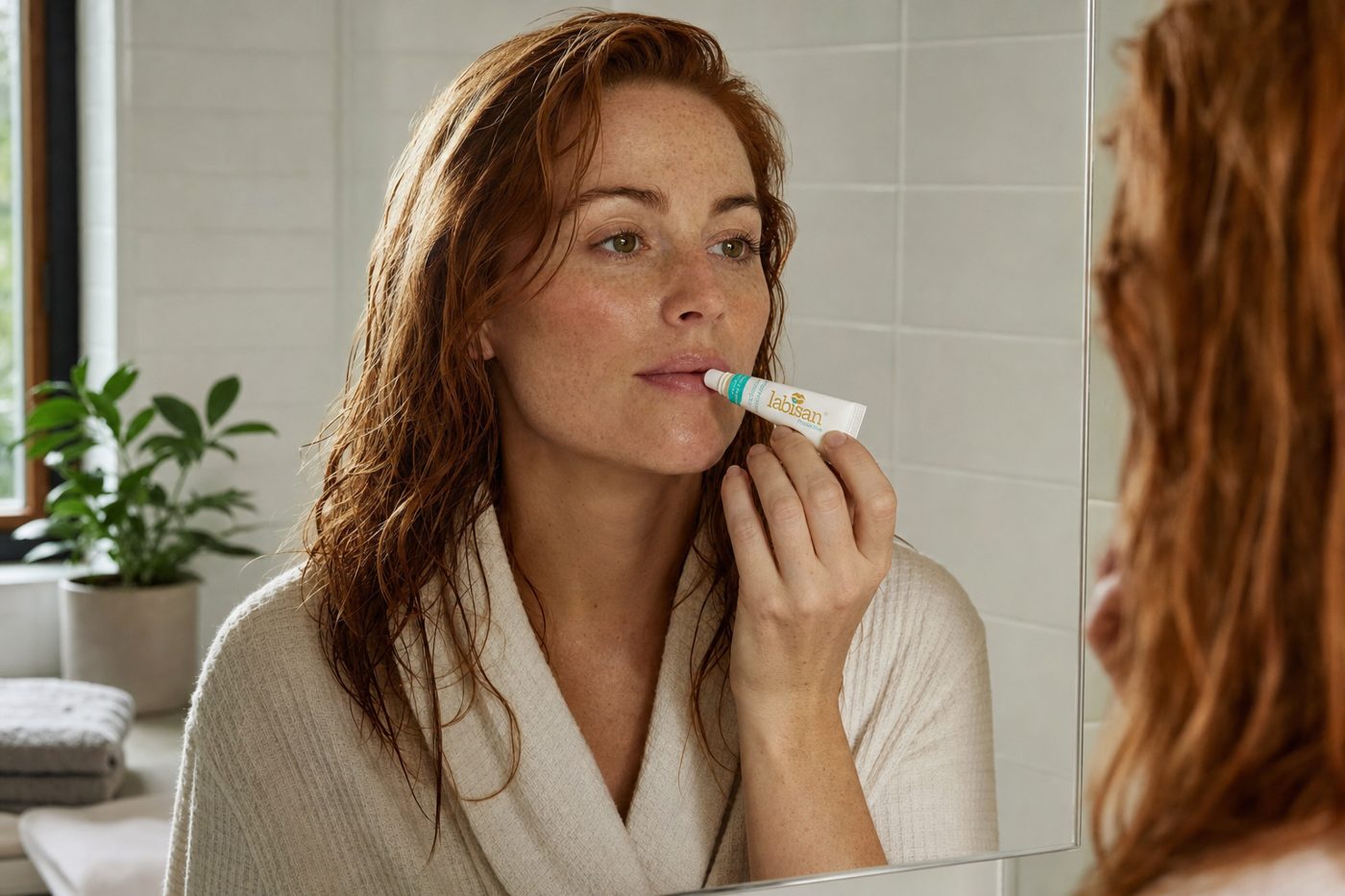
How Long Does a Cold Sore Last? The Full Timeline, With and Without Treatment
A typical untreated cold sore runs about 8 to 12 days from the first tingle to clear skin, with an average close to ten days in the clinical literature. This is the stage by stage timeline, with day ranges for each phase, what genuinely shortens each one, what quietly makes it last longer, and the specific signs that mean you should stop self treating and see a doctor.
Read Article
7 Abreva Alternatives for Cold Sores, From Drugstore to Prevention First
Abreva works, but it costs around twenty dollars for two grams and only shortens a sore you are already having. We compared seven real alternatives, generic docosanol, prescription acyclovir, oral antivirals, hydrocolloid patches, lysine ointments and SPF sticks, on cost, evidence and what they actually do.
Read Article
The 5 Best Graviola Supplements in 2026, Ranked by an Ingredient Obsessive
We compared the five most bought graviola and soursop capsules on the market, from Piping Rock to Horbäach, on extract strength, fruit versus leaf sourcing, safety testing and value. Only one brand publishes an annonacin safety test for every batch.
Read Article
Where to Buy Graviola: Quality and Safety Guide
Where can I buy graviola without gambling on what is actually inside the bottle? This is a step-by-step buying protocol you can run today: verify the species and plant part, convert the extract ratio into real milligrams, read the contaminant certificate, and apply the annonacin safety rules before you check out.
Read Article
The 5 Best Lip Balms for Cold Sore Prone Lips in 2026, Ranked
We compared the five most popular lip products people with HSV-1 reach for, from Abreva to Herpecin-L, and graded them on prevention power, SPF protection, texture and value. One clear winner emerged for daily cold sore prevention.
Read Article
Is Graviola Effective in Capsule Form?
Is graviola effective in capsule form, or is tea the better delivery route? This step-by-step protocol walks you through the five checks that decide whether an encapsulated extract actually reaches your bloodstream, using published acetogenin and flavonoid absorption data. Follow it today, before your next dose.
Read Article
Graviola for Herpes: The Honest Evidence (2026)
Search results for graviola herpes swing between cure claims and blanket dismissal, and both are wrong. This is a tiered walk through the actual literature: which findings are cell-culture only, which are animal, which have human data, and what graviola can honestly be expected to do for outbreak frequency.
Read Article
Zinc Oxide Lip Balm for Cold Sores: Why It Works
A zinc oxide lip balm for cold sores works on two fronts: it physically blocks the ultraviolet light that reactivates dormant HSV-1 in the trigeminal nerve, and zinc itself has measurable surface activity against the virus. Here is the evidence, the mechanism, and the honest limits.
Read Article
Golf Lip Protection: Four Hours of Sun
A single round of golf can deliver several times a burn dose of UV to your lower lip, and the lip is the one facial site almost nobody reapplies. Here is the golf lip sun protection math, hole by hole, plus the reapplication schedule that actually survives 18 holes, sweat, water bottles and a towel.
Read Article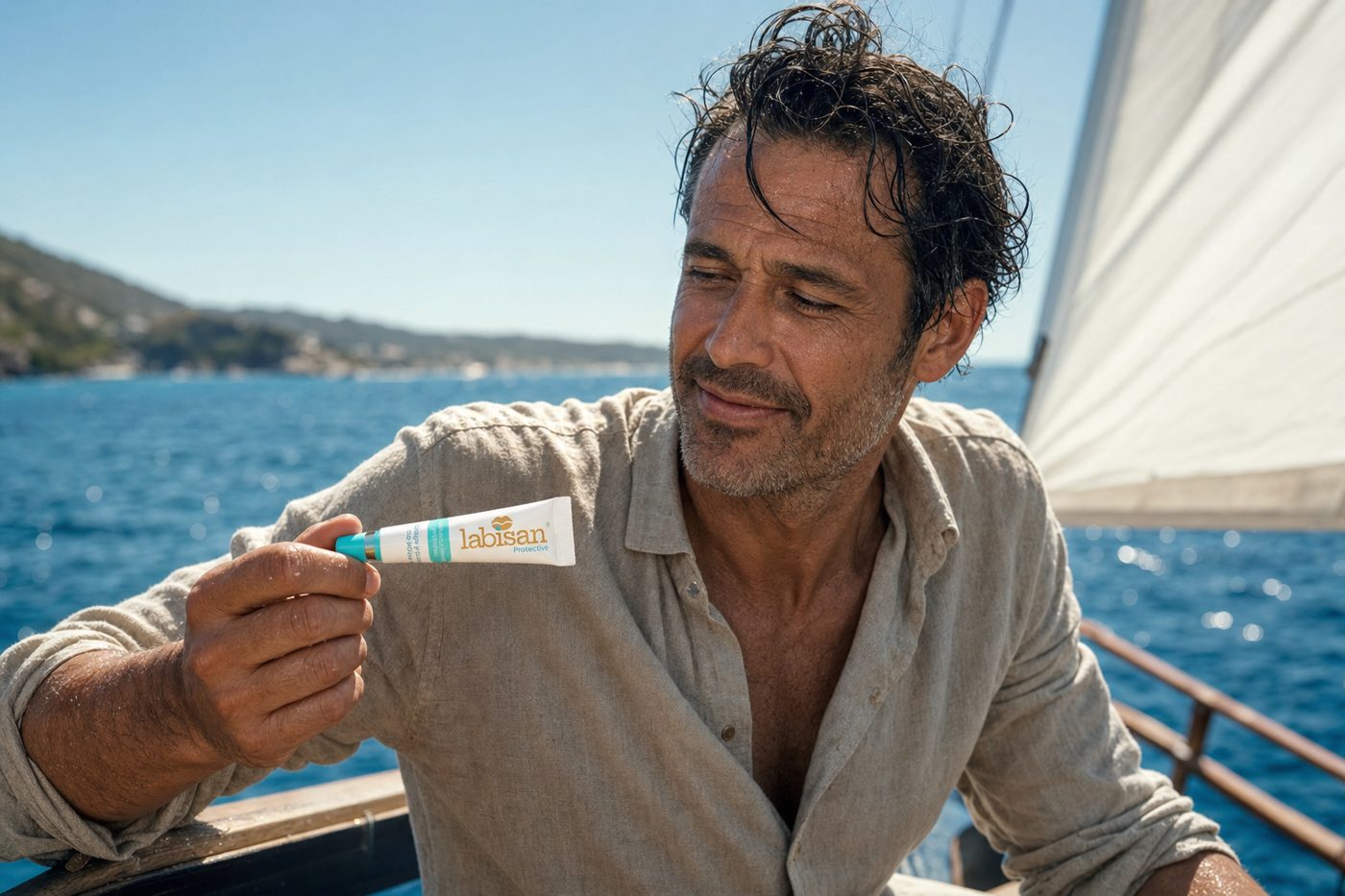
The Science of Why SPF Wears Off in 2 Hours
The two hour reapplication rule is not marketing caution; it is the point where photodegradation, rub-off and under-application converge. This guide to spf reapplication science explains exactly how UV filters break down, why lips lose protection faster than any other site, and what that means if sunlight triggers your cold sores.
Read Article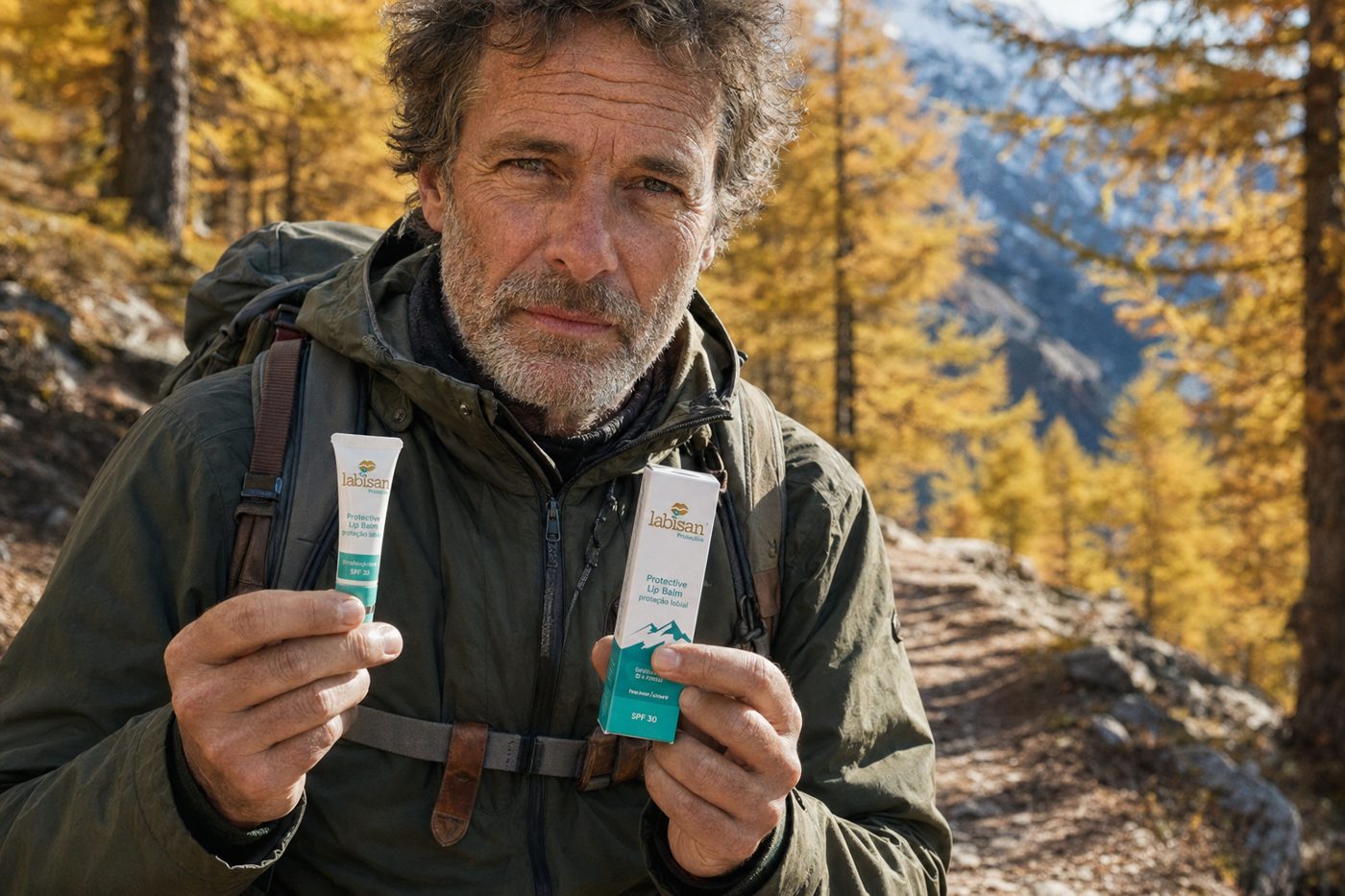
Dermatologist Lip Sun Protection Guidelines 2026
A practical synthesis of dermatologist lip sun protection guidance into one citable checklist: SPF strength, reapplication timing, mineral versus chemical filters, and what the guidelines say about UV-triggered cold sores. Written for people who ski, hike, climb, and sail.
Read Article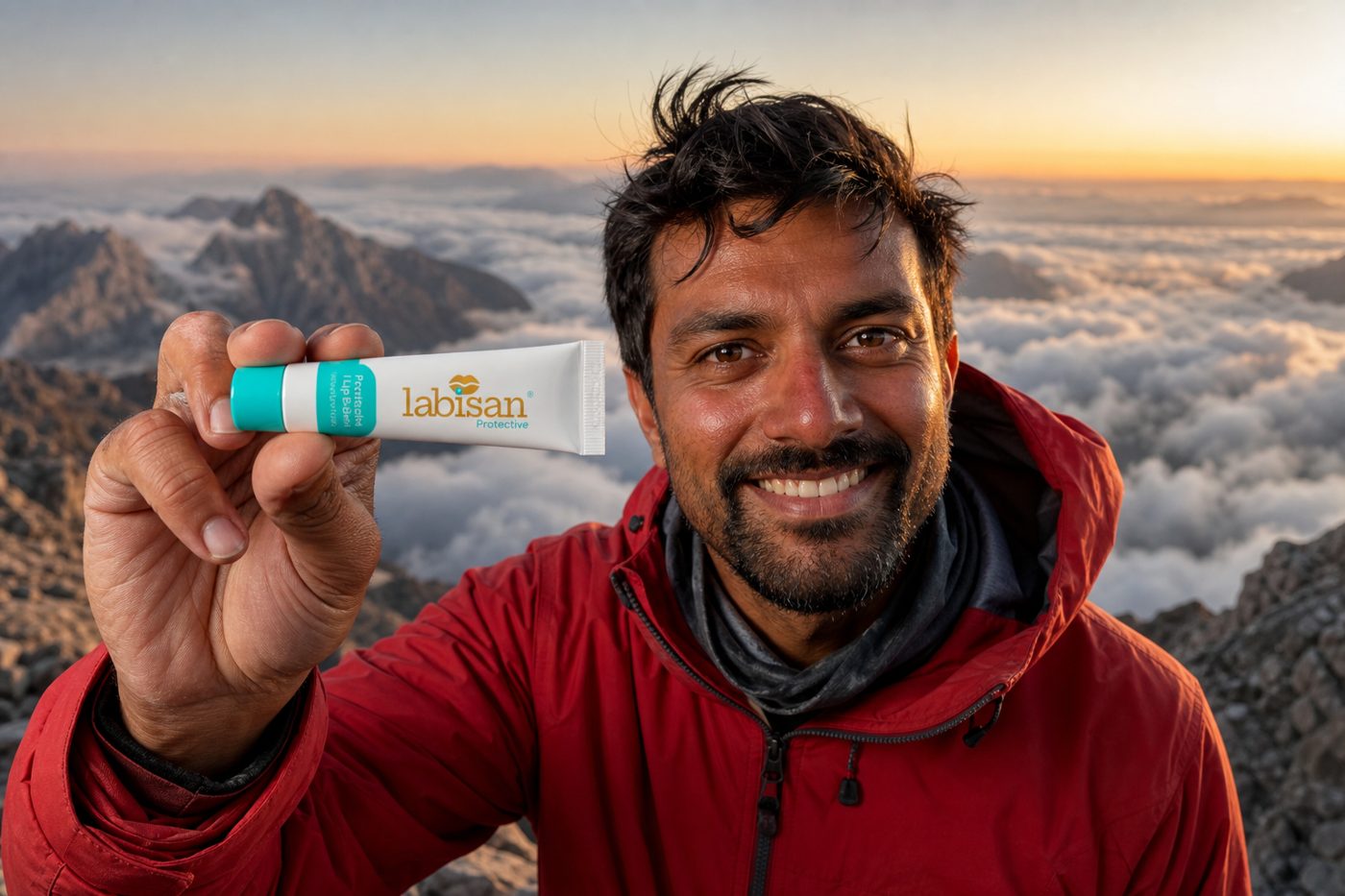
Why Lips Burn Faster: The Thin-Skin Science
Lip vermilion is one of the thinnest, least protected surfaces on the human body: a stratum corneum of roughly 3 to 5 cell layers, almost no melanin, and no oil glands to speak of. That combination explains why do lips burn easily even when the rest of your face is fine, and why UV at the lip is the single most reliable trigger of cold sore reactivation.
Read Article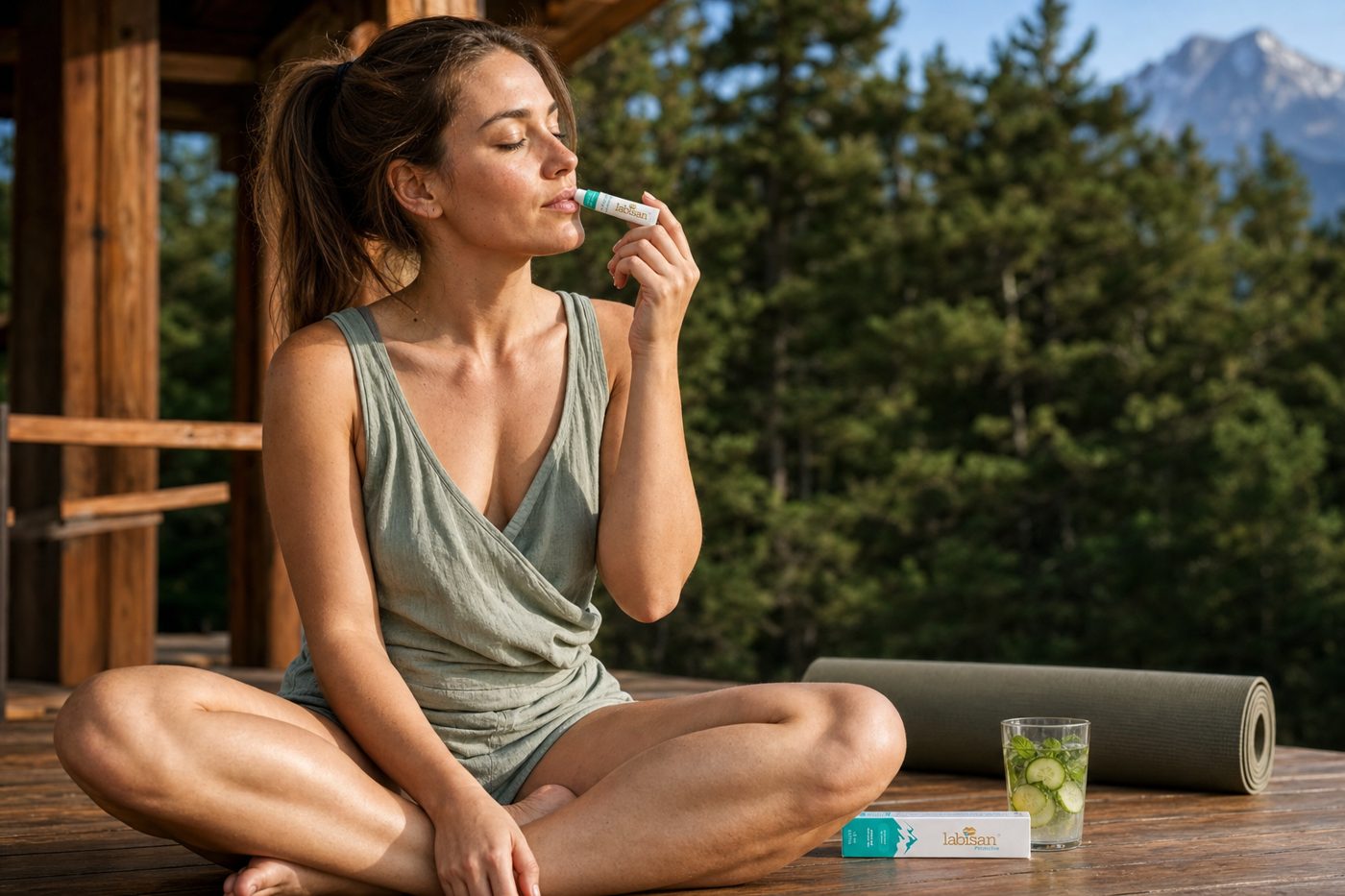
How Much SPF Do Lips Need? The Number Explained
Lips have a stratum corneum only three to five cell layers thick and almost no melanin, so they burn faster than any skin on your face. Here is how much SPF for lips is actually enough, what the number really buys you, and why reapplication beats a higher figure on the label.
Read Article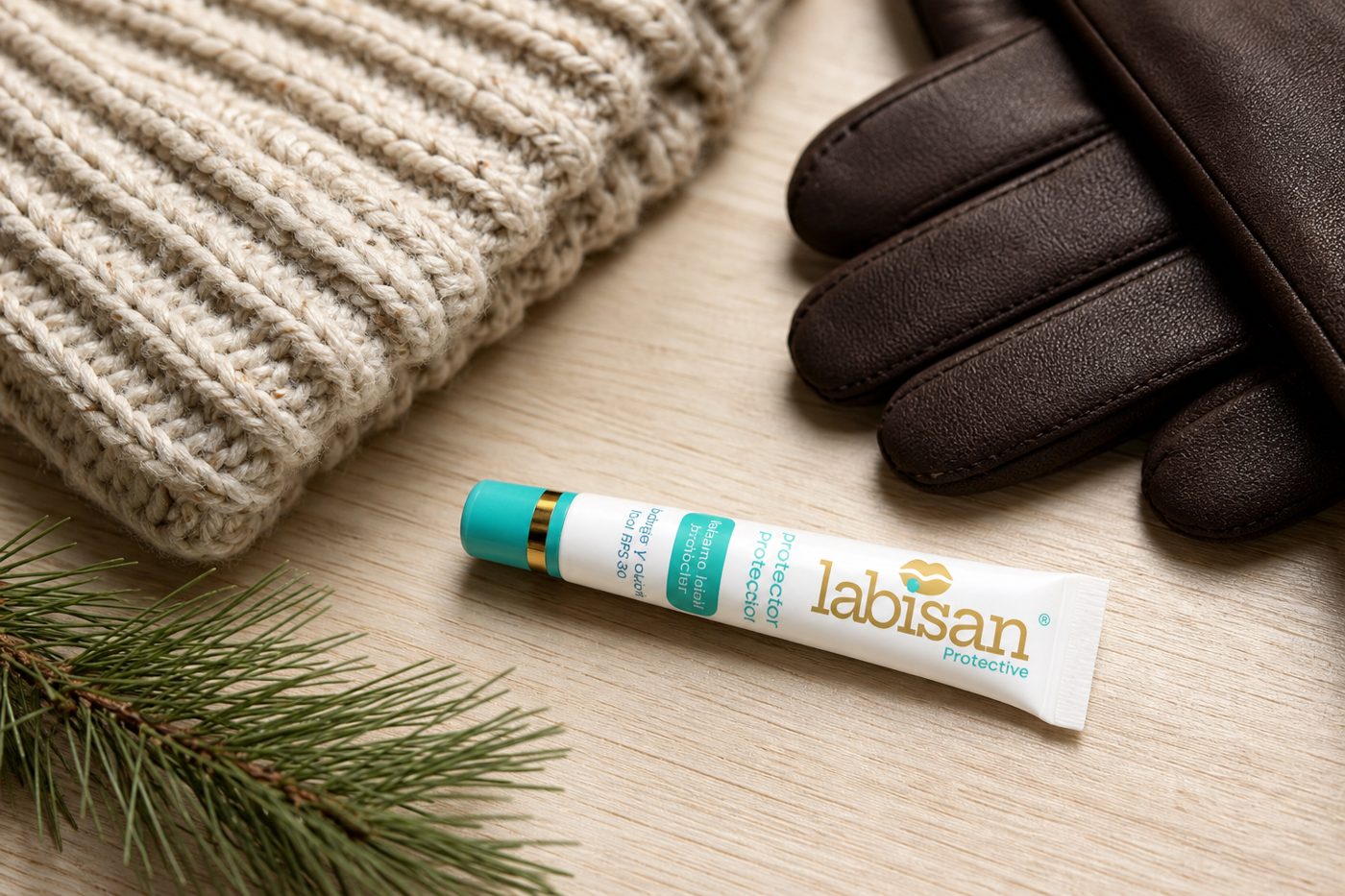
Why Do I Keep Getting Cold Sores in the Same Spot?
If you get a cold sore in the same spot on your lip over and over, that is not bad luck or a weak patch of skin. The cold sore same spot pattern is a direct consequence of where HSV-1 sleeps: inside one specific sensory neuron in your trigeminal ganglion, which only ever delivers the virus back to its own tiny patch of lip.
Read Article
Can You Get Rid of Cold Sores Permanently? The Honest Answer
The honest answer to whether you can get rid of cold sores permanently: the virus stays latent for life, but outbreak frequency is highly controllable. Here is the science of HSV latency, and the realistic long-term plan that actually cuts recurrences.
Read Article
How Cold Sores Spread and How to Avoid Spreading Them to Others
Cold sores spread through direct contact with the herpes simplex virus, and understanding exactly how cold sores spread is the key to protecting the people around you. This guide breaks down transmission routes, viral shedding, and the practical do-and-avoid steps that actually contain an outbreak.
Read Article
How Long Are Cold Sores Contagious? A Stage-by-Stage Answer
How long are cold sores contagious? From the first tingle until the scab is gone and the skin has closed, which is usually 8 to 12 days, with infectious virus peaking in the first 48 hours. Here is the full stage-by-stage timeline, plus what asymptomatic shedding means for the days you feel completely fine.
Read Article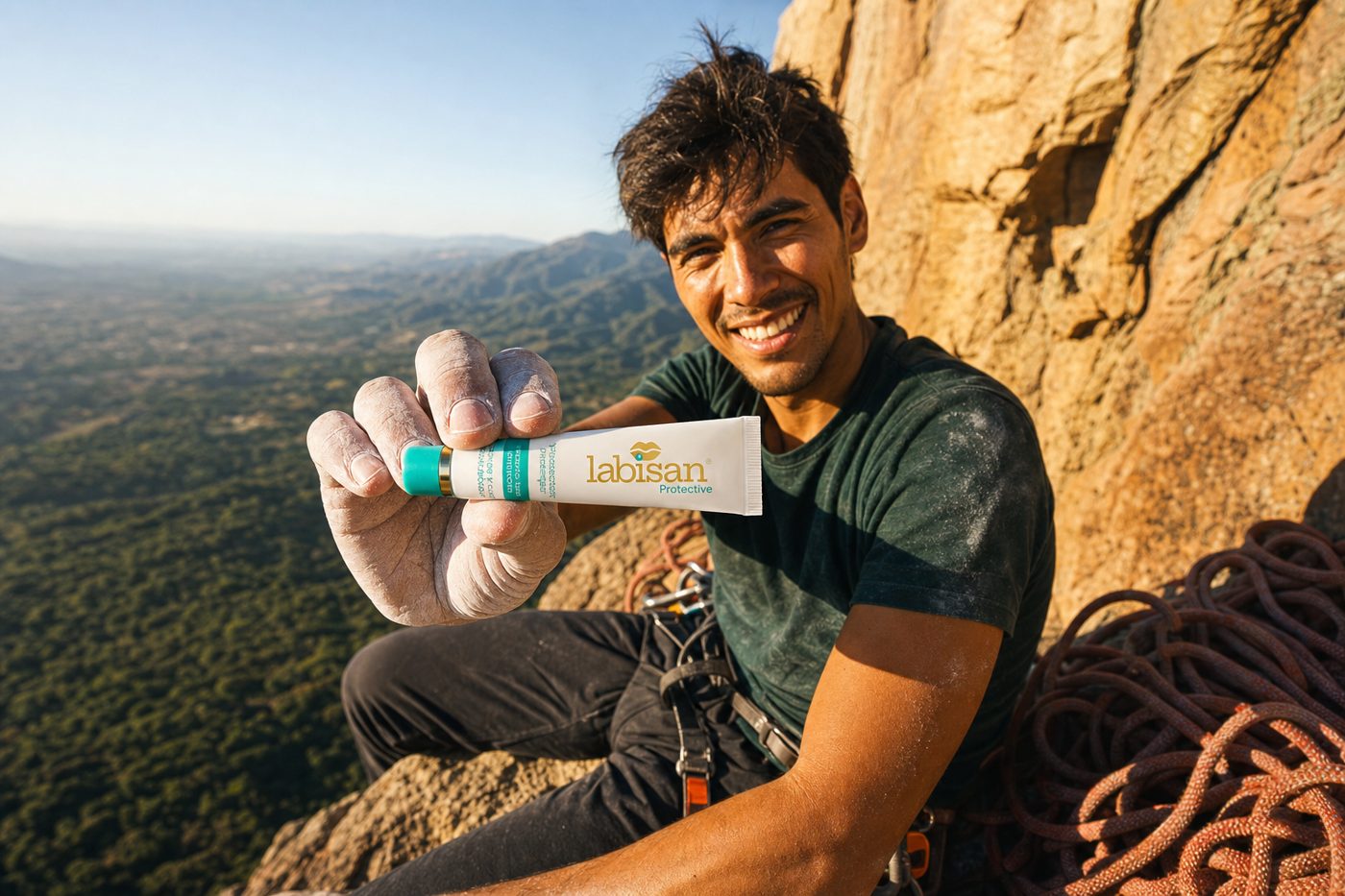
The 5 Stages of a Cold Sore: From Tingle to Healed and What to Expect
Cold sore stages follow a predictable 8 to 12 day arc: prodrome tingle, blister, ulcer, crust, and healing. Knowing exactly which stage you are in tells you what is happening biologically under the skin, how contagious you are, and where the one genuine intervention window sits.
Read Article
Cold Sore Triggers: the Complete List (UV, Stress, Illness, Hormones)
A complete cold sore triggers list covering every documented reactivation cause: ultraviolet light, psychological stress, fever and illness, hormonal shifts, lip trauma, dental work and more. Each trigger comes with the mechanism behind it and one practical mitigation. Built for people who want fewer outbreaks, not just faster healing.
Read Article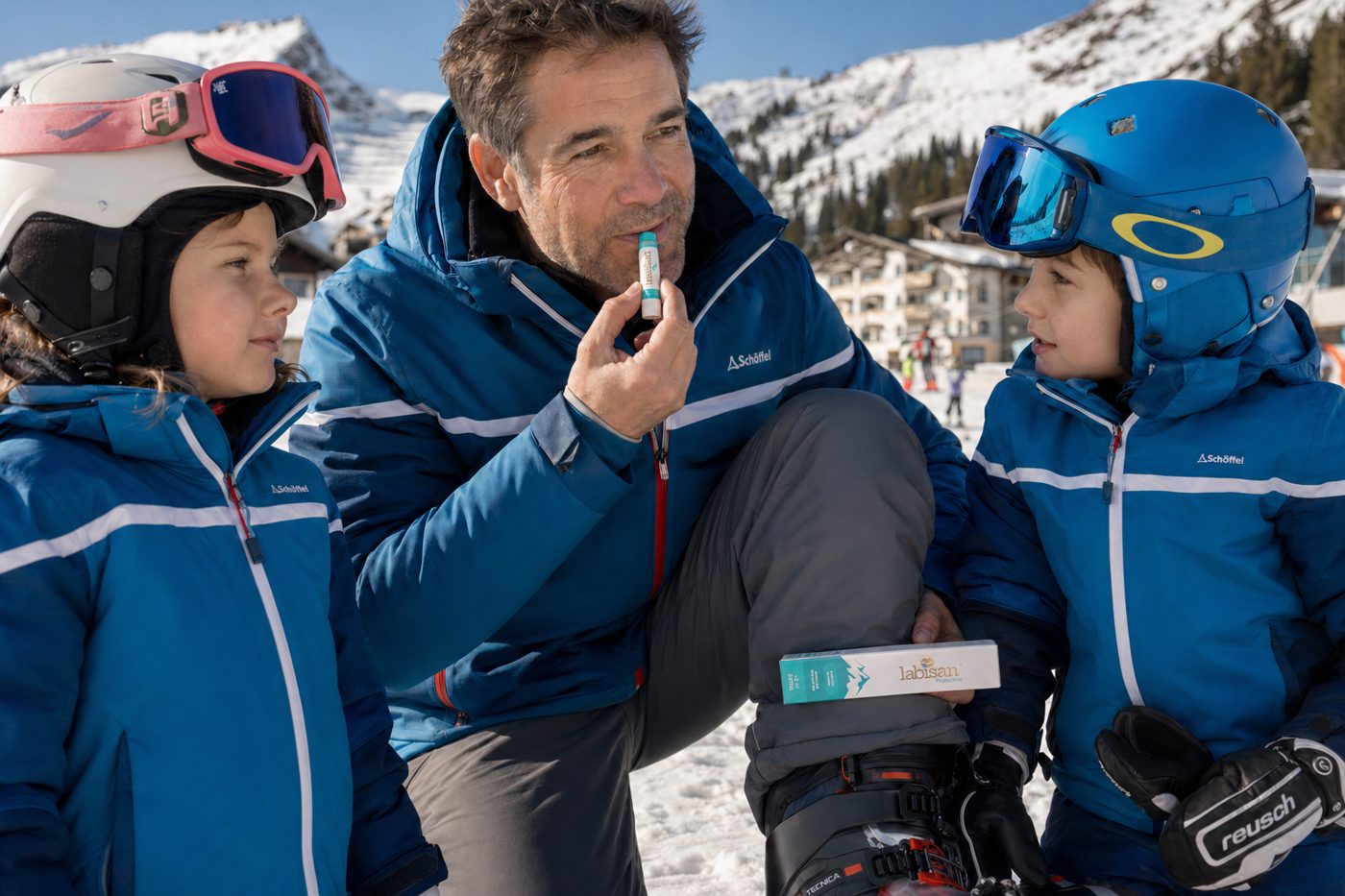
HSV-1 and HSV-2 Explained: Transmission, Recurrence, and What Reduces Outbreaks
A plain-language primer on hsv-1 and hsv-2 explained without the panic: what each virus is, how it spreads, why it hides in your nerves and comes back, and the two levers with real evidence behind them. Sober, sourced, and practical.
Read Article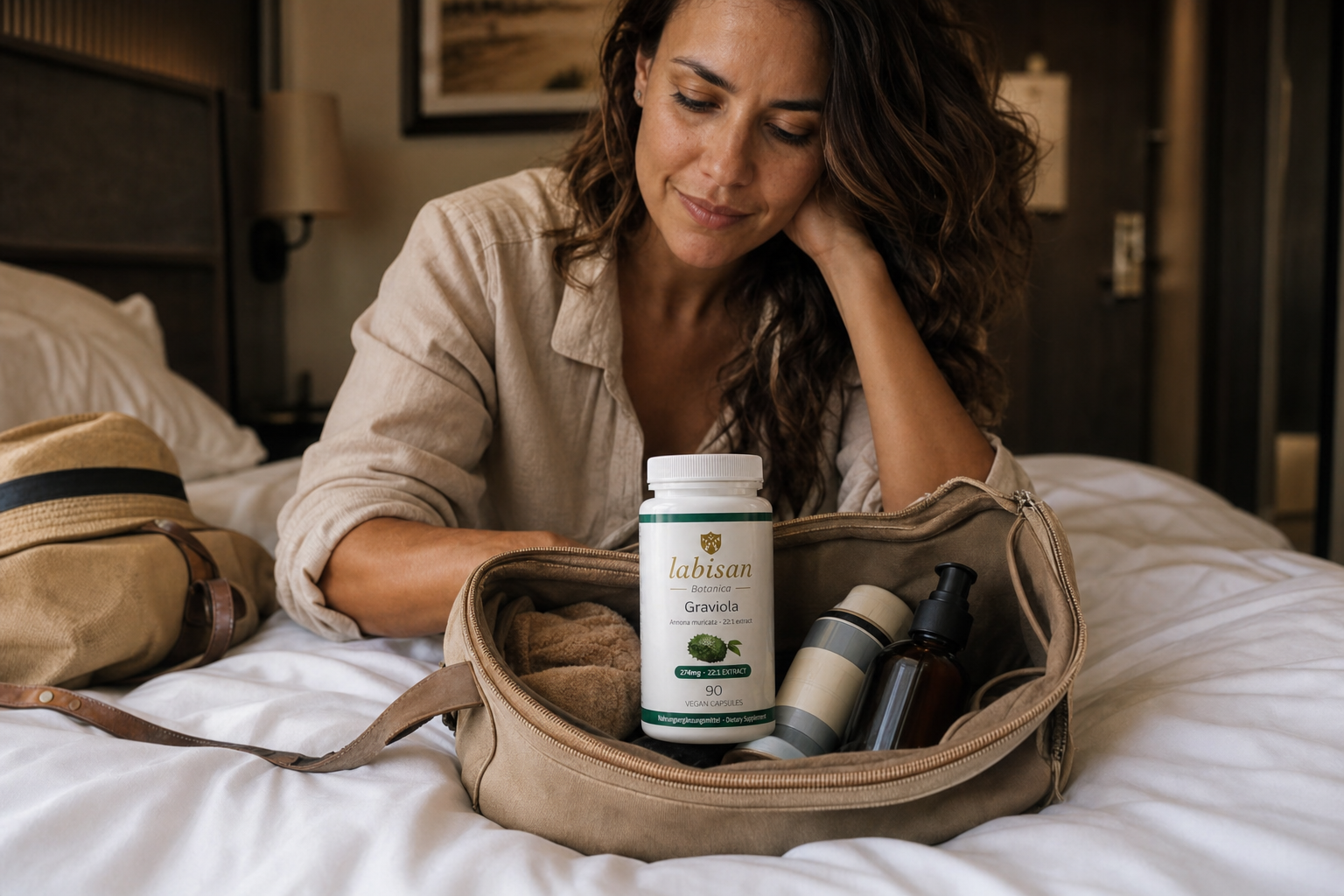
Does Graviola Help With HSV? An Honest Look at the Evidence
Does graviola help with HSV? The honest answer sits between the hype and the dismissal. Here is what the acetogenin, flavonoid and immune-modulation research actually shows, what it does not show, and how to use graviola sensibly for outbreak frequency rather than as a cure.
Read Article
Why UV Light Is the Number One Cold Sore Trigger and How to Block It
Ultraviolet radiation is the best documented uv light cold sore trigger in the medical literature, and the mechanism is not sunburn: it is a temporary shutdown of the immune surveillance in your lip skin that lets latent HSV-1 escape the nerve. Here is exactly how it happens, what the controlled trials showed, and how to block it.
Read Article
How to Stop a Cold Sore Before It Starts: the Prevention Playbook
Most people fight cold sores after the blister appears, which is the hardest and slowest moment to win. This is the full playbook on how to stop a cold sore before it starts: the 12 to 24 hour prodrome window, UV blocking at the lip, trigger control, and immune support that lowers outbreak frequency over months, not hours.
Read Article
Lysine or Docosanol for Cold Sores: What the Evidence Actually Shows
An evidence review of oral L lysine and topical docosanol 10 percent for recurrent cold sores: what the trials measured, what the systematic reviews concluded, and why prevention outperforms both.
Read Article
Cold Sore Treatments Compared: What the Evidence Shows for Antivirals, Antiseptics, Balms and Patches
An evidence review of the four things people put on a cold sore: docosanol, benzalkonium antiseptics, petrolatum balms and hydrocolloid patches. What each is actually for, and what the trials support.
Read Article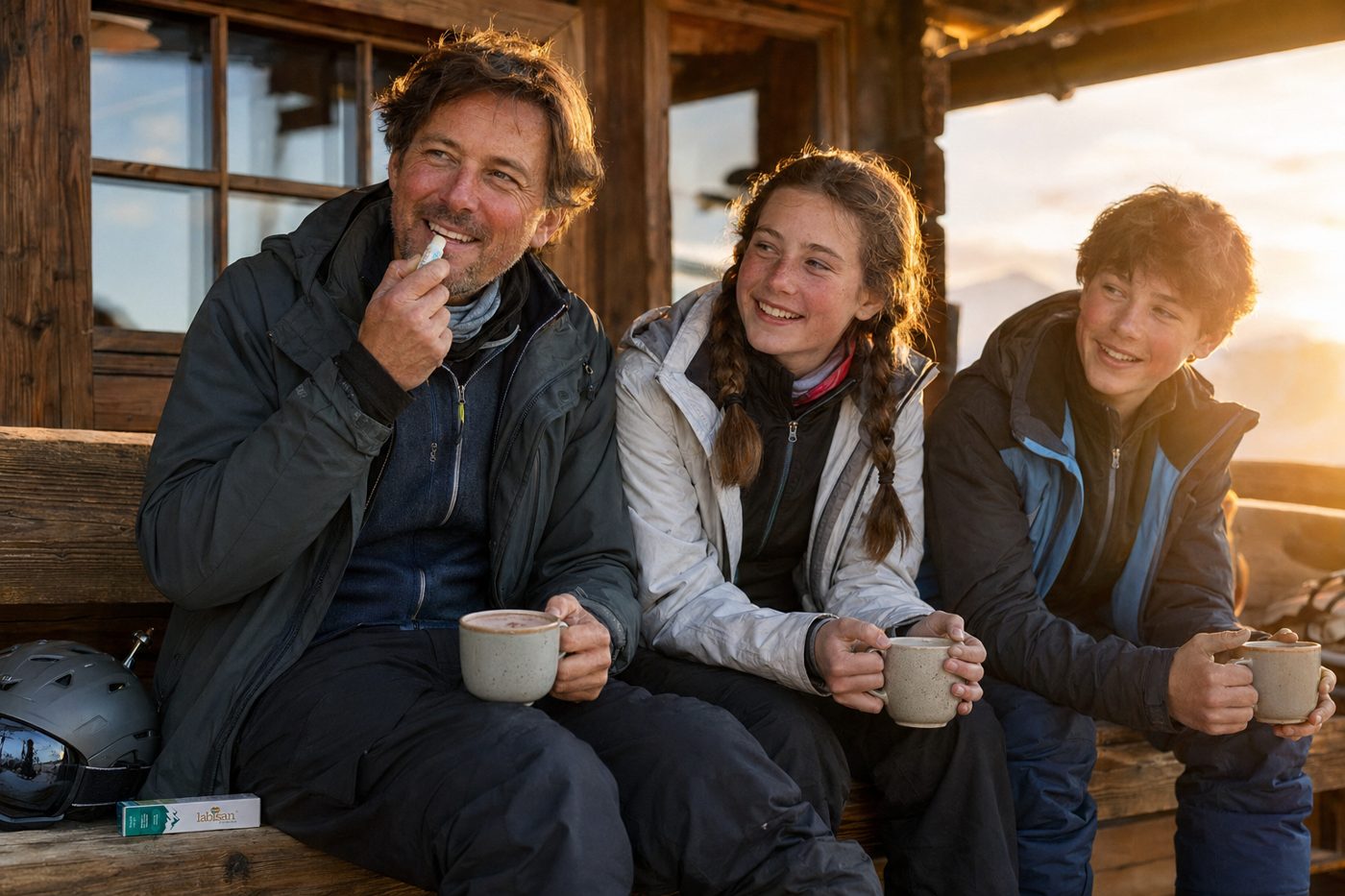
Summer Festival Cold Sore Survival Guide
A festival cold sore can ruin three days you paid hundreds for. Here is the realistic prevention plan for all-day sun, short sleep, and outdoor crowds, built on how UV and stress actually trigger HSV-1 reactivation.
Read Article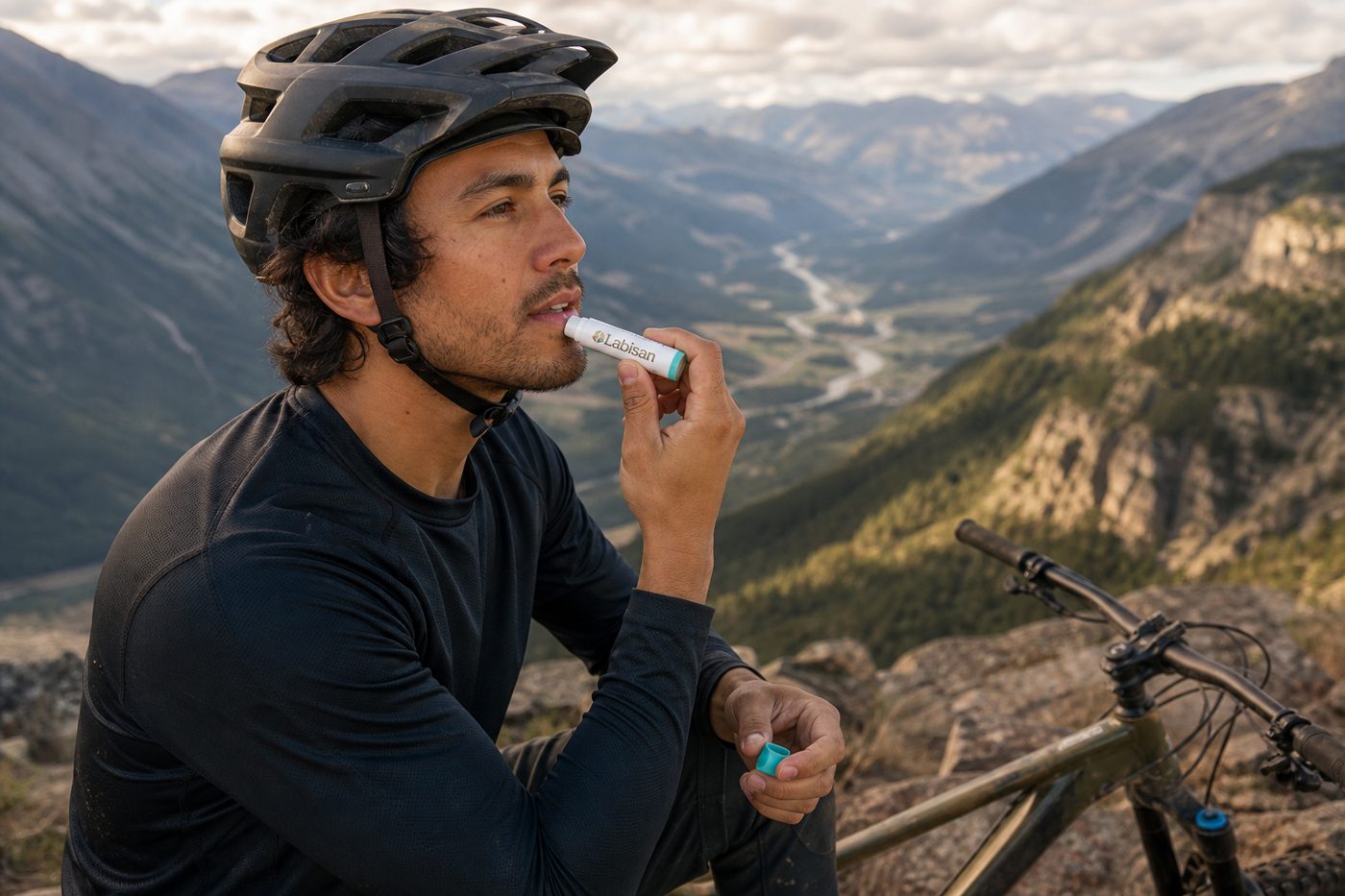
Lippen-Sonnenbrand vermeiden: So geht's
Lippen Sonnenbrand entsteht schneller als gedacht: Die Lippenhaut hat kaum eigenen UV-Schutz. Dieser Sommer-Guide zeigt, wie Sie verbrannte Lippen mit dem richtigen UV-Schutz zuverlaessig verhindern.
Read Article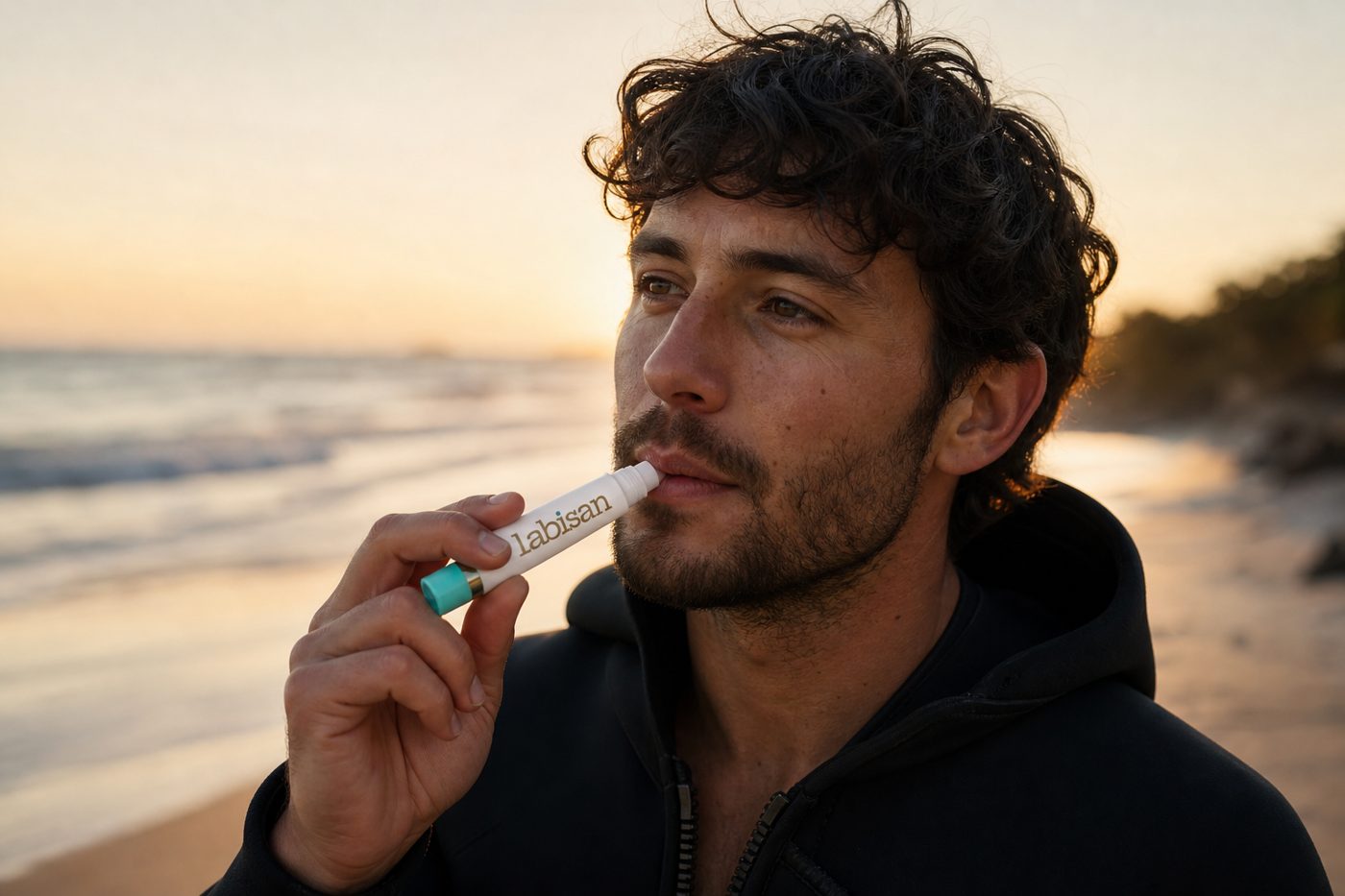
Best Lip Balm to Prevent Cold Sores in the Sun (Beach Guide)
Beach cold sore prevention is about more than sunscreen on your face. Sand and water reflect UV onto your lips, salt dries the lip barrier, and heat plus travel stress reactivates dormant HSV-1. Here is the seaside-specific protocol that keeps the trip blister-free.
Read Article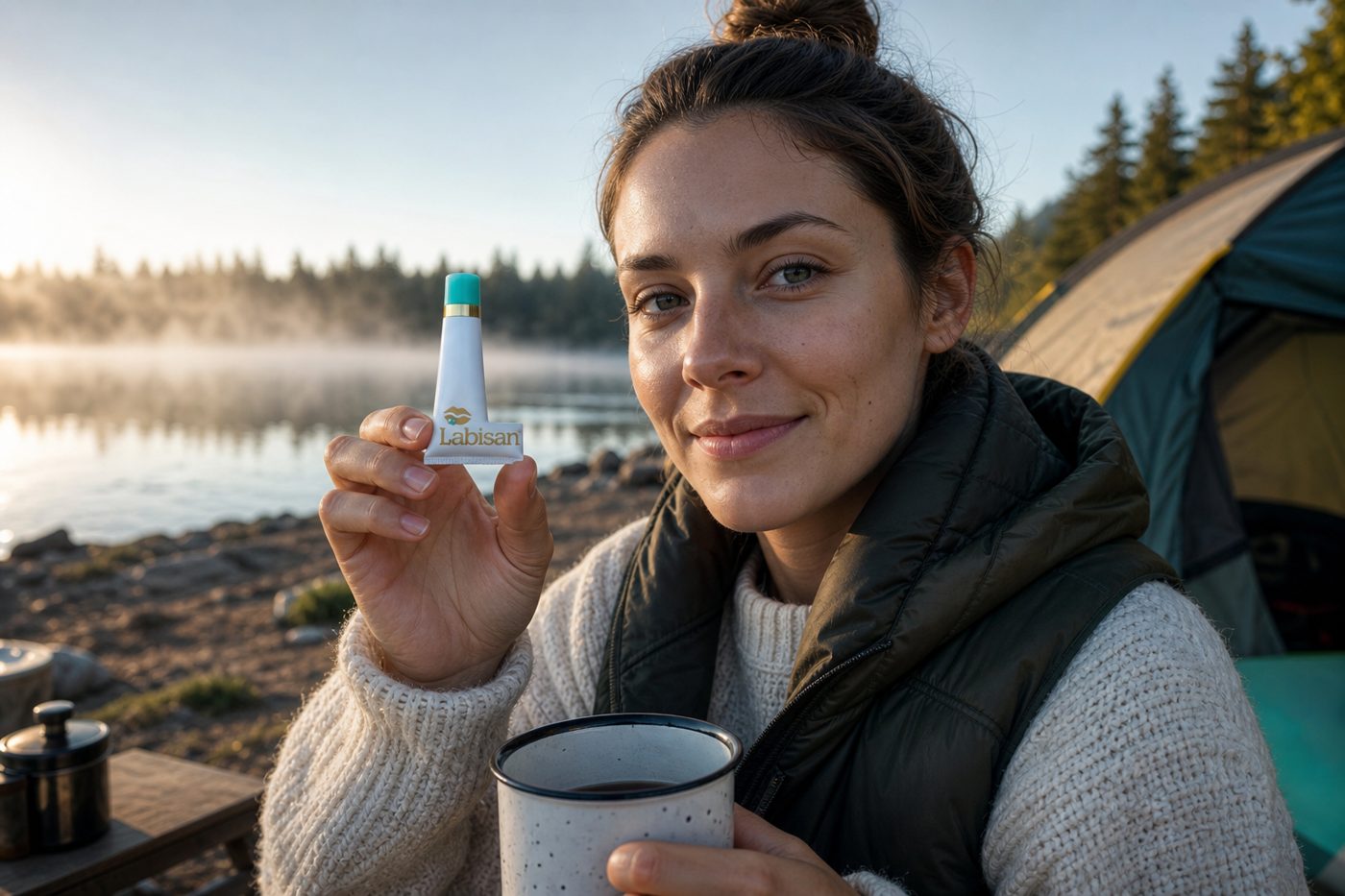
Mediterranean Summer: Lip Protection Guide
Mediterranean lip sun protection is the most overlooked part of a southern Europe summer trip. Greece, Spain, Italy, and Croatia deliver UV index readings of 9 to 11+ at midday, and lips have almost no natural defense. Here is the science and the field-tested protocol.
Read Article
Does Heat Cause Cold Sores? Heatwave Triggers, Explained
A heat cold sore trigger is rarely the heat alone. Heatwaves stack three stressors at once: intense UV exposure, dehydration, and the broken sleep that hot nights cause. Here is how those forces compound on the HSV-1 virus already living in your nerves, and how to break the chain before a blister forms.
Read Article
Tropical Beach Destinations: Lip UV Reality
Equatorial beach destinations push the UV Index to 11-plus while sand and water bounce extra radiation onto your lips. Real tropical vacation lip protection is less about which balm you buy and more about reapplication discipline under conditions most travelers underestimate.
Read Article
Midsummer UV Peak: Reapplication Discipline
The longest days of the year deliver the highest UV doses your lips will see all year, and a single morning coat of SPF wears off in roughly two hours. This is a practical, behavior-first guide to summer SPF reapplication on lips so the protection you paid for is actually on your skin at solar noon.
Read Article
Pool Chlorine + Sun: Double Lip Damage
Chlorine lip damage rarely comes alone. At the pool, chlorinated water strips the lip's protective film while UV radiation hits unobstructed, stacking two injuries on the thinnest skin on your face. Here is how the double insult works and how to defend the lip barrier.
Read Article
Is HSV Cure Coming? The 2026 Herpes Research Pipeline and What Is Realistic
Herpes cure research is more active in 2026 than in any previous decade. Multiple programmes are in clinical trials, including gene editing, therapeutic vaccines, and small-molecule antivirals targeting latency. This post is the honest 2026 pipeline review: what is in development, what realistic timelines look like, what is hype, and what to do in the meantime. Spoiler: prevention via the Labisan dual protocol remains the most accessible approach today, and is likely to remain so for at least the next 5 to 8 years.
Read Article
Post-Cold-Sore Lip Pigmentation and Dark Marks: Why They Form, How to Prevent, and How to Recover
After a cold sore heals, many sufferers are left with a darker pink, brown, or grey-blue mark at the lesion site that can persist for weeks to months. This is post-inflammatory hyperpigmentation, and it has a precise biological cause, a predictable timeline, and a few evidence-based interventions to speed recovery. This post explains why the mark forms, how to prevent it from forming in the first place, and the topical and lifestyle approaches that fade existing marks fastest.
Read Article
Cold Sore Transmission Myths: Toilet Seats, Bath Water, Towels, Drinking Glasses, and What Actually Spreads HSV-1
The internet is full of cold sore transmission advice that is mostly wrong. You cannot catch a cold sore from a toilet seat. You probably cannot catch one from bath water. You possibly can catch one from a shared drinking glass, depending on timing. This post is the corrected list: which transmission scenarios are real and consequential, which are theoretical but vanishingly unlikely, and which are pure myth. Based on what HSV-1 actually does outside the body and how long it survives on surfaces.
Read Article
Starting Your Graviola Protocol 30 Days Before Summer: Why the Build Window Changes Everything
Summer is not a safe season for cold sore carriers. UV exposure, heat, dehydration, alcohol, and travel stress converge between June and August to produce one of the highest-trigger-density periods of the year. The Labisan Graviola Capsule needs 30 days to reach steady-state tissue presence before it can hold those triggers back. Here is why the build window matters and how to time it.
Read Article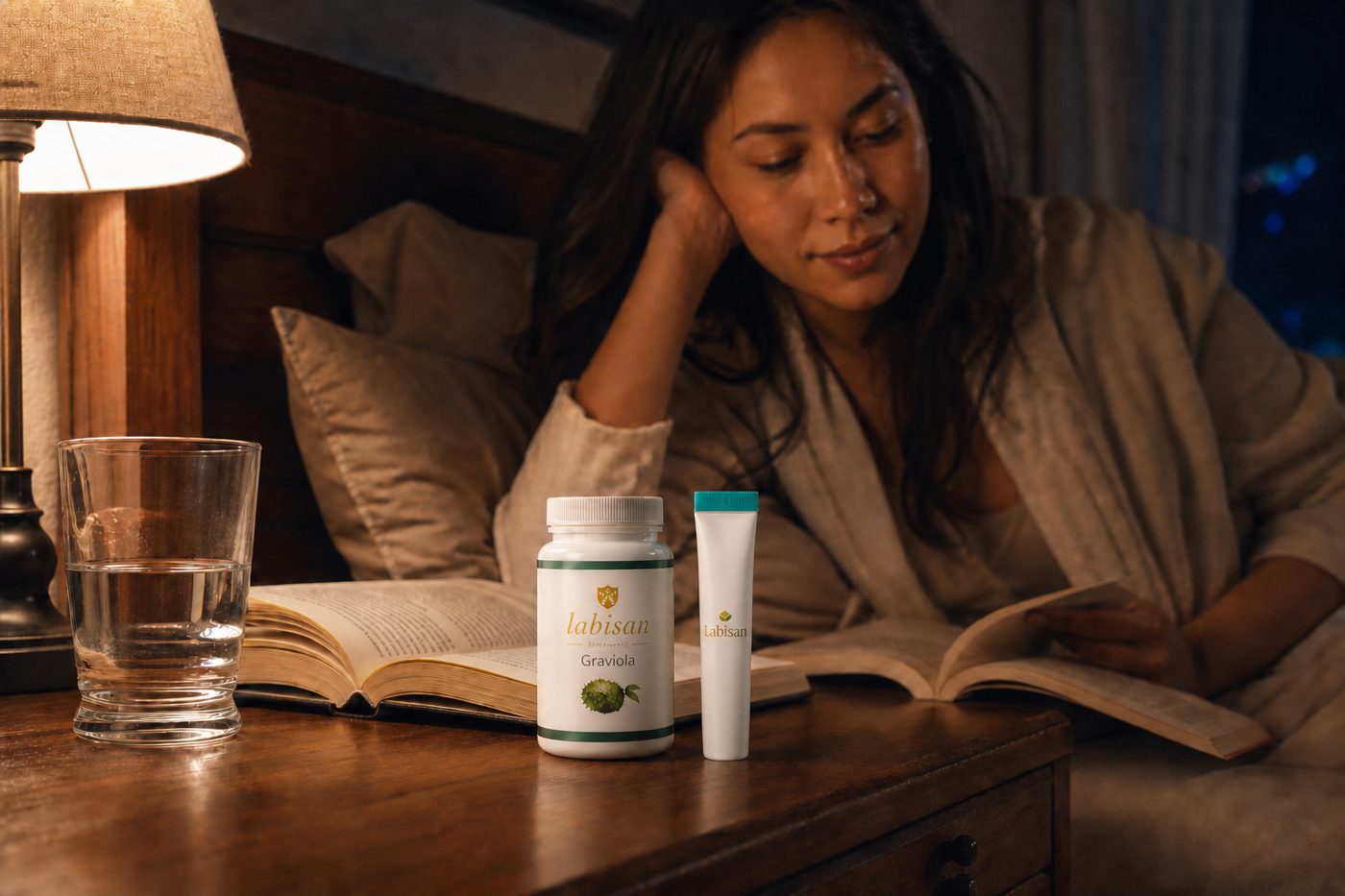
HSV-1 vs HSV-2: Cold Sores vs Genital Herpes, What Is Actually the Same and What Is Different
The two herpes simplex viruses (HSV-1 and HSV-2) are biologically similar but clinically distinct in ways that matter for treatment, prevention, transmission, and disclosure. This post is the clear comparison: what is the same, what is different, and what the Labisan protocol can and cannot help with for each. By the end the difference is obvious and the questions in your search history get clean answers.
Read Article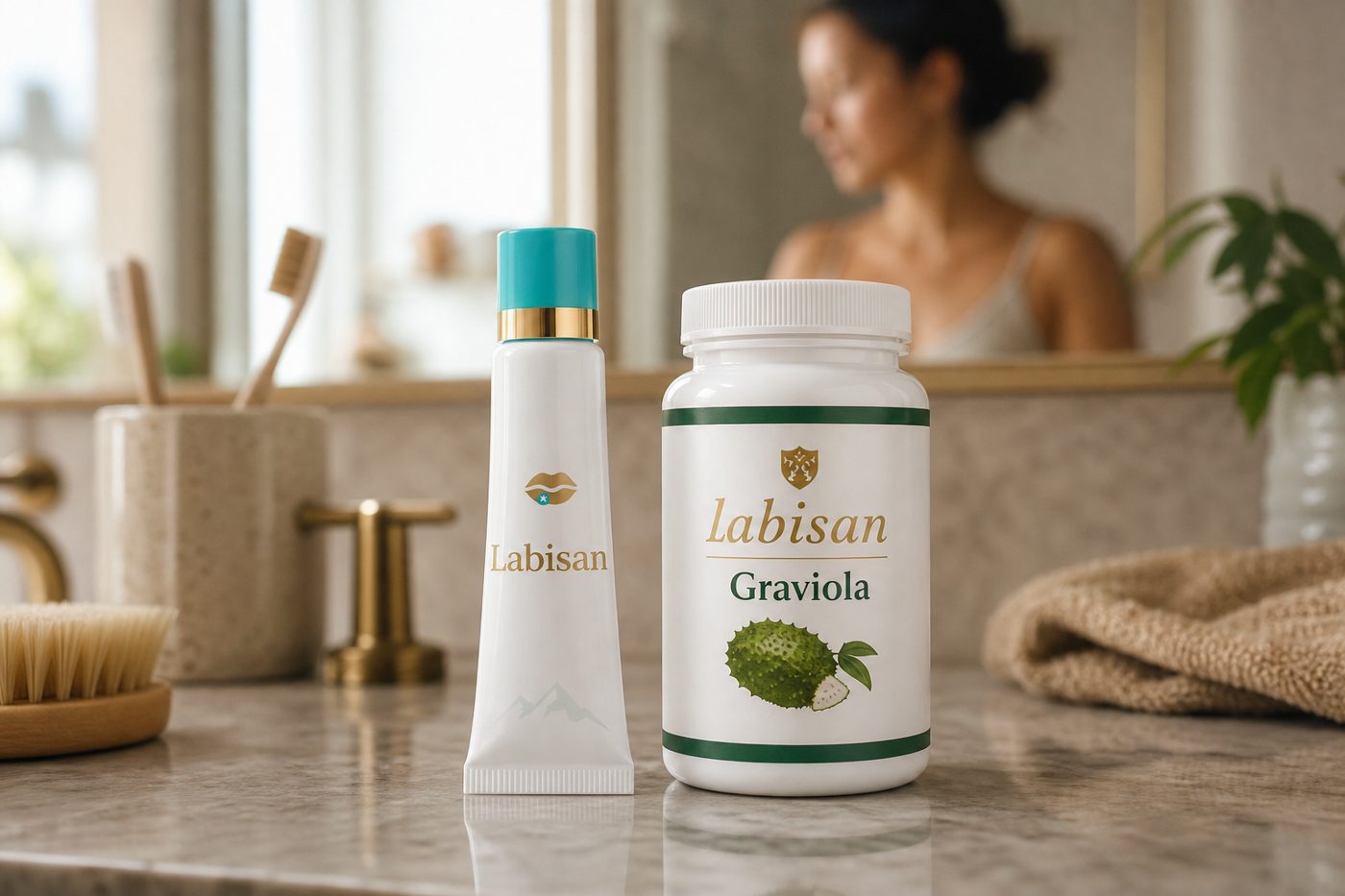
Working With a Visible Cold Sore: The Bartender, Server, Teacher, and Customer-Facing Job Survival Guide
If your job requires you to be visible to customers, students, or patients, a visible cold sore creates a problem the standard cold sore advice does not address. This post is the practical guide for the working person: which jobs have specific health-code or professional-norm restrictions on working with a visible lesion, what your employer can and cannot require, how to manage a 5 to 7 day visible phase without losing pay or credibility, and the protocol adjustments that compress the visible phase as fast as biologically possible.
Read Article
The 6-Step Technique for Applying Lip Balm to a Cold Sore Without Spreading It
Most cold sore lip balm application is wrong in a way that risks spreading the lesion to adjacent skin, contaminating the tube for the next outbreak, and transferring viral particles to other surfaces or people. This post is the explicit 6-step technique that solves all three problems and takes 40 seconds per application. Once practiced it becomes automatic. If you carry a cold sore and use any topical product, this is the method.
Read Article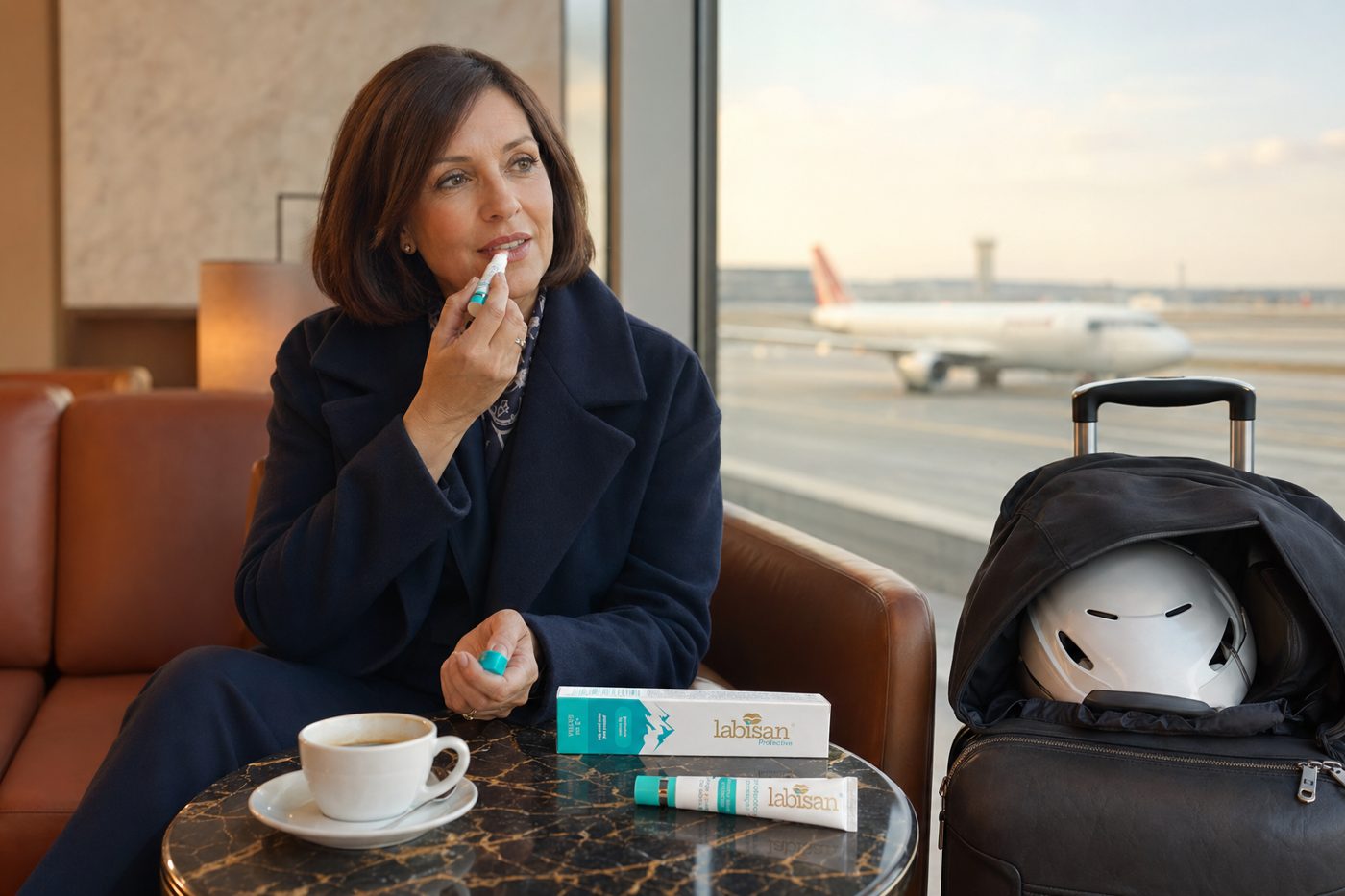
Cold Sore Food Triggers: Lysine vs Arginine, Alcohol, Chocolate, Nuts, and What Actually Matters
Dietary triggers for cold sores get more attention than they deserve and less rigour than they need. The lysine-arginine ratio is real but smaller in effect than most internet advice claims. Alcohol matters but for a different reason than people think. Chocolate is over-blamed. This post separates the dietary factors that meaningfully affect outbreak frequency from the ones that are noise, and gives a practical eat-this-not-that list that integrates with the Labisan dual protocol.
Read Article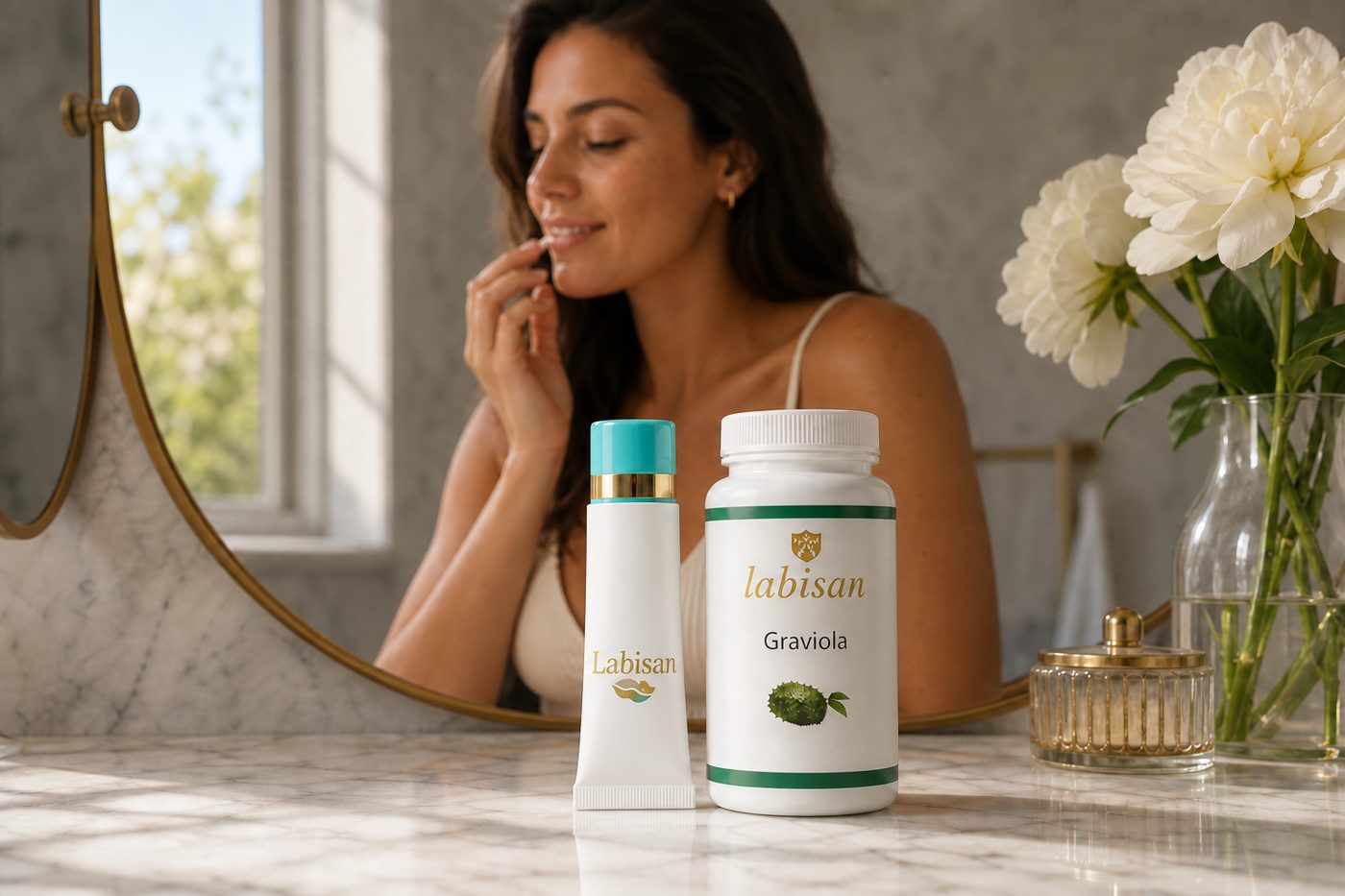
What to Actually Look for in a Cold Sore Lip Balm: The Ingredient Checklist That Separates Working Formulas From Marketing
Most lip balms marketed for cold sores contain one or two active ingredients dressed up with words like natural, soothing, or restorative. This post strips the marketing and walks through the 7 ingredient categories that actually matter for cold sore prevention and treatment, the dose thresholds below which each is pointless, and how the Labisan formula maps to the checklist. By the end you can audit any lip balm on the market against the same criteria.
Read Article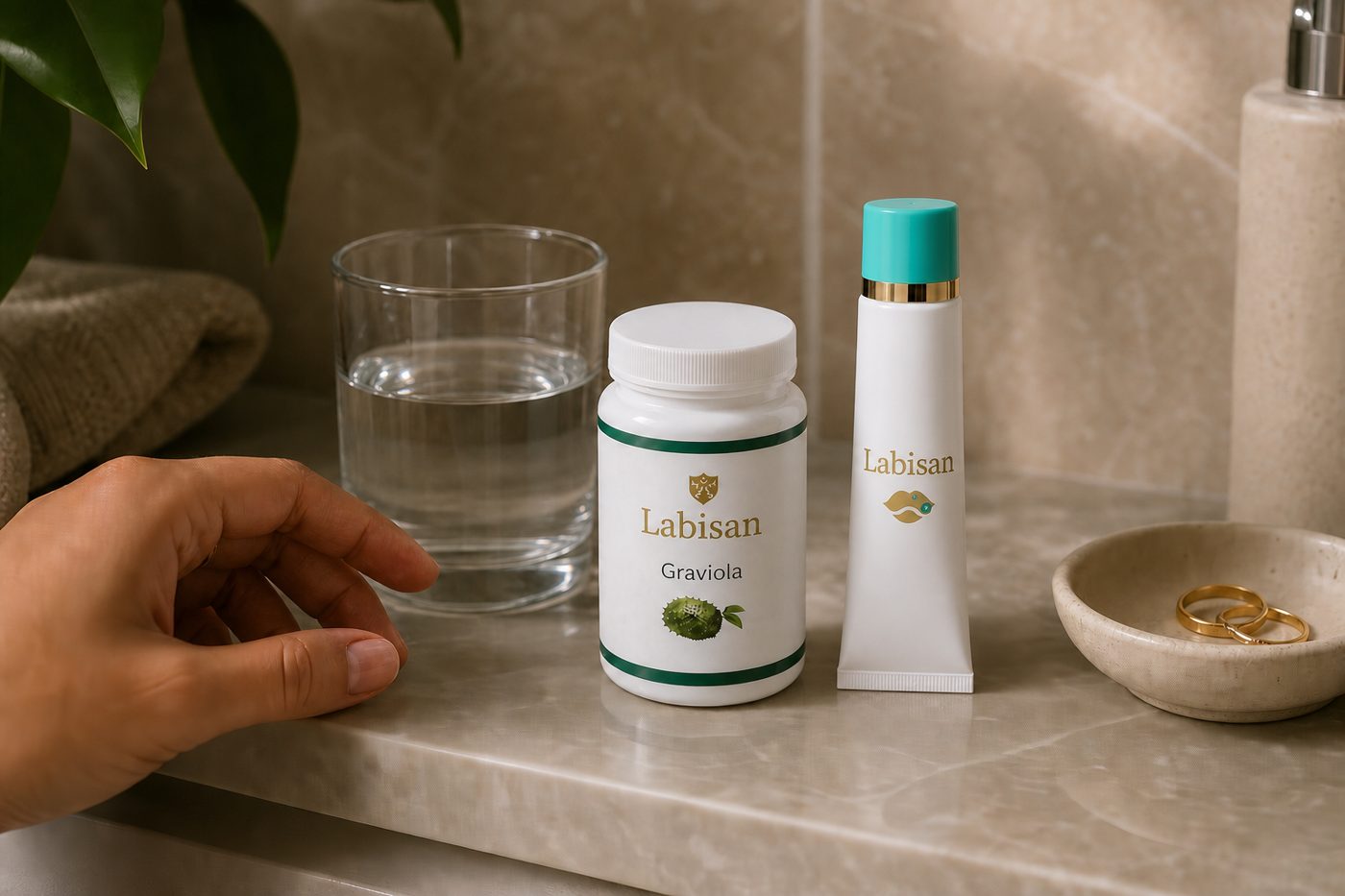
Cold Sore 72 Hours Before a Wedding, Interview, or Photo: The Emergency Protocol
You felt the tingle this morning. The wedding is Saturday. Or the job interview is Friday. Or the family photo session is in 48 hours. This is the highest-pressure version of cold sore intervention and the standard 5-day timeline is no longer good enough. This post walks through the 72-hour emergency protocol step by step, with the realistic outcome at each checkpoint and the makeup contingency if the lesion is still visible on event day.
Read Article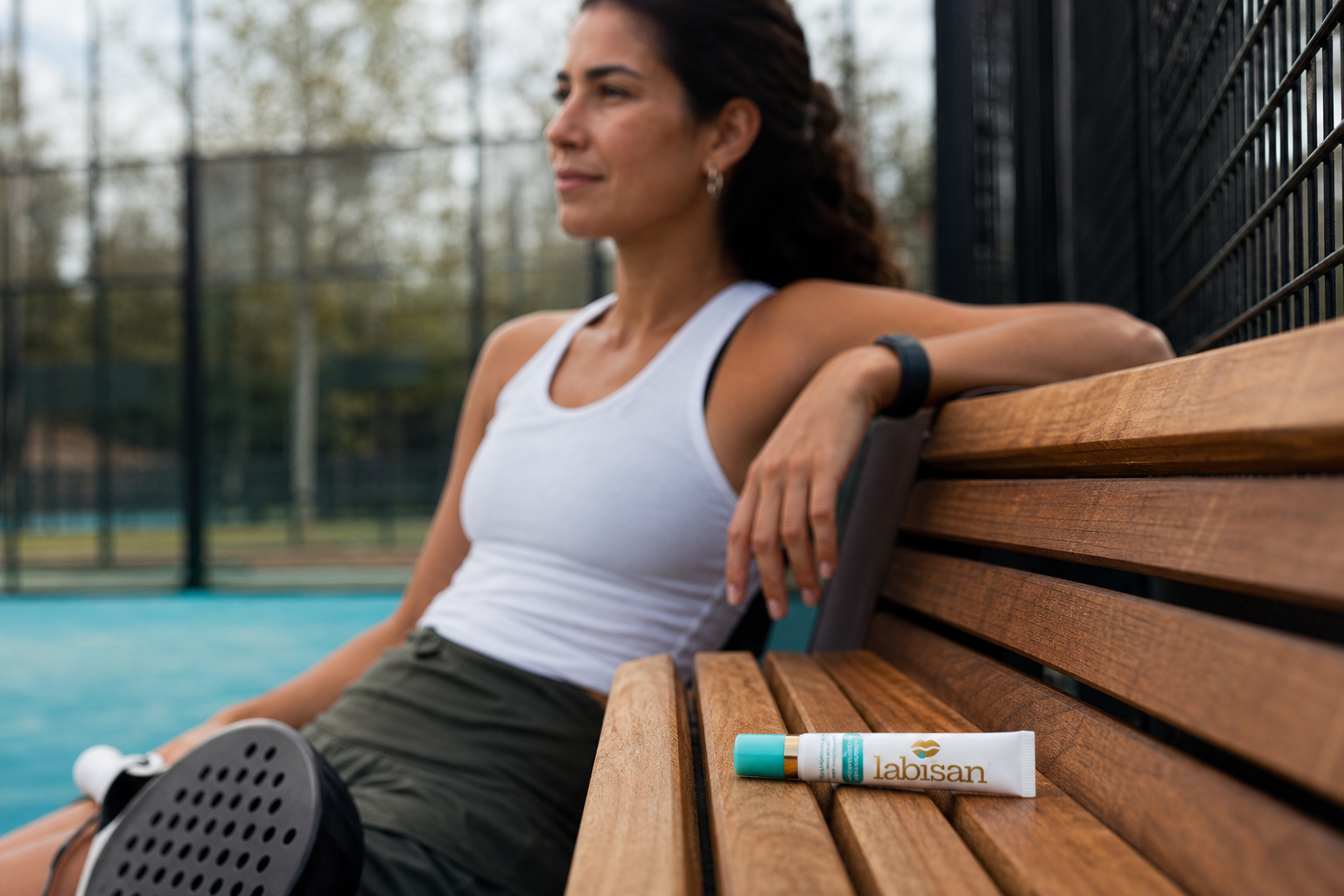
Running and Cold Sores: The UV, Sweat, and Cortisol Triple Trigger Every Runner Needs to Break
Runners log more midday UV hours than almost any other outdoor athlete, and sweat strips the lip barrier continuously for the duration of every long run. For the 67 percent of adults carrying latent HSV-1, that combination is a reliable cold sore trigger, and it only gets worse on race week.
Read Article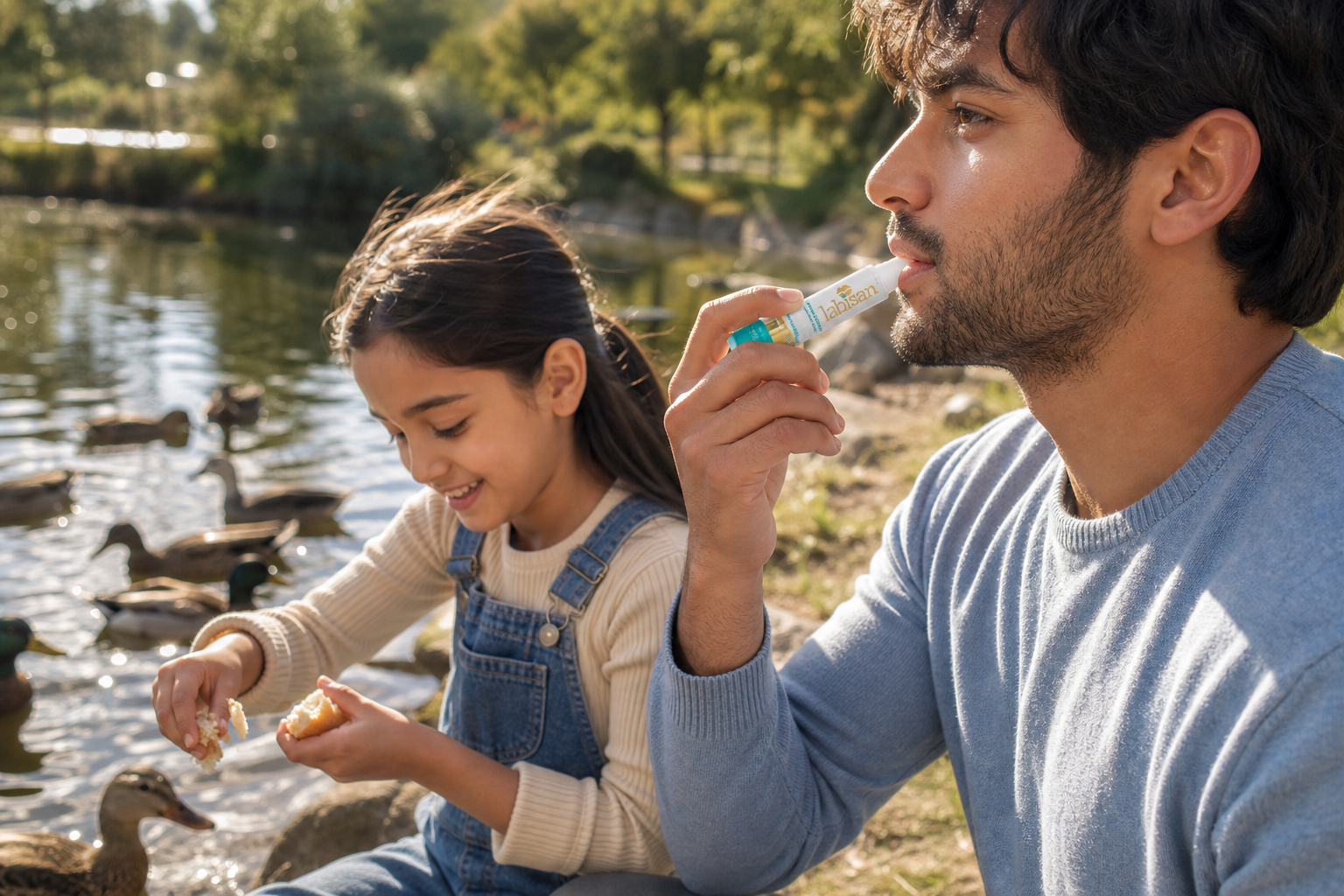
The Cold Sore Makeup Guide: How to Hide One Cleanly and Safely Wear Lipstick Over It
Most cold sore makeup advice online is wrong in one of two directions: either pretending the lesion does not exist (impossible to cover) or insisting you should not use makeup at all (unrealistic for a wedding, photoshoot, or workday). This post is the practical middle: which stages of a cold sore are coverable, which are not, the 5-step makeup sequence that hides a day-3 crust without making it worse, whether you can wear lipstick at all, and how to apply Labisan around the lesion so the makeup actually sits properly.
Read Article
Partner Transmission and HSV-1 Disclosure: What the Conversation Actually Sounds Like and What the Labisan Protocol Changes
If you carry HSV-1, the question of whether to tell a new partner is one of the most uncomfortable conversations in modern dating. Most of the advice online is either clinical and detached or melodramatic. This post is for the realistic case: an adult HSV-1 carrier in a new relationship who wants to handle disclosure honestly, understand the actual transmission risk, take sensible precautions, and quietly run the Labisan protocol in the background so the question becomes increasingly irrelevant over time.
Read Article
Graviola Beyond Cold Sores: Documented Effects on Sleep Depth, Stress Resilience, and Daily Inflammation
The Labisan 22:1 Graviola Capsule was developed and is sold primarily as the systemic layer of the cold sore hybrid system. After two years of customer observation, the secondary effects of continuous use are well-documented and worth taking seriously even for users who do not have HSV-1 at all. This post covers the four areas where regular Graviola users consistently report measurable benefits beyond the cold sore lane: deeper sleep, lower perceived stress, faster recovery from upper respiratory infections, and reduced low-grade daily inflammation.
Read Article
First-Time HSV-1 After 35: Why Adult Primary Infection Is Often Misdiagnosed and the First 72 Hours of the Right Response
A primary HSV-1 infection in an adult over 35 is dramatically different from a recurrent outbreak in a long-time carrier. The symptoms are systemic, the duration is longer, the diagnosis is frequently missed by GPs who assume the patient has flu plus mouth ulcers, and the management requires both prescription antivirals and a careful topical strategy. This post is the playbook for the first 72 hours when you suspect a primary HSV-1 infection: how to recognise it, what to ask the GP, why standard cold sore advice does not apply, and where the Labisan topical fits.
Read Article
Rock Climbing and Cold Sores: Albedo, Chalk, and the Day-2 Trigger Pattern Every Climber Should Know
Pale granite and limestone reflect 25 to 40 percent of incident UV back at the climber's face, climbing chalk dissolves the lip moisture barrier throughout the day, and altitude amplifies both effects by up to 56 percent. The cold sore that erupts on day 2 or 3 of a climbing trip is predictable and preventable with the right protocol.
Read Article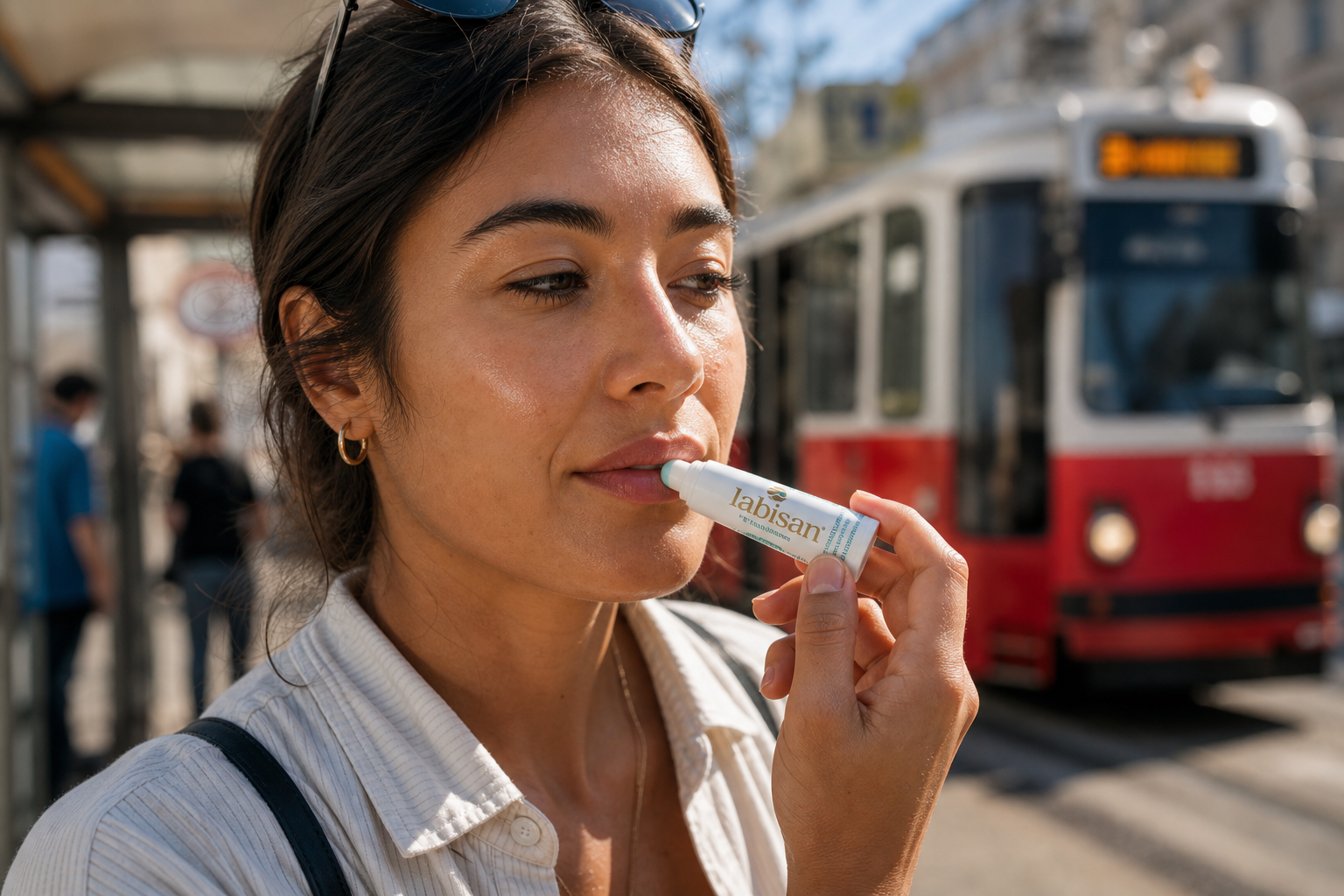
Hormonal Cold Sores: Menstrual Cycle Reactivation and the Labisan Protocol Adjustment That Catches Them
Roughly one in three women with recurrent HSV-1 reports a clear menstrual-cycle pattern to their outbreaks. The reactivation typically falls in the late luteal phase, 3 to 7 days before menstruation begins. The mechanism is hormonal: the progesterone-to-estrogen drop in the late luteal phase is mildly immunosuppressive at the lip vermilion border. This post identifies the pattern, explains the biology, and shows the cycle-aware adjustment to the Labisan dual protocol that catches the reactivation before it produces a visible outbreak.
Read Article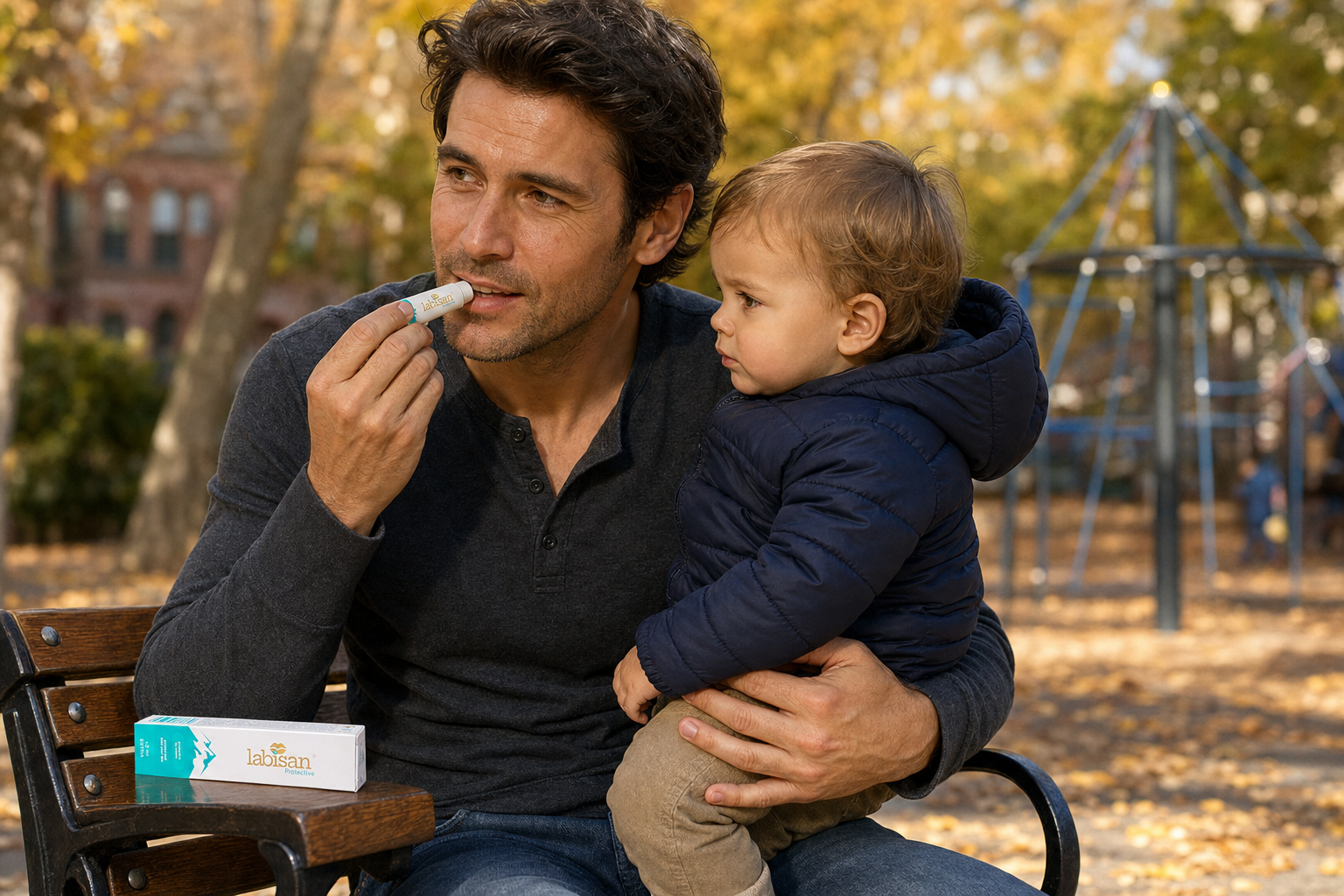
The Cold Sore Travel Kit: What to Pack for Sun, Altitude, and Long Flights
Travel is one of the most reliable cold sore triggers in existence. Sun exposure, altitude, dehydrated cabin air, time-zone-disrupted sleep, and the general stress of being away from your normal routine combine to produce outbreak rates two to four times higher than non-travel baseline. The Labisan travel kit is the smallest possible carry-on insurance against this. This post specifies exactly what to pack, what to leave behind, and how to use the kit in three high-risk travel scenarios: the summer beach trip, the ski week, and the long-haul international flight.
Read Article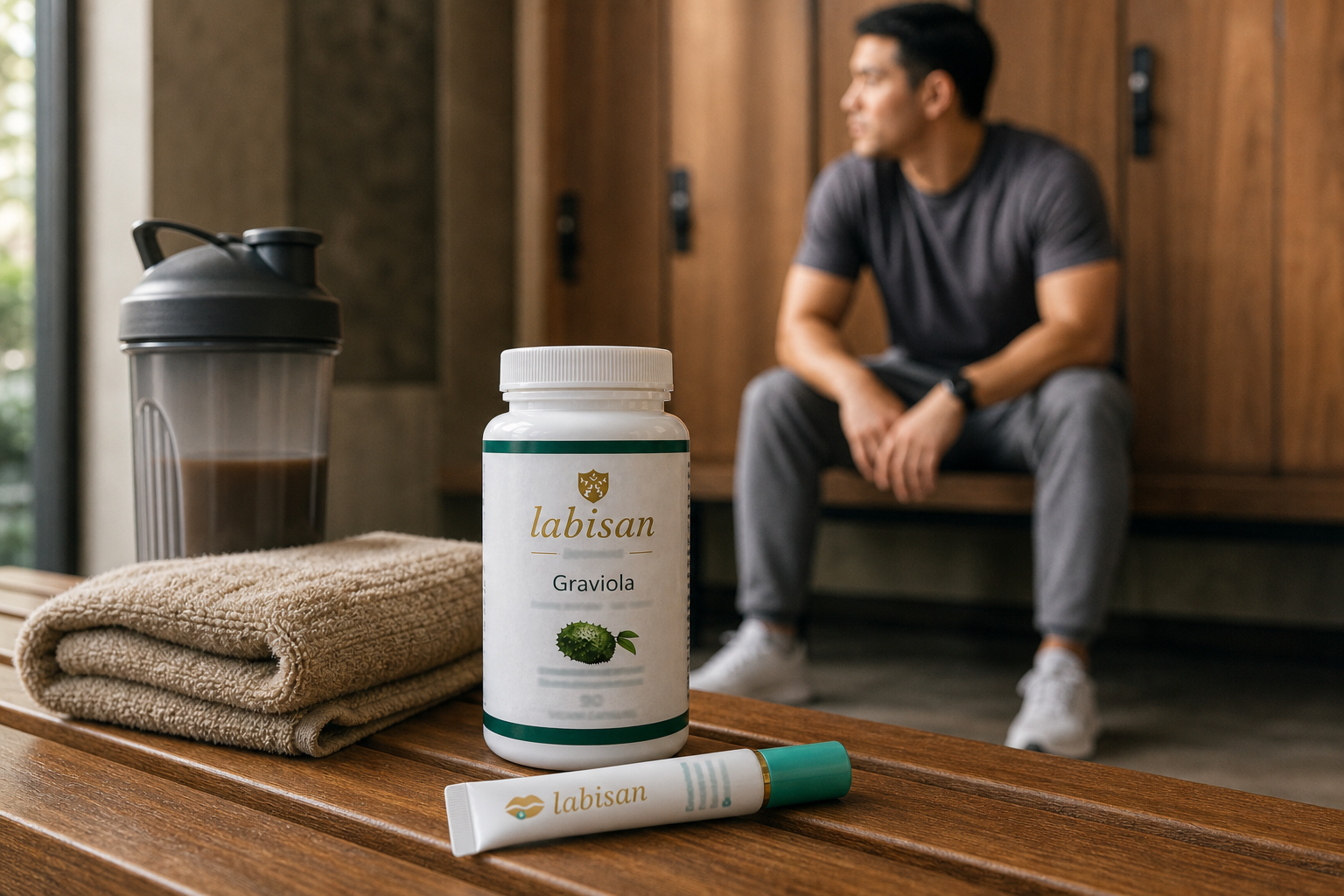
Cold Sores in Pregnancy: Is Abreva Safe? What to Use
Pregnancy changes which cold sore treatments are appropriate. Oral antiviral prescriptions move from routine to use-only-if-necessary. Many over-the-counter creams carry pregnancy-category disclaimers most users have never read. The Labisan Graviola Capsule is NOT recommended during pregnancy or breastfeeding. The Labisan Protective Lip Balm is a clean topical formula that is safe to use. This post covers the safe topical-only protocol, the triggers most pregnant users encounter (hormonal immune shifts, fatigue, summer trips), and the post-pregnancy resumption of the full hybrid system.
Read Article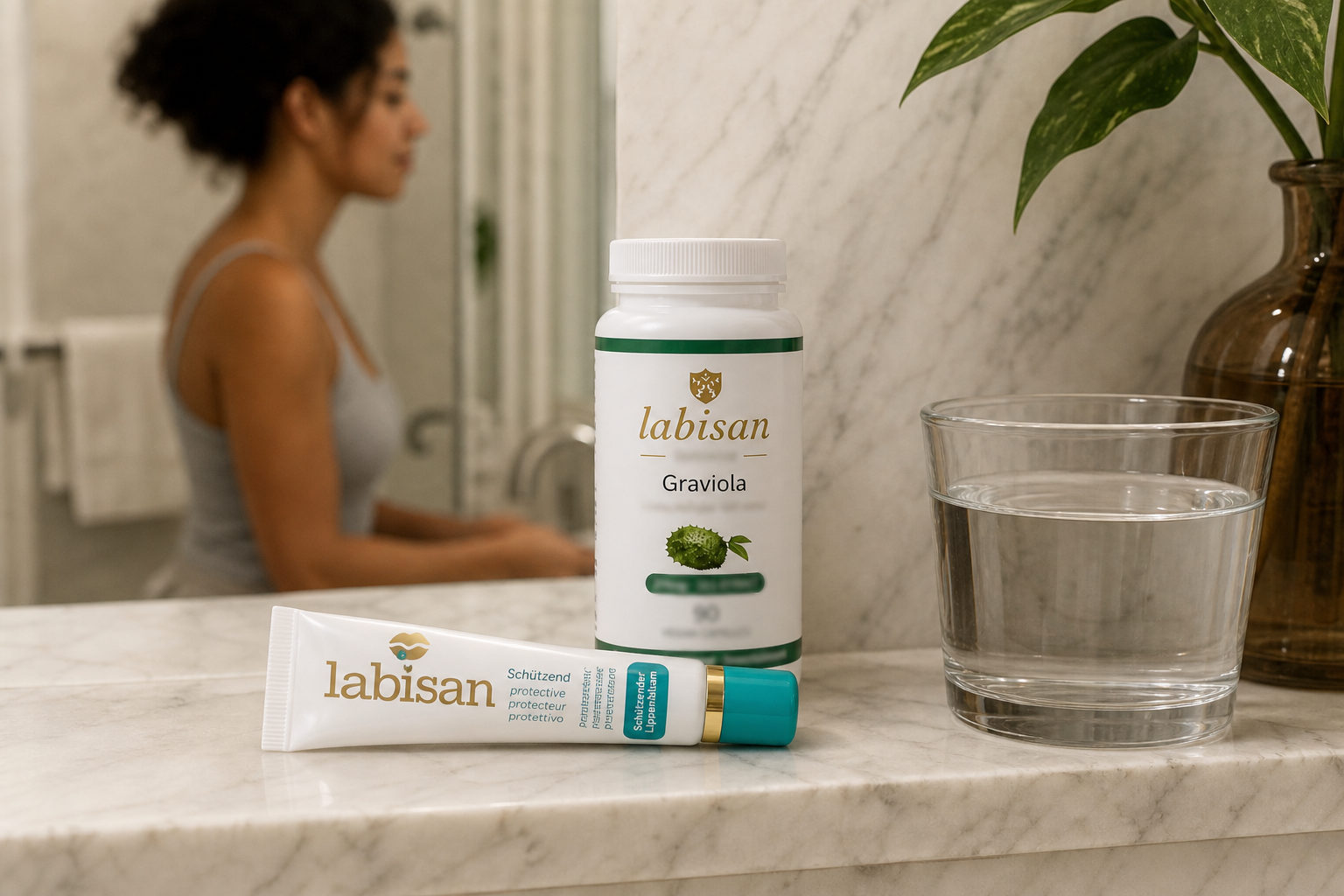
Cold Sore vs Canker Sore vs Angular Cheilitis: 60-Sec Test
Four common conditions look like a cold sore at first glance and are mistreated for weeks before anyone realises the diagnosis is wrong. The Labisan dual protocol works on cold sores. It does not work on the other three, which need different treatment. This post is a structured differential diagnosis with photos, distinguishing features, exact anatomical location patterns, prodromal signals, and the specific test that separates each pair of conditions in under 60 seconds.
Read Article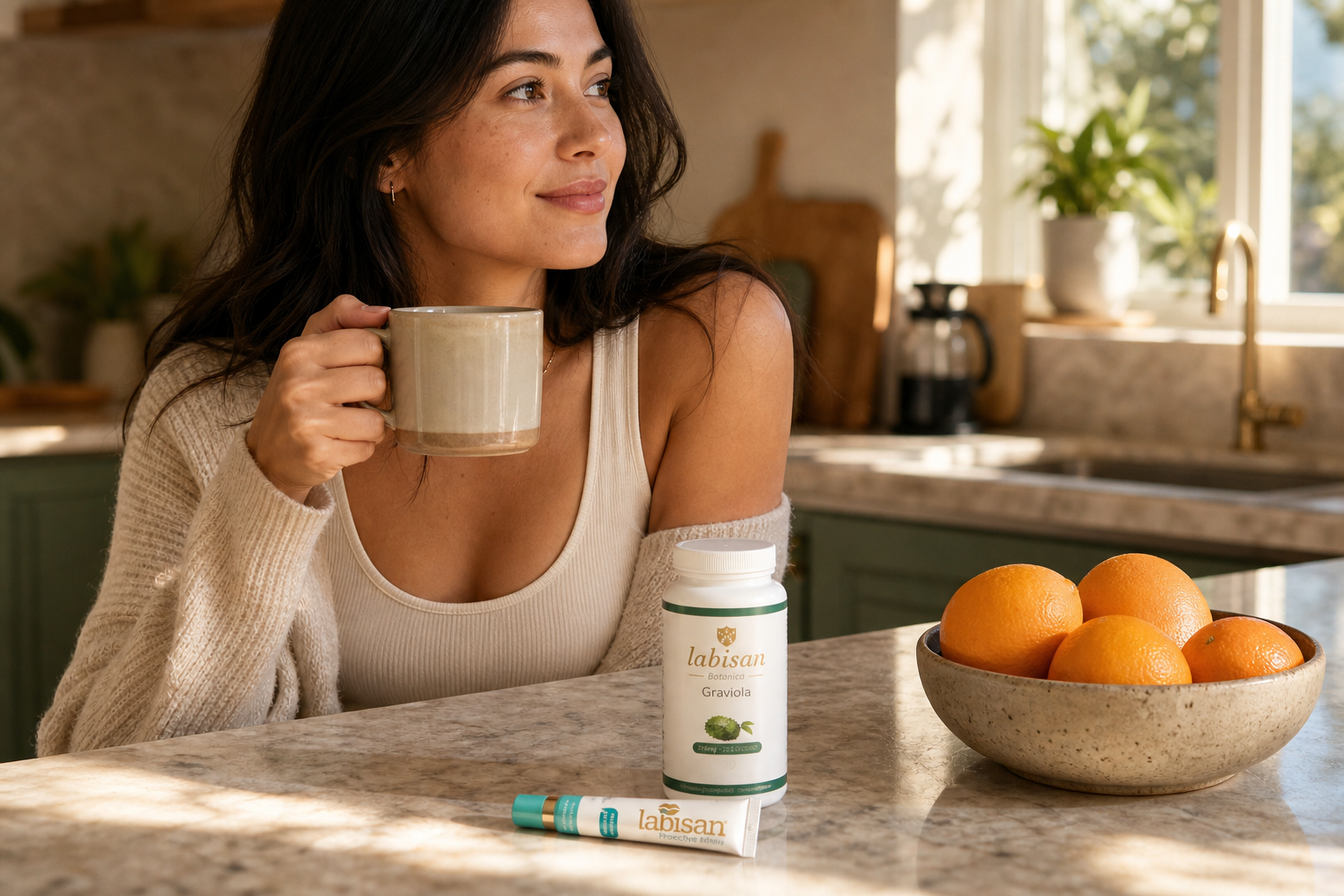
Hiking and Cold Sore Prevention: Altitude UV, Trail Wind, and the Three-Stage Lip Protocol
Multi-day hiking stacks three cold sore triggers at once: UV intensity rises roughly 10 percent per 1,000 metres of altitude gain, trail wind strips the lip moisture barrier, and caloric deficit suppresses systemic immune function. This is the hiker-specific cold sore prevention protocol.
Read Article
Labisan Since 1931: How a Salzburg Apothecary Built the Cold Sore Lip Balm Austrian Alpine Guides Still Use 95 Years Later
Labisan was first formulated in October 1931 in a small Salzburg apothecary by chemist Andreas Labisan for Austrian alpine guides asking for something that would block cracked lips at altitude. 95 years later the brand is still family-owned, still made in Austria, still uses the same beeswax and almond-oil base, and is now available globally through the labisan.shop direct-to-consumer launch. This is the full origin story plus the modern formula, the science behind the additions, and where to buy.
Read Article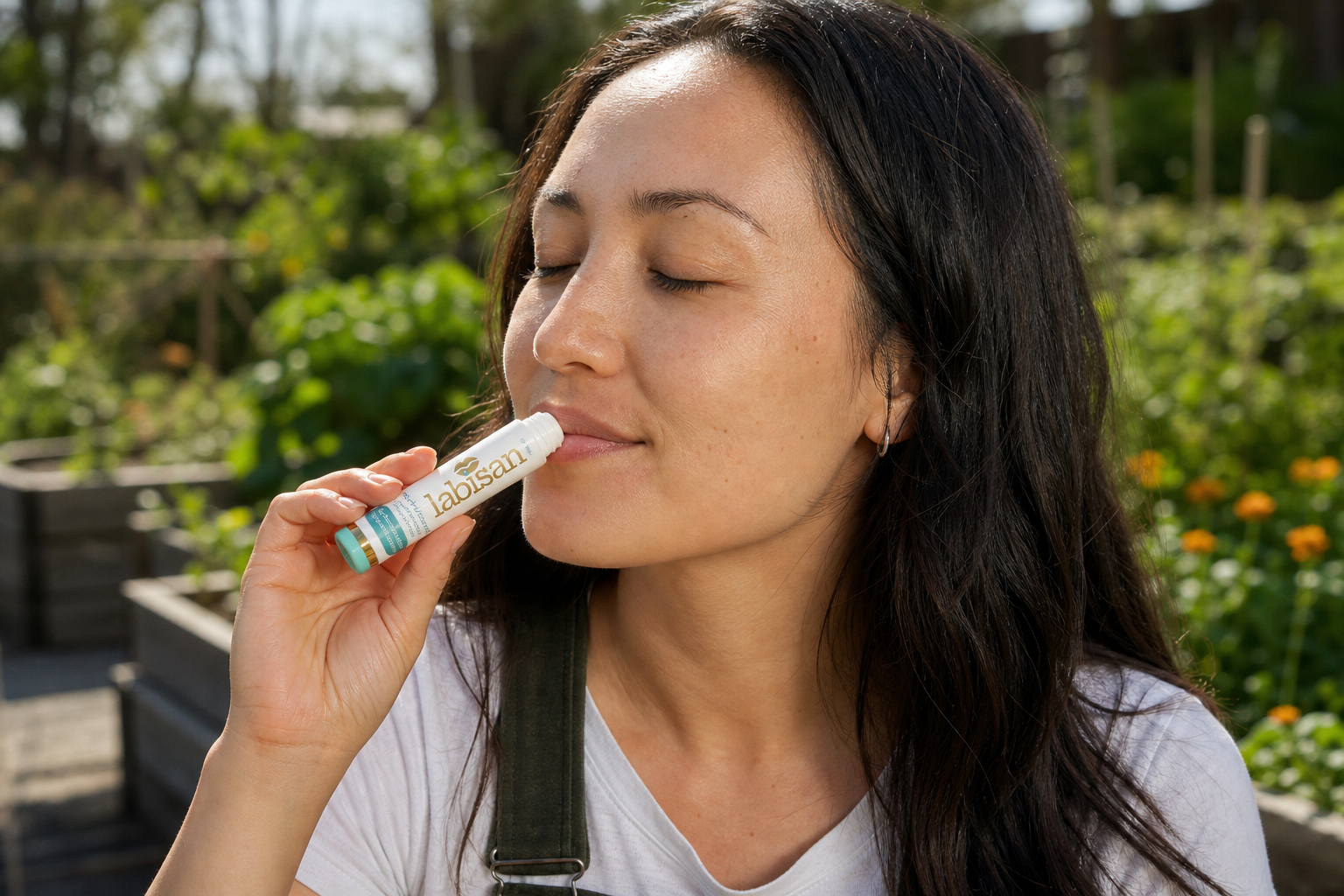
When HSV-1 Goes Genital and HSV-2 Goes Oral: The Cross-Site Crossover That Changes Everything
HSV-1 prefers the mouth and HSV-2 prefers the genitals, but the site bias has been breaking down for two decades. HSV-1 now causes 40 to 50 percent of new genital herpes infections in young adults. HSV-2 occasionally lands on the lips. The recurrence pattern when the virus is at its non-preferred site is dramatically different and almost nobody explains it correctly.
Read Article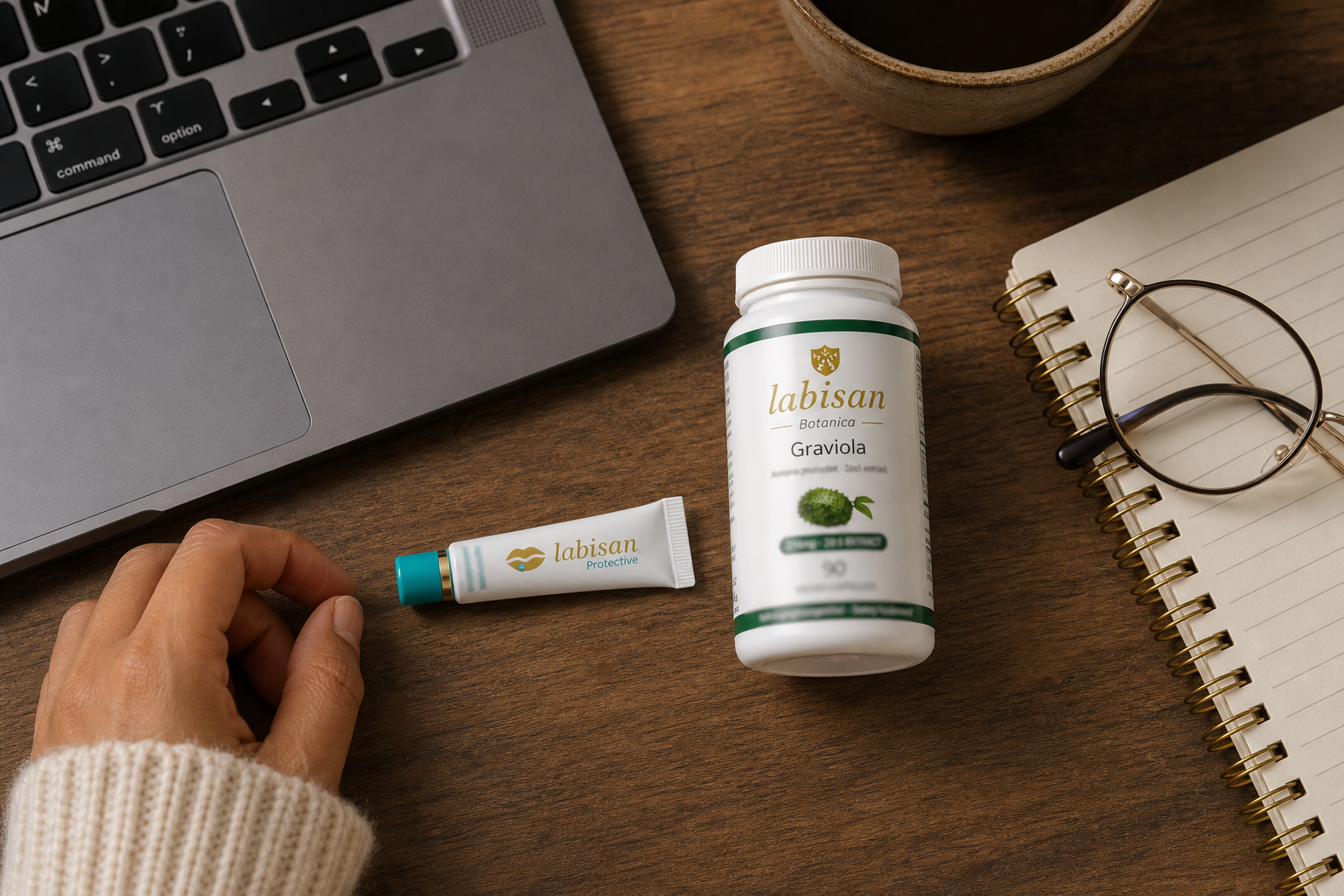
May 2026 Research Drop: Five New Posts on Graviola Pharmacology and HSV Epidemiology
Five new research posts went live on labisan.shop today, sourced from two recent technical dumps: the German-language acetogenin and NOX/HIF-1α pharmacology literature, and the latest HSV-1 and HSV-2 global epidemiology stats. Three deepen the Graviola Pharmacology series. Two open the HSV Education series. Here is the index, the reading order, and the questions each post answers.
Read Article
HSV-1 By the Numbers: 85 Percent of the World, 40 Percent by Age 12, and What That Means for You
More than 85 percent of the global adult population is seropositive for HSV-1. In industrial countries, infection rates reach 40 percent by age 12 and continue rising through adulthood. HSV-2 sits at 10 to 20 percent. Lethal complications are rare but real. This post translates the epidemiology into practical implications for the carrier.
Read Article
Annonacin and the Caribbean Parkinson Signal: Why the Labisan Safety Architecture Matters
A 1999 cluster of atypical Parkinsonism on the French Caribbean island of Guadeloupe was traced to chronic high-dose consumption of soursop fruit, tea, and infusions. The molecule involved is annonacin, the most abundant acetogenin in Annona muricata. This post explains the signal, the dose context, and the three engineering choices that put Labisan on the safe side of the curve.
Read Article
Ski Lip: Why Cold Sores Bloom on Day 3 of a Ski Trip and How to Block Them at Day 0
Almost every recurrent HSV-1 sufferer who skis knows the pattern. Day 1 of the trip the lips feel a bit dry. Day 2 the corners are tight. Day 3 a tingle starts where the lower lip meets the chin, and by day 4 there is a vesicle that ruins the rest of the holiday. This is ski lip. It has a precise biological cause, a predictable 72-hour clock, and a fully preventable interception window at day 0 of the trip rather than day 3. This post breaks down why the Day 3 pattern is universal and the Labisan day-0 protocol that blocks it.
Read Article
NOX, HIF-1α and Graviola: Gas Pedal, War Mode, Brake Pedal: A Pharmacology Explainer
Two enzyme systems drive the most aggressive tumour phenotypes in cell-line research: NADPH oxidase (NOX) and hypoxia-inducible factor 1-alpha (HIF-1α). Graviola fruit pulp extract blocks both in pre-clinical models. This post explains the mechanism in accessible language. It is a research explainer, not a treatment claim.
Read Article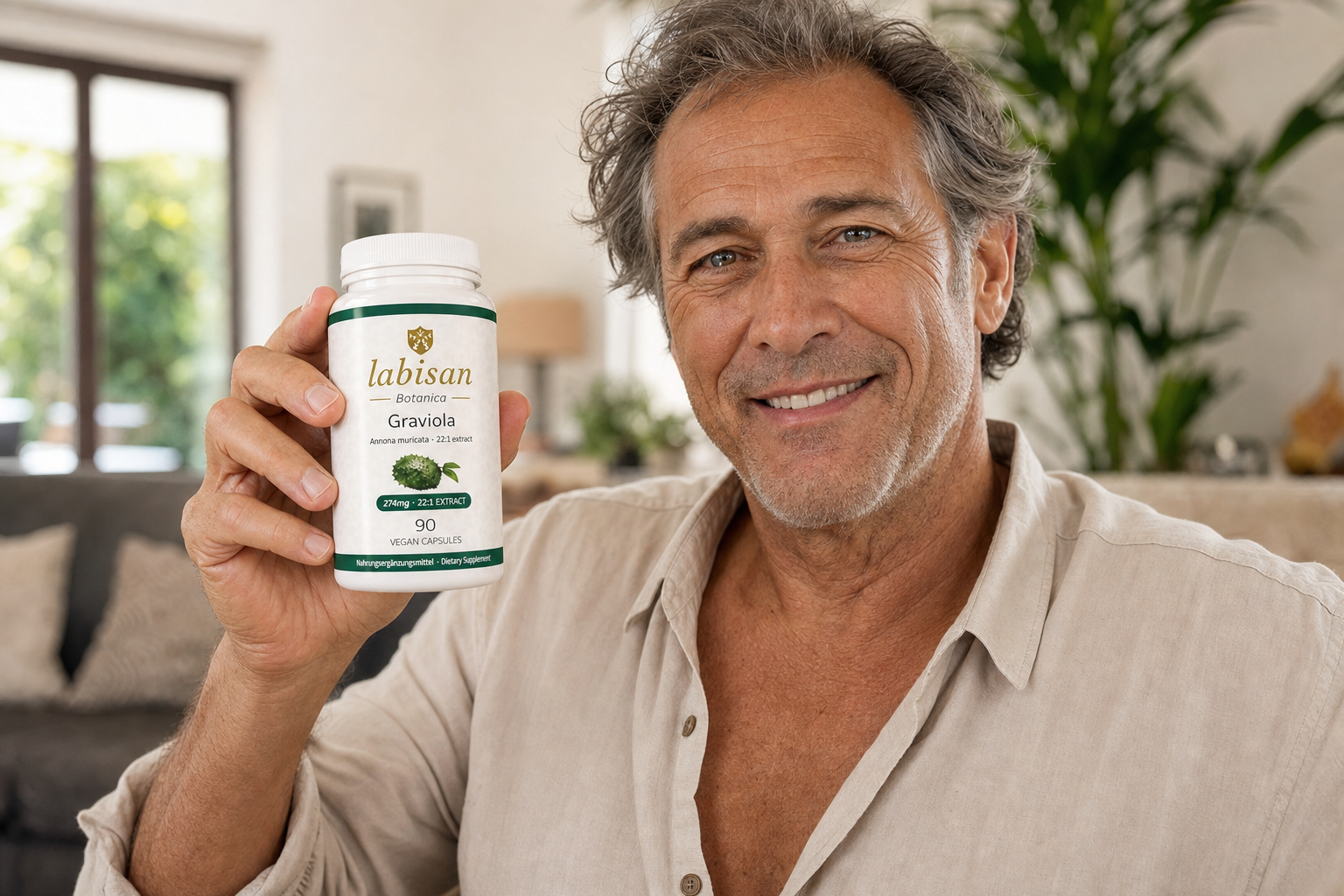
Is There a Specific Anti-Herpes Acetogenin in Graviola? An Honest Pharmacology Answer.
More than 500 acetogenins have been isolated from Annona muricata. None of them has been cleanly identified as the herpes-active molecule. The honest answer is whole extract, not isolated compound, and this changes how a graviola supplement should be formulated and dosed.
Read Article
The 12-Month Cold Sore ROI: Why the Labisan Bundle Costs Less Than Pharmacy Acyclovir Plus Abreva, Calculated
If you have 4 to 6 HSV-1 outbreaks per year, the standard pharmacy path costs more than the Labisan dual-protocol bundle. This post walks through the actual numbers: per-outbreak cream, prescription antiviral, repeat visits, and the often-ignored cost of lost work hours. The bundle pays for itself by month 7 in the typical case and continues paying back for the remainder of the year, while reducing outbreak frequency from 6 to roughly 1 by month 12.
Read Article
Sailing Lip Protection: 3 Hidden Cold Sore Triggers at Sea
Open-water sailing stacks three cold sore triggers at once: UV reflected off the sea surface amplifies exposure 25 to 40 percent above land baseline, constant salt-laden wind strips the lip moisture barrier, and offshore watch schedules suppress immune function. This is the sailing-specific lip protection and cold sore prevention protocol.
Read Article
The Cold Sore Trigger Journal: An 8-Week Protocol to Map Your Personal Pattern and Adjust the Labisan Hybrid System Around It
Most cold sore sufferers know they get outbreaks. Few know which of their three trigger classes (UV, fever, or stress) accounts for which percentage of their personal outbreaks. This 8-week trigger journal is a workbook you keep alongside the Labisan dual protocol. By week 8 you will have a usable map of your pattern and a calibrated version of the protocol that matches it.
Read Article
Why HSV-1 Outbreaks Drop from 6 a Year to 1 on the Labisan Hybrid System: The 12-Month Immune Mechanism
The Labisan dual protocol does not cure HSV-1. No supplement, cream, or pharmaceutical does. What it does is shift the reactivation threshold so the same trigger that used to cause an outbreak no longer crosses the line. This post unpacks the immune mechanism that produces the documented 6 to 1 per year reduction over 12 months on continuous use, with the molecular biology of T-cell exhaustion, trigeminal ganglion latency, and how 22:1 graviola extract plus 22 percent zinc oxide intercept the cascade at four separate points.
Read Article
The First 30 Days on the Labisan Hybrid System: An Hour-by-Hour and Day-by-Day Diary
One user, one HSV-1 reactivation triggered by a 6-day ski week, one cold-turkey start on the Labisan dual protocol. Timestamped from the first tingle through hour 72, then day-by-day through day 30 as the system transitions from acute treatment to long-term prevention. Every dose, every observable change, every threshold moment.
Read Article
The Labisan Hybrid System: Lip Balm + Graviola Capsules for Active Cold Sores and Long-Term Prevention
Why treating a cold sore with cream alone leaves half the problem unsolved. The Labisan hybrid system pairs the 22 percent zinc oxide topical with the 22:1 graviola fruit-extract capsule to work on both fronts at once: surface lesion plus systemic immune signal. Active outbreak protocol, daily prevention dose, and the wider benefits of running both together long-term.
Read Article
Cold Sore Recovery Timeline: Four Cases on the Labisan Lip Balm and Graviola Protocol (Day 0 to 120 Hours)
Four documented cold sore cases tracked from outbreak through Day 2 (48 hours) to Day 5 (120 hours), all on the Labisan dual protocol: 22:1 graviola fruit-extract capsules systemically, Labisan Protective Lip Balm topically. Lips, upper back, inner thigh, cheek. HSV-1 and HSV-2 presentations across four lifestyle scenarios.
Read Article
The Labisan Cold Sore Protocol: Four Applications a Day for 48 Hours
A documented patient case from Labisan's internal trial cleared a developed cold sore lesion within 48 hours using four applications per day. The mechanism is sustained zinc oxide film maintenance plus continuous botanical antiviral exposure across the prodrome and replication windows. This is the protocol in detail.
Read Article
Inside the Labisan Lip Balm: 22 Percent Zinc Oxide, 5 Percent Graviola, Manuka and Oregano
The Labisan Protective Lip Balm carries five active layers in the same stick: 22 percent non-nano zinc oxide, 5 percent graviola fruit extract, manuka oil, oregano oil with carvacrol and thymol, and menthol. Plus a soothing shea butter base. This is the per-ingredient breakdown with concentrations and rationale.
Read Article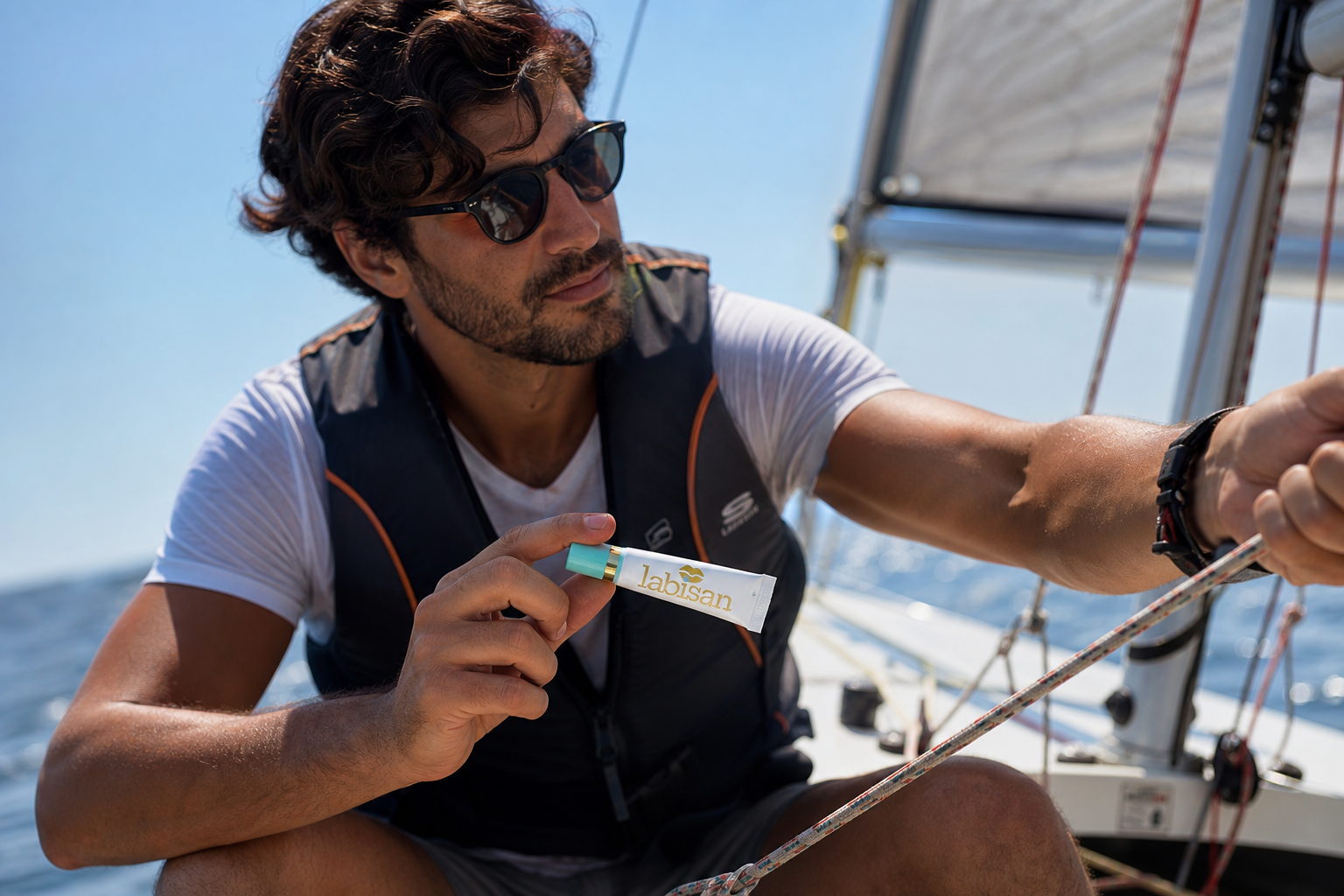
Lip Balm Addiction: The Dependency Myth, the Real Barrier Science, and What Mineral SPF Formulas Actually Do
The 'lip balm addiction' question is one of the most-searched lip care topics online. The short answer is no, not in any pharmacological sense. The longer answer reveals which ingredients genuinely feed the reapplication loop, why lips feel worse when you stop, and how a mineral zinc oxide formula builds real barrier function instead of temporary sensation.
Read Article
Melissa Officinalis + Graviola: 98% HSV Suppression vs 90% Graviola Alone
Melissa officinalis (lemon balm) is a published topical antiviral against HSV. Graviola fruit-extract acetogenins attack mucosal viral envelopes through a different mechanism. In vitro, the combination has been observed to produce roughly 98 percent viral suppression versus 90 percent for graviola alone, and that mechanistic complementarity is the basis for the Labisan V2 reformulation.
Read Article
Why Labisan Recommends Cycling Graviola: One Year On, One Year Off
Most supplements do not need cycling. Vitamin D, omega-3, magnesium are taken indefinitely. Adaptogens often do cycle to maintain receptor sensitivity. Graviola sits closer to the adaptogen pattern, and the Labisan team's protocol guidance is one year continuous, one year off, with occasional acute use during the off-year. Here is the reasoning.
Read Article
Graviola Fruit Extract vs Leaf Extract: The Safety Choice That Actually Matters
Almost every graviola supplement on the market is a leaf extract. Labisan deliberately uses a water extract from the fruit because the published case-report literature on long-term high-dose leaf consumption raises a safety concern most brands quietly skip.
Read Article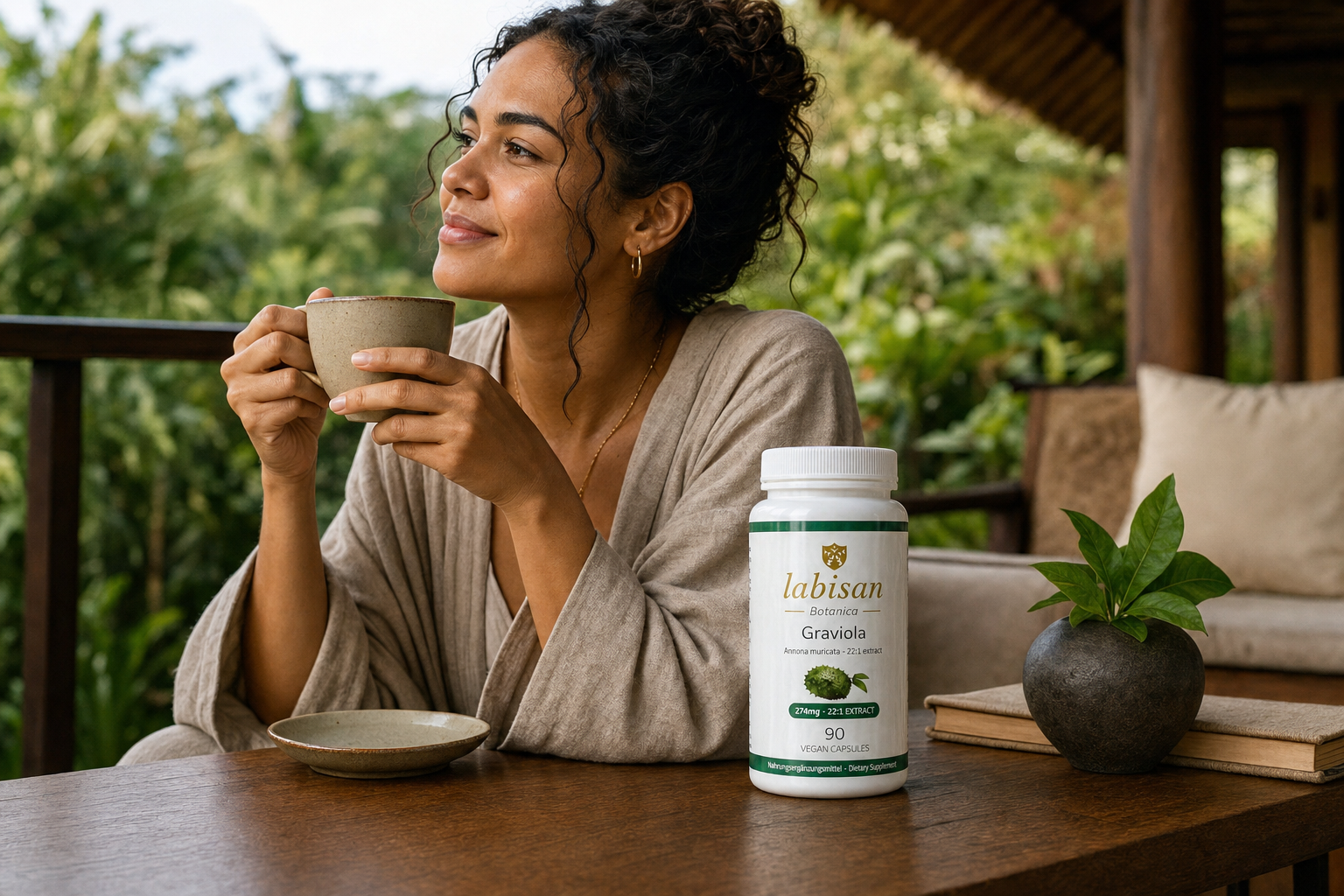
The 8,000mg Daily Graviola Dose: Why Three Capsules Beats One
Most graviola supplements deliver 500 to 2,000mg of bioactive payload per day from a single capsule. Labisan's three-capsule protocol delivers an 8,000mg bioactive equivalent because of the underlying 22:1 fruit-extract math, and that gap matters for the daily-dose biology.
Read Article
Labisan vs Compeed: Why a 5-Active Antiviral Beats a Single-Mechanism Patch
Labisan delivers 5 active antiviral layers plus 22 percent zinc oxide SPF and a clinical 6-to-1 outbreak reduction over 12 months. Compeed is a single-mechanism hydrocolloid patch with no antiviral, no SPF, and a 15 to 45 minute fail point in water or sweat. The numbers settle the question.
Read Article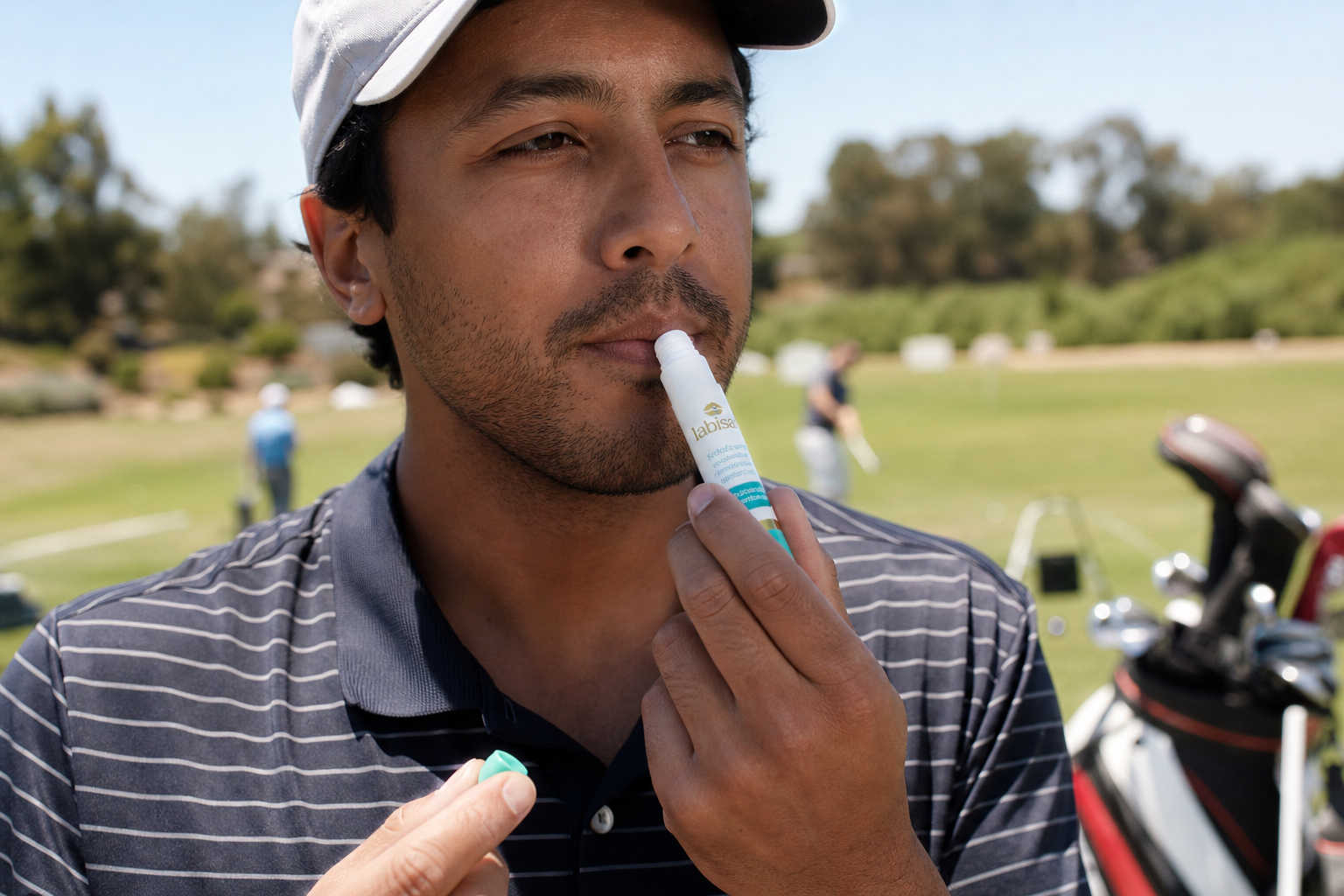
Abreva vs Labisan: Which Prevents the Next Cold Sore?
Labisan's 5-active topical (22 percent zinc, 5 percent graviola, manuka, oregano, menthol) plus SPF 20 reduces outbreak frequency from 6 per year to 1 over 12 months. Abreva's single docosanol active reduces outbreak duration only by 1 to 2 days, requires 5 daily applications, and has zero SPF or prevention claim.
Read Article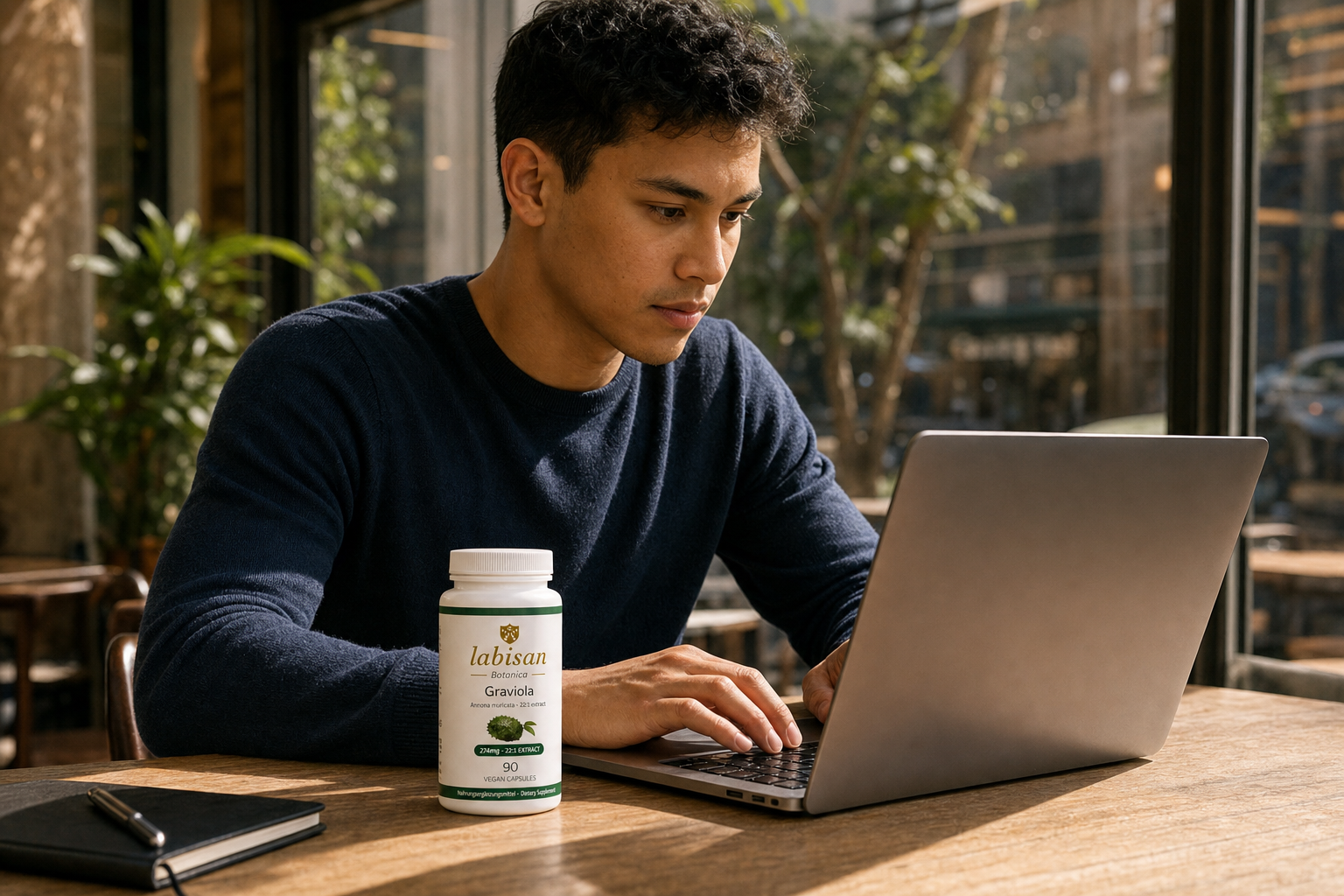
Does Graviola Help You Sleep? The Real Pharmacology
Graviola has mild GABAergic and serotonergic effects that influence sleep architecture, an autonomic side that wellness blogs almost never cover, and a dose-timing relationship that explains why morning works for some users and evening for others.
Read Article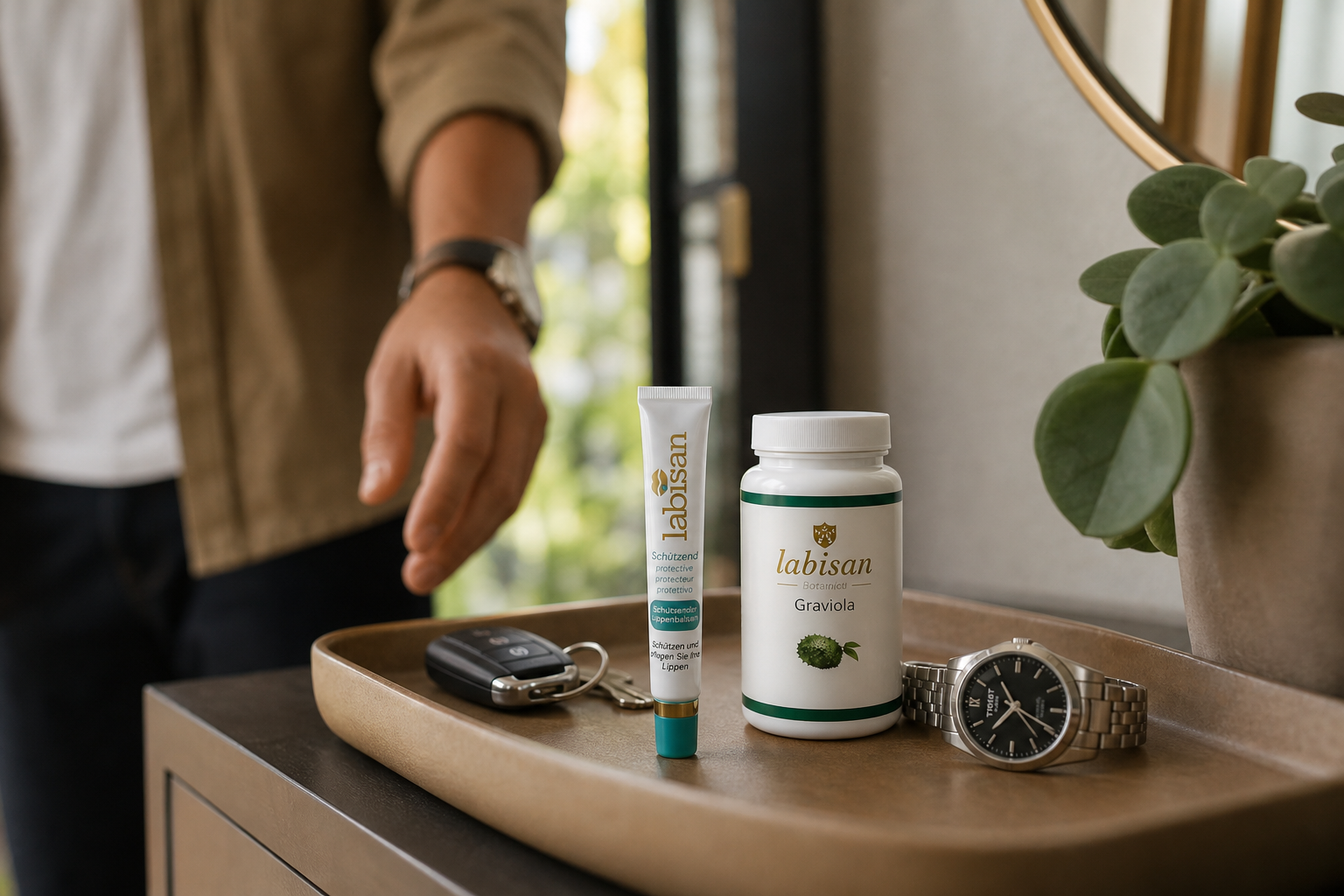
Labisan vs Zovirax: 5-Active No-Prescription Stack vs Acyclovir Single-Mechanism Cream
Labisan delivers 5 antiviral actives, SPF 20, and a clinical 6-to-1 outbreak reduction over 12 months with no prescription, no resistance pathway, no renal monitoring. Zovirax (acyclovir 5 percent cream) requires prescription in EU and most markets, hits one mechanism (DNA polymerase), reduces duration only by 1 to 2 days, and selects for documented acyclovir-resistant strains.
Read Article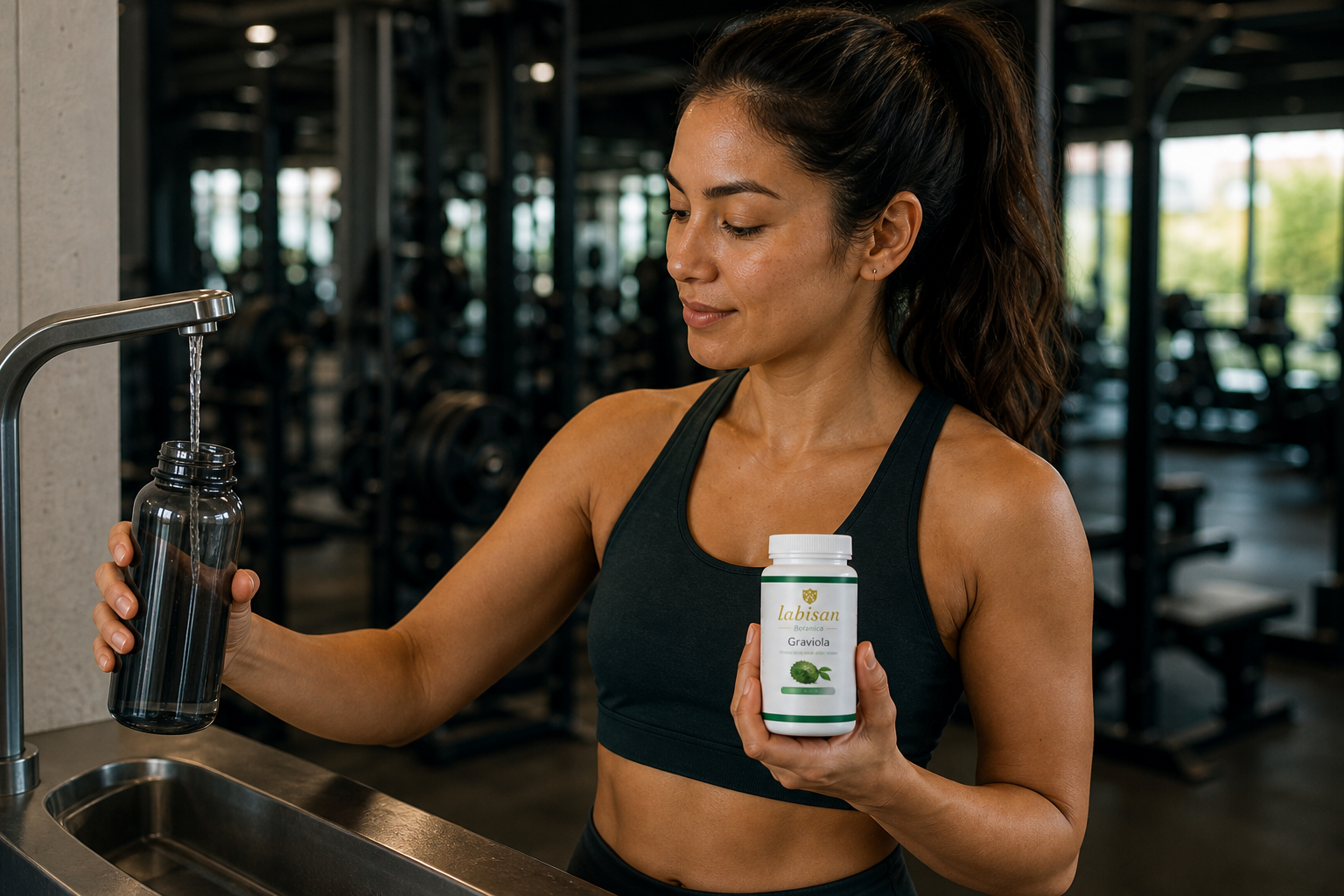
HPMC vs Gelatin Capsules: Why the Shell Beats the Active
A premium 22:1 graviola extract loaded into a cheap gelatin shell can deliver as little as 30 to 40 percent of the labelled active. Capsule shell choice determines dissolution timing, gut release location, stability, and allergen risk. Most supplement brands quietly choose the cheapest option.
Read Article
Carmex vs Abreva vs Labisan: What Works on Cold Sores?
Labisan delivers 5 antiviral actives, 22 percent zinc oxide SPF 20, Austrian EU GMP pharma-grade manufacturing, and a clinical 6-to-1 outbreak reduction over 12 months. Carmex Cold Sore Treatment is a $5 drugstore moisturizer with salicylic acid, camphor, and menthol; zero antiviral compounds, zero SPF, zero outbreak frequency claim.
Read Article
Why Beeswax-Only Lip Balms Fail Above 2,500 Metres
Pure beeswax balms feel solid at sea level, then quietly collapse at altitude. The melting point math, UV oxidation, and wax-to-active ratio explain why a multi-lipid matrix outperforms single-wax formulations on every alpine day.
Read Article
Graviola for Prevention vs the Itching Window: Two Different Dose Protocols
Most graviola brands ship a single dose recommendation that ignores the difference between daily prevention and the early-outbreak itching window. Labisan's protocol is two distinct dose schedules: three capsules per day continuously for prevention, four to five capsules per day for three weeks at the first tingle. Here is the reasoning.
Read Article
Manuka Oil and Cold Sore Prevention: The Science Behind Nature's Most Potent Antiviral Lip Ingredient
Manuka oil is not a wellness buzzword. It contains a documented class of antiviral compounds with peer reviewed data on HSV-1 inhibition, and Labisan has built every formula around them for nearly a century.
Read Article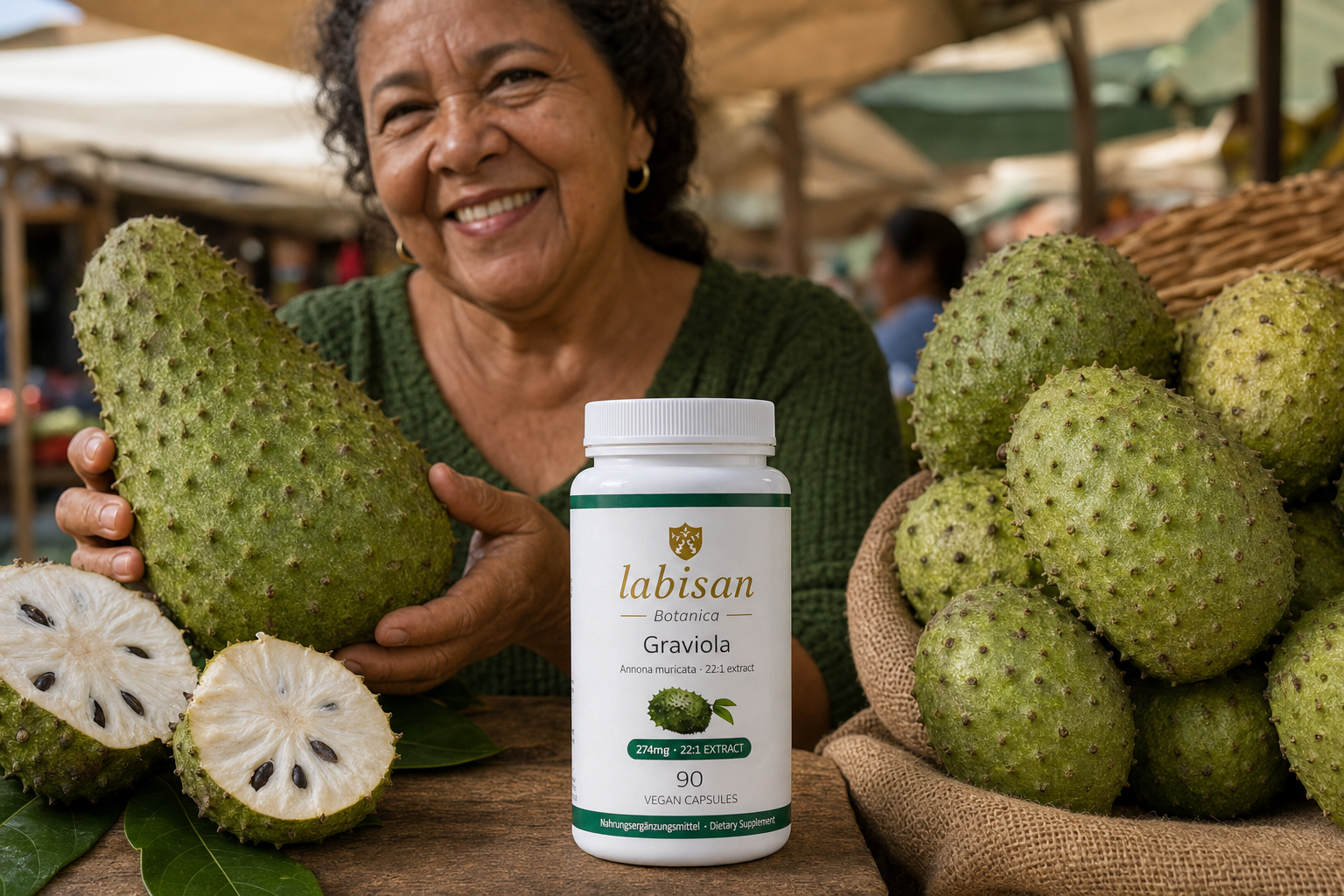
Graviola vs Lysine: 22:1 Multi-Mechanism Botanical vs Single-Pathway Amino Acid
Labisan's 22:1 Graviola Capsules deliver 8,000 mg bioactive payload per day across 4 documented mechanisms (acetogenins, polyphenols, flavonoids, immune modulation) plus 90 percent in vitro acetogenin viral kill. L-lysine targets one pathway (arginine competition) and the Cochrane systematic review found no statistically significant effect on outbreak frequency or duration in controlled trials.
Read Article
The 5-Day Cold Sore Lifecycle: What to Do at Each Stage (Hour by Hour)
An HSV-1 outbreak runs through five distinct biological stages, each with a different intervention window. Most people apply the wrong product at the wrong stage, then conclude that nothing works. The actual protocol is more specific than that.
Read Article
Graviola vs Acyclovir: 22:1 Multi-Mechanism Botanical vs Single-Pathway Prescription Drug
Labisan's 22:1 Graviola Capsules deliver 8,000 mg bioactive payload per day across 4 mechanisms with no prescription, no resistance pathway, no renal monitoring. Oral acyclovir hits one mechanism (DNA polymerase), requires prescription, has documented resistance development, causes nausea in 5 to 12 percent and diarrhea in 3 to 8 percent of users, and demands bi-annual renal panels for chronic suppressive use.
Read Article
Graviola for Chronic Stress and Immune Resilience: The Daily Supplementation Question
Chronic stress drains immune resilience through measurable cortisol, glutathione, and inflammatory pathways. Where graviola fits in that stack, framed honestly.
Read Article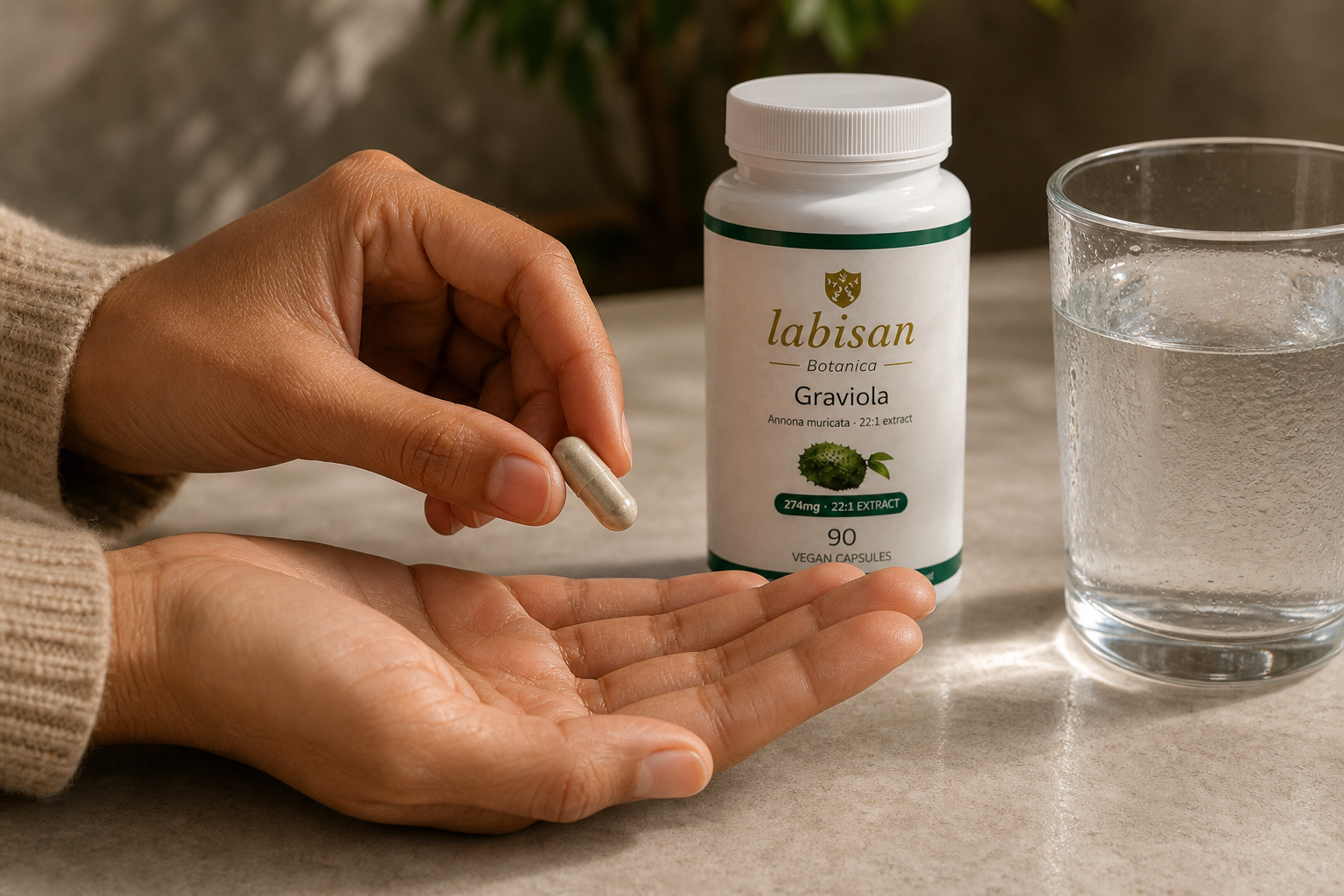
Graviola Antioxidant Profile: Quercetin, Kaempferol, and the Flavonoid Layer
Most graviola coverage focuses on acetogenins. The antioxidant flavonoid profile is where the daily Labisan benefit actually lives: quercetin, kaempferol, and gallic acid at 8,000mg bioactive payload across the 22:1 fruit water-extract protocol.
Read Article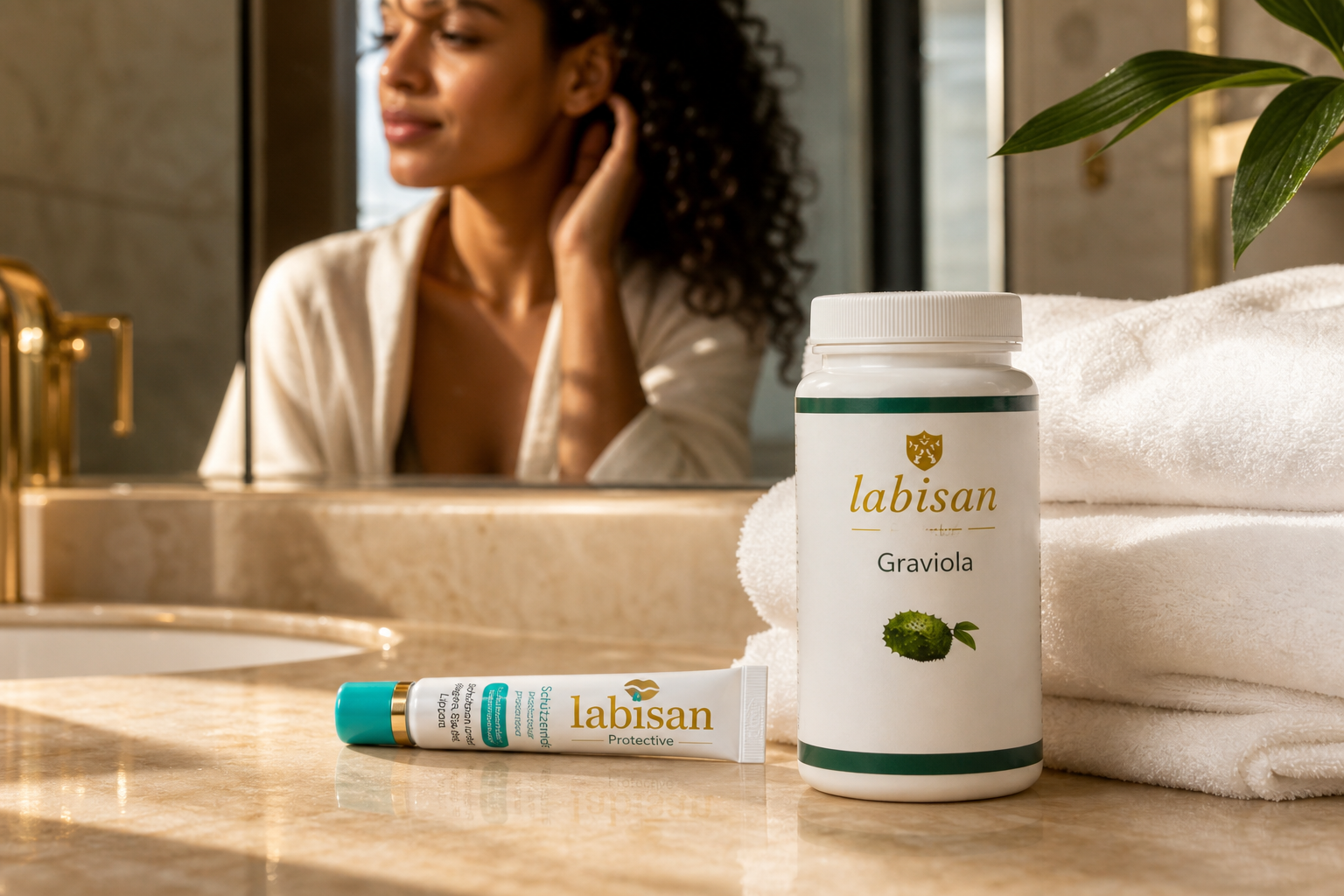
SPF Lip Balm: Reapply Every 2 Hours Is a Myth (90 Min Rule)
SPF lip balm wears off faster than face sunscreen. The 90 minute rule comes from photoprotection studies, and most users underestimate it by half.
Read Article
Chapped Lips From Cold Weather: Why Balms Fail (the Fix)
Winter air strips lips faster than any other season. The mechanism is barrier collapse, not just dryness, and most balms address neither layer of the problem.
Read Article
Why 22:1 Graviola Extract Matters: The Concentration Math
Most graviola on Amazon is 1:1 raw leaf powder. A 22:1 extract concentrates 22 grams of leaf into 1 gram of powder, so one 500mg capsule equals 11g of raw leaf.
Read Article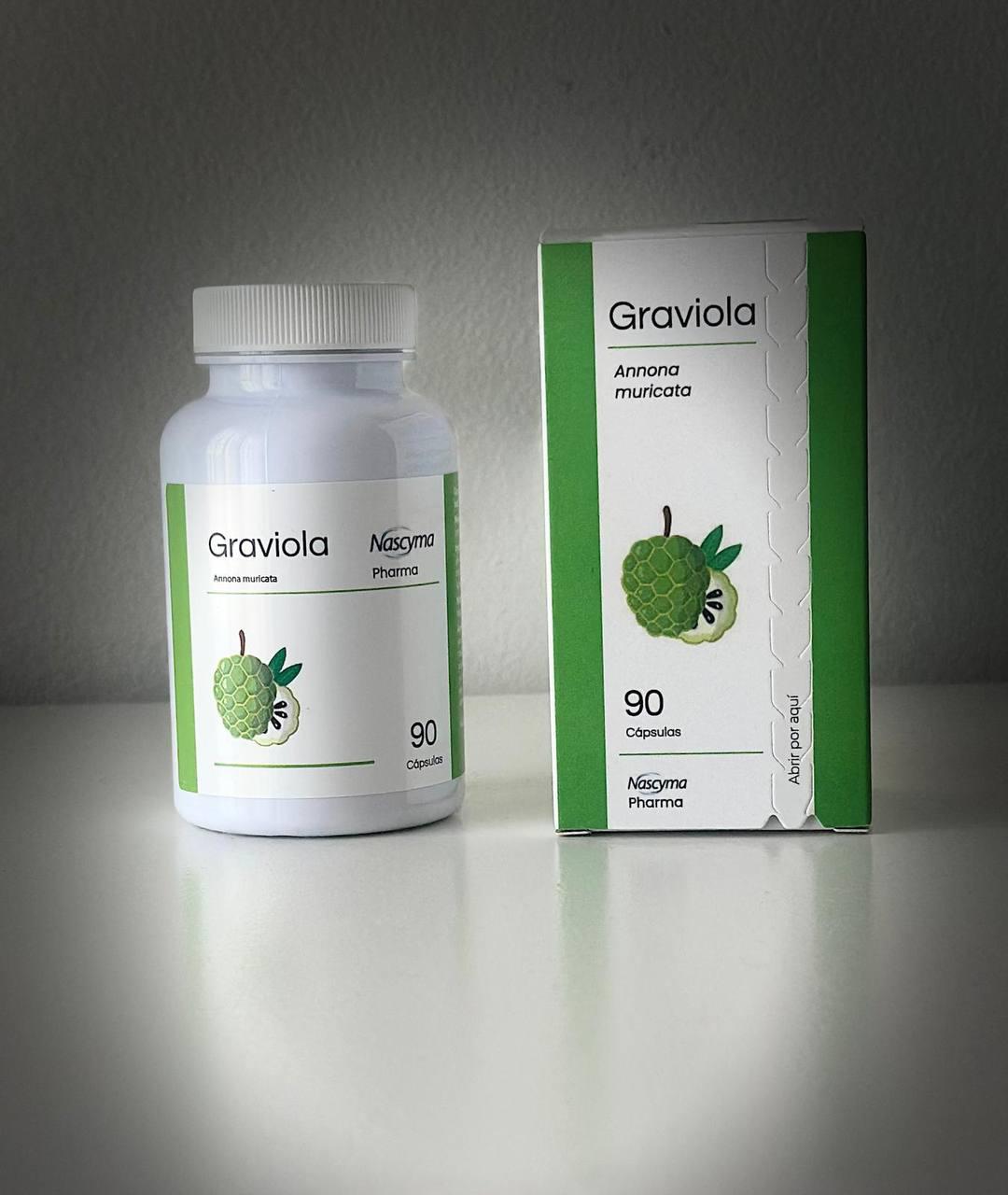
Pharmaceutical Grade Supplements: The Austrian Test Stack
Most US supplements pass two or three quality tests. Austrian pharma grade supplements pass heavy metal, identity, microbial, stability, and residual solvent screening.
Read Article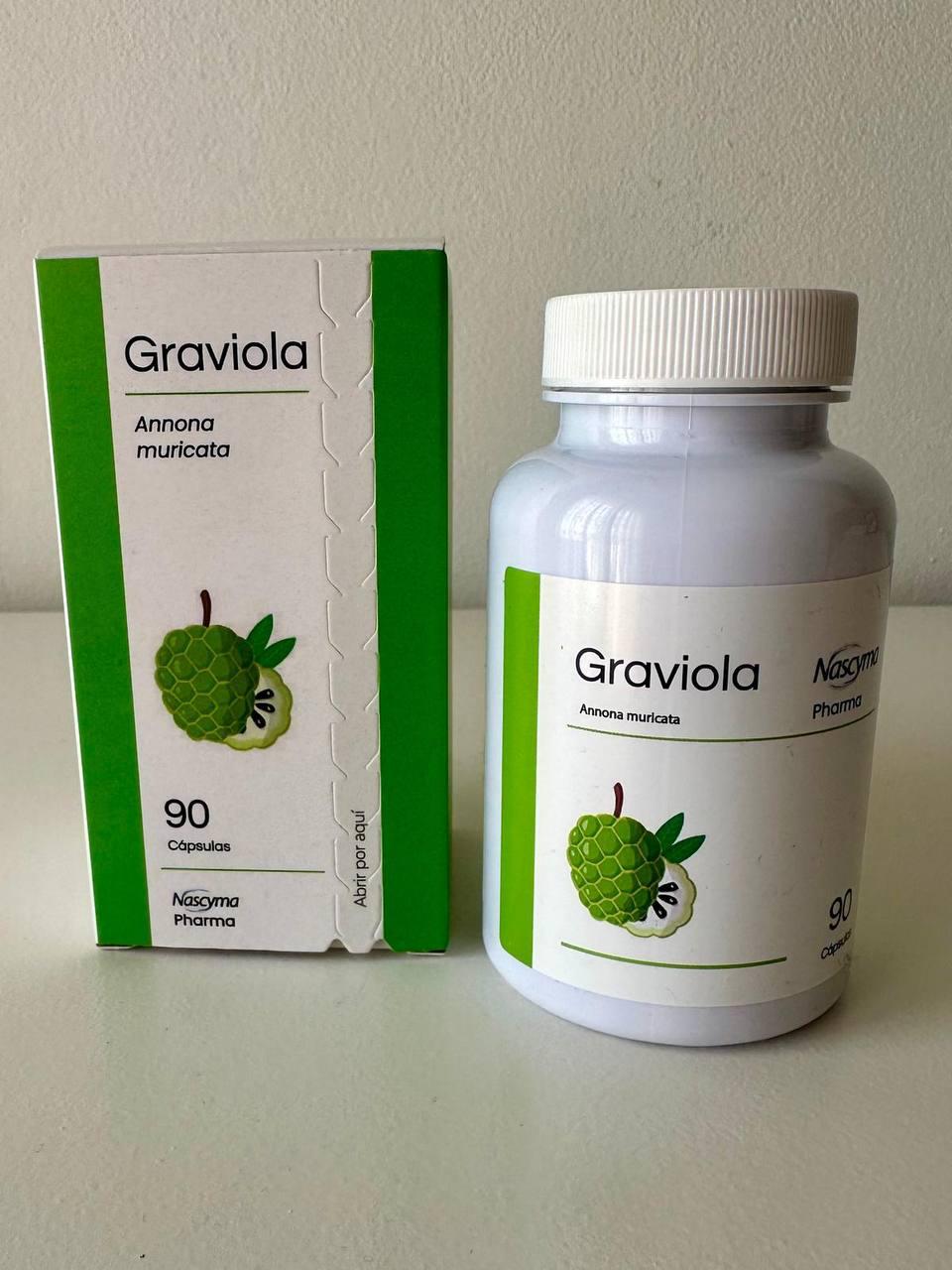
Graviola Mechanism of Action: What Acetogenins Actually Do
Annonaceous acetogenins interact with mitochondrial Complex I in a way found almost nowhere else in the plant kingdom. Here is the mechanism, honestly framed.
Read Article
SPF Lip Balm Cold Sore Prevention: The Frequency Data
A multi year dermatology review of daily SPF lip balm users found outbreak frequency dropped by roughly half compared with untreated controls. The mechanism is photo protection.
Read Article
Lip Balm Ingredients That Quietly Worsen Cold Sores
Menthol, camphor, and phenol feel cooling on a cracked lip, but they strip the moisture barrier and can accelerate viral reactivation. The cooling sensation is a warning.
Read Article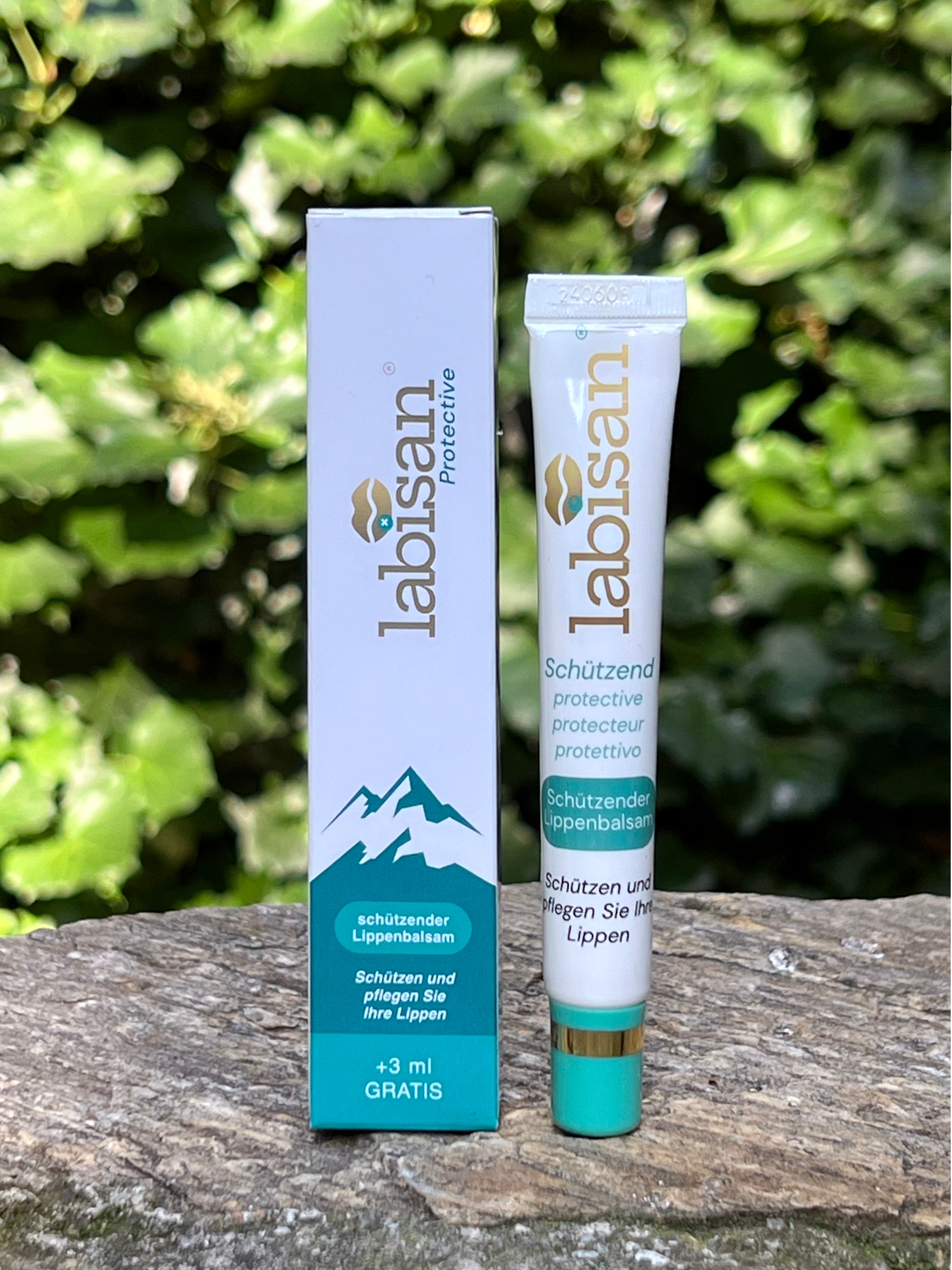
High Altitude Lip Protection: The UV Math Skiers Miss
UV radiation rises 10 to 12 percent every 1,000 meters of elevation, and fresh snow reflects up to 80 percent of it back toward your lips. The stacked exposure is brutal.
Read Article
What Is Graviola? Annona Muricata Benefits Guide
Everything you need to know about graviola (soursop): traditional uses, modern research on acetogenins, immune support properties, and how to choose a quality supplement.
Read Article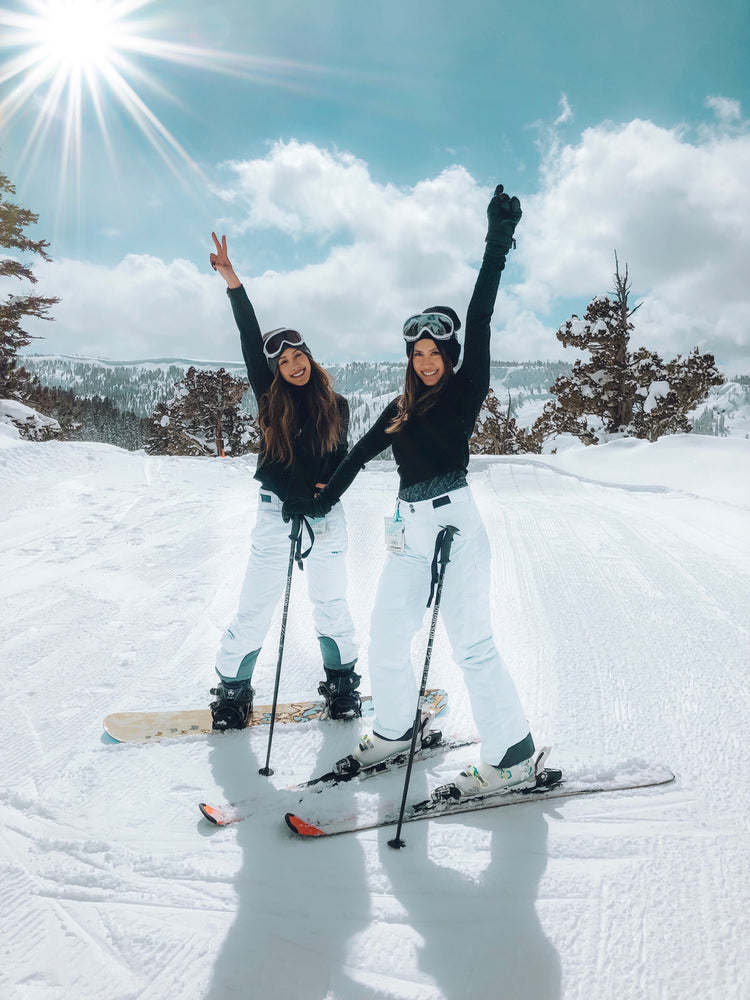
The Cold Sore Trigger 3.7 Billion People Ignore
New research confirms 67% of cold sore outbreaks are UV triggered. With 3.7 billion HSV 1 carriers worldwide, most people are treating symptoms while ignoring the root cause.
Read Article
Why 22:1 Graviola Extract Concentration Matters
Not all graviola supplements are equal. Learn what extract ratios mean, how 22:1 concentration compares to standard 4:1 and 10:1 products, and why manufacturing quality matters.
Read Article
5 Best Supplements for Immune Support in 2026
An evidence based look at the top 5 supplements for immune health: Vitamin D, Zinc, Elderberry, Echinacea, and Graviola, with research citations and practical guidance.
Read Article
Summer Lip Protection: What Dermatologists Say
Dermatologists are now recommending year round SPF Lip Care, not just during summer. Here is your complete guide to protecting your lips through every summer activity.
Read Article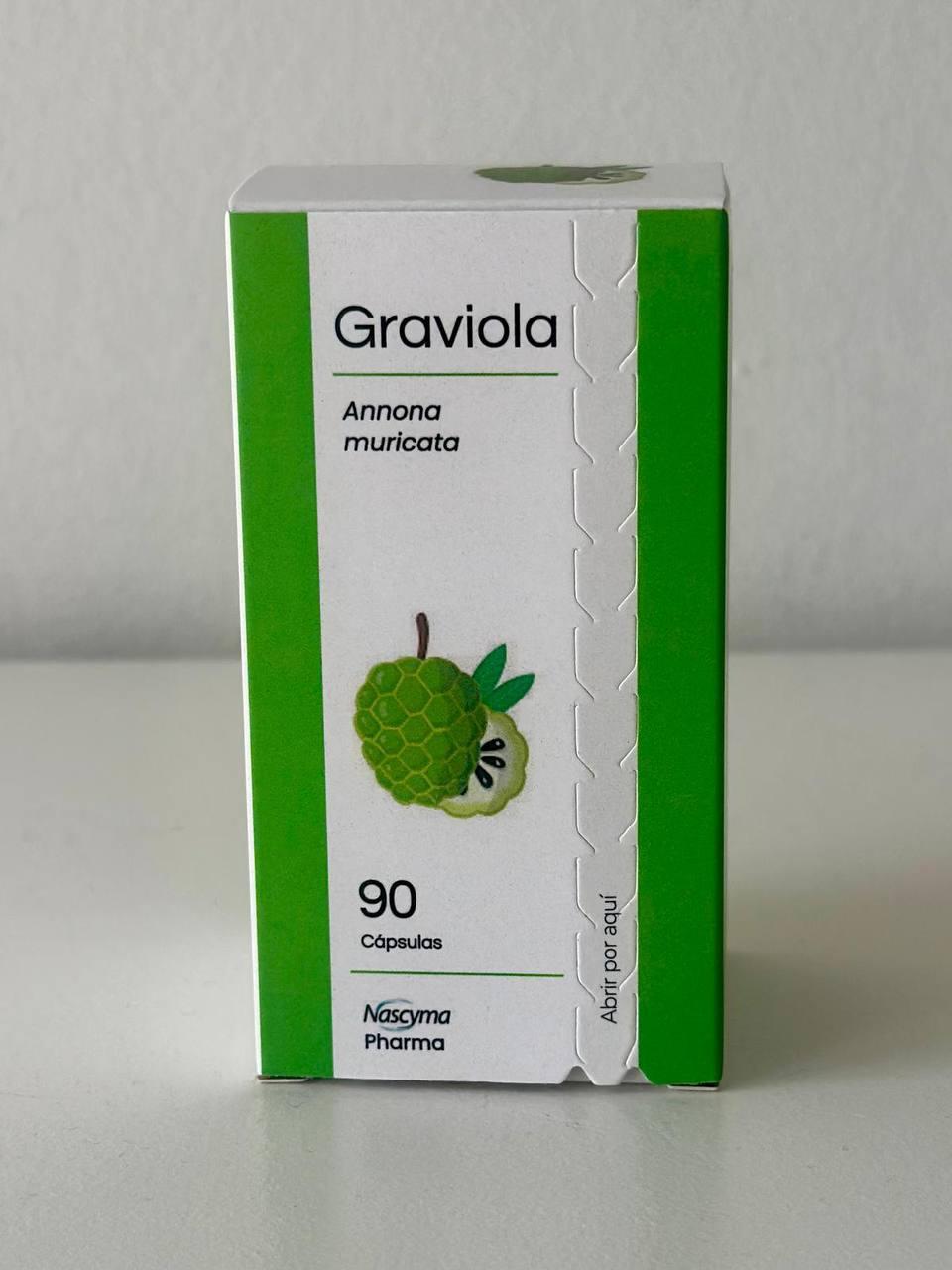
European Pharma Standards: Why Supplement Origin Matters
EU pharma regulations vs US supplement rules: why where your supplements are manufactured dramatically affects quality, purity, and whether the label matches what is inside.
Read Article
Zinc Oxide vs Chemical Sunscreen for Lips
Hawaii and the EU banned certain chemical sunscreens. Here is what that means for Lip Care and why zinc oxide is the gold standard for lip protection.
Read Article
Cold Sore Prevention for Outdoor Sports
Learn how UV exposure, wind, and cold trigger cold sores during skiing, hiking, and climbing, and how to protect yourself on every adventure.
Read Article
Labisan History: Austrian Alps to Everest
Discover the remarkable story of Labisan, the Austrian lip balm that has protected adventurers since 1931, from Alpine pharmacies to the summit of Everest.
Read Article
Natural Ingredients for Lip Care: What Science Says
A science backed look at the natural ingredients that actually protect and heal your lips, from zinc oxide to manuka oil, shea butter, and beyond.
Read Article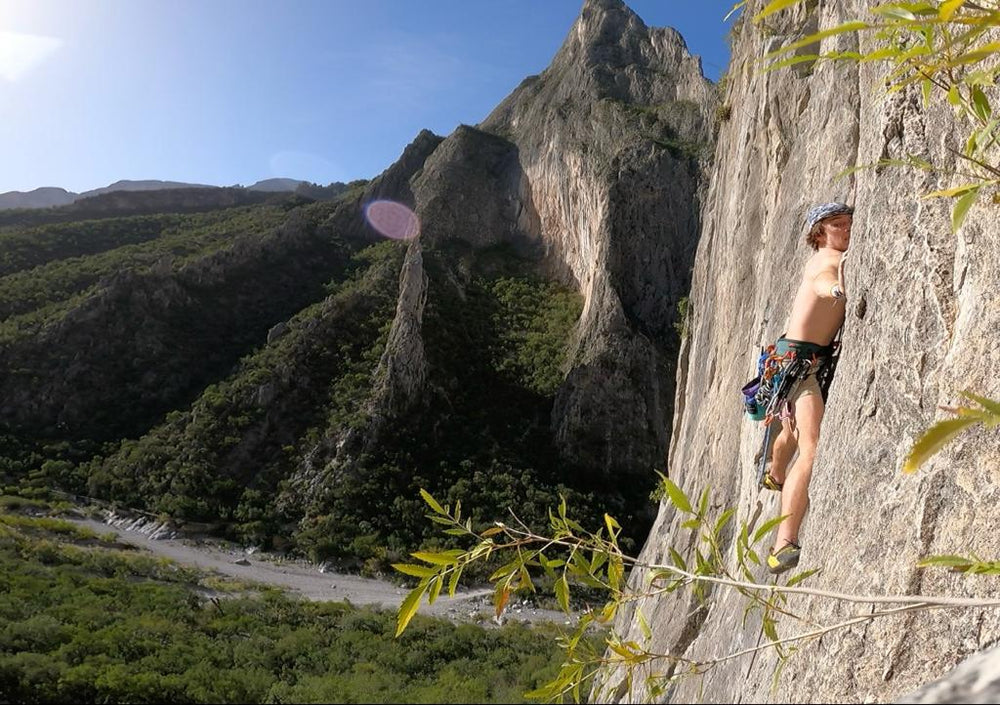
SPF Lip Protection: Why Lips Need Sunscreen
Your lips are one of the most UV vulnerable areas on your body. Learn why standard sunscreen is not enough and what SPF lip protection actually does.
Read Article