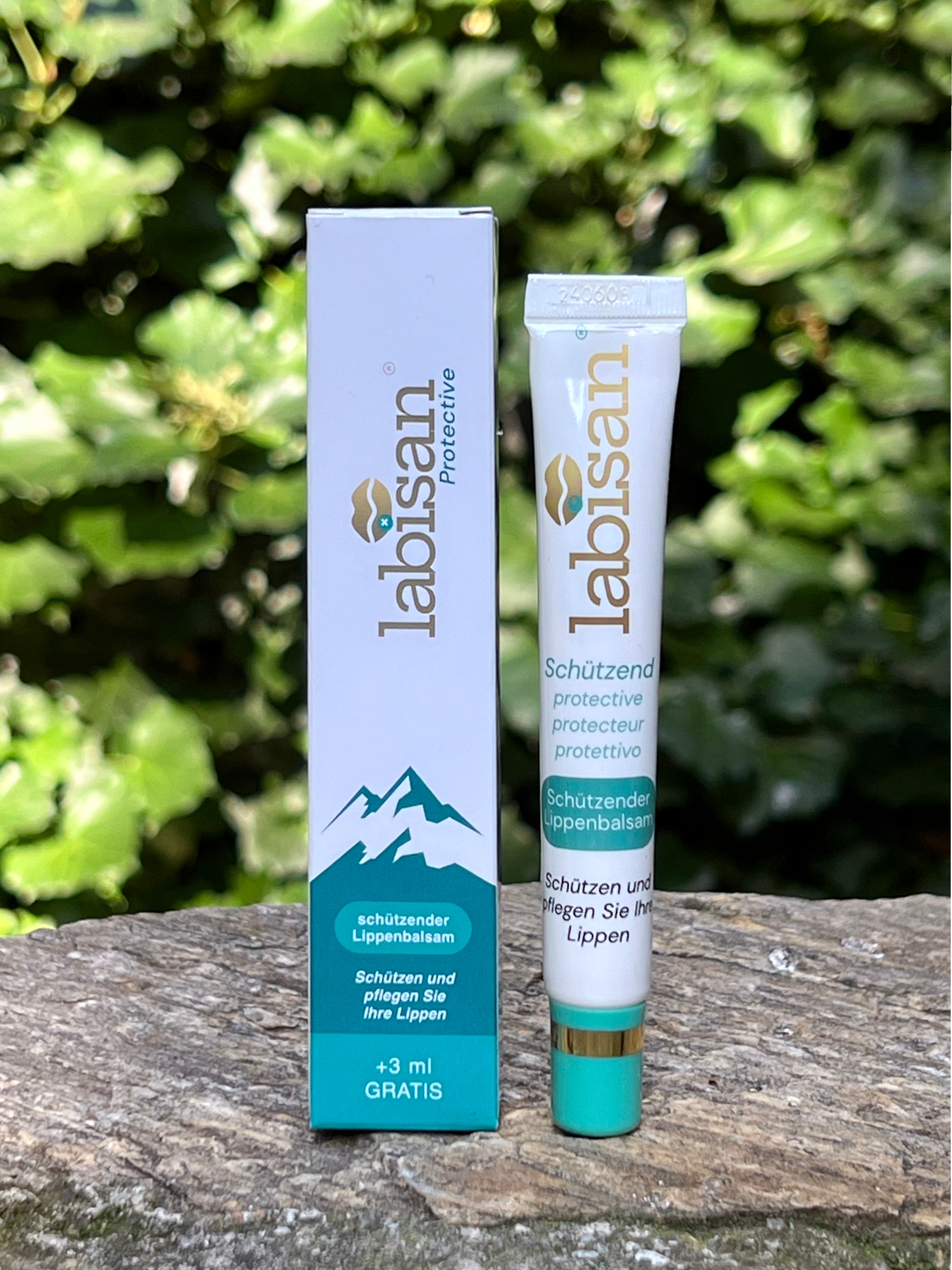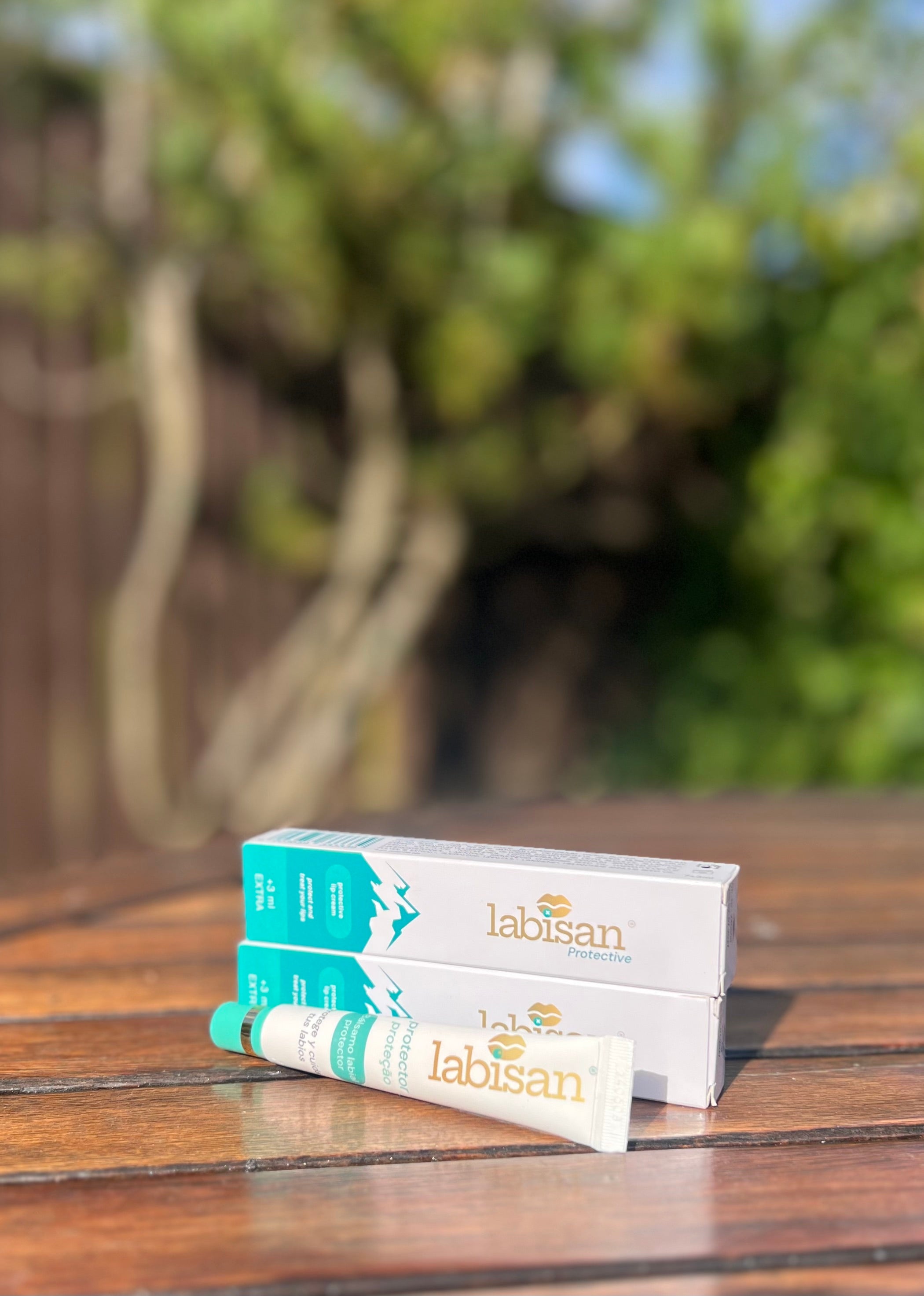
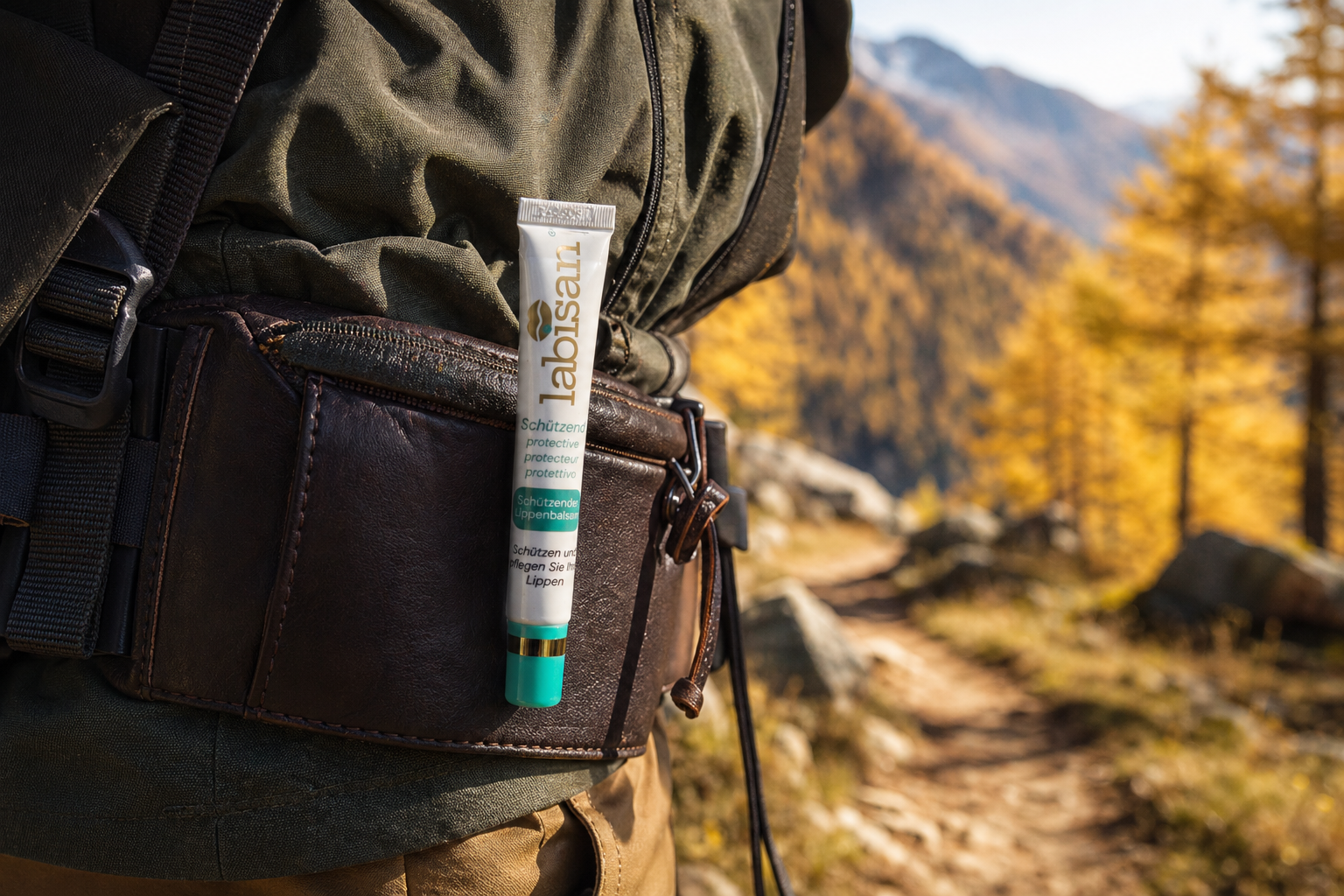
Labisan Protective Lip Balm runs 5 antiviral actives in parallel: 22 percent non-nano zinc oxide, 5 percent graviola fruit extract (90 percent in vitro acetogenin viral kill), manuka oil (5 ppm IC90 against HSV in vitro), oregano oil with 60 to 80 percent carvacrol, and menthol, plus SPF 20 against the documented number-one HSV-1 reactivation trigger. Clinical observation: 6 outbreaks per year baseline reducing to 1 mild outbreak per year over 12 months of continuous use. Abreva carries a single active (docosanol 10 percent) targeting one viral fusion mechanism, requires 5 applications per day for 4 to 7 days, and reduces outbreak duration by only 1 to 2 days against a 7 to 10 day natural baseline. No SPF. No prevention claim. Around $22 for a 2g tube.
The framing in plain numbers: Labisan addresses 5 mechanisms, Abreva addresses 1. Labisan reduces outbreak frequency, Abreva reduces only duration of an existing outbreak. Labisan adds SPF 20, Abreva adds zero. The decision is settled before the FAQ.
Abreva's Single-Mechanism, Treatment-Only Limitation
Abreva (active ingredient: n-docosanol 10 percent) is a topical cream with one mechanism. Docosanol is a long-chain saturated alcohol that interferes with viral fusion: it inserts into the host cell membrane and prevents HSV envelope fusion with the cell. The mechanism is real, but it is one mechanism, and the documented clinical effect is modest: trials show mean reduction in lesion duration of roughly 1 to 2 days against a 7 to 10 day natural course. Some studies show no statistically significant benefit in subsets of the population.
The practical limitations are specific. Abreva must be applied 5 times per day for 4 to 7 days during an active outbreak. It is treatment-only: it must already see a visible or tingling lesion to engage. It contains zero SPF, leaving the lip border exposed to the most-documented HSV-1 reactivation trigger. It makes no prevention claim. It is not formulated for daily wellness use. Per-tube cost is around $22 for a 2g format that depletes quickly at 5x daily dosing.
Labisan's 5-Active Antiviral Stack Plus SPF 20
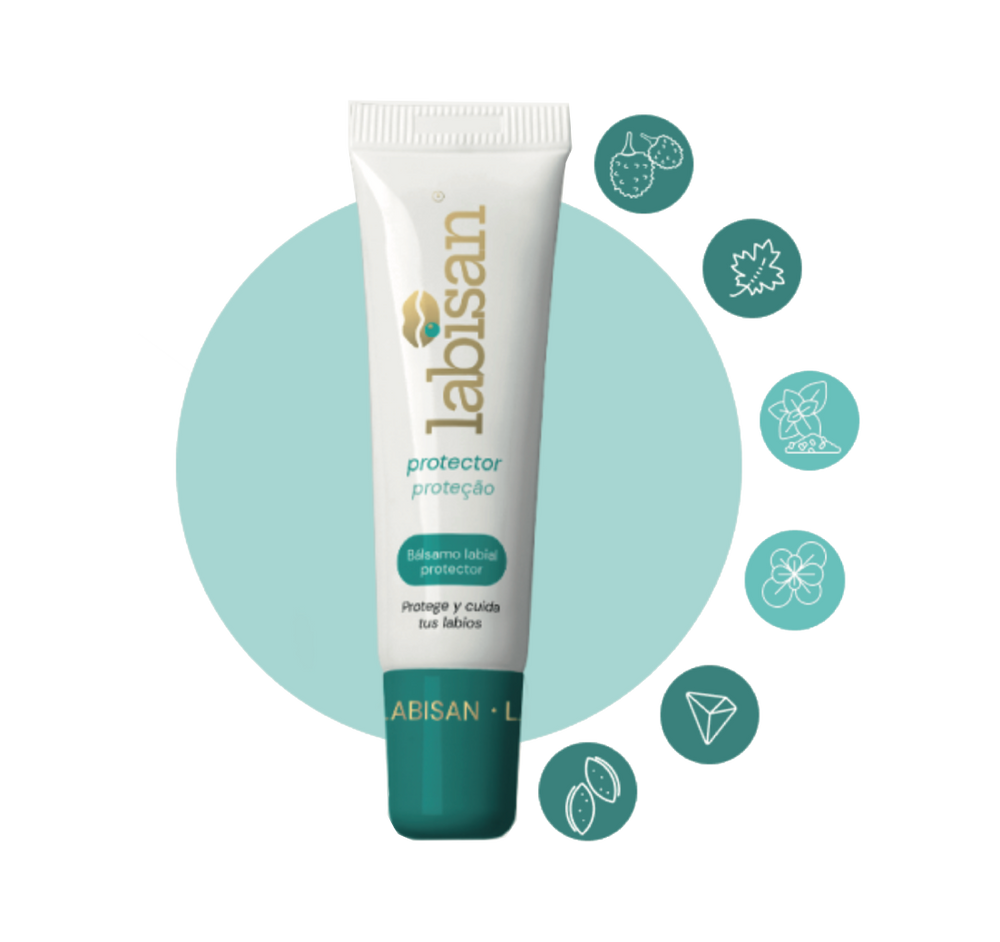
Labisan is a 5-active topical antiviral and protective balm with quantified active concentrations: 22 percent non-nano zinc oxide (vs the typical 8 to 15 percent in mineral SPF lip products) for mechanical drying plus SPF 20, 5 percent graviola fruit water extract delivering the 22:1 concentrated polyphenol and acetogenin antiviral fraction, manuka oil with documented 5 ppm IC90 against HSV in vitro and beta-triketone HSV envelope-disrupting activity (see the manuka oil post), oregano oil at 60 to 80 percent carvacrol for broad-spectrum membrane disruption, and menthol for sensory plus mild antiseptic action. Three supporting actives layer underneath: astaxanthin, vitamin E, allantoin, in a shea butter, cocoa butter, almond oil base.
Labisan applies 4 times per day at 4-hour intervals, with the documented 48-hour 8-application active outbreak protocol. The in-vitro Melissa officinalis plus graviola fraction reaches 98 percent viral suppression. The 22 percent zinc oxide blocks 80 percent of UV transmission at altitude. Manufacturing is Austrian EU GMP pharma-grade by a brand founded in 1931 with the 1953 Mount Everest summit attribution, a lineage traced in full in our story of the Salzburg apothecary heritage behind Labisan since 1931.
Abreva's Specific Weaknesses on Real Use Cases
Abreva's "FDA-approved" claim narrows on inspection. The approval is for a single docosanol active with one fusion mechanism, and the trial data supports a mean 1 to 2 day duration reduction against a 7 to 10 day baseline. Some studies in some populations show no statistically significant benefit. That is a small effect size for a $22 single-tube purchase that depletes in days.
Abreva is treatment-only. Once the user has a tingle or vesicle, the prevention window has already closed. Abreva cannot reduce outbreak frequency because it has no prevention mechanism and no daily-use claim. Labisan's daily SPF 20 plus 5-active layer applied 4 times per day, year-round, is the documented frequency-reduction stack: 6 outbreaks per year baseline reducing to 1 mild outbreak per year over 12 months.
Abreva has zero SPF. Wearing Abreva through a ski day or beach day leaves the lip border fully exposed to the trigger that drove the outbreak in the first place. Labisan's 22 percent non-nano zinc oxide delivers SPF 20 and blocks 80 percent of UV transmission at altitude in the same daily layer.
Abreva runs a single mechanism (viral fusion inhibition). Labisan runs 5 parallel mechanisms (mechanical drying via zinc oxide, envelope disruption via manuka beta-triketones, membrane disruption via oregano carvacrol and thymol, intracellular replication interference via graviola acetogenins, sensory and antiseptic via menthol). A multi-mechanism stack is harder to evade through any single resistance pathway and addresses multiple drivers of the cold sore cycle simultaneously.
Abreva is cosmetic-grade in formulation rigor. Labisan is manufactured to Austrian EU GMP pharma-grade standards with active ingredient concentration verification on every batch.
Abreva ships well in the US but inconsistently outside it. Labisan ships internationally as a single-product solution with the 30-day money-back guarantee.
Why 5 Mechanisms Plus SPF Beats 1 Mechanism Without SPF
Docosanol's fusion-inhibition mechanism is one valid axis of attack on the viral cycle. Labisan's stack adds 4 more axes: viral envelope integrity disruption from manuka and oregano, intracellular replication interference from graviola acetogenins, surface drying from zinc oxide, and sensory plus antiseptic action from menthol. Plus SPF 20 from the same 22 percent zinc oxide that anchors the topical stack. The documented outcome differential is the relevant comparison: 6 outbreaks per year reducing to 1 over 12 months on Labisan, versus a mean 1 to 2 day duration reduction on Abreva for an outbreak that still happens at full original frequency.
Frequency Reduction Is the Real Job
Most users searching for a cold sore product live in two situations. Situation A: no lesion right now, but recurring outbreaks (4, 6, 12 per year) that the user wants to stop. Situation B: an active tingle or visible vesicle right now. Abreva addresses Situation B only and addresses it modestly (1 to 2 day duration cut). Labisan addresses A and B from one product, with the documented prevention layer plus the 48-hour 8-application active recovery protocol.
For any user with more than 2 outbreaks per year, the math favours Labisan decisively: reducing 6 outbreaks per year to 1 means 5 outbreaks per year that simply do not happen. Abreva at $22 per outbreak with 1 to 2 days saved cannot compete with that frequency reduction.
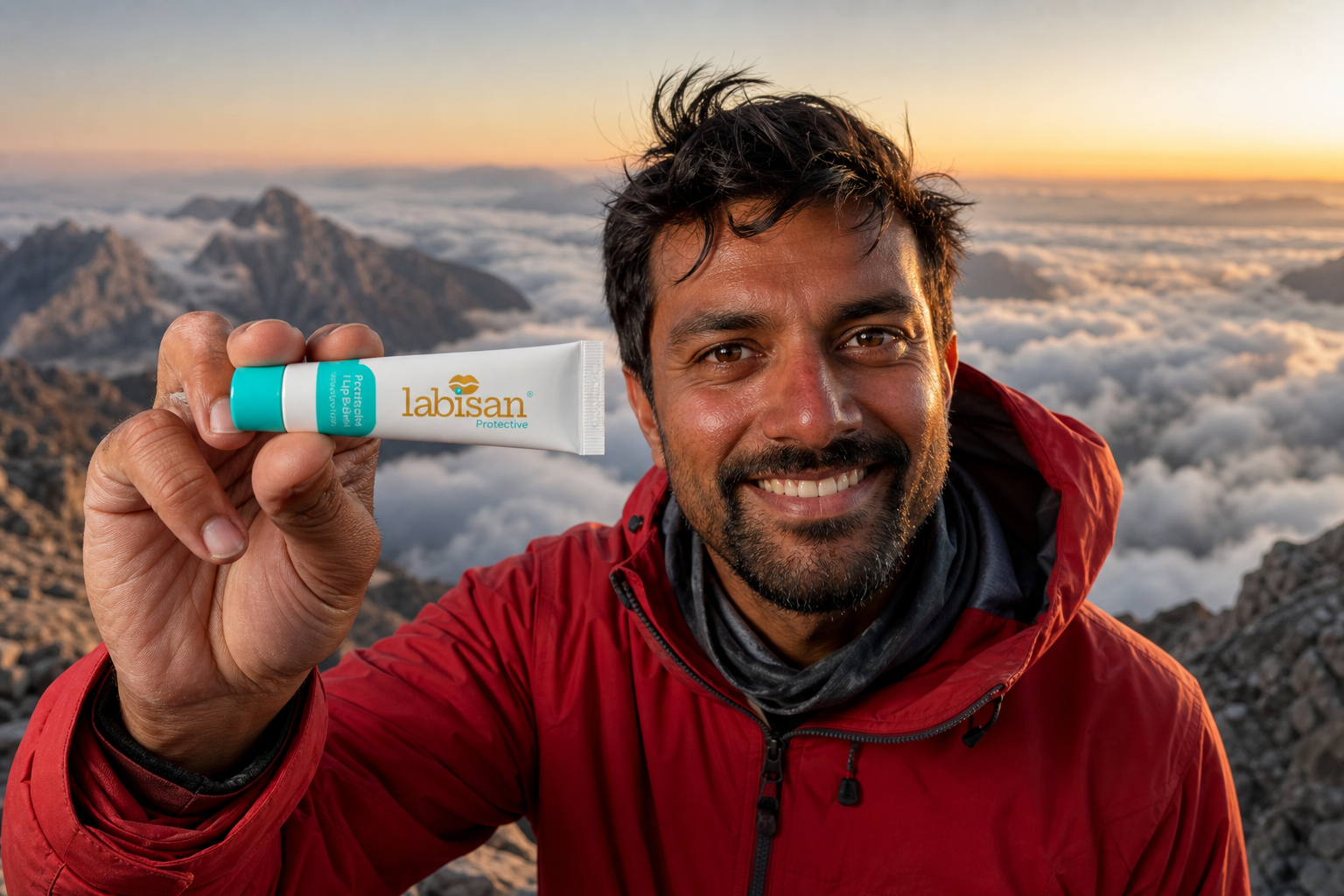 the 5-active antiviral plus SPF 20 layer that drops outbreak frequency from 6 per year to 1, beyond what single-active Abreva docosanol can offer" loading="lazy" style="width:100%;max-width:780px;height:auto;border-radius:8px" width="1600" height="1000">
Daily Prevention + Recovery in One Layer
Labisan Protective Lip Balm + Labisan 22:1 Graviola Capsules
Lip Balm Single: $24.99 | Graviola Capsules Single: $44.99
Adventure Pack 3x lip balms: $59.99 | Family Bundle 5x: $89.99 | Graviola 3x: $119.97
Free shipping on orders over $49. 30 day money back guarantee. 2,000 plus verified reviews, 4.9 of 5 average.
Shop Lip Balm Shop GraviolaWhy Labisan Is the Better Choice for Anyone with More Than 2 Outbreaks Per Year
Five reasons, each backed by a specific number:
1. Labisan runs 5 active antiviral mechanisms; Abreva runs 1. The clinical observation: 6 outbreaks per year baseline reducing to 1 mild outbreak per year over 12 months on Labisan, versus a mean 1 to 2 day duration reduction on Abreva for outbreaks that still happen at full frequency.
2. Labisan delivers SPF 20 from 22 percent non-nano zinc oxide, blocking 80 percent of UV transmission at altitude. Abreva delivers zero SPF, leaving the lip border exposed to the most-documented HSV-1 trigger.
3. Labisan addresses prevention plus active outbreak from one product; Abreva is treatment-only with 5 daily applications for 4 to 7 days per outbreak.
4. Labisan is manufactured to Austrian EU GMP pharma-grade standards with batch-level active concentration verification. Abreva is single-active cosmetic-pharmacy grade.
5. Labisan integrates with the systemic 22:1 graviola capsules at 8,000 mg bioactive equivalent (around $1.50 per day) for the immune-resilience layer. Abreva offers no systemic option.
Frequently Asked Questions
Can I use both Abreva and Labisan at the same time?
Yes. There is no documented incompatibility. A practical sequence: apply Labisan to the full lip surface for SPF and the 5-active layer, and add Abreva only to the central visible lesion if the user has it on hand. Most long-term Labisan users do not buy Abreva once outbreak frequency drops from 6 per year to 1.
Why does Labisan not have a single-active FDA OTC monograph?
Because it is a multi-active formula by design. The single-active monograph pathway requires focused single-mechanism trials, which discards the entire point of the 5-active stack. The Austrian EU GMP pharma-grade manufacturing standards Labisan uses provide equivalent batch-level quality control with active concentration verification per batch. The difference is regulatory positioning, not formulation rigor.
Does Abreva prevent future cold sores?
No. Abreva has no prevention claim and no prevention mechanism. To reduce outbreak frequency the documented intervention is the daily Labisan layer (SPF 20 plus 5 antiviral actives) plus trigger management plus the systemic 22:1 graviola capsules at 8,000 mg bioactive equivalent. The 6-to-1 outbreak frequency reduction over 12 months is the observation pattern.
Is the SPF in Labisan actually doing meaningful work?
Yes. UV is the most documented HSV-1 reactivation trigger. SPF 20 from 22 percent non-nano zinc oxide blocks 80 percent of UV transmission at altitude, where UV index runs roughly 30 percent above sea level. Abreva's zero SPF means the lip border is fully exposed to the trigger every time the user is outside.
What about sensitive lips?
Labisan's botanical actives are well-tolerated by the vast majority of users at the formulated concentrations, supported by the allantoin, vitamin E, and shea-cocoa-almond base. Users with known reactions to oregano or mint family botanicals should patch-test first; Labisan's 30-day money-back guarantee covers the trial. The 2,000 plus verified reviews at 4.9 of 5 average reflect the tolerance profile across active outdoor users.
What if I am not in the US?
Abreva availability outside the US is patchy (sold under different brand names like Erazaban in parts of Europe). Labisan ships internationally as the same Austrian EU GMP pharma-grade product, which makes it the consistent global choice and removes the friction of finding the right local equivalent.