That tingling, medicinal cool you feel seconds after applying a drugstore lip balm is not the product working. It is your skin telling you it is being mildly irritated. Menthol, camphor, and phenol are three of the most common active ingredients in mass market lip therapy products, and all three share a dirty secret: in repeated use on already compromised lips, they thin the moisture barrier, increase transepidermal water loss, and in people carrying the herpes simplex virus, they can contribute to the exact reactivation cycle the product is marketed to prevent. The more you apply, the more you need, and the worse the underlying lip health becomes.
This article walks through the specific ingredient classes that quietly make cold sore prone lips worse, why the cooling sensation sells so effectively despite the biology, and what to look for instead. For context on what actually triggers a cold sore, start with our breakdown of the latest research on the cold sore UV trigger, which identifies the biggest reactivation driver most sufferers overlook.
The Three Ingredients to Treat With Caution
Dermatologists have been flagging these three for years, but they remain ubiquitous because they produce a sensation that consumers mistake for efficacy.
Menthol is a cyclic terpene alcohol that triggers the TRPM8 cold receptor in skin, producing a cooling feeling without lowering actual temperature. On healthy skin in low concentrations it is largely harmless. On lip tissue that is already dry, cracked, or post outbreak, menthol is a mild irritant that increases blood flow locally, can sensitize nerve endings, and accelerates moisture loss as the surface cools.
Camphor is a crystalline terpene historically used as a counterirritant. It produces a tingling warmth and a pungent aroma, both of which register as "this is medicinal" to the user. In higher concentrations camphor is neurotoxic if ingested, which is why it is strictly regulated in over the counter topicals. Even at legal concentrations, repeated application to the lips can disrupt the stratum corneum and trigger contact dermatitis in sensitive individuals.
Phenol is a stronger antiseptic found in some "medicated" lip therapies. It denatures proteins, which is why it kills bacteria, but it denatures protein in healthy lip tissue too. On intact lips it is well tolerated; on an active cold sore or on a lip that has just shed a scab, phenol can delay re epithelialization and trigger additional inflammation.
Why Cooling Sells Even Though It Hurts
Product designers know that a sensation, any sensation, functions as proof of efficacy in the mind of a consumer. A balm that feels inert is perceived as ineffective, even if it is chemically the better option. Menthol and camphor deliver that instant "something is happening" signal within seconds of application.
The problem is that for someone carrying HSV-1 (a population that covers roughly two thirds of adults globally), repeated disruption of the lip barrier is one of the local cofactors for viral reactivation. Reactivation also requires immune suppression and typically a UV or stress trigger, but a chronically irritated barrier lowers the threshold. A user reaching for their "medicated" stick four and five times a day is, over weeks, maintaining a state of low grade inflammation that is the opposite of what the lip needs to suppress the virus.
Compare that to a zinc oxide based protective lip balm, which seals the barrier rather than stimulating it and layers physical UV protection on top. The user feels nothing dramatic on application, and that is precisely the point.
The Supporting Cast of Problem Ingredients
Beyond the big three, a handful of common additives deserve scrutiny on cold sore prone lips.
Salicylic acid appears in some lip exfoliating products. It chemically dissolves the outer keratin layer, which feels satisfying when lips are flaky, but stripping the barrier while a latent virus sits in the trigeminal ganglion is an obvious risk.
Artificial fragrance is a catch all term covering dozens of undisclosed compounds, some of which are known contact sensitizers. Lips have high permeability and limited tolerance for sensitizers compared with facial skin.
Lanolin, while generally safe and genuinely occlusive, is a common contact allergen for a meaningful minority of users. If you develop persistent dryness and cracking despite heavy balm use, lanolin allergy is worth investigating.
Drying alcohols (SD alcohol, denatured alcohol) show up in some lip plumping or lip oil products. On already compromised lips they are pure barrier erosion.
What a Genuinely Protective Lip Balm Looks Like
A lip balm built for someone with cold sore vulnerability should do three things and avoid the rest.
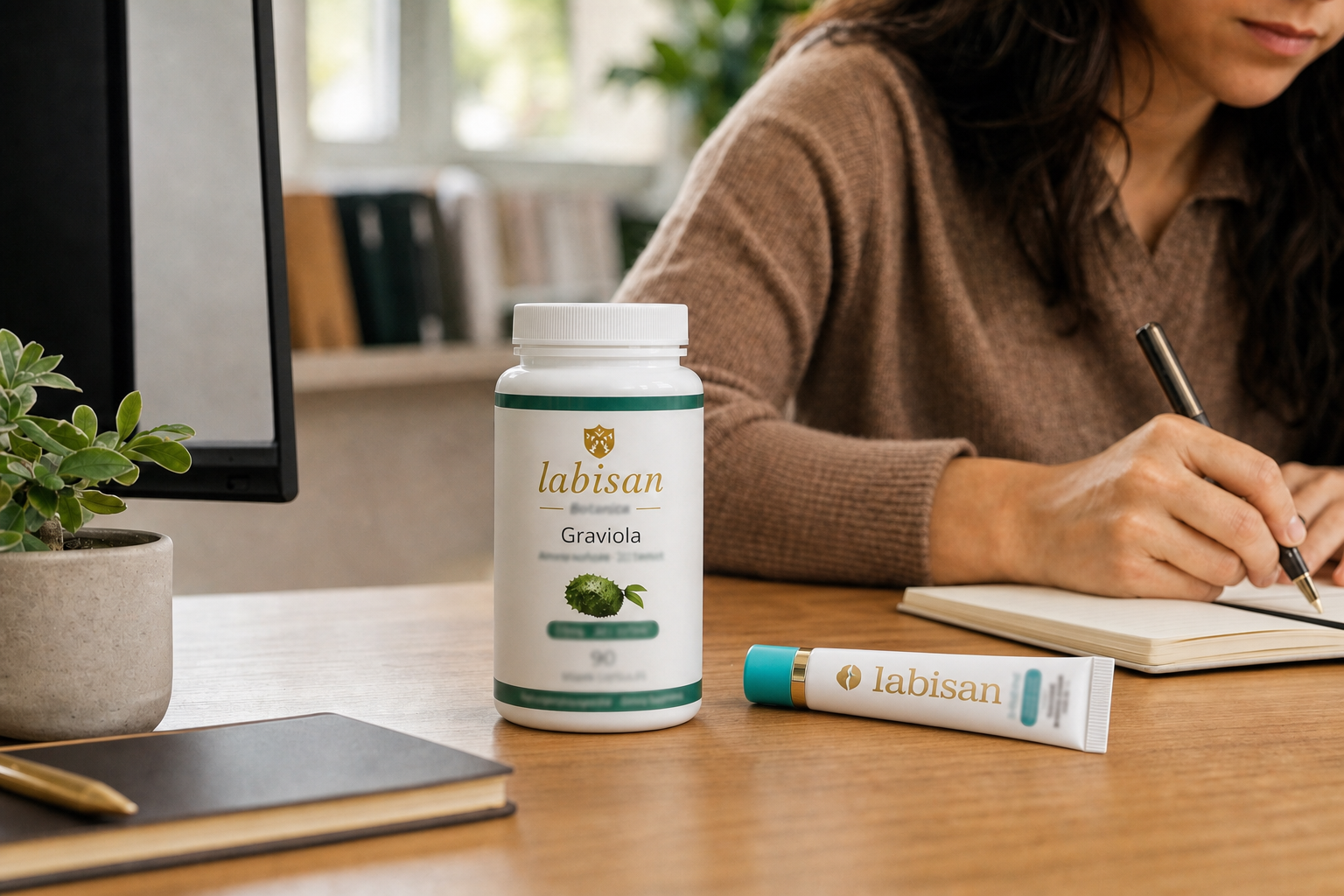
It should seal the barrier with occlusive and emollient ingredients that do not sting. Shea butter, cocoa butter, beeswax, and plant waxes are the reliable core. It should deliver physical UV protection through non nano zinc oxide, not chemical filters that degrade and absorb into the lip. And it should include supporting botanicals with documented antimicrobial or calming activity, such as manuka oil, oregano oil, or graviola extract, at concentrations that soothe rather than stimulate.
What it should not contain is menthol, camphor, phenol, salicylic acid, artificial fragrance, drying alcohols, or petroleum jelly as the sole occlusive. The comparison of zinc oxide versus chemical sunscreen on lips goes deeper into why mineral filters win on cold sore prone tissue.
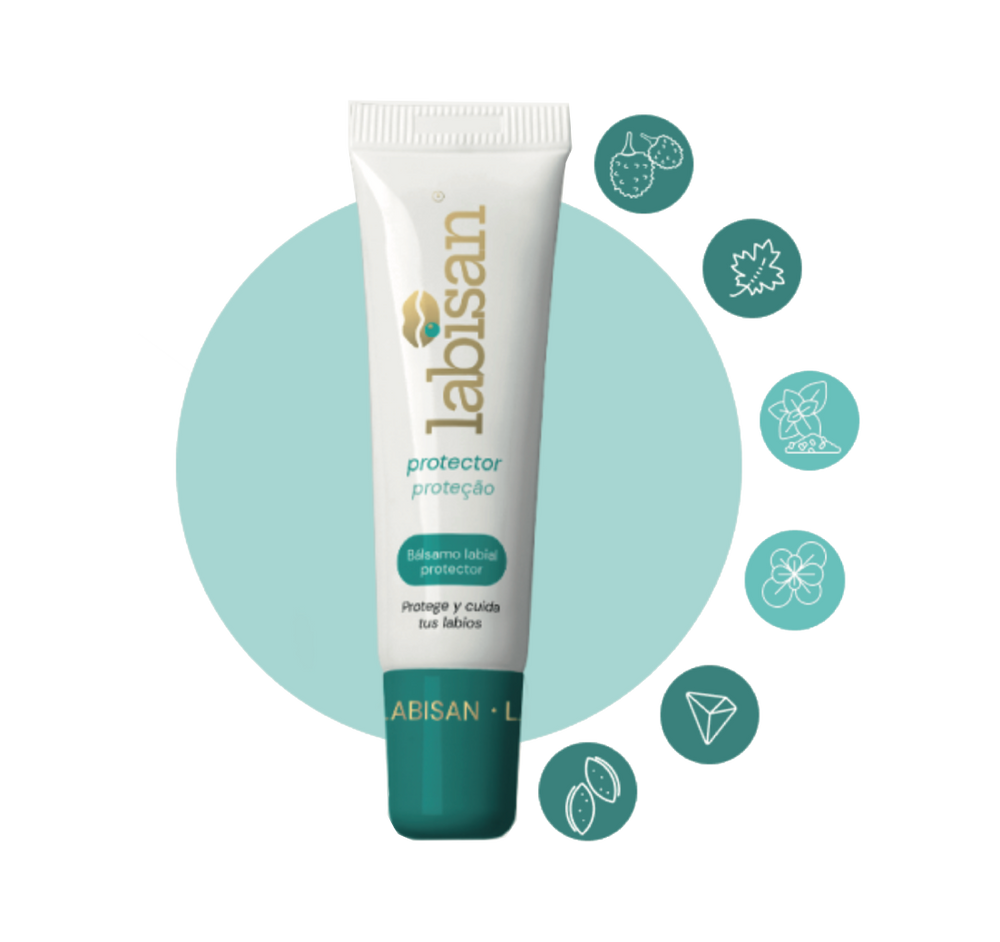
Zero menthol, zero camphor, full barrier protection
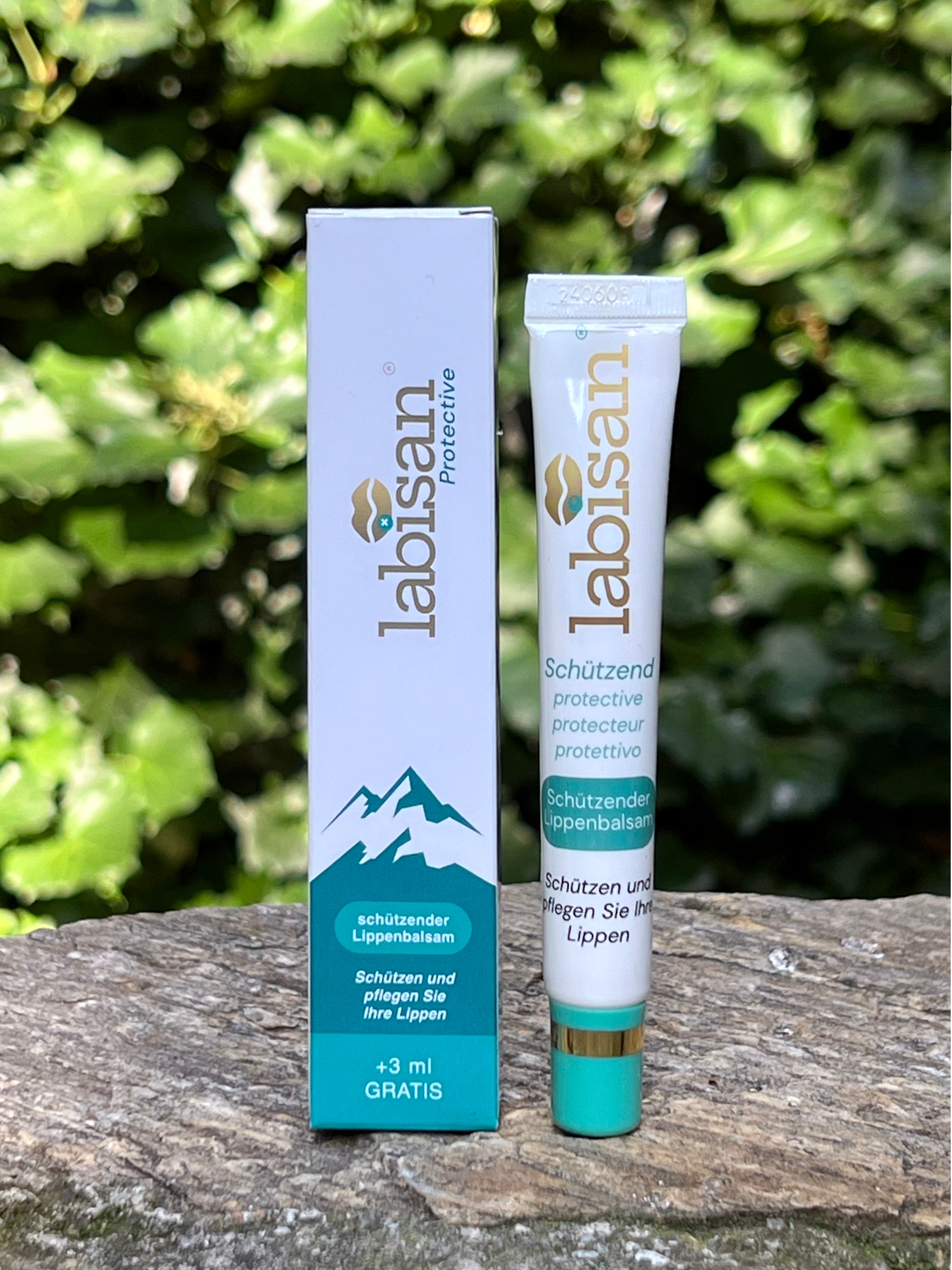
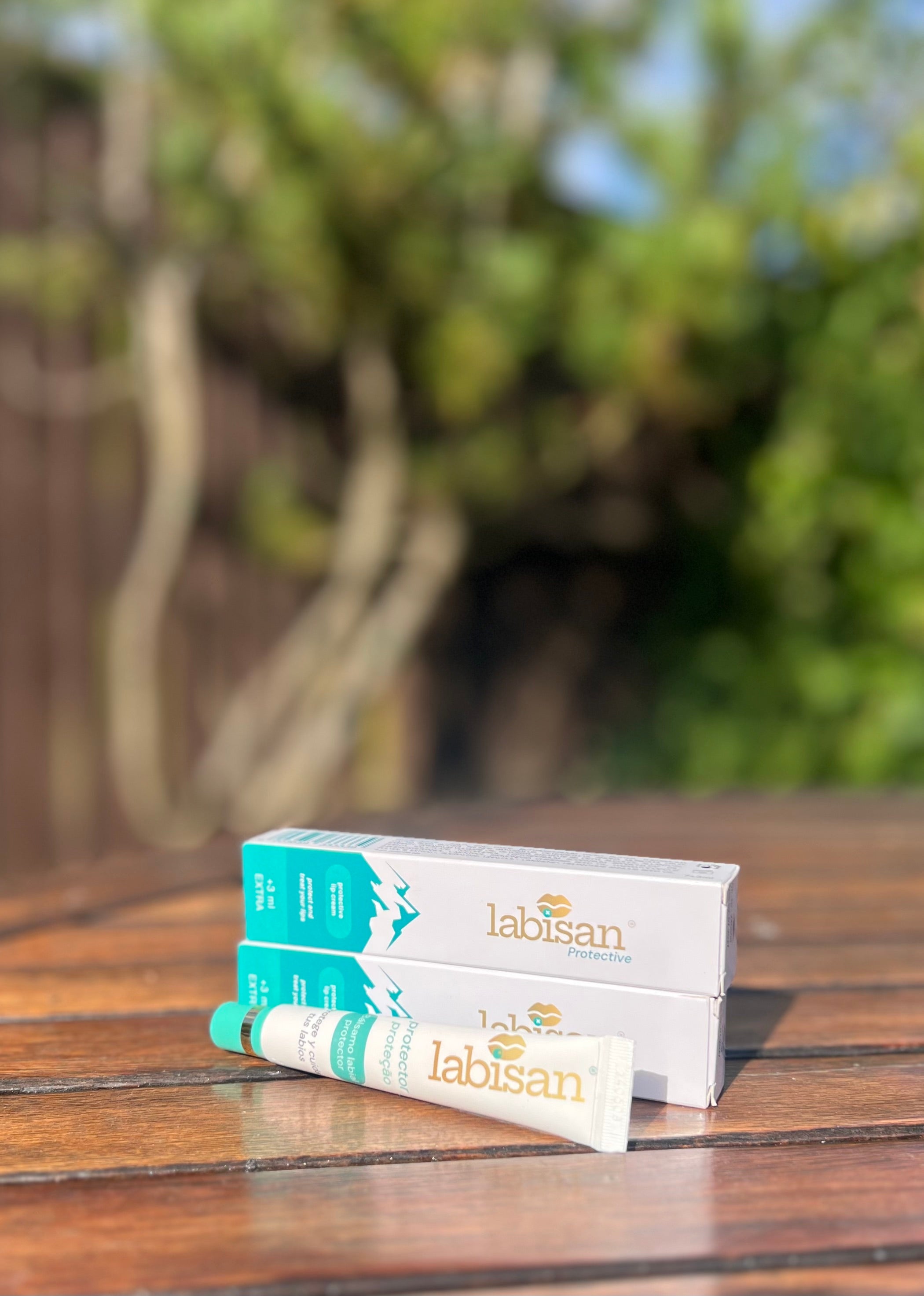
Labisan Protective Lip Balm SPF 20
Single: $24.99 | 3x Bundle: $59.97 | 5x Bundle: $89.95
Free EU shipping over $49, $19.99 worldwide. 30 day money back guarantee.
Shop Labisan Lip BalmFrequently Asked Questions
Is menthol always bad for lips?
Not always. Small amounts in occasional use rarely cause problems for people with no herpes simplex history. The concern is specifically with frequent reapplication on compromised or cold sore prone lips, where the cumulative irritation can tip the balance toward outbreak.
What about eucalyptus and peppermint oils?
Both contain menthol like compounds at natural concentrations. In trace amounts they add a pleasant aroma. In the higher concentrations used by some "natural" tingling lip products, they carry the same risks as synthetic menthol.
Why does my lip balm feel like it stops working?
Because it is. When a balm contains irritants that strip the barrier, reapplication becomes a cycle of short term relief followed by rebound dryness. The formula creates the problem it seems to solve. Switching to a non stimulating barrier balm typically resolves this within two weeks.
Can I still use a lip balm with menthol when I do not have a cold sore?
If you carry HSV-1, there is no truly off season. Latent virus sits in the trigeminal ganglion year round, and reactivation depends on a mix of local and systemic factors. A non irritating daily balm is the simpler call.
A Simple Ingredient Audit You Can Run in 60 Seconds
Turn the tube around and look at the ingredient list. Scan for menthol, mentha, camphor, camphora, phenol, eucalyptol, salicylic acid, and "fragrance" or "parfum." If any appear in the top eight listed ingredients, you are using a formula designed around sensation rather than protection. The top eight matter because ingredient lists are ordered by concentration, and anything lower than position eight is typically present in trace amounts.
Then look for the protective actives you want to see: zinc oxide (ideally non nano, at a named concentration), shea butter, cocoa butter, beeswax, plant derived waxes, and botanical actives such as manuka oil, oregano oil, or graviola extract. A formula that prioritizes the second list and omits the first is doing the right job on the right tissue.
The best lip balm is the one that does its job without announcing itself. If your current product tingles, stings, or demands reapplication every 30 minutes, the formula is likely part of the problem. Labisan Protective Lip Balm has been formulated in Austria since 1931 around occlusives, botanical actives, and zinc oxide, with none of the cooling theatrics that make a cold sore cycle harder to break.