There is a staggering number that most people have never heard: 3.7 billion people under the age of 50 carry the herpes simplex virus type 1 (HSV 1). That figure comes directly from the World Health Organization's 2024 global prevalence update, and it means roughly half the planet's population is walking around with a virus capable of producing painful, embarrassing cold sore outbreaks at any time.
But here is the part that should really get your attention. According to research published in the Journal of Dermatological Science, approximately 67% of cold sore recurrences are triggered by ultraviolet radiation. Not stress. Not diet. Not lack of sleep. UV exposure is the single largest reactivation trigger for HSV 1, and the vast majority of carriers are doing absolutely nothing to address it. This is exactly why your lips need dedicated SPF sunscreen, even when you are already using face sunscreen daily.
This is not a fringe finding. It is one of the most consistently replicated results in herpes virology. Yet billions of people continue treating cold sores reactively with creams and antivirals after the blister appears, while completely ignoring the environmental trigger that caused the outbreak in the first place. A purpose built protective product like our SPF 20 protective lip balm addresses this trigger directly with zinc oxide based physical UV blocking.
The UV Reactivation Mechanism: What Happens Inside Your Body
To understand why UV light is so effective at triggering cold sores, you need to understand where HSV 1 hides and how it reactivates.
The Trigeminal Nerve Ganglia
After your initial HSV 1 infection (which most people contract in childhood through casual contact), the virus travels along nerve fibers and establishes a permanent latent infection in the trigeminal nerve ganglia. These are clusters of nerve cell bodies located near the base of your skull. The virus integrates its DNA into these nerve cells and essentially goes dormant, invisible to your immune system.
The trigeminal nerve is the main sensory nerve for your face, and one of its three branches (V2, the maxillary branch) directly innervates your lips. This is why cold sores almost always appear on or near the lips: the virus travels back down the same nerve pathway it used to reach the ganglia in the first place.
How UV Triggers Reactivation
Research published in Antiviral Research (2024) has identified multiple mechanisms through which UV radiation reactivates latent HSV 1:
Local immune suppression: UV radiation suppresses the activity of Langerhans cells, the immune sentinels in your skin that normally help keep HSV 1 in check. A 2023 study in the Journal of Investigative Dermatology showed that even moderate UV exposure reduces Langerhans cell density in lip tissue by up to 40% within hours.
DNA damage signaling: UV induced DNA damage in skin cells triggers cellular stress responses that produce signaling molecules. These molecules travel along nerve fibers to the ganglia, where they can switch the virus from its latent state to active replication.
Prostaglandin cascade: UV exposure triggers production of prostaglandin E2 (PGE2) in lip tissue, which has been shown in laboratory studies to directly stimulate HSV 1 reactivation from latency.
The Multiplier Effect at Altitude
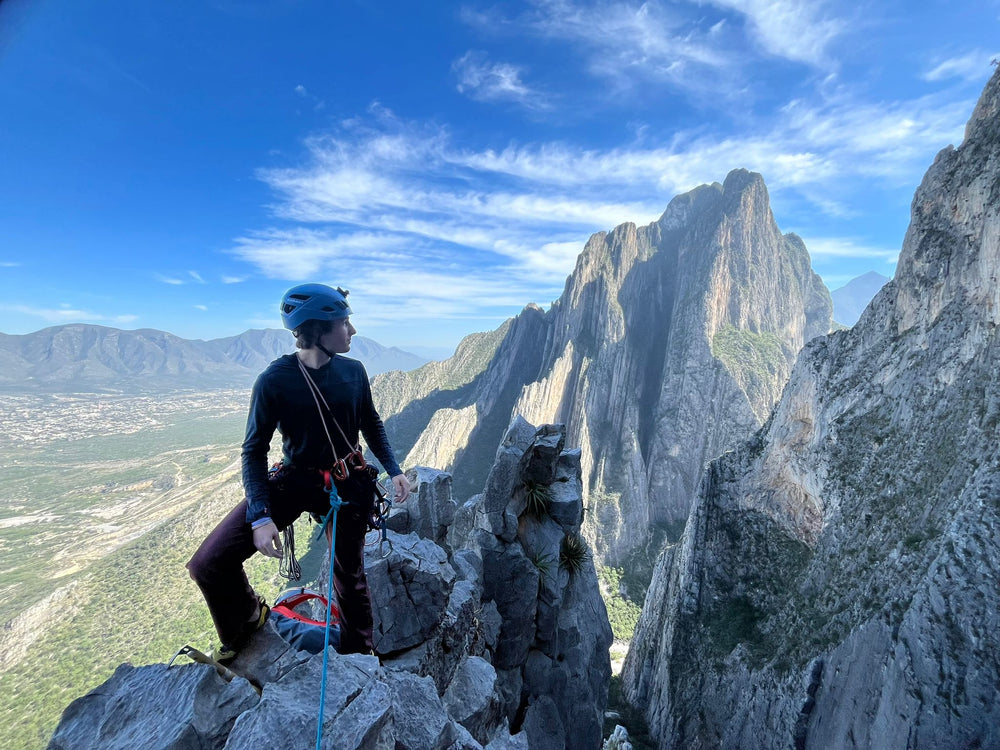
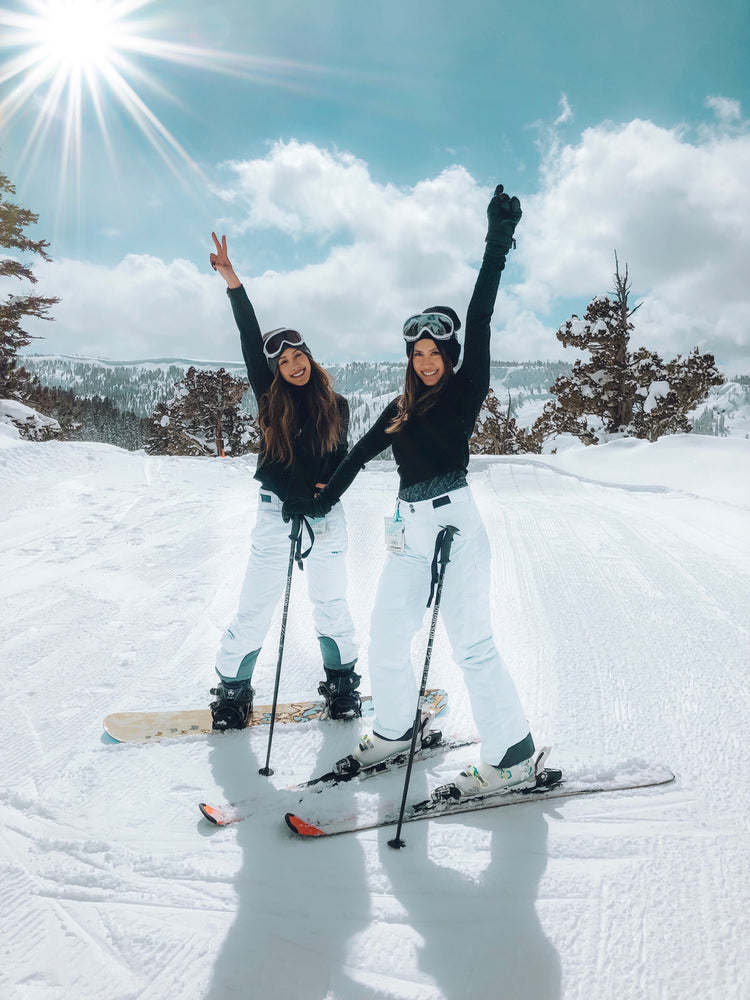
UV intensity increases approximately 10% for every 1,000 meters of elevation gain. At a typical ski resort at 2,500 meters, you receive 25% more UV radiation than at sea level. Add snow reflection (which bounces back up to 80% of UV rays) and the cumulative dose on your lips can be three to four times what you would experience at the beach. This is why skiers, mountaineers, and high altitude hikers experience cold sore outbreaks at dramatically higher rates than the general population, a pattern we explore in depth in our summer lip protection guide for outdoor activities.
The 72 Hour Window: Tingle to Blister
Understanding the cold sore timeline is critical because it reveals why prevention is so much more effective than treatment.
Hours 0 to 24: The Prodrome
After UV triggered reactivation, the virus begins replicating in the nerve ganglia and traveling back down to the lip tissue. Most people experience the "tingle" or "itch" during this phase. The virus is actively replicating but has not yet reached the skin surface in sufficient quantities to form a visible lesion.
Hours 24 to 48: The Eruption
Viral particles reach the epithelial cells of the lip and begin destroying them, forming the characteristic fluid filled blisters. At this point, the outbreak is essentially unstoppable. Antiviral medications like acyclovir can reduce the severity and duration slightly, but they cannot prevent the blister from forming once replication has reached this stage.
Hours 48 to 72 and Beyond: The Full Outbreak
Blisters merge, rupture, form crusts, and eventually heal over 7 to 14 days. During this entire period, the virus is shedding and the sore is painful, visible, and socially uncomfortable. The total cost of a single outbreak (in terms of discomfort, appearance, and lost confidence) far exceeds the cost of prevention.
Why Prevention Beats Treatment Every Time
The math is simple. Once the virus has been reactivated by UV exposure, you are fighting a battle you have already largely lost. The best antiviral medications can shorten an outbreak by one to two days. But blocking the UV trigger in the first place means the reactivation never happens. No tingle. No blister. No two week recovery.
A study in Antiviral Research (2025) compared daily SPF lip protection users with untreated controls among frequent cold sore sufferers. The SPF group experienced 73% fewer outbreaks over a 12 month period. That is not a marginal improvement. That is a fundamental shift in quality of life.
What the Research Community Is Saying
The scientific consensus has shifted dramatically in the past five years. Major publications are now explicitly recommending UV lip protection as a first line cold sore prevention strategy:
The Journal of Dermatological Science (2024): "UV triggered reactivation of HSV 1 represents a preventable cause of recurrent herpes labialis. Broad spectrum lip photoprotection should be recommended to all patients with a history of recurrent cold sores."
The American Academy of Dermatology (2025 guidelines): "Patients with recurrent herpes labialis should be counseled on the importance of daily lip sun protection, particularly before outdoor activities."
Antiviral Research (2024): "Physical UV blockers containing zinc oxide provide immediate, broad spectrum protection for lip tissue and should be considered part of a comprehensive HSV 1 management strategy."
Why Most People Still Ignore This
If the evidence is so clear, why are billions of carriers still ignoring UV as a trigger? Three reasons stand out:
The treatment industry is louder than prevention. Cold sore treatment products (creams, patches, antivirals) represent a multi billion dollar global market. Prevention products generate less repeat revenue, so they receive less marketing investment. Most cold sore sufferers can name three treatment brands but cannot name a single SPF lip balm designed for prevention.
People do not connect sun exposure to cold sores. The delay between UV exposure and outbreak onset (24 to 48 hours) breaks the cause and effect connection in most people's minds. You get sun on Saturday, you get a cold sore on Monday, and you blame Monday's stress rather than Saturday's UV exposure.
Lip Care is seen as cosmetic, not medical. Despite being the most UV vulnerable area on the face, lips are rarely included in sun protection routines. People apply SPF 50 to their face and SPF 0 to their lips without thinking twice.
The Simple Solution
If you are one of the 3.7 billion people carrying HSV 1 (and statistically, there is roughly a 50/50 chance you are), the single highest impact change you can make is adding SPF lip protection to your daily routine. Not just on beach days. Not just while skiing. Every day.
Look for a lip balm with these characteristics:
- Zinc oxide based SPF 20+ for immediate, broad spectrum physical UV blocking
- Moisturizing barrier ingredients (shea butter, natural waxes) to prevent dehydration cracking
- Natural antiviral compounds (manuka oil, oregano oil) for an additional layer of HSV 1 defense
- Compact, pocket friendly format so you actually carry it and reapply every 90 minutes
The research is clear. The mechanism is understood. The prevention is simple. The only question is whether you will keep ignoring the trigger or start blocking it. For a deeper dive into cold sore prevention strategies for outdoor sports, see our complete guide.
Ready to Protect Your Lips?
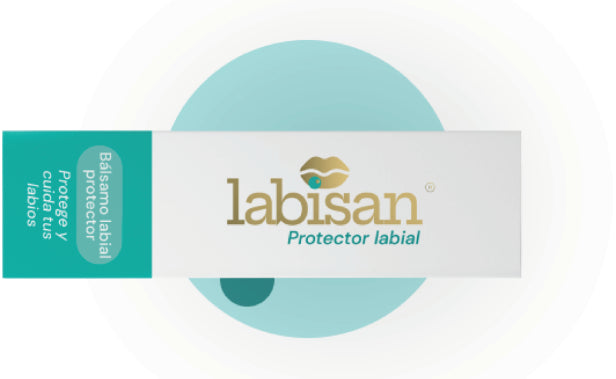
Labisan Protective Lip Balm SPF 20
Single Tube: $24.99 | Adventure Pack (3x): $59.97 (save 20%) | Family Bundle (5x): $89.95 (save 28%)
Free EU shipping over $49, $19.99 worldwide. 30 day money back guarantee.
Shop Labisan Protective Lip BalmFrequently Asked Questions
How does UV exposure actually trigger a cold sore outbreak?
UVB radiation suppresses local Langerhans cell immune surveillance in the lip and surrounding skin and induces inflammatory cytokine release, which together provide the signal that reactivates dormant HSV 1 in trigeminal nerve endings. The virus then travels back down the nerve to the lip surface and replicates, producing the visible lesion. This is the dominant trigger mechanism in the published dermatology literature.
Why is UV the most underrated cold sore trigger?
Because the reactivation latency is 24 to 72 hours, by the time the lesion appears most people no longer associate it with the sun exposure that caused it. They blame stress, food, or sleep, all of which can also trigger outbreaks but explain a smaller share of cases. The 2026 research consensus puts UV ahead of every other single trigger for HSV 1 carriers.
Does any SPF lip balm prevent UV induced outbreaks?
Mineral SPF lip balms with adequate application thickness reduce UV induced reactivation rates significantly in published case series. The protection depends on filter type, application thickness, and reapplication frequency, not just the SPF number. The published prevention data covers the specifics.
Can a single sunny day really cause a cold sore?
Yes, in HSV 1 carriers with a documented reactivation history. The threshold is individual: some carriers need a multi day exposure window, others reactivate from a few hours of intense midday sun without lip protection. Tracking your own reactivation pattern after exposure events is the fastest way to learn your personal threshold.