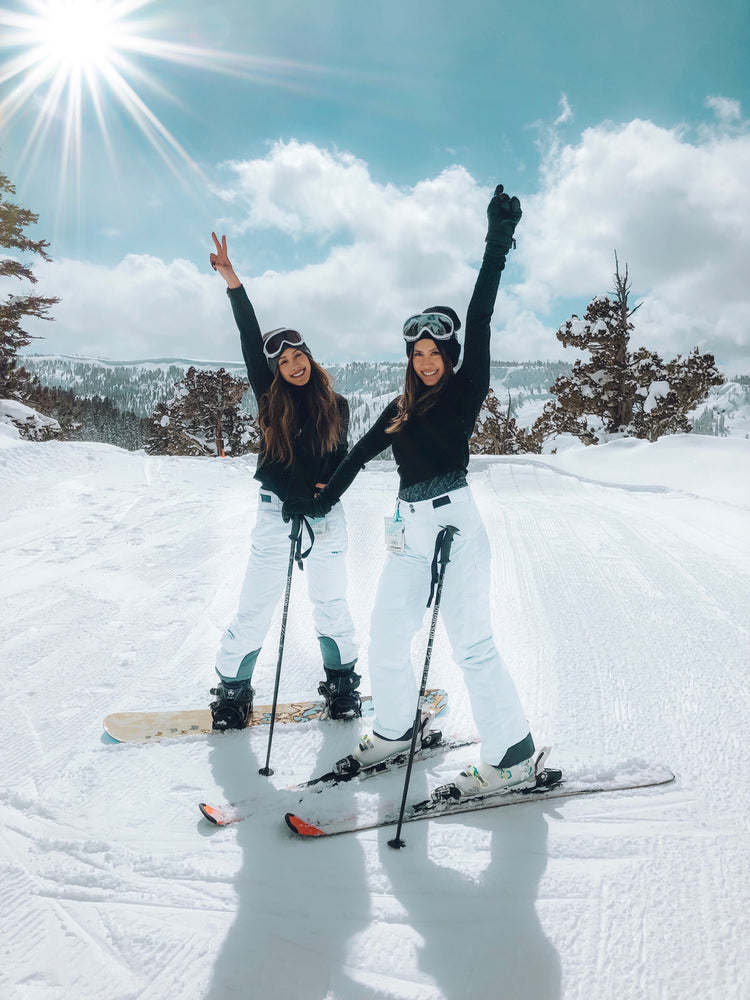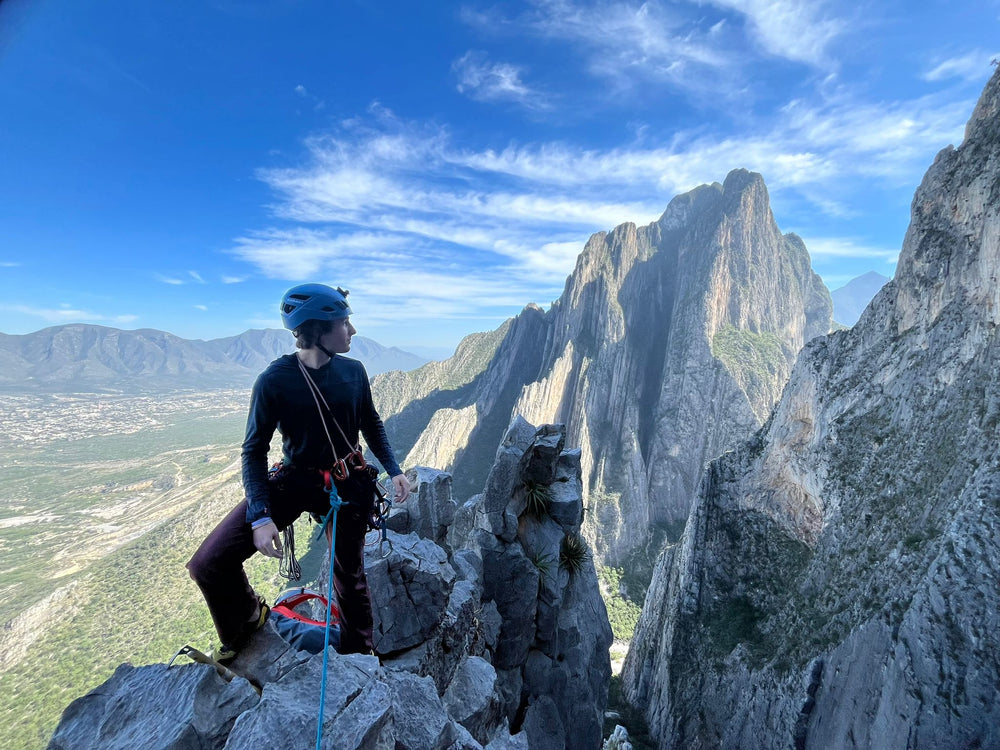
If you spend time outdoors skiing, hiking, or climbing, you already know the elements can be harsh on your skin. But many outdoor enthusiasts overlook one of the most vulnerable areas of their body: the lips. For the millions who carry the HSV 1 virus, UV radiation is the single largest cold sore reactivation trigger, combining with wind exposure and freezing temperatures to drive painful outbreaks.
This guide covers exactly why outdoor sports put your lips at risk and what you can do to stay protected on every adventure.
Why Outdoor Sports Trigger Cold Sores
Cold sores are caused by the herpes simplex virus (HSV 1), which lies dormant in nerve cells until a trigger reactivates it. For outdoor athletes, three major environmental triggers converge at once:
UV Radiation at Altitude
UV intensity increases by roughly 10% for every 1,000 meters of elevation gain. At a typical ski resort elevation of 2,500 meters, you are exposed to approximately 25% more UV than at sea level. Snow reflection amplifies this further, bouncing up to 80% of UV rays back at your face. This double exposure hammers unprotected lips and is one of the leading triggers for cold sore outbreaks among skiers and mountaineers.
Wind and Cold Exposure
Cold, dry air strips moisture from your lips faster than from any other part of your face. Unlike the rest of your skin, lips have no sebaceous glands, which means they cannot produce their own protective oils. When wind chill drops below freezing, the dehydration accelerates, creating micro cracks that compromise the skin barrier and invite viral reactivation.
Physical Stress and Immune Suppression
Intense physical exertion at altitude temporarily suppresses immune function. Research published in the Journal of Sports Medicine shows that prolonged endurance exercise creates a window of vulnerability lasting several hours, during which latent viruses like HSV 1 are more likely to reactivate.
Prevention Strategies That Actually Work
1. Apply SPF Lip Protection Before Exposure
The single most effective prevention step is applying a lip balm with broad spectrum SPF before heading outdoors. Look for SPF 20 or higher, and reapply every 90 minutes during sustained activity. Zinc oxide based formulas provide physical UV blocking that begins working immediately, unlike chemical sunscreens that require a 20 minute activation period. For a deeper look at why lips need dedicated SPF protection, see our full explainer.
2. Create a Barrier Against Wind and Cold
Choose a lip balm that combines SPF with a protective barrier layer. Ingredients like shea butter and natural waxes create a moisture seal that shields against wind stripping and cold desiccation. This barrier approach addresses two triggers at once: UV damage and environmental dehydration.
3. Use Antiviral Natural Ingredients
Certain natural compounds have demonstrated antiviral properties in clinical studies. Manuka oil, oregano oil, and zinc oxide all show activity against HSV 1 in published research. A lip balm containing these ingredients provides an additional layer of defense beyond simple moisture and sun protection.
4. Reapply Consistently
Most people apply lip protection once and forget about it. On a full day of skiing or hiking, you should reapply every 60 to 90 minutes. Keep your lip balm in an accessible pocket, not buried in your pack. If you are sweating, eating, or drinking, reapply immediately afterward.
5. Stay Hydrated
Dehydration is a hidden trigger. At altitude, you lose moisture faster through respiration. Aim to drink at least 500ml of water per hour during intense activity. Well hydrated lips are more resilient to environmental stress.
Why Labisan Was Built for This
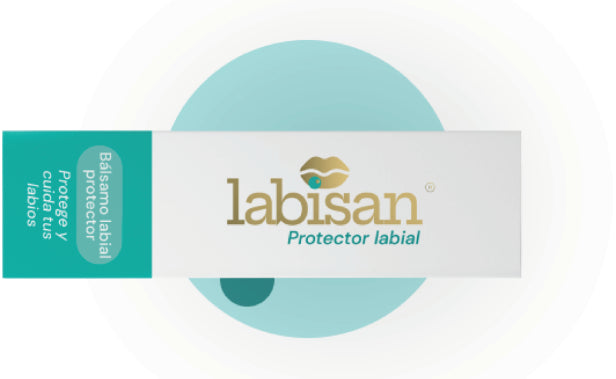
Labisan Protective Lip Balm has protected outdoor enthusiasts since 1931, when it was first formulated in the Austrian Alps. The formula combines zinc oxide SPF 20 with shea butter, manuka oil, oregano oil, and graviola extract, addressing UV, wind, cold, and viral triggers in a single application. It was carried to the summit of Mount Everest in 1953 and has been trusted by mountaineers including Reinhold Messner.
If you are serious about cold sore prevention during outdoor sports, a purpose built protective lip balm is not optional. It is essential gear.
Sport Specific Trigger Profiles
Cold sore reactivation risk is not the same across every outdoor activity. The triggers stack differently depending on altitude, surface reflection, exertion duration, and barrier disruption. Understanding which triggers dominate in your sport lets you build a prevention protocol that actually matches the threat instead of generically slathering on lip balm and hoping.
Skiing and Snowboarding
Skiing carries the highest combined trigger load of any common outdoor sport. UV exposure runs 25 to 60 percent above sea level depending on resort altitude, and fresh snow reflects up to 80 percent of incoming UV back at the face from below, including straight onto the underside of the lip. Wind chill at chairlift speeds routinely drops effective temperature 15 degrees Celsius below ambient. The combination of high UV, double sided exposure, sustained cold, and intermittent gondola warming cycles produces the textbook reactivation environment. Ski related cold sore reports cluster in the 24 to 72 hour window after a long lift day, exactly tracking the published HSV 1 reactivation latency.
Road and Mountain Cycling
Cyclists face a different trigger mix. Altitude exposure is usually moderate, but road glare from asphalt and concrete adds a reflection load most riders ignore. Wind exposure at sustained 30 to 40 kilometre per hour speeds strips lip moisture roughly four times faster than still air at the same temperature. Cyclists also breathe through the mouth more heavily than skiers, which dries the inner lip surface and disrupts the protective saliva film. Long road events and gran fondos correlate with cold sore outbreaks 36 to 96 hours later, particularly in summer when intensity, dehydration, and sun exposure peak together.
Hiking and Trekking
Hiking is the most variable category. A short forest hike at low altitude carries minimal trigger load. A multi day alpine traverse at 2,500 metres with full sun exposure and significant elevation gain carries close to ski day risk. The defining trigger for hikers is duration: cumulative UV exposure across 6 to 10 hours of continuous walking is harder on lip tissue than the brief intense exposure of a downhill ski run. Hut to hut trekkers report particularly high outbreak rates because consecutive days of exposure compound, and the immune dip after sustained endurance effort coincides with peak UV damage.
Open Water Swimming and Watersports
Water sports add a unique chemistry. Salt water and chlorinated pool water both strip the natural lipid layer from the lip surface within minutes, and the lip tissue then sits exposed to direct UV, surface reflection from water (around 25 percent), and constant wave or splash contact. Ocean swimmers and kayakers also tend to lick salt off their lips reflexively, which removes any sunscreen and accelerates barrier loss. The reactivation rate among open water swimmers in published case series is roughly double that of comparably exposed land based athletes.
The Sweat Plus UV Reactivation Chemistry
Most prevention guides treat sweat and UV as separate triggers. They are not. The combination is chemically more aggressive than either alone, and understanding the mechanism explains why a balm that performs well in a lab UV test can still fail on a real hot day.
Sweat carries sodium chloride at concentrations of around 0.9 percent along with urea, lactic acid, and trace ammonia. When sweat sits on the lip surface, the salt and lactic acid lower local pH from the typical lip range of 5.5 to 6.0 down toward 4.5. This acidic shift disrupts the lipid bilayer of the lip's outermost cell layer and accelerates UV induced free radical generation in the keratinocytes underneath. Salt also creates microscopic osmotic stress that pulls moisture out of cells, leaving them more vulnerable to UV damage.
Layered on top of this, sweat dissolves and dilutes most chemical SPF filters within 30 to 45 minutes, while mineral zinc oxide formulations stay bound to the lip surface as long as the wax matrix holds. This is the underappreciated reason mountain guides and alpine ski instructors gravitate toward zinc oxide balms over chemical formulations. The zinc oxide does not depend on remaining dissolved in a stable cosmetic vehicle. It physically reflects UV regardless of sweat conditions, as long as the wax matrix that anchors it has not been wiped or eaten off.
The sweat plus UV interaction is also why HSV 1 reactivation rates spike during summer endurance events even when athletes wear hats and sunglasses. The face is shaded, but the lower lip catches reflected UV and concentrated sweat simultaneously, hitting the exact tissue most populated with HSV 1 carrying trigeminal nerve endings. Reapplication every 60 minutes during heavy sweating, plus a wipe and reapply protocol after every fluid station, is not paranoia. It is the only way to keep the protective film intact through the chemistry of a real outdoor effort.
Packing Checklist for Cold Sore Prevention
The right kit makes prevention automatic instead of optional. The list below covers the items that change real world outbreak rates.
- Primary lip balm with SPF 20 mineral zinc oxide: kept in an inside chest pocket where body heat keeps the wax pliable. Outside pocket storage in winter hardens the stick and makes thick application impossible.
- Backup tube in your pack: cold and altitude shorten product life and increase the chance of losing the primary stick on a chairlift or trail.
- Lip safe oral antiviral: if you have a documented HSV 1 history, a clinician prescribed acyclovir or valacyclovir prophylactic dose taken before known high risk activity reduces outbreak rates significantly. Discuss with your GP, not your gear shop.
- Soft cotton bandana or buff: to wipe sweat without abrading the lip surface. Most synthetic technical fabrics scrub off SPF in a single wipe.
- Hydration plan: 500 ml per hour minimum during sustained activity, with electrolytes during heavy sweating to keep saliva production normal.
- Wide brim hat or helmet visor: a brim that shades the lower lip cuts direct UV by 60 to 70 percent and reduces reapplication frequency.
- Mineral sunscreen for the area around the mouth: chin and philtrum get reflected UV that drives HSV 1 reactivation in the same nerve cluster as direct lip exposure. Treat the perimeter, not just the lips.
The packing list is not academic. The athletes who consistently avoid outbreak cycles during heavy outdoor seasons are the ones who treat lip protection as systematically as they treat hydration and layering. Random application of whatever stick happens to be in the jacket pocket is how outbreaks happen.
Frequently Asked Questions
Why do skiers get more cold sores than runners?
Because skiing combines high altitude UV, snow reflection from below, sustained cold and wind, and a long continuous exposure window with indoor warming cycles that thermally stress the lip barrier. Runners typically face one or two of these triggers, not all four at once. The stacking effect is what drives the outbreak rate difference.
Does sweat actually wash off lip SPF that fast?
Chemical SPF filters dissolve and dilute within 30 to 45 minutes of heavy sweating. Mineral zinc oxide formulations resist sweat much better because the active does not depend on remaining dissolved, but the surrounding wax matrix can still be wiped away. Reapplication every 60 to 90 minutes during sustained sweating is the working rule. Zinc oxide vs chemical filters goes into the chemistry.
Can I take an oral antiviral as a prevention measure?
Yes, if a clinician prescribes it. Prophylactic acyclovir or valacyclovir dosing before known high risk activity (a week of skiing, a multi day cycling event) reduces outbreak frequency in patients with documented HSV 1 history. This is a medical decision, not a gear decision, so it has to go through your GP.
Is there a season when outdoor athletes are safest from cold sore reactivation?
Late autumn and early spring carry lower combined trigger loads in most regions, with moderate UV and lower wind chill. But the dominant variable is your specific exposure profile, not the calendar month. A March alpine ski tour can be more reactivating than a January resort day if UV index and altitude are higher. Track the conditions, not the month.
Ready to Protect Your Lips?
Labisan Protective Lip Balm SPF 20
Single Tube: $24.99 | Adventure Pack (3x): $59.97 (save 20%) | Family Bundle (5x): $89.95 (save 28%)
Free EU shipping over $49, $19.99 worldwide. 30 day money back guarantee.
Try Labisan SPF 20 Lip Balm