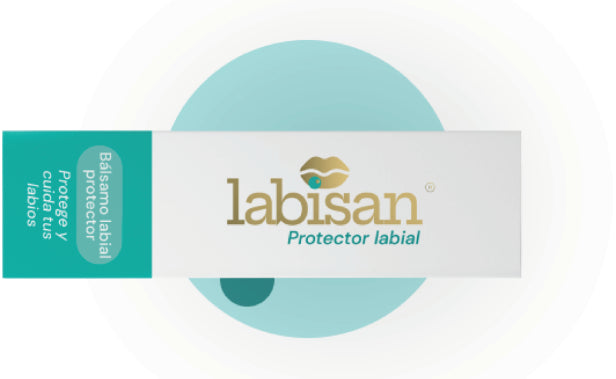

Most people are diligent about applying sunscreen to their face, arms, and shoulders. But there is one area that gets overlooked almost every time: the lips. Despite being one of the most UV sensitive parts of the human body, lips rarely receive dedicated sun protection. The consequences range from chronic dryness and premature aging to cold sore outbreaks and, in serious cases, actinic cheilitis (a precancerous condition). Our Labisan Protective Lip Balm SPF 20 was built specifically to close this protection gap.
Why Lips Are Uniquely Vulnerable to UV Damage
No Natural UV Defense
Your lips contain very little melanin, the pigment that provides natural UV protection to the rest of your skin. While your forearm or cheek has multiple layers of melanin producing cells working to absorb UV radiation, your lips are essentially unshielded. The thin, translucent tissue of the vermilion border (the red part of your lips) transmits UV radiation directly to the underlying tissue.
No Sebaceous Glands
Unlike the rest of your facial skin, lips have no oil producing sebaceous glands. This means they cannot create the natural lipid barrier that helps other skin areas retain moisture and resist environmental damage. Without this barrier, UV radiation penetrates more easily and the resulting damage heals more slowly.
Constant Exposure
You cannot easily cover your lips with clothing the way you can protect your arms with sleeves or your head with a hat. During a full day outdoors, your lips receive cumulative UV exposure from every angle, including reflected UV from snow, water, and sand.
What UV Does to Unprotected Lips
Acute Damage: Sunburn and Cold Sore Triggers
Lips can become sunburned just like any other skin surface, though the symptoms often manifest differently. Instead of the classic redness and peeling, UV damaged lips typically swell, crack, and develop painful fissures. For HSV 1 carriers, UV induced lip damage is one of the most reliable cold sore triggers, with outbreaks typically appearing 24 to 48 hours after significant sun exposure.
Chronic Damage: Premature Aging and Actinic Cheilitis
Years of unprotected UV exposure cause collagen breakdown in lip tissue, leading to thinning, loss of definition, and fine vertical lines. More seriously, chronic UV damage can cause actinic cheilitis, a precancerous condition characterized by persistent dryness, scaling, and loss of the clear border between the lip and surrounding skin. The Skin Cancer Foundation reports that actinic cheilitis of the lower lip is one of the more common precancerous skin conditions.
How SPF Lip Protection Works
Physical vs. Chemical UV Filters
SPF lip balms use either physical (mineral) filters, chemical filters, or a combination of both. Physical filters like zinc oxide and titanium dioxide sit on the lip surface and reflect UV rays away. Chemical filters like avobenzone and octinoxate absorb UV radiation and convert it to heat. For a full comparison of zinc oxide versus chemical sunscreens for lips, including safety and reef impact data, see our detailed breakdown.
For Lip Care, physical filters offer several advantages: they begin working immediately upon application, they are less likely to cause irritation on the sensitive lip tissue, and they provide more stable protection without degrading under UV exposure. Zinc oxide in particular is favored for lip products because it blocks both UVA and UVB across the full spectrum.
What SPF Numbers Mean for Lips
SPF 20 blocks approximately 95% of UVB radiation. SPF 30 blocks approximately 97%. SPF 50 blocks approximately 98%. The difference between SPF 20 and SPF 50 is only 3 percentage points, which is why dermatologists generally recommend SPF 20 to 30 as the sweet spot for daily lip protection: high enough for meaningful defense, practical enough for regular reapplication.
The key factor is not the SPF number but consistent reapplication. An SPF 20 lip balm reapplied every 90 minutes provides far better real world protection than an SPF 50 product applied once in the morning and forgotten.
When SPF Lip Protection Matters Most
Winter Sports
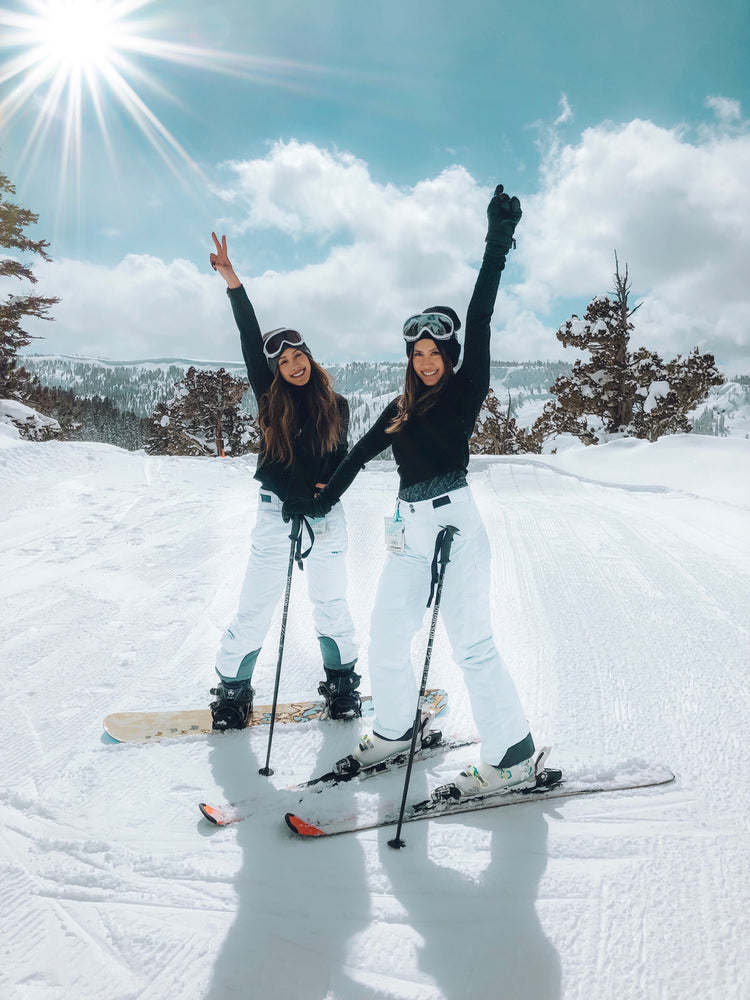
Skiing and snowboarding combine altitude (higher UV intensity), snow reflection (up to 80% UV bounce back), wind exposure (barrier stripping), and cold temperatures (immune stress). This is the highest risk scenario for lip damage and cold sore outbreaks. SPF lip protection is absolutely essential for winter sports.
Summer Hiking and Climbing
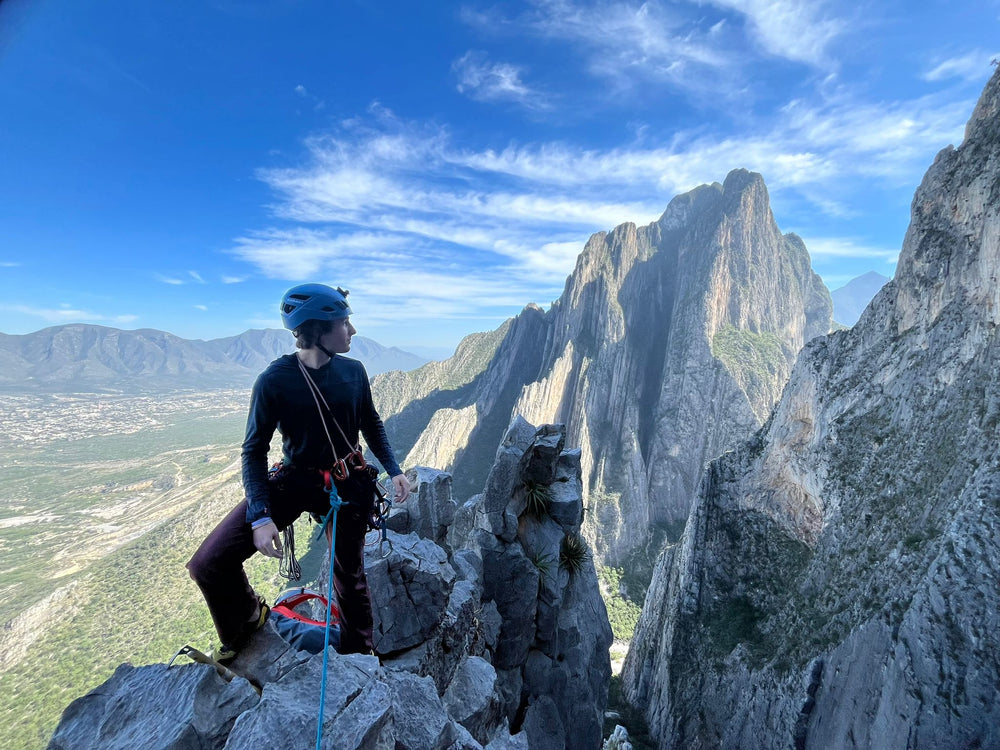
Extended exposure during long summer days, often at elevation with no shade, creates cumulative UV damage. Sweat and water consumption remove lip products faster, making frequent reapplication critical. Our summer lip protection guide for 2026 walks through activity specific protocols for hikers, climbers, and trail runners.
Water Sports
Water reflects approximately 25% of UV radiation, and wet lips lose protective product faster. Water resistant SPF lip balms with mineral filters provide the most reliable protection for sailing, kayaking, and other water activities.
Everyday Exposure
Even on overcast days, up to 80% of UV radiation penetrates cloud cover. Daily SPF lip protection is recommended by dermatologists for everyone, not just outdoor athletes.
Choosing the Right SPF Lip Balm
Look for these characteristics in an effective SPF lip product:
- SPF 20 or higher with broad spectrum (UVA + UVB) protection
- Zinc oxide as the primary UV filter for immediate, stable protection
- Moisture sealing ingredients like shea butter to prevent wind and cold damage
- Antioxidants like astaxanthin or vitamin E to neutralize UV generated free radicals
- No petroleum jelly as the primary base, which can actually magnify UV penetration
- Reef friendly formulation for water sports without harming marine ecosystems
Labisan Protective Lip Balm checks every one of these boxes: zinc oxide SPF 20, shea butter barrier, astaxanthin and vitamin E antioxidants, plus antiviral botanicals for cold sore prevention. It is the complete lip protection solution in a single tube.
Ready to Protect Your Lips?
Labisan Protective Lip Balm SPF 20
Single Tube: $24.99 | Adventure Pack (3x): $59.97 (save 20%) | Family Bundle (5x): $89.95 (save 28%)
Free EU shipping over $49, $19.99 worldwide. 30 day money back guarantee.
Shop Labisan SPF 20 Lip BalmFrequently Asked Questions
Why do lips need a dedicated SPF separate from face sunscreen?
Lip skin has no stratum corneum thickness, no melanocytes producing meaningful pigment, and no sebaceous glands generating protective lipids. Standard face sunscreen is engineered to absorb into keratinized skin, not to sit on the mucous membrane of the lip. It washes off with saliva within minutes and rarely tastes acceptable enough for repeat use.
What SPF level is enough for daily lip protection?
SPF 15 to 20 from a mineral filter, applied thickly and reapplied every two hours during exposure, covers most everyday use. Higher numbers offer marginal additional protection at the cost of heavier texture. Zinc oxide vs chemical filters matters more than the SPF number itself.
Can lip cancer really start from sun exposure?
Yes. Squamous cell carcinoma of the lower lip is the most common oral cavity malignancy, and chronic UV exposure is the dominant risk factor in the dermatology literature. The lower lip absorbs significantly more direct UV than the upper because of its angle to the sun, which is why most lesions appear there.
How often should I reapply lip SPF during outdoor activity?
Every 90 minutes during continuous outdoor exposure, and immediately after eating, drinking, swimming, or wiping the mouth. The lip surface is constantly disturbed by speech, food, and tongue contact, so the protective film breaks down faster than on cheeks or forehead.