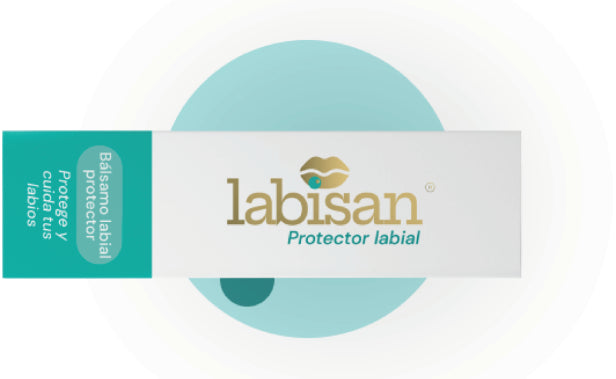
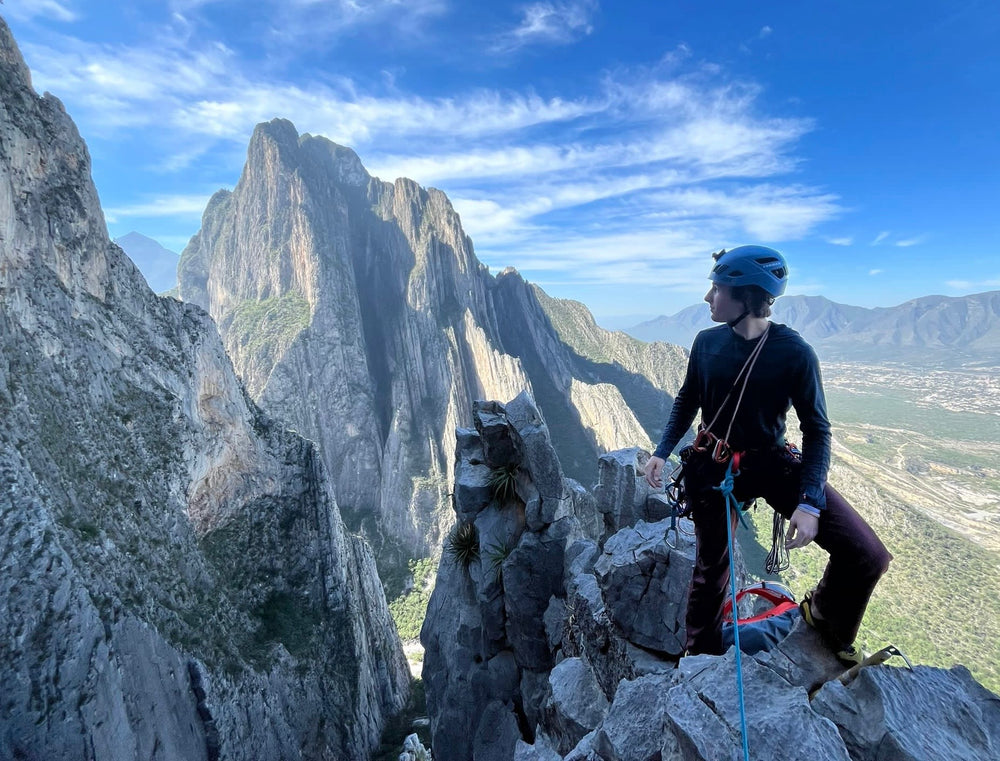
The Lip Care market is flooded with products making bold claims about "natural" ingredients. But which natural compounds actually have scientific evidence behind them? We reviewed the clinical research on the key ingredients used in effective lip protection, including the formulation behind our Labisan Protective Lip Balm SPF 20, to separate proven actives from marketing hype.
Zinc Oxide: The Gold Standard UV Blocker
Zinc oxide is a mineral compound that provides broad spectrum UV protection through physical blocking rather than chemical absorption. Unlike chemical sunscreen agents that absorb UV radiation and convert it to heat, zinc oxide particles sit on the skin surface and reflect UV rays away.
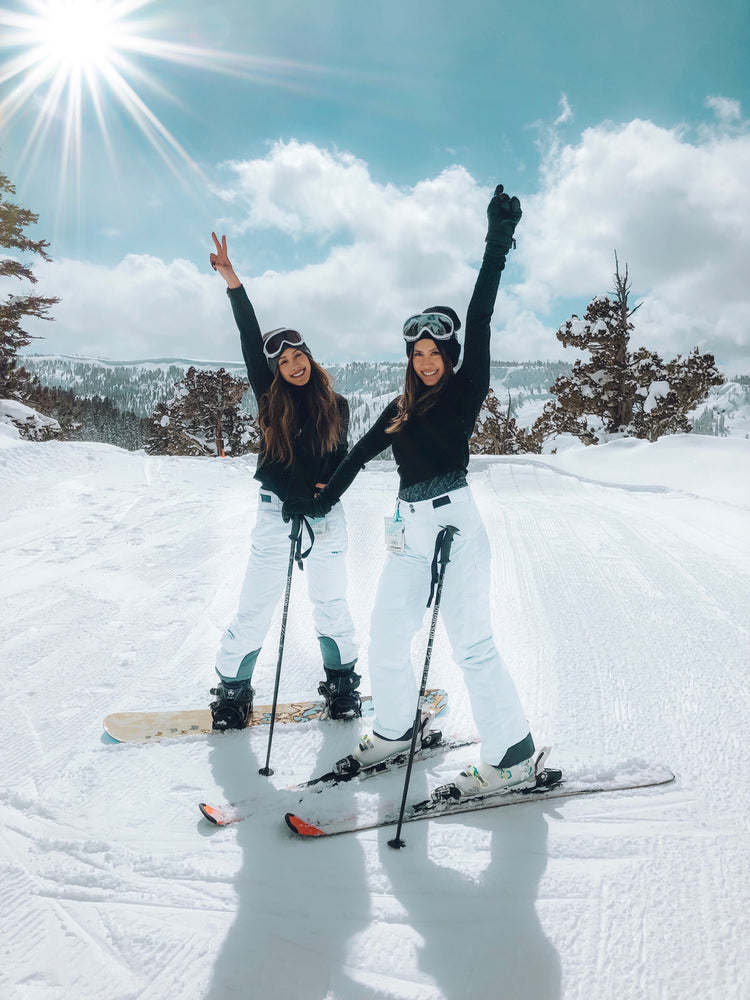
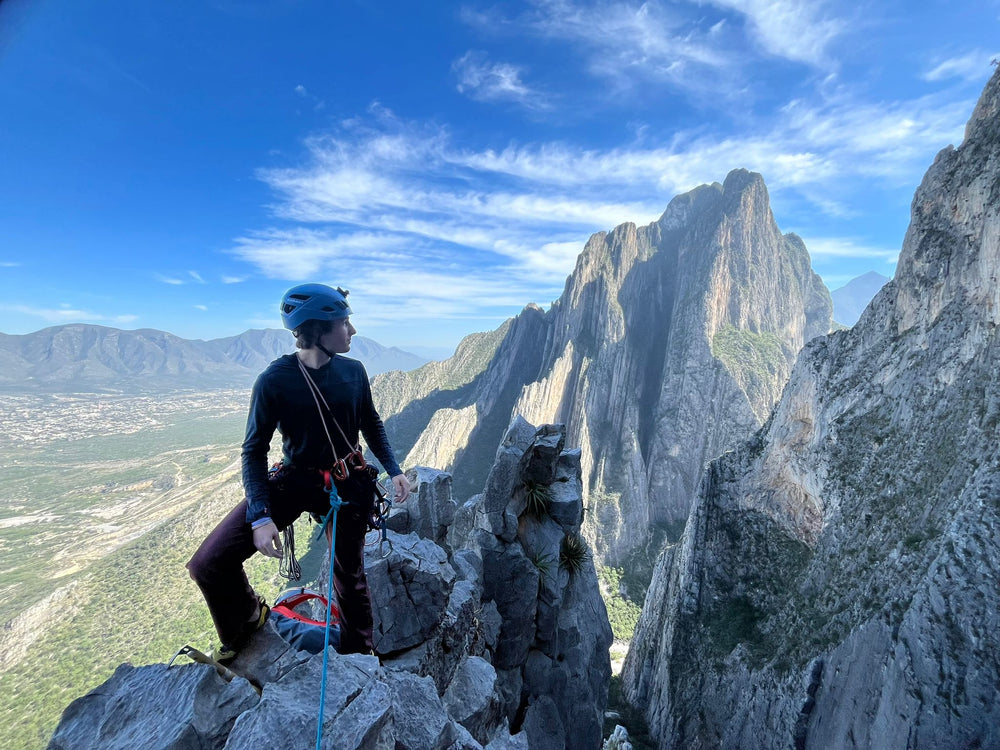
Research published in the Journal of the American Academy of Dermatology confirms that zinc oxide provides superior broad spectrum protection across both UVA and UVB wavelengths. For Lip Care specifically, zinc oxide has an additional advantage: it begins working immediately upon application, with no 20 minute activation period required. When you are about to hit the slopes or start a summit push, that immediate protection matters, which is one reason lips need dedicated SPF sunscreen built around physical mineral filters.
Zinc oxide also demonstrates antimicrobial properties, which is why it has been used in wound healing for centuries. For lips prone to cold sores, this dual action (UV blocking plus antimicrobial) makes it an ideal protective ingredient, directly addressing the mechanism behind UV triggered cold sore reactivation.
Shea Butter: Deep Moisture and Barrier Repair
Shea butter (Vitellaria paradoxa) is rich in fatty acids, particularly oleic acid, stearic acid, and linoleic acid. A study in the American Journal of Life Sciences documented shea butter's ability to enhance skin barrier function and reduce transepidermal water loss by up to 30%.
For lips, which lack sebaceous glands and cannot produce their own protective oils, external barrier support is critical. Shea butter creates a breathable moisture seal that prevents wind and cold from stripping hydration while allowing the skin to function normally underneath.
Shea butter also contains natural cinnamic acid esters, which provide modest UV absorption (roughly equivalent to SPF 3 to 4 on their own). While insufficient as standalone sun protection, these compounds contribute additional UV filtering when combined with dedicated sunscreen agents like zinc oxide.
Manuka Oil: Nature's Antimicrobial Powerhouse
Manuka oil, derived from the New Zealand Leptospermum scoparium tree, has been extensively studied for its antimicrobial properties. Research published in Microbiology and Immunology demonstrated that manuka oil exhibits significant activity against a range of bacteria and viruses, including herpes simplex virus.
A 2001 study in Phytotherapy Research found that manuka oil at concentrations as low as 0.1% inhibited HSV 1 replication in cell cultures. While in vitro results do not always translate directly to clinical outcomes, the body of evidence supports manuka oil as a meaningful antiviral ingredient in Lip Care formulations.
Oregano Oil: Carvacrol's Antiviral Properties
Oregano oil contains carvacrol and thymol, two phenolic compounds with well documented antimicrobial activity. A study published in the Journal of Applied Microbiology showed that carvacrol disrupted the lipid envelope of herpes simplex virus, reducing viral infectivity by over 90% in laboratory conditions.
In Lip Care applications, oregano oil provides a complementary antiviral mechanism to manuka oil. The combination of multiple antiviral compounds creates a broader spectrum of protection than any single ingredient alone.
Graviola Extract: Anti Inflammatory Soothing
Graviola (Annona muricata) has been used in traditional medicine for centuries, and modern research has identified several bioactive compounds including acetogenins and alkaloids. Studies published in the Journal of Ethnopharmacology document graviola's anti inflammatory and wound healing properties.
For Lip Care, graviola extract helps calm irritation from environmental exposure and supports the natural healing process when lips are already compromised by wind, cold, or UV damage. Labisan also offers pharmaceutical-grade Graviola Capsules with a concentrated 22:1 extract for internal immune support.
Astaxanthin: The Antioxidant Amplifier
Astaxanthin is a carotenoid pigment found in marine organisms like microalgae and krill. Research in Nutrition and Metabolism demonstrated that astaxanthin's antioxidant capacity is 6,000 times greater than vitamin C and 550 times greater than vitamin E.
For sun exposed lips, astaxanthin neutralizes free radicals generated by UV radiation, reducing oxidative damage that contributes to premature aging and tissue breakdown. It also helps protect against the inflammatory cascade that UV exposure triggers, making it a powerful complement to physical sun blocking agents.
Vitamin E: Repair and Recovery
Vitamin E (tocopherol) is one of the most well studied skin care ingredients, with decades of research supporting its role in skin barrier repair, moisture retention, and photoprotection. A review in the Indian Dermatology Online Journal concluded that topical vitamin E significantly accelerates wound healing and reduces scar formation.
In Lip Care formulations, vitamin E serves as both an active repair ingredient and a natural preservative, protecting other ingredients from oxidative degradation.
The Power of Combination
No single ingredient can address every threat to lip health. The most effective Lip Care combines UV protection (zinc oxide), barrier sealing (shea butter), antiviral defense (manuka oil, oregano oil), anti inflammatory soothing (graviola), antioxidant protection (astaxanthin), and active repair (vitamin E). Each ingredient addresses a different mechanism, creating comprehensive protection that no single compound can match.
Labisan's formula brings all of these science backed ingredients together in a single application, which is exactly why it has protected outdoor enthusiasts for 95 years.
Ready to Protect Your Lips?
Labisan Protective Lip Balm SPF 20
Single Tube: $24.99 | Adventure Pack (3x): $59.97 (save 20%) | Family Bundle (5x): $89.95 (save 28%)
Free EU shipping over $49, $19.99 worldwide. 30 day money back guarantee.
Shop Labisan Protective Lip BalmFrequently Asked Questions
Which natural ingredients have the strongest lip care evidence?
Shea butter, beeswax substitutes such as candelilla wax, manuka oil, and zinc oxide carry the most published dermatology and microbiology data for lip use. Coconut oil and cocoa butter are well tolerated occlusives but lack the antimicrobial profile of manuka. Petrolatum performs reliably but offers no biological repair signalling.
Are natural ingredients automatically safer than synthetic ones?
No. Several natural compounds, including peppermint and eucalyptus oils, can sensitize lip tissue and worsen barrier loss with repeat exposure. Safety depends on the specific molecule and concentration, not on whether it came from a plant. Some popular naturals quietly worsen cold sores.
What does manuka oil do that other antimicrobials do not?
Manuka oil from Leptospermum scoparium contains triketones that are roughly 30 times more active than tea tree oil against several common skin pathogens including Staphylococcus aureus. It also shows in vitro activity against herpes simplex virus, which is why it appears in cold sore prone lip formulations rather than only in general moisturizers.
How do I tell if a natural lip balm is actually well formulated?
Look for a short ingredient list with named botanical species (Leptospermum scoparium rather than just "manuka"), a clearly stated SPF value with the filter type, and a manufacturing address subject to GMP inspection. Natural is a marketing word; standardization and traceability are not.