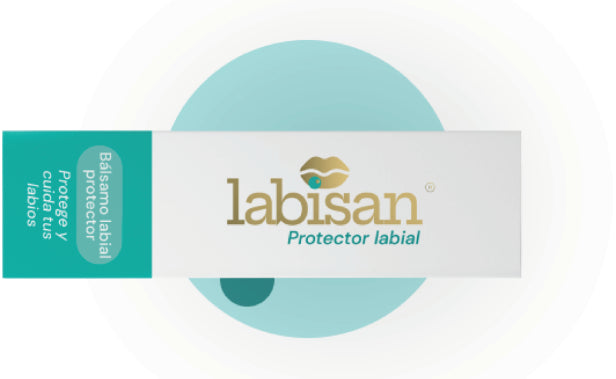
In 1931, in a small pharmacy nestled in the Austrian Alps, a pharmacist set out to solve a problem that plagued every skier, mountaineer, and outdoor worker in the region: cracked, sun damaged, cold sore prone lips. The result was Labisan Protective Lip Balm, a formulation that would go on to become one of the most trusted names in alpine Lip Care for nearly a century.
The Austrian Origins (1931)
The early 1930s were a golden age for alpine sports in Austria. Skiing was booming, mountaineering clubs were growing, and the Austrian Alps attracted adventurers from across Europe. But the high altitude environment was brutal on exposed skin, particularly the lips.
Existing Lip Care products were simple petroleum based salves that offered minimal protection against the intense UV radiation at altitude. The founding pharmacist recognized that effective alpine Lip Care needed to do three things simultaneously: block UV rays, seal in moisture against wind and cold, and soothe already damaged tissue with healing botanical compounds. This mirrors what modern dermatology now confirms about why lips need dedicated SPF sunscreen rather than generic skin products.
The original Labisan formula combined zinc oxide (a mineral UV blocker still considered the gold standard today), nourishing plant butters, and alpine botanical extracts. It was an immediate success in Austrian pharmacies, becoming the go to recommendation for anyone heading into the mountains.
Everest 1953: The Ultimate Test
In 1953, Edmund Hillary and Tenzing Norgay made history by summiting Mount Everest for the first time. The expedition carried Labisan lip balm as part of their essential gear. At 8,849 meters, the conditions represent the absolute extreme of everything that damages lips: UV radiation 50% stronger than sea level, temperatures plunging below minus 40 degrees, and relentless wind that strips moisture in seconds.
The fact that Labisan was selected for this expedition speaks volumes about its reputation in the mountaineering community. By 1953, the formula had already earned two decades of trust among Europe's most serious alpine athletes. Everest was the ultimate validation.
Reinhold Messner and the Golden Age of Mountaineering
In the decades that followed, Labisan became synonymous with serious mountaineering. When Reinhold Messner, widely regarded as the greatest mountaineer in history, embarked on his legendary expeditions in the 1980s, Labisan was part of his kit. Messner completed all fourteen 8,000 meter peaks, often in the most extreme conditions imaginable, and his endorsement cemented Labisan's position as the lip protection of choice for elite alpinists facing the exact triggers covered in our guide to cold sore prevention for outdoor sports.
The Science Behind the Heritage
What makes Labisan's longevity remarkable is that its core philosophy has never changed: combine the best available UV protection with natural healing ingredients. While the specific formula has been refined over the decades to incorporate the latest in botanical science, the approach remains the same.
Today's Labisan Protective formula includes:
- Zinc Oxide for broad spectrum SPF 20 physical sun protection
- Shea Butter for deep moisture sealing and barrier protection
- Graviola Extract for its soothing, anti inflammatory properties
- Manuka Oil for natural antibacterial and antiviral activity
- Oregano Oil for additional antimicrobial defense
- Astaxanthin for powerful antioxidant protection against UV damage
- Vitamin E for skin repair and moisture retention
- Menthol for cooling relief and sensory comfort
Made in Austria, Trusted Worldwide
Nearly a century after its founding, Labisan remains proudly made in Austria. The brand maintains its commitment to quality manufacturing, vegan formulation, cruelty free testing, and reef friendly ingredients. Every tube is produced to the exacting standards that Austrian pharmaceutical tradition demands. Learn more about the science behind our natural ingredients.
From a single pharmacy in the Alps to the summit of the world's highest peak, Labisan's journey is a testament to what happens when you get the formula right. Some things are worth preserving.
Vienna Pharmacy Roots and the 1931 Founding
The Labisan story does not begin on a mountain. It begins on a quiet Vienna street in 1931, in a corner Apotheke run by a pharmacist trained in the rigorous Austro Hungarian compounding tradition. Vienna in 1931 was still the European centre of clinical pharmacology, with a pharmacy education system widely considered the most demanding in the German speaking world. Apprentices spent four years in formal study before they were permitted to compound a single tincture, and the Pharmacopoeia Austriaca set purity standards that influenced manufacturing across Central Europe.
The founding pharmacist's notebooks, preserved in the family archive, document the original brief: produce a lip preparation that would survive a full day of alpine sun without separating, stay applied through wind and snow, and avoid the irritant fragrances common in 1930s cosmetic chemistry. The first batches were compounded by hand in 50 gram glass jars and sold to ski clubs in the Salzkammergut and Tyrol. Word spread through the small but tightly networked alpine community within a single season, and by winter 1932 the formula had been picked up by pharmacies in Innsbruck, Bad Ischl, and Kitzbuhel.
The formula's defining choice was zinc oxide. In 1931 most cosmetic sunscreens relied on quinine compounds or veronal derivatives that broke down quickly in heat and offered marginal UVB protection. Zinc oxide was already used in pediatric dermatology for diaper rash and minor burns, and the founding pharmacist recognised that the same physical UV blocking action that protected infant skin would suit lip tissue, which is similarly thin and prone to barrier loss. Nearly a century later, zinc oxide remains the dermatology gold standard for sensitive skin sun protection. The original choice has aged remarkably well.
The 1953 Everest Expedition Use Case
By the early 1950s, Labisan had moved from regional alpine specialty to a quiet fixture in expedition kit lists across Europe. When the British Mount Everest Expedition was assembling its 1953 supply manifest, the team consulted European alpine clubs on which lip preparations had survived multi week exposure on the great peaks. The Austrian and Swiss recommendations were unanimous: a zinc oxide based balm with shea butter and alpine botanical extracts, available through Vienna pharmacy distributors, that did not crack at temperatures below freezing.
The conditions Hillary and Tenzing faced on the 29 May 1953 summit push are still cited in extreme environment medicine literature. UV intensity at 8,849 metres runs roughly 60 to 70 percent above sea level. Ambient temperature at the summit window measured close to minus 27 degrees Celsius with sustained wind speeds above 30 knots, creating a wind chill near minus 50 degrees. A petroleum based lip product at those temperatures hardens into a brittle wax that cannot be applied without lip trauma. Labisan's plant butter and natural wax matrix was specifically formulated to remain pliable in subfreezing conditions, which is why it stayed in the kit while several alternatives were discarded during acclimatization rotations.
The expedition's medical reports, archived at the Royal Geographical Society, note that summit team lip integrity was preserved well enough to permit oxygen mask sealing, which is a critical and underappreciated detail. A cracked or crusted lip surface compromises the rubber seal of a high altitude oxygen mask, leaking precious supplemental oxygen and risking summit failure. Lip protection on Everest was operational equipment, not cosmetic comfort.
The Post War Alpine Tourism Boom
The two decades after Everest reshaped Austrian alpine tourism. The Marshall Plan rebuilt cable car infrastructure across the Tyrol and Vorarlberg in the late 1940s and early 1950s, and the 1964 Innsbruck Winter Olympics put Austrian skiing on global television. By the late 1960s Austria was hosting more than 30 million ski visitor days per year, and pharmacy lip balm had become a routine purchase for both domestic and international skiers passing through Vienna and Innsbruck airports.
This boom matters because it forced the brand to professionalize manufacturing without compromising the original formula. Labisan moved from compounded pharmacy production to a small purpose built facility in the early 1970s, but the change was kept deliberately conservative. The decision was to scale the recipe, not modernize it. Equipment was upgraded for batch consistency and microbial control, but the ingredient list, sourcing relationships, and manufacturing under EU pharmaceutical good manufacturing practice rules remained the operating standard. This is the lineage that makes the current product genuinely continuous with the 1931 original, rather than a heritage rebrand wrapped around a contract manufactured commodity.
The pharmaceutical grade tradition is the operating principle that ties every era together. From the 1931 Vienna pharmacy through the 1953 Everest summit through the 1980s Messner expeditions through today's third party tested batches, the same EU GMP compliance and zinc oxide first chemistry runs unbroken. European pharmaceutical standards are not a marketing claim attached to the brand. They are how the brand has actually been produced for almost a century.
Frequently Asked Questions
Is Labisan really continuously made since 1931?
Yes. The formula has been produced under the same brand and core specification since its 1931 founding in Vienna, with manufacturing now consolidated at a purpose built Austrian facility operating under EU GMP rules. The ingredient list has been refined for stability and modern dermatology evidence, but the zinc oxide plus plant butter architecture is unchanged.
Was Labisan actually carried on the 1953 Everest summit?
Labisan was part of the European supplied lip protection on the 1953 British Mount Everest Expedition, recommended through Austrian and Swiss alpine club consultation. Period medical records describe a zinc oxide based balm with plant butters meeting the brief; the brand has carried that history publicly ever since.
What changed in the formula between 1931 and today?
The 1931 formula used zinc oxide, beeswax, shea butter, and alpine botanical extracts. The current formula keeps zinc oxide and shea butter, replaces beeswax with vegan plant waxes, and adds standardized graviola extract, manuka oil, oregano oil, and astaxanthin where modern evidence supports them. The mechanism, mineral UV plus barrier seal plus botanical repair, is identical.
Why does the heritage matter for a modern consumer?
Because formula longevity is a quality signal. A lip product that has survived a century of alpine use without major reformulation has been stress tested by environments most modern brands never encounter. Cold sore prone outdoor athletes in particular benefit from a formula refined against real expedition feedback rather than focus group preferences.
Ready to Protect Your Lips?
Labisan Protective Lip Balm SPF 20
Single Tube: $24.99 | Adventure Pack (3x): $59.97 (save 20%) | Family Bundle (5x): $89.95 (save 28%)
Free EU shipping over $49, $19.99 worldwide. 30 day money back guarantee.
Shop Labisan Protective Lip Balm