When you pick up a supplement bottle in the United States, the label might list impressive sounding ingredients, potency claims, and official looking certifications. But here is a fact that most consumers never learn: the FDA does not approve dietary supplements before they reach store shelves. Unlike pharmaceutical drugs, which must prove safety and efficacy through rigorous clinical trials before receiving market authorization, dietary supplements in the US operate under a fundamentally different regulatory framework, one that places the burden of proof on the government rather than the manufacturer.
In contrast, European pharmaceutical standards, particularly those enforced in Austria, Germany, and Switzerland, apply a level of manufacturing oversight to supplements that most American consumers would assume already exists but does not. Understanding this regulatory gap is essential for anyone who wants to know that what is on the label is actually in the capsule, especially when evaluating the best supplements for immune support in 2026.
The US Supplement Regulatory Landscape
The Dietary Supplement Health and Education Act (DSHEA) of 1994 established the framework under which supplements are regulated in the United States. Under DSHEA, dietary supplements are classified as a category of food, not drugs. This distinction has profound consequences:
No Pre Market Approval
Supplement manufacturers are not required to submit safety or efficacy data to the FDA before selling their products. They must notify the FDA of new dietary ingredients, but this is a notification process, not an approval process. The FDA can only take action against a supplement after it has reached the market and been shown to be unsafe or mislabeled.
Self Certified GMP Compliance
While the FDA does require supplement manufacturers to follow current Good Manufacturing Practices (cGMP), the agency's inspection resources are limited. The Government Accountability Office (GAO) has repeatedly reported that the FDA inspects only a small fraction of supplement manufacturing facilities each year. Many facilities go years between inspections.
Label Claims Are Largely Self Policed
Supplement companies can make "structure/function" claims (such as "supports immune health") without any pre approval, provided they include a disclaimer stating the claims have not been evaluated by the FDA. The accuracy of potency claims on labels is the manufacturer's responsibility, and independent testing has repeatedly found significant discrepancies between labeled and actual content in US market supplements.
The Scale of the Problem
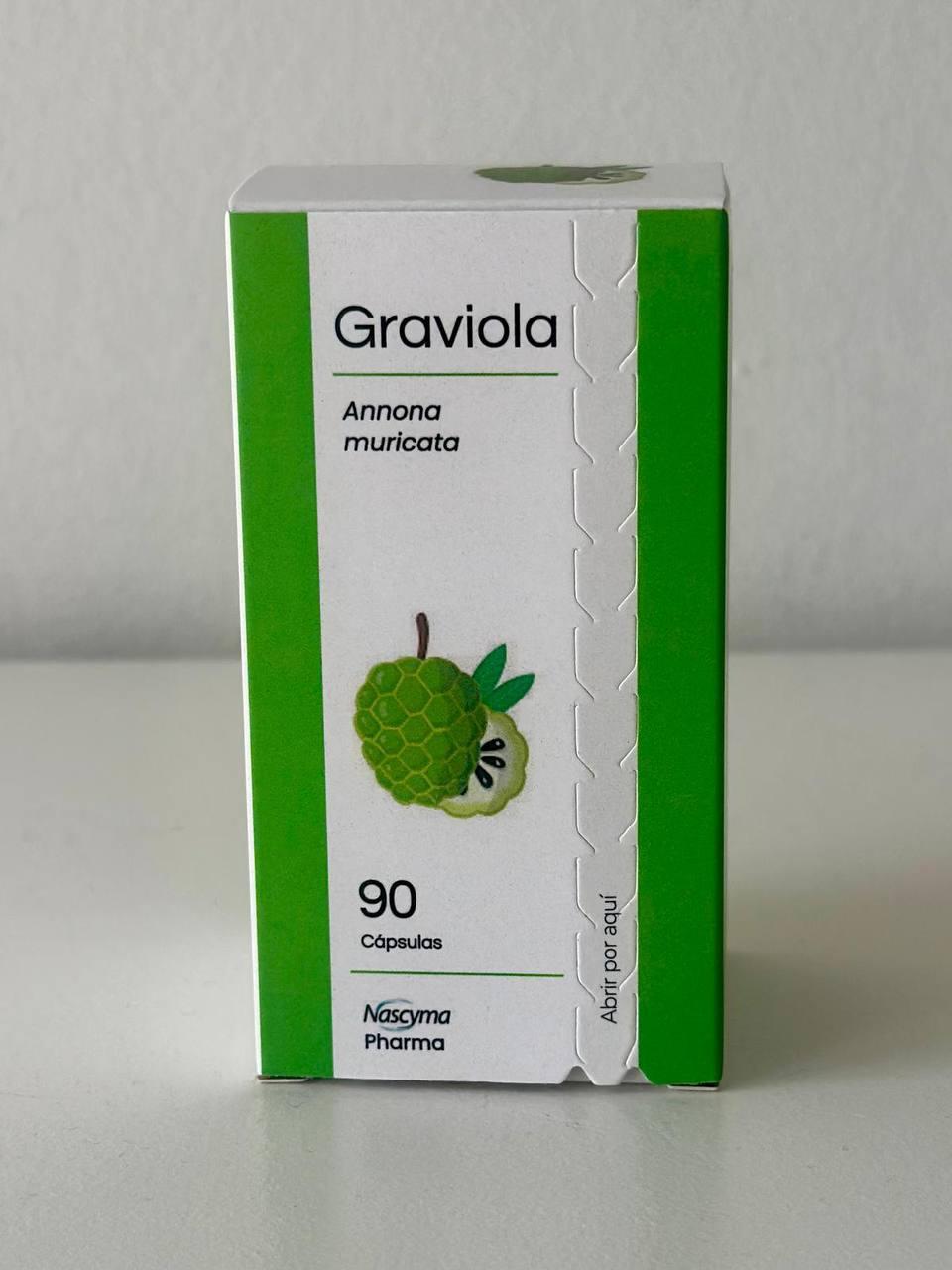
A 2023 investigation by the US Pharmacopeial Convention tested dozens of popular supplements and found that approximately 1 in 5 did not contain what the label claimed, either falling short of stated potency or containing undisclosed ingredients. A separate analysis by ConsumerLab.com found similar rates of non compliance across multiple supplement categories. This is particularly problematic for potent botanicals like graviola (Annona muricata), where extract concentration and ingredient identity directly determine whether the product delivers meaningful bioactive compounds.
European Pharmaceutical Standards: A Different Philosophy
The European Union takes a fundamentally different approach to supplement regulation. While the specifics vary by country, the overarching philosophy is precautionary: manufacturers must demonstrate safety and quality before products reach consumers, not after.
The European Medicines Agency (EMA) Framework
The EMA coordinates pharmaceutical regulation across EU member states. While dietary supplements are not classified as medicinal products in the EU (similar to the US distinction), the manufacturing standards applied to supplement production are significantly more stringent. The EU Food Supplements Directive (2002/46/EC) establishes a positive list of permitted vitamin and mineral sources, requires pre market safety assessments for novel ingredients, and mandates compliance with pharmaceutical grade GMP for manufacturing facilities.
Austrian Manufacturing: The Gold Standard
Austria occupies a unique position in European pharmaceutical manufacturing. The country has a pharmaceutical manufacturing tradition stretching back to the 19th century, and its regulatory infrastructure reflects nearly two centuries of continuous development. Austrian supplement manufacturers operate under the Austrian Medicines Act (Arzneimittelgesetz) and are subject to inspection by the AGES (Austrian Agency for Health and Food Safety).
For a supplement manufactured in Austria, this means:
- Facility licensing: Manufacturing facilities must obtain and maintain specific licenses that are subject to regular renewal and inspection. Operating without a valid license is a criminal offense, not merely a regulatory violation.
- Batch release testing: Every production batch must undergo identity testing (confirming the ingredients are what they claim to be), potency testing (verifying the amounts match the label), purity testing (screening for contaminants), and dissolution testing (ensuring the product will break down properly in the digestive system).
- Qualified Person requirement: EU GMP mandates that a Qualified Person (QP), typically a pharmacist or pharmaceutical scientist with specific regulatory training, must personally certify every batch before release. This individual is legally liable for the quality of the products they certify.
- Full traceability: Every ingredient must be traceable from its origin through every stage of manufacturing to the finished product. If a quality issue is discovered, the entire chain can be audited within hours.
- Stability testing: Products must undergo real time and accelerated stability studies to verify that labeled potency is maintained throughout the stated shelf life.
GMP Certification: Not All GMP Is Equal
Both the US and EU require GMP compliance for supplement manufacturing, but the standards and enforcement differ substantially.
US cGMP (21 CFR Part 111) establishes baseline requirements for identity testing, manufacturing controls, and record keeping. However, enforcement depends on FDA inspection, which is infrequent, and penalties for non compliance are often limited to warning letters.
EU GMP (EudraLex Volume 4) applies the same manufacturing standards used for pharmaceutical drugs. Facilities are inspected regularly (typically annually), and non compliance can result in immediate license suspension, product recalls, and criminal prosecution. The standards cover everything from air filtration and humidity control in production areas to the qualifications of laboratory analysts performing quality tests.
When you see "GMP certified" on a US supplement, it may mean the manufacturer has self certified compliance or obtained third party certification from a private auditing firm. When you see it on an Austrian or German manufactured supplement, it means the facility has been licensed and regularly inspected by a government pharmaceutical authority applying pharmaceutical drug manufacturing standards.
Third Party Testing: Verification You Can Trust
Reputable supplement manufacturers, regardless of where they are based, invest in third party testing through independent laboratories. But the scope and rigor of testing varies.
Comprehensive third party testing should include:
- Identity confirmation: Verifying that the plant material or extract is the correct species and plant part (not a cheaper substitute).
- Potency verification: Confirming that the active compound levels match label claims within defined tolerances.
- Heavy metal screening: Testing for lead, mercury, cadmium, and arsenic, which can accumulate in plants grown in contaminated soils.
- Pesticide residue analysis: Screening for commonly used agricultural chemicals that may persist through extraction processes.
- Microbial testing: Checking for bacteria (including E. coli and Salmonella), yeasts, and molds that could pose health risks.
- Solvent residue testing: For extracts, confirming that extraction solvents have been fully removed from the final product.
European manufactured supplements are required to perform all of these tests as a condition of batch release. In the US market, performing all of them is voluntary, and many manufacturers skip the more expensive analyses (particularly heavy metals and pesticide residues) to reduce costs.
Why "Made in Austria" Means Something for Supplements
When a supplement label states "Manufactured in Austria" or "Made in Austria," it carries specific, verifiable meaning. The product was manufactured in a facility licensed by Austrian pharmaceutical authorities, produced under EU pharmaceutical GMP conditions, batch tested and certified by a legally liable Qualified Person, and subject to ongoing regulatory inspection.
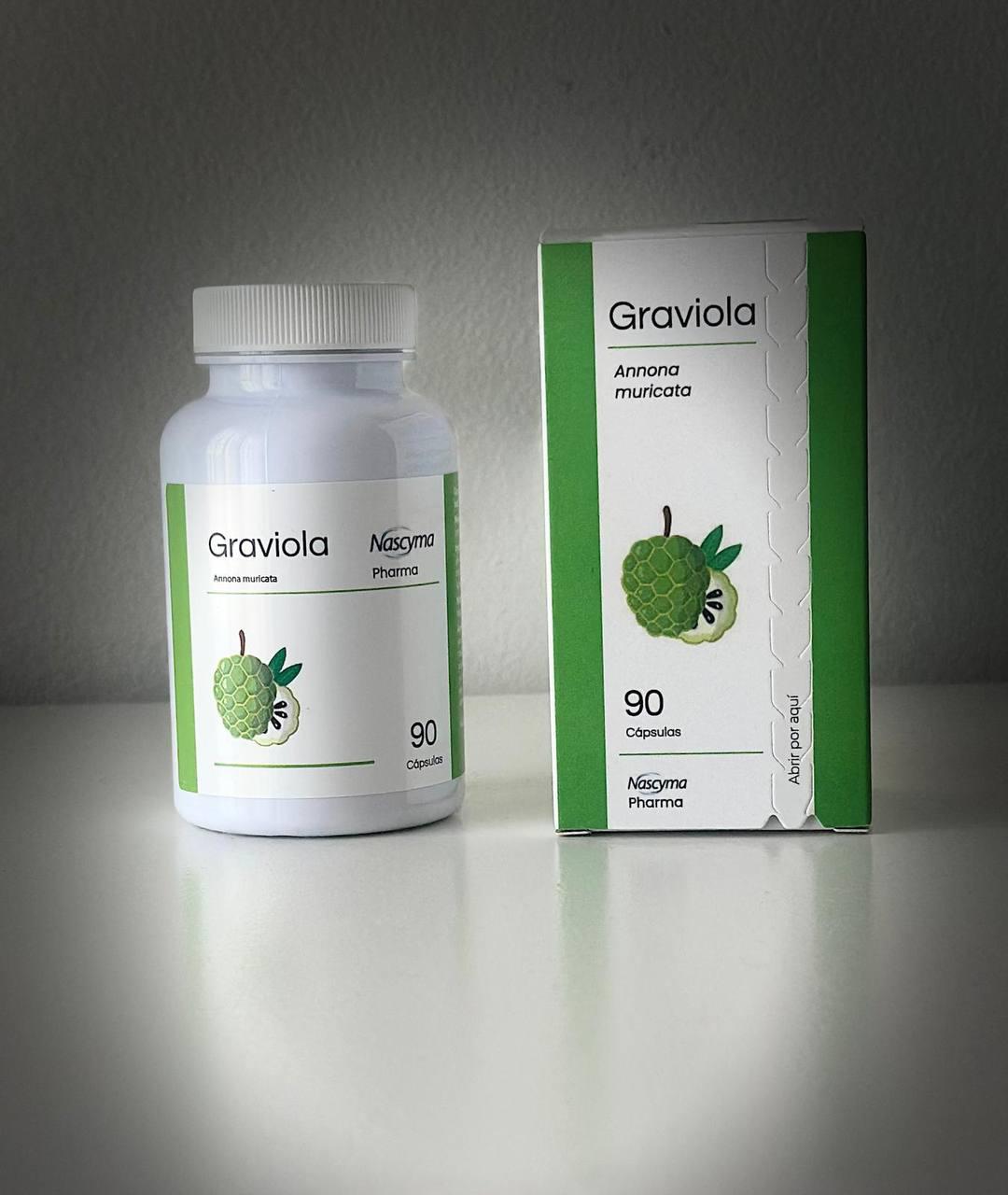
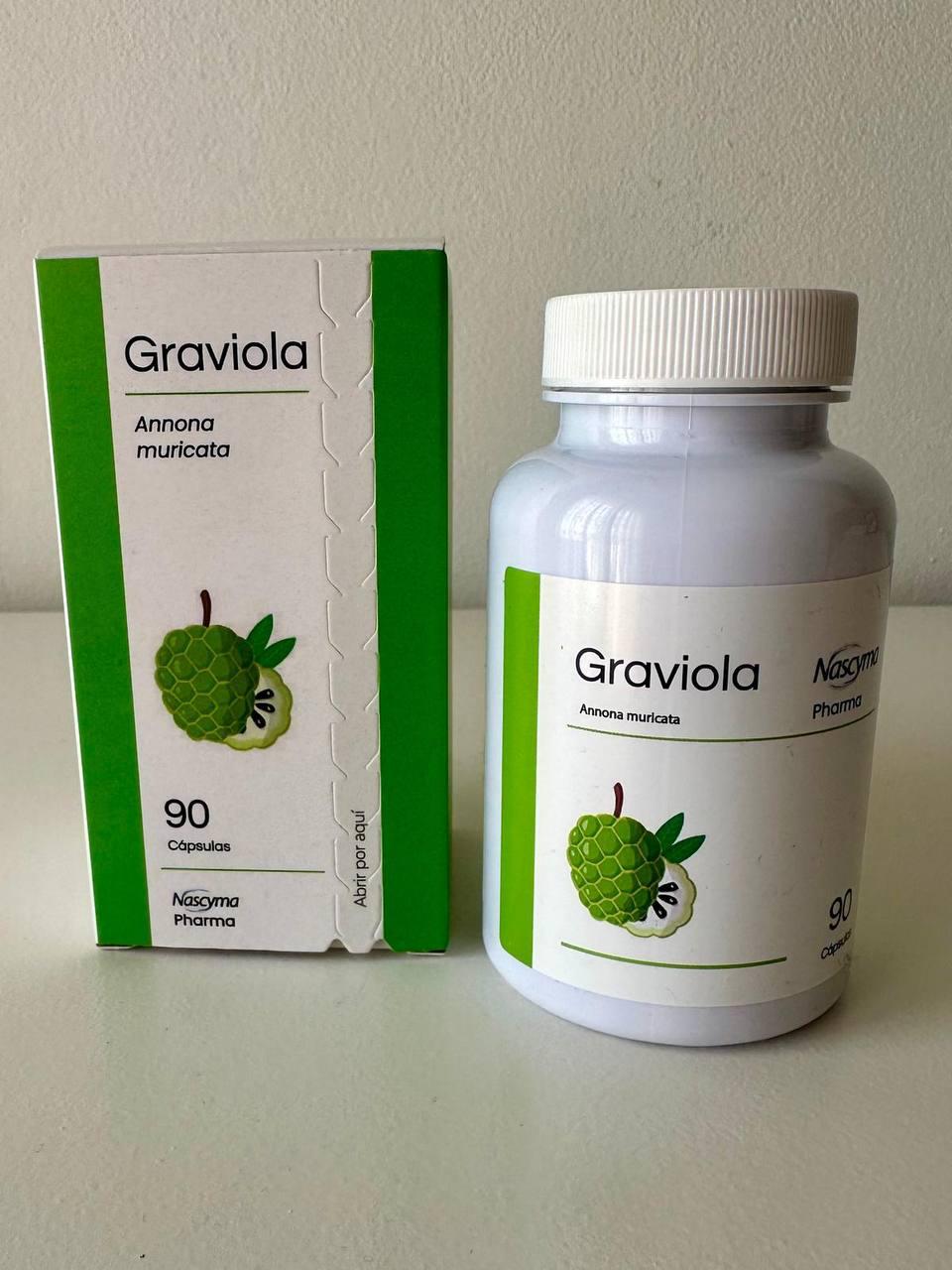
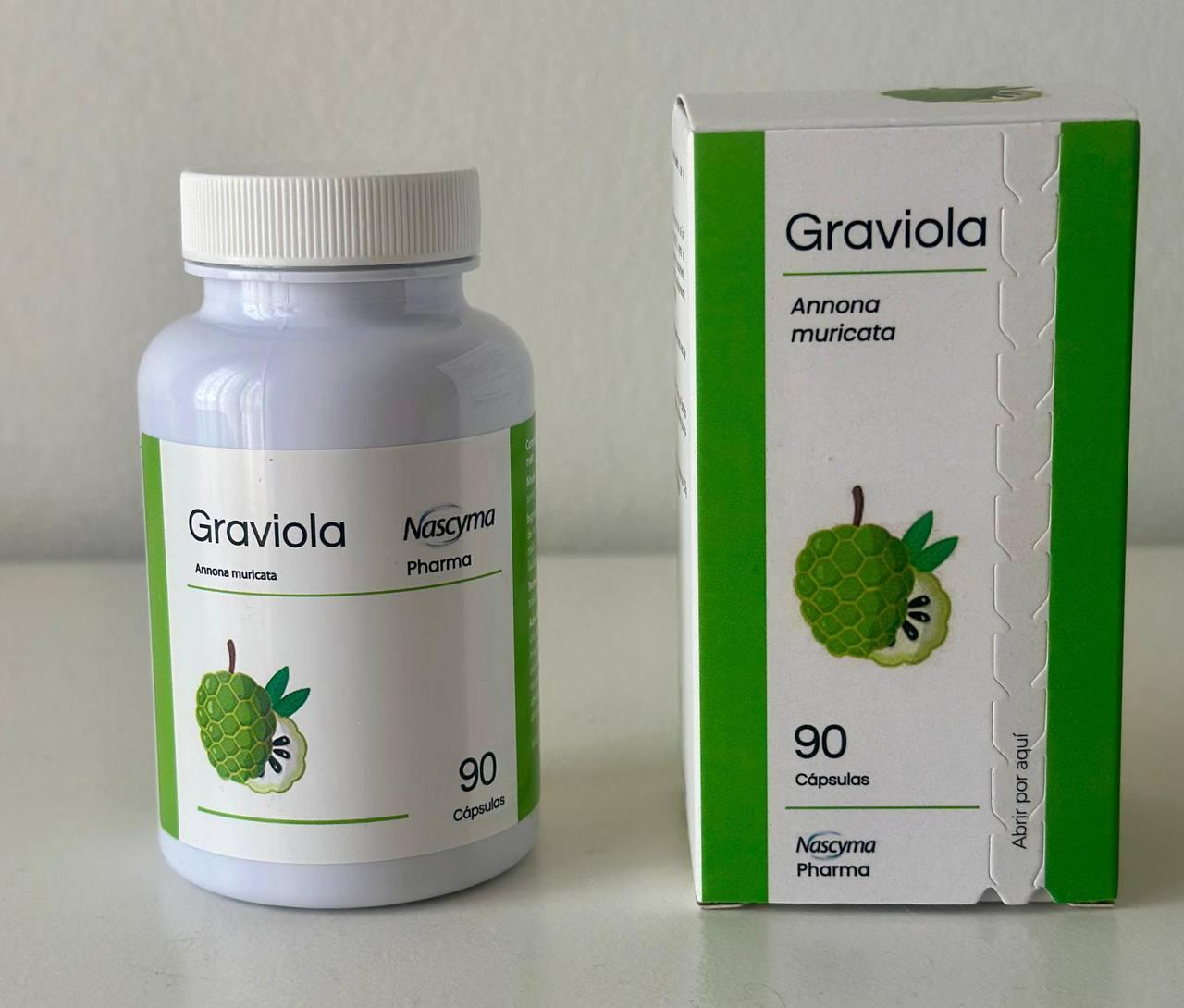
This is why brands like Labisan choose Austrian manufacturing for products like our 22:1 Graviola Capsules. When the extract ratio on the label says 22:1, it has been analytically verified. When the capsule says it contains 274mg of graviola extract, that amount has been confirmed through validated testing methods. When the product claims to be free of heavy metals and contaminants, that claim is backed by laboratory certificates, not marketing copy.
For consumers, this provides a level of confidence that is difficult to obtain from supplements manufactured in less regulated environments. You know that the manufacturing facility is regularly inspected by government authorities. You know that every batch has been tested before release. You know that a qualified pharmaceutical professional has staked their license on the quality of the product you are holding.
How to Verify Supplement Quality as a Consumer
Regardless of where a supplement is manufactured, here are practical steps to evaluate quality before you buy:
- Check the manufacturing origin: Look for the actual manufacturing location, not just the brand's headquarters. "Designed in California, manufactured in..." tells you where it was actually made.
- Look for specific certifications: EU GMP certification and ISO 22000 (food safety management) are strong indicators. Be cautious of vague claims like "laboratory tested" without specifying which laboratory or what was tested.
- Request certificates of analysis: Reputable manufacturers will provide batch specific COAs on request. If a company cannot or will not provide one, that is a significant red flag.
- Check for extract standardization: For herbal supplements, look for standardized extracts with clearly stated ratios and marker compound levels, not just raw plant powder.
- Research the brand's transparency: Companies that disclose their supply chain, manufacturing partners, and testing protocols are typically more trustworthy than those that rely on marketing claims alone.
The Bottom Line
The supplement you swallow is only as good as the standards under which it was manufactured. The regulatory gap between US and European pharmaceutical manufacturing standards is not a minor technicality. It is the difference between a system that trusts manufacturers to police themselves and a system that independently verifies quality at every stage of production. For consumers who want confidence that their supplements contain what the label claims, at the potency stated, free of contaminants, and manufactured under conditions that would satisfy a pharmaceutical inspector, European and particularly Austrian manufactured products set the benchmark. Labisan's pharmaceutical-grade 22:1 extract is manufactured in Austria to the highest European standards. Learn more about why extract concentration ratios matter when choosing a graviola supplement.
Ready to Support Your Wellness?
Graviola Capsules — 22:1 Extract
1 Bottle: $44.99 | 3 Month Supply (3x): $119.97 (save 11%) | 5 Month Supply (5x): $179.95 (save 20%)
Free EU shipping over $49, $19.99 worldwide. 30 day money back guarantee.
Shop Labisan Graviola CapsulesFrequently Asked Questions
What does European pharmaceutical grade actually mean for supplements?
It means the finished product is manufactured under the same EU GMP rules that apply to prescription medicines, with documented identity, purity, and potency testing on every batch. Heavy metals, microbial counts, and active compound concentration are verified by an independent laboratory before release. Most US supplements are produced under the looser dietary supplement regime, which does not require batch level verification at all.
Does Austrian manufacturing differ from German or Swiss standards?
All three operate under the same harmonized EU GMP framework, so the baseline is identical. The practical difference is inspection culture: Austrian and Swiss facilities often run tighter internal limits than the legal minimum, particularly around solvent residues and acetogenin standardization for botanical extracts. The Austrian test stack goes deeper on this point.
Why do most US graviola supplements lack a Certificate of Analysis?
Because US law does not require one. Under DSHEA, manufacturers self affirm safety and identity, and the FDA only inspects after complaints. A Certificate of Analysis adds 8 to 15 percent to unit cost, so brands competing on price skip it. European GMP makes the COA mandatory and traceable to a specific batch number printed on the carton.
How can I verify a supplement was actually made to EU pharmaceutical standards?
Look for three markers on the packaging: an EU manufacturing address, a printed batch number that matches a publicly available Certificate of Analysis, and a statement of compliance with EU GMP for medicinal products or food supplements. If any of those three are missing, the claim is marketing rather than regulation.