At 3,000 meters in the Austrian Alps, your lips are absorbing roughly 36 percent more UV radiation than they would at sea level on the same day, and that is before you factor in the snow beneath your boots. Fresh powder reflects up to 80 percent of incoming UV back into the air, meaning the photons striking your lower lip are coming from above, from below, and from the slope behind you. Most skiers and alpine tourers treat their face like a summer beach trip, apply a thin pass of whatever lip balm is in the jacket pocket, and call it done. The math says they are dramatically under protected, and the blistered lower lip at the end of day three is the proof.
This guide unpacks exactly what happens to UV exposure as you climb, why snow amplifies the damage, and how to build high altitude lip protection that actually holds up from first chair to last light. For a broader primer on the same threat, see our deep dive on why lips need dedicated SPF.
The 10 Percent Per 1,000 Meters Rule
UV radiation intensity increases roughly 10 to 12 percent for every 1,000 meters of elevation gain. This is not a rough estimate. It is consistent across decades of atmospheric physics measurements from research stations in the Alps, the Rockies, and the Andes. The cause is simple: the atmosphere itself absorbs UV, and the higher you climb, the less atmosphere sits between you and the sun.
At a Tyrolean ski village at 1,200 meters, UV exposure is already about 13 percent higher than at the coastline. Ride the lift to a 2,400 meter mid station and you are at 27 percent above sea level. Hike to a 3,500 meter summit and you are pushing 40 percent. The lips, unlike the face, have no melanin to speak of and no ability to tan in a meaningful way, so every single percent of additional UV lands directly on vulnerable tissue.
Stack a cloudless March day on top of that, and the UV Index on a high alpine ridge can climb into the 9 to 11 range, the same intensity recorded at tropical latitudes in peak summer.
Why Snow Is the Hidden Multiplier
Grass reflects about 3 percent of UV. Dry sand reflects 15 percent. Calm water reflects around 10 percent. Fresh snow reflects between 60 and 80 percent, making it by far the most aggressive natural reflector most humans encounter. That reflected radiation is not just bouncing off your boots. It is hitting the underside of your chin, your nostrils, and crucially the lower lip, which protrudes slightly and catches light from below almost as readily as from above.
This is why skiers routinely develop their worst burns on the lower lip while the upper lip (shaded by the nose and cheekbones) looks unaffected. The cold sore prevention protocol outdoor athletes need hinges almost entirely on blocking this reflected UV dose, because UV is the single most consistent herpes simplex reactivation trigger at altitude.
Why Most Lip Balms Fail Above 2,000 Meters
Three failures show up repeatedly when alpine users test summer formulated lip balms on winter trips.
First, chemical sunscreen filters like avobenzone and octinoxate degrade under sustained high intensity UV. At altitude, the photon flux is simply too high for the typical summer formula to maintain advertised protection over a full ski day. Reapplication windows shorten dramatically.
Second, waxy sticks based on petroleum jelly or paraffin melt and drip at the warm face, cold air interface created by a ski helmet and neck gaiter. The product migrates off the lips within an hour.
Third, thin application defeats even strong formulas. Studies of sunscreen application density consistently find users apply about 25 to 50 percent of the amount used in SPF testing laboratories. On lips, the effect is amplified because a single pass of a stick leaves a barely visible film.
Building a Protection Stack That Holds at 3,000 Meters
Effective high altitude lip protection is not one product applied once. It is a system.
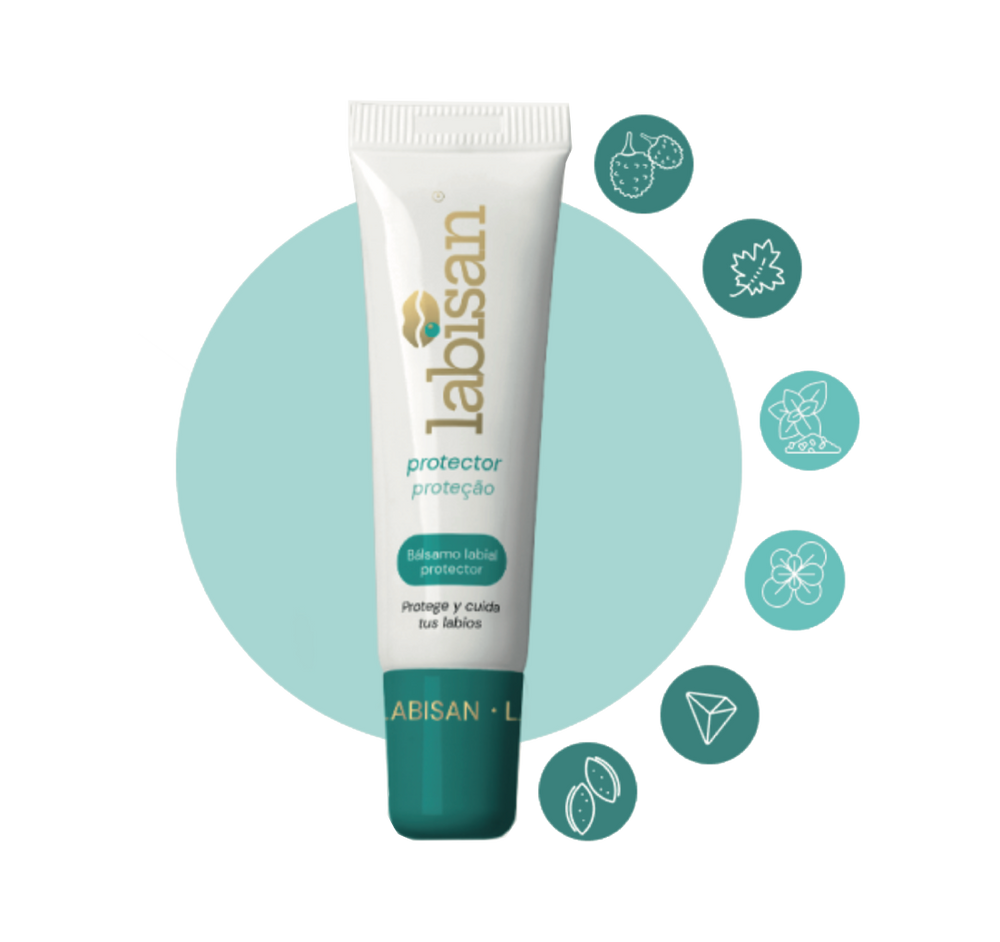
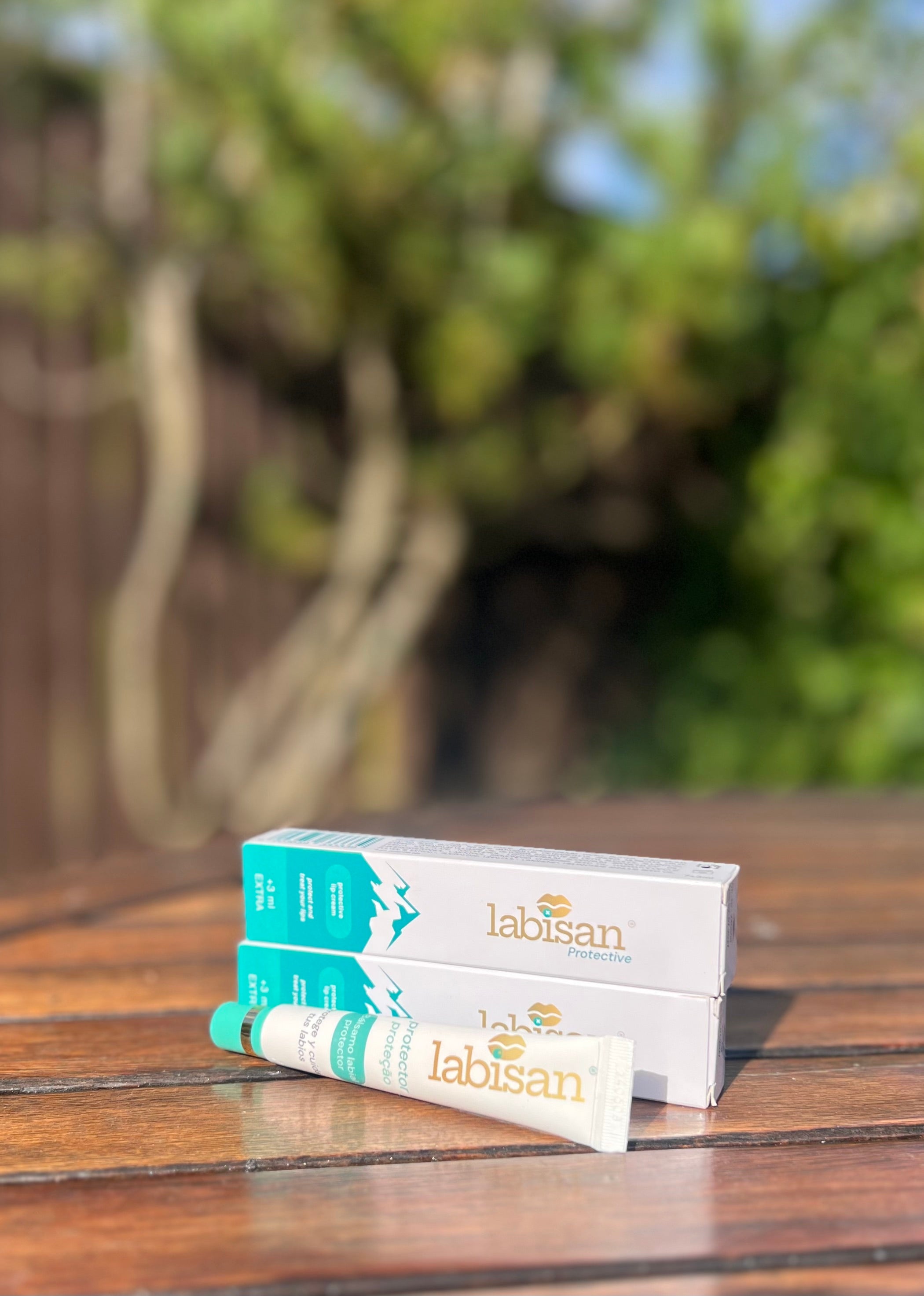
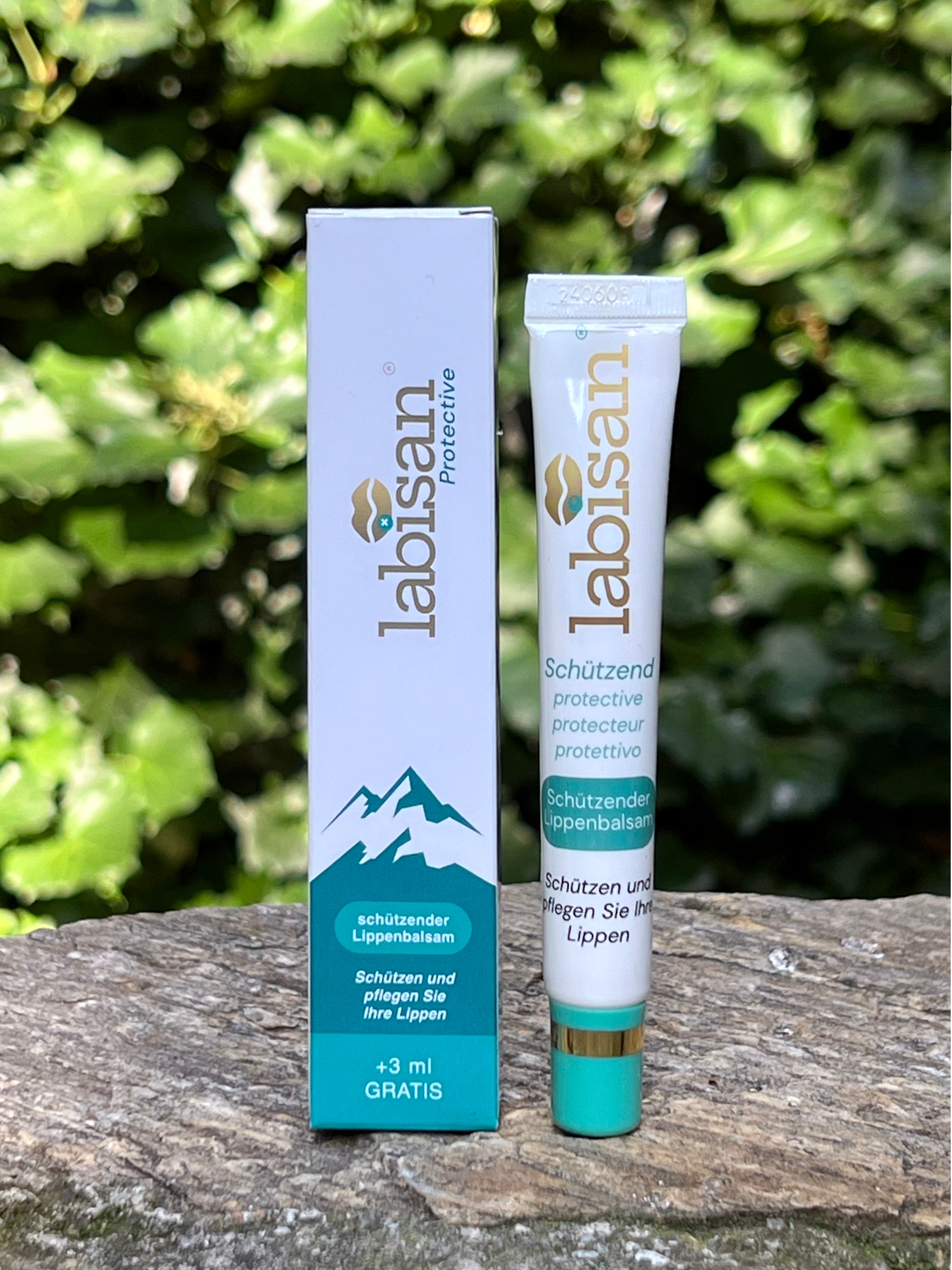
Start with a mineral SPF 20 or higher lip balm using non nano zinc oxide. Zinc oxide is a physical blocker, meaning it reflects and scatters UV rather than absorbing it, so it does not degrade under alpine photon loads the way chemical filters can. Labisan's formula pairs 12 percent zinc oxide with shea butter, manuka oil, and oregano oil, creating a barrier that also addresses the cold, wind, and viral reactivation triggers bundled with altitude exposure.
Built in the Austrian Alps for exactly this job
Labisan Protective Lip Balm SPF 20
Single: $24.99 | 3x Bundle: $59.97 | 5x Bundle: $89.95
Free EU shipping over $49, $19.99 worldwide. 30 day money back guarantee.
Shop Labisan Lip BalmApply a thick, visible coat 20 minutes before your first lift, then reapply at every lift line, every top station, and every lunch stop. At altitude, a two hour reapplication window is the outer limit, not the target. Carry the balm in an inside chest pocket, never in an outer shell pocket, because cold hardens waxes and makes them skip across the lip surface rather than spreading into a uniform film.
Frequently Asked Questions
Does SPF 50 protect better than SPF 20 at altitude?
The difference between SPF 20 and SPF 50 is the difference between blocking 95 percent of UVB and blocking 98 percent. What matters far more at altitude is the filter type (mineral vs chemical), application thickness, and reapplication frequency. A well applied SPF 20 zinc oxide formula reapplied every two hours outperforms a poorly applied SPF 50 chemical stick.
Do I still need lip SPF on a cloudy alpine day?
Yes. Clouds block visible light and heat, creating a false sense of safety, but UV passes through typical alpine cloud cover at 70 to 90 percent of clear sky intensity. Some partly cloudy conditions can even intensify UV through scattering.
Can regular face sunscreen work on lips?
It can in a pinch, but face sunscreens are formulated to absorb into skin, not sit on the mucous membrane of the lips. They wash off with saliva within minutes and often taste unpleasant. A dedicated lip formula with a wax and butter matrix stays put.
Why do my lips burn worse on glacier tours than on a resort day?
Glacier travel stacks the worst combination of exposure factors: very high altitude (often 3,000 meters plus), maximum snow reflection, long continuous exposure windows without indoor breaks, and frequent upward gazing that exposes the underside of the lip and chin to reflected light. Glacier tourers need the most aggressive protocol, with reapplication every 90 minutes.
The altitude math is not optional. Every percent of extra UV lands somewhere, and on lips it lands on tissue with almost no natural defense. A mineral SPF lip balm built for alpine conditions, applied thickly and reapplied often, is the difference between finishing a week of skiing with intact lips and finishing it with a split, crusted mess. Labisan Protective Lip Balm was formulated in the Austrian Alps in 1931 precisely because the problem is not new, and the solution has always required better chemistry than a summer stick can deliver.