In a multi year dermatology review of patients with recurrent herpes labialis, daily use of an SPF 15 or higher lip balm was associated with roughly a 50 percent reduction in outbreak frequency compared with matched controls who used non SPF balms or no product at all. That figure has held up across several independent clinical reviews conducted since the late 1990s, and it points to a conclusion that is counter intuitive until you understand the biology: the single most effective cold sore prevention intervention is not an antiviral, not lysine, not avoiding chocolate. It is a mineral based lip SPF applied every morning, year round.
This article walks through the mechanism, the published evidence, and how to translate the clinical findings into an everyday routine. For the upstream biology, start with our summary of 2026 research on the UV cold sore trigger, which explains why photons are the dominant reactivation signal for most sufferers.
How UV Flips the HSV-1 Reactivation Switch
HSV-1 lives permanently in the trigeminal ganglion after initial infection. It is not curable, and roughly two thirds of adults worldwide carry it. Reactivation, the trip back down the nerve to the lip surface, requires a trigger. Clinical review data consistently identifies UVB exposure as the single most reproducible trigger, accounting for a large share of outbreaks in recurrent sufferers.
The mechanism is well characterized. UVB damages keratinocyte DNA on the lip surface, prompting local release of signaling molecules that suppress immune surveillance in the area and simultaneously create the inflammatory environment that supports viral replication. A physical SPF layer that blocks UVB from reaching lip tissue short circuits this cascade before it begins. No DNA damage, no immune dampening, no local inflammation, no reactivation signal.
This is why SPF lip balm cold sore prevention is more effective than most users expect. It is not a symptomatic treatment layered on top of a broken system. It is interruption of the single most common input to the system.
What the Clinical Reviews Actually Measured
The foundational work on this topic came from dermatology clinics tracking patients with well documented recurrent herpes labialis, typically defined as four or more outbreaks per year. Researchers compared outbreak frequency in patients who adopted a daily SPF 15 plus lip balm protocol against matched controls on non SPF products, typically over 12 to 24 months of follow up.
Across several such reviews, the reduction in outbreak frequency clustered around 40 to 60 percent. In the subgroup of patients whose outbreaks were specifically described as sun triggered (by self report of the patient recognizing UV exposure before onset), reductions were larger, sometimes approaching 70 percent.
The studies did not claim elimination. Patients with stress dominant or illness dominant triggers saw smaller benefits, because SPF does not address those pathways. But for the UV triggered majority, photo protection of the lip functioned effectively as a once daily preventive.
These findings are consistent with the broader literature on why lips specifically need SPF, where lip tissue is documented to have minimal melanin, a thin epidermal layer, and greater UV vulnerability than facial skin of the same individual.
Why SPF 15 Was the Threshold in the Research
SPF 15 blocks approximately 93 percent of UVB. SPF 20 blocks about 95 percent. SPF 30 reaches 97 percent, and SPF 50 gets to 98 percent. The marginal gain above SPF 30 is small in laboratory conditions and almost irrelevant in real world use, because application thickness and reapplication frequency dominate the outcome.
The clinical data converged on SPF 15 as the threshold because below that, UVB pass through (more than 10 percent of incident radiation) was sufficient to maintain outbreak frequency near baseline. Above SPF 15, the pass through dropped low enough to consistently alter the statistics. SPF 20 with a mineral filter like non nano zinc oxide is a pragmatic sweet spot: high enough to produce the clinical effect, robust against photodegradation, and tolerable on the lip.
Turning the Study Into a Daily Routine
A few principles separate users who get the full clinical benefit from users who see minimal change.
Apply once in the morning before any sun exposure, including the walk to the car. The lip is exposed to measurable UV within seconds of stepping outside on a clear day, and in skiers or runners, the exposure starts the moment the venue is reached. Reapply after eating, drinking, or any activity that removes the film, and at minimum every two to three hours in active sunlight.
Apply a visible, thick layer. Most users apply 25 to 50 percent of the amount used in SPF testing labs, which cuts real world protection proportionally. A fully coated lower and upper lip should appear slightly matte or slightly white from the zinc oxide, not invisible.
Use the same product every day, not only on "sunny days." UVA passes through clouds and glass at 70 to 90 percent of clear sky intensity, and while UVA is a weaker HSV trigger than UVB, it still contributes to barrier damage that lowers the threshold for reactivation.
The daily SPF habit that changes the frequency data
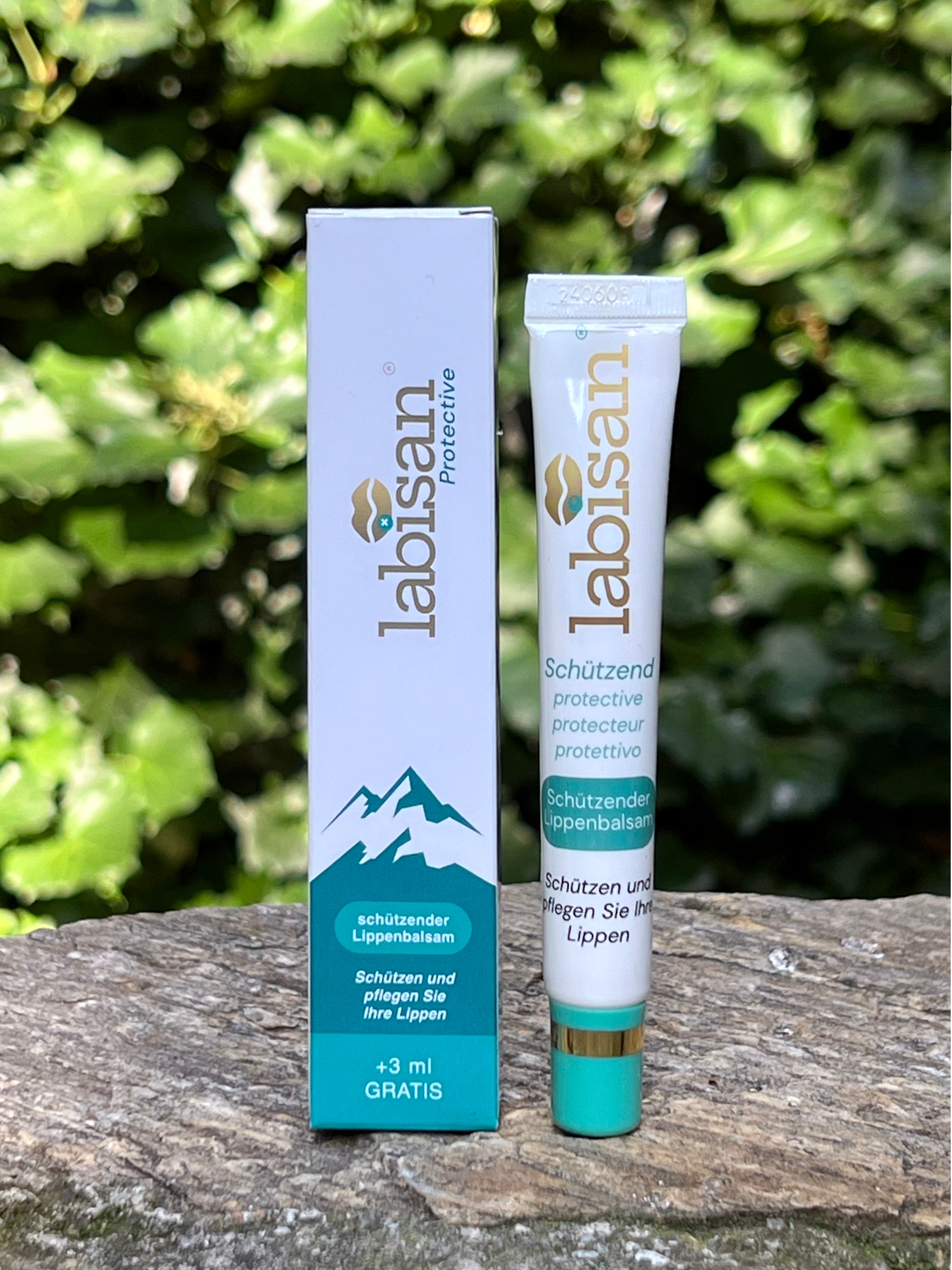
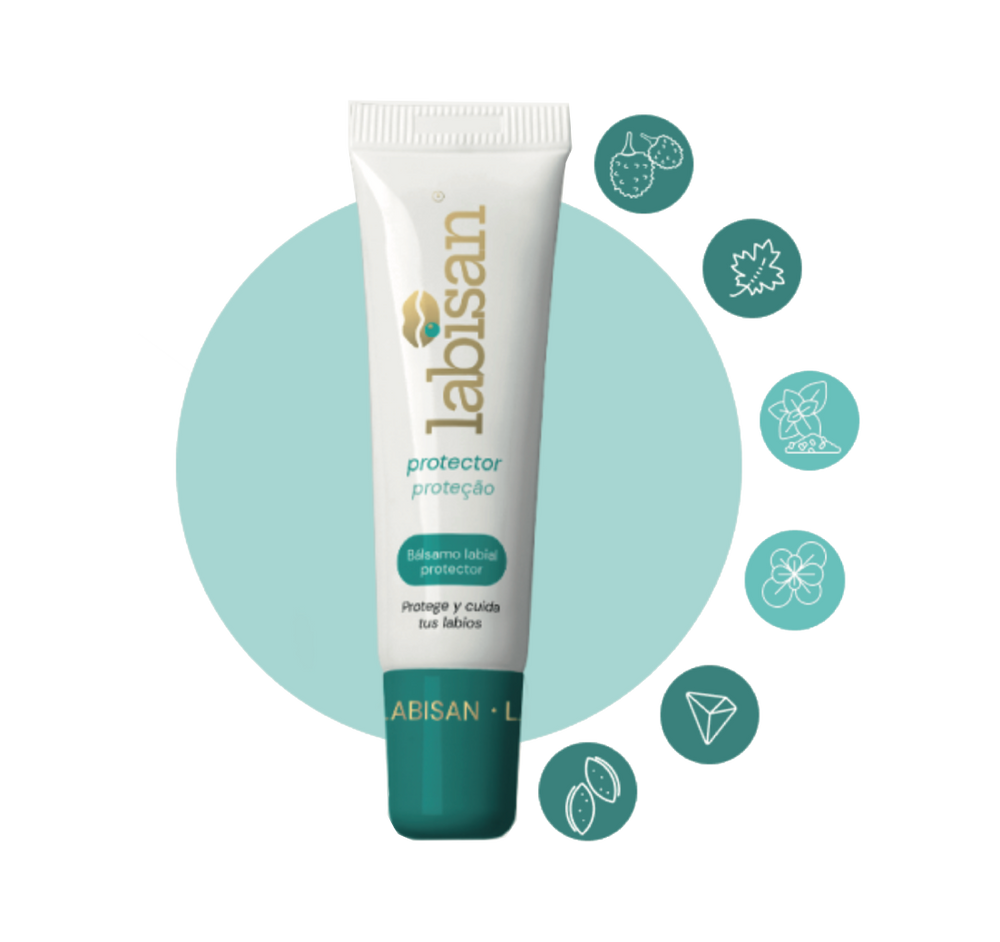
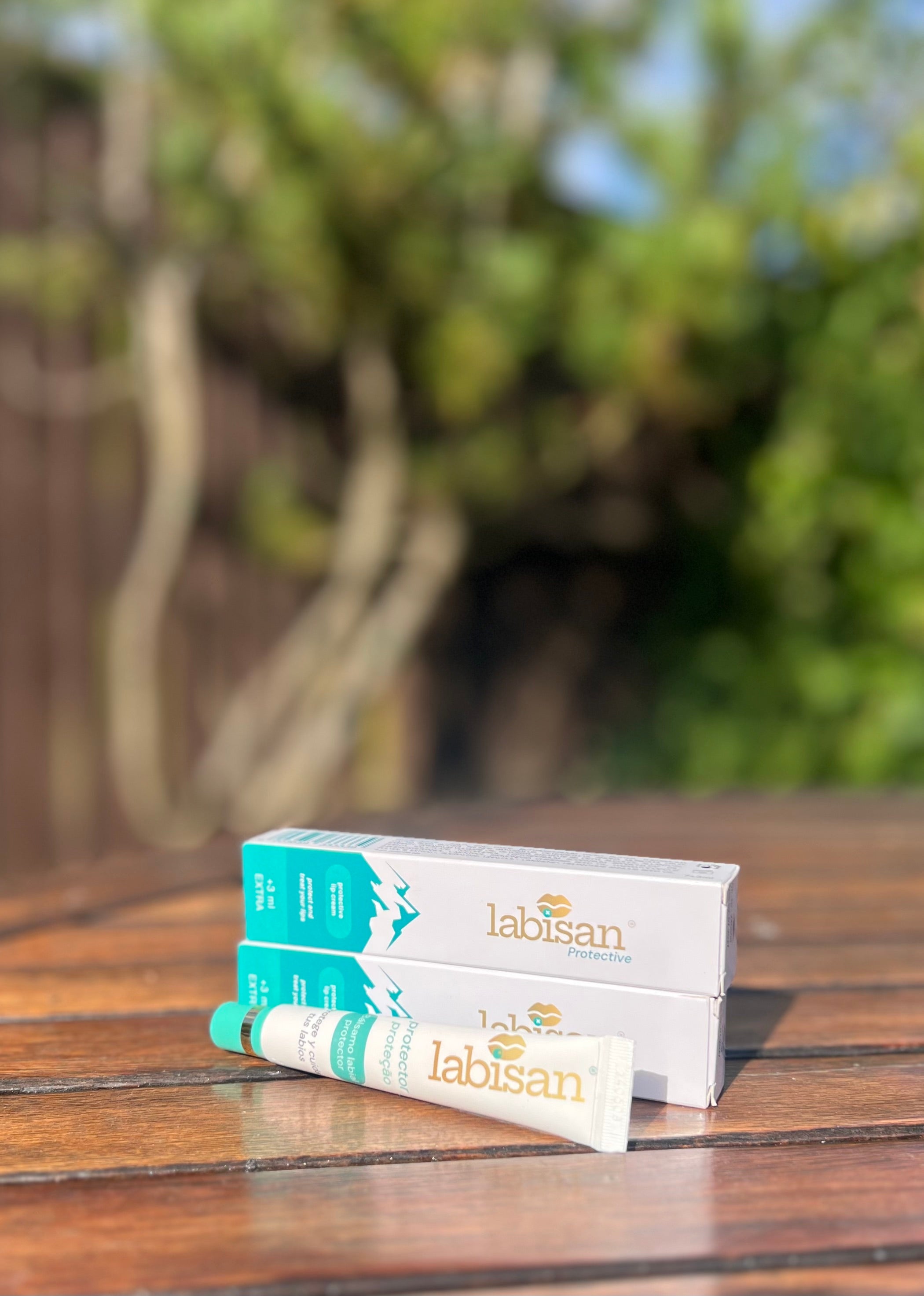
Labisan Protective Lip Balm SPF 20
Single: $24.99 | 3x Bundle: $59.97 | 5x Bundle: $89.95
Free EU shipping over $49, $19.99 worldwide. 30 day money back guarantee.
Shop Labisan Lip BalmFrequently Asked Questions
How long does it take before outbreak frequency actually drops?
Most clinical review subjects began to see a measurable change in outbreak frequency after two to three months of consistent daily use. Existing latent triggers can still fire early on, but as the cumulative UV damage budget shrinks, the statistical pattern shifts.
Does lip SPF help if my trigger is stress, not sun?
The benefit is smaller but not zero. Stress dominant triggers respond more to sleep, stress management, and in some cases prescription antivirals. However, many sufferers have a mixed trigger profile, and removing the UV input often reduces overall frequency even when stress is the perceived primary cause.
Can I use a regular chapstick with SPF 4 or SPF 10?
SPF values below 15 did not reach clinical significance in the outbreak frequency reviews. The UVB pass through at SPF 10 is still high enough (about 10 percent) to maintain meaningful reactivation pressure during extended outdoor time.
Is mineral SPF really better than chemical on lips?
For cold sore prevention specifically, yes. Zinc oxide does not degrade in sunlight, does not absorb into lip tissue, and does not require a complicated sunscreen chemistry on a surface that is constantly being abraded by eating, drinking, and talking. See our dedicated comparison of zinc oxide versus chemical sunscreen on lips.
How the Protocol Plays Out Over a Year
The best way to translate the clinical data into personal experience is to track your own outbreak frequency for the 12 months before and the 12 months after you adopt a consistent daily SPF lip routine. Most users who do this report the same pattern the dermatology reviews describe: a similar early period followed by a noticeable drop in frequency from month three onward, often pushing annual outbreaks from five or six down to two or three, and shifting the remaining outbreaks toward non UV triggers such as cold, fever, or high stress events.
The protocol is not dramatic. That is its strength. A single morning habit, one small product in your pocket, and the discipline to reapply after meals and during extended outdoor time, carried consistently across an entire calendar year, quietly shifts the statistics that dominate a cold sore prone person's life. The research does not predict a cure. It predicts a meaningful reduction, and users who follow the protocol typically confirm the prediction within a year.
Cold sore prevention is rarely a matter of discovering a new product. It is a matter of applying the right product consistently enough that the UV trigger stops firing. A mineral SPF lip balm applied every morning, reapplied through the day, and carried year round turns the dermatology data into lived experience. Labisan Protective Lip Balm SPF 20 was designed for exactly that routine, built in Austria since 1931 for people whose lives put their lips in the sun.