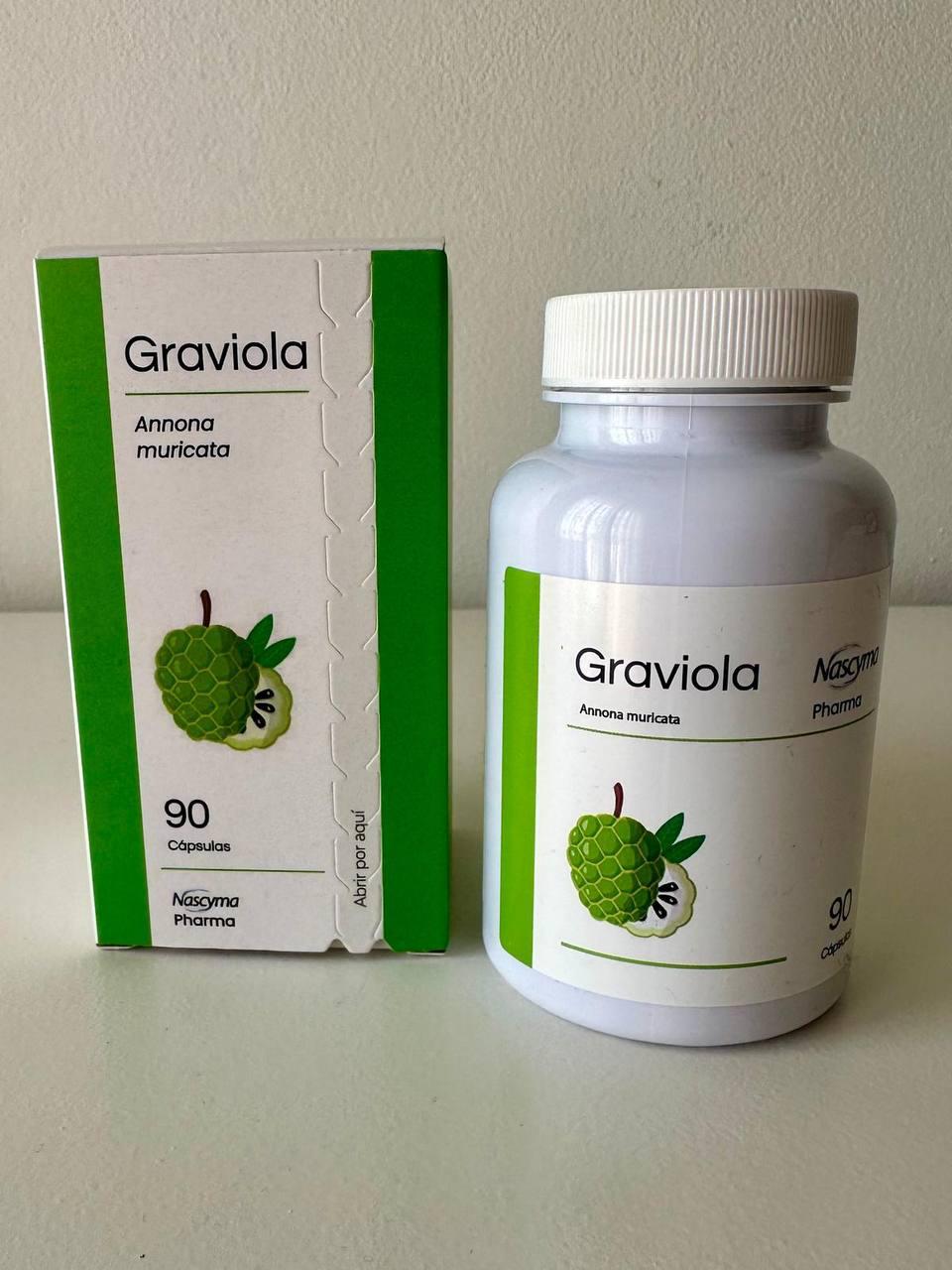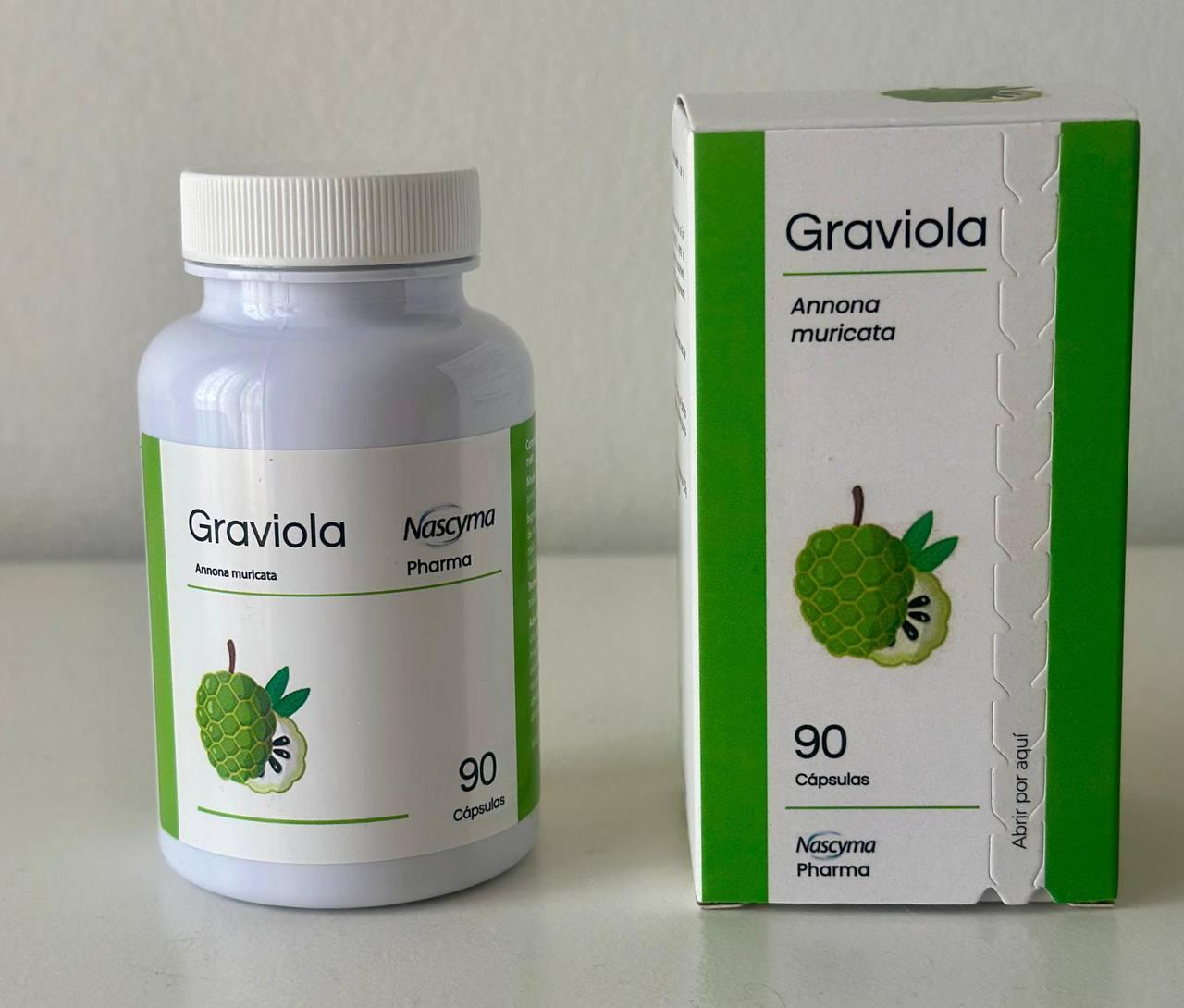
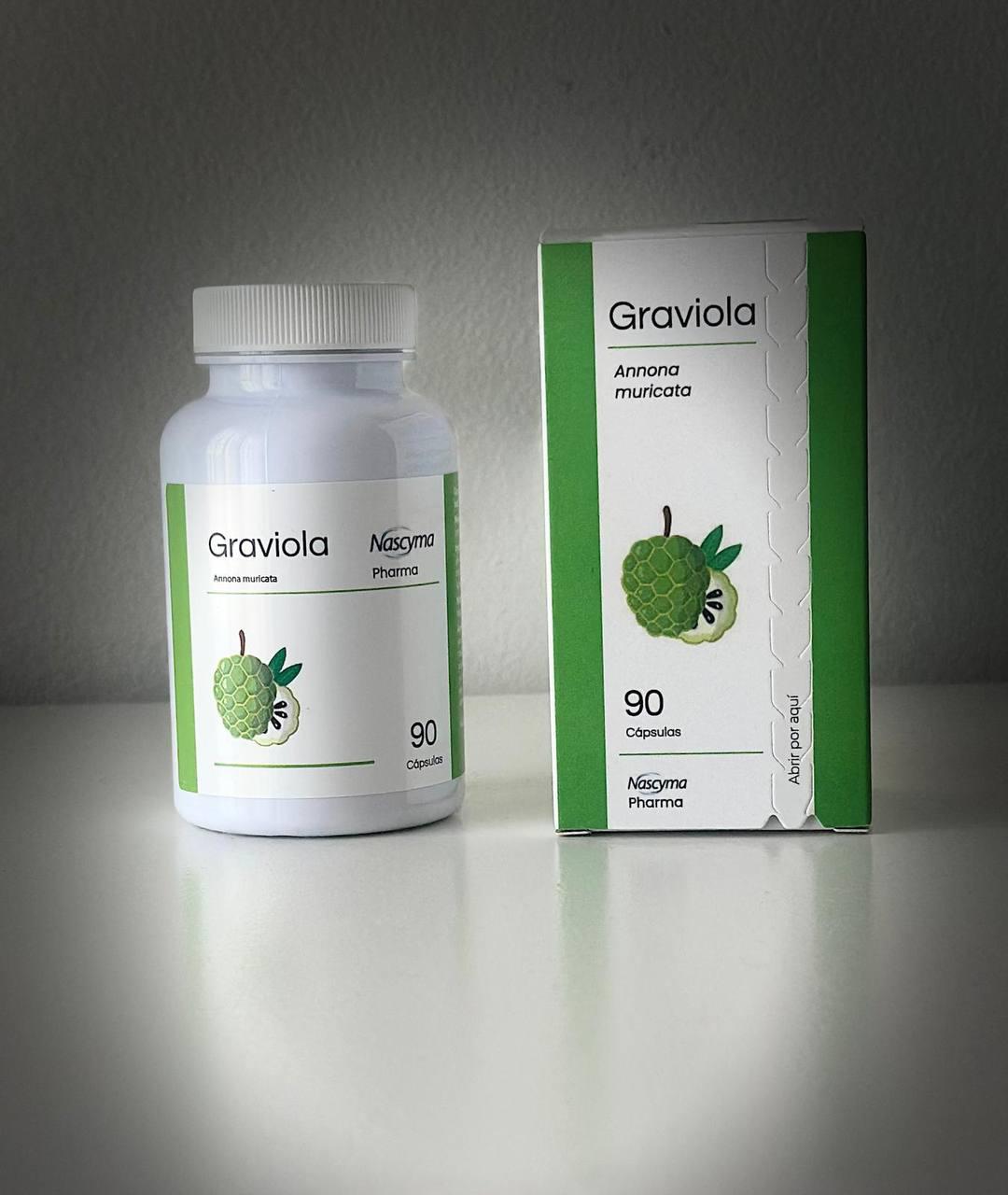
A 2023 US Pharmacopeial Convention investigation tested dozens of popular American supplements and found that roughly one in five did not contain what the label claimed. Either the potency fell short, the identity was wrong, or undisclosed ingredients were present. That is a 20 percent failure rate in a category where consumers are paying premium prices explicitly for quality. The gap between "passed a basic GMP audit" and "passed full pharmaceutical grade batch testing" is not semantic. It is the difference between self certified compliance and legally liable, government inspected verification of every batch that leaves the facility.
This article breaks down the specific test stack that separates pharmaceutical grade supplements manufactured in Austria from the typical US market equivalent, and why that test list is the single most useful filter a serious buyer can apply. For the broader regulatory context, our deep dive on European pharmaceutical standards for supplement quality covers the EU framework in detail.
The Five Tests Most US Supplements Skip
US cGMP (21 CFR Part 111) requires identity testing and basic manufacturing controls. In practice, many US facilities perform identity testing on a limited scope of ingredients, do partial potency testing, and skip several categories of analysis that European GMP requires on every batch.
The five tests that separate pharma grade from standard grade are worth naming explicitly:
Heavy metal screening. Plants grown in agricultural soils can accumulate lead, mercury, cadmium, and arsenic, particularly in leaf tissue. European GMP mandates batch level testing against defined safety limits. US GMP recommends but does not consistently require it, and enforcement is inspection dependent.
Full identity verification. Pharma grade testing confirms that the plant species, the specific plant part (leaf vs bark vs root), and the active compound markers all match the specification. Budget suppliers sometimes substitute cheaper related species, and a minimal identity test will miss it.
Microbial limits testing. Every batch is screened for total bacterial count, yeast and mold, E. coli, Salmonella, and staphylococcus. Plant derived supplements are particularly prone to microbial contamination if handled poorly, and a skipped test is the usual cause of contamination recalls.
Stability testing. Pharma grade manufacturers run accelerated aging studies and real time stability studies to verify that labeled potency holds throughout the stated shelf life. A supplement that loses 40 percent of its active compounds over 18 months on the shelf is still legally on label at the moment of packaging; it becomes off label by the time the consumer opens the bottle.
Residual solvent testing. Extracts produced with ethanol, acetone, or hexane must have residual solvent levels verified below strict thresholds. Pharma grade facilities test every batch. Lower tier facilities rely on process assumptions and occasional spot checks.
A supplement that passes all five is in a different category from one that passes two or three. The difference is not marginal; it maps directly to the 20 percent failure rate USP keeps finding.
Why Austrian Manufacturing Anchors the Stack
Austria has one of the longest continuous pharmaceutical manufacturing traditions in Europe, stretching back to the 19th century. Its regulatory body, AGES, inspects pharma and supplement facilities on an annual cadence as a baseline, with additional inspections triggered by any quality event. Operating a facility without a current, valid license is a criminal offense under the Austrian Medicines Act, not merely a regulatory violation.
European GMP under EudraLex Volume 4 also mandates the Qualified Person (QP) system: every production batch must be certified by a pharmacist or pharmaceutical scientist with specific regulatory training, who is personally legally liable for the quality of the batch they release. If a batch of Austrian manufactured graviola capsules is sent to market with a potency failure or a contamination issue, the QP's professional license is on the line. That is a dramatically different accountability structure from the typical US arrangement, where responsibility is corporate rather than personal.
The combination of annual government inspection, personal QP liability, and full batch release testing is why "Made in Austria" on a supplement means something verifiable, not something marketing.
What a Certificate of Analysis Actually Proves
A certificate of analysis (COA) is the document trail for a specific production batch. It should list the tests performed, the analytical method used, the result for each test, the specification each result is compared against, and the date of testing. A pharma grade COA covers identity, potency (with specific marker compounds quantified), heavy metals (numerical results for lead, mercury, cadmium, arsenic), microbial counts, residual solvents, and stability.
A "COA" that is a single page with vague statements like "meets specification" and no numerical data is a marketing document, not a test record. When evaluating supplement quality, ask for the full COA with numerical results. A manufacturer operating under European pharmaceutical GMP will produce one on request within days. A manufacturer operating on self certified US cGMP often cannot or will not.
This is the single practical step that separates careful buyers from hopeful buyers.
Why It Matters More for High Potency Extracts
The tests that separate pharma grade from standard grade matter more, not less, for concentrated botanical extracts like graviola. At 22:1 concentration, any contaminant in the raw leaf, including heavy metals, pesticide residues, and microbial loads, is also concentrated 22 fold in the final product. A lightly contaminated leaf becomes a meaningfully contaminated extract after the concentration step. This is one of the reasons European manufacturers select raw material with far more care than the price competitive model usually supports, and why batch release testing at the extract stage is nonnegotiable.
A 22:1 graviola extract that passes full pharma grade batch testing is not just "better quality." It is operating in a regulatory regime that actively prevents the most common failure modes of the category.
Austrian pharma grade, full batch release testing, COA on request
Graviola Capsules 22:1 Extract
Single: $44.99 | 3x Bundle: $119.97 | 5x Bundle: $179.95
Free EU shipping over $49, $19.99 worldwide. 30 day money back guarantee.
Shop Graviola CapsulesFrequently Asked Questions
Is NSF or USP certification the same as pharmaceutical grade?
They are third party certifications that verify specific manufacturing practices, and they are better than nothing. However, they are voluntary programs and their scope is narrower than EU pharmaceutical GMP. A product can be NSF certified without undergoing the full five test batch release regime that European manufacturers perform by regulatory requirement.
Do Austrian supplements cost more because of the testing?
Yes, meaningfully. Full batch release testing, QP oversight, and annual government inspection add real cost per unit. A responsible 22:1 extract manufactured under these conditions cannot compete on price with a 1:1 raw powder from a facility with minimal overhead. The tradeoff is confidence in what is actually in the capsule.
Can I trust "manufactured in the EU" without specifying which country?
EU GMP applies across all member states, so the baseline is strong. Within that, Austria, Germany, and Switzerland have the deepest pharmaceutical manufacturing traditions and the most stringent enforcement histories. "Made in EU" is solid; "Made in Austria" or "Made in Germany" is solid with a longer track record.
How do I actually check a manufacturer's credentials?
Ask where the product is manufactured, ask for the GMP certification (EU GMP, with the specific directive cited), and ask for a batch specific COA. A trustworthy manufacturer will answer all three without hesitation. If any of the three gets a vague or evasive answer, that is useful information.
Supplement quality is not a marketing category. It is a regulatory category with measurable, testable attributes. A consumer who asks for the test stack, asks for the COA, and verifies the manufacturing origin gets the product the label promises. A consumer who does not gets the industry average, which on current USP data is an 80 percent chance of a match and a 20 percent chance of something else. Labisan Graviola Capsules are manufactured in Austria under the full pharmaceutical grade test stack, because anything less is not really quality at all.