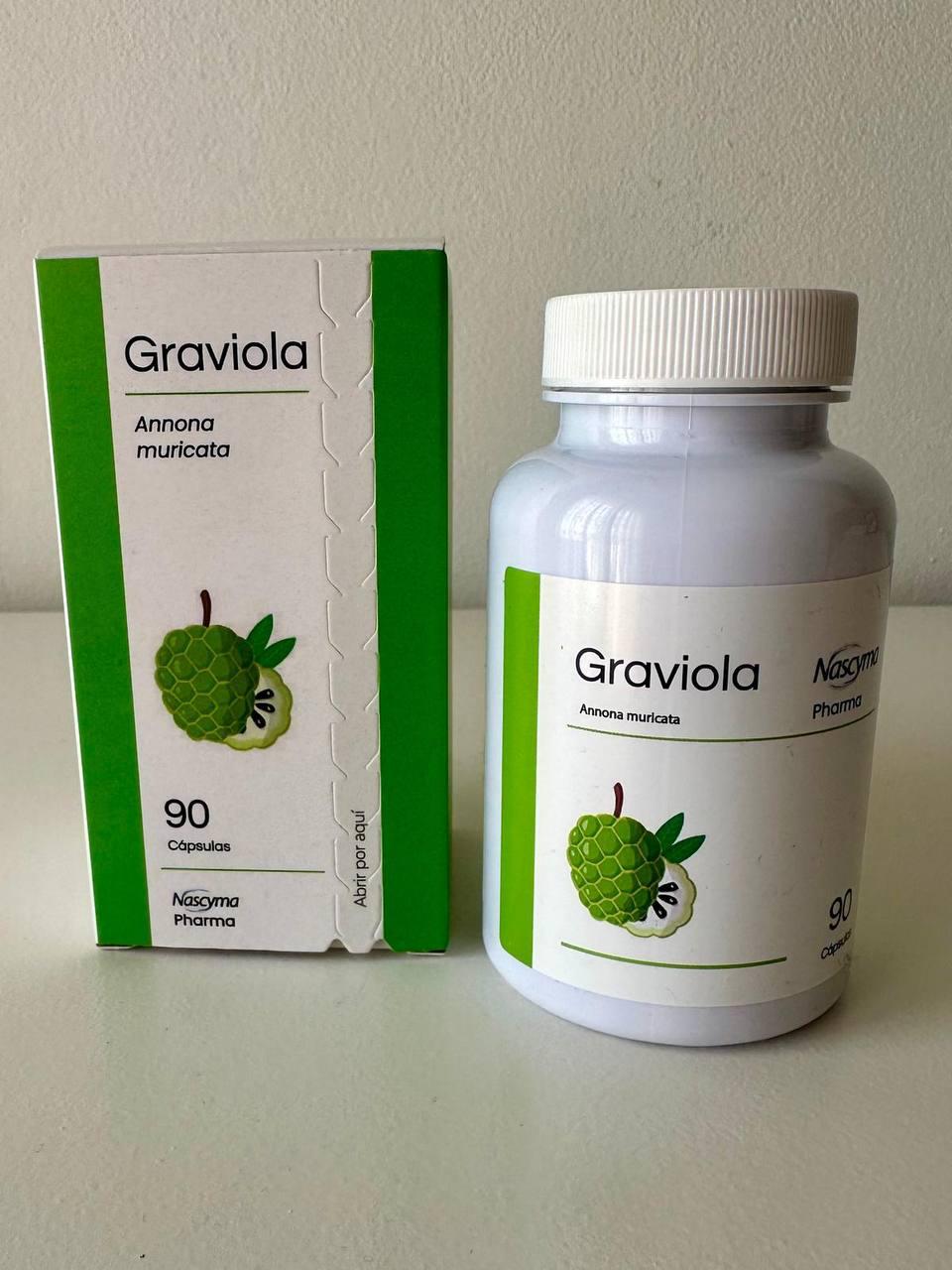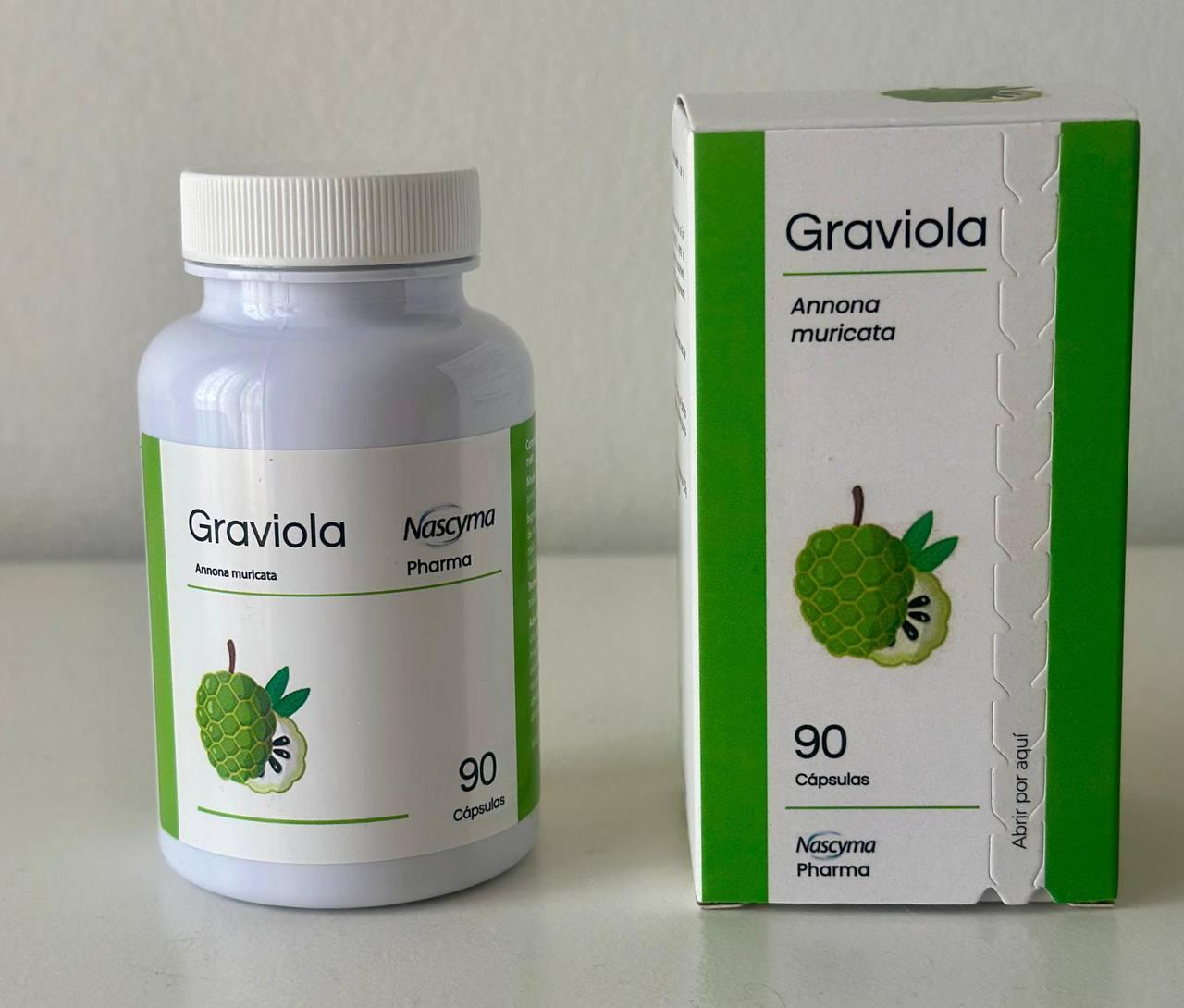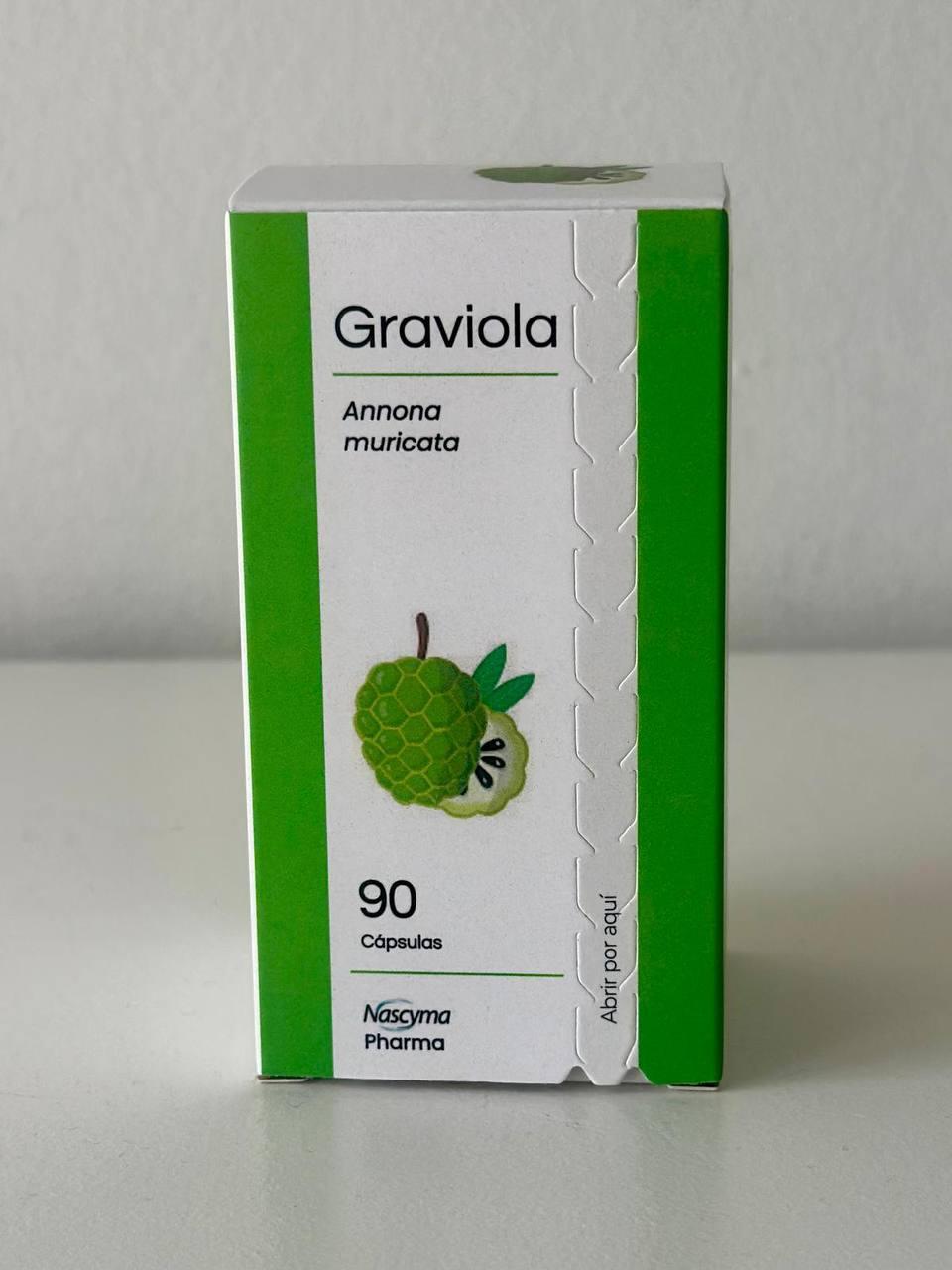
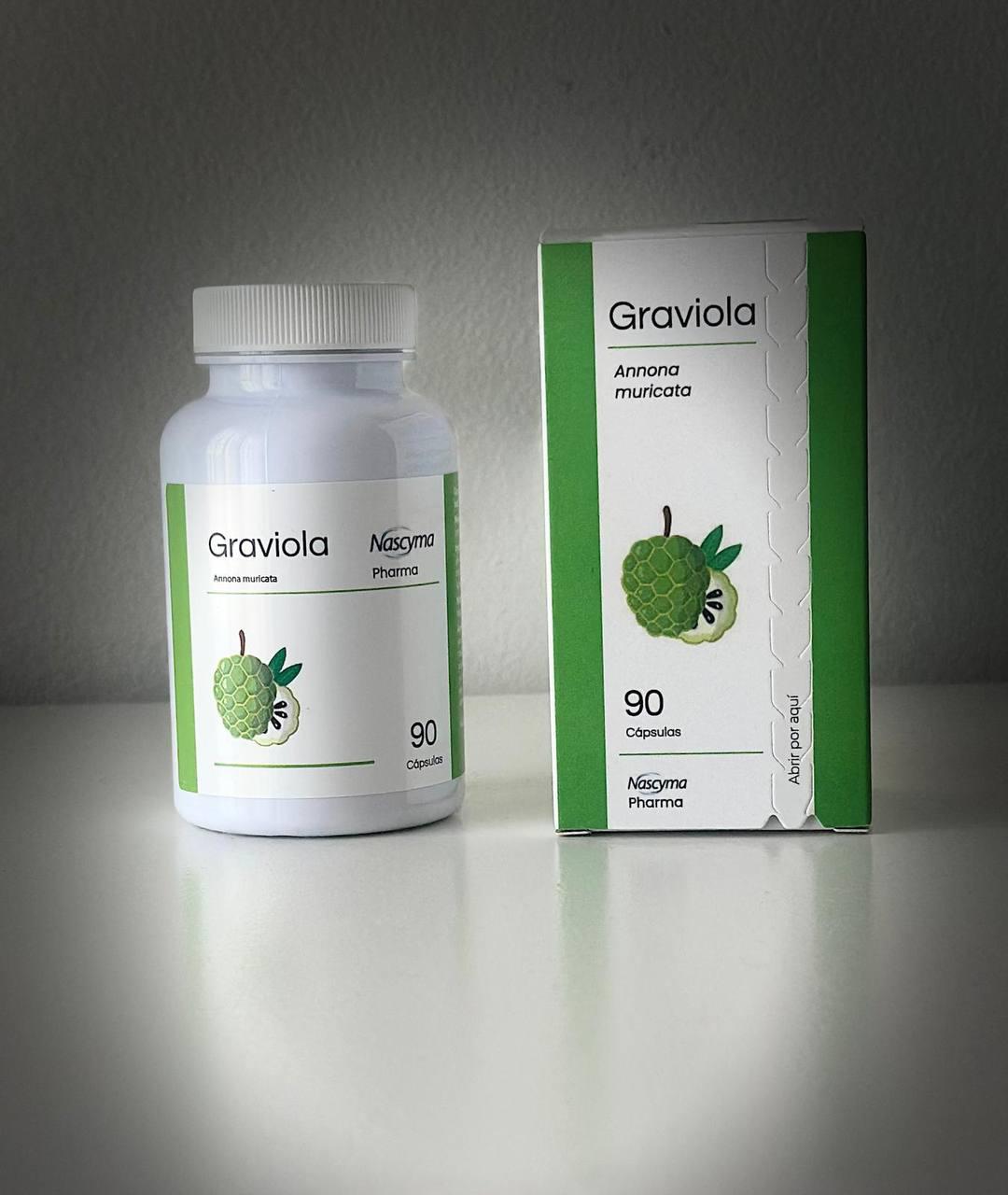
Walk through any traditional market in the tropics and you will likely encounter a spiny, heart shaped green fruit that locals call soursop, guanabana, or graviola. Scientifically known as Annona muricata, this fruit and the tree it grows on have been used in folk medicine across Central America, South America, Southeast Asia, and West Africa for centuries. In recent years, graviola has attracted serious attention from the scientific community, and for good reason: the plant contains a unique class of compounds called acetogenins that researchers believe may offer significant health benefits.
This guide covers everything you need to know about graviola, from its botanical origins and traditional uses to the modern research driving its popularity as a dietary supplement, including how it compares to the other top supplements for immune support in 2026.
What Is Graviola?
Graviola (Annona muricata) is a small evergreen tree native to the tropical regions of the Americas and the Caribbean. It typically grows to a height of 5 to 10 meters and produces large, prickly green fruit weighing up to 6 kilograms. The fruit has a creamy white pulp with a flavor often described as a combination of strawberry, pineapple, and citrus, making it popular in juices, smoothies, and desserts throughout Latin America and Southeast Asia.
But it is not just the fruit that has value. Traditional healers have long used the leaves, bark, roots, and seeds of the graviola tree for a wide range of purposes. In Brazilian folk medicine, graviola leaf tea has been consumed for generations as a general health tonic. In the Caribbean, the leaves are traditionally used to support restful sleep and ease digestive discomfort. In parts of West Africa, preparations from the bark and roots are used to support immune function.
The Science Behind Graviola: Acetogenins
What sets graviola apart from other tropical fruits is its unusually high concentration of compounds called annonaceous acetogenins. These are long chain fatty acid derivatives found almost exclusively in plants of the Annonaceae family, and graviola contains over 100 distinct acetogenins identified by researchers to date.
A landmark study published in the Journal of Natural Products first isolated these acetogenins in the 1990s, and subsequent research has been exploring their biological activity ever since. Studies conducted at Purdue University's School of Pharmacy identified several acetogenins in graviola leaves that demonstrated significant bioactivity in laboratory settings. The compounds appear to work by affecting cellular energy production pathways, specifically by inhibiting Complex I in the mitochondrial electron transport chain.
Beyond acetogenins, graviola is rich in other beneficial compounds including alkaloids, phenols, flavonoids, and essential vitamins and minerals. The leaves contain notable amounts of vitamin C, vitamin B1, vitamin B2, calcium, iron, and zinc.
Traditional Uses Across Cultures
South America
In Brazil, Peru, and Colombia, graviola leaf tea is among the most commonly consumed herbal preparations. Traditional practitioners recommend it for digestive support, relaxation, and general wellness. The fruit pulp is consumed fresh or as juice for its nutritional content and refreshing taste.
Caribbean
Throughout the Caribbean islands, graviola (known locally as soursop) leaves are brewed into a calming tea consumed before bed. The bark is also traditionally prepared as a decoction for its astringent properties.
Southeast Asia
In Malaysia, Indonesia, and the Philippines, various parts of the graviola tree are used in traditional medicine systems. The leaves are applied topically and consumed as tea, while the fruit is a staple in local cuisine and is valued for its nutritional density.
West Africa
In Nigeria and Cameroon, graviola has been integrated into traditional herbal practice, with the leaves, bark, and roots all finding applications. Research teams at several West African universities have been studying these traditional uses to understand their scientific basis.
Modern Research on Graviola Benefits
Immune System Support
Several studies have investigated graviola's effects on immune function. A 2016 study published in BMC Complementary and Alternative Medicine found that graviola leaf extract demonstrated immunomodulatory properties in laboratory models, suggesting it may help support the body's natural immune responses. The high antioxidant content of graviola, including vitamin C and various flavonoids, further contributes to immune support by helping to neutralize harmful free radicals.
Antioxidant Properties
Oxidative stress caused by an imbalance between free radicals and antioxidants in the body is associated with numerous health concerns. Graviola has been shown to possess significant antioxidant activity. A study in the Journal of Ethnopharmacology measured the radical scavenging capacity of graviola leaf extracts and found them comparable to established antioxidant reference compounds. The combination of vitamin C, flavonoids, and acetogenins appears to create a synergistic antioxidant effect.
Cellular Health
The acetogenins in graviola have been the subject of extensive laboratory research regarding their effects on cellular processes. While much of this research remains in preclinical stages, the unique mechanism of action through Complex I inhibition has generated significant interest in the research community. It is important to note that laboratory findings do not automatically translate to clinical outcomes, and more human studies are needed.
Digestive and Sleep Support
Consistent with its traditional uses, preliminary research suggests graviola may support digestive comfort and healthy sleep patterns. The alkaloids present in graviola leaves, particularly reticuline and coreximine, have been studied for their calming properties.
How to Choose a Quality Graviola Supplement
Not all graviola supplements are created equal. The concentration of active compounds varies enormously depending on the source material, extraction method, and manufacturing standards. Here are the key factors to consider:
Extract Ratio Matters
The most important specification on any graviola supplement is the extract ratio. A 4:1 extract means 4 kilograms of raw leaf material were concentrated into 1 kilogram of extract. A 10:1 ratio means 10 kilograms were concentrated into 1. Higher ratios mean more concentrated active compounds per capsule. The most potent supplements on the market use ratios of 20:1 or higher. Our 22:1 Graviola Capsules represent one of the highest concentration ratios available, with a water extract from the fruit (not the leaves), meaning each 274mg capsule contains the equivalent bioactive compounds of over 6 grams of raw graviola fruit. See our fruit vs leaf extract safety breakdown for why we chose the fruit.
Manufacturing Standards
Where and how a supplement is manufactured matters enormously. Look for products made in facilities that follow Good Manufacturing Practice (GMP) standards, ideally in regions with strict pharmaceutical regulations. For a deeper look at European pharmaceutical standards for supplement quality, including how Austrian and German manufacturing compare to US rules, see our full breakdown.
Capsule Quality
Vegan capsules made from plant cellulose (HPMC) are preferable to gelatin capsules for both ethical and practical reasons. They are more stable across temperature and humidity ranges, making them suitable for storage without refrigeration.
Third Party Testing
Reputable supplement manufacturers test their products through independent laboratories to verify potency, purity, and the absence of contaminants such as heavy metals, pesticides, and microbial impurities. Always look for supplements that can provide certificates of analysis.
Dosage and Safety Considerations
Graviola supplements are generally well tolerated when taken as directed. Most clinical guidance suggests a daily intake of 500mg to 1,500mg of graviola extract, depending on the concentration ratio. With a high potency 22:1 extract, lower absolute doses deliver equivalent bioactive compounds compared to weaker extracts.
As with any supplement, it is advisable to consult with a healthcare provider before beginning use, particularly if you are pregnant, nursing, taking prescription medications, or managing a chronic health condition. Graviola may interact with certain blood pressure medications and should be discussed with your doctor if you are on antihypertensive therapy.
The Bottom Line
Graviola is a fascinating tropical plant with a rich history of traditional use and a growing body of modern scientific research. Its unique acetogenin content, combined with strong antioxidant and immune supporting properties, makes it a compelling addition to a wellness focused supplement regimen. The key is choosing a high quality product with a meaningful extract concentration, manufactured under strict pharmaceutical standards, so that you are actually getting the bioactive compounds that make graviola valuable in the first place. Labisan's pharmaceutical-grade 22:1 extract is manufactured in Austria to the highest European standards. To understand why 22:1 extract concentration matters, see our detailed breakdown.
Ready to Support Your Wellness?
Graviola Capsules — 22:1 Extract
1 Bottle: $44.99 | 3 Month Supply (3x): $119.97 (save 11%) | 5 Month Supply (5x): $179.95 (save 20%)
Free EU shipping over $49, $19.99 worldwide. 30 day money back guarantee.
Shop Labisan Graviola CapsulesFrequently Asked Questions
What is graviola and where does it grow?
Graviola (Annona muricata), also known as soursop, is a small evergreen tree native to the Caribbean, Central America, and the Amazon basin. The fruit is eaten fresh in tropical regions and is the source of the water extract used in Labisan Graviola Capsules, which carries the documented antioxidant and polyphenol profile without the higher-risk acetogenin density found in leaf extracts.
What are the main active compounds in graviola?
Graviola contains over 200 identified phytochemicals, but three classes carry the published activity: annonaceous acetogenins (the signature compounds, found almost nowhere else in nature), alkaloids including reticuline and coreximine, and flavonoids led by quercetin and kaempferol. The acetogenin mechanism is covered in depth in our research breakdown.
What does the published research actually support?
Peer reviewed studies have documented antioxidant capacity, anti inflammatory activity in cell and animal models, antimicrobial action against several common pathogens, and modulation of innate immune cell signalling. Human clinical trial data is still limited, which is why we describe graviola as a wellness supplement rather than a medical treatment.
Is graviola safe to take daily?
At standardized extract doses of 500 mg per day from a quality controlled European source, daily use is consistent with the toxicology data published to date. Pregnant or breastfeeding women, anyone with Parkinson's disease, and people on prescription medications affecting blood pressure should consult a clinician before starting, because the alkaloid profile can interact with dopaminergic and antihypertensive drugs.