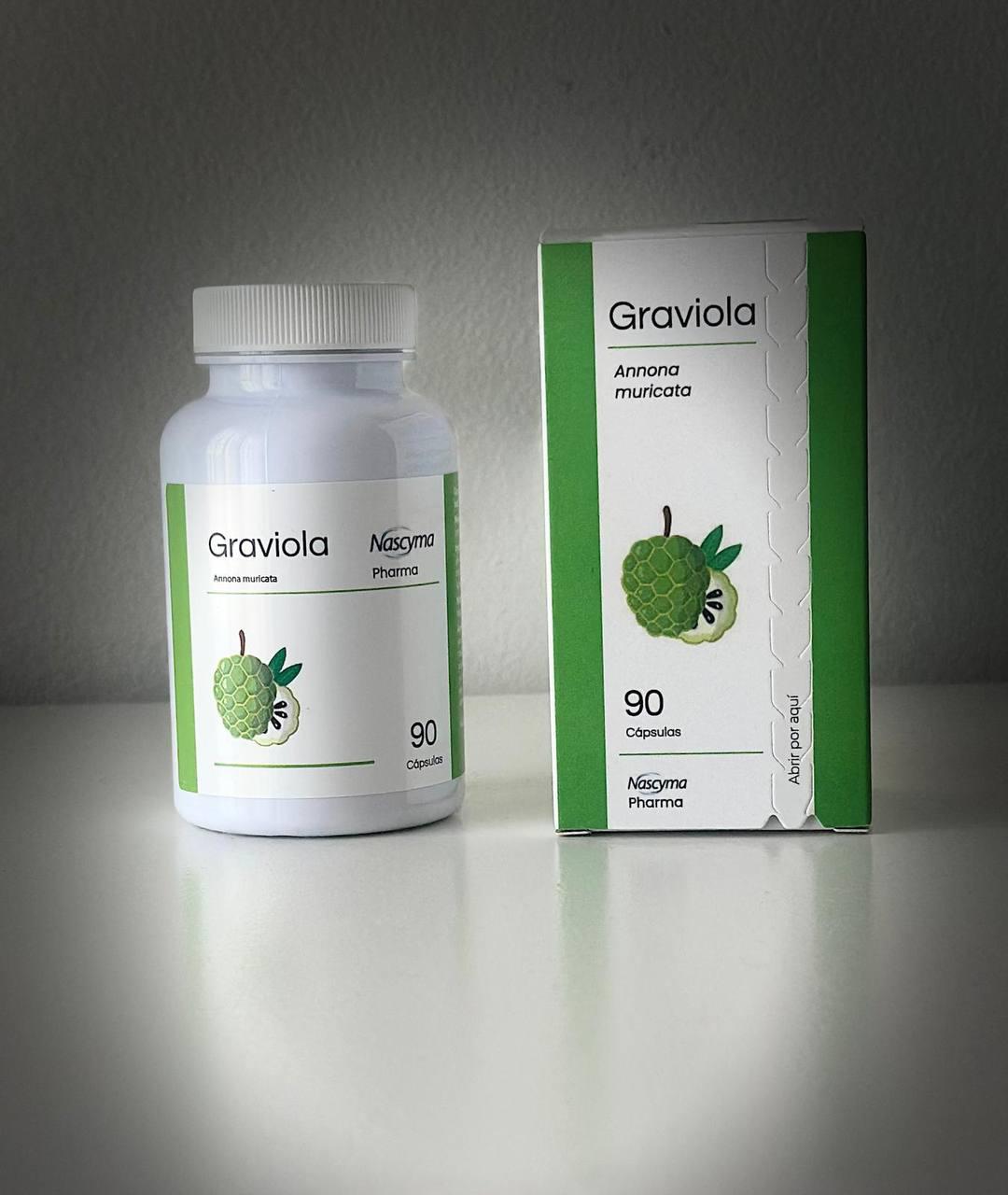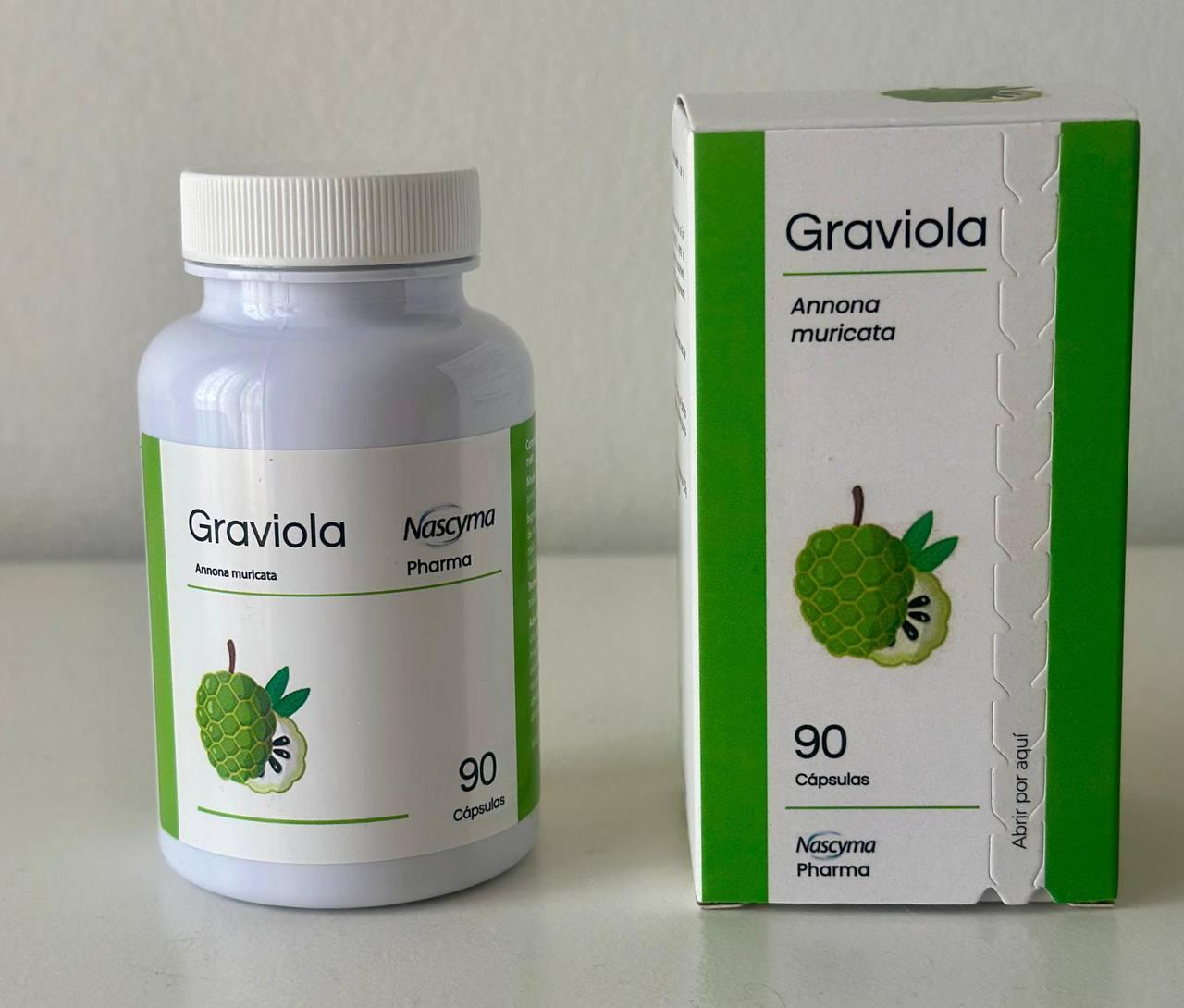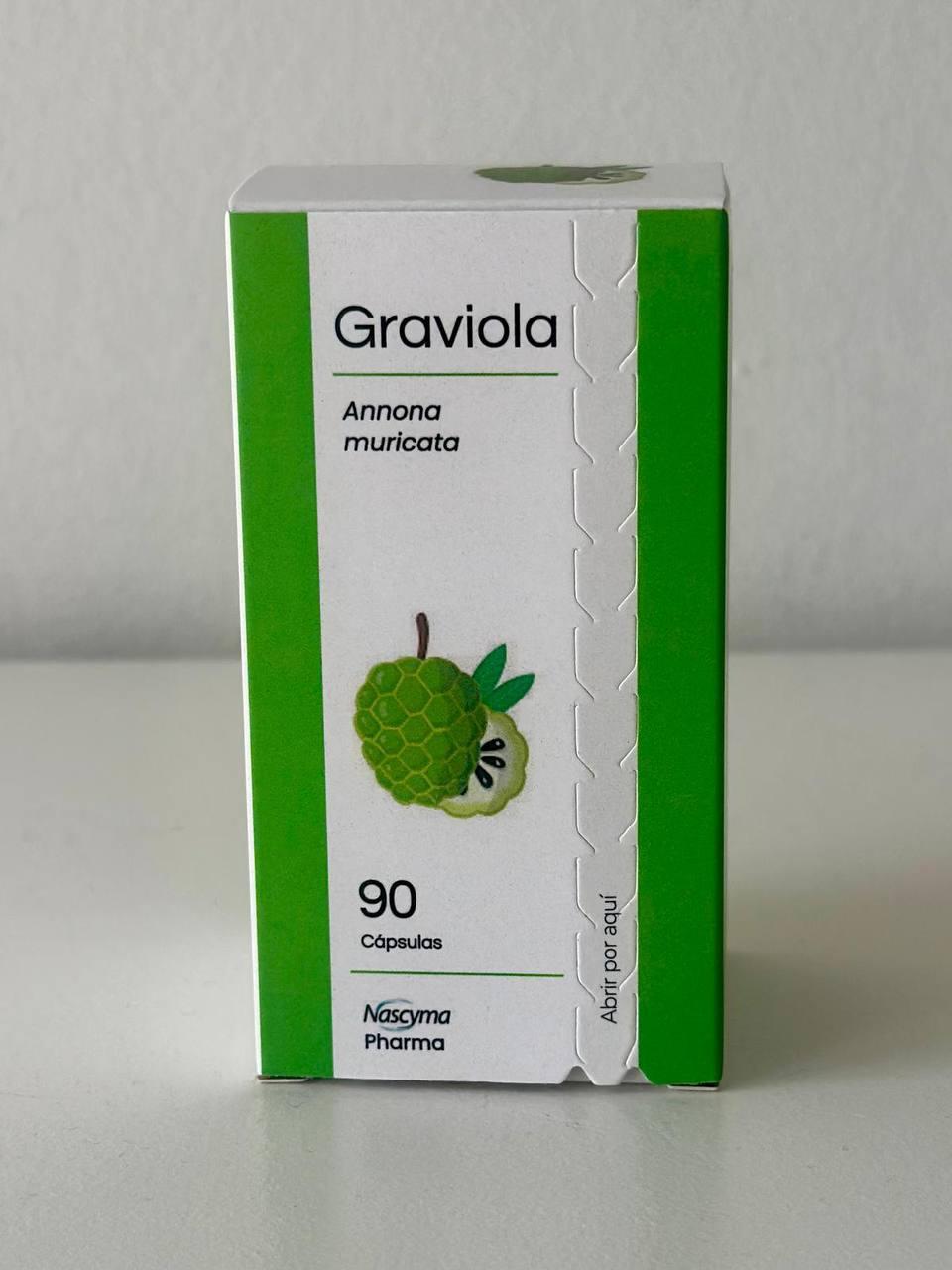
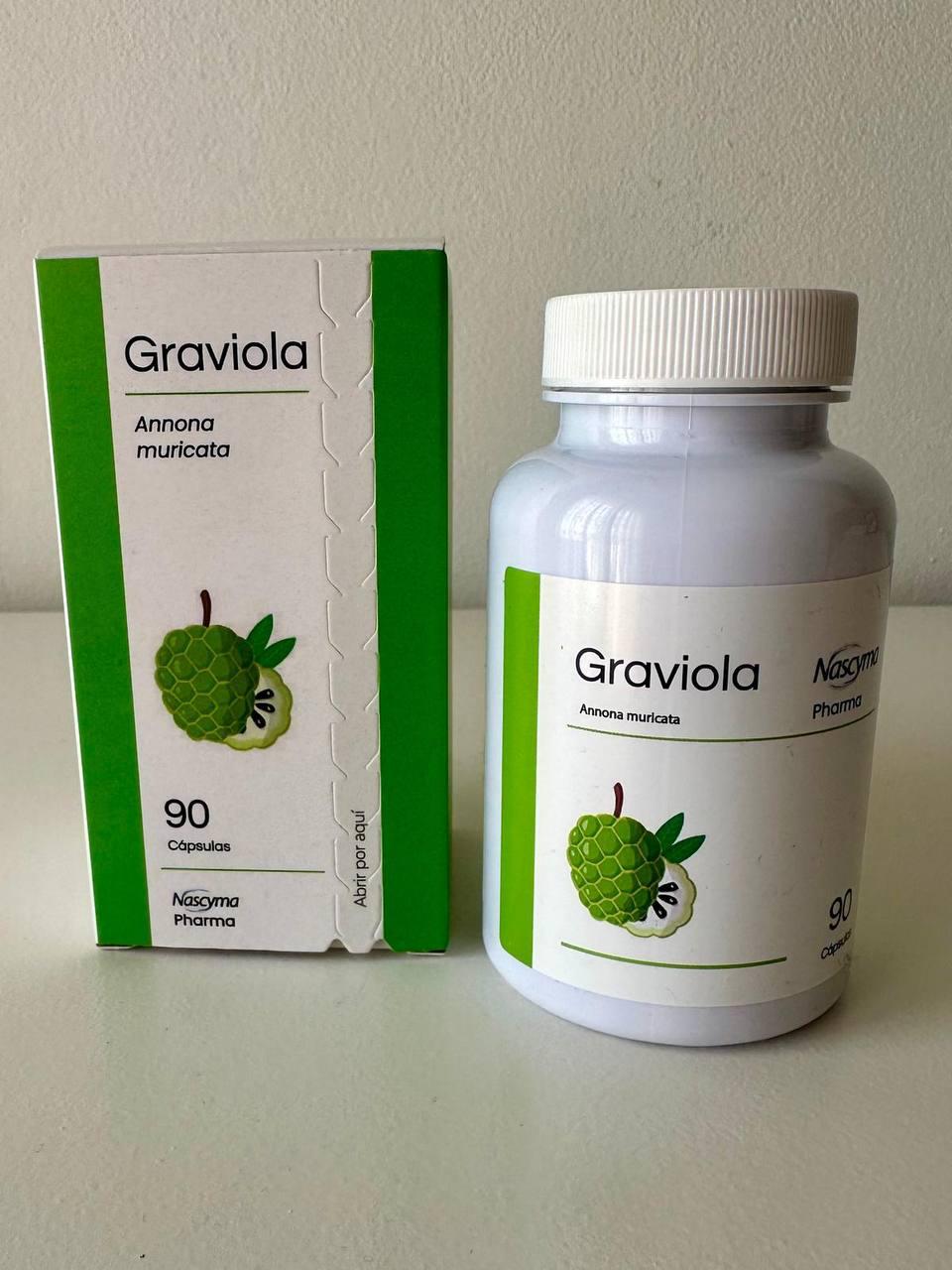
If you have ever compared graviola supplements side by side, you have probably noticed a number on the label that most shoppers overlook: the extract ratio. You might see "4:1 extract," "10:1 extract," or in rarer cases, "22:1 extract." This single specification tells you more about the actual potency and value of a graviola supplement than almost any other detail on the packaging, yet most consumers have no idea what it means. It matters even more when viewed alongside European pharmaceutical manufacturing standards, which determine whether the ratio on the label matches what is actually in the capsule.
This article breaks down exactly what extract ratios are, why they matter, how different concentration levels compare, and what to look for when choosing a graviola supplement that delivers real bioactive compounds rather than expensive filler.
What Does an Extract Ratio Actually Mean?
An extract ratio describes the relationship between the weight of raw plant material used and the weight of the final concentrated extract produced. It is expressed as two numbers separated by a colon.
A 4:1 extract means that 4 kilograms of raw graviola leaf were processed to produce 1 kilogram of extract. The water, cellulose, and inactive plant matter have been removed, leaving behind a more concentrated form of the active compounds.
A 10:1 extract means 10 kilograms of raw material yielded 1 kilogram of extract. More raw material, more concentration, more active compounds per gram.
A 22:1 extract takes this significantly further: 22 kilograms of carefully sourced graviola leaf are processed down to just 1 kilogram of highly concentrated extract. This means each gram of the final product contains the bioactive compounds originally present in 22 grams of raw leaf material.
Why the Ratio Matters for Graviola Specifically
Graviola's primary bioactive compounds, the annonaceous acetogenins, exist in relatively small concentrations in the raw leaf. While the fresh leaves contain meaningful levels of these compounds, you would need to consume large quantities of raw leaf material (or drink many cups of graviola tea) to achieve the acetogenin intake that research studies have associated with biological activity. This is one reason graviola appears in our roundup of the best supplements for immune support in 2026 specifically in its concentrated extract form.
This is where extraction and concentration become critical. The extraction process uses carefully controlled solvents (typically ethanol and water) and precise temperature and pressure conditions to pull the acetogenins, flavonoids, alkaloids, and other active compounds out of the plant matrix. The resulting extract is then concentrated by removing the solvent, leaving behind a powder that is dramatically richer in active compounds than the original plant material.
Putting the Numbers in Perspective
Consider a standard 500mg graviola capsule at different extract ratios:
- Raw powder (1:1): You get 500mg worth of whole leaf, including all the cellulose, water content, and inactive matter. Active compound content is low.
- 4:1 extract: Your 500mg capsule contains the concentrated actives from 2,000mg (2g) of raw leaf. A meaningful step up, but still moderate potency.
- 10:1 extract: Your 500mg capsule concentrates 5,000mg (5g) of raw leaf worth of active compounds. This is where many "premium" supplements sit.
- 22:1 extract: A 274mg capsule delivers the bioactive equivalent of over 6,000mg (6g) of raw graviola leaf. This is pharmaceutical grade concentration.
The difference is not incremental. A 22:1 extract delivers roughly 5.5 times the active compound density of a 4:1 extract and more than double that of a 10:1 extract, capsule for capsule.
Why Higher Is Not Always Better (Quality Source Matters)
It would be tempting to conclude that the highest possible ratio is always the best choice, but the reality is more nuanced. The quality of a high ratio extract depends entirely on three factors: the starting material, the extraction process, and the manufacturing standards.
Starting Material Quality
Graviola leaves harvested at the right maturity, from healthy trees grown in optimal conditions, contain higher baseline levels of acetogenins. A 22:1 extract from premium source material will be dramatically more potent than a 22:1 extract from low quality leaves that had fewer active compounds to begin with. The best manufacturers establish direct relationships with growers and test incoming raw materials before extraction begins.
Extraction Method
Not all extraction processes preserve the full spectrum of bioactive compounds equally. Harsh extraction conditions (excessive heat, aggressive solvents) can degrade sensitive acetogenins and destroy delicate flavonoid structures. The most advanced extraction facilities use controlled temperature ethanol/water extraction followed by gentle vacuum concentration to preserve the complete phytochemical profile.
Manufacturing Environment
This is where geography becomes a genuine quality differentiator. Austrian pharmaceutical grade manufacturing, for example, operates under European Medicines Agency (EMA) oversight, which imposes stricter standards than many other regulatory environments. Every batch must be tested for identity, potency, heavy metals, pesticide residues, microbial contamination, and dissolution characteristics. The extract ratio on the label is verified through standardized analytical methods, not estimated.
Bioavailability: Getting the Compounds Where They Need to Go
Concentration is only half the equation. The other half is bioavailability, meaning how effectively your body can absorb and utilize the active compounds after you swallow the capsule.
Several factors influence graviola extract bioavailability:
Particle Size
Finely milled extract powders have greater surface area, which improves dissolution in the digestive tract. Pharmaceutical grade manufacturing typically achieves more uniform and finer particle sizes than basic supplement facilities.
Capsule Dissolution
The capsule shell itself must dissolve predictably in stomach acid to release its contents. HPMC (hydroxypropyl methylcellulose) vegan capsules are tested to dissolve within specific timeframes under controlled pH conditions. Cheaper gelatin capsules can vary in dissolution time depending on storage conditions and age.
Full Spectrum vs. Isolated Compounds
Research suggests that the full spectrum of graviola compounds, including acetogenins, flavonoids, alkaloids, and phenolic acids, may work synergistically. A well made extract preserves this full spectrum rather than isolating individual compounds. This is why the extraction method matters: aggressive processing can strip away supporting compounds that enhance the absorption and activity of the primary acetogenins.
How Austrian Pharmaceutical Manufacturing Ensures Potency
Austria has one of the longest and most rigorous pharmaceutical manufacturing traditions in Europe. The country's supplement manufacturing facilities operate under the same GMP (Good Manufacturing Practice) standards required for pharmaceutical drug production, a level of oversight that exceeds what is required in many other markets.
For a graviola supplement manufactured in Austria, this means:
- Raw material verification: Every batch of incoming graviola leaf extract is tested against reference standards to confirm identity and potency before it enters the production line.
- Standardized extraction: The 22:1 concentration ratio is achieved through validated, reproducible processes that deliver consistent acetogenin levels batch to batch.
- Heavy metal screening: Each production lot is tested for lead, mercury, cadmium, and arsenic to ensure levels are well below European safety limits.
- Microbial testing: Finished products are screened for bacterial and fungal contamination.
- Stability testing: Products undergo accelerated aging studies to verify that the claimed potency is maintained throughout the labeled shelf life.
This level of quality control is not optional or marketing driven in Austria. It is legally mandated and regularly audited by regulatory authorities.
What to Look for When Buying Graviola Supplements
Armed with this knowledge, here is a practical checklist for evaluating any graviola supplement:
- Extract ratio clearly stated: If the label just says "graviola leaf" without specifying an extract ratio, it is almost certainly raw powder (1:1), the least potent form.
- Ratio of 10:1 or higher: Below 10:1, you are getting a relatively dilute extract. For meaningful acetogenin intake, 10:1 is the minimum worth considering, and 20:1 or above is ideal.
- Manufacturing origin disclosed: Look for products that state where they are manufactured, not just where the company is headquartered. European (especially Austrian or German) manufactured supplements carry the highest quality assurance.
- Third party testing: Certificates of analysis from independent laboratories provide verification that the label claims are accurate.
- Vegan capsules: HPMC capsules are more stable and predictable than gelatin alternatives.
- No unnecessary fillers: Some manufacturers bulk up capsules with rice flour, magnesium stearate, or silicon dioxide. A high quality extract should need minimal excipients.
The Bottom Line on Extract Ratios
The extract ratio is the single most important number on a graviola supplement label. It determines how much bioactive compound you are actually getting per capsule, and the difference between a 4:1 and a 22:1 extract is not marginal. It is the difference between a basic herbal supplement and a pharmaceutical grade concentration of one of nature's most researched tropical botanicals.
When combined with rigorous manufacturing standards, verified sourcing, and proper capsule technology, a high ratio graviola extract delivers meaningful levels of acetogenins, flavonoids, and supporting compounds in a convenient daily dose. Labisan's pharmaceutical-grade 22:1 extract is manufactured in Austria to the highest European standards. For a broader overview of this remarkable plant, read our guide on what graviola is and its key benefits.
Ready to Support Your Wellness?
Graviola Capsules — 22:1 Extract
1 Bottle: $44.99 | 3 Month Supply (3x): $119.97 (save 11%) | 5 Month Supply (5x): $179.95 (save 20%)
Free EU shipping over $49, $19.99 worldwide. 30 day money back guarantee.
Shop Labisan Graviola CapsulesFrequently Asked Questions
What does a 22:1 extract ratio actually mean?
It means 22 kilograms of dried graviola leaf are processed to yield 1 kilogram of finished extract. Every 500 mg capsule of 22:1 extract is therefore equivalent to roughly 11 grams of raw leaf. The ratio is a measurement of concentration, not potency, and it only carries weight when paired with standardization of the actual active compound.
Why is 22:1 specifically the right concentration for graviola?
Below roughly 18:1, acetogenin levels are too dilute to reach the published research dose without taking 6 or more capsules per day. Above 30:1, ethanol residue and flavonoid degradation become harder to control. The 22:1 window hits the lab tested sweet spot where acetogenin yield is high and solvent residue stays well below European limits.
Does a higher ratio always mean a better supplement?
No. A 50:1 extract that is not standardized to acetogenin content can contain less active compound than a properly standardized 22:1 extract. The concentration math matters more than the headline ratio. Always check whether the label reports a specific milligram figure for the marker compound, not just the extract ratio.
How can I verify the extract ratio on a label is accurate?
Request the Certificate of Analysis for the specific batch printed on the carton. A legitimate COA will list raw plant input weight, finished extract output weight, marker compound concentration measured by HPLC, and the testing laboratory's accreditation number. Anything less is a marketing claim rather than a verified specification.