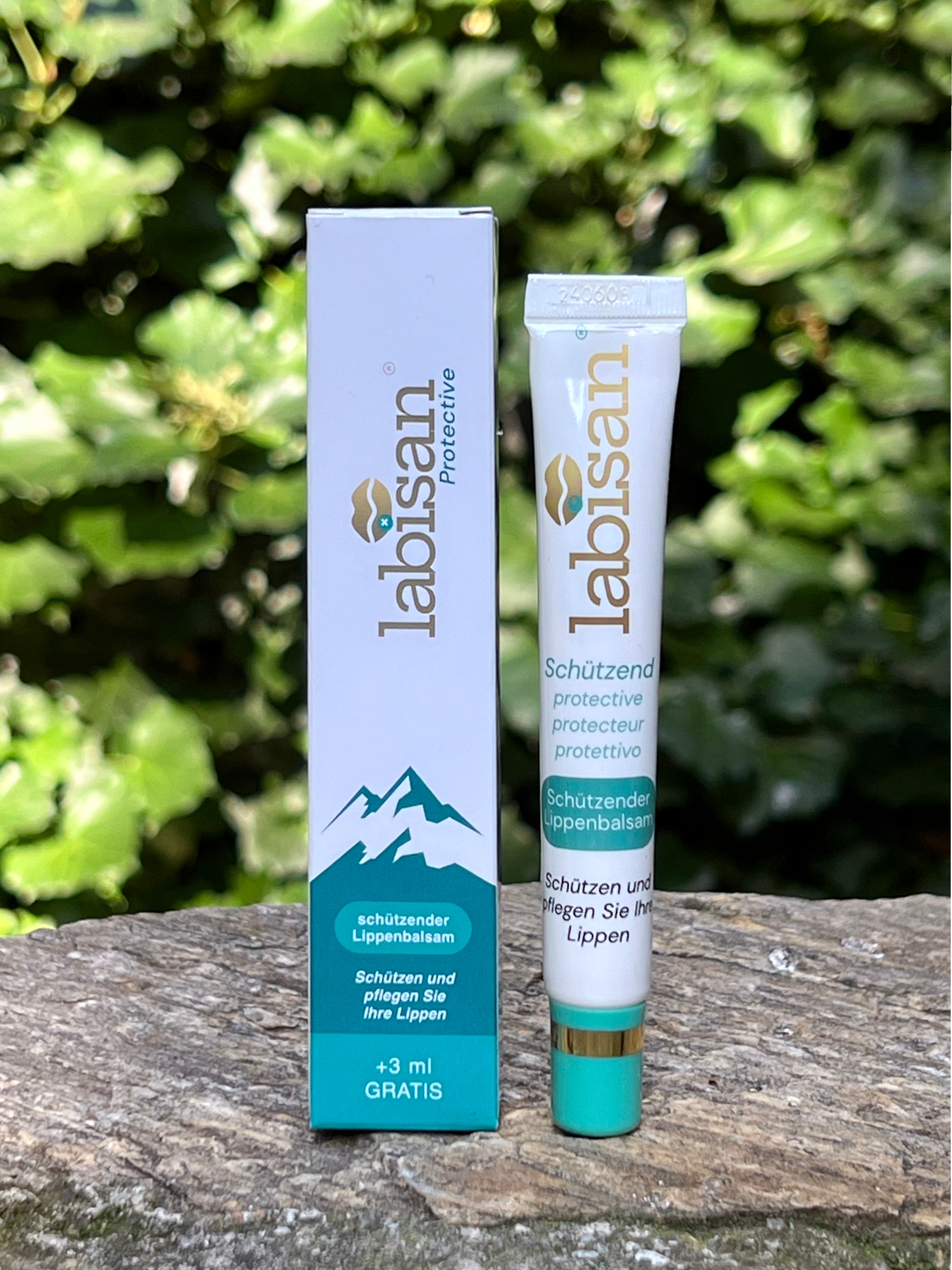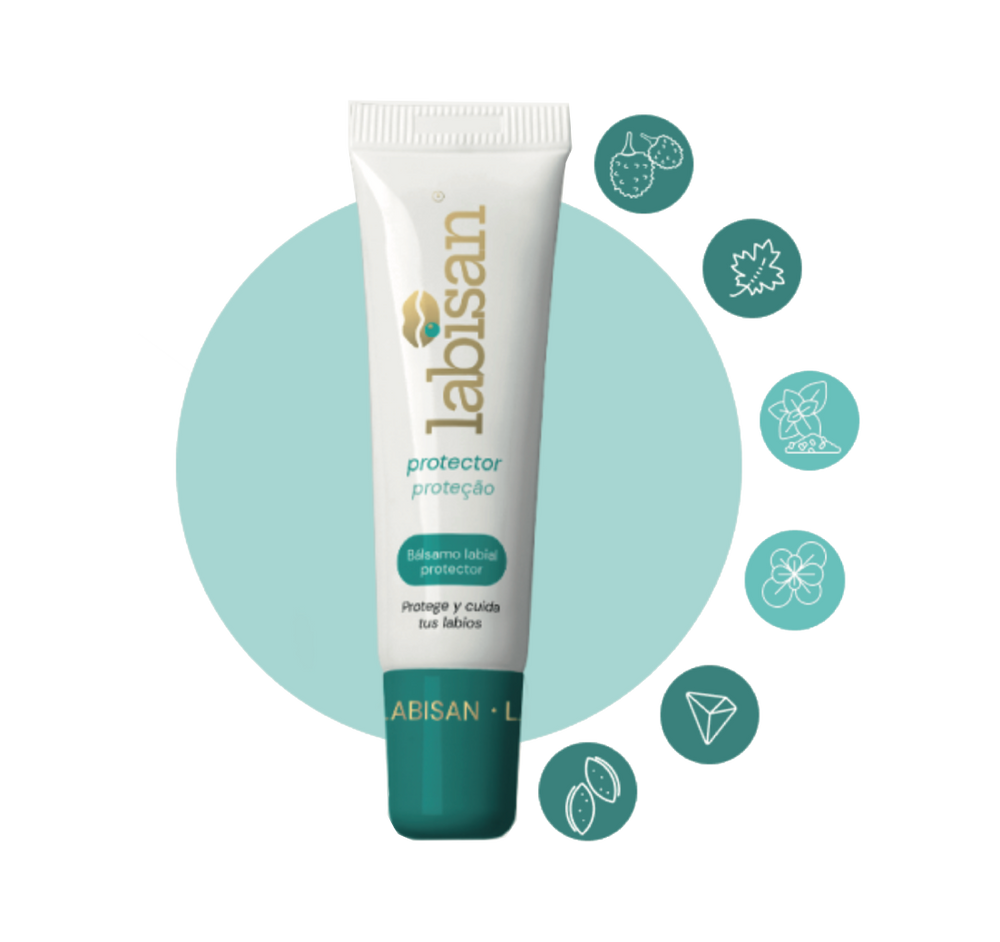
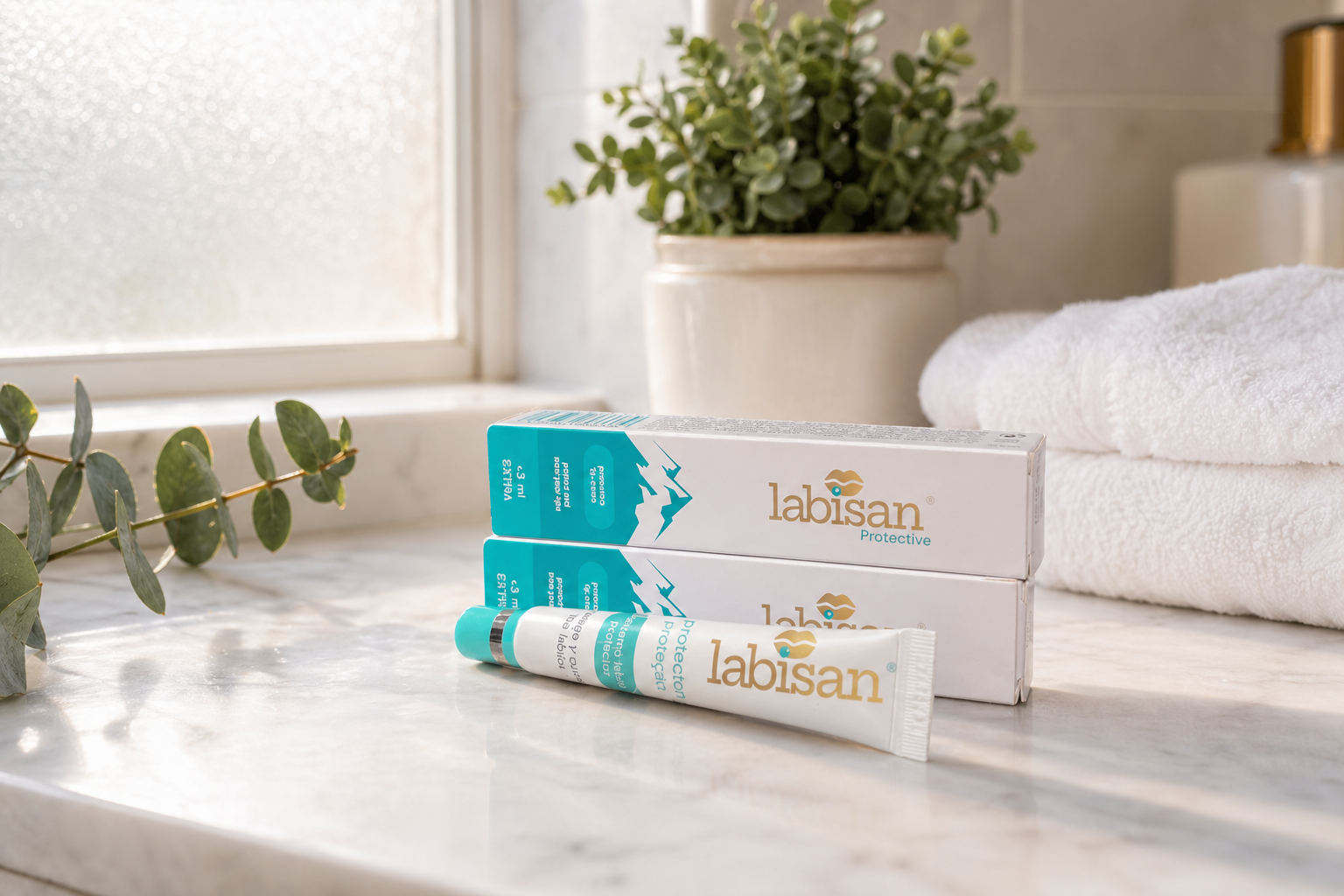
Most lip balm formulations are a single-purpose product. Either a moisturising base built around beeswax and shea, or a sunscreen built around a chemical UV filter like avobenzone or octinoxate, or an occasional antiviral cream targeting cold sores with a single active. The Labisan Protective Lip Balm was designed differently because the user it was built for, the alpine outdoor enthusiast in 1931 and now, faces UV, cold, wind, and viral triggers at the same time on the same lip surface. Solving any one of those without the others fails the user. This article is the per-ingredient breakdown of the Labisan formula, with concentrations and rationale, and the comparison to typical chemical-SPF lip balms.
The active layer at a glance: 22 percent non-nano zinc oxide as the physical UV blocker and post-outbreak drying agent, 5 percent graviola fruit extract for topical antiviral action through the milder acetogenin fraction (active against both HSV-1 oral cold sores and HSV-2 genital herpes), manuka oil at therapeutic concentration for beta-triketone antiviral activity plus vitamin E and collagen/elastin support, oregano oil at therapeutic concentration delivering both carvacrol and thymol for antiviral, antibacterial, and antifungal activity, and menthol for its anti-inflammatory, antiseptic, and pain-relieving effect during an active outbreak. The carrier base is built around shea butter for the soothing and moisturising layer, with structural waxes that hold the active layer in contact with the lip surface for hours rather than minutes.
22 Percent Non-Nano Zinc Oxide: The Physical UV Blocker
Twenty-two percent is a high concentration for a lip balm. Most mineral SPF lip balms run between 8 and 15 percent zinc oxide. The Labisan choice of 22 percent reflects two things: the goal of broad-spectrum UV protection that holds up at altitude (where UV intensity rises by 10 to 12 percent per 1,000 metres of elevation) and the secondary use case of post-outbreak healing, where zinc oxide acts as a drying agent that accelerates lesion resolution.
The non-nano specification matters. Nano-particle zinc oxide (typically below 100 nanometres) is preferred by cosmetic chemists for clear application because it scatters less visible light, but the safety profile of nano-zinc on broken skin and mucosal tissue is less established than the non-nano form. Lips are mucosal surface, lip balm is applied to lips that may be cracked or actively healing, and the conservative choice for that surface is non-nano. The trade is a slightly more visible white cast on application; the gain is the cleaner safety profile on damaged tissue.
Mechanism. Zinc oxide is a physical UV filter. The mineral particles form a thin reflective and scattering film on the lip surface that reflects and disperses incoming UVA and UVB radiation before it reaches the underlying skin and mucosal cells. This is fundamentally different from the chemical UV filters covered below: zinc oxide does not absorb UV radiation and convert it to heat in the dermis the way avobenzone does, and zinc oxide does not degrade under UV exposure the way avobenzone does. The film is stable as long as it remains intact on the lip surface.
The internal lip-application study referenced by the Labisan formulation team measured the actual UV transmission through a 22 percent zinc oxide film on the lip and found roughly 80 percent UV blocking, which is meaningfully higher than the SPF rating system would suggest. The SPF lip protection post covers why the rated SPF number on the label and the actual lip-surface UV transmission are different metrics.
The secondary role on a healing lesion is well documented. Zinc has a drying effect on weeping vesicles and contributes to wound healing on cold sores caused by HSV-1 and HSV-2. The disinfecting action on cutaneous lesions has been described in the dermatology literature, including work published in the Journal of Clinical Microbiology by Arens and Travis. This is why the same percentage that delivers the daytime UV film also accelerates the resolution side of the 48 hour protocol when paired with frequent reapplication.
5 Percent Graviola Fruit Extract: Topical Antiviral Action
The same 22:1 graviola fruit water-extract that goes into the Graviola Capsules is built into the lip balm at 5 percent of the finished product weight. The mechanism on the lip surface differs from the capsule mechanism. The systemic capsule delivers the polyphenol and acetogenin layer through digestion to circulating immune tissue. The topical lip balm delivers the same compound layer directly to the mucosal surface where the herpes simplex virus reactivates and replicates during a cold sore outbreak.
The mechanism that matters topically is the milder acetogenin fraction's interference with viral replication on the surface, combined with the polyphenol layer's antioxidant and anti-inflammatory effect on the tissue surrounding an active lesion. Graviola has documented activity against both HSV-1 (the oral cold-sore strain) and HSV-2 (genital herpes), which is why the topical extract has a place in lip-applied formulation specifically. Five percent is a therapeutic concentration in topical formulation language, which means the active is present at a level that has measurable biological effect rather than being a trace ingredient added for label appeal. The fruit vs leaf extract safety post covers why fruit extract is the right source tissue for topical use as well as for capsule use.
Manuka Oil: Beta-Triketones
Manuka oil is the steam-distilled essential oil from Leptospermum scoparium, the New Zealand manuka tree. The active compound class is the beta-triketones, particularly leptospermone, isoleptospermone, and flavesone, which are present in concentrations of 20 to 35 percent of the oil depending on the chemotype and growing region. Manuka oil chemotypes vary considerably: the East Cape chemotype carries the highest beta-triketone fraction and is the active-grade material used in therapeutic formulation.
The mechanism is direct antiviral and antibacterial action through beta-triketone disruption of microbial cell membranes. Published in vitro studies show measurable activity against herpes simplex virus, Staphylococcus aureus, and Candida albicans at concentrations achievable in topical formulation. The manuka oil antiviral post covers the published research in detail.
Manuka oil's role in the Labisan formula is complementary to the graviola fruit extract: graviola interferes with replication, manuka oil disrupts virion membrane integrity directly. Two different attack vectors on the same viral target produce a more robust antiviral effect than either compound alone.
Beyond the antiviral mechanism, manuka oil contributes to the cosmetic and reparative side of the formula. It is a natural moisturiser, supplies vitamin E to the lip surface, and has a documented positive influence on collagen and elastin production in the underlying tissue, which is the long-term reason for selecting it over a generic essential oil with similar antimicrobial activity but no skin-repair contribution.
Oregano Oil: Carvacrol and Thymol
Oregano oil from Origanum vulgare carries two principal actives: carvacrol at typically 60 to 80 percent of the oil weight in high-grade therapeutic chemotypes, and thymol as the second monoterpenoid phenol. Together, carvacrol and thymol cover one of the broadest natural antimicrobial profiles documented, with published activity against a wide range of bacteria (including Helicobacter pylori), viruses (including herpes simplex), and fungi at low concentrations. The internal Labisan view is that oregano oil is the most aggressive of the actives in the formula against herpes simplex virus on the lip surface, and the carvacrol-thymol pair is the reason.
The mechanism is membrane disruption through hydrophobic interaction with phospholipid bilayers. Carvacrol and thymol partition into microbial cell membranes and viral envelopes and cause leakage of intracellular contents. Oregano oil also carries documented anti-inflammatory and antifungal activity in the same concentration range, which broadens what the lip-applied dose actually does on a stressed mucosal surface. Concentration matters: the formulation balance has to deliver enough carvacrol and thymol for therapeutic antiviral effect without producing the burning sensation that high-concentration oregano oil can cause on mucosal tissue. The Labisan concentration is calibrated against this trade.
Oregano oil and manuka oil work in parallel as direct-action antimicrobials, graviola fruit extract works on the replication interference layer, and menthol contributes the cooling, antiseptic, pain-relieving fourth vector covered below. The combination produces the multi-mechanism antiviral effect that a single-active formula cannot match.
Menthol: Cooling, Antiseptic, Pain-Relieving
Menthol is the fifth active in the Labisan formula and the one that most users feel within seconds of application. The cooling sensation is a TRPM8-receptor effect, not a true thermal change, and it is the perceptual cue that the active layer has reached the lip surface. Beyond the sensory side, menthol carries documented anti-inflammatory, antiseptic, and analgesic properties at the concentrations used in topical formulation.
The role on an active cold sore lesion is two-fold. The antiseptic effect contributes to the disinfecting layer alongside zinc oxide and oregano oil, with each of the three working through a different mechanism. The mild local analgesic effect addresses the discomfort that comes with the prodrome and active vesicle stages, which is the period when users most want immediate symptomatic relief alongside the antiviral work happening underneath. The cooling sensation also tends to encourage compliance with the four-applications-daily protocol because users feel the product working on first contact.
Menthol concentration in the Labisan formula is calibrated to deliver the cooling and analgesic signal without producing the irritation that high-concentration menthol can cause on broken skin. People with known menthol sensitivity should patch test before extended use.
The Carrier Base: Shea Butter, Cocoa Butter, Almond Oil
The active layer matters only if it stays in contact with the lip surface. The carrier base of the Labisan formula is built around three complementary lipids, each with a specific role.
Shea butter is the soothing and moisturising core. The high oleic acid and stearic acid content forms an occlusive film that reduces transepidermal water loss from the lip mucosa, which is the underlying mechanism of dryness and chapping, and shea butter carries its own gentle anti-inflammatory profile that complements the zinc oxide and menthol layers on a stressed lip. The cold weather barrier failure post covers the underlying biology of how lip dryness develops in cold and wind exposure.
Cocoa butter contributes the emollient layer and the application feel. The triglyceride profile of cocoa butter solidifies at room temperature and softens at skin temperature, which gives the balm its smoothness on first contact and extends the residence time of the active ingredients on the lip surface. Together with shea butter it forms the lasting barrier against wind, cold, sun, and dry air.
Almond oil rounds out the lipid base with a lighter, faster-absorbing oil rich in vitamin E and unsaturated fatty acids. It softens the application feel of the heavier butters and improves the penetration of the lipophilic actives (manuka oil, oregano oil, menthol) through the upper lip layer.
The Supporting Layer: Astaxanthin, Vitamin E, Allantoin
Three additional compounds round out the formula and address aspects of lip care that the primary active layer does not directly cover.
Astaxanthin is a marine-derived carotenoid, one of the most potent natural antioxidants in topical use. The orange-red pigment quenches singlet oxygen and free radicals at higher rates than vitamin C or beta-carotene, and on UV-exposed lip surface it adds an antioxidant layer that complements the zinc oxide UV-blocking film. Astaxanthin also has a documented mild photoprotective effect of its own.
Vitamin E (tocopherol) is supplied as a discrete ingredient in addition to the vitamin E content already present in manuka oil and almond oil. The tocopherol layer extends the antioxidant capacity of the formula and supports the lipid stability of the balm itself, slowing oxidation of the unsaturated oils so the product retains its activity through its shelf life.
Allantoin is the keratolytic and wound-healing component. It encourages the shedding of damaged surface cells and supports the regeneration of healthy lip tissue, which matters specifically on the resolution side of a cold sore lesion where dead vesicle and crust material has to clear before the underlying skin can fully heal. Allantoin is the ingredient that handles the late stage of the 48 hour protocol while the antiviral layer handles the early stages.
Beyond the Lip Surface: Off-Label Use on Skin Lesions
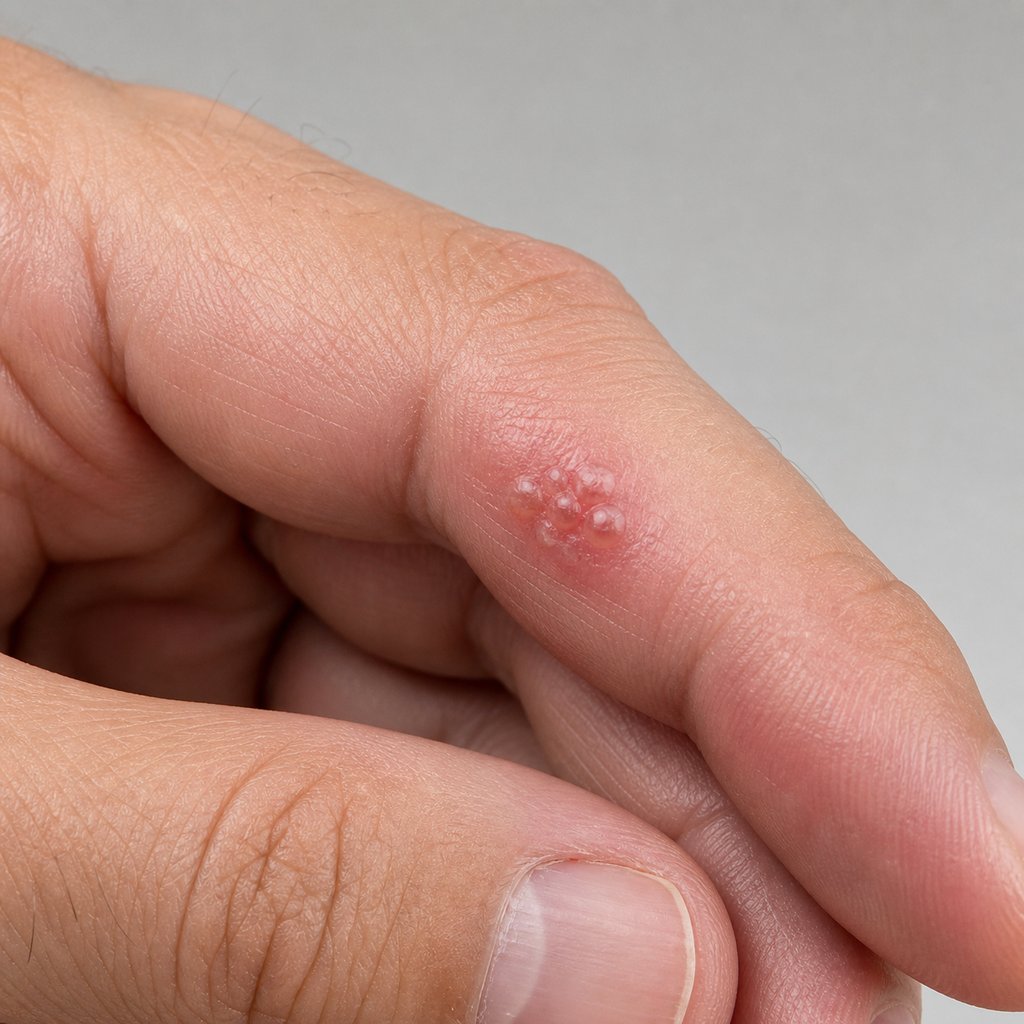
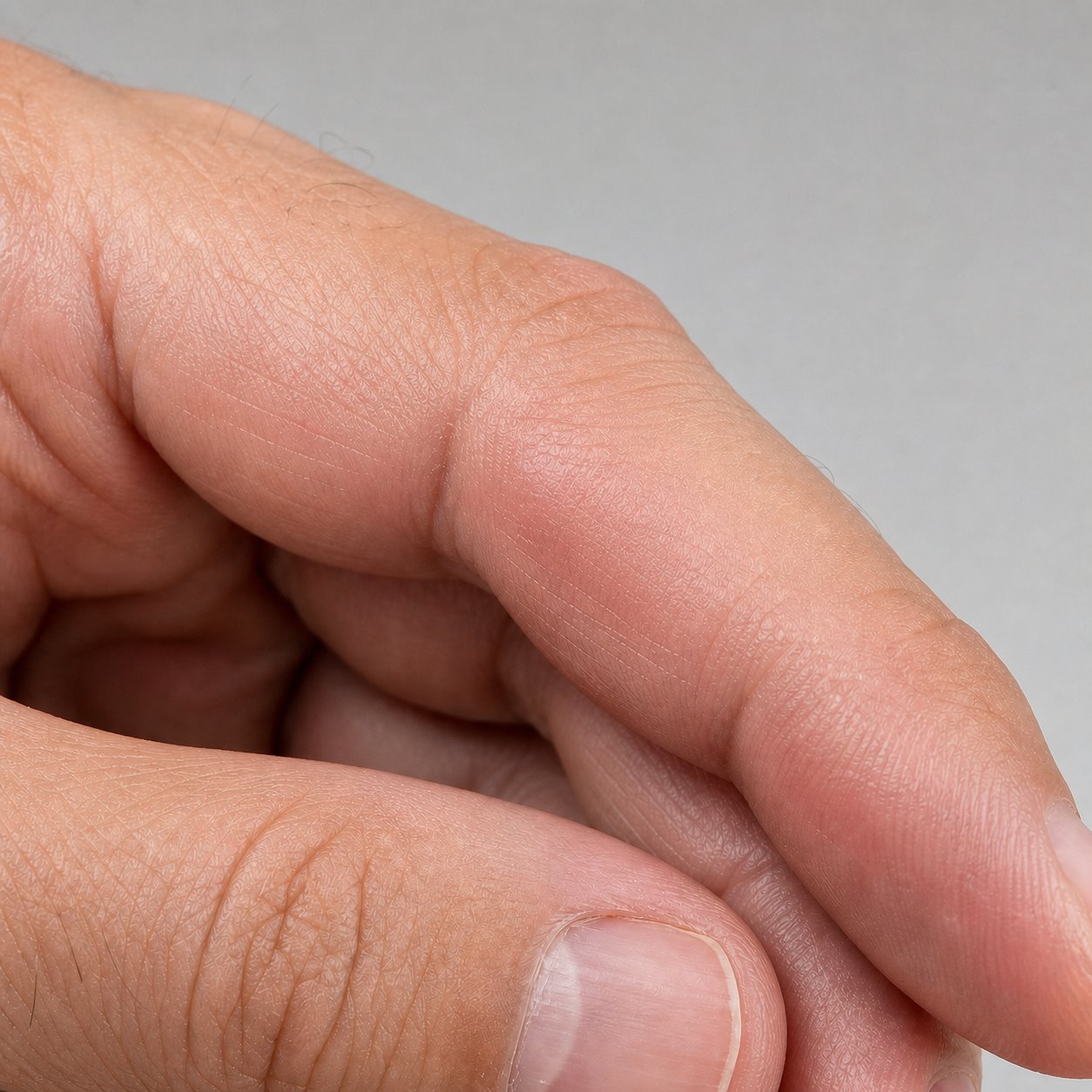
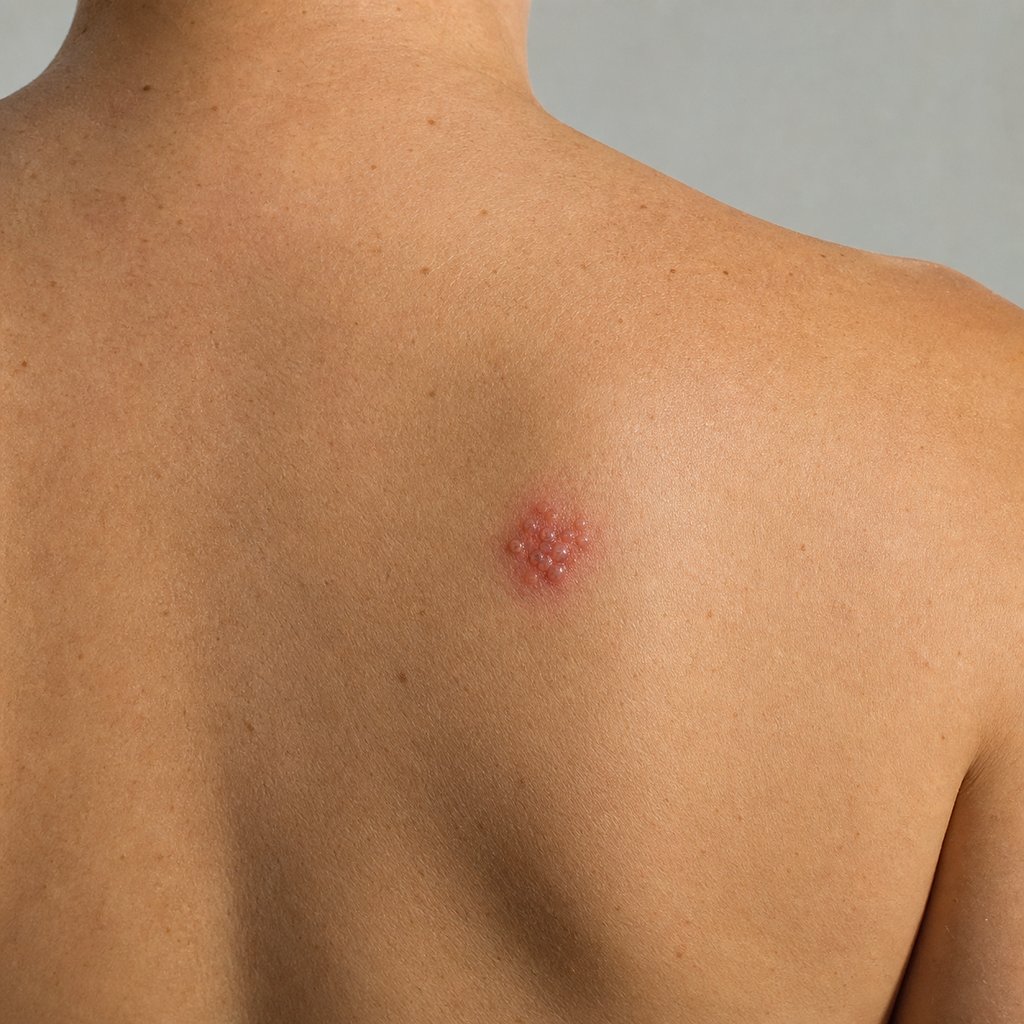
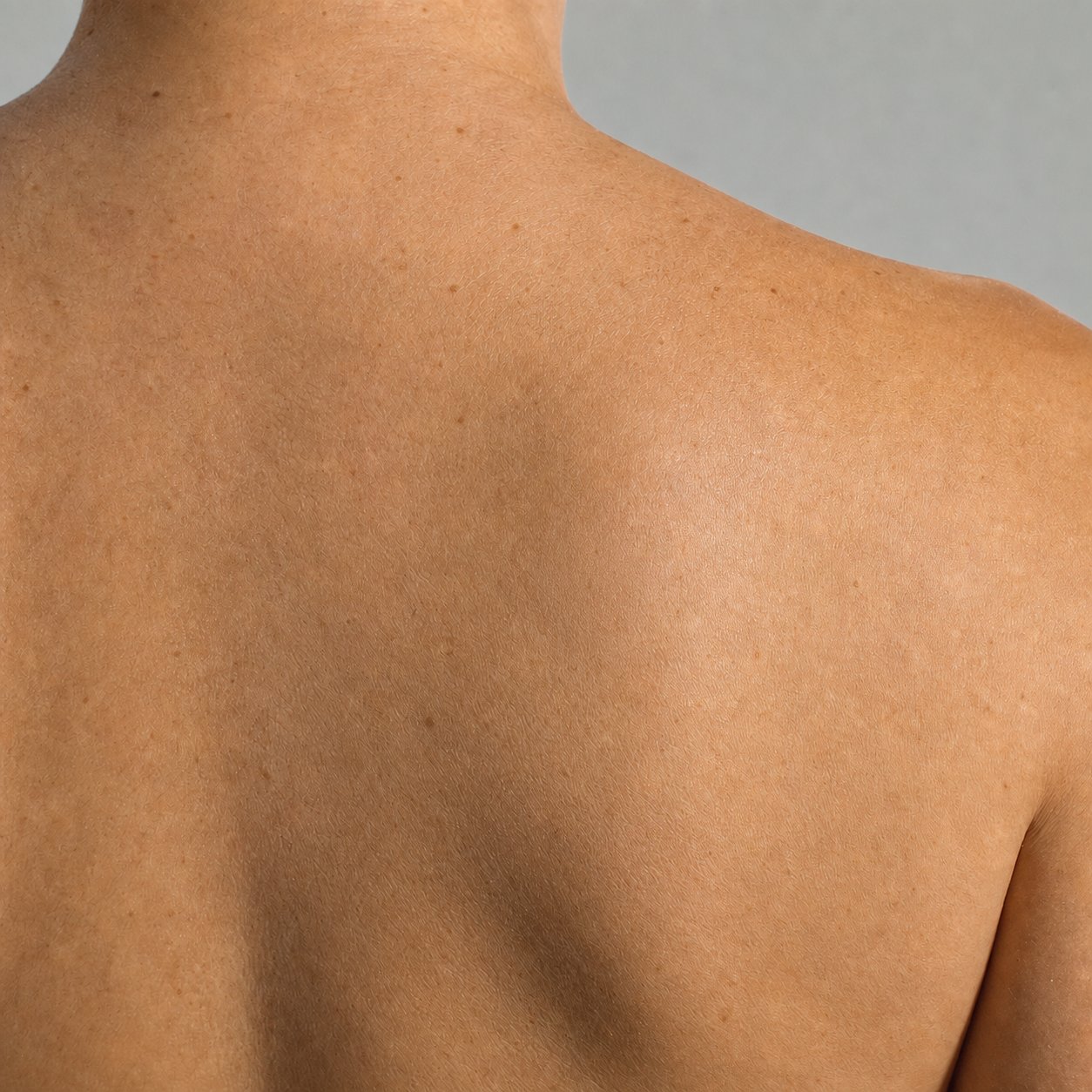
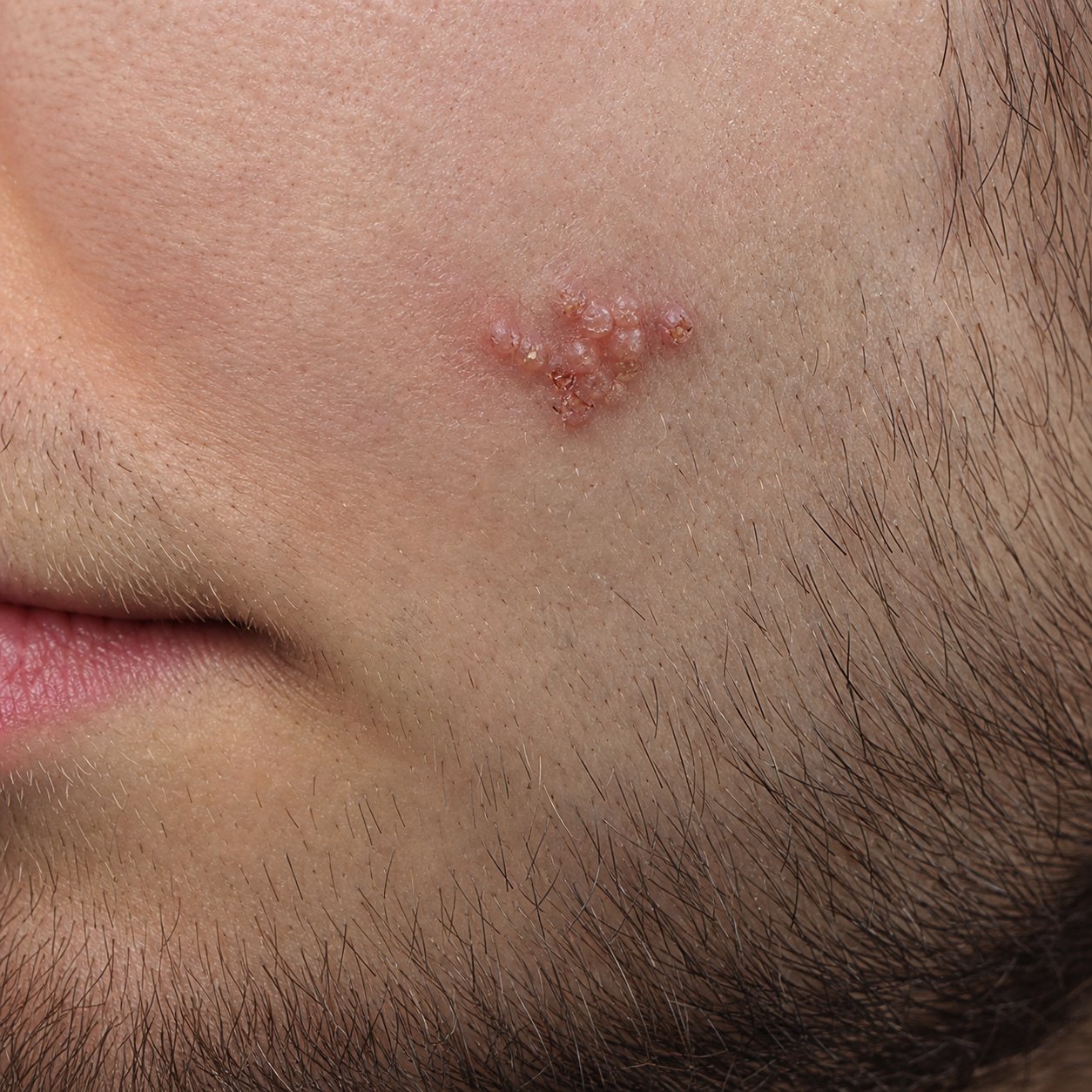
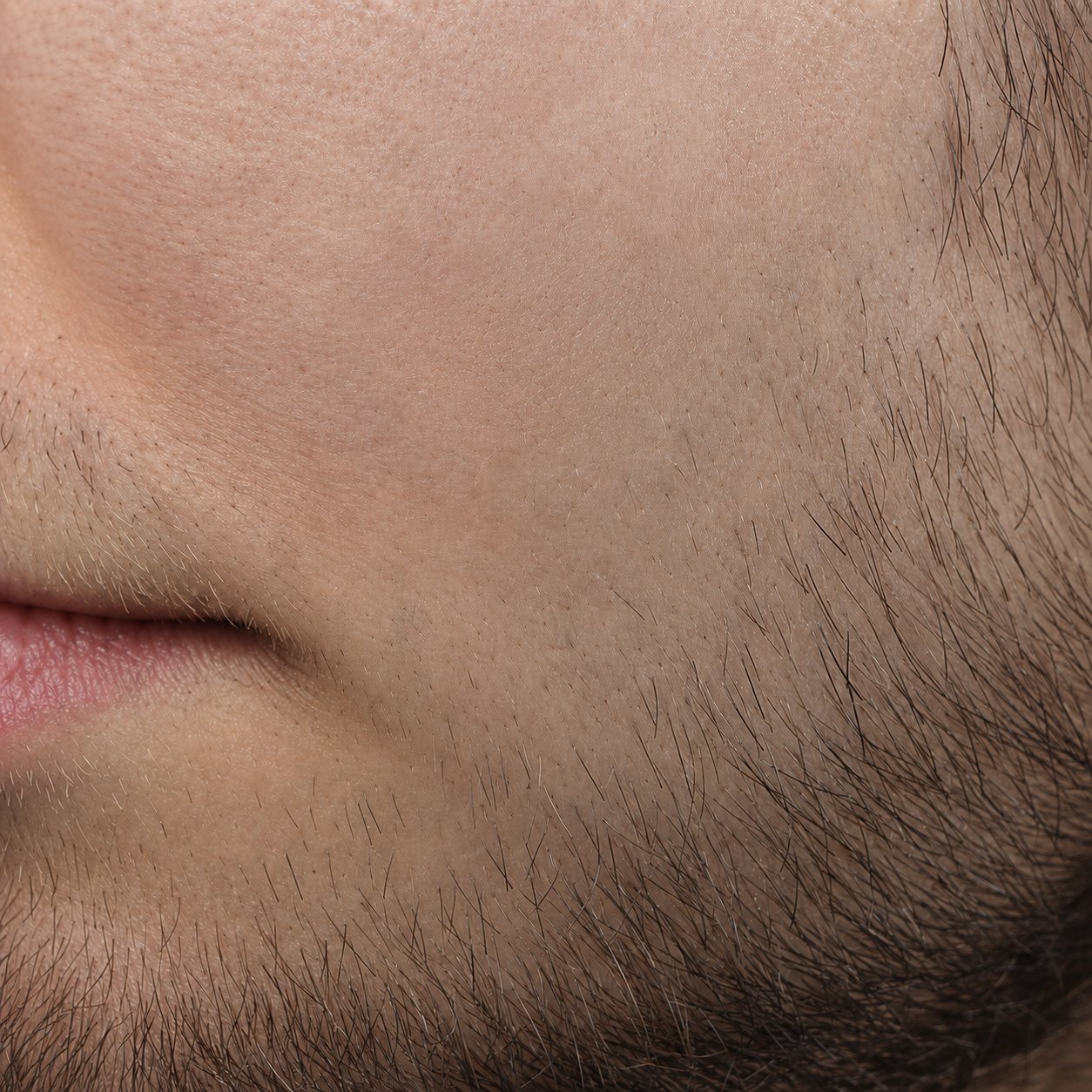
The same five-active stack that handles HSV-1 outbreaks on the lip surface is effective on a range of related skin presentations, which is why the Labisan formulation team allows topical use on closed-skin lesions and minor skin irritations beyond the lip border. The acetogenin / beta-triketone / carvacrol-thymol / zinc oxide / menthol combination is a broad antiviral and antiseptic profile that does not depend on the lip mucosal surface specifically.
Three documented cases below show the formula applied to non-lip presentations. Same cadence as the 48-hour lip protocol: four applications per day, every four hours during waking, until the lesion clears.
Why This Beats Chemical SPF Lip Balms
The comparison that matters in the marketplace is against avobenzone-based chemical SPF lip balms. The avobenzone case has two problems on the lip surface: avobenzone is photo-unstable and degrades to inactive metabolites in roughly 90 minutes of UV exposure, and avobenzone is absorbed through mucosal tissue at concentrations that have raised regulatory questions in the EU and on Hawaiian and several tropical island sunscreen bans.
The 22 percent non-nano zinc oxide film does not degrade under UV exposure. It maintains its UV-blocking effect for as long as the film stays mechanically intact on the lip, which in field testing is hours of continuous exposure between reapplications rather than the 90 minute reapplication window that avobenzone formulations require. The SPF lip balm reapplication post covers the avobenzone degradation timing in detail. The zinc oxide versus chemical sunscreen post covers the wider mineral-versus-chemical comparison.
22 percent zinc oxide, 5 percent graviola fruit extract, manuka, oregano, menthol
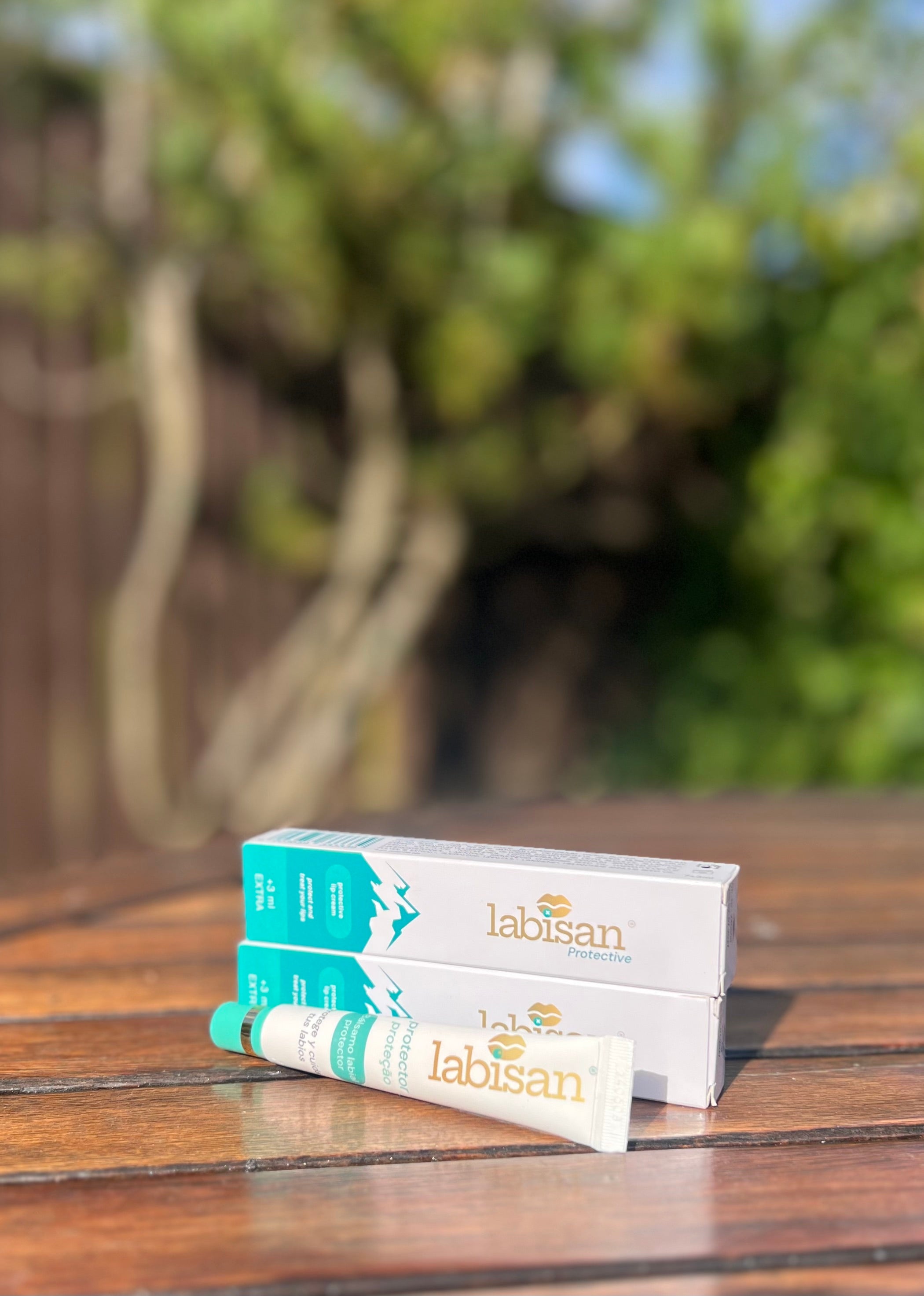
Labisan Protective Lip Balm
Single: $24.99 | Adventure Pack 3x: $59.99 | Family Bundle 5x: $89.99
Free shipping on orders over $49. 30 day money back guarantee.
Shop Labisan Lip BalmFrequently Asked Questions
Why 22 percent zinc oxide instead of the more common 10 to 15 percent?
Two reasons. First, alpine conditions mean higher UV intensity, and the higher zinc oxide concentration delivers a thicker reflective film on the lip surface. Second, the same zinc oxide concentration does double duty as a drying agent on healing cold sore lesions. A 10 to 15 percent formulation has to choose between sun protection and post-outbreak healing; the 22 percent formulation does both adequately.
Does the high zinc oxide percentage leave a white cast?
A faint visible film, yes, particularly in cold weather when the balm cools and the zinc particles do not blend into the lip surface as readily. This is the trade for non-nano particle size and the higher concentration. Most users find the appearance acceptable and the protective film is the visible signal that the product is doing its job.
Why graviola in the lip balm and not just in the capsules?
The graviola fruit extract acts on different stages of the viral life cycle when delivered topically versus systemically. The capsule form supports the systemic immune response and reduces overall outbreak frequency. The topical form delivers the antiviral compound directly to the mucosal surface during an active outbreak. Both routes are useful and they address different stages of the herpes simplex life cycle.
Is oregano oil safe on the lips?
At the concentration in the Labisan formula, yes, for the typical adult user. The carvacrol fraction is calibrated to deliver therapeutic antiviral effect without the burning sensation that uncontrolled high-concentration oregano essential oil produces on mucosal tissue. People with known sensitivity to oregano or other Lamiaceae family botanicals should patch test before extended use.
What is the minimum recommended age?
Five to six years is the minimum age the formulation team recommends for lip application. Younger children should not use the product on the lips. The product can be used at a younger age on closed-skin spots or minor skin irritations, but the lip route specifically is age-restricted to five and above.
How does the Labisan formula compare to a basic beeswax lip balm?
A beeswax-only lip balm delivers the barrier-layer benefit (reduced transepidermal water loss, mechanical protection from cold and wind) but no UV protection, no antiviral activity, and no specific cold-sore action. The Labisan formula adds the five active layers and the antioxidant and wound-healing supporting layer on top of a comparable barrier base. For low-altitude indoor use, basic beeswax is often sufficient. For outdoor and alpine use, the active layer is what makes the difference.
The Bottom Line
Five active layers in one stick: 22 percent non-nano zinc oxide for physical UV blocking and post-outbreak drying, 5 percent graviola fruit extract for topical antiviral action against HSV-1 and HSV-2, manuka oil for beta-triketone direct antiviral effect plus skin-repair support, oregano oil delivering carvacrol and thymol for broad antiviral, antibacterial, and antifungal coverage, and menthol for the cooling, antiseptic, and pain-relieving response on an active lesion. Plus a supporting layer of astaxanthin, vitamin E, and allantoin for antioxidant defence and tissue regeneration, on a shea butter, cocoa butter, and almond oil carrier that holds the active layer in contact with the lip surface for hours rather than minutes. The formula is built for the user who faces UV, cold, wind, and viral triggers at the same time on the same lip surface, and it solves all of them without compromising on any.
Labisan Protective Lip Balm is manufactured to EU pharmaceutical-grade standards, uses non-nano mineral UV filtering, and carries the same 22:1 graviola fruit water-extract that goes into the capsule line. Free shipping on orders over $49, 30 day money back guarantee.