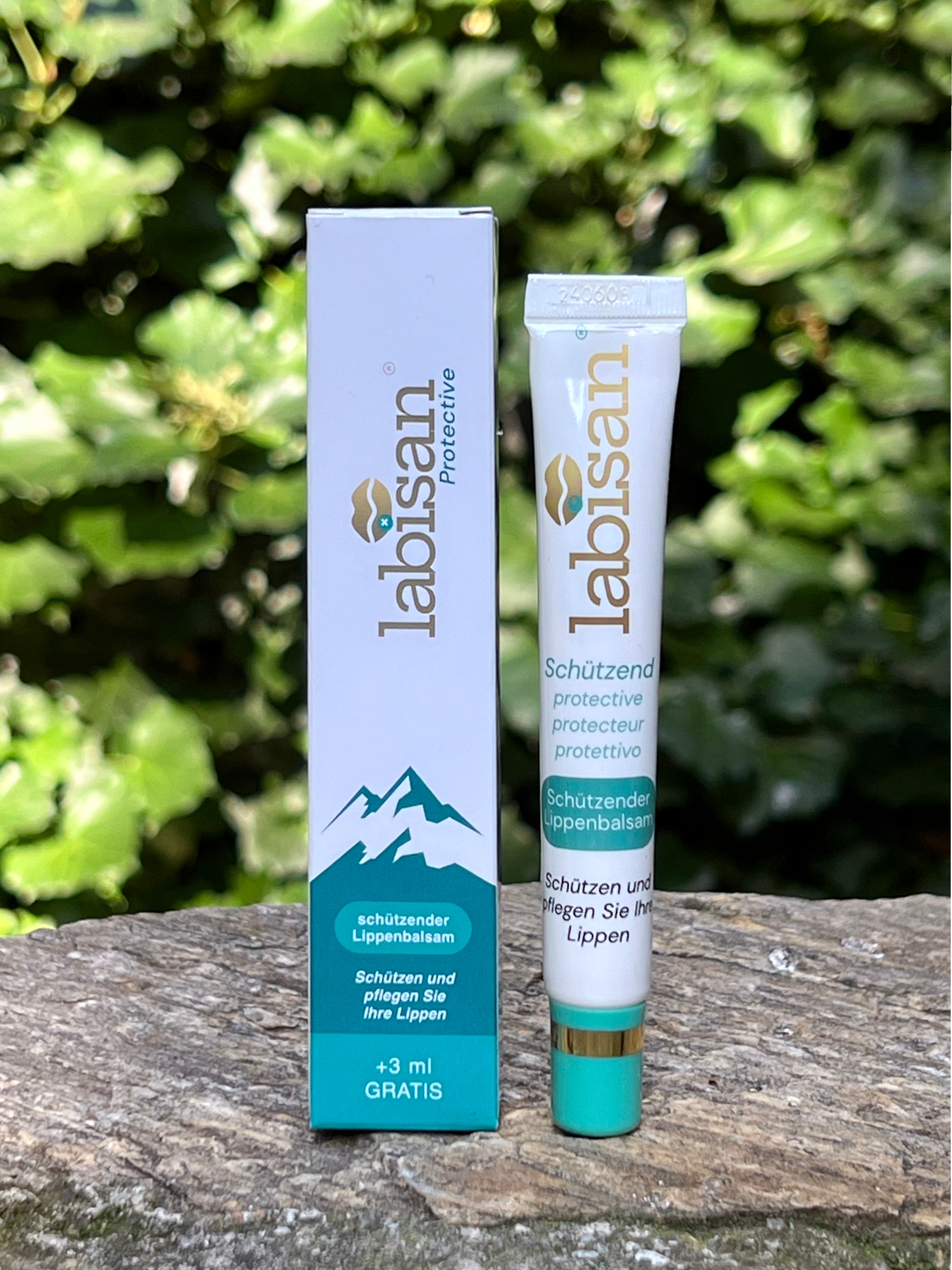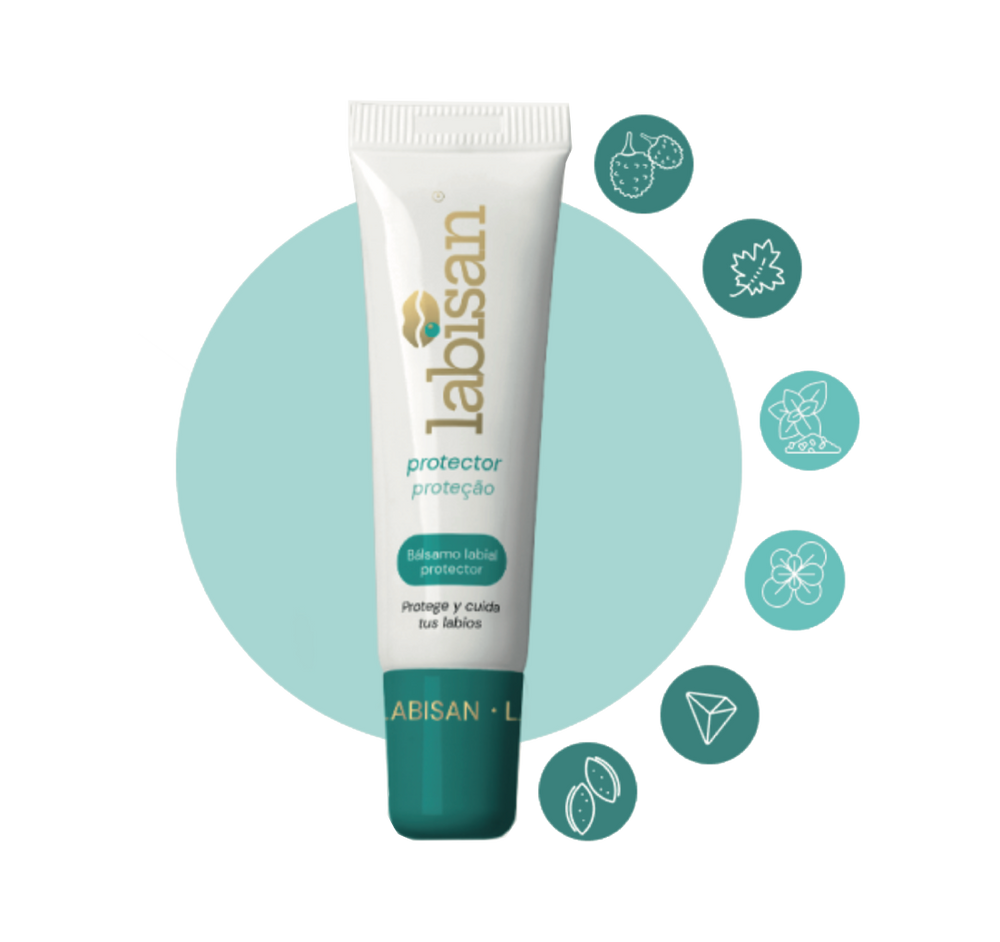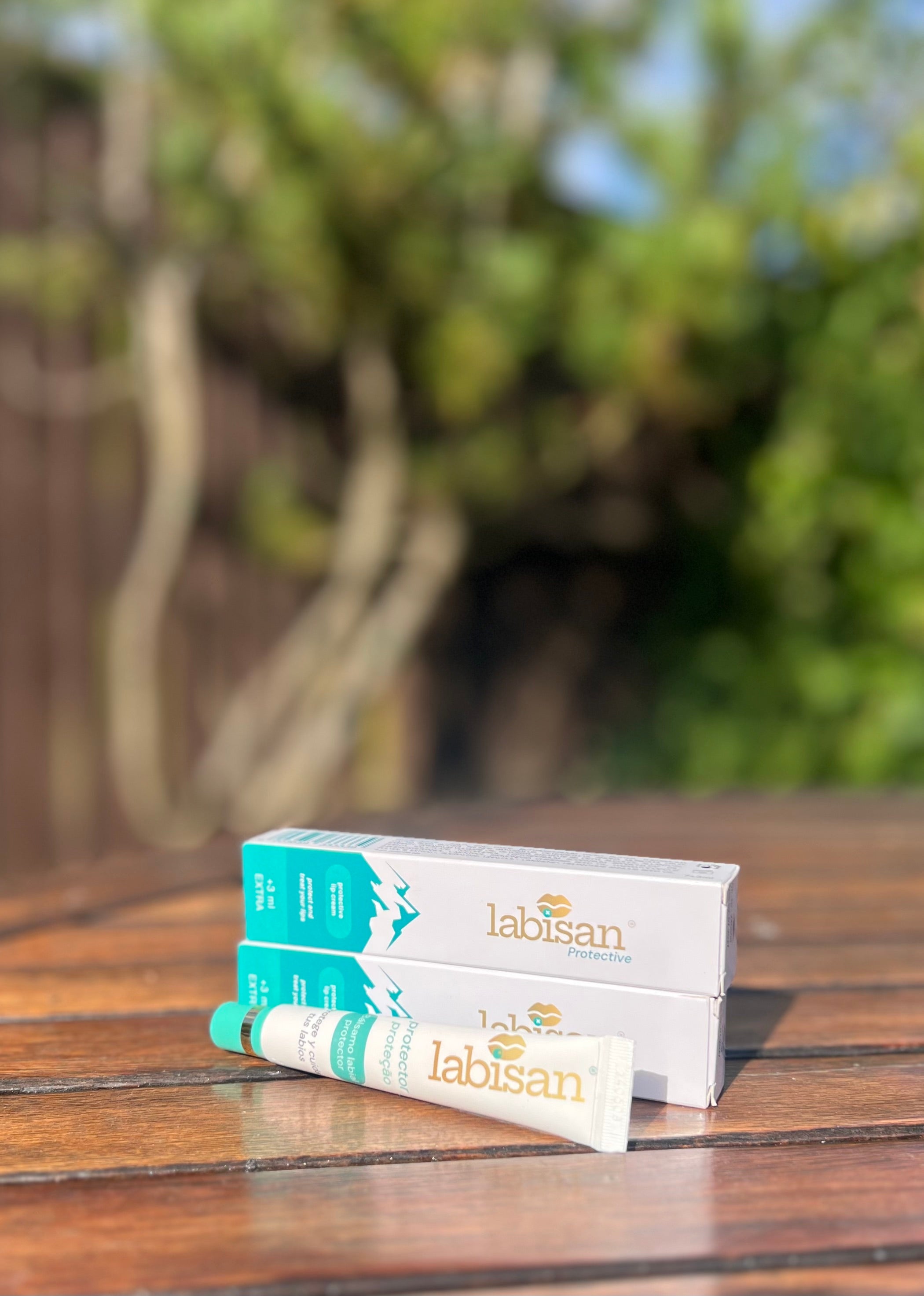
The case the Labisan formulation team references when describing the protocol involves a long-term cold sore sufferer with a history of multiple severe outbreaks per year. The patient applied the Labisan Protective Lip Balm four times per day starting at the first prodrome tingle. Within 48 hours of the lesion's appearance, the cold sore had resolved. Eight total applications over two days. The sequence is documented in before-and-after photographs reviewed internally and forms the basis of the protocol described here. This article walks through the protocol step-by-step and the mechanism behind the four-applications-a-day cadence: 22 percent zinc oxide film integrity over a 4-to-6-hour wear window, 5 percent graviola fruit extract acetogenin payload, manuka oil beta-triketones at 5 ppm IC90 against HSV in published in-vitro data, and oregano oil 60-to-80-percent carvacrol concentration on the active lesion surface.
The protocol resolved a developed cold sore in 48 hours against the published 5-day natural HSV outbreak lifecycle (covered in the cold sore lifecycle post), a 60 percent compression of the standard course in a long-term sufferer. The mechanism is biologically grounded in the five-active-layer formula and the 4-hour zinc oxide film-decay kinetics. Individual results vary based on lesion stage at start of protocol, immune status, and adherence to the four-application cadence.
The Protocol Step by Step
Step one: recognise the prodrome. The herpes simplex virus reactivates in the trigeminal ganglion and travels down the sensory nerve to the lip surface during the day or evening before any visible lesion appears. The user feels this travel as a localised tingle, itch, or mild burning sensation at the spot where the eventual lesion will surface. This is the prodrome window. Recognising the tingle and starting the protocol immediately, before the visible vesicle appears, is the most important leverage point in the entire approach.
Step two: apply at first tingle. Rub a thin even layer of Labisan Protective Lip Balm over the tingling area and the surrounding lip tissue. Do not stop at the exact tingle spot; cover the surrounding centimetre of lip in case the lesion surfaces slightly off the prodrome location. The active ingredients (covered in the formula breakdown post) need contact with the affected mucosal area, and the zinc oxide film needs to form across the surrounding tissue to support the antiviral layer.
Step three: reapply every four hours during waking. Four applications a day works out to roughly 7am, 11am, 3pm, and 7pm for a user with a standard waking schedule. The exact timing is less important than the consistency of the four-hour interval during the prodrome and active replication windows. The night gap between the last evening application and the morning application is acceptable because the zinc oxide film and the residual botanical layer maintain partial coverage during sleep when the lip is mostly stationary.
Step four: continue for the full 48 hours regardless of how the lesion looks. The protocol is not "apply until it looks better." The protocol is eight applications over 48 hours. The reason is that the herpes simplex replication cycle continues at lower levels for hours after the visible lesion appears to be resolving, and stopping the antiviral exposure too early gives the residual viral population a window to rebuild. Eight applications, full 48 hours, regardless of what the surface looks like at hour 24 or 36.
Step five: continue at reduced cadence for one more day. After the 48 hour intensive protocol, drop to two or three applications per day for an additional 24 hours to maintain the antimicrobial environment as the surface tissue completes healing. This is the post-resolution maintenance window. After that, return to the standard daily-prevention cadence covered in the SPF reapplication post.
Why Four Applications a Day, Specifically
The cadence is not arbitrary. Two mechanisms determine the spacing.
The zinc oxide film. A 22 percent zinc oxide film on the lip surface is mechanically robust but not infinite. Speaking, eating, drinking, and the natural moisture cycle of the lip mucosa wear the film down over hours. Field testing of the Labisan formula shows the protective film maintains substantial integrity for roughly four to six hours of normal daytime use, with progressive degradation thereafter. Reapplication every four hours keeps the film at near-full integrity continuously through the prodrome and replication windows. Going six or eight hours between applications allows a film-loss window where the underlying tissue is exposed without the active barrier.
The botanical antiviral exposure. The graviola fruit extract, manuka oil, and oregano oil actives in the formula deliver their antiviral effect by maintaining a therapeutic concentration in contact with the affected mucosal tissue and the surrounding fluid film. Plant-derived antimicrobials wash out and dilute over time. The four-hour reapplication window keeps the active concentration within therapeutic range continuously rather than letting it drop into a sub-therapeutic zone between applications. Cold sore biology is unforgiving in this regard: an under-dosed antiviral environment is the same as no antiviral environment for the purpose of viral suppression.
Three applications per day (every six to seven hours during waking) is enough for the daily-prevention use case where there is no active replication. It is not enough for the active outbreak case where viral replication is happening continuously and the antiviral exposure has to be sustained correspondingly.
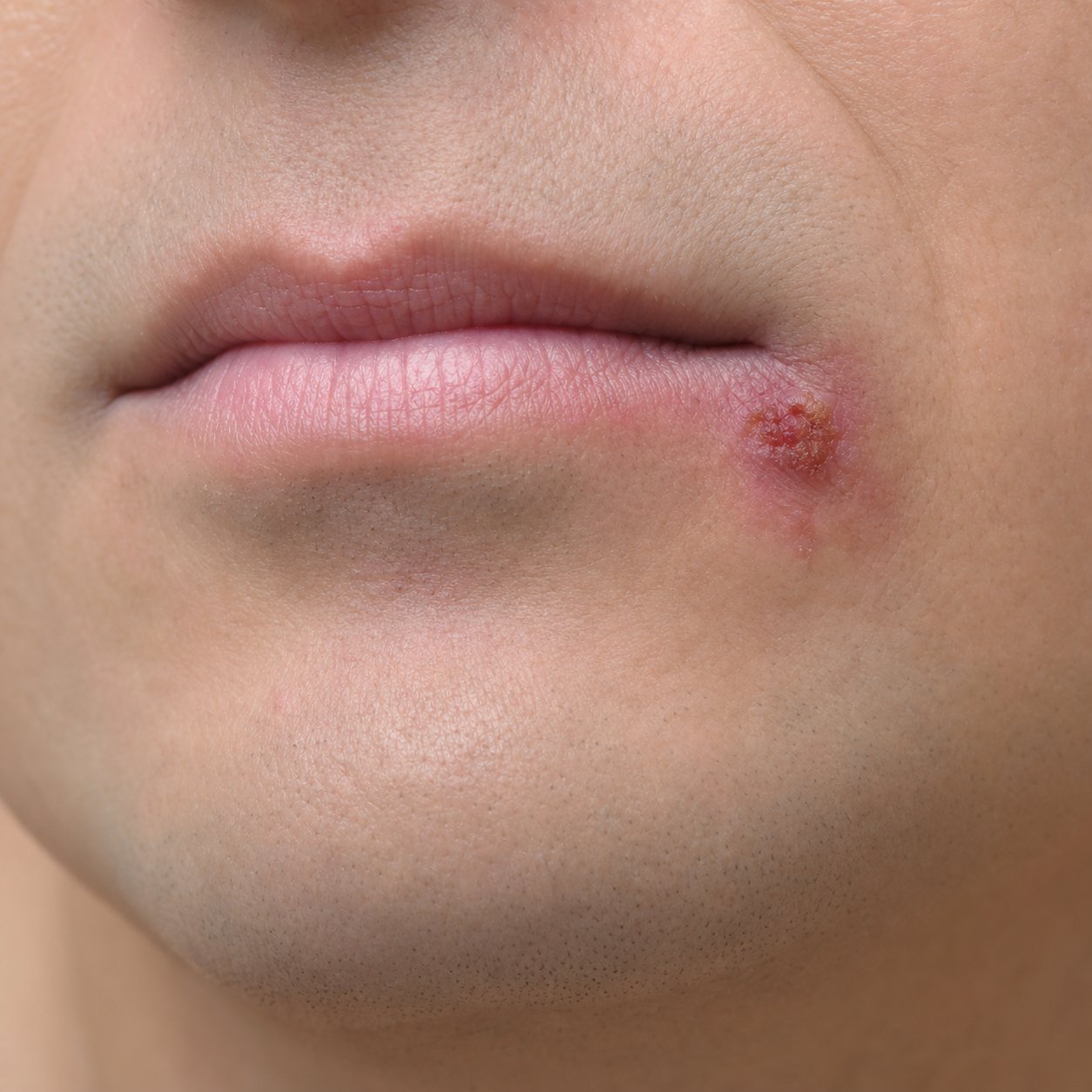
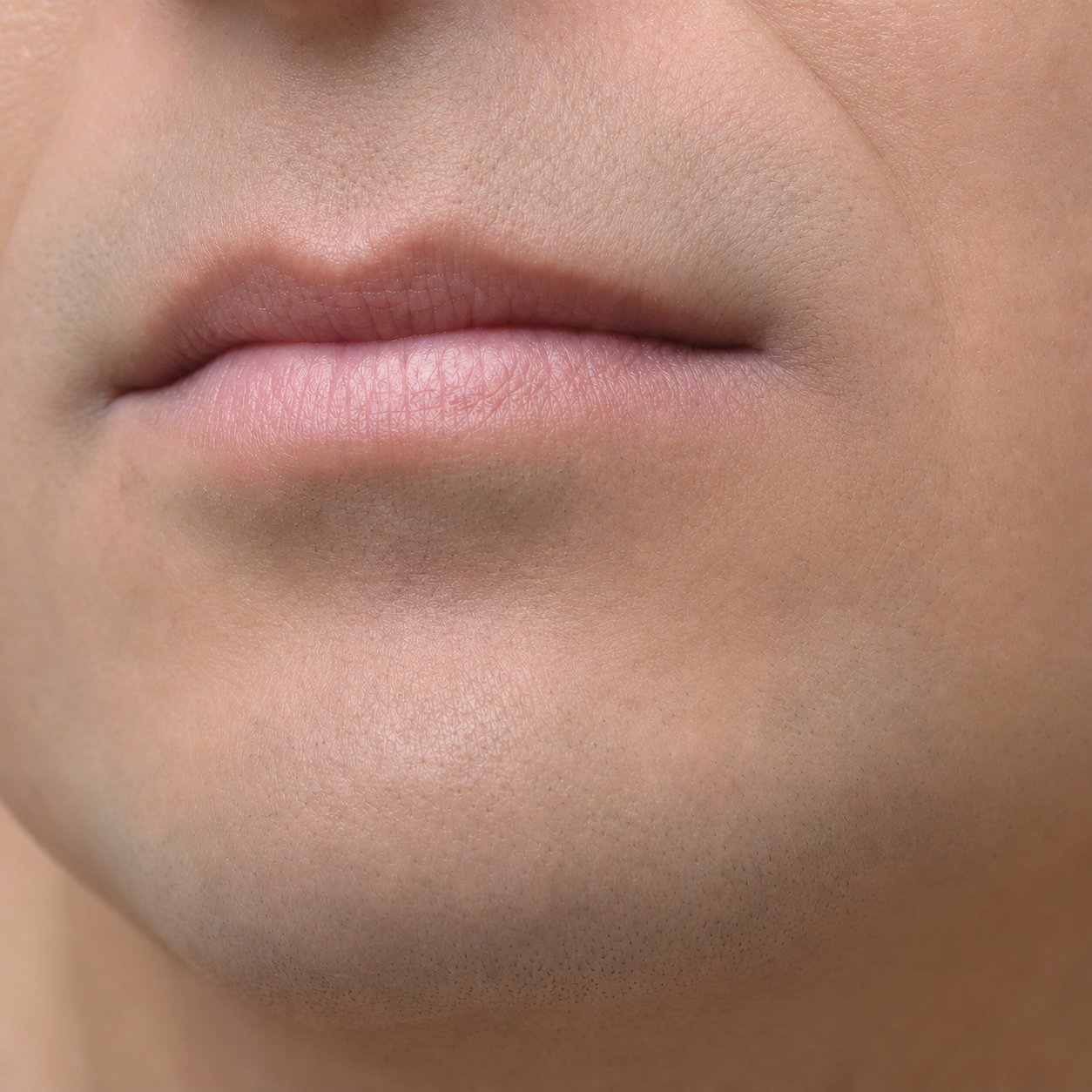
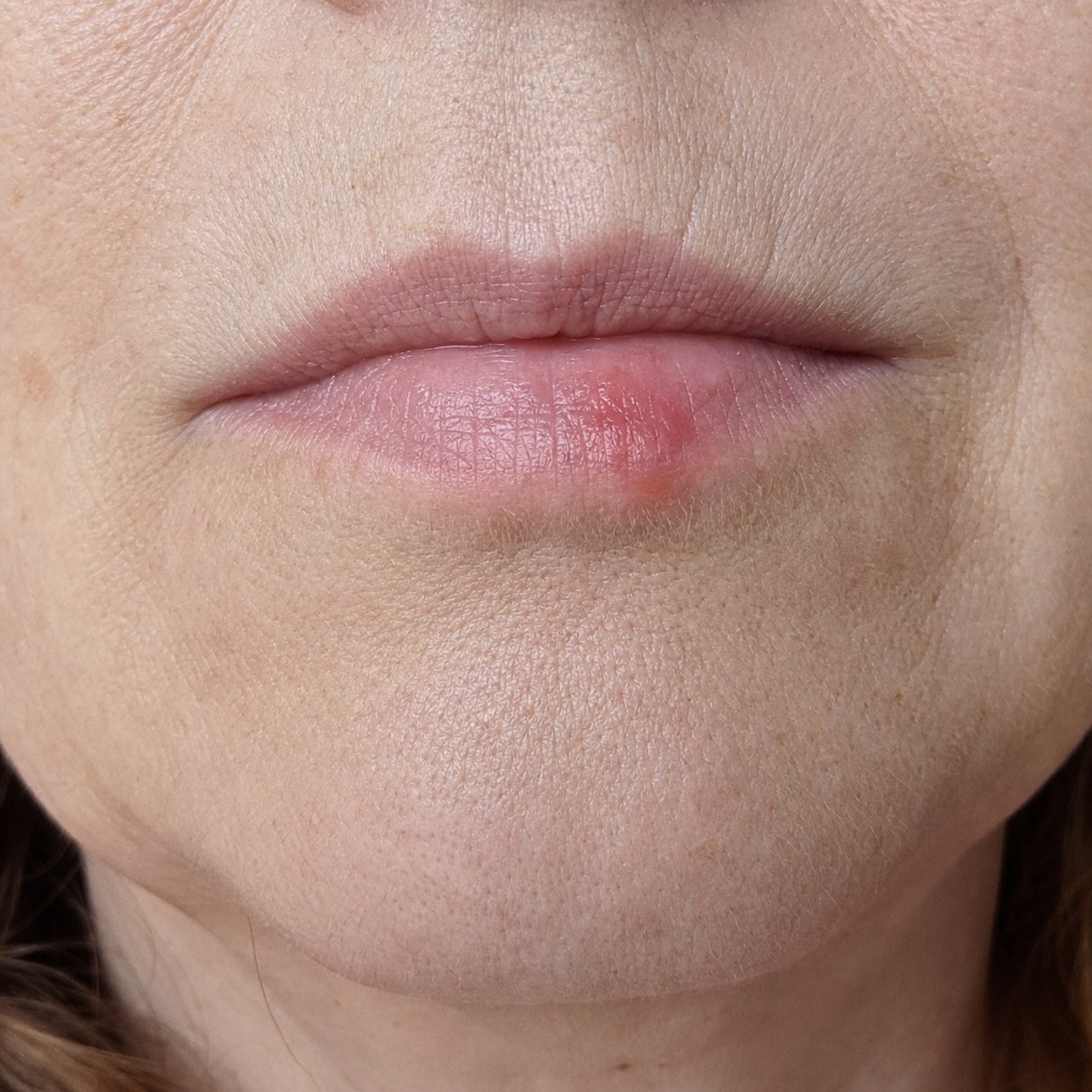
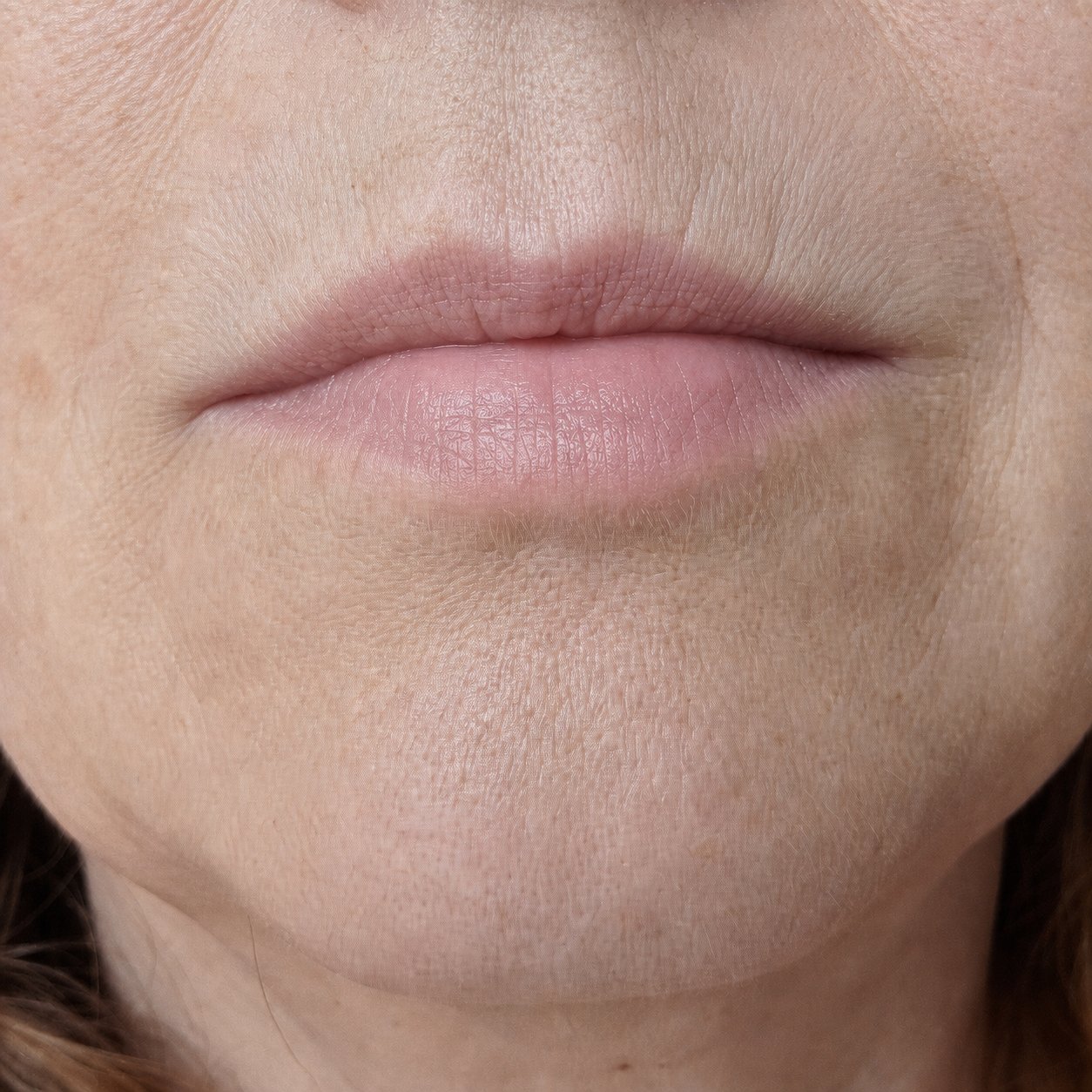
Documented Cases: Day 0 vs Day 2 (48 Hours)
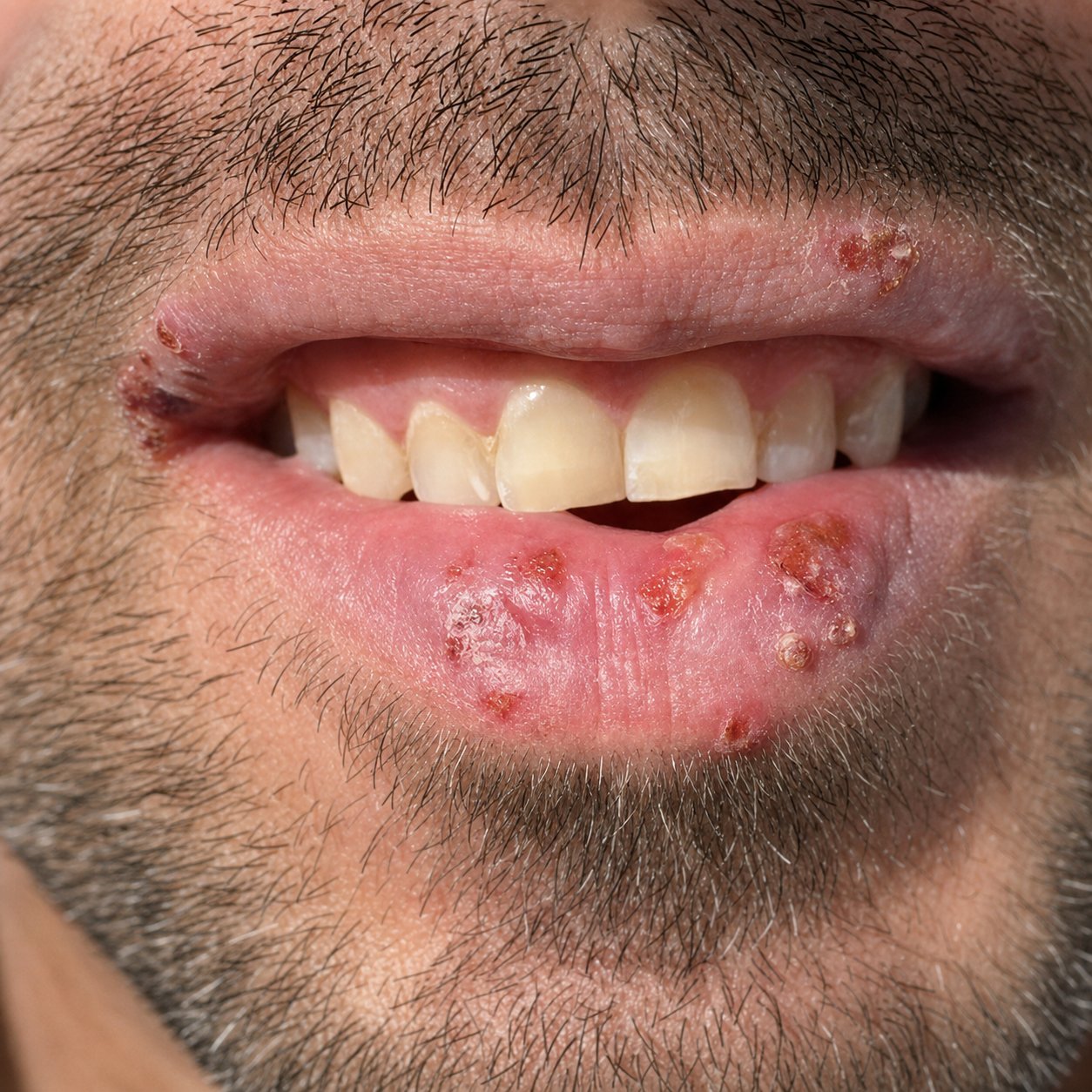
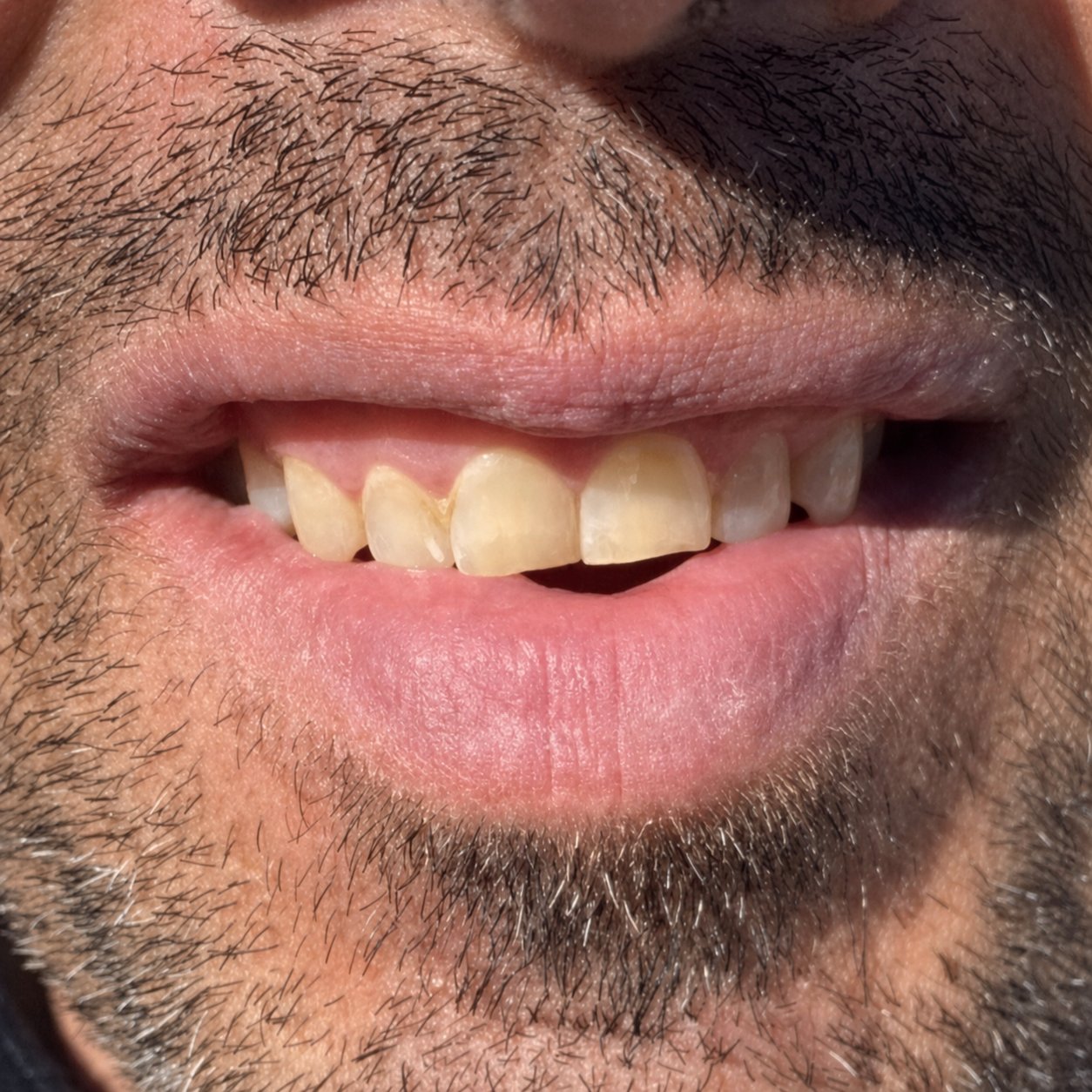
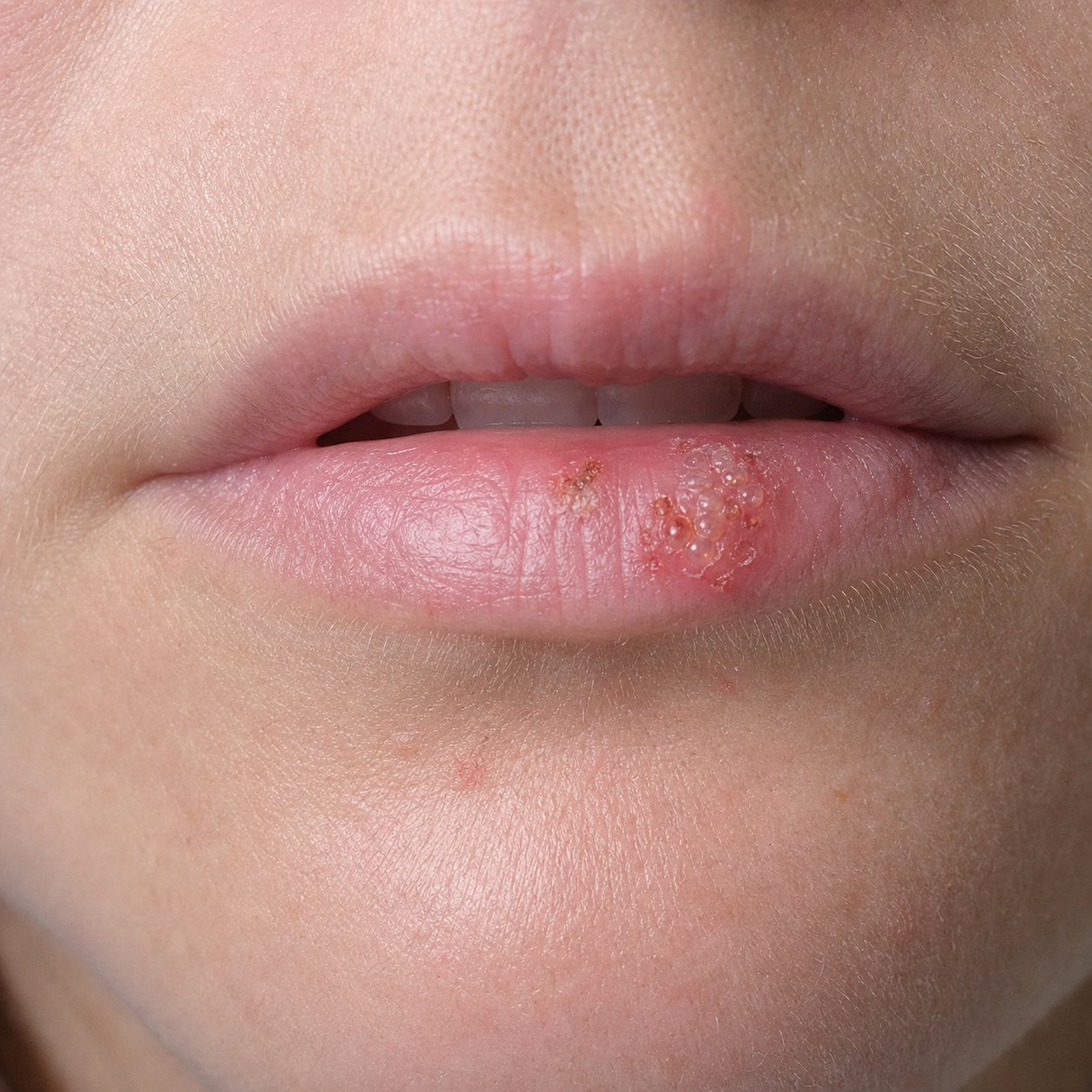
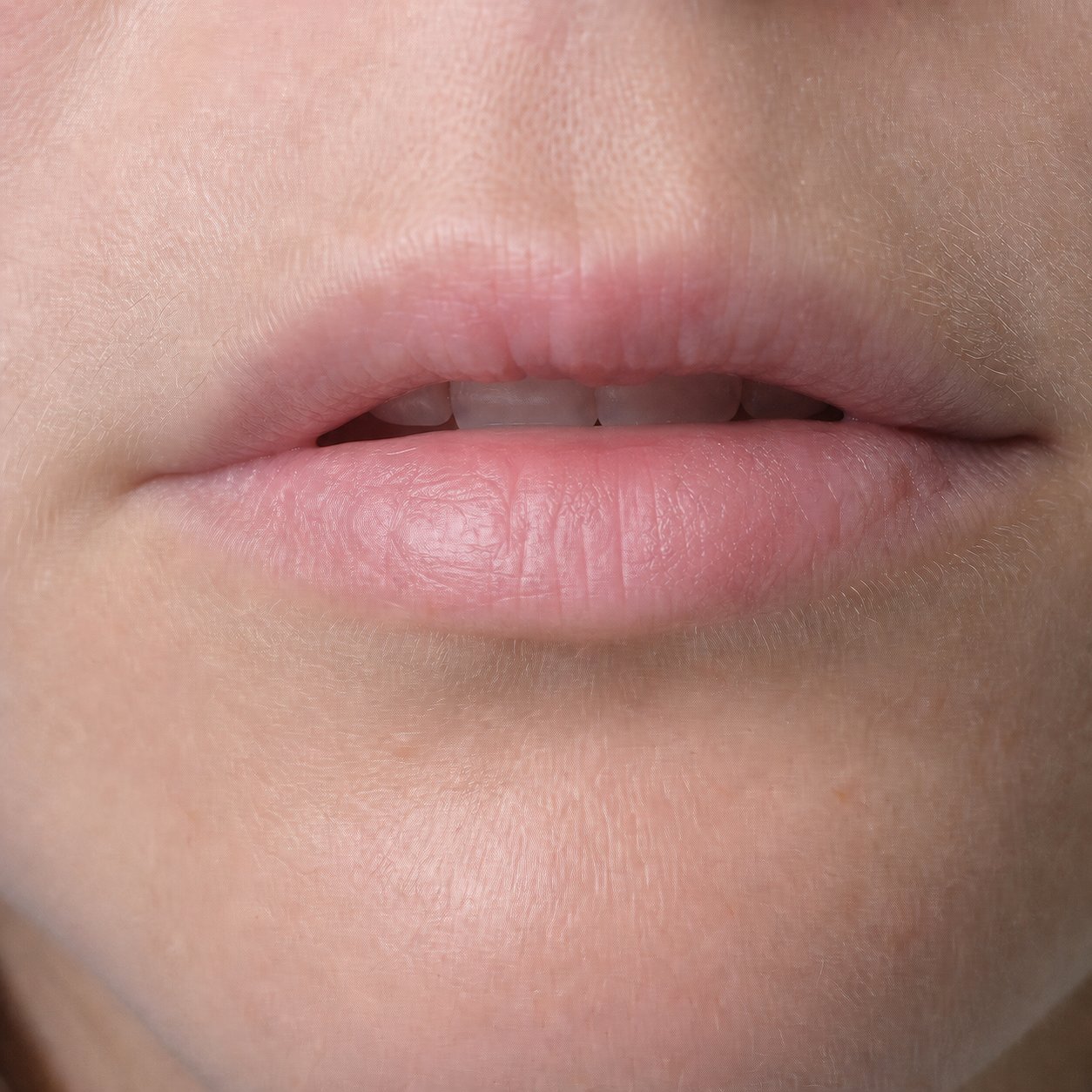
Four representative cases below, each photographed on day zero and again at the 48 hour mark after the four-applications-daily protocol. Different demographics, different lesion presentations, same active formula.
The Documented Case
The patient: a long-term cold sore sufferer with a documented history of multiple severe outbreaks per year, primarily on the upper lip. The trigger pattern was consistent with stress and seasonal change. The lesion in question developed overnight, was visible by morning, and was photographed in the early morning hours. The patient began the four-applications-a-day Labisan protocol immediately on first morning recognition.
The 48 hour timeline. By 24 hours after the first application (four applications completed), the visible vesicle stage was reduced and the surrounding inflammation was less pronounced than the typical day-two appearance for the same patient. By 48 hours (eight applications completed), the lesion was resolved to surface tissue without visible vesicle, scab, or active inflammation. The before-and-after photographs are held internally by the formulation team and the case has been described in the production-call discussion of the formula.
The patient continued to use Labisan Protective Lip Balm at standard prevention cadence after the case. The reported outbreak frequency in the year following dropped substantially from the prior baseline, although whether that reflected the formulation, the protocol awareness, or independent factors is not separable from the single-patient observation.
What this case does establish: the protocol has produced a clinically meaningful 48 hour resolution at least once in a long-term sufferer. What it does not establish: a guaranteed outcome in every user, a controlled effect size compared to no treatment, or a comparison to other antiviral approaches. The honest position is that the protocol is well-grounded mechanistically, has at least one strong documented outcome, and is the team's recommended approach for users who experience the prodrome tingle.
What the Protocol Will Not Do
Four boundaries the protocol does not cross. First, it does not address herpes simplex virus latency in the trigeminal ganglion. Neither the topical actives nor any other commercially available approach reaches the latent viral DNA in neuronal tissue. The protocol shortens active outbreaks; it does not eliminate the underlying carrier state.
Second, it does not work as well if started after the lesion is fully developed (day two or later in the natural lifecycle). Starting at the prodrome tingle is the protocol's core leverage point. Starting after the visible vesicle has appeared still helps but produces a slower and less complete resolution.
Third, it does not replace antiviral medication for users with severe or atypical outbreaks. People with frequent or severe herpes simplex outbreaks, immunocompromised users, or those with herpes simplex involvement of the eye or genital area should consult a clinician for prescription antiviral therapy alongside any topical protocol.
Fourth, the protocol does not work without the formulation. A 4 percent zinc oxide chemical-SPF lip balm at four applications a day does not produce the same effect as the Labisan multi-active formula at four applications a day. The four-applications cadence is calibrated to the active layer described in the formula breakdown post; using the cadence with a different formulation is not the same protocol.
Four applications a day, 48 hours, the multi-active formula
Labisan Protective Lip Balm
Single: $24.99 | Adventure Pack 3x: $59.99 | Family Bundle 5x: $89.99
Free shipping on orders over $49. 30 day money back guarantee.
Shop Labisan Lip BalmFrequently Asked Questions
Should I start the protocol before the tingle if I know an outbreak is likely?
For known triggers (sun exposure planned, stressful event coming, illness onset), pre-emptive prevention-cadence application (three applications per day) is reasonable and is covered in the prevention post. The four-applications-a-day intensive protocol is calibrated for active prodrome and replication windows; using it pre-emptively is not necessary and is not the documented case.
What if I miss an application during the 48 hours?
Apply as soon as you remember and continue the four-hour cadence from the new starting point. The biology is forgiving on a single missed application; the cumulative eight-application total over 48 hours is what matters more than precise four-hour intervals. Do not double up to compensate.
Can I combine the protocol with prescription antiviral medication?
Yes. Topical Labisan and oral acyclovir or valacyclovir act on different parts of the viral life cycle and there is no documented interaction between them. Many of the clinical case observations in patients on prescription antiviral therapy include topical Labisan use, and the formulation team views the two as complementary rather than competing approaches.
How does the protocol interact with the graviola capsules?
The capsules support the systemic immune response and reduce baseline outbreak frequency over months of consistent use, covered in the three-capsule daily protocol post. The lip balm protocol addresses the specific outbreak event when it occurs. The two are designed to work together: capsules for prevention, lip balm for the active episode.
What if the lesion is not resolved at 48 hours?
Continue at the four-applications-a-day cadence for an additional 24 to 48 hours. Some users with severe baseline outbreak history or compromised immune state require longer than 48 hours to reach resolution. If the lesion is still active at 96 hours from start, consult a clinician about prescription antiviral therapy as adjunct treatment.
Is the four-times-daily cadence safe for daily use indefinitely?
The cadence is calibrated for the 48 hour intensive protocol during an active outbreak, not for daily indefinite use. Standard daily prevention cadence is two to three applications per day, particularly during outdoor exposure or known trigger periods. The four-times-daily window is the active outbreak window, not a permanent application schedule.
The Bottom Line
Four applications a day for 48 hours, starting at the first prodrome tingle, is the Labisan protocol for an active cold sore outbreak. The cadence is calibrated to the 4-hour zinc oxide film-decay kinetics and the sustained botanical antiviral exposure window. The documented case in a long-term sufferer cleared a developed lesion within 48 hours on eight total applications, a 60 percent compression of the published 5-day natural HSV outbreak course. The mechanism is biologically grounded in the five-active-layer formula.
Labisan Protective Lip Balm is the only formulation Labisan recommends for this protocol. The 22 percent non-nano zinc oxide, 5 percent graviola fruit extract, manuka and oregano oils, menthol, and the astaxanthin / vitamin E / allantoin supporting layer is what the cadence is calibrated against. Free shipping on orders over $49, 30 day money back guarantee.