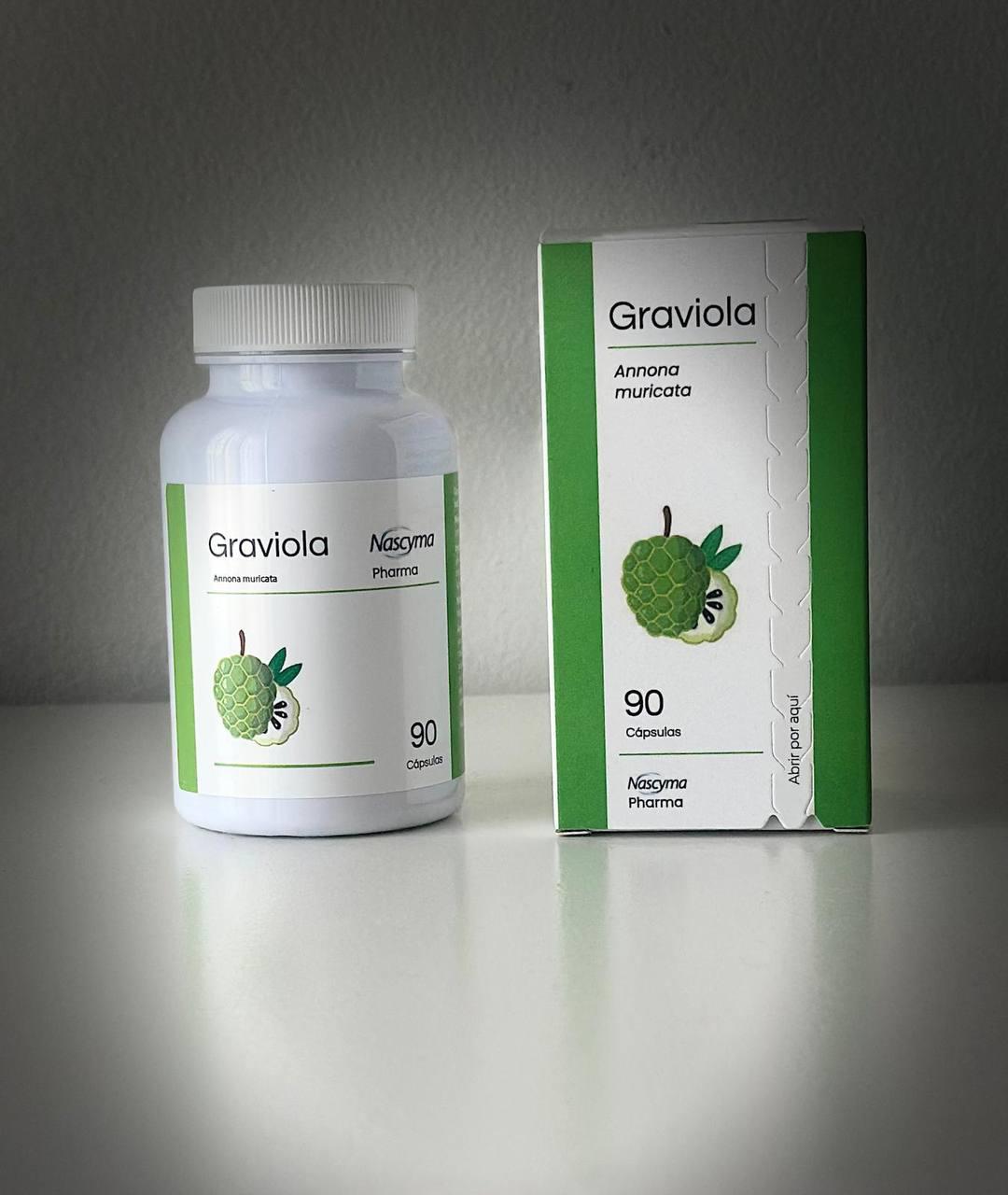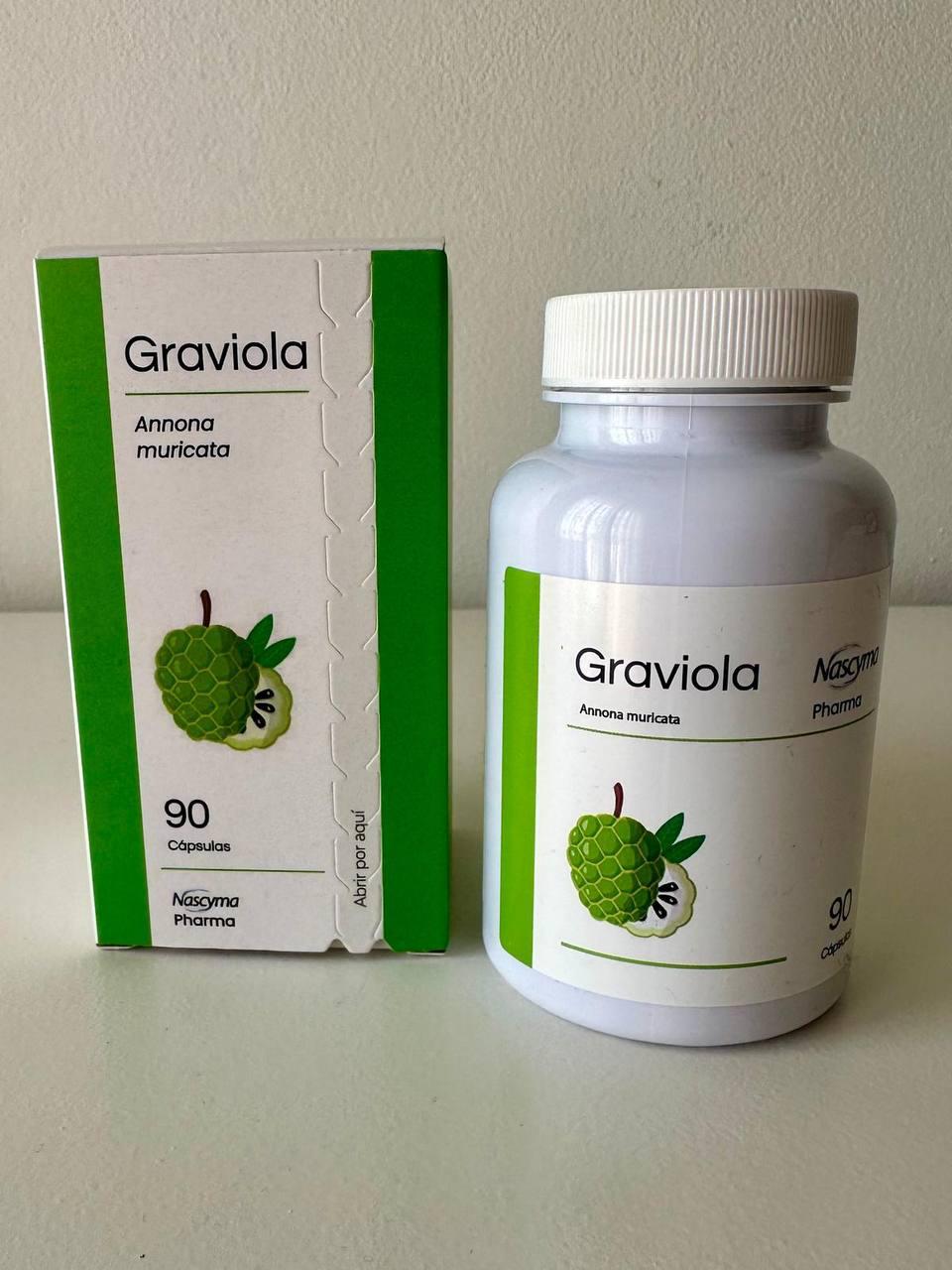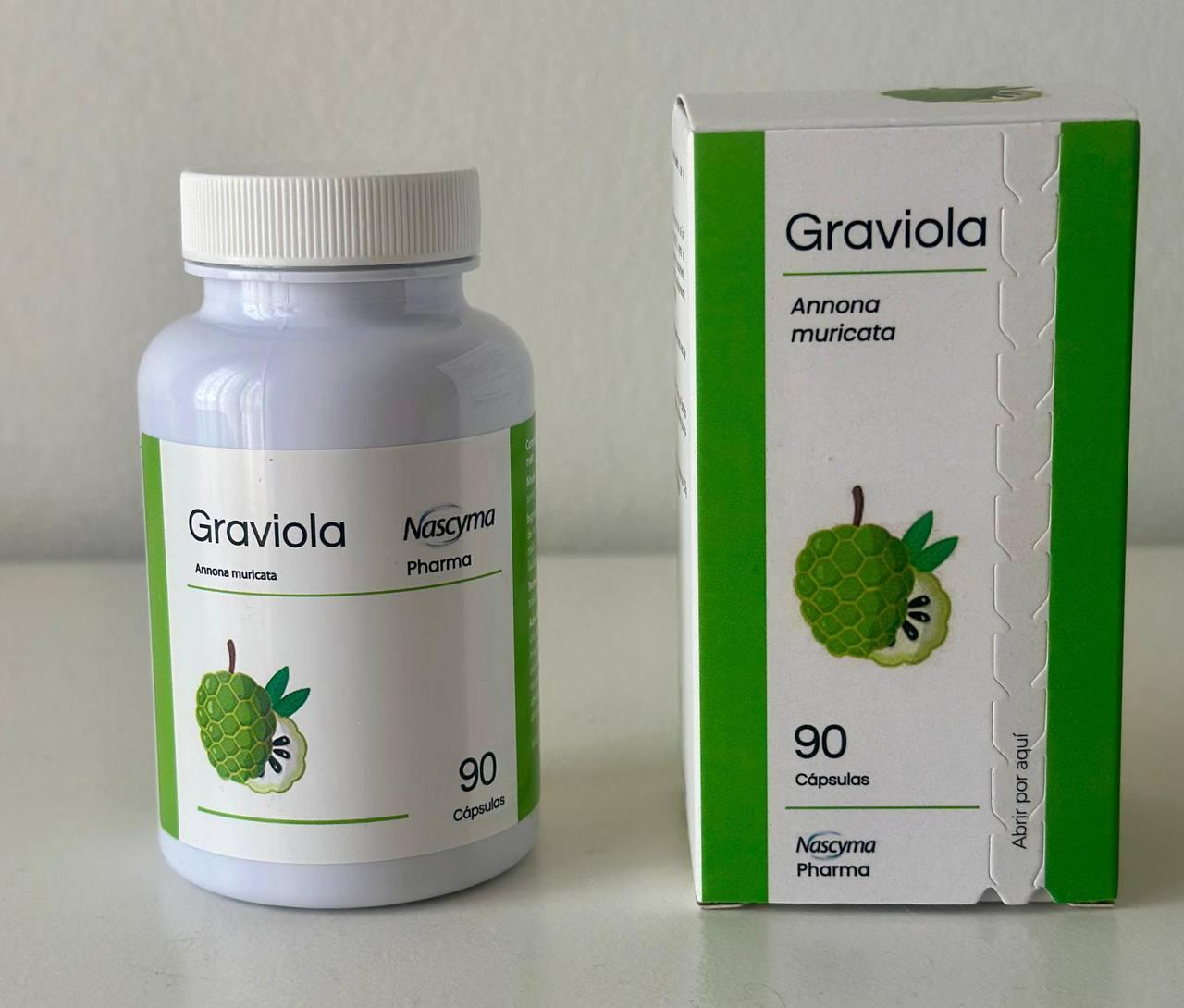
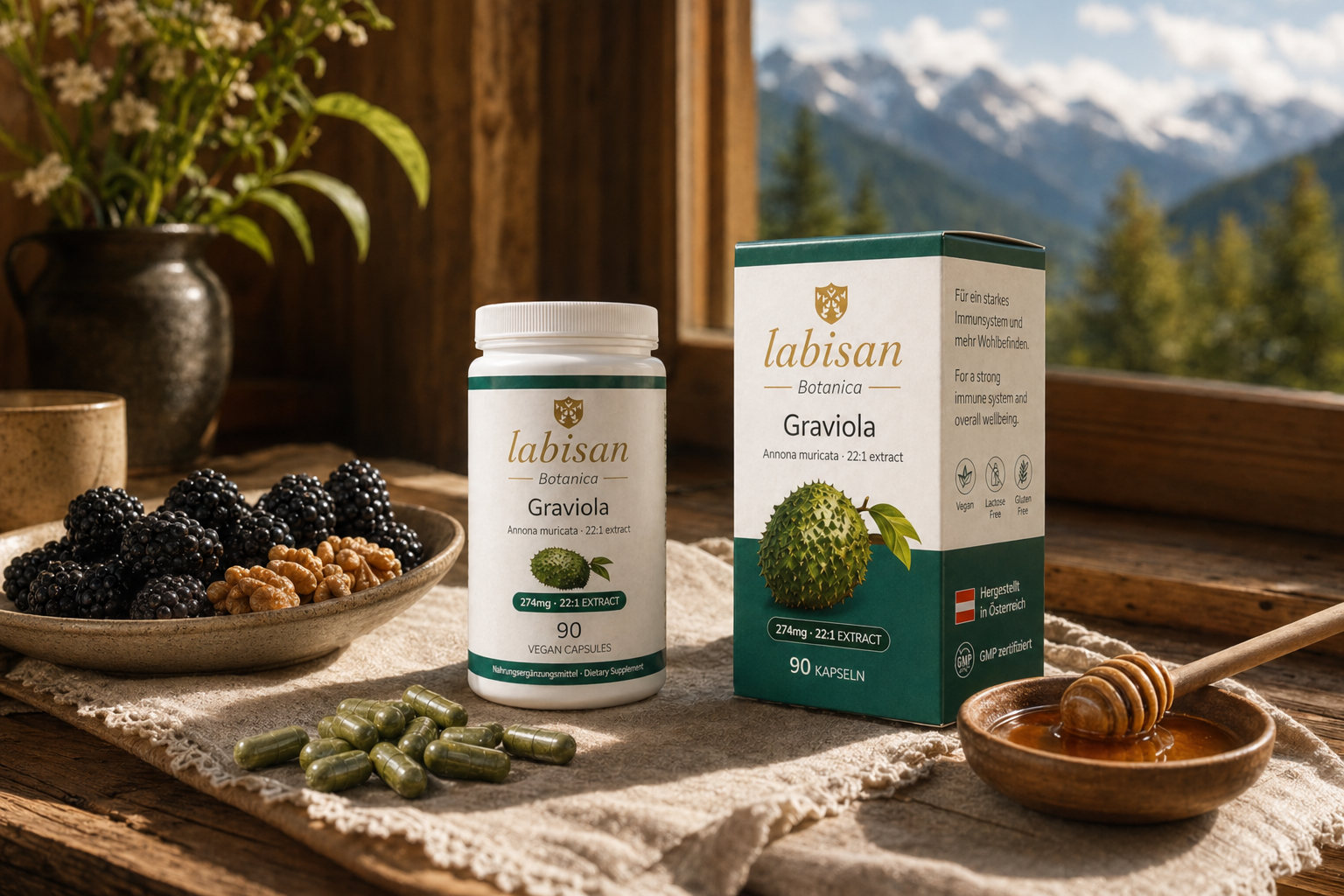
Open the listings of any graviola supplement on a major marketplace and the recommended daily dose is almost always one capsule. Read the fine print and that single capsule is usually somewhere between 500 and 2,000mg of extract material, and the extract ratio, when it is disclosed at all, sits at 4:1 or 10:1. The arithmetic that this produces is unflattering. The user thinks they are taking a meaningful daily dose of Annona muricata bioactives. The label maths say something quieter. Labisan deliberately built the Graviola Capsules around a different protocol: three capsules per day, 22:1 fruit water-extract, an effective bioactive payload that maps to roughly 8,000mg of concentrated raw fruit equivalent. This article walks through the math, the reasoning, and why most of the category quietly under-doses.
The short version. A 22:1 ratio means 22 kilograms of starting fruit material were concentrated into 1 kilogram of finished extract. Each Labisan capsule carries roughly 500mg of that finished extract. At three capsules per day, the user is consuming 1,500mg of finished extract, which represents the concentrated bioactive load of approximately 33 grams of raw fruit pulp, or written the way Labisan's formulators talk about it internally, an 8,000mg bioactive equivalent in concentrated form. Most market products deliver a fraction of that. The gap is not theoretical. It maps directly to the dose-response biology of the polyphenol and acetogenin layer.
The Three-Capsule Math, Step by Step
Start with the fruit. The pulp of Annona muricata contains a working dose of vitamin C, polyphenols, flavonoid glycosides, and a optimised acetogenin fraction. Anyone eating two whole graviola fruits per day, which is the traditional consumption pattern in regions where the fruit grows, takes in roughly 15 to 20 grams of this bioactive load. That is the reference dose Labisan's formulators worked back from when designing the supplement. Eating two fruits a day is not a realistic plan for an Austrian wellness customer in February. The capsule has to deliver the same bioactive load.
The 22:1 ratio is the bridge. Concentrating 22 kilograms of fruit pulp into 1 kilogram of finished extract through controlled water extraction (covered in detail in the fruit extract vs leaf extract safety post) preserves the water-soluble polyphenols and the optimised acetogenin fraction at a density 22 times that of the raw starting material. A 500mg capsule of 22:1 fruit water-extract therefore represents the concentrated bioactives of 11 grams of raw fruit pulp. Three of those capsules per day land at 33 grams of raw-fruit equivalent, which is in the range that the daily-fruit-consumption biology supports.
Compare that to a 500mg capsule of 4:1 leaf extract dosed once per day, which is the most common shape of competing products on the market. Five hundred milligrams times four equals the bioactive equivalent of 2,000mg of raw leaf material. The ratio is more than 16 times lower than the Labisan three-capsule protocol when measured in raw plant equivalent, and the starting tissue carries a different compound profile besides. The label maths look generous because the consumer reads "graviola extract 500mg" and assumes that number is meaningful in isolation. It is not.
Why Splitting the Dose Across the Day Matters
Three capsules taken at three different points in the day deliver more usable bioactive availability than three capsules swallowed at once, even at identical total milligrams. The pharmacokinetic reason is mundane and well documented for polyphenol classes generally. Plasma concentrations of water-soluble plant phenolics rise and fall on a half-life of roughly two to six hours depending on the compound. A single bolus dose produces a sharp peak followed by a sharp decline. Split dosing produces a flatter curve with a longer area under the concentration-time curve at the receptor sites where the antioxidant and immune-modulating compounds matter.
For graviola specifically, this matters because the immune-resilience benefit (covered in the chronic stress post) and the antioxidant benefit (covered in the flavonoid post) both depend on sustained tissue-level exposure to the polyphenol and flavonoid layer rather than on hitting a single high peak concentration once a day. The Labisan recommendation is one capsule with breakfast, one with lunch, one with the evening meal. Three exposures, sustained tissue presence across the waking day, lower peak-to-trough variation than any single-bolus regimen would produce.
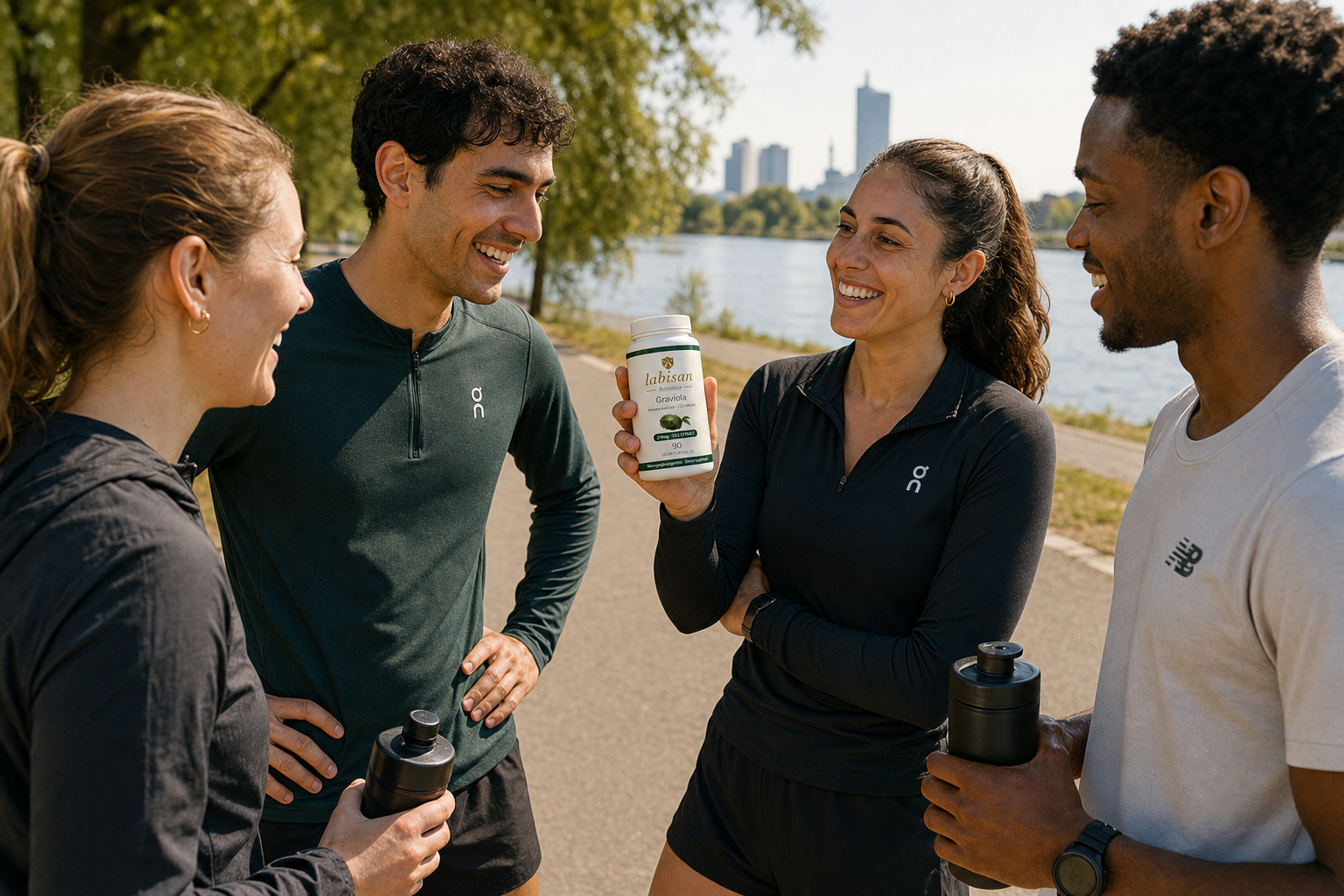
What the Single-Capsule Brands Are Actually Selling
A 500mg capsule of 4:1 leaf extract once per day delivers a 2,000mg raw-plant-equivalent dose, which is more than 16 times below the Labisan 33,000mg daily raw-fruit-equivalent payload and well below the Caribbean and South American daily-fruit-consumption literature dose range. The reason most of the market has settled at single-capsule, low-ratio products is manufacturing convenience, not biology: concentrating fruit pulp at a 22:1 ratio through water extraction is slower and lower yielding than grinding leaves or running a quick ethanol pull, and the cost per kilogram of finished extract is meaningfully higher. The category quietly optimised around manufacturer cost.
That convenience strategy carries a marketing dilemma the category has resolved through silence. A 500mg, 4:1, once-daily capsule cannot deliver full-spectrum Annona muricata benefit at the bioactive payload the underlying daily-fruit-consumption biology actually requires. The category response has been vague dose recommendations, hidden extract ratios, and consumers who never run the arithmetic. Labisan publishes the math: 22:1 fruit water-extract, 500mg per capsule, 3 capsules per day, 8,000mg bioactive payload at 33g raw-fruit equivalent, the dose-response range the documented daily-fruit-consumption literature supports.
The 90-Capsule Bottle Is a One-Month Supply
This is a useful sanity check on the protocol. The Labisan bottle ships with 90 capsules. Three capsules per day for 30 days equals 90 capsules. The math is intentional. The 90 count was chosen to match the daily protocol exactly so that one bottle equals one calendar month of continuous use. Brands that ship 90-capsule bottles with a one-capsule-per-day recommendation are quietly telling the consumer that one bottle should last three months, which is fine if the dose is right and a problem if the dose is too low to do the work the consumer expects.
Worth saying explicitly: the older Labisan packaging from earlier production runs carried a one-capsule-per-day recommendation that did not reflect the actual research-backed dosing. That recommendation has been corrected on current bottles and on the website. The protocol is, and was always meant to be, three capsules per day.
The full 8,000mg bioactive payload, three capsules a day
Labisan Graviola Capsules 22:1 Fruit Water-Extract
Single bottle (90 capsules, one month): $44.99 | 3x Bundle: $119.97 | 5x Bundle: $179.95
Free shipping on orders over $49. 30 day money back guarantee.
Shop Graviola CapsulesHow to Compare Graviola Products on the Label
The comparison framework is simple. Three numbers matter: extract ratio, milligrams of finished extract per capsule, and capsules per day. Multiply the three and you get the raw-plant bioactive equivalent the protocol delivers. A 4:1 extract at 500mg per capsule, one capsule per day, equals 2,000mg of raw-plant equivalent. A 10:1 extract at 500mg per capsule, one capsule per day, equals 5,000mg. The Labisan 22:1 fruit water-extract at 500mg per capsule, three capsules per day, equals 33,000mg of raw-plant equivalent and an 8,000mg concentrated bioactive payload. Those are not the same product. The extract ratio explainer walks through the wider concentration question.
The other thing to look at is the source tissue. A high-ratio leaf extract delivers a 5-to-20-times-higher acetogenin density that lands in the Caparros-Lefebvre chronic-exposure zone. The Labisan high-ratio fruit extract delivers an engineered acetogenin density alongside the full daily-antioxidant polyphenol layer at safer compound density for chronic daily use. The fruit vs leaf extract safety post covers the engineering decision in detail.
Frequently Asked Questions
Why three capsules per day instead of two or four?
Three capsules deliver an 8,000mg bioactive equivalent, which sits in the dose-response range that the daily-fruit-consumption literature on Annona muricata supports. Two capsules under-deliver. Four crosses into territory where the polyphenol and acetogenin payload is higher than necessary for daily wellness use without producing additional benefit. Three is the protocol that the formulation was designed around.
Can I take all three capsules at once?
You can, and the bioactive load reaches the system either way. Splitting the dose across the waking day produces a flatter plasma concentration curve and a longer area under the curve at tissue level, which is the more efficient delivery for daily wellness purposes. One capsule with breakfast, one with lunch, one with the evening meal is the recommended pattern.
Does timing relative to food matter?
Take with food. The water-soluble polyphenols absorb readily either way, but the lipid-soluble fraction in the fruit extract benefits from the presence of dietary fats. Taking the capsules with meals also smooths the dose across the day naturally and is easier to remember.
What about people with smaller body frames?
The dose-response biology of polyphenol supplementation is relatively flat across adult body weight ranges, which is why most plant-extract supplements do not scale dosing by weight. The three-capsule protocol applies across the typical adult range. People with specific medical conditions or those on medication should consult a clinician before any supplement, regardless of body weight.
What if I miss a dose?
Take it when you remember. If it is close to the next scheduled capsule, skip and continue. The biological effect of graviola supplementation is cumulative across days and weeks, not dependent on hitting any single dose. Missing one capsule on one day does not break the protocol; the longer-term consistency is what matters.
How long until the protocol shows benefit?
The polyphenol and antioxidant biology builds tissue-level effect over weeks rather than hours. The patient-observation pattern Labisan's formulators describe is reduction from 6 outbreaks per year to roughly 1 mild outbreak per year over twelve months of consistent daily use, with the most pronounced effect in users who previously had four to six outbreaks per year. Individual results vary based on baseline immune state and adherence to the 3-capsule daily protocol.
The Bottom Line
Three capsules per day is not a marketing flourish. It is the protocol the formulation was designed around, and it maps to the underlying 22:1 fruit-extract math in a way that single-capsule, low-ratio competing products simply cannot match. The 90-count bottle is a one-month supply at the correct dose, and the 8,000mg bioactive payload reflects the concentrated raw-fruit equivalent that the daily-consumption biology of Annona muricata supports.
Labisan Graviola Capsules are a 22:1 water extract from the fruit pulp of Annona muricata, manufactured in Austria under EU GMP standards, in pharmaceutical-grade HPMC capsules, with batch-level certificates of analysis available on request. Three capsules per day, one with each main meal. Free shipping on orders over $49, 30 day money back guarantee.