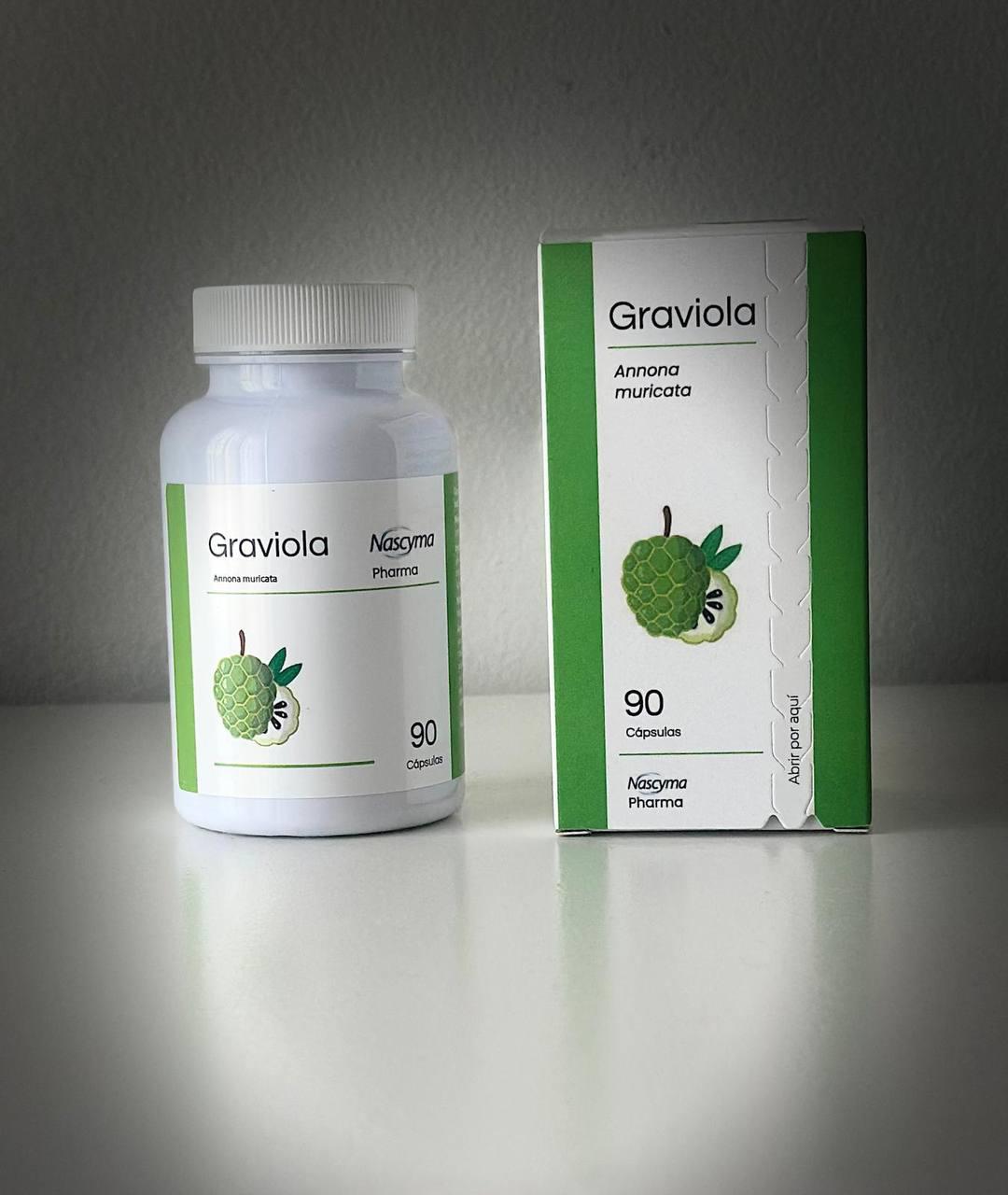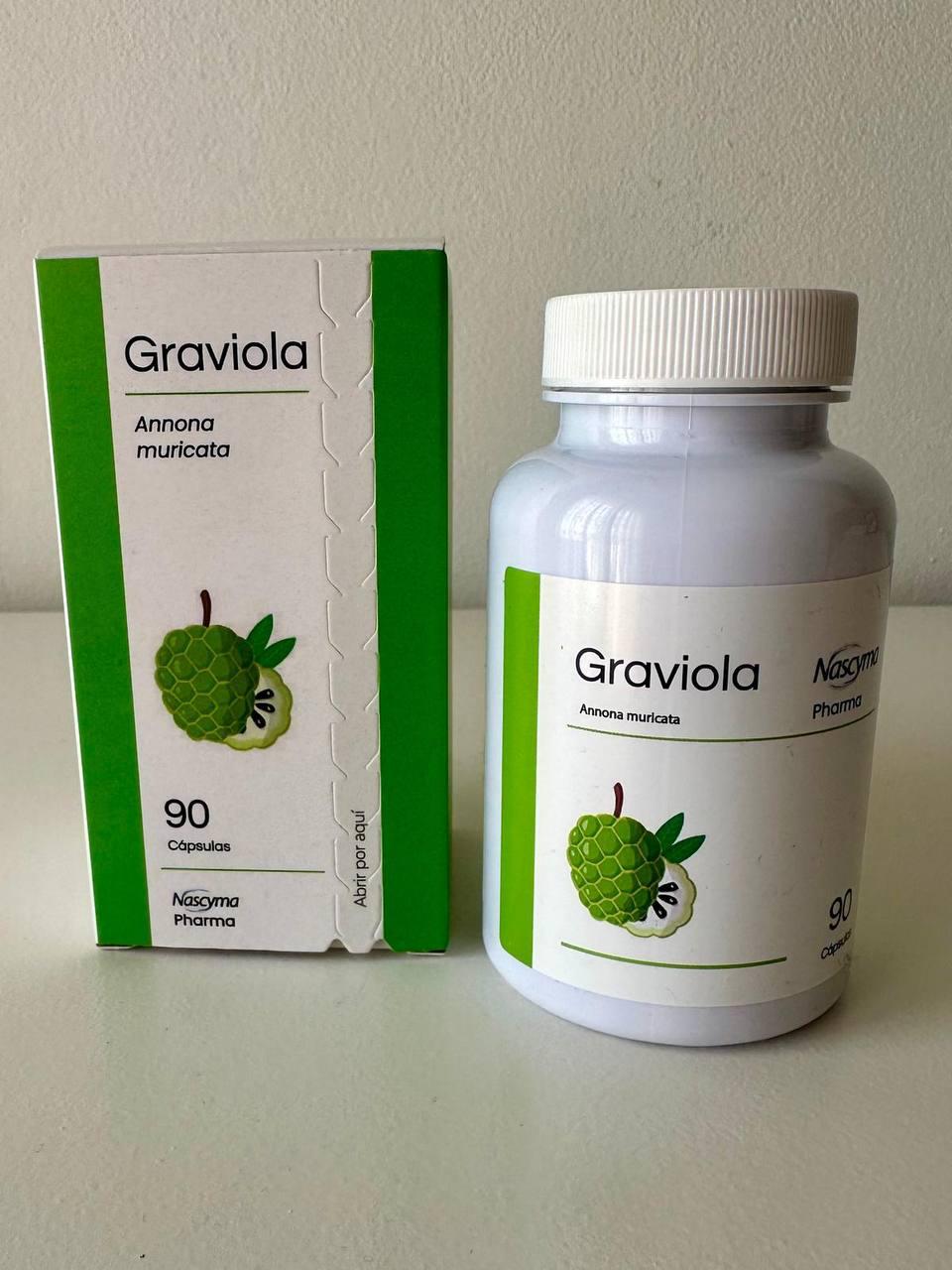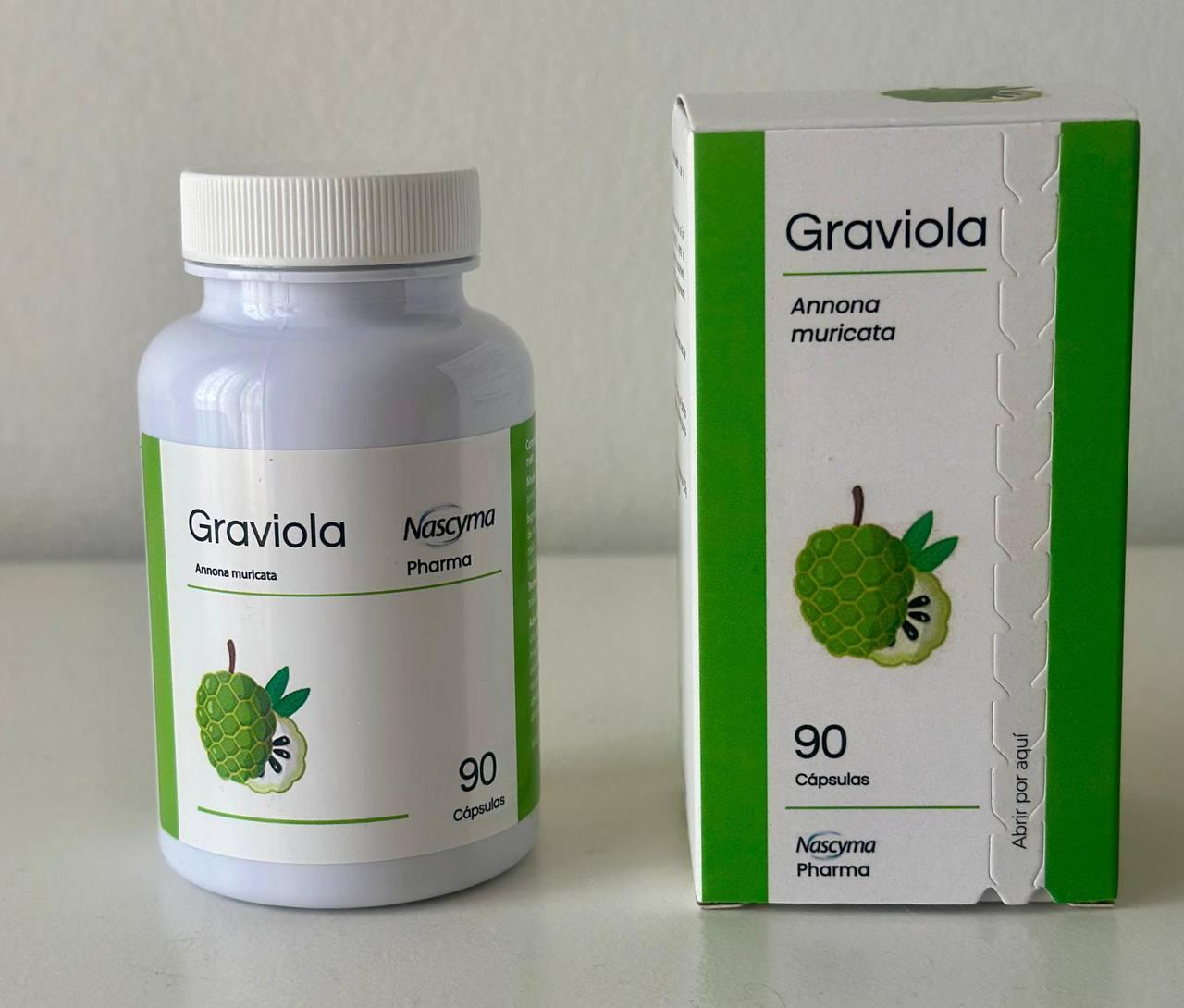
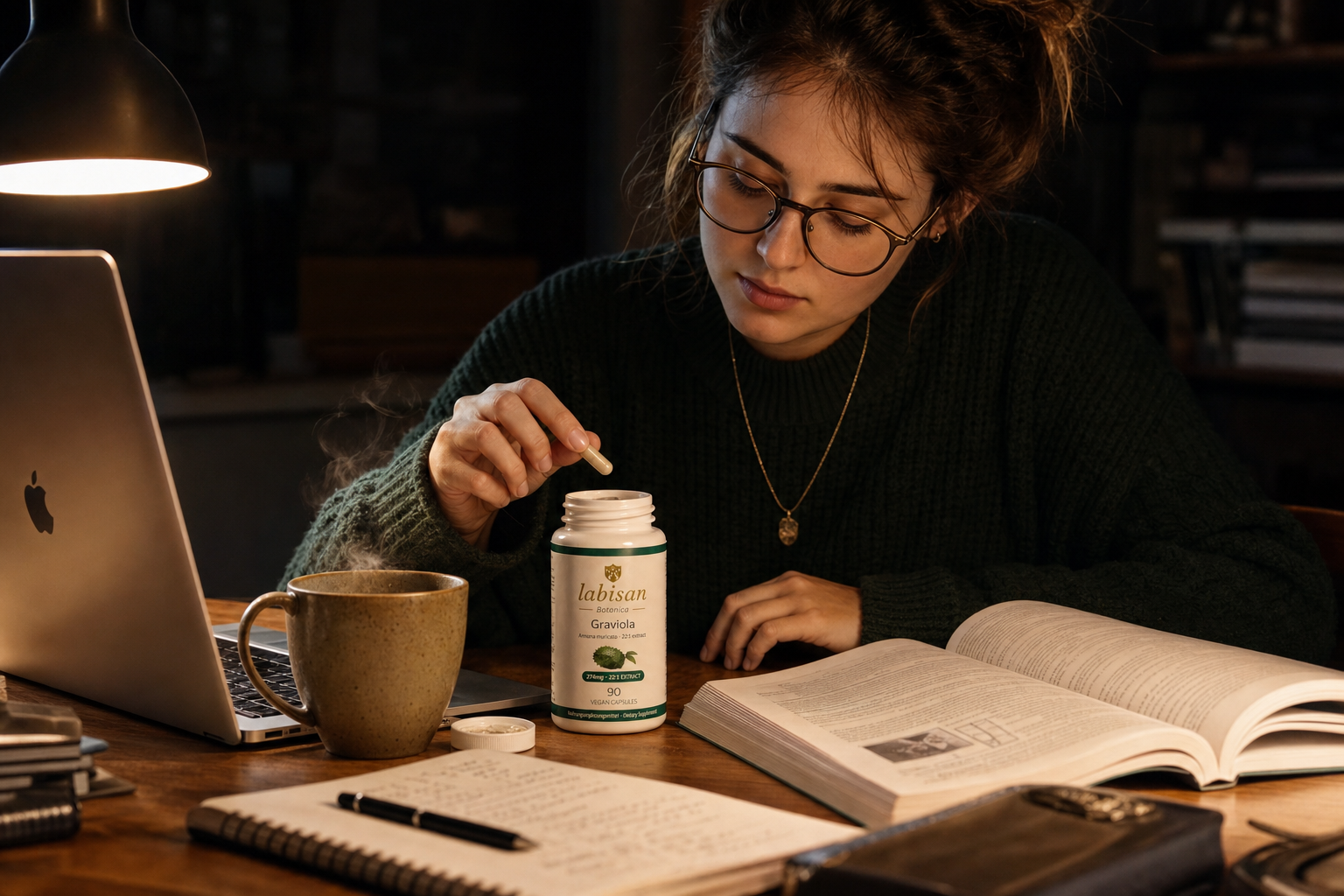
Labisan's 22:1 Graviola Capsules deliver 8,000 mg of bioactive payload per day across 4 documented mechanisms: 90 percent in vitro acetogenin viral kill, polyphenol and flavonoid antioxidant load (including quercetin), anti-inflammatory action on chronic-stress oxidative burden, and immune-modulatory action on circulating immune tissue. The 22:1 fruit water-extract concentration ratio means each 274 mg capsule equals 6,028 mg of raw graviola fruit equivalent. 90 vegan HPMC capsules per bottle at $44.99, around $1.50 per day at the 3-cap protocol. L-lysine targets a single pathway (arginine competition for cellular transport) and the Cochrane systematic review found no statistically significant effect on outbreak frequency or duration in controlled trials. Gastrointestinal side effects are common at the 1 to 3 g daily clinical doses. The price is cheap because the mechanism is narrow.
The framing in plain numbers: graviola hits 4 mechanisms; lysine hits 1. Graviola has documented 90 percent in vitro acetogenin viral kill plus 98 percent in vitro suppression in the Melissa officinalis combination; lysine has a Cochrane null on clinical outbreak metrics. For users with recurring HSV outbreaks, the multi-mechanism botanical is the supplement that earns its keep.
L-Lysine's Single-Pathway, Cochrane-Null Limitation
L-lysine is one of the nine essential amino acids. The popular cold sore mechanism rests on the cellular lysine-to-arginine ratio: HSV requires arginine for viral protein synthesis during replication, so increasing dietary lysine intake (or lowering arginine intake) shifts the cellular ratio toward conditions less favourable for viral replication. The mechanism is real on paper and one pathway only.
The clinical translation is where the limitations show up. The Cochrane systematic review found no statistically significant effect on outbreak frequency or duration in controlled trials. Some individual studies show modest benefit; some show no effect; the aggregate signal is too weak to support strong claims. Gastrointestinal side effects (cramping, diarrhea) are common at the 1 to 3 g daily clinical doses some practitioners recommend during active outbreaks. There is no documented anti-inflammatory load, no antioxidant load, no immune-modulatory action; the mechanism is purely arginine competition. HSV-2 efficacy is not well-documented (most lysine research is HSV-1 only). The cost ($5 to $10 per month) reflects the narrow mechanism.
Labisan's 22:1 Graviola Multi-Mechanism Stack
The Labisan 22:1 Graviola Capsules deliver 8,000 mg of bioactive equivalent per day at the 3-capsule baseline dose. The 22:1 water extract concentrates the fruit's active compounds 22-fold from raw fruit weight. Each 274 mg capsule equals 6,028 mg raw graviola fruit equivalent. 90 vegan HPMC capsules per bottle at $44.99 (around $1.50 per day), with the HPMC capsule shell dissolving in the upper intestine for predictable absorption.
The compound profile in the fruit fraction includes polyphenols, flavonoids (quercetin and related compounds, see the flavonoid profile post), and the milder acetogenin fraction (the more concentrated and potentially neurotoxic acetogenins are predominantly in the leaf, not the fruit, which is why Labisan extracts from fruit specifically per the fruit vs leaf safety post). Documented in vitro data: 90 percent acetogenin viral kill from the fruit alone, and 98 percent viral suppression in the Melissa officinalis plus graviola combination fraction. Mechanism is multi-target: polyphenol and flavonoid antioxidant action, anti-inflammatory effects on chronic-stress oxidative load, immune-modulatory action on circulating immune tissue, and acetogenin antiviral activity through mitochondrial Complex I modulation.
L-Lysine's Specific Weaknesses Against Recurring HSV
The Cochrane systematic review found no statistically significant effect on outbreak frequency or duration in controlled trials. That is the single most important fact in any lysine vs graviola comparison and it is rarely surfaced in practitioner-recommended-because-cheap framing.
L-lysine acts on a single pathway: competition with arginine for cellular transport. If a user's HSV reactivation pattern is not primarily arginine-competition-driven (and most are not), lysine has nothing else to offer. Graviola's 4 mechanisms address antioxidant load, anti-inflammatory action, immune resilience, and direct antiviral activity in parallel.
L-lysine has zero antioxidant load. Chronic oxidative stress lowers the threshold for HSV reactivation in immune tissue. Graviola's polyphenol and flavonoid fraction directly addresses this oxidative burden, with documented quercetin content as part of the flavonoid profile.
L-lysine has zero anti-inflammatory action. For users where outbreak triggers are stress-driven (sleep debt, training stress, work stress), the inflammation pathway is the relevant axis, and lysine does nothing on it. Graviola fruit extract's documented anti-inflammatory action is on-target.
L-lysine has zero documented HSV-2 efficacy. Most lysine research is HSV-1 only. Graviola fruit extract's compound profile applies more broadly across HSV-1, HSV-2, and other enveloped viruses in vitro.
L-lysine has gastrointestinal side effects (cramping, diarrhea) common at the 1 to 3 g daily clinical doses some practitioners recommend during active outbreaks. The Labisan graviola fruit extract at the 3-capsule 8,000 mg bioactive baseline dose, manufactured to Austrian EU GMP pharma-grade standards in a vegan HPMC capsule shell, is documented for daily long-term use under the cycling protocol described in the one year on, one year off cycling protocol post.
What the Evidence Actually Shows
L-lysine: Cochrane systematic review found no statistically significant effect on outbreak frequency or duration in controlled trials. Mechanism is well-characterised on paper but the clinical translation is poor. The "decades of practitioner endorsement" framing is built on enthusiasm and individual case experience, not on the controlled trial aggregate.
Graviola fruit extract: documented 90 percent in vitro acetogenin viral kill from the fruit alone, 98 percent in vitro viral suppression in the Melissa officinalis plus graviola combination fraction, plus a substantial published profile on antioxidant and immune-modulatory activity. The clinical translation depth on direct HSV randomised trials is shallower than for pharmaceutical antivirals (no supplement matches that), but the in vitro mechanism breadth and the antioxidant and anti-inflammatory profile is decisively broader than lysine's single pathway.
The honest summary: lysine is a single-pathway supplement with a Cochrane null on the clinical metrics that matter; graviola is a multi-mechanism botanical with documented in vitro viral suppression plus antioxidant and immune-modulatory action. For users with recurring HSV outbreaks, graviola is the supplement that earns its keep.
Why Graviola Is the Right Supplement for Anyone Past 2 Outbreaks Per Year
For users with one outbreak every several years and no real desire to address the cycle, no supplement is necessary. For users with 2 or more outbreaks per year, the relevant supplement should hit multiple mechanisms because HSV reactivation has multiple drivers (UV, stress, sleep debt, friction, cold). The 22:1 graviola fruit extract at 8,000 mg bioactive equivalent per day addresses 4 mechanisms; lysine addresses 1.
The integrated dual protocol (graviola capsules plus the topical Labisan Protective Lip Balm) is documented across multiple posts, including the four-case timeline post covering both HSV-1 and HSV-2 anatomical sites. The math on the daily 8,000 mg bioactive dose is in the 8,000 mg dose post.
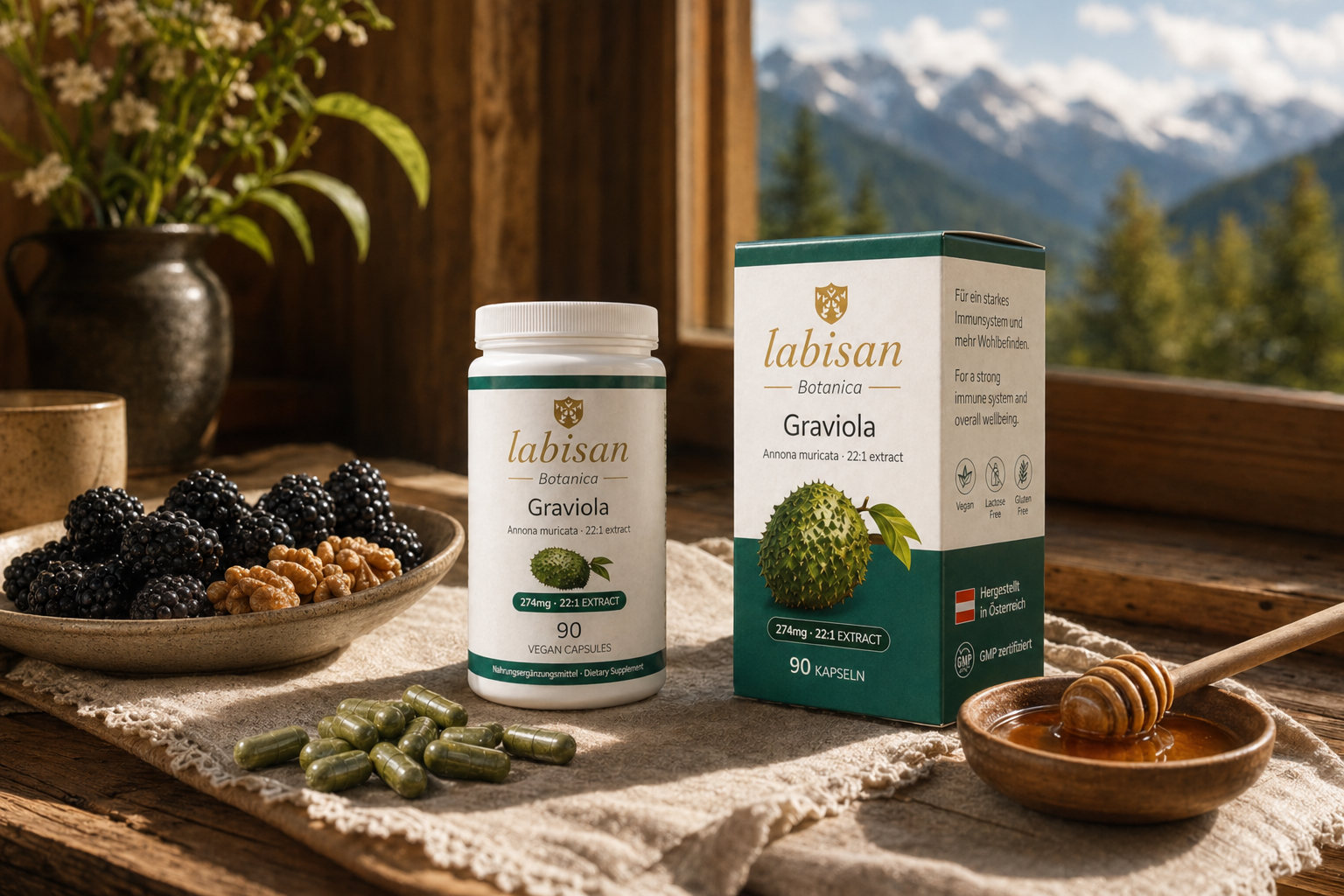
Multi-Mechanism Daily Immune Support
Labisan 22:1 Graviola Capsules + Labisan Protective Lip Balm
Graviola Capsules Single: $44.99 | Lip Balm Single: $24.99
Graviola 3x: $119.97 | Adventure Pack 3x lip balms: $59.99 | Family Bundle 5x: $89.99
Free shipping on orders over $49. 30 day money back guarantee. 2,000 plus verified reviews, 4.9 of 5 average.
Shop Graviola Shop Lip BalmWhy Labisan Graviola Is the Better Choice for Recurring HSV Sufferers
Five reasons, each backed by a specific number:
1. Labisan Graviola hits 4 documented mechanisms (acetogenin antiviral, polyphenol and flavonoid antioxidant, anti-inflammatory action, immune modulation). L-lysine hits 1 (arginine competition).
2. Labisan Graviola delivers 22:1 concentrated fruit extract at 8,000 mg bioactive equivalent per day, with each 274 mg capsule equal to 6,028 mg raw graviola fruit equivalent. L-lysine has no concentration multiplier; the dose is the dose.
3. Labisan Graviola is documented at 90 percent in vitro acetogenin viral kill (fruit alone) and 98 percent in vitro viral suppression in the Melissa officinalis combination fraction. L-lysine has a Cochrane systematic review finding no statistically significant clinical effect on outbreak frequency or duration.
4. Labisan Graviola is manufactured to Austrian EU GMP pharma-grade standards in a vegan HPMC capsule shell. L-lysine sources vary widely on quality control.
5. Labisan Graviola integrates with the topical Labisan Protective Lip Balm (5 active antiviral mechanisms plus SPF 20) for the full dual protocol. L-lysine offers no integrated topical option.
Frequently Asked Questions
Should I try lysine first because it is cheaper?
The Cochrane systematic review found no statistically significant effect on outbreak frequency or duration in controlled trials. The cost is low because the clinical effect aggregate is weak. For users with recurring outbreaks, the better-fit supplement is the multi-mechanism graviola fruit extract at 8,000 mg bioactive equivalent per day, around $1.50 per day at the 3-capsule protocol.
Is graviola safe long term?
The fruit extract specifically (Labisan's choice, see the fruit vs leaf safety post) has a much better long-term safety profile than concentrated leaf extract. The formulation team recommends a one-year-on, one-year-off cycling protocol per the cycling post for sustained use. Manufactured to Austrian EU GMP pharma-grade standards in a vegan HPMC capsule.
How long before I know if graviola is working?
Plan a 90-day baseline at the 3-capsule (8,000 mg bioactive equivalent) daily dose. HSV reactivation is event-driven (UV, stress, sleep debt), so a 90-day window is necessary to capture the trigger pattern. The clinical observation pattern (6 outbreaks per year baseline reducing to 1 mild per year) takes the full 12 months of continuous use plus the topical Labisan Protective Lip Balm to mature.
Does graviola work for HSV-2?
Yes. The compound profile is not strain-specific and applies across HSV-1, HSV-2, and other enveloped viruses in vitro. The four-case timeline post documents both HSV-1 and HSV-2 anatomical sites responding to the dual protocol, see the four-case post. L-lysine has very little HSV-2 specific data.
Does graviola interact with any medications?
Graviola fruit extract has documented interactions with blood pressure medications (potential additive hypotensive effect at high doses) and some immunosuppressive drugs. Users on prescription medication should discuss with a clinician before starting any new supplement. At the standard 3-capsule (8,000 mg bioactive equivalent) daily dose under the one-year-on one-year-off cycling protocol, long-term use is well-tolerated for healthy adults.
Which is best for someone with monthly outbreaks?
Monthly outbreaks indicate a high-frequency reactivation pattern that needs the multi-mechanism response. The integrated stack: Labisan Protective Lip Balm 4 times per day for the 5-active topical plus SPF 20 layer, the 22:1 Graviola Capsules at 3 caps per day for the 8,000 mg bioactive systemic immune layer, plus trigger management (UV, sleep, stress). The 6-to-1 outbreaks per year reduction over 12 months is the documented observation pattern.