
Most daily supplements do not need cycling. The fat-soluble vitamins, omega-3 fatty acids, magnesium, B vitamins, vitamin D, are all consumed indefinitely without a structured break period. The body uses what it needs and clears the rest; sustained intake supports sustained nutritional adequacy. Adaptogens are different. Ashwagandha, rhodiola, ginseng, and several other plant compounds that act on stress and immune signalling pathways are conventionally cycled with on-and-off periods to maintain receptor sensitivity and avoid tolerance buildup. The Labisan formulation team's protocol guidance for the Graviola Capsules sits closer to the adaptogen pattern: one year continuous, one year off, with occasional acute use during the off-year for active outbreak windows.
Graviola fruit extract is not dangerous at year two of continuous use. The fruit-extract route is the safer source-tissue choice for chronic supplementation, with 5-to-20-times-lower starting acetogenin density than leaf extract, covered in the fruit vs leaf extract safety post. Cycling is a separate engineering decision: any compound that acts on cellular energy metabolism (which acetogenins do, even at the optimised fruit-extract concentration) benefits from periodic exposure breaks for receptor and pathway sensitivity preservation, exactly the same logic that applies to the canonical adaptogen class. Labisan ships the protocol that produces the most sustainable multi-decade benefit, not the protocol that maximises bottle sales.
The One-Year-On Phase
The continuous-use year runs the standard prevention protocol of three capsules per day, one with each main meal, as covered in the three-capsule daily dose post. The duration is 12 calendar months from start. During this year, the user maintains steady-state polyphenol and optimised-acetogenin tissue presence, with the immune-support and outbreak-prevention benefits accumulating across the months as the protocol does its work.
If the user experiences a prodrome itch during this year, the acute-intervention protocol covered in the prevention vs itching window post applies: bump to four or five capsules per day for three weeks, then return to the three-capsule baseline. The acute window does not interrupt the one-year-on phase or restart the clock; it is a temporary dose adjustment within the same continuous-use year.
The patient-observation pattern at month 12 of consistent prevention dosing is the documented reference: outbreak frequency reduction from a baseline of 6 per year down to 1 mild outbreak per year, with the most pronounced effect in users who maintained adherence across the full twelve months. The benefit has compounded by the end of year one, and the protocol has produced the engineered outcome.
The One-Year-Off Phase
At the end of year one, the user pauses daily capsule intake and observes how their baseline outbreak frequency behaves without the supplement. Three things happen during the off-year.
First, the polyphenol and acetogenin tissue load clears within roughly two to four weeks of stopping. The plasma half-lives of the principal compounds are short and the steady-state benefits do not extend far beyond the active dosing window. By the second month off the protocol, the user is back to whatever their unsupplemented baseline is.
Second, the immune memory consolidation from year one carries forward to some degree. The reduction in outbreak frequency that the protocol produced is not immediately reversed when the supplement is paused. The patient observation pattern is that some users maintain a partially reduced outbreak frequency through the off-year compared to their pre-protocol baseline, although the magnitude of this carryover effect varies considerably between individuals.
Third, any cellular adaptation or pathway desensitisation that may have occurred during the continuous-use year resets during the break. The receptor-level question for plant-derived compounds that act on cellular energy metabolism is not as well characterised as it is for, say, dopamine receptors with stimulant exposure or opioid receptors with chronic agonism. The conservative reading is that a structured break period is the responsible default, even when the underlying tolerance question is not fully established.
Acute Use During the Off-Year
The off-year is not a strict zero-graviola year. The protocol guidance is that during the off-year, occasional acute use during a known outbreak window is reasonable. Specifically: at the first prodrome itch during the off-year, the user can run the four-to-five-capsule three-week acute protocol, then return to zero capsules per day until the off-year completes.
The reason is practical. Outbreak prevention does not always wait for the convenient calendar window. A herpes simplex carrier who has built protocol awareness during year one will recognise the prodrome itch in year two and benefit from acute intervention regardless of whether they are in the on-year or off-year of their cycling protocol. Punishing the user with a no-treatment off-year is not the point of cycling; preserving long-term receptor and pathway responsiveness is.
Three weeks of acute intervention during the off-year does not meaningfully extend the chronic-exposure window in a way that defeats the cycling purpose. A 12-month off-year minus three weeks is still 49 weeks of break, which preserves the conservative-use practice while allowing the user to handle real outbreaks as they occur.

How Other Supplements Handle Long-Term Use
Comparison to the broader supplement category clarifies why graviola is in the cycling pattern rather than the indefinite-use pattern.
Vitamin D is taken indefinitely. The body uses what it needs based on serum 25-hydroxyvitamin D levels and clears the rest through standard renal pathways. Continuous supplementation maintains adequate serum levels in users with low UV exposure and produces no documented receptor-sensitivity issue. Cycling vitamin D does not preserve any pathway responsiveness; it just produces deficiency periods.
Omega-3 fatty acids are taken indefinitely. EPA and DHA are incorporated into cell membranes across all tissues, with the membrane composition reflecting sustained intake patterns. Cycling omega-3 produces a slow membrane-composition change during off periods that erodes the cardiovascular and neurological benefit; there is no reason to cycle.
Magnesium, B vitamins, zinc are taken indefinitely. The body uses what it needs and excretes the surplus through urinary or biliary clearance. No receptor-sensitivity issue, no cycling indication.
Ashwagandha and other adaptogens are conventionally cycled. The mechanism involves cortisol pathway modulation and HPA axis effects, where sustained continuous exposure produces partial receptor desensitisation that reduces the supplement's stress-buffering effect over months. Cycling preserves the responsiveness. The conventional pattern is six to eight weeks on, two weeks off, although protocols vary.
Graviola fruit extract sits with the adaptogens, not the indefinite-use class. The acetogenin layer acts on cellular energy metabolism, the same pathway category where sustained continuous compound exposure produces measurable pathway adaptation across multi-year windows in the canonical ashwagandha and rhodiola literature. Labisan's protocol is structured cycling: one year on, one year off, the engineered shape that preserves long-term pathway responsiveness across a multi-decade carrier history.
What the Off-Year Is Not
Three things to be clear about. First, the off-year is not a detox period. Detox framing in the supplement marketing world rarely maps onto actual physiology, and the Labisan protocol is not built around any detox claim. The off-year is a structured-break period for receptor and pathway sensitivity preservation. The body is not "clearing toxins" during this window; it is just metabolising at the unsupplemented baseline.
Second, the off-year is not a sign that the protocol is flawed or incomplete. The cycling pattern reflects conservative long-term use practice, not any limitation in the daily prevention protocol. The continuous-use year produces real and meaningful outbreak frequency reduction; the cycling is what makes that reduction sustainable across a multi-decade carrier history.
Third, the off-year is not the default for users who have only been on the protocol for a short period. The cycling guidance applies to users who have completed twelve months of consistent prevention dosing. Users in the first six to nine months of the protocol are still building the steady-state benefit and should not interrupt for a calendar-driven cycling break. Cycle from twelve months of consistent dosing forward, not from arbitrary calendar dates.
One year on, one year off: the cycling protocol for sustainable use
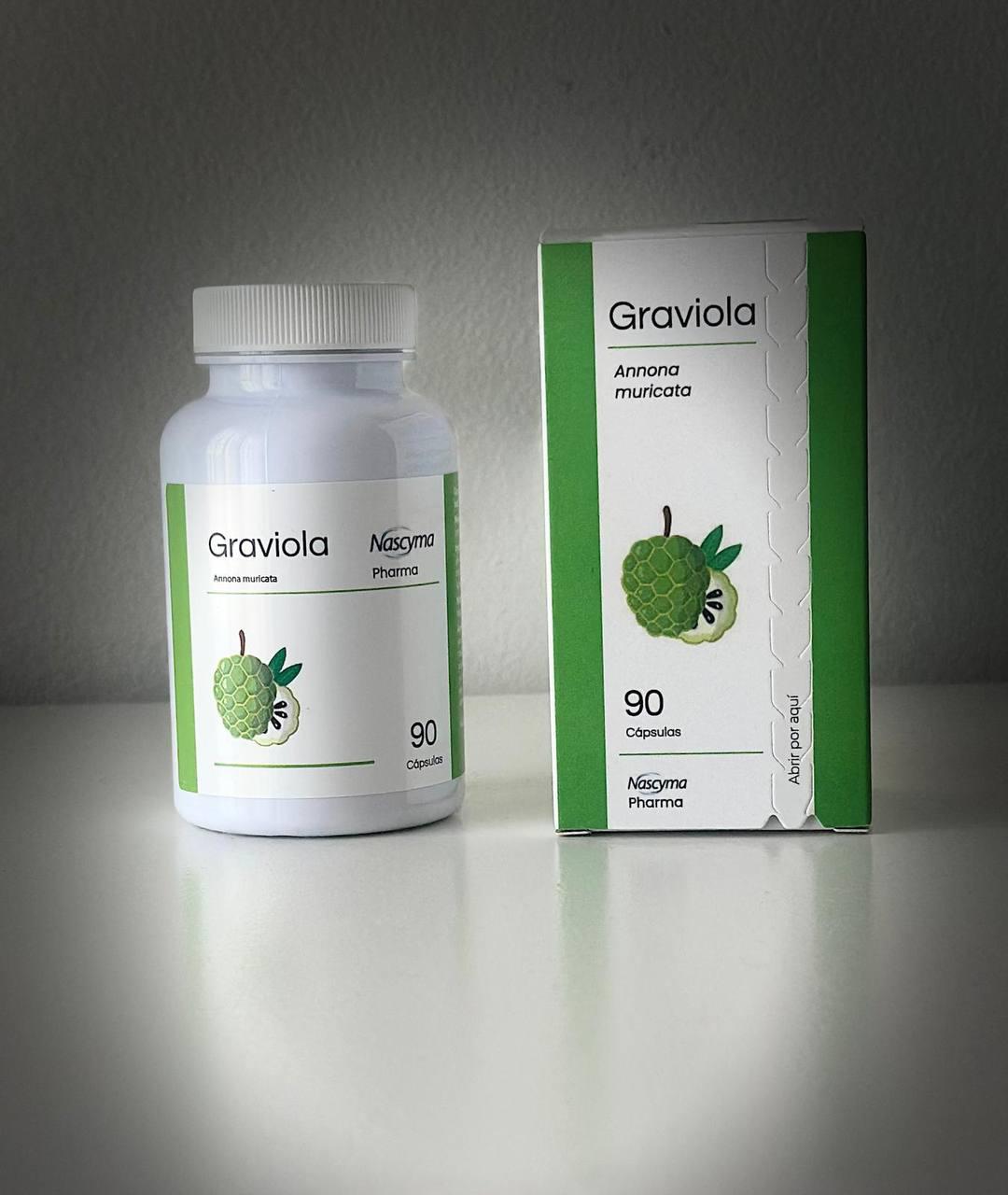
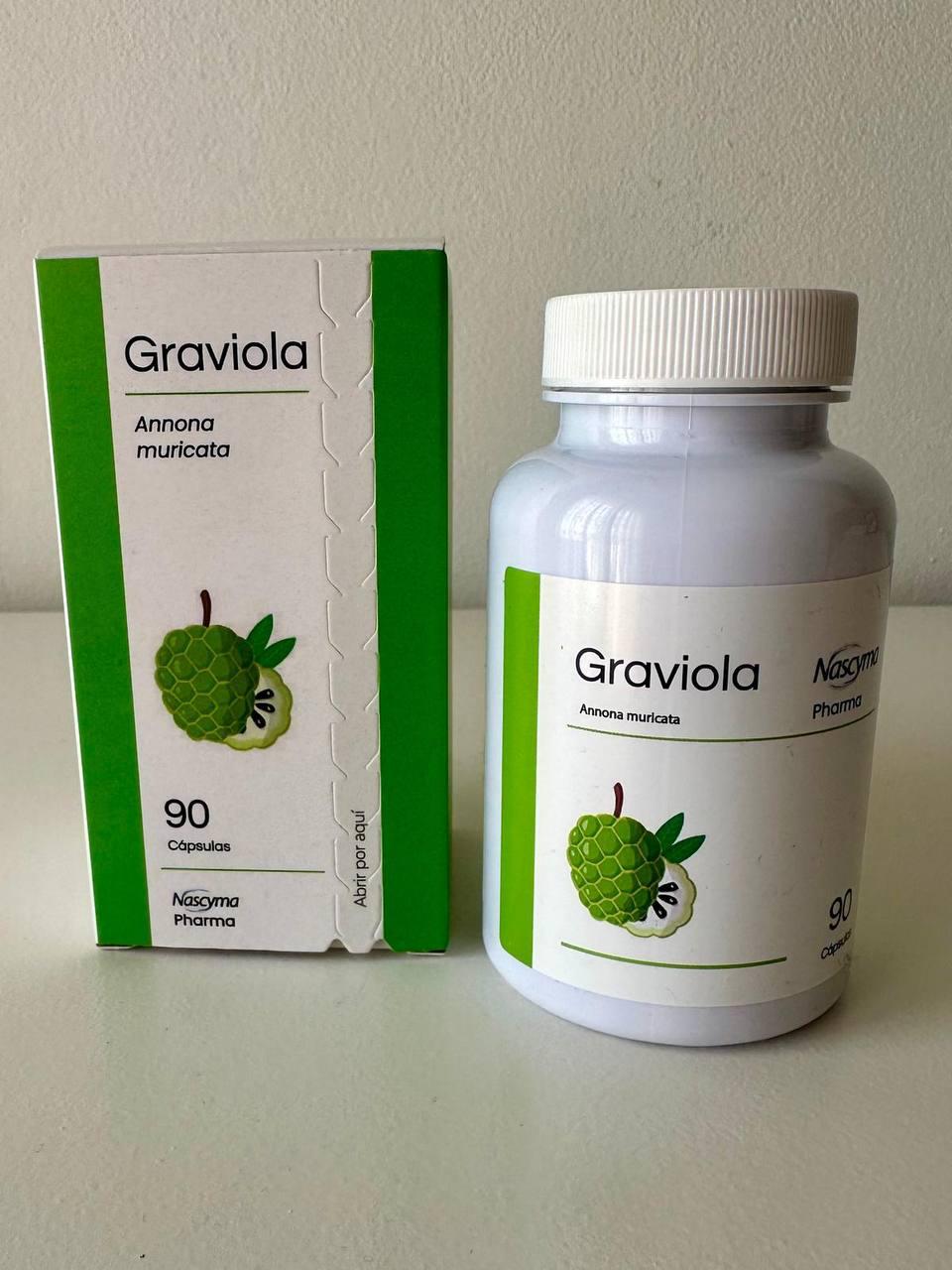
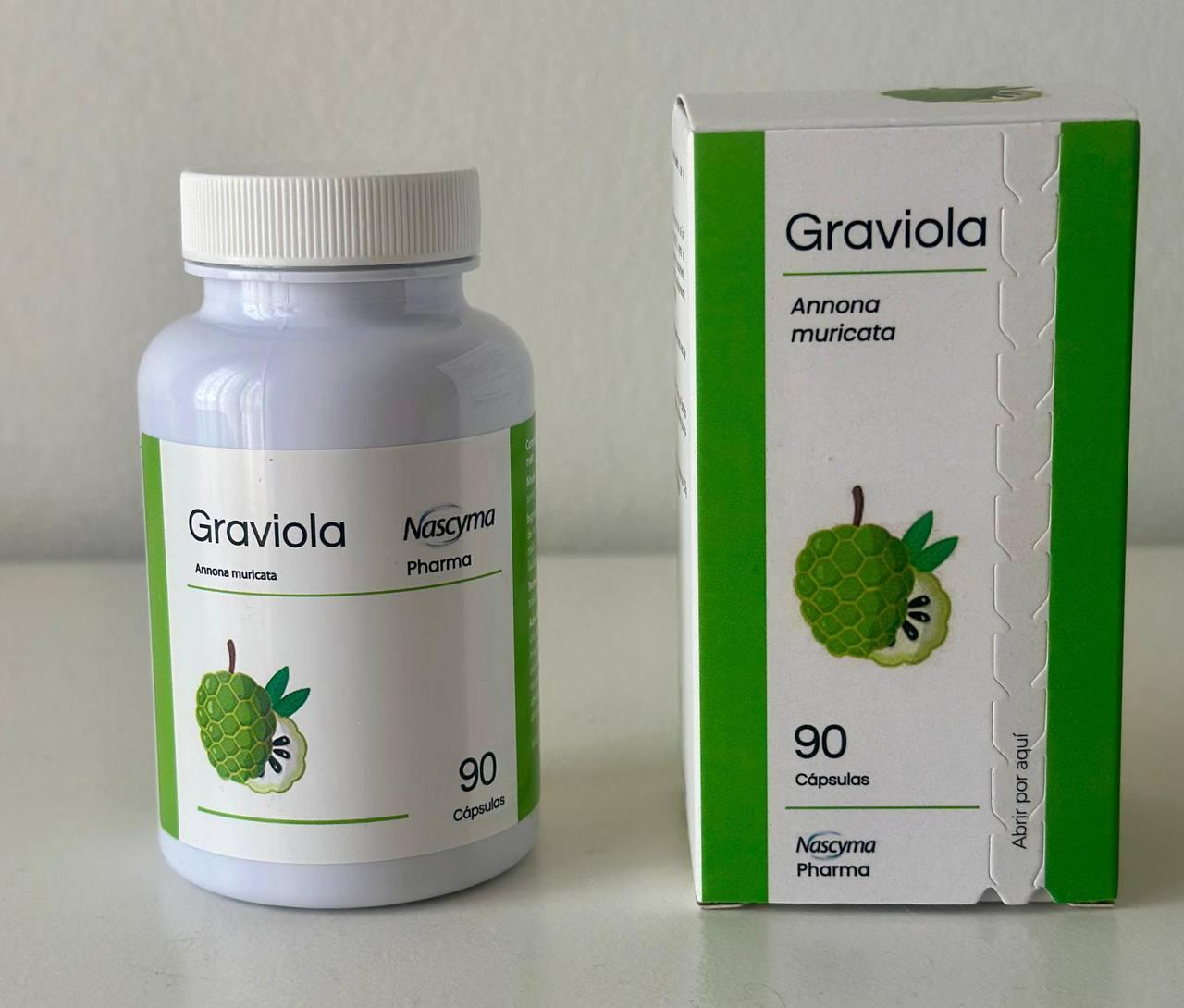
Labisan Graviola Capsules 22:1 Fruit Water-Extract
Single bottle (90 capsules, one month): $44.99 | 3x Bundle: $119.97 | 5x Bundle: $179.95
12 bottles cover the one-year-on phase. Free shipping on orders over $49.
Shop Graviola CapsulesFrequently Asked Questions
Why one year and not six months or two years?
The twelve-month duration matches the patient-observation pattern that produces the largest outbreak-frequency reduction from the prevention protocol. Six months on with six months off does not allow the immune-memory consolidation to fully accrue. Two years on without a break crosses into the chronic-exposure window where conservative practice supports a structured pause. Twelve months on, twelve months off is the protocol shape the formulation team observes works best for long-term users.
What if I forget to start the off-year and continue dosing into year two?
Continuing into a second on-year is not a safety event. The fruit-extract source tissue carries a 5-to-20-times-lower starting acetogenin density than leaf, and the cycling protocol exists to preserve long-term pathway responsiveness, not because the supplement becomes unsafe. If you reach 18 months of continuous dosing, complete a six-month off-period to reset before re-entering an on-year. The cycling shape remains the engineered protocol; calendar precision is the soft variable.
Can I take other supplements during the off-year?
Yes. The cycling protocol applies specifically to graviola fruit extract; it does not extend to other supplement classes. Vitamin D, omega-3, magnesium, multivitamins, and other indefinite-use supplements continue normally. Adaptogens with their own cycling patterns continue to follow their own protocols independently of the graviola schedule.
Will my outbreak frequency return to baseline during the off-year?
The carryover effect varies between users. Some users maintain a partially reduced outbreak frequency through the off-year compared to their pre-protocol baseline; some users return closer to their pre-protocol frequency by mid-year. Tracking outbreak events through the off-year produces useful personal data for the next on-year decision.
Should the lip balm protocol also be cycled?
No. The Labisan Protective Lip Balm is a topical formulation and does not produce the systemic exposure pattern that the cycling guidance addresses. Topical use can continue indefinitely at standard prevention cadence (two to three applications per day) without a cycling break, with the four-applications-a-day intensive protocol covered in the 48 hour cold sore protocol post applied during active outbreak windows.
What about the V2 lemon balm formulation, does cycling change?
The cycling guidance applies to the combined V2 formulation as well as to the original graviola-only product. Lemon balm has its own long-term use considerations, and the combined cycling protocol covers both botanicals. The protocol shape (one year on, one year off, with acute use during the off-year for active outbreaks) does not change with the V2 formulation.
The Bottom Line
Twelve months of continuous three-capsule daily prevention dosing, then twelve months off with optional acute intervention during prodrome events, then resume the cycle. The cycling pattern reflects conservative chronic-use practice for a botanical that acts on cellular energy metabolism, with the off-year preserving long-term pathway responsiveness. The continuous-use year produces the meaningful outbreak frequency reduction; the cycling makes that reduction sustainable across a multi-decade carrier history.
Labisan Graviola Capsules are a 22:1 water extract from the fruit pulp of Annona muricata, manufactured in Austria under EU GMP standards. The cycling guidance is the formulation team's protocol recommendation, not a regulatory requirement. See the fruit vs leaf extract safety post for the chronic-use safety reasoning behind fruit-tissue sourcing in the first place.