Most HSV-1 carriers associate cold sore risk with winter. The ski trip. The Arctic wind. The frozen face. There is a real winter trigger cluster, and the cold sore prevention guide for outdoor sports covers it in detail. But the patient-observation data from the Labisan customer base tells a second story: summer generates nearly as many outbreak events as winter, for a completely different set of reasons. UV reflection off water and sand, sustained heat, dehydration, alcohol, disrupted sleep during travel, cortisol spikes from schedule changes, and the confidence problem of thinking cold sore season is over. The carrier drops their guard in June and ends up with an outbreak at a beach wedding in August.
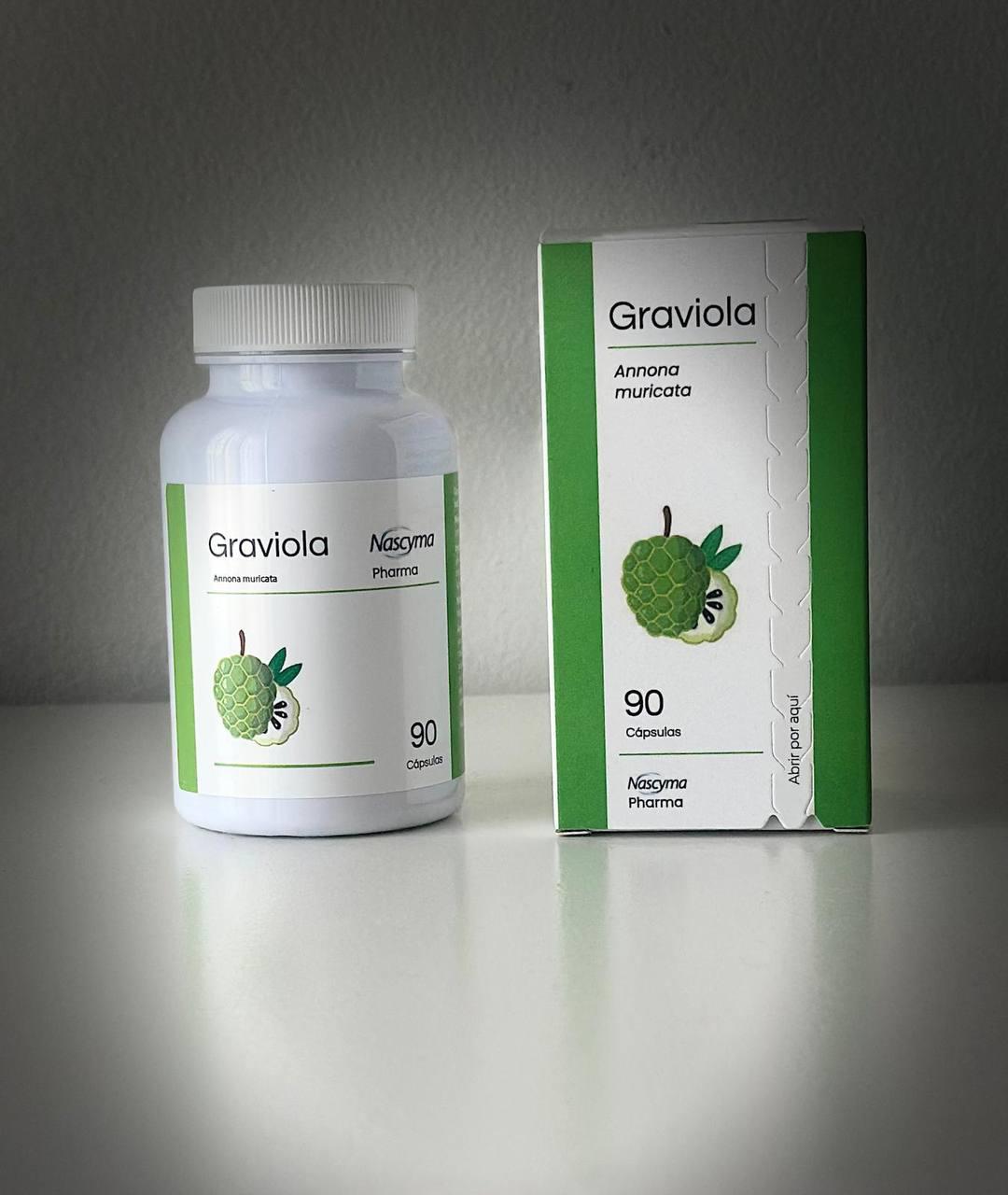
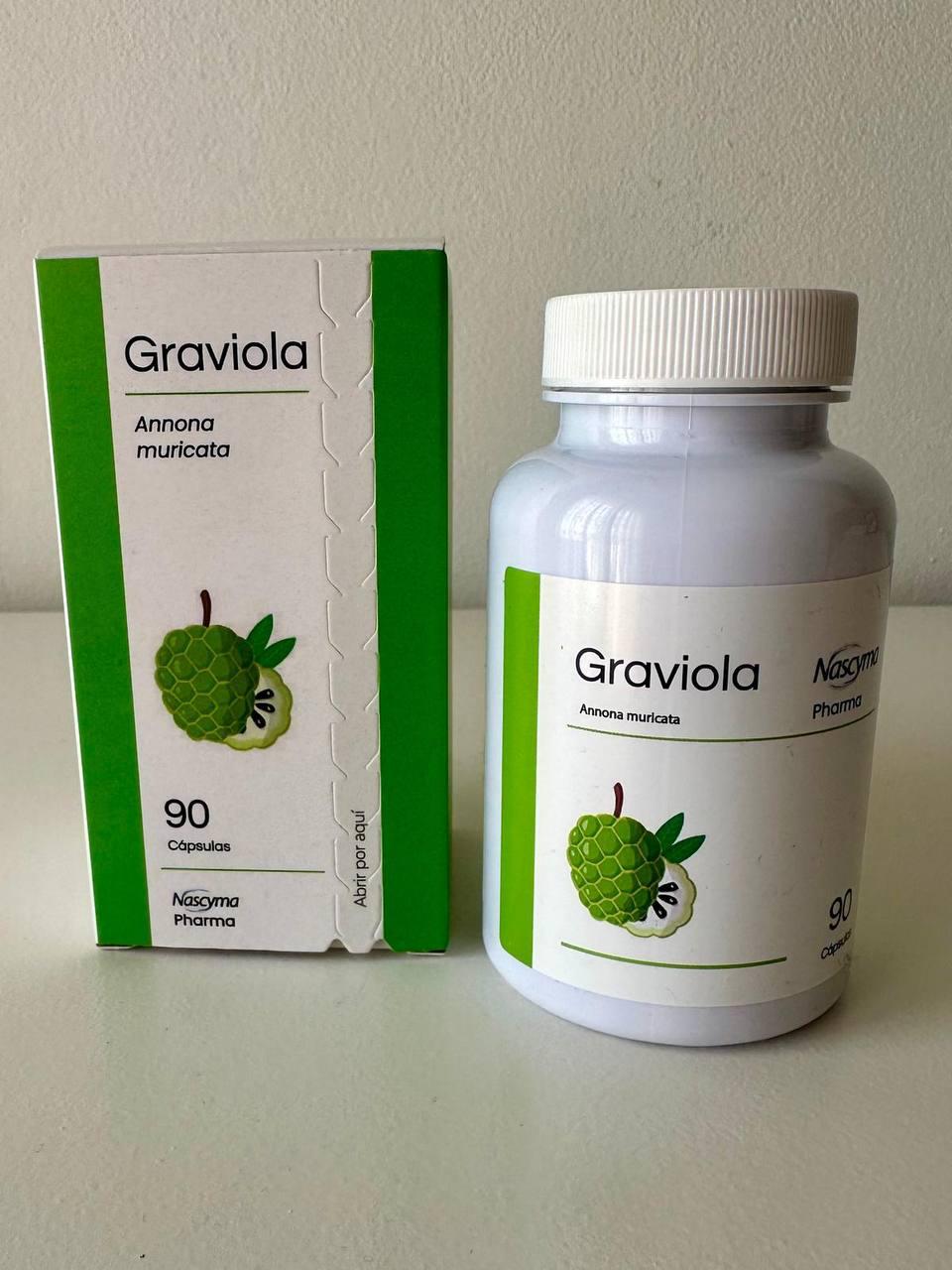
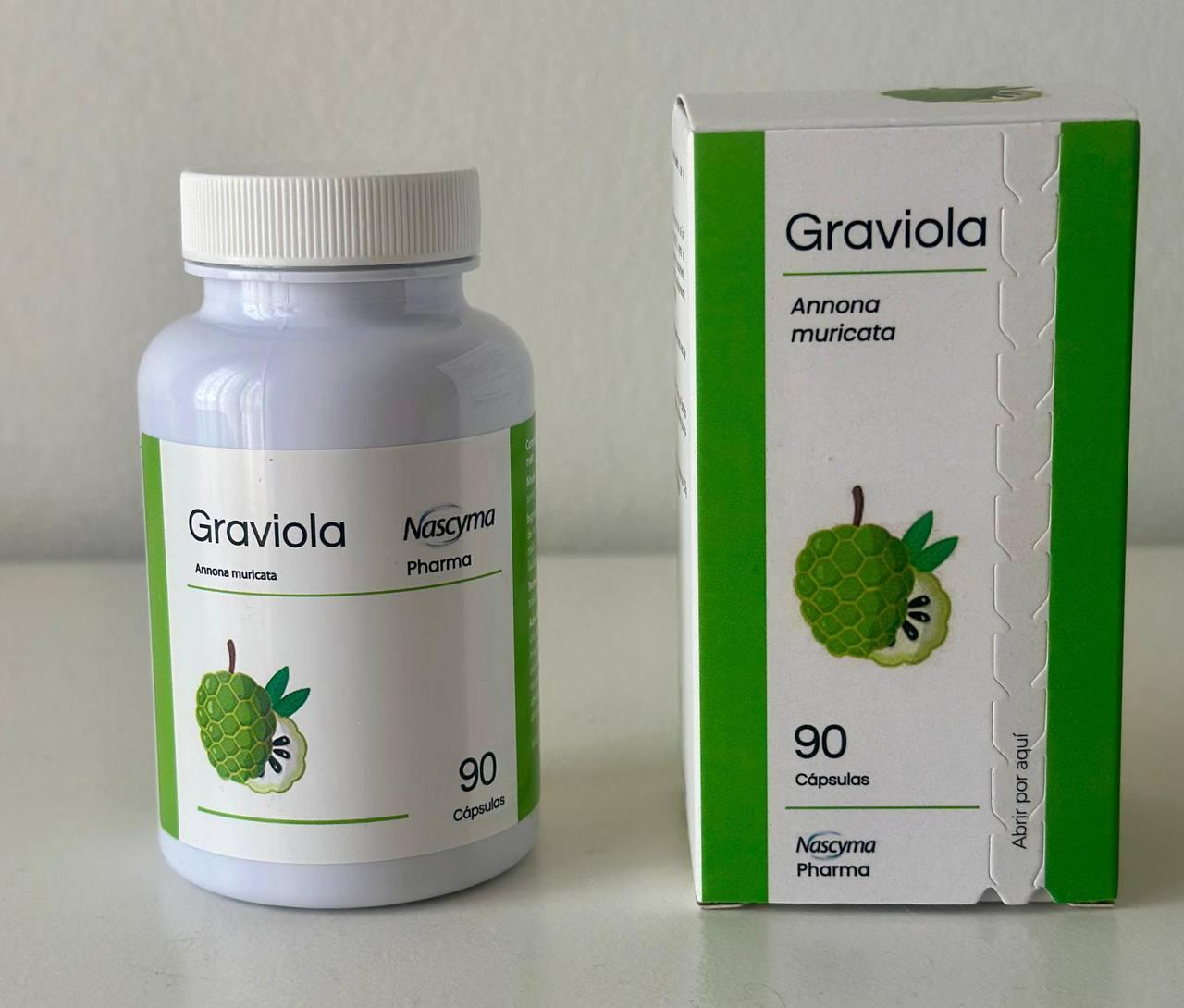
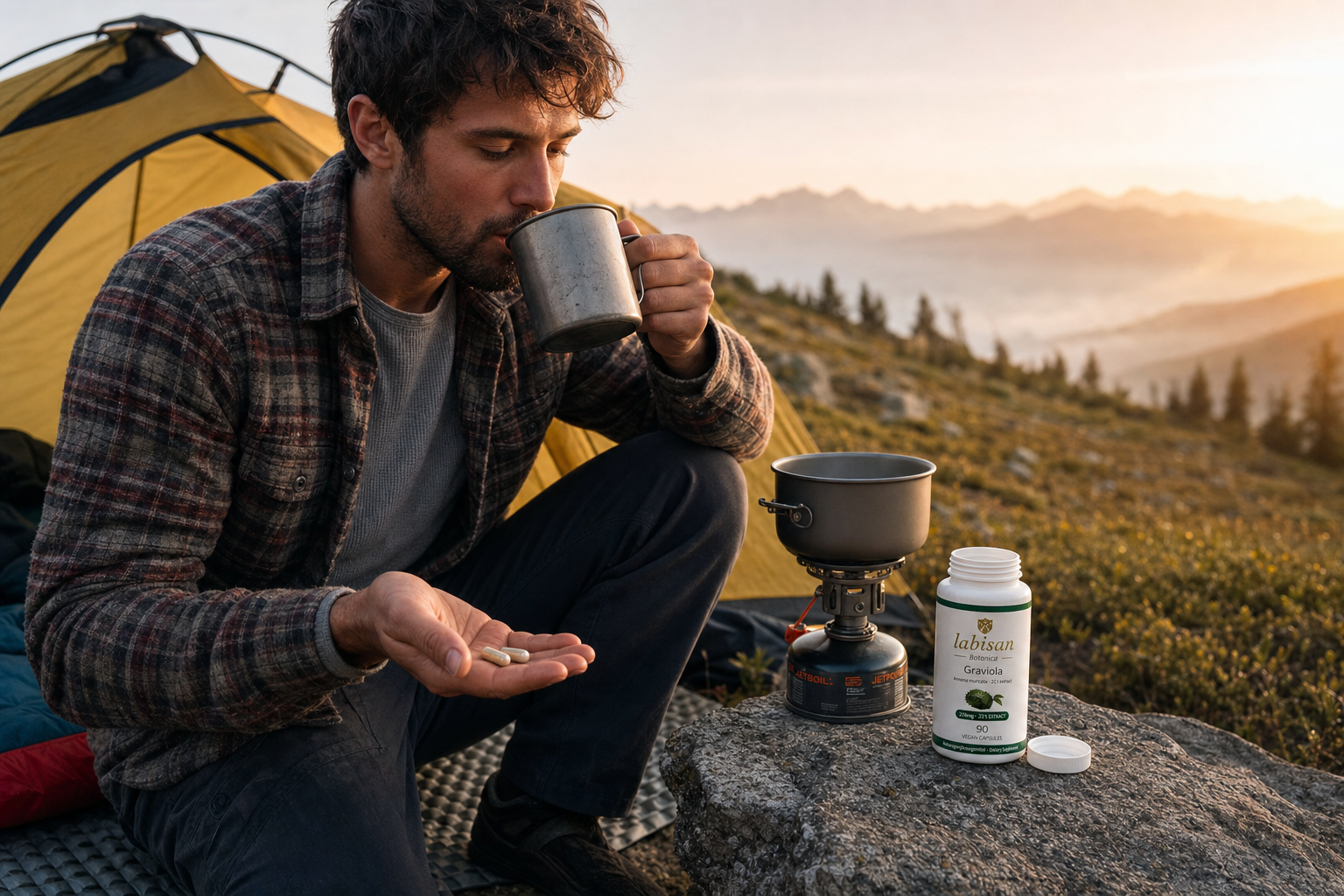
The Labisan 22:1 Graviola Capsule is the systemic layer of the cold sore hybrid system. It raises the reactivation threshold for latent HSV-1 by maintaining a continuous steady-state concentration of acetogenins, polyphenols, and alkaloids in tissue. But it is not an on-demand supplement. The protective layer takes 21 to 30 days of continuous daily dosing to establish. If you are reading this in June and have not started yet, you are already inside the risk window for July and August. This post is the protocol guide for building that layer before your highest-trigger months arrive.
Why summer is a real cold sore risk season
The core reactivation mechanism for HSV-1 is immune suppression plus cellular stress. Any combination of factors that depresses local immune surveillance at the lip margin or elevates systemic cortisol creates the opening the virus needs to travel from the trigeminal ganglion to the surface. Summer delivers several of those factors simultaneously.
UV radiation and the direct lip exposure problem
UV radiation is the single most documented environmental cold sore trigger in the dermatological literature. The mechanism operates on two levels. First, UV exposure to the lip tissue directly damages keratinocytes, triggering local inflammatory signalling that HSV-1 exploits as a reactivation cue. Second, sustained UV exposure suppresses systemic T-cell mediated immune response, creating the broader immune gap that allows viral particles to reach the surface before the immune system mounts its containment response.
In winter, this trigger applies primarily on the mountain; the ski trip is the discrete event. In summer, it applies at every beach day, every patio lunch, every afternoon run, every sailing weekend, and every outdoor festival from May through September. The cumulative UV burden in summer is substantially higher than winter for most people in the target user group. For cold sore carriers, that sustained trigger exposure is a meaningful risk factor for the entire season, not just a specific trip.
Dehydration and the viral replication environment
Mild chronic dehydration is one of the least-discussed cold sore triggers, but the mechanism is straightforward. Dehydrated mucosal tissue has reduced immune cell trafficking efficiency, slower local cytokine signalling, and compromised barrier function at the lip surface. HSV-1 replication occurs more rapidly in a dry, inflamed tissue environment than in a well-hydrated one.
Summer dehydration is common and often goes unrecognised because heat reduces the sensation of thirst relative to actual fluid deficit. Long hikes, festival weekends, extended outdoor exercise, and alcohol consumption all contribute. Users who drink consistently and track hydration notice meaningful reductions in outbreak frequency; this is one of the clearest lifestyle variables in the cold sore trigger pattern, and it is directly relevant to summer conditions.
Alcohol and arginine-rich summer foods
Summer social calendars tend to concentrate two known cold sore dietary triggers: alcohol and arginine-rich foods. Alcohol suppresses immune response through multiple pathways and disrupts sleep quality (a separate reactivation risk). High-arginine foods including nuts, seeds, chocolate, and protein powders create an amino acid environment that favours viral replication because HSV-1 requires arginine for capsid protein synthesis.
The food trigger guide covers the arginine-to-lysine ratio in detail. The practical summer application is that a weekend involving cocktails, cheese boards, nut-heavy trail mix, and interrupted sleep is a multi-trigger event that challenges the immune layer substantially. A user without steady-state graviola tissue presence has fewer resources to hold that combination of triggers back.
Travel stress and cortisol disruption
Cortisol is the primary endocrine signal that triggers HSV-1 reactivation. Vacation and travel, despite being enjoyable, are high-cortisol events: schedule disruption, time zone shifts, sleep in unfamiliar environments, decision fatigue, social performance pressure. The user who felt protected during the calm routine of spring may find the cortisol architecture of a two-week summer trip breaks the threshold the immune layer was holding.
The trigger journal approach is useful for identifying which summer events correlate most strongly with individual outbreak patterns. Different users have different cortisol sensitivities; some find travel the primary summer trigger while others find UV the dominant factor. Tracking across two summers on protocol builds the personal data to adjust the protocol correctly.
Why the 30-day build window is non-negotiable
The Labisan 22:1 Graviola Capsule does not produce immediate antiviral tissue presence on day one of dosing. The acetogenin and polyphenol fractions require 7 to 14 days to reach initial tissue loading, and the sustained steady-state concentration that produces the documented outbreak frequency reduction requires 21 to 30 days of continuous daily dosing. The alkaloid fraction, which modulates the parasympathetic and cortisol response, operates on a similar timeline.
Starting the graviola protocol on the day of a beach trip, or during an active prodrome event, produces a fraction of the protective effect of pre-season loading. The prevention versus prodrome window protocol post covers the acute intervention dose separately. The point here is that the most effective use of the supplement for summer season protection requires starting at least 30 days before the first high-trigger event, not on arrival.
If your highest-risk summer period is July (mountain treks, beach holidays, outdoor festivals), starting the protocol in early June places you at steady-state tissue presence by the first week of July. If your highest-risk period is August, mid-June is the start target. For the calendar-aligned user who wants full summer coverage, mid-May is the optimal start date. June is still meaningful; August is still better than nothing.
The summer prevention protocol: three capsules daily
The standard prevention dose is three capsules per day, one with each main meal, providing 8,000mg of 22:1 fruit water-extract daily. The three-capsule daily dose post covers the pharmacokinetic reasoning: single-bolus dosing produces high peak plasma concentration followed by a trough; three-meal distribution maintains a flatter, more consistent tissue concentration across the full 24-hour cycle.
For summer protocol specifically, the meal distribution matters more than in lower-trigger seasons. The goal is to avoid the tissue concentration troughs that create reactivation windows. Taking all three capsules at breakfast means a 20-hour window without active compound support; spreading across the three main meals of the day closes that gap.
If you are mid-summer and concerned about an active prodrome (the tingling, itching, or tight sensation at the lip margin before a visible lesion appears), the acute intervention dose is four to five capsules daily for three weeks, then return to the three-capsule maintenance dose. This acute escalation is covered separately and does not change the underlying summer prevention protocol for the remainder of the season.
Combining graviola with the lip balm through summer
The graviola capsule handles the systemic layer of summer cold sore protection. The topical layer, applied directly at the site of UV exposure and potential viral breakthrough, is the Labisan Protective Lip Balm SPF 20. The two products address different stages of the same reactivation cascade.
The SPF 20 mineral barrier prevents the primary UV trigger from reaching the lip tissue in the first place. Zinc oxide is the active mineral, which scatters and reflects UV across both UVA and UVB wavelengths without chemical conversion. The manuka oil and antiviral botanicals in the formula provide a secondary topical barrier at the surface. Together with the systemic graviola layer, the Labisan hybrid system is the most complete approach to summer outdoor cold sore prevention currently available.
Summer application timing: apply the lip balm 15 to 20 minutes before UV exposure (before going outside, before swimming, before skiing or trail running) and reapply every 90 minutes during sustained outdoor time. The mineral barrier degrades with water, sweat, and mechanical friction and does not maintain SPF protection indefinitely across a full beach day without reapplication.
What to expect in the first 90 days on protocol
The 12-month immune mechanism post covers the full year-long trajectory. For summer-specific context, the relevant window is the first 90 days. Users starting mid-May and running through August will typically observe the following pattern.
Days 1 to 14: no noticeable immune effect yet. The tissue loading is building but has not reached steady state. UV and other triggers still carry full risk. This is the window where topical SPF application is most critical as the sole active protective layer.
Days 15 to 30: the first evidence of steady-state tissue presence. Users in this window often describe a high-trigger event (a weekend beach trip, a festival) that would have previously produced an outbreak producing only a brief prodrome sensation that resolves without a full lesion. The reactivation threshold is higher; the immune system is responding faster to early viral signalling.
Days 31 to 90: the established protocol window. Consistent steady-state tissue presence, with the flavonoid anti-inflammatory layer, the acetogenin antiviral load, and the alkaloid cortisol modulation all operating simultaneously. Users in this window typically observe a meaningful reduction in outbreak frequency relative to the same summer the prior year, without the protocol.
Build your summer immune layer before the triggers arrive
Labisan Graviola Capsules 22:1 Fruit Water-Extract
Single bottle (90 capsules, 30 days at prevention dose): $44.99 | 3x Bundle: $119.97 | 5x Bundle: $179.95
Free shipping on orders over $49. 30 day satisfaction guarantee.
Shop Graviola CapsulesFrequently Asked Questions
If I start in mid-June, is it too late to get summer coverage?
No. Starting in mid-June gives steady-state tissue presence by mid-July, which still covers the peak of the summer trigger season for most users in the northern hemisphere. The ideal start is 30 days before your first high-trigger event. If your highest-risk period is a late-July camping trip or an August beach holiday, mid-June is the right start. Even starting in August still provides some protection for the remainder of the season and puts you on protocol for the autumn transition, when UV drops but cold-season cortisol stress begins.
Should I take more than three capsules during a high-trigger summer event?
The three-capsule daily prevention dose is calibrated for steady-state tissue loading. During a known high-trigger event (multi-day festival, extended hiking trip with UV, alcohol, and disrupted sleep), you can apply the acute dose of four to five capsules daily for the duration of the event plus three days after. The prevention versus prodrome protocol post covers the full acute escalation logic. Return to three capsules per day after the acute window closes. Do not sustain the elevated dose for more than three weeks without returning to baseline.
Can I take graviola during an active cold sore outbreak?
Yes. If you have an active outbreak, shift to the acute dose (four to five capsules daily) and apply the Labisan Lip Balm four times per day on and around the affected area. The 48-hour cold sore protocol post covers the topical application sequence. The graviola acute dose supports the immune system during active viral replication; it does not eliminate the lesion overnight but shortens the replication window and supports faster resolution. If you are not already on protocol, starting graviola mid-outbreak begins the 30-day build for protection against the next event.
Does the lip balm SPF provide any cold sore prevention on its own without the graviola?
Yes, meaningfully. The SPF 20 mineral barrier prevents the UV trigger from reaching the lip tissue, which removes one of the most significant summer reactivation signals. For users who do not take the graviola supplement, consistent SPF lip balm application before all outdoor UV exposure still reduces summer outbreak frequency compared to unprotected lips. The combined hybrid system is more effective because it addresses both the environmental trigger (topical) and the systemic immune threshold (capsule) simultaneously; but the topical protection is a real standalone benefit, not just a support layer.
How does summer protocol interact with the one-year-on one-year-off cycling guidance?
The summer prevention protocol is a standard phase of the continuous-use year, not an exception to the cycling guidance. If you are in your first year on protocol, summer is the high-trigger season you are building toward. If you are in your off-year from the cycling protocol, the guidance allows for acute use during known outbreak windows; a high-risk summer event qualifies as such a window. Run the four-to-five capsule acute dose for the duration of the event plus three days, then return to zero. The off-year is not a strict prohibition on any capsule use; it is a structured reduction in chronic continuous dosing to preserve long-term pathway responsiveness.