The single most important fact about cold sores is that the fight is decided before you can see anything. Herpes simplex virus type 1 (HSV-1) infects an estimated 3.7 billion people under age 50 worldwide, roughly 64 percent of that population, according to World Health Organization estimates published in 2020. After primary infection the virus travels up the trigeminal nerve and establishes lifelong latency in the trigeminal ganglion. Reactivation is not spontaneous chaos; it is triggered, and ultraviolet light is the single best documented trigger in the medical literature. In a controlled experimental study published in The Lancet in 1991, Rooney and colleagues at the National Institutes of Health exposed the lips of HSV-1 positive volunteers to UV light: 27 percent of the unprotected group developed a cold sore, while 0 percent of the sunscreen-protected group did. That is the entire prevention argument in one sentence. By the time a visible vesicle appears, viral replication has typically been underway for 24 to 48 hours and the lesion will run its natural 8 to 12 day course with only modest shortening from any topical agent. Prevention operates on a trigger that is measurable, predictable, and physically blockable. Treatment operates on a lesion that is already built.
The Four Layers of Cold Sore Prevention
A serious prevention playbook is layered, because HSV-1 reactivation is multi-causal. No single tactic covers every pathway. The four layers, in order of evidence strength and practical impact, are: (1) the prodrome window, the 12 to 24 hours of tingle before anything is visible; (2) UV blocking at the vermilion border, the highest-yield physical intervention; (3) trigger control, covering cold, wind, illness, sleep debt, hormonal cycling and stress; and (4) immune support, the slow layer that changes how often you get outbreaks at all across a year. Layers 1 and 2 are tactical. Layers 3 and 4 are strategic. People who only ever run layer 1 spend their lives reacting. Our 30 day diary of the Labisan hybrid cold sore protocol tracks what happens when all four layers are run together instead of one at a time.
Layer 1: Winning the Prodrome Window
The prodrome is the warning shot. Between 46 and 60 percent of people with recurrent herpes labialis report reliable prodromal symptoms, most commonly tingling, itching, burning, tightness, or a localised pinprick sensation at the exact spot the lesion will emerge. This is not imagination: it reflects viral particles travelling down the sensory nerve axon toward the epidermis. The window is short, typically 12 to 24 hours, and it is the only period in which the outbreak can be meaningfully aborted rather than merely shortened.
What to do in the first hour of tingle
Act immediately, not "later today". Apply a cold compress to the site for 10 minutes, which reduces local inflammation and, anecdotally, blunts the burn. Cover the site with a protective, occlusive balm and keep it covered continuously; a dry, cracked vermilion border is a more hospitable environment for a lesion to establish. Stop touching, licking, or picking the area entirely, because mechanical trauma is itself a documented reactivation and spread trigger. Shield the area from sun completely for the next 72 hours, since UV exposure during prodrome is pouring fuel on an already lit fire. If you use a prescription antiviral such as valacyclovir, this is when it works best; the standard single-day high-dose regimen is explicitly indicated at the earliest symptom, and its efficacy falls off sharply once a vesicle forms.
Why prodrome tactics alone are not enough
Here is the uncomfortable arithmetic. Even a flawless prodrome response only helps on the episodes where you notice the prodrome, and only if you happen to have the right product within arm's reach in that hour. If you feel four prodromes a year and catch three of them perfectly, you still had four reactivation events. Prodrome management is damage limitation on an event that has already been triggered. To reduce the number of triggering events, you have to move up to layers 2, 3, and 4.
Layer 2: UV Blocking, the Highest-Yield Intervention
Ultraviolet radiation suppresses local cutaneous immune surveillance, in particular the function of Langerhans cells in the epidermis, and simultaneously stresses the epithelium. That combination is what tips latent HSV-1 into reactivation. The vermilion border of the lip is uniquely vulnerable: it has a thin stratum corneum, essentially no melanin protection compared with surrounding facial skin, and it is one of the last places anyone remembers to apply sunscreen. Worse, it is a self-cleaning surface. Eating, drinking, talking, and lip-licking strip whatever you applied within an hour or two.
This is why "I wear sunscreen" is not the same as "my lips are protected". Effective UV prevention at the lip requires three things: a broad-spectrum block that covers UVA as well as UVB, since UVA penetrates cloud and glass; a physical mineral filter such as zinc oxide, which sits on the surface and reflects rather than absorbing and degrading; and reapplication discipline, roughly every two hours of exposure and immediately after eating, drinking, or swimming. Altitude and reflection multiply the dose sharply. UV intensity rises approximately 10 to 12 percent per 1,000 metres of elevation, and fresh snow reflects up to 80 percent of incident UV back upward, straight at the underside of your lip where no hat brim reaches. Water reflects up to 25 percent, sand around 15 percent. This is precisely why cold sores cluster around ski trips and shorelines; we broke that pattern down further in our guide to preventing cold sores on a beach vacation.
Layer 3: Trigger Control Beyond the Sun
UV is the biggest lever, but it is not the only one. The other well-documented reactivation triggers are worth auditing honestly, because most people have two or three personal ones that recur.
Cold and wind damage the lip barrier directly, producing the chapping and micro-fissuring that precedes many winter outbreaks. Febrile illness earned the condition its old name, "fever blister"; any infection that raises core temperature and diverts immune resources can trigger reactivation. Physical and psychological stress raises cortisol, which suppresses cell-mediated immunity, the exact arm of the immune system that keeps HSV-1 latent. Sleep restriction does the same thing through a different door. Hormonal fluctuation, particularly the premenstrual phase, is a well-recognised cyclical trigger for many people. Local trauma, including dental work, lip injury, aggressive exfoliation, and cosmetic procedures, can reactivate the virus at the injured dermatome. And heat itself compounds the picture, which we covered in detail on how heatwaves act as a compound cold sore trigger.
The practical move is a two-month trigger log. Record every prodrome and every outbreak alongside sun exposure, sleep, illness, stress, and cycle phase. Most people find a dominant pattern within eight weeks, and a dominant pattern is something you can actually engineer around.
Layer 4: Immune Support and Outbreak Frequency
Layers 1 through 3 manage exposure. Layer 4 manages resilience. HSV-1 latency is maintained by an active, ongoing immune process, principally CD8 positive T cells resident in the ganglion that suppress viral gene expression. When that surveillance dips, reactivation becomes more likely. This is the mechanistic reason outbreaks cluster during illness, exhaustion, and sustained stress.
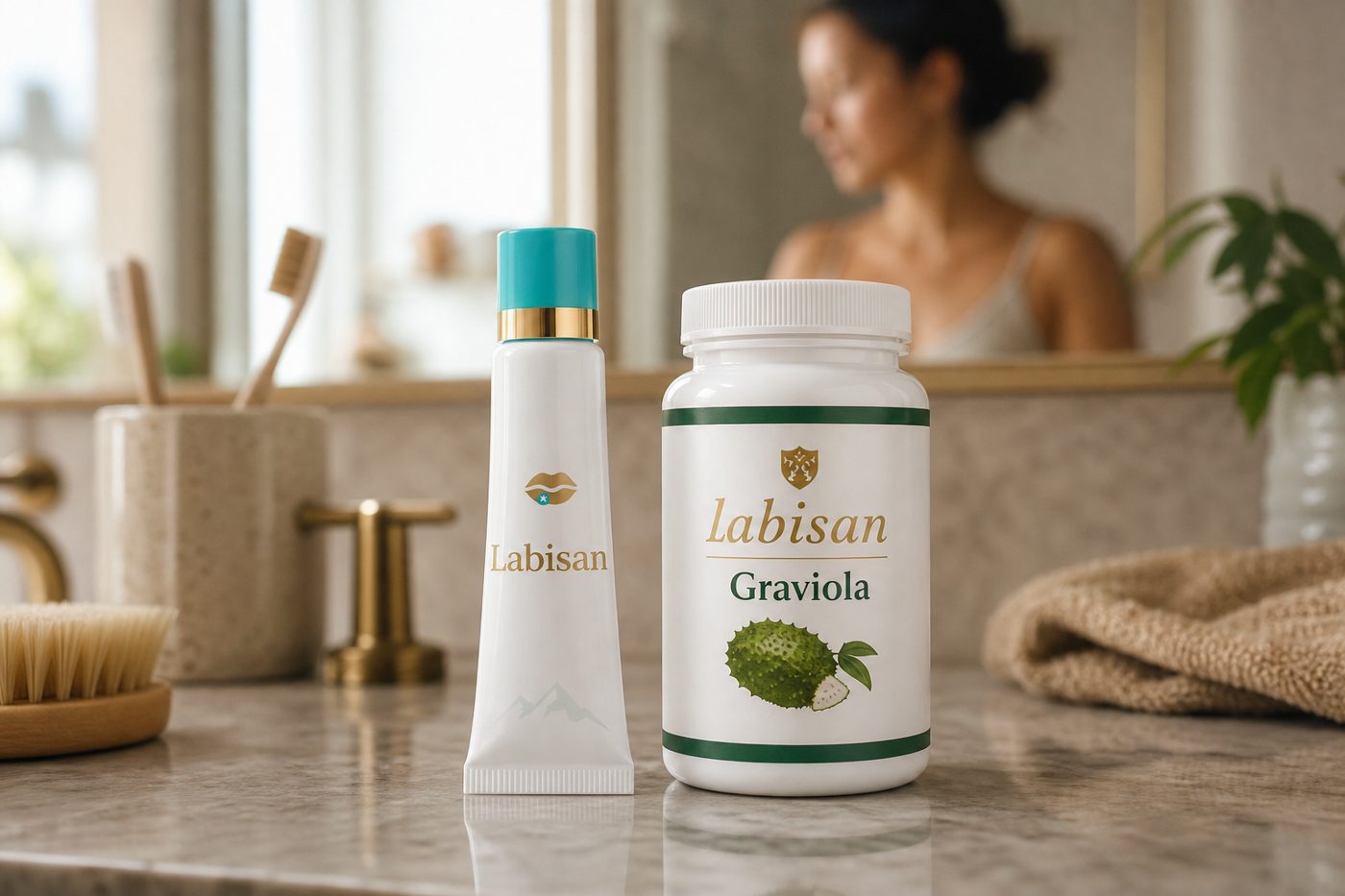
Nothing eradicates latent HSV-1. There is no cure, and any product claiming one is lying. What is reasonable is supporting general immune function so that the baseline surveillance holding the virus quiet is less likely to falter. That means adequate sleep, managed stress, sufficient vitamin D, zinc, and vitamin C, and consistent nutritional support. Labisan Graviola Capsules sit in this layer as a daily immune-support supplement intended to help reduce outbreak frequency over months. They are not an antiviral, they do not treat an active lesion, and they do not cure herpes. They are the slow, cumulative half of the strategy. Our four-case cold sore recovery timeline with the Labisan Graviola protocol sets out what that pattern looks like across real timelines.
Why the Labisan Dual Protocol Beats a Treatment-Only Approach
Look honestly at the cold sore aisle. Docosanol (Abreva), acyclovir cream, valacyclovir tablets, hydrocolloid patches (Compeed), lysine formulations, benzalkonium products (Releev): every one of them is a good-faith product, several are genuinely effective, and every single one is designed to act on an outbreak that has already begun. Docosanol shortens median healing time by roughly half a day to a day. Patches cover and conceal a lesion that already exists. Oral antivirals suppress replication once reactivation is underway. None of them address the reason reactivation happened in the first place.
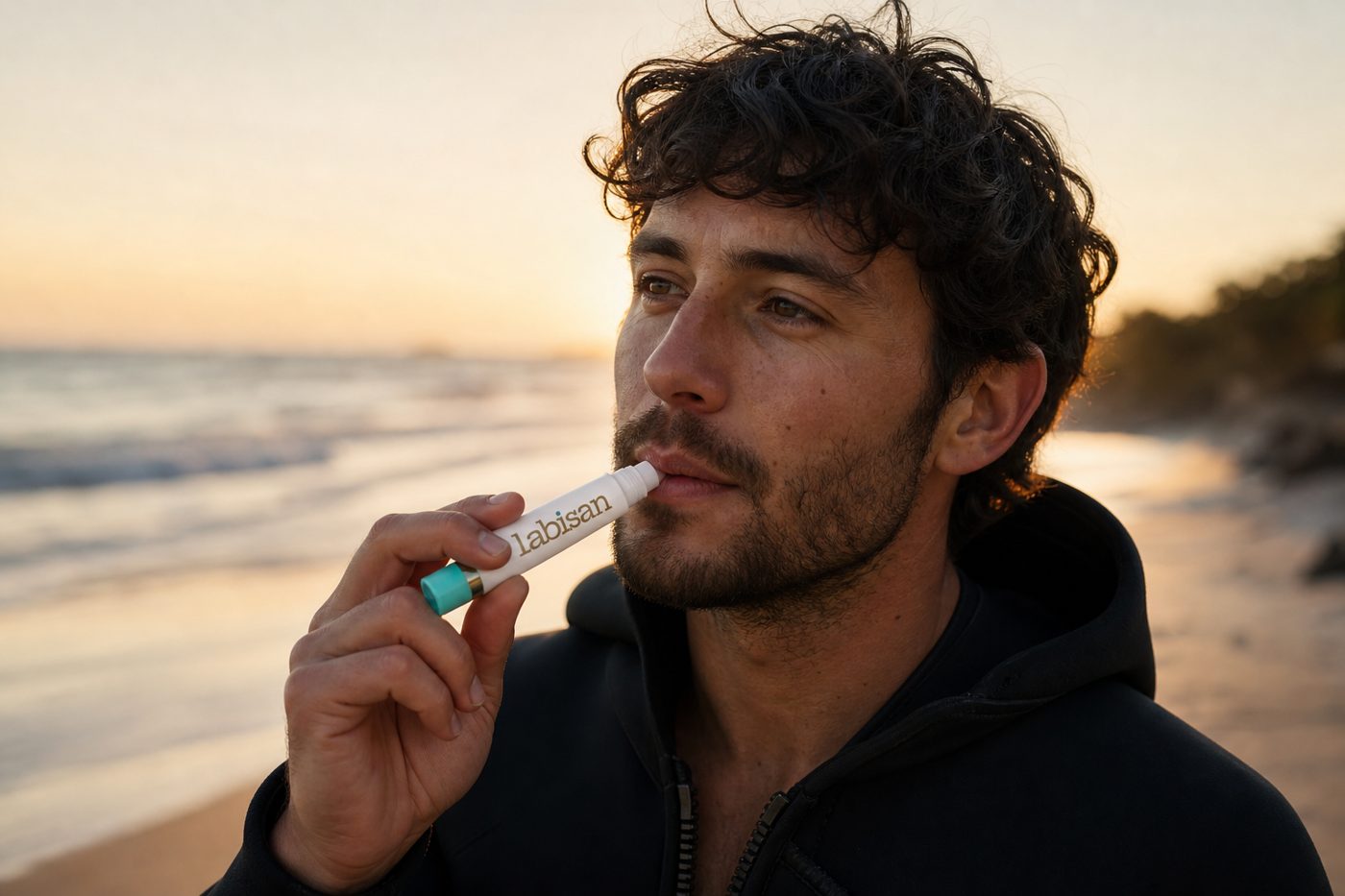
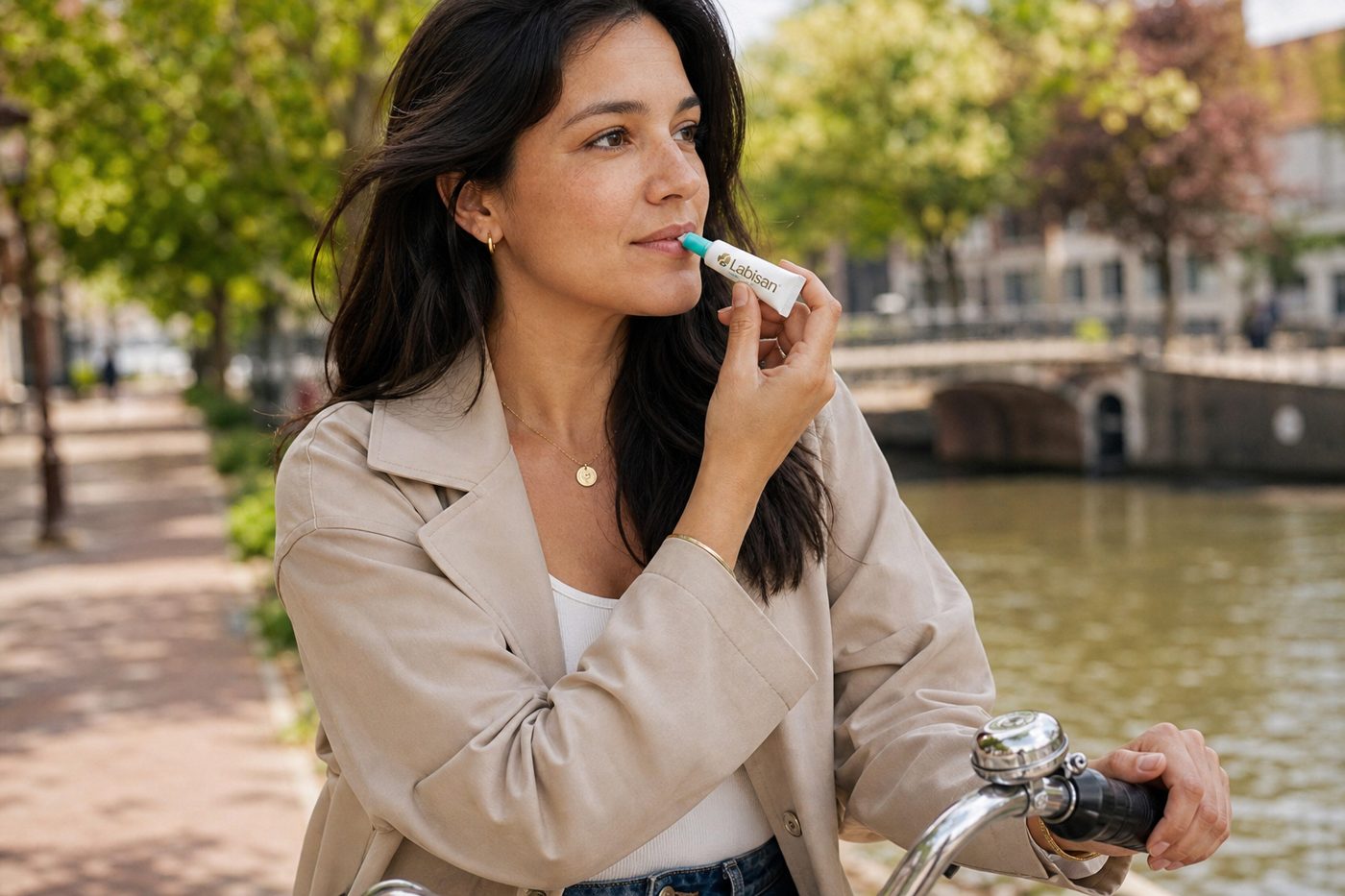
The Labisan approach is deliberately positioned one step earlier in the causal chain. Labisan Protective Lip Balm SPF 20 blocks the best-documented reactivation trigger there is: UV at the vermilion border. It uses zinc oxide as a physical broad-spectrum mineral filter, shea butter to restore and hold the lip barrier against cold and wind damage, and manuka oil plus supporting botanicals for the lip surface. It is worn daily, before the tingle, which is the only time UV prevention can possibly work. Labisan Graviola Capsules work the other axis, supporting immune function from the inside to reduce how often outbreaks occur across a season. Together they cover the two variables that determine your annual outbreak count: how much trigger you absorb, and how well your immune surveillance holds.
This is not an argument against keeping a treatment on hand. Keep one. It is an argument about which product does the heavier lifting over a year. A treatment tube helps for eight days per episode. Labisan Protective Lip Balm SPF 20 works on the other 357. And because the UV trigger mechanism is identical whether the latent virus is HSV-1 or HSV-2 (oral HSV-2 infections are less common but behave the same way at the lip, as covered in our piece on cross-site HSV-1 and HSV-2 transmission and asymmetric recurrence), the prevention logic holds either way. Prevention is not a slower version of treatment. It is a different, and better, position on the board.
Block the Trigger Before the Tingle Ever Starts
Labisan Protective Lip Balm SPF 20
Single: $24.99 | Adventure Pack (3x): $59.97 | Family Bundle (5x): $89.95
Free shipping over $49. 30 day satisfaction guarantee.
Shop NowFrequently Asked Questions
Can you actually stop a cold sore once you feel the tingle?
Sometimes, yes. The prodrome window is typically 12 to 24 hours, and acting within the first hour gives the best chance of aborting the outbreak or blunting its severity. Cool the site, keep it covered and protected, avoid touching it, shield it completely from sun, and if you use a prescription antiviral, take it now rather than later. Success is not guaranteed, which is exactly why prevention upstream of the prodrome matters more.
Does SPF lip balm really prevent cold sores?
The evidence is unusually strong for a preventive measure. In an experimental UV-challenge study published in The Lancet, 27 percent of unprotected participants developed a lesion versus none of the sunscreen-protected group. Real-world protection depends on consistent application and reapplication, since lips lose product to eating, drinking, and licking within one to two hours.
How often should I reapply lip balm to stay protected?
Roughly every two hours of sun exposure, and immediately after eating, drinking, swimming, or wiping your mouth. At altitude or on snow, water, or sand, err toward more frequent application: snow reflects up to 80 percent of UV back upward at the lip, and UV intensity rises about 10 to 12 percent per 1,000 metres of elevation.
Do Graviola capsules cure herpes?
No. Nothing cures HSV-1 or HSV-2; the virus remains latent in nerve tissue for life. Labisan Graviola Capsules are a daily immune-support supplement intended to help reduce outbreak frequency over time. They are not an antiviral treatment for an active lesion and make no claim to eliminate the virus.
Should I still keep a treatment product on hand?
Yes. Prevention lowers how often outbreaks happen; it does not promise zero. Keep whatever treatment works for you for the episodes that get through, and run prevention daily so there are fewer of them to treat. The two strategies are complementary, not competing.