Start here, because the numbers change how you plan. Herpes simplex virus type 1 (HSV-1) infects roughly 3.7 billion people under age 50 worldwide, about 64 percent of that age group, according to World Health Organization estimates. After the primary infection, the virus establishes lifelong latency in the trigeminal ganglion, and reactivation is not random: it is driven by identifiable triggers. Ultraviolet radiation is the most consistently reproducible one. In a controlled experimental study published in The Lancet (Spruance, 1991), 71 percent of subjects with a history of sun-associated cold sores developed a lesion after standardized UVB exposure to the lip, and in a randomized trial the same research group found that a high-SPF lip sunscreen reduced UV-induced lesions from 71 percent in the placebo group to 0 percent in the sunscreen group. The second cluster of triggers is immunological: psychological stress, sleep restriction, febrile illness, and menstruation all correlate with increased recurrence, mediated in large part by cortisol-driven suppression of the CD8+ T cells and interferon signalling that hold latent HSV-1 in check. The practical implication is unusually clean for a virology topic: if you want to reduce cold sore outbreak frequency, you work on two axes, the physical trigger at the lip and the immune ceiling inside the body. Everything below is that, sequenced as a protocol you can begin today.
One honest framing before Day 1. Nothing in this article, and no supplement or balm sold anywhere, cures HSV-1 or eradicates latent virus. Latency is permanent with current medicine. What is genuinely modifiable is how often the virus reactivates into a visible lesion, and that is the target here. If you want the pharmacological contrast in detail, our breakdown of graviola versus acyclovir for HSV management covers where prescription antivirals fit and where they do not.
Day 0: Build Your Trigger Map (20 Minutes, Do It Now)
You cannot reduce a frequency you have not measured. Before changing anything, reconstruct your last twelve months from memory and from your phone. Open your calendar and photo roll and mark every outbreak you can date, even approximately.
For each one, write down four things: the date, what the 72 hours before the tingle looked like (sun exposure, altitude, travel, illness, deadline, poor sleep), your rough sleep debt that week, and where the lesion appeared. Most people find their map collapses into two or three repeating stories. Skiers and hikers see altitude-plus-UV clusters. Office workers see deadline and short-sleep clusters. Many women see a monthly rhythm.
Then calculate your baseline: outbreaks per year. Write it down. That single number is the metric this entire protocol moves, and without it you will be guessing in six months.
What counts as a trigger you can actually control
UV exposure, sleep duration, chronic stress load, and lip trauma (windburn, chapping, aggressive exfoliation) are controllable. Fever from an unrelated infection and hormonal cycling are mostly not. Aim your effort at the controllable set; it is larger than most people assume.
Days 1 to 7: Close the UV Door
This is the highest-leverage week because it addresses the trigger with the strongest experimental evidence. UVB reaching the vermilion border suppresses local Langerhans cell immune surveillance and directly promotes reactivation of latent HSV-1 in the neurons that innervate the lip. The lip is also uniquely exposed: it has a thin stratum corneum, almost no melanin protection at the vermilion, and it is the one facial site nearly everyone forgets when applying sunscreen.
The rule: SPF on the lips every single morning, year-round, indoors-workers included. Not on beach days. Every day. UVA penetrates window glass, and reflected UV off snow can reach 80 percent of incident radiation, which is why alpine skiing is such a reliable outbreak trigger.
Choose a mineral filter. Labisan Protective Lip Balm SPF 20 uses zinc oxide, a broad-spectrum physical blocker that sits on the surface rather than absorbing into thin lip tissue, combined with shea butter for barrier repair and manuka oil plus supporting antiviral botanicals. The formulation choice matters practically: a mineral filter starts working the moment it is applied, and it does not degrade the way some chemical filters do under prolonged sun.
Reapplication schedule for the week: on waking, after every meal or drink, and every two hours of outdoor time. At altitude or on snow, tighten that to every 90 minutes. UV intensity rises roughly 10 to 12 percent per 1,000 metres of elevation, so a ski day is not a normal sun day. If your trigger map showed altitude clusters, our peak-season cold sore prevention protocol maps the high-UV months in more detail.
Carrying is the real failure point. Keep one balm in your jacket, one in your bag, one at your desk. This is the practical reason the Adventure Pack 3x exists at $59.97; a balm that is at home when you are on a chairlift protects nothing.
Days 1 to 21: Rebuild the Immune Ceiling
Run this in parallel with the UV work, not after it. Three levers, in order of effect size.
Sleep: the single largest modifiable immune variable
Sleep restriction below roughly six hours measurably reduces natural killer cell activity and T cell function, and NK cells plus CD8+ T cells are precisely the populations that keep latent HSV-1 suppressed. Target seven to nine hours with a consistent wake time, which stabilises cortisol rhythm better than a consistent bedtime does. If you take away one behavioural change from this article, make it the fixed wake time. The mechanistic link between sleep architecture and antiviral immunity is covered further in our piece on sleep, recovery, and graviola pharmacology.
Stress: manage the chronic load, not the acute spike
Short stress spikes are not the problem. Sustained elevated cortisol over weeks is, because it suppresses interferon-gamma signalling and the cell-mediated immunity that contains reactivation. Cohort work on recurrent herpes labialis has repeatedly found persistent stress, rather than one-off stressful events, associated with recurrence. Practically: 20 minutes of daily aerobic movement, one genuinely unscheduled block per week, and deliberate deadline spacing during your historically high-outbreak months. Our article on chronic stress and immune resilience goes deeper on the cortisol pathway.
Nutrition and consistency
Adequate vitamin D, zinc, and protein support the same immune populations. Alcohol is worth flagging: it disrupts sleep architecture and is a common hidden variable in "random" outbreaks. None of this is exotic. It is consistency that separates people who cut their outbreak count from people who do not.
Day 1 Onward: Add Immune Support From the Inside
Annona muricata (graviola, soursop) leaf has been studied for its flavonoid and acetogenin content, including quercetin and kaempferol derivatives that show antioxidant and immunomodulatory activity in laboratory work. The honest evidence position: the mechanistic and in vitro literature is real and interesting, the human clinical trial base for HSV recurrence specifically is not yet there, and any claim of a cure is false. What graviola is used for in this protocol is immune support intended to help reduce outbreak frequency over months, not to shorten a lesion that has already appeared.
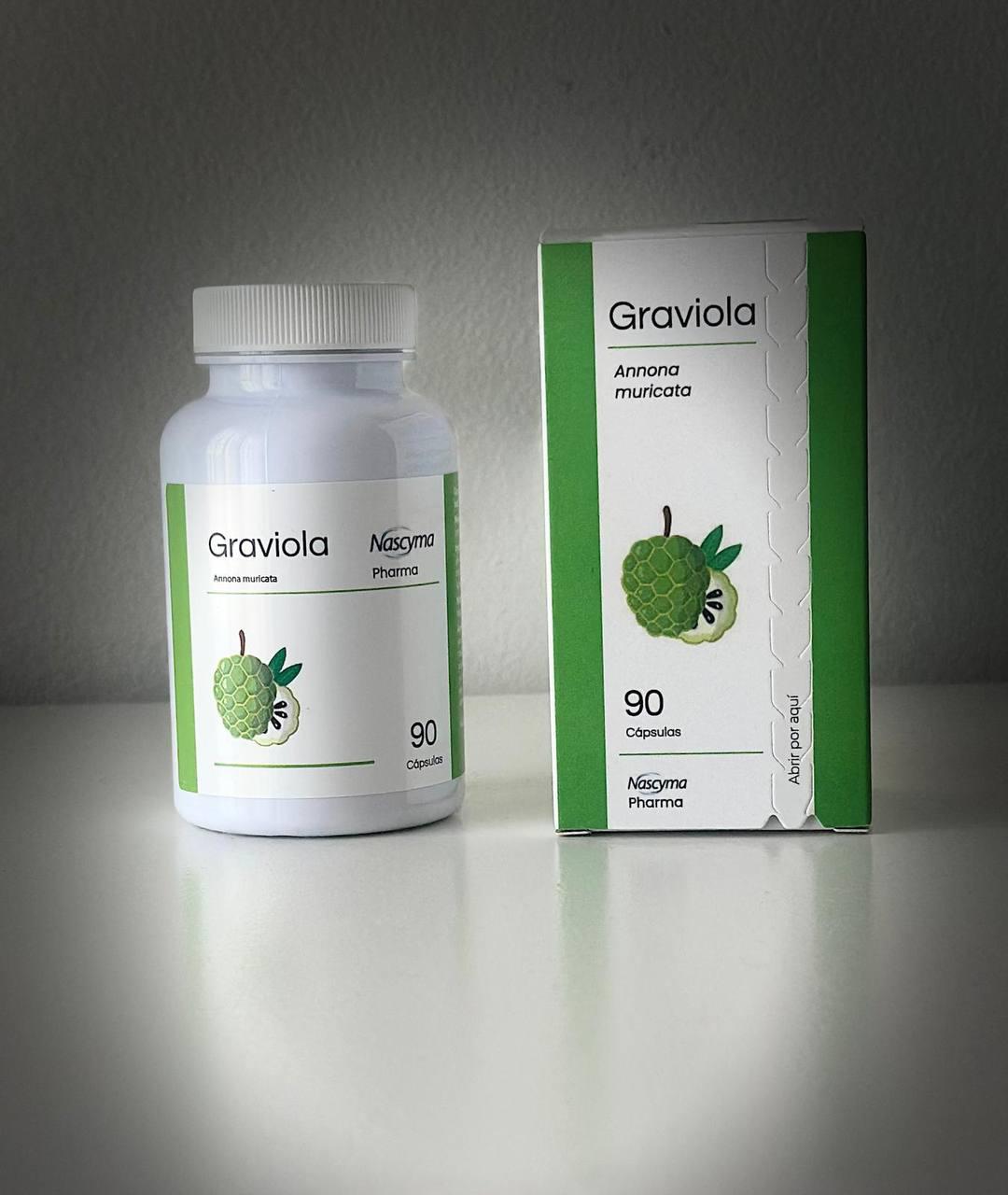
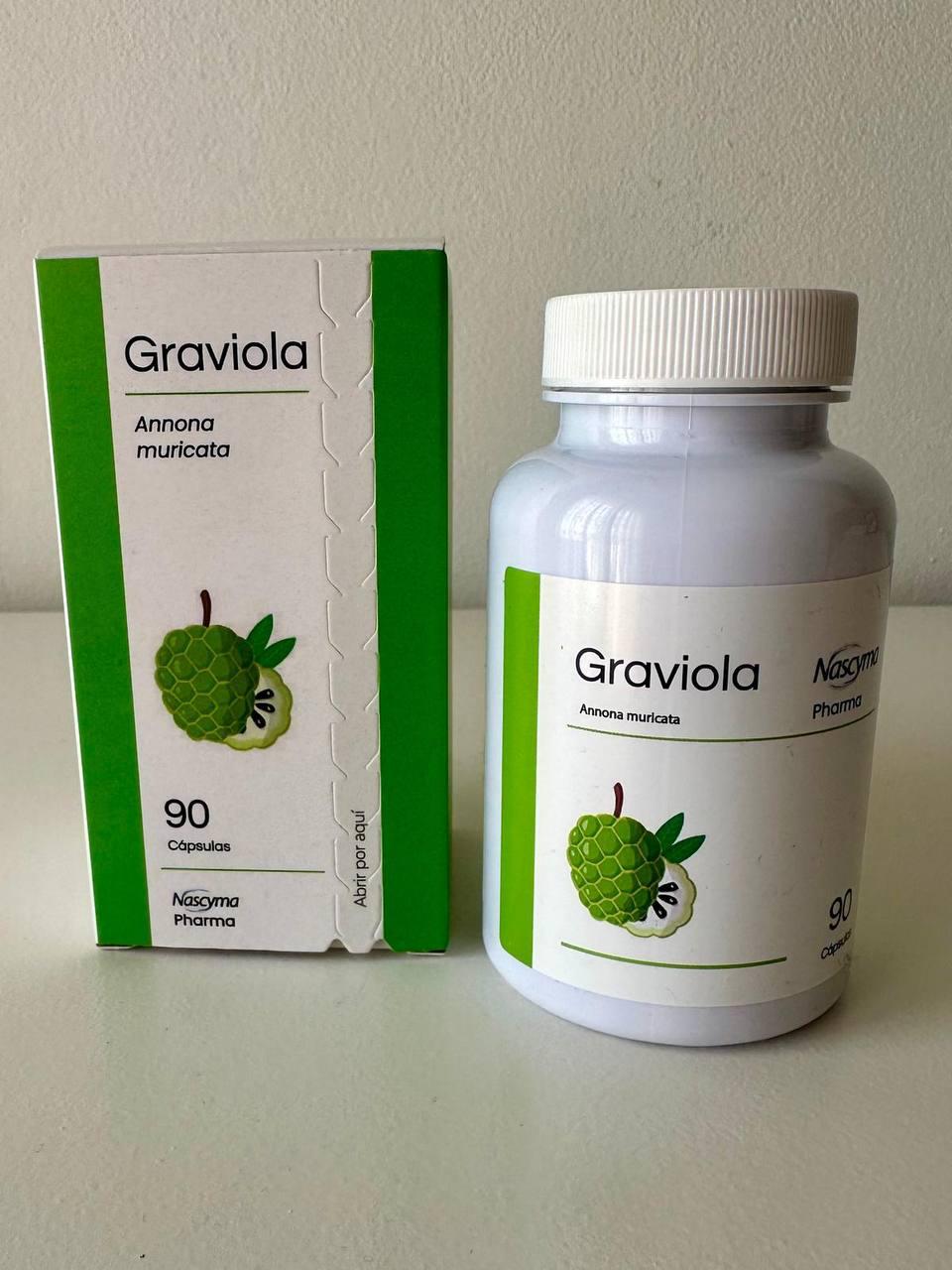
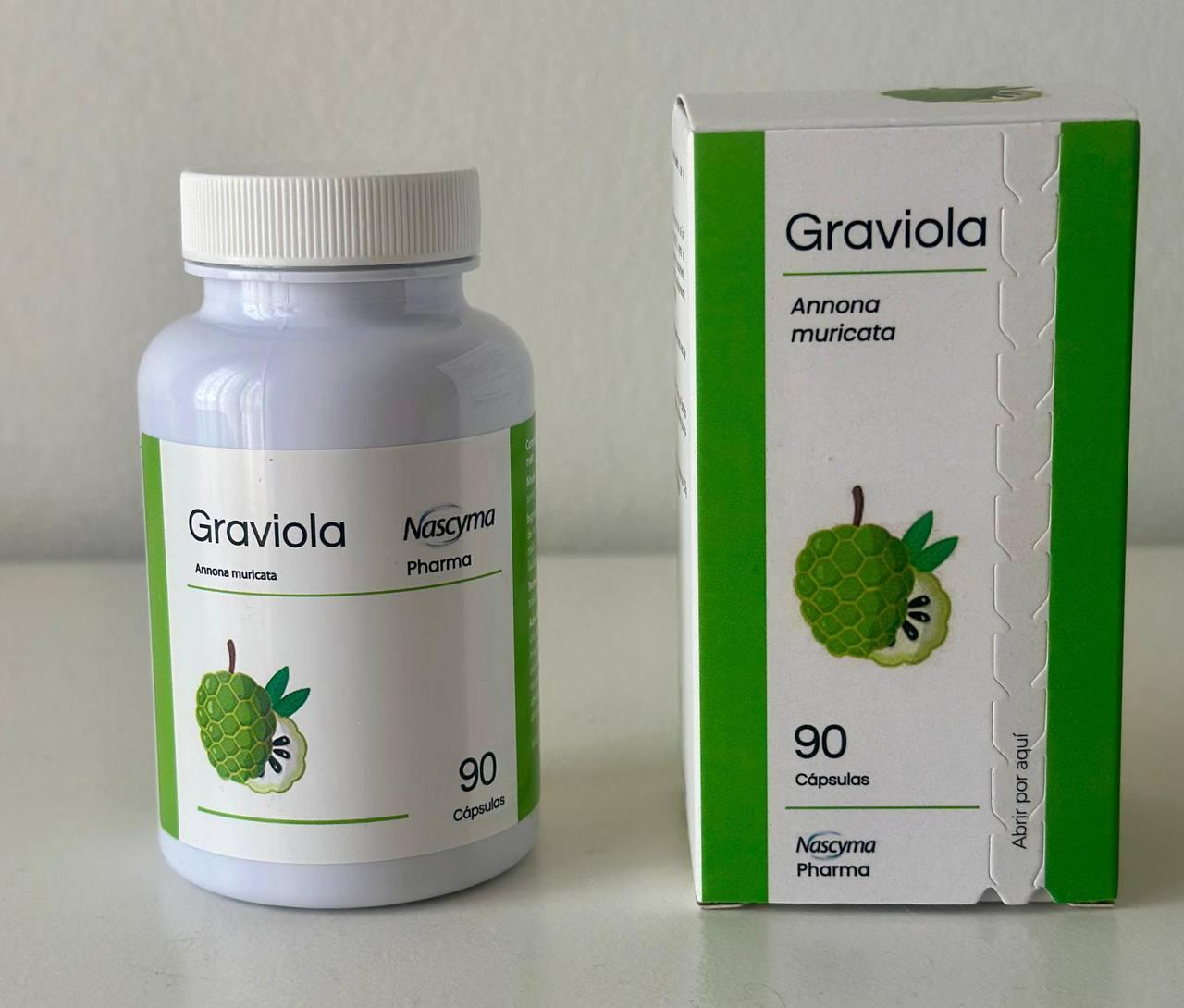
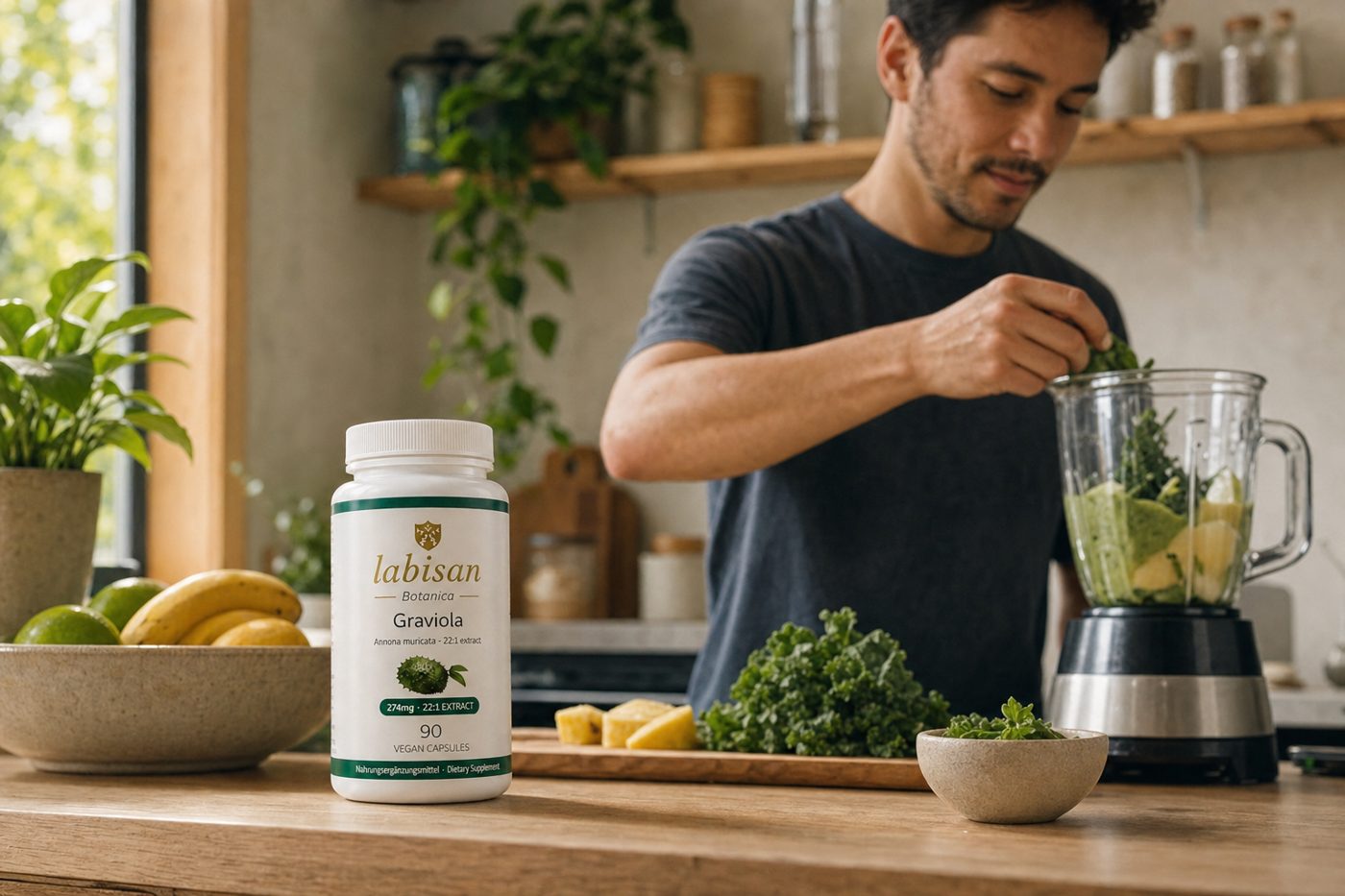
Labisan Graviola Capsules deliver a standardised leaf extract in an HPMC (plant cellulose) shell. Take them daily with food, at the same time each day; the effect being sought is cumulative immune support, which means adherence over a quarter matters more than any single dose. Judge it against your baseline number after 90 days, not after a week. If you are weighing this against the supplement most people try first, our comparison of graviola versus lysine for cold sores lays out both evidence bases side by side.
Standard caution: graviola is not appropriate during pregnancy or breastfeeding, and if you have Parkinson's disease or take medication for blood pressure or diabetes, speak to your doctor first.
Why the Labisan Dual Protocol Beats Treat-After-It-Starts Products
Look honestly at what is on the shelf. Abreva and other docosanol creams, hydrocolloid patches, lysine tablets taken reactively, and prescription acyclovir or valacyclovir taken episodically all share one structural property: they engage after reactivation has already occurred. The virus has travelled the nerve, replication has begun, the lesion is forming. These products are genuinely useful, and clinically they can shorten healing by roughly a day. But shortening an outbreak is not the same as having fewer of them, and if your goal is to reduce cold sore outbreak frequency, an after-the-fact product is aimed at the wrong point in the timeline.
The Labisan system is built one step earlier, at the two points where the outbreak is actually decided.
Outside, the barrier. Labisan Protective Lip Balm SPF 20 blocks the trigger with the best experimental evidence in HSV-1 reactivation. The Spruance sunscreen trial is one of the cleanest prevention results in this field: block UV at the lip, and UV-induced lesions in that cohort did not occur. Ordinary lip balms moisturise; they do not carry a broad-spectrum mineral filter, which is the difference between comfort and prevention. This applies to HSV-1 labial recurrence specifically, where sun is the dominant environmental trigger.
Inside, the immune ceiling. Labisan Graviola Capsules target the second axis, the immune competence that determines whether a stressed, under-slept body can keep latent HSV-1 (and, for those managing HSV-2, the same underlying containment mechanisms) suppressed. Not a cure, not an antiviral drug, and not a replacement for prescribed suppressive therapy if your doctor has recommended it. It is the inside half of a two-part system, taken daily, judged over quarters.
That is the argument in one line: everything else on the shelf competes to manage the outbreak you already have; Labisan is built to reduce how often you get one. And the two halves are complementary rather than redundant, because UV and immune suppression are independent trigger pathways. Closing one door and leaving the other open is why single-product approaches plateau. For the acute window, when the tingle has already started, our guide to the early itching-window protocol covers what to do in those first hours.
Day 90: Measure, Then Decide
Return to your baseline number. Count outbreaks over the 90-day window and annualise it. Also record two secondary markers: severity (did lesions stay at the tingle stage more often?) and duration.
Three honest outcomes. If frequency dropped meaningfully, continue and review at 12 months; long-term users should read our one-year-on, one-year-off cycling protocol. If nothing changed, audit adherence before you audit the protocol: most failures are missed balm reapplication on high-UV days and inconsistent capsule timing. If outbreaks increased, look at what changed in your sleep and stress load, and talk to your doctor about whether prescription suppressive therapy is appropriate for you. Frequent, severe, or worsening outbreaks are a medical conversation, not a supplement one.
Support your immune system daily, and give the 90-day protocol a fair test
Labisan Graviola Capsules
Single: $44.99 | 3-Pack: $119.97 | 5-Pack: $179.95
Free EU shipping over $49, $19.99 worldwide. 30 day satisfaction guarantee.
Shop NowFrequently Asked Questions
How long before I can tell whether this reduced my outbreak frequency?
Give it 90 days minimum, and ideally 6 to 12 months. Cold sore recurrence is naturally irregular, so a short window cannot distinguish a real reduction from normal variation. The UV component can show results faster if sun is your dominant trigger, particularly across a high-UV season; the immune support component is cumulative and should be judged over quarters against the baseline number you wrote down on Day 0.
Can graviola cure herpes or clear the virus from my body?
No. HSV-1 and HSV-2 establish permanent latency in nerve ganglia, and no supplement, balm, or currently available prescription drug eradicates them. Labisan Graviola Capsules are used for immune support with the goal of reducing how often outbreaks occur. Any product claiming to cure herpes is making a claim the science does not support.
Do I still need SPF lip balm in winter or if I work indoors?
Yes, on both counts. Snow reflects up to about 80 percent of UV radiation and UV intensity rises roughly 10 to 12 percent per 1,000 metres of elevation, which makes winter mountain days among the highest-risk of the year. Indoors, UVA passes through standard window glass. Daily year-round application is the habit that actually works, because trigger exposure is not limited to obvious sunny days.
Can I use this protocol alongside prescription antivirals like valacyclovir?
The UV and lifestyle components are compatible with any treatment plan and are worth doing regardless. Before adding any supplement to a prescription regimen, check with your doctor or pharmacist, especially if you are on suppressive therapy or take medication for blood pressure or diabetes. Do not stop a prescribed medication in order to try a supplement.
Which matters more, the lip balm or the capsules?
They address independent trigger pathways, so the answer depends on your trigger map. If your outbreaks cluster around sun, altitude, and beach or ski trips, prioritise the SPF 20 barrier. If they cluster around deadlines, illness, and short sleep, prioritise immune support and sleep repair. Most people with recurrent outbreaks show both patterns over a full year, which is why the protocol runs the two together rather than choosing between them.