Herpes simplex virus comes in two closely related types. HSV-1 and HSV-2 share roughly 83 percent of their protein-coding genome, both belong to the alphaherpesvirus family, and both establish permanent latency in sensory nerve cell bodies rather than in skin. The World Health Organization's 2024 estimates put about 3.8 billion people under 50 (roughly 64 percent of that age group) with HSV-1 and about 520 million people aged 15 to 49 (roughly 13 percent) with HSV-2. The practical difference is anatomical preference, not severity: HSV-1 preferentially colonizes the trigeminal ganglion near the base of the skull and surfaces as cold sores on the lip and perioral skin, while HSV-2 preferentially colonizes the sacral ganglia at the base of the spine and surfaces genitally. Neither type is ever cleared from the body by the immune system or by any licensed drug. What can be changed, measurably, is how often the virus reactivates, and the single most reproducible experimental trigger for oral HSV-1 is ultraviolet light: in a controlled crossover trial published in The Lancet in 1991, Rooney and colleagues exposed 38 people with a history of sun-induced herpes labialis to UV light, and 71 percent developed a lesion under placebo versus 0 percent under SPF 15 sunscreen. That single number is why prevention at the lip surface belongs at the top of any serious HSV management plan, and why the global HSV-1 epidemiology numbers of 85 percent and 40 percent matter less than what you do on a bright morning in February.
What HSV-1 and HSV-2 Actually Are
Both viruses are double-stranded DNA viruses that infect epithelial cells at a mucosal or skin surface, replicate locally, then travel up the axons of sensory nerves to the nerve cell body, where the viral genome parks as a circular episome. In that latent state the virus produces almost no protein. It is effectively invisible to the immune system, which is precisely why there is no cure and why anyone selling you one is not being honest with you.
The old teaching that HSV-1 is "oral" and HSV-2 is "genital" is now only a tendency, not a rule. In many high-income countries HSV-1 causes the majority of new genital herpes cases in young adults, driven by oral sex and by declining childhood HSV-1 acquisition. The reverse also happens, though far less often. The important asymmetry is recurrence rate by site, not by type: genital HSV-2 recurs a median of about four to five times in the first year, genital HSV-1 recurs roughly once or less, and oral HSV-1 typically recurs one to two times per year, with a minority of people experiencing six or more. We covered that mismatch in detail in our breakdown of cross-site transmission and asymmetric recurrence between HSV-1 and HSV-2.
How HSV Transmission Really Works
Transmission requires contact between infectious virus and a mucosal surface or broken skin. It does not survive meaningfully on toilet seats, towels, or cutlery; the virus is enveloped and fragile outside the body. The three real routes are direct skin-to-skin contact, oral-to-genital contact, and vertical transmission from mother to newborn during delivery.
The part most people get wrong is timing. Most transmission happens when the person shedding virus has no visible sore. Using PCR-based daily sampling, researchers have found genital HSV-2 DNA present on roughly 10 to 20 percent of days in people with symptomatic infection, and on a similar fraction of days in people who never knew they were infected. Oral HSV-1 shedding is detected on roughly 9 to 18 percent of days depending on the study population. Asymptomatic shedding episodes are usually short, often under 12 hours, which is why they were invisible before PCR.
Two consequences follow. First, avoiding contact only during a visible outbreak reduces but does not eliminate transmission risk. Second, for the person who already has the virus, the goal shifts from "avoid catching it" to "reduce how often my own virus reactivates", because reactivation is what drives both symptoms and infectiousness.
Why HSV Recurs: The Latency and Reactivation Mechanism
Latency is not stasis. The neuron and the virus are in a continuous standoff, held by resident CD8+ T cells clustered around infected ganglia and by latency-associated transcripts that suppress lytic gene expression. Reactivation happens when that suppression slips. Documented triggers cluster into four categories:
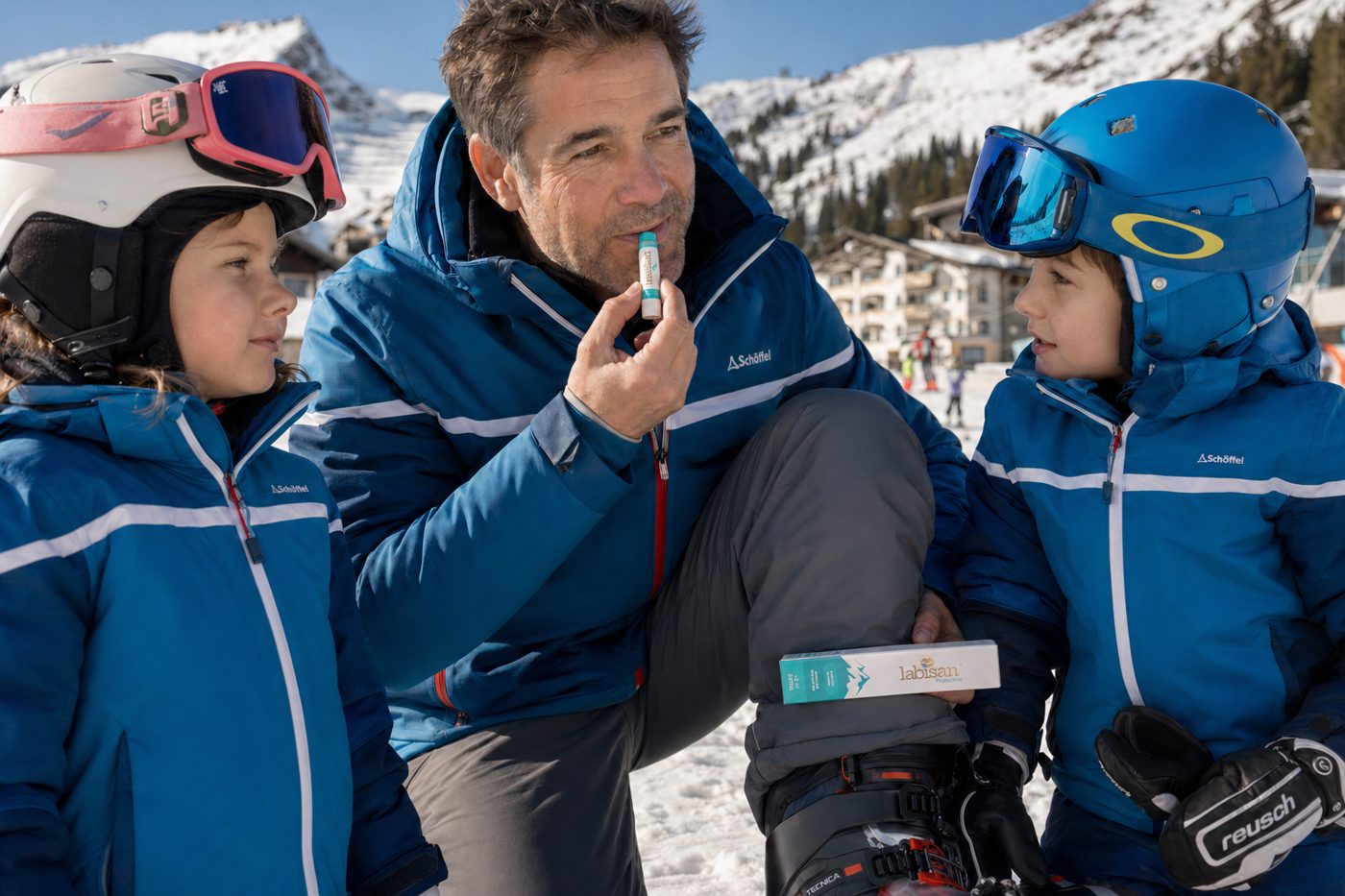
1. Ultraviolet radiation. UVB suppresses local Langerhans cell function and cutaneous cell-mediated immunity, and also appears to signal directly along the nerve. UV is the only trigger reliable enough to be used experimentally to induce lesions in study volunteers, which tells you how potent it is. Snow reflects up to 80 percent of incoming UV back at the face, water and sand reflect roughly 10 to 25 percent, and UV intensity rises about 10 percent per 1,000 metres of altitude. That is the exact profile of a ski day.
2. Systemic immune load. Fever, infection, surgery, and menstruation are classical triggers. So is sustained psychological stress: work by Cohen and by Sheridan has linked cortisol-driven suppression of cell-mediated immunity to increased recurrence, and heat stress compounds it, as we explored in how heatwaves act as a compound cold sore stress trigger.
3. Local trauma. Chapping, cracking, dental work, aggressive exfoliation, and windburn all disrupt the epithelial barrier at the exact site the virus targets.
4. Sleep debt. Fewer than six hours of sleep measurably reduces natural killer cell activity, and NK cells are part of the front line that keeps early reactivation subclinical.
What Reduces HSV Outbreaks: The Levers Ranked by Evidence
Block UV at the lip, every day, not just on holiday
The Rooney data is the strongest single intervention finding in the recurrent herpes labialis literature. It is worth being honest about the nuance: a later field trial among skiers using a sunscreen lip preparation did not reproduce the effect, most plausibly because real-world reapplication after eating, drinking, and wind exposure is poor. The lesson is not that UV blocking fails; it is that a lip product only works if its film survives on the lip. That points to formulation, not to abandoning the strategy: a physical zinc oxide blocker in a wax and butter base persists through cold and wind far better than a thin cosmetic film.
Support immune resilience from the inside
Reactivation frequency tracks immune competence. Sleep, stress load, and nutritional status are the modifiable inputs. Botanical immune support, including Annona muricata (graviola), sits in this category as a resilience input, not as an antiviral drug. To be explicit: graviola does not cure HSV, does not eradicate latency, and should never be presented as a treatment for an active lesion. Its role in a protocol is supporting the immune terrain that determines how often latency slips, and it is a complement to sleep and stress management, not a substitute.
Prescription antivirals when frequency is high
If you are having six or more outbreaks a year, or outbreaks with significant complications, daily suppressive valacyclovir or acyclovir is the evidence-based medical answer and you should talk to a clinician. Suppressive therapy reduces both recurrence frequency and asymptomatic shedding substantially. Nothing in this article replaces that conversation.
Episode treatment, which is the weakest lever
Topical docosanol shortened median healing time by about 17.5 hours versus vehicle in its pivotal trial. That is a real effect and a modest one. The same modesty applies across the category, as the trial data in our Abreva versus Releev comparison shows.
Why the Labisan Dual Protocol Is the Smarter Long-Term Approach
Look at what nearly every cold sore product on the shelf actually does. Abreva and generic docosanol, hydrocolloid patches, lysine tablets, and prescription acyclovir and valacyclovir taken episodically all share one structural limitation: they act after reactivation has already occurred. By the time you feel the tingle, viral replication in the epithelium has been underway for hours. The best case for episode treatment is shaving under a day off a five to ten day event. These are competent products doing a narrow job well; the job is simply the wrong end of the problem for someone whose outbreaks are predictable and repetitive.
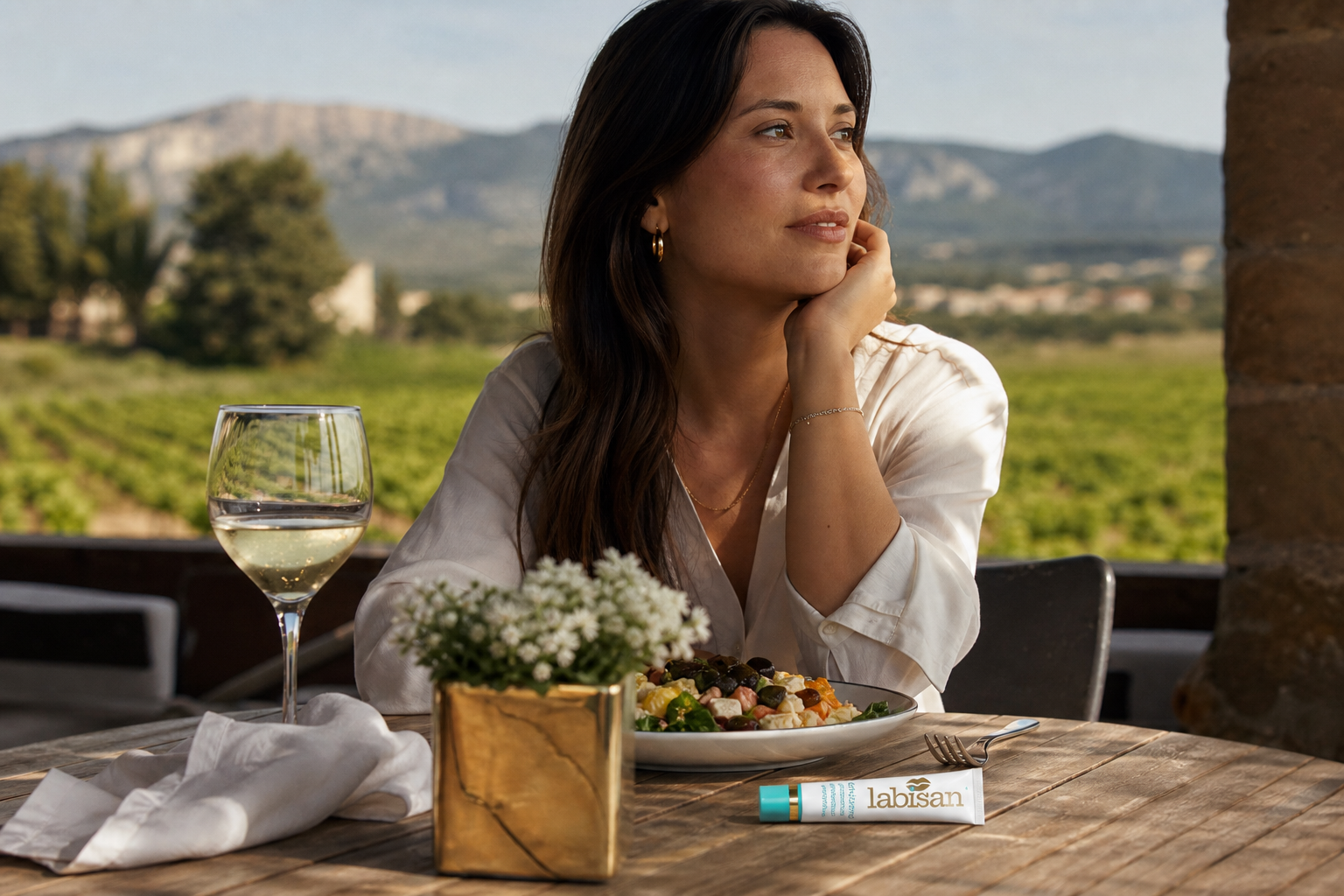
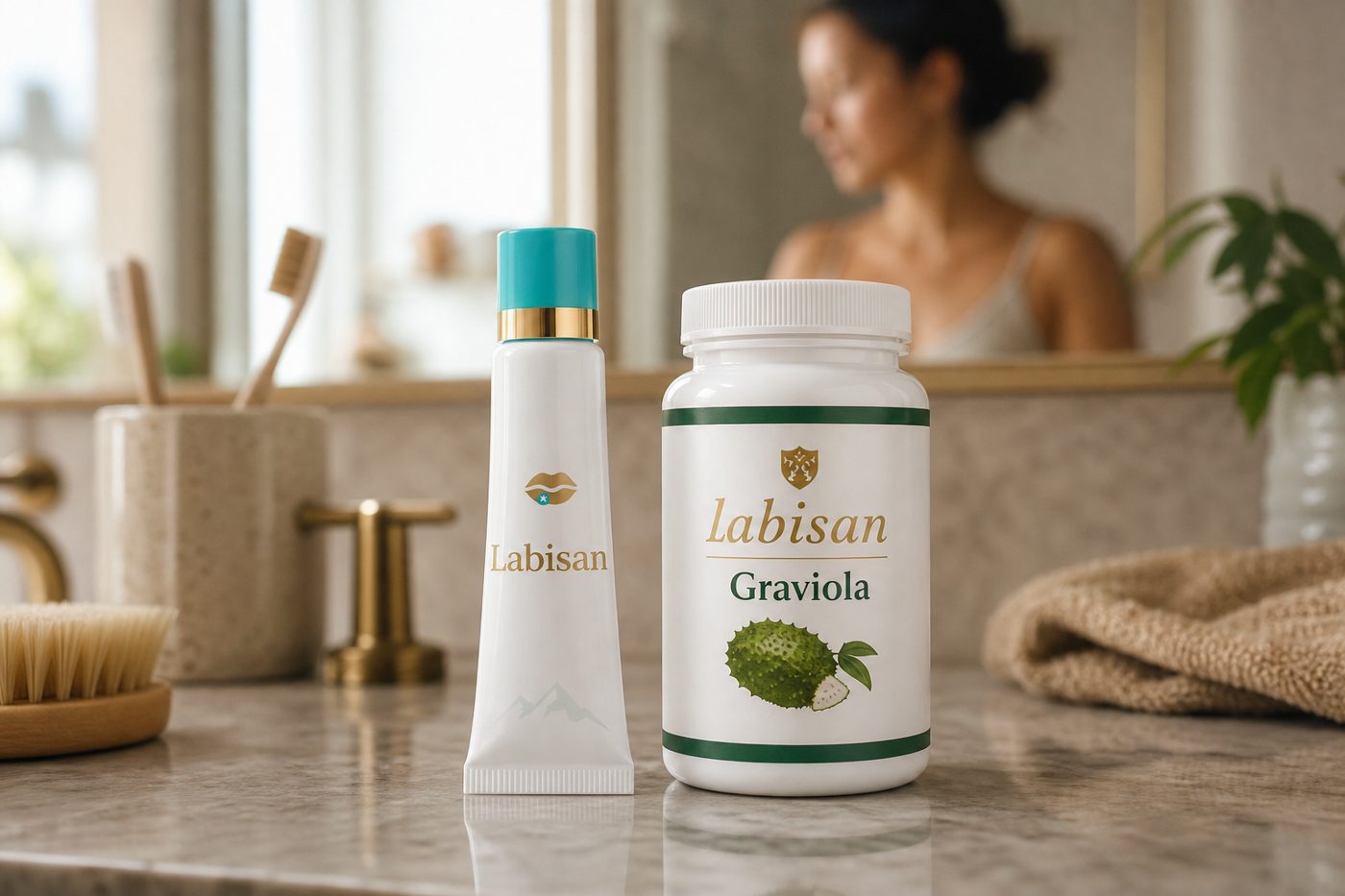
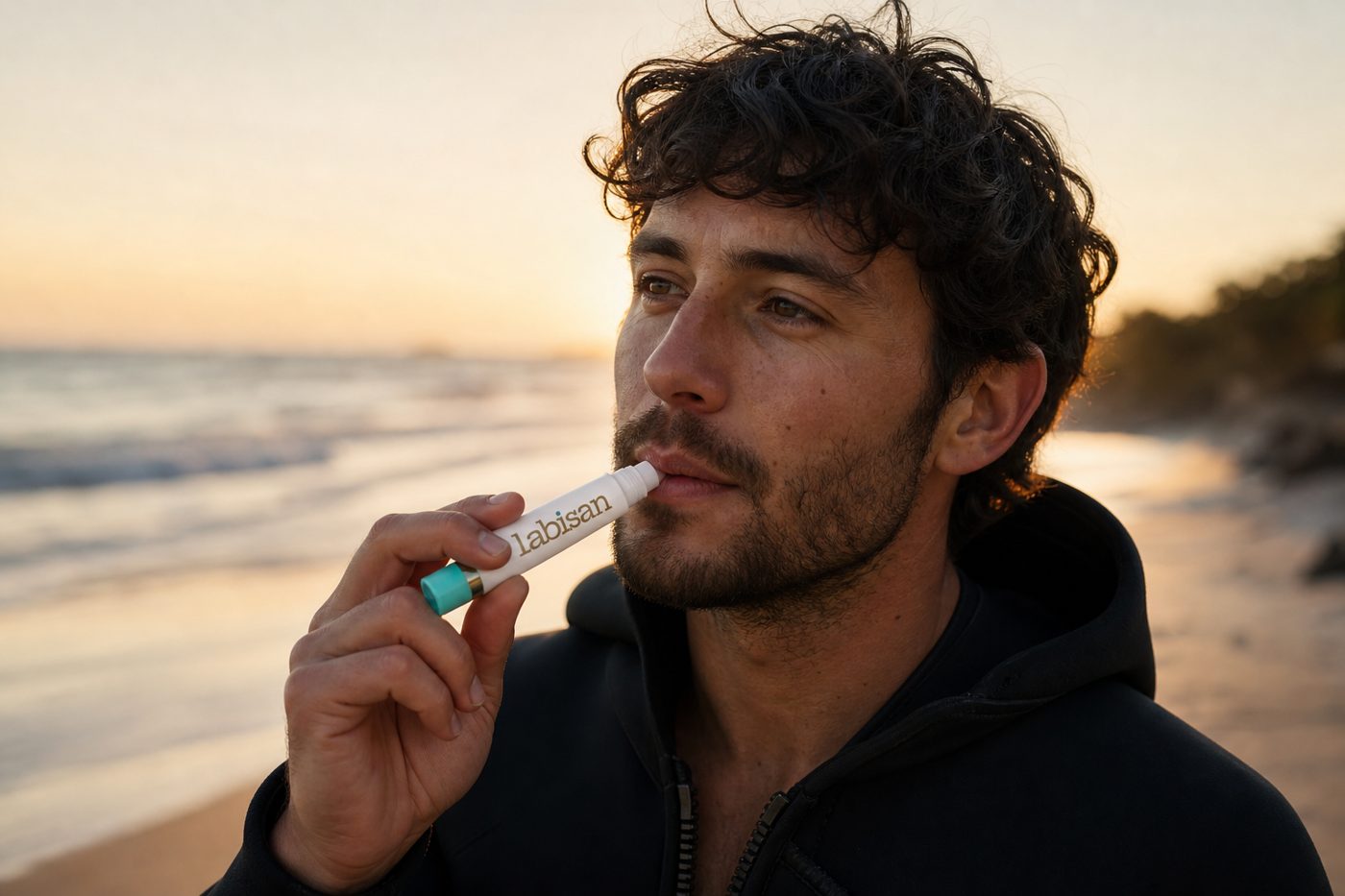
Labisan is built for the other end. Labisan Protective Lip Balm SPF 20 uses zinc oxide as a broad-spectrum physical UV filter in a shea butter and beeswax base engineered to stay put in cold, wind, and altitude, with manuka oil and antiviral botanicals supporting the barrier. It targets the single most experimentally validated reactivation trigger for HSV-1 at the exact tissue where the trigeminal nerve terminates. Labisan Graviola Capsules work the other axis, supporting immune resilience so the standoff in the ganglion holds more often. Neither product is a cure, and we will not describe them as one. Together they address frequency, which is the variable that actually determines your quality of life with HSV, rather than the duration of an outbreak you have already lost. Readers who want to see how the two components combine in daily practice can follow our lip balm and graviola hybrid system for cold sore treatment and prevention.
The honest comparison is this: keep docosanol in the drawer for the outbreak you did not prevent, and put prevention on your lip every morning. One shortens a bad week. The other reduces how many bad weeks you have.
Block the trigger before the tingle starts
Labisan Protective Lip Balm SPF 20
Single: $24.99 | Adventure Pack (3x): $59.97 | Family Bundle (5x): $89.95
Free shipping over $49. 30 day satisfaction guarantee.
Shop NowFrequently Asked Questions
Is HSV-1 less serious than HSV-2?
Not inherently. The viruses are closely related and cause similar lesions. What differs is recurrence rate by site: genital HSV-2 recurs most often, oral HSV-1 recurs moderately, and genital HSV-1 recurs least. Severity in any individual depends more on immune status and trigger exposure than on which type they carry.
Can I transmit HSV when I have no symptoms?
Yes. PCR studies detect viral shedding on roughly 10 to 20 percent of days in people with no visible lesion. This asymptomatic shedding accounts for a large share of transmission, which is why symptom-based avoidance alone is incomplete.
Does sunscreen on the lip really prevent cold sores?
In controlled UV-challenge conditions, yes: 0 of 38 people developed lesions with SPF 15 sunscreen versus 71 percent with placebo. Field results are weaker, and the most likely reason is inadequate reapplication. A durable physical blocker applied every morning and after eating gives you the best chance of reproducing the laboratory result in real life.
Do graviola capsules treat or cure herpes?
No. Graviola is an immune support supplement, not an antiviral treatment and not a cure. HSV establishes permanent latency in nerve tissue, and nothing available eliminates it. Graviola is positioned only as support for the immune resilience that influences how frequently outbreaks occur.
When should I see a doctor instead of managing this myself?
See a clinician if you have six or more outbreaks a year, lesions near the eye, an outbreak lasting beyond two weeks, signs of bacterial infection, a compromised immune system, or if you are pregnant. Daily suppressive antiviral therapy is well evidenced and prevention products are a complement to it, not a replacement.