Zinc oxide is one of only two ultraviolet filters the US Food and Drug Administration proposed as Generally Recognized As Safe and Effective in its 2019 sunscreen rulemaking, and it is the only widely used filter that covers the entire relevant solar spectrum, roughly 290 to 380 nanometres, by sitting on the skin surface instead of being absorbed into it. That distinction matters more for cold sores than for almost any other skin concern, because ultraviolet light is the single herpes simplex trigger that has been reproduced under controlled experimental conditions. In a randomized, double blind crossover trial published in The Lancet in 1991, Rooney and colleagues at the US National Institute of Allergy and Infectious Diseases exposed 38 volunteers with a history of sun induced herpes labialis to experimental UV light on the lip. Lesions developed after about 71 percent of the placebo exposures and after none of the exposures where a sunscreen had been applied first. Zinc has a second, smaller role too: in a randomized trial by Godfrey and colleagues (2001), a topical zinc oxide and glycine cream applied every two hours reduced mean lesion duration from 6.5 days to 5.0 days compared with placebo. Blocking the trigger and treating the surface are two different jobs, and zinc oxide is one of the very few ingredients that does anything useful at both.
Why UV Is the Trigger Worth Blocking
Herpes simplex virus type 1 does not leave the body after a first infection. It travels up the sensory nerve fibres of the lip and establishes latency in the trigeminal ganglion, where it sits transcriptionally quiet until something disturbs the equilibrium. Ultraviolet radiation disturbs it in at least two ways at once: it causes direct DNA damage and stress signalling in the epithelial cells of the vermilion border, and it produces local immunosuppression by depleting Langerhans cells and shifting cytokine signalling, which lowers the immune surveillance that normally suppresses reactivation. That combination is why sunlight outranks most other triggers, and why we treat it as the primary target in our breakdown of why UV light is the number one cold sore trigger.
The exposure numbers make the case sharper. UV intensity rises roughly 10 to 12 percent for every 1,000 metres of altitude, and fresh snow reflects up to 80 percent of incident UV back upward, straight at the underside of the lip that no hat brim protects. Water and pale sand reflect less, around 10 to 25 percent, but beach and festival exposure lasts far longer. Given that roughly two thirds of people under 50 carry HSV-1 worldwide, as covered in our review of HSV-1 global epidemiology by the numbers, a very large number of people are carrying a latent virus into exactly the conditions that wake it up.
Zinc Oxide as a Mineral UV Filter: The Physics
Zinc oxide is a semiconductor with a band gap near 3.3 electronvolts, which is why it absorbs and scatters light below roughly 375 to 380 nanometres. In practical terms it covers UVB, UVA2 and most of UVA1 in a single ingredient. Organic filters usually have to be blended to achieve the same span, and some of them are not photostable: avobenzone, the most common UVA filter, can lose a substantial share of its absorbance within an hour of sun exposure unless it is stabilized by other molecules. Zinc oxide does not photodegrade in the same way. What you apply is close to what is still working two hours later, assuming it has not been eaten, wiped or licked off.
What SPF 20 Actually Blocks
SPF is a logarithmic curve, not a linear one. SPF 15 blocks about 93.3 percent of UVB, SPF 20 about 95 percent, SPF 30 about 96.7 percent and SPF 50 about 98 percent. The gap between SPF 20 and SPF 30 is roughly 1.7 percentage points of UVB. The gap between a lip balm applied once at breakfast and one reapplied every two hours is far larger than that, because lips have no meaningful sebaceous film to hold product, a thinner stratum corneum than facial skin, and they get wiped by every drink, meal and conversation. Reapplication discipline, not the number on the tube, is where most lip UV protection is won or lost.
Non-Nano, and Why It Matters on Lips
Lips are ingested. Whatever you put on them is partly swallowed over the course of a day, which is a reasonable argument for preferring a mineral filter that stays on the surface over an organic filter designed to absorb into the stratum corneum. Non-nano zinc oxide particles are too large to pass the intact skin barrier, and the trade off is the familiar faint white cast. In a lip product, blended with shea butter and emollient waxes, that cast reads as a soft matte finish rather than the chalky mask people associate with mineral face sunscreens.
Zinc's Second Job: Surface Activity Against HSV
Zinc ions have documented in vitro activity against herpes simplex virus. Laboratory work has shown that zinc salts inactivate HSV virions, interfere with viral glycoprotein function and inhibit viral DNA polymerase at concentrations that do not destroy host cells. The Godfrey trial cited above is the most useful human evidence: 46 participants, a zinc oxide and glycine cream applied every two hours from the first symptom, and a mean reduction of about 1.5 days in lesion duration alongside lower symptom severity scores.
Here is the honest limit, and it is important. Zinc oxide is poorly soluble. The free zinc ion concentration liberated from a mineral film on the lip is modest, and a sun protective balm is not the same thing as a dedicated therapeutic zinc cream dosed every two hours during an active outbreak. Treat the surface activity of zinc oxide in lip balm as a genuine but secondary benefit sitting on top of the primary one, which is blocking the trigger before reactivation begins. Anyone comparing active treatments should read our side by side analysis of cold sore treatments with the evidence compared rather than expecting a balm to do an antiviral's job.
Zinc Cream, Mineral SPF and Ordinary Lip Balm: Which Does What
Three products get confused in search results. A zinc cream for cold sores, of the zinc oxide and glycine type, is a treatment applied frequently to an existing lesion. A mineral SPF cold sore product is a preventive barrier applied before exposure. An ordinary lip balm with no filter is pure emollient: it stops chapping, which is worth something, since a cracked vermilion border is a compromised barrier, but it does nothing about photons.
The category error worth avoiding is buying an emollient balm and assuming it protects. Petrolatum and beeswax have essentially no SPF. If the goal is to stop the outbreak from starting, the label needs a mineral UV filter and an SPF number on it, and the tube needs to be somewhere you will actually reach for it every two hours.
Why the Labisan Dual Protocol Is the Smarter Long Term Approach
Look at the cold sore aisle honestly. Docosanol creams, hydrocolloid patches, lysine tablets taken at the tingle, oral acyclovir and valacyclovir: every one of these is a response to an outbreak that has already begun. They are useful, and in the case of oral antivirals they are genuinely effective at shortening episodes. But they all start their work after the virus has already travelled back down the nerve, after the prodrome, and in many cases after the lesion is visible and you have already had the social moment you were dreading. Our comparison of lysine versus docosanol and what the evidence actually shows makes the same point from the data side: the effect sizes are measured in fractions of a day, on an outbreak you did not prevent.
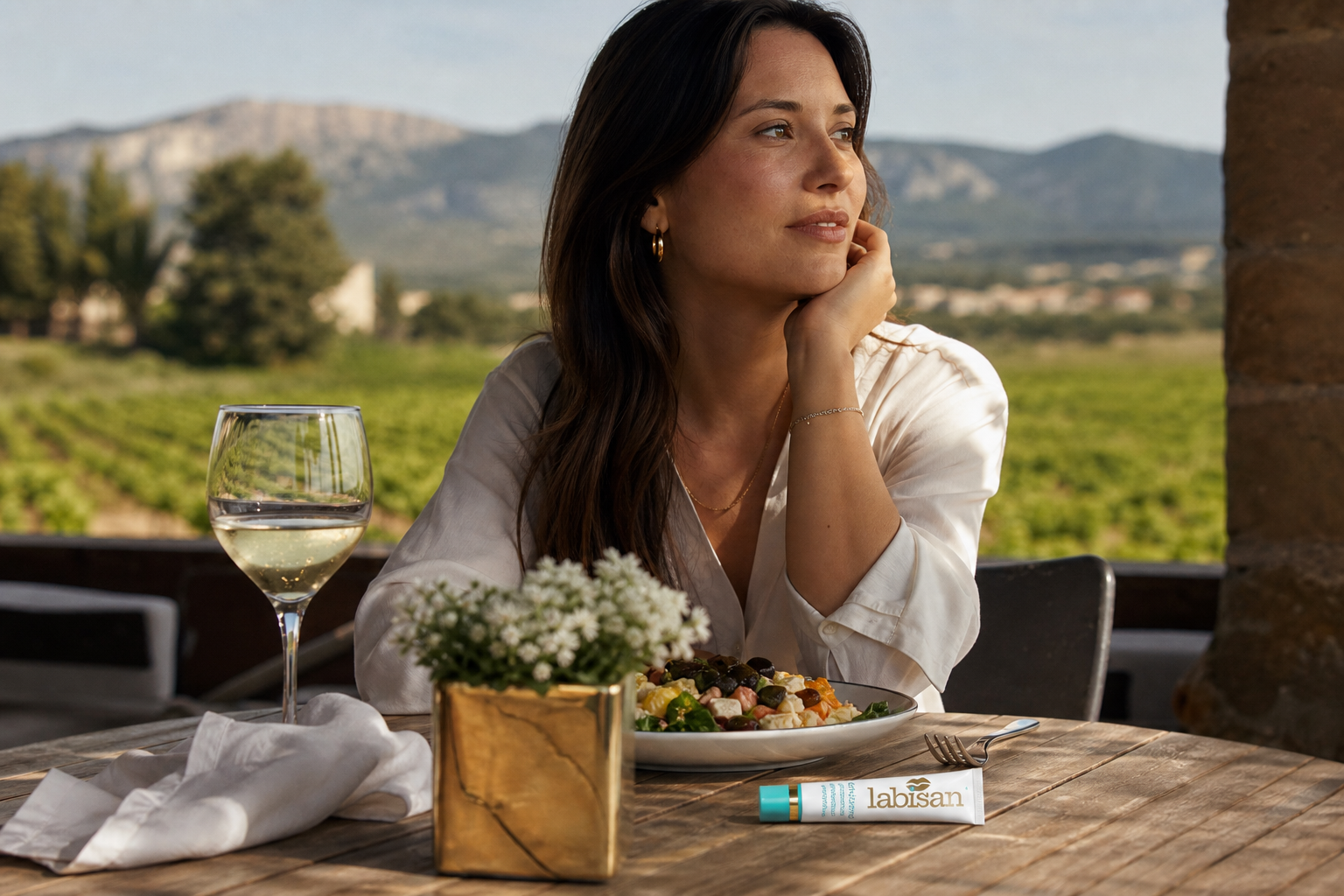
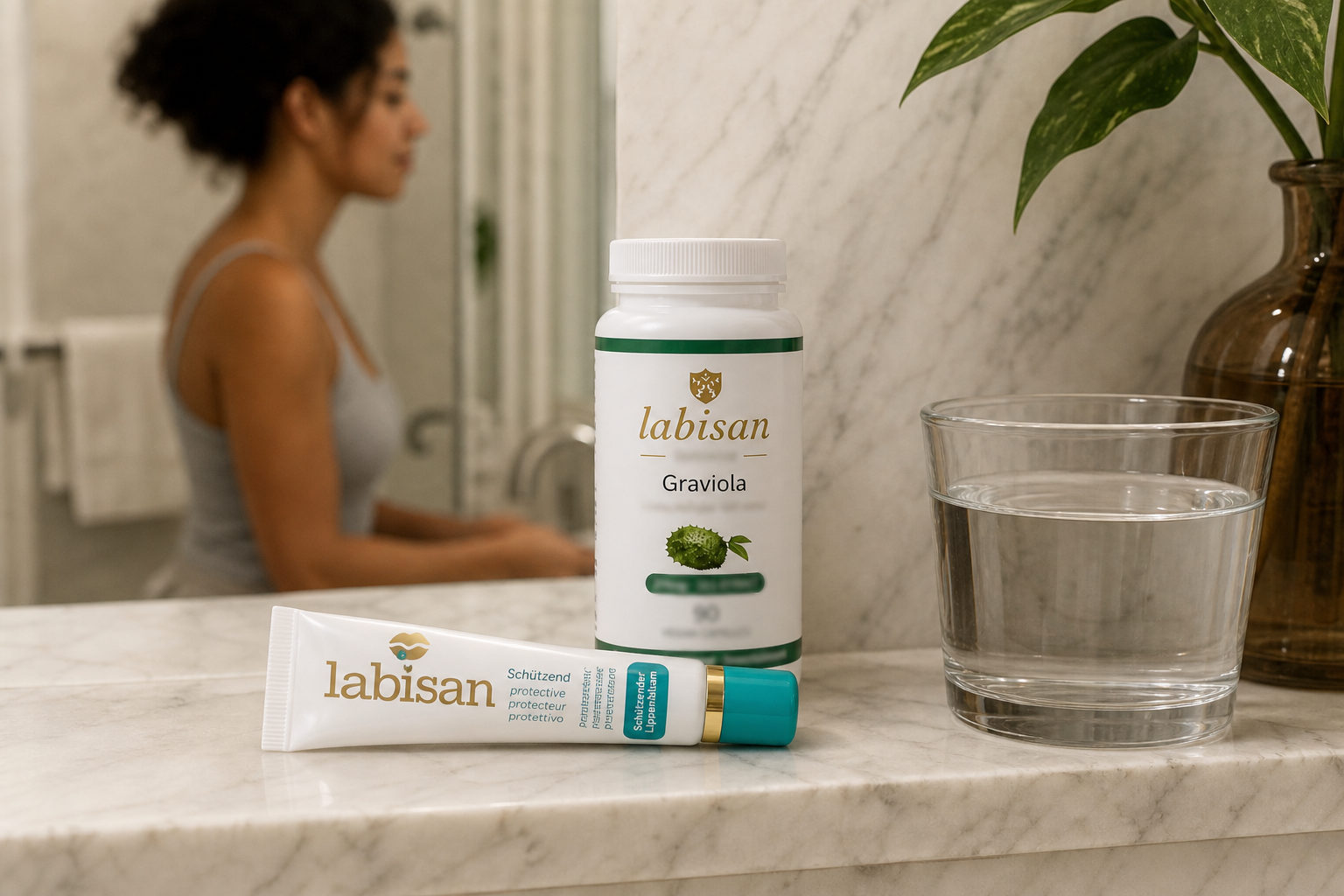
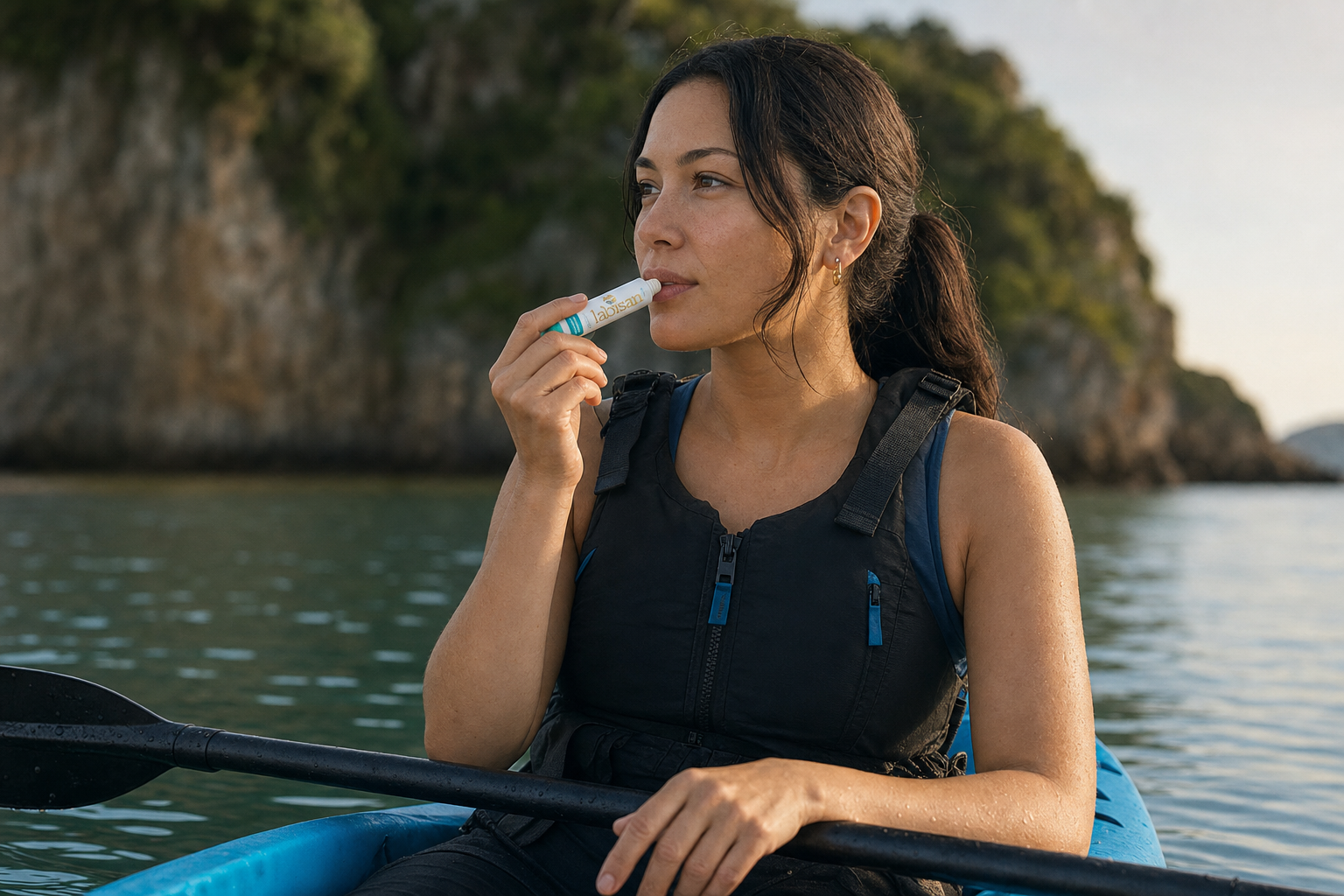
Labisan Protective Lip Balm SPF 20 with non-nano zinc oxide works one step upstream. It targets the largest, best documented and most controllable reactivation trigger for HSV-1 at the lip, which is ultraviolet exposure, and it does so with a photostable mineral filter, shea butter to keep the vermilion border intact, and manuka oil and supporting botanicals in a balm designed to be reapplied without ceremony on a chairlift or a beach towel. It is not an antiviral drug and we do not present it as one. It is a barrier against the thing that starts the chain.
The second half of the protocol works from the inside. Labisan Graviola Capsules are formulated for immune support, aimed at the resilience side of the equation that UV suppression, sleep debt and stress all erode. The realistic claim is frequency: supporting immune function to help reduce how often outbreaks occur over months, not curing anything. Graviola does not eradicate latent HSV-1 or HSV-2, no supplement does, and any product that claims otherwise is misleading you. Used together with a structured routine of the kind set out in our cold sore prevention playbook, external UV blocking plus internal immune support addresses both halves of the reactivation equation instead of waiting to react to the result.
Block the Trigger Before the Tingle Starts
Labisan Protective Lip Balm SPF 20
Single: $24.99 | Adventure Pack (3x): $59.97 | Family Bundle (5x): $89.95
Free EU shipping over $49, $19.99 worldwide. 30 day satisfaction guarantee.
Shop NowFrequently Asked Questions
Does zinc oxide lip balm actually prevent cold sores?
It prevents the trigger, which is the honest framing. Controlled laboratory exposure studies show that sunscreen applied before UV challenge can prevent UV induced herpes labialis in people who reliably get lesions from sun. Field studies in skiers have been less clear cut, most likely because real world reapplication is inconsistent over a full day outdoors. A zinc oxide balm removes one major reactivation pathway; it cannot prevent outbreaks triggered by illness, fever, stress, hormonal shifts or dental trauma.
Is zinc oxide better than a chemical sunscreen for lips?
For lips specifically, there is a reasonable case for mineral. Zinc oxide is photostable, covers UVB and UVA in one ingredient, sits on the surface rather than absorbing, and is a sensible choice for a product that gets partly ingested through the day. Chemical filters can deliver higher SPF in a lighter texture, so the practical answer is whichever one you will genuinely reapply every two hours.
Can I use a zinc oxide balm on an active cold sore?
Use a dedicated applicator or a clean fingertip and wash your hands afterwards, and never share the tube, since HSV-1 transmits by direct contact with lesion fluid. A balm keeps the lesion from cracking and shields it from further UV, but it is not a treatment. For an active outbreak, an antiviral is the appropriate tool, and the balm returns to its preventive role once the lesion has healed.
Is SPF 20 high enough for skiing or the beach?
SPF 20 filters about 95 percent of UVB versus about 96.7 percent at SPF 30, so the difference is small compared with the effect of reapplication. On snow or open water, reapply every 90 minutes to two hours, and immediately after eating, drinking or towelling off. Adherence beats the label number in every real world scenario we have looked at.
Do Graviola capsules treat herpes?
No. Graviola is an immune support supplement, and the only claim we make for it is that supporting immune resilience may help reduce how frequently outbreaks occur over time. It does not cure HSV-1 or HSV-2, does not clear latent virus from the trigeminal ganglion, and is not a substitute for prescribed antiviral medication. Speak to your doctor before adding any supplement, particularly if you are pregnant, breastfeeding or taking other medication.