Herpes simplex virus type 1 does not leave the body after a first infection. It travels up the sensory branches of the trigeminal nerve and establishes latency in the trigeminal ganglion, where its genome persists as a circular episome and transcription is largely silenced except for the latency-associated transcript. The World Health Organization estimates that roughly 3.8 billion people under the age of 50, about 64 percent of that age group, carry HSV-1. Only a minority get visible recurrences, and among those who do, the typical pattern is one to three episodes per year, with a small subset of roughly 5 to 10 percent experiencing six or more. Reactivation is not random. It is driven by identifiable physiological events that either damage the neuron directly, suppress local T-cell surveillance, or both. The single best-documented trigger is ultraviolet light: in a controlled trial published in The Lancet in 1991, Rooney and colleagues exposed UV-susceptible volunteers to experimental ultraviolet light and 27 of 38 placebo-treated subjects developed herpes labialis, while 0 of 35 subjects using a sunscreen on the lip vermilion did. That single contrast is the reason a protective lip balm with SPF 20 and zinc oxide belongs in a prevention plan rather than a treatment plan.
The Complete Cold Sore Triggers List
Below is every well-documented reactivation cause, grouped by mechanism, with a one-line mitigation for each. Most people have two or three dominant triggers rather than all of them, which is why keeping a short trigger log for eight weeks is worth more than any generic advice.
1. Ultraviolet light (the largest single trigger)
UVB radiation damages keratinocyte DNA at the lip vermilion and suppresses local Langerhans cell function, which lifts the immune brake that normally keeps reactivated virus from producing a visible lesion. The lip vermilion has almost no stratum corneum and very little melanin, so it burns at a lower dose than surrounding skin. Snow reflects up to 80 percent of incident UV, and altitude adds roughly 10 to 12 percent more UV intensity per 1000 metres, which is why skiing is such a reliable outbreak generator. Mitigation: a physical zinc oxide SPF applied to the lip every two hours outdoors, reapplied after eating, drinking or wiping.
2. Psychological and emotional stress
Sustained stress raises cortisol, which suppresses HSV-specific CD8+ T cells in the ganglion. Longitudinal diary studies have found that it is persistent stress lasting more than about a week, not acute one-day stress, that predicts recurrence. Mitigation: treat known high-stress windows (exams, deadlines, travel, bereavement) as a prophylaxis period rather than waiting for the tingle. Heat compounds this effect, as covered in our breakdown of the heatwave and stress double trigger.
3. Fever and systemic illness
The colloquial name "fever blister" is literal. Influenza, COVID-19, pneumonia and streptococcal infections all divert immune resources and raise core temperature, and herpes labialis frequently follows within 2 to 5 days. Mitigation: start your prevention routine at the first sign of any febrile illness, not after the fever breaks.
4. Hormonal fluctuation
A meaningful proportion of women with recurrent herpes labialis report menstrual-associated clustering, most often in the late luteal phase and the first days of menstruation, when oestrogen and progesterone both fall sharply and cell-mediated immunity dips with them. Pregnancy, perimenopause and hormonal contraceptive changes can shift the pattern. Mitigation: map outbreaks against your cycle for three months; if a pattern appears, front-load protection in the five days before menstruation.
5. Local trauma to the lip
Mechanical injury to the vermilion border triggers nerve-ending signalling that can provoke reactivation. Chapping, windburn, aggressive exfoliation, lip fillers, waxing, biting, and even vigorous kissing all qualify. Mitigation: keep the lip barrier intact with an occlusive balm containing shea butter, and never pick or peel flaking lip skin.
6. Dental procedures and trigeminal nerve manipulation
This is the most dramatic entry on the list. Classic work by Carton and Kilbourne showed that surgical section of the trigeminal nerve root was followed by herpes labialis in the overwhelming majority of seropositive patients, and routine dentistry involving prolonged mouth stretching, local anaesthetic injection or extraction carries a smaller but real version of the same risk. Mitigation: tell your dentist you get cold sores and ask about short-course antiviral prophylaxis before extractions or implant surgery.
7. Cold, wind and low humidity
Cold air holds less moisture, and wind strips the thin lipid film off the lips. The resulting micro-fissuring is both a trigger in its own right and an entry point for secondary bacterial infection of an existing lesion. Mitigation: an occlusive balm before exposure, not after the lips already feel tight.
8. Immunosuppression
Systemic corticosteroids, chemotherapy, biologic immunomodulators, transplant anti-rejection drugs and untreated HIV all reduce the T-cell surveillance that keeps latency stable. Outbreaks in these contexts tend to be larger, longer and more likely to spread beyond the lip. Mitigation: coordinate suppressive antiviral therapy with the prescribing physician rather than self-managing.
9. Fatigue and sleep debt
Sleep restriction measurably lowers natural killer cell activity and shifts cytokine balance. Sleep debt rarely acts alone, but it lowers the threshold for every other trigger on this list. Mitigation: protect sleep hardest during travel, festivals and shift changes.
10. Extreme exertion and altitude
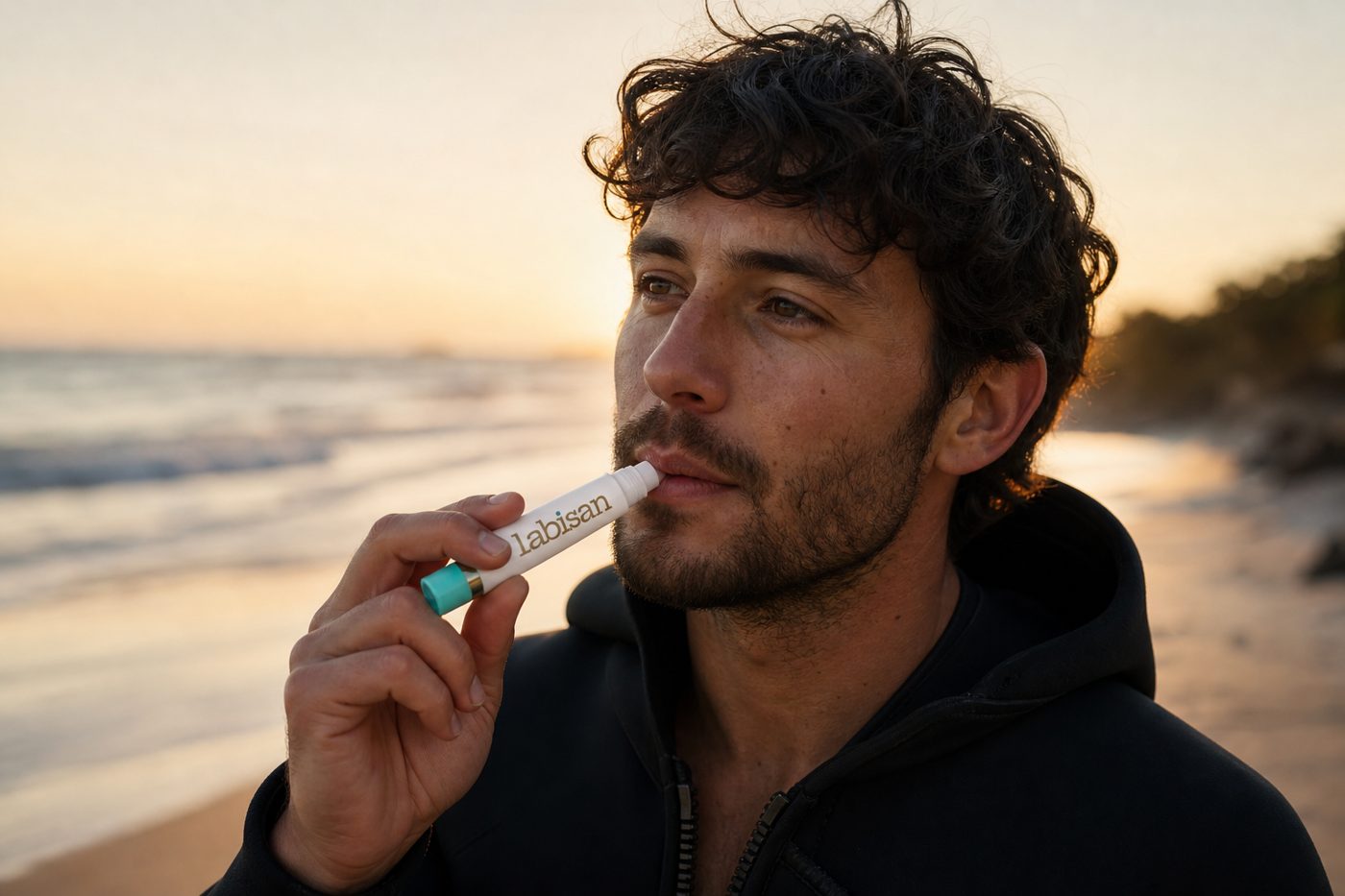
Marathons, expeditions and high-altitude trekking combine physical stress, sleep disruption, cold, wind and intense UV. This is the classic four-trigger stack, and it is exactly the environment Labisan was originally formulated for in the Austrian Alps.
11. Dietary and other proposed triggers
Alcohol, high-arginine foods, acidic foods and food allergy are frequently cited in consumer sources. The evidence here is far weaker than for UV, stress, fever and trauma, and the lysine-versus-arginine hypothesis in particular remains inconsistently supported in controlled trials. Mitigation: do not restructure your diet on weak evidence; log your own data and act on your own pattern.
Why Most Cold Sore Products Cannot Address This List at All
Look back at those eleven triggers and ask a simple question: which of them does a treatment product prevent? Docosanol creams such as Abreva, hydrocolloid patches such as Compeed, lysine-based ointments, and prescription acyclovir or valacyclovir taken episodically all share one structural limitation. They are deployed after reactivation has already happened, typically at the tingle stage or later, and their measured benefit is a modest reduction in healing time, usually on the order of half a day to a day and a half. That is genuine value once a lesion is underway, and we compare that class honestly in our reviews of Abreva versus Releev and Compeed patches versus Abreva. But none of them touches the trigger. None of them blocks a single photon of UVB. None of them supports the immune surveillance that keeps HSV-1 latent between episodes.
The Labisan Dual Protocol: Attack the Trigger, Not Just the Lesion
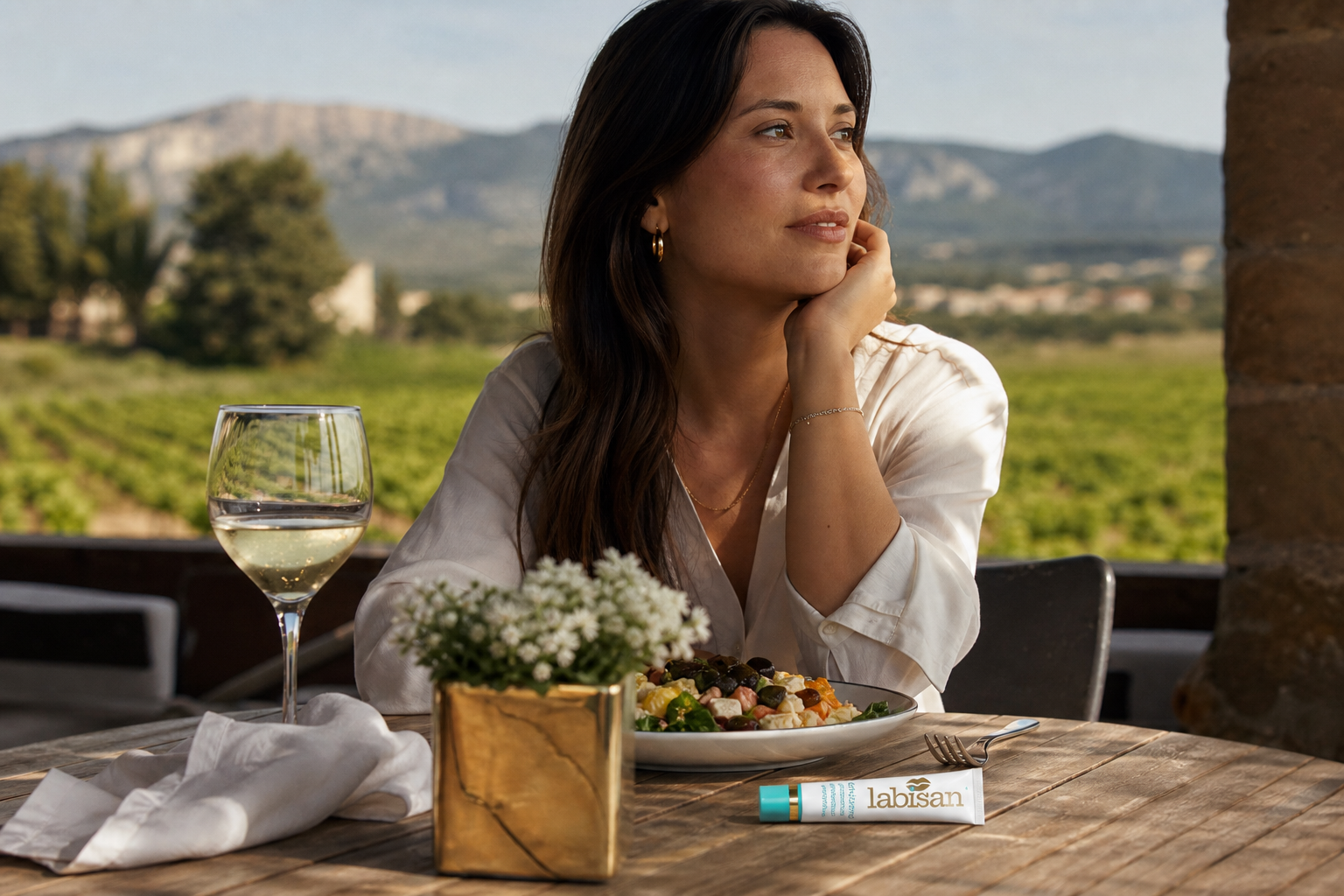
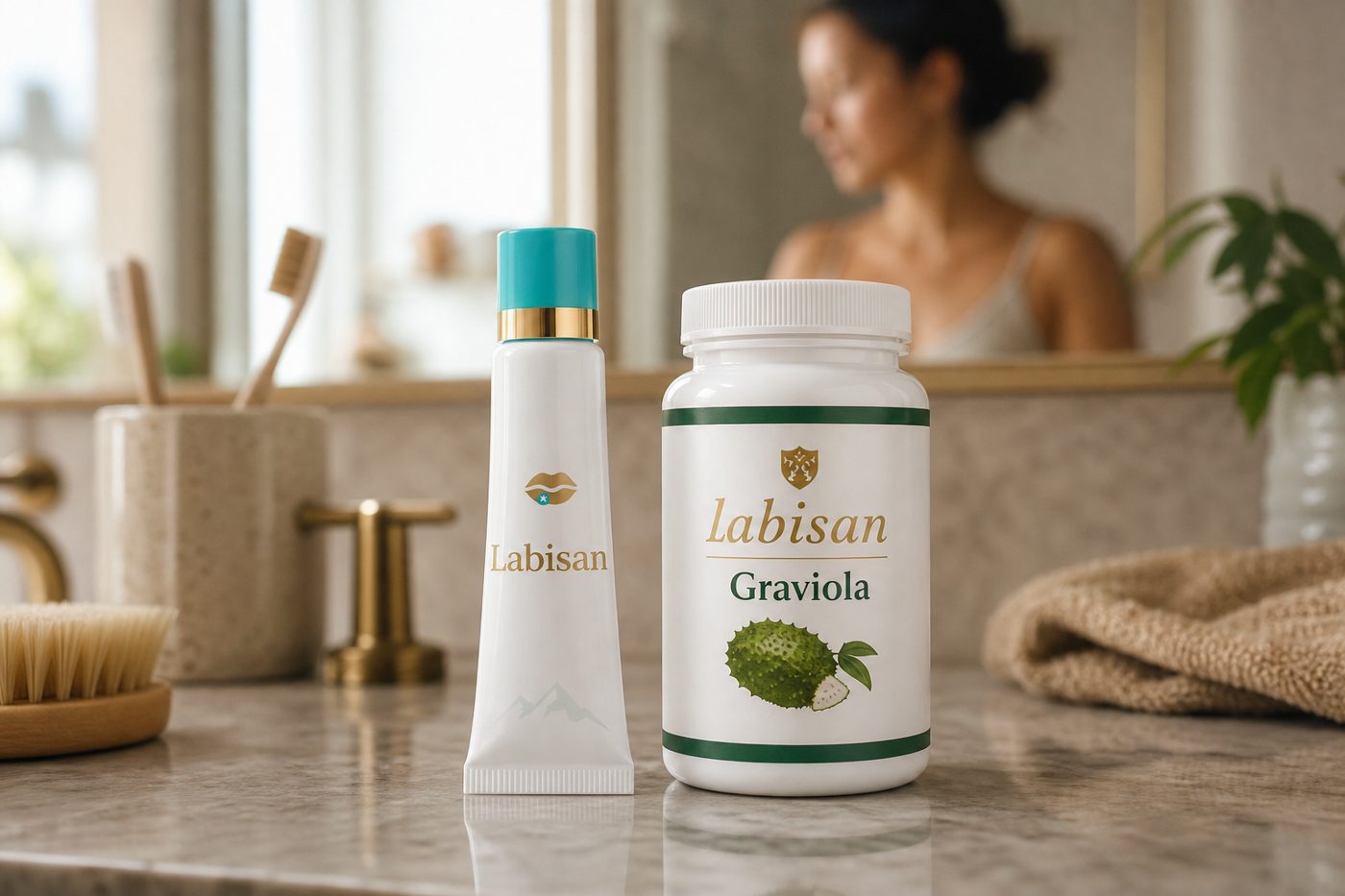
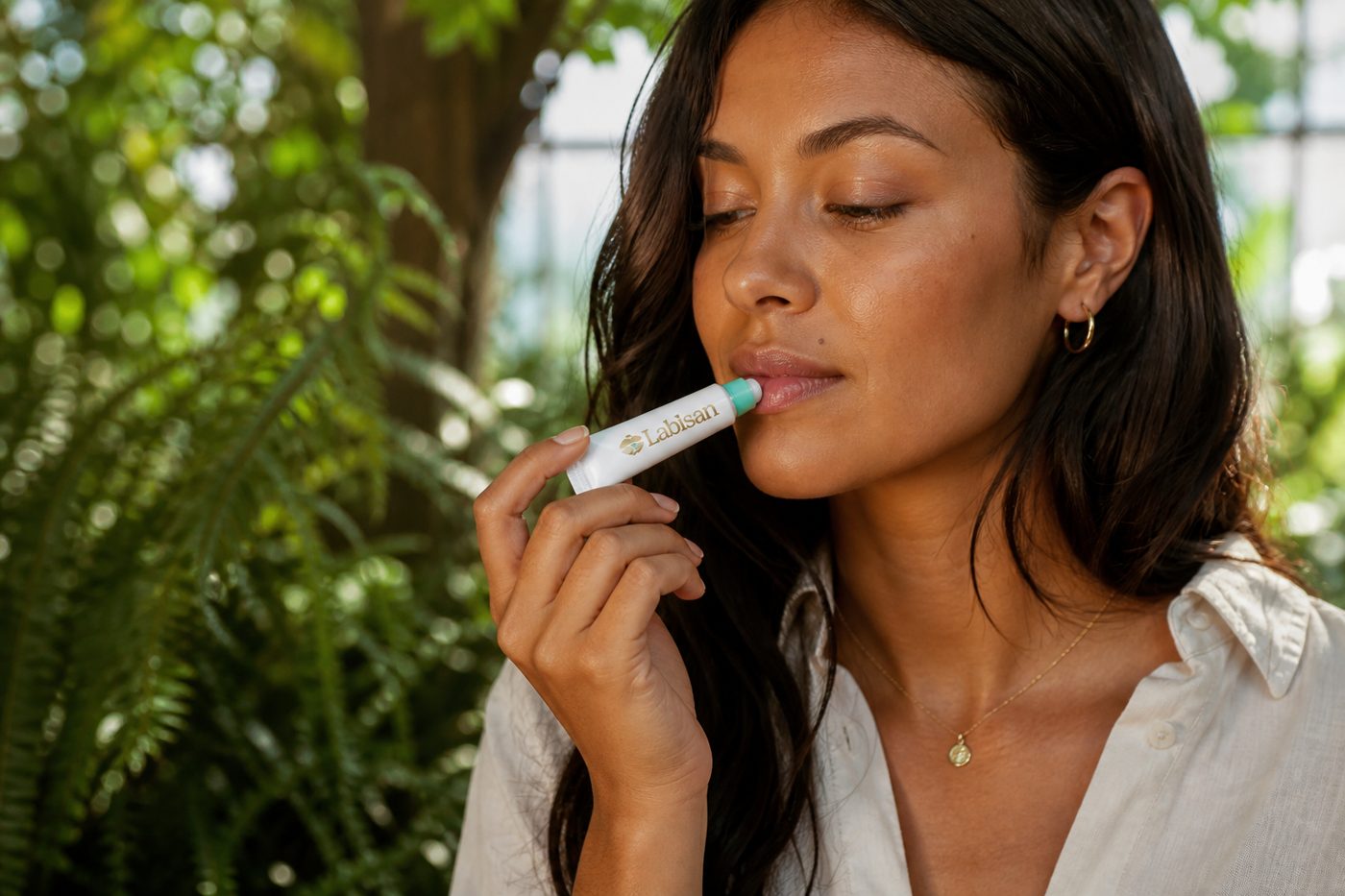
Labisan approaches the same problem from the other end of the timeline. Labisan Protective Lip Balm SPF 20 uses zinc oxide, a broad-spectrum physical blocker that reflects and scatters both UVA and UVB rather than absorbing it chemically, so it sits on the vermilion where the reactivation stimulus actually lands. SPF 20 filters roughly 95 percent of UVB. Given the Rooney trial result cited at the top of this article, neutralising the UV trigger is the highest-leverage single intervention available for the largest documented cause on this list. Shea butter restores the lipid barrier that addresses triggers 5 and 7, and manuka oil plus supporting antiviral botanicals keep the vermilion in better condition through cold, wind and altitude.
Labisan Graviola Capsules work the other axis. They do not cure HSV-1 or HSV-2, and nothing does; the virus remains latent in the ganglion for life. What Graviola supports is general immune function, and immune competence is precisely the variable that triggers 2, 3, 4, 8 and 9 all degrade. The goal is a lower outbreak frequency over months, not a faster scab. Readers who want to see how the two components combine in practice should read the Labisan hybrid system explained in full and the 30 day protocol diary.
The honest framing is this. If you already have a lesion, use a treatment product; it will help. If you want fewer lesions next year than this year, a treatment product cannot deliver that, because it never engages with a single item on the trigger list. Prevention and treatment are different jobs. Labisan does the prevention job.
Block the Biggest Trigger on the List Before It Fires
Labisan Protective Lip Balm SPF 20
Single: $24.99 | Adventure Pack (3x): $59.97 | Family Bundle (5x): $89.95
Free shipping over $49. 30 day satisfaction guarantee.
Shop NowFrequently Asked Questions
What triggers cold sores most often?
Ultraviolet light is the most consistently demonstrated trigger in controlled research, followed by psychological stress lasting more than a week, febrile illness, hormonal fluctuation around menstruation, and local trauma to the lip including dental procedures. Most individuals have two or three dominant triggers rather than the full list.
Can you have a cold sore trigger without getting an outbreak?
Yes. Asymptomatic viral shedding is common, and reactivation frequently occurs without producing a visible lesion. Whether a reactivation becomes a blister depends largely on how quickly local T-cell surveillance contains it, which is why immune status matters as much as trigger exposure.
Does sunscreen on the lips actually prevent cold sores?
In controlled experimental UV exposure it prevented lesions completely in the trial group. Field studies in skiing populations have shown more mixed results, largely because real-world reapplication is inconsistent. The practical conclusion is that lip sun protection works when it is genuinely maintained, which means reapplying every two hours and after eating or drinking.
Can Graviola cure herpes or stop outbreaks permanently?
No. HSV-1 and HSV-2 remain latent in nerve ganglia for life and no supplement, cream or prescription antiviral eliminates them. Labisan Graviola Capsules are positioned as immune support intended to help reduce how often outbreaks occur, not as a cure or a treatment for an active lesion.
How long should I track my triggers before I see a pattern?
Eight to twelve weeks is usually enough for stress, sleep and UV patterns to appear. For suspected hormonal triggers, allow at least three full menstrual cycles, since a two-cycle sample can easily produce a coincidental pattern.