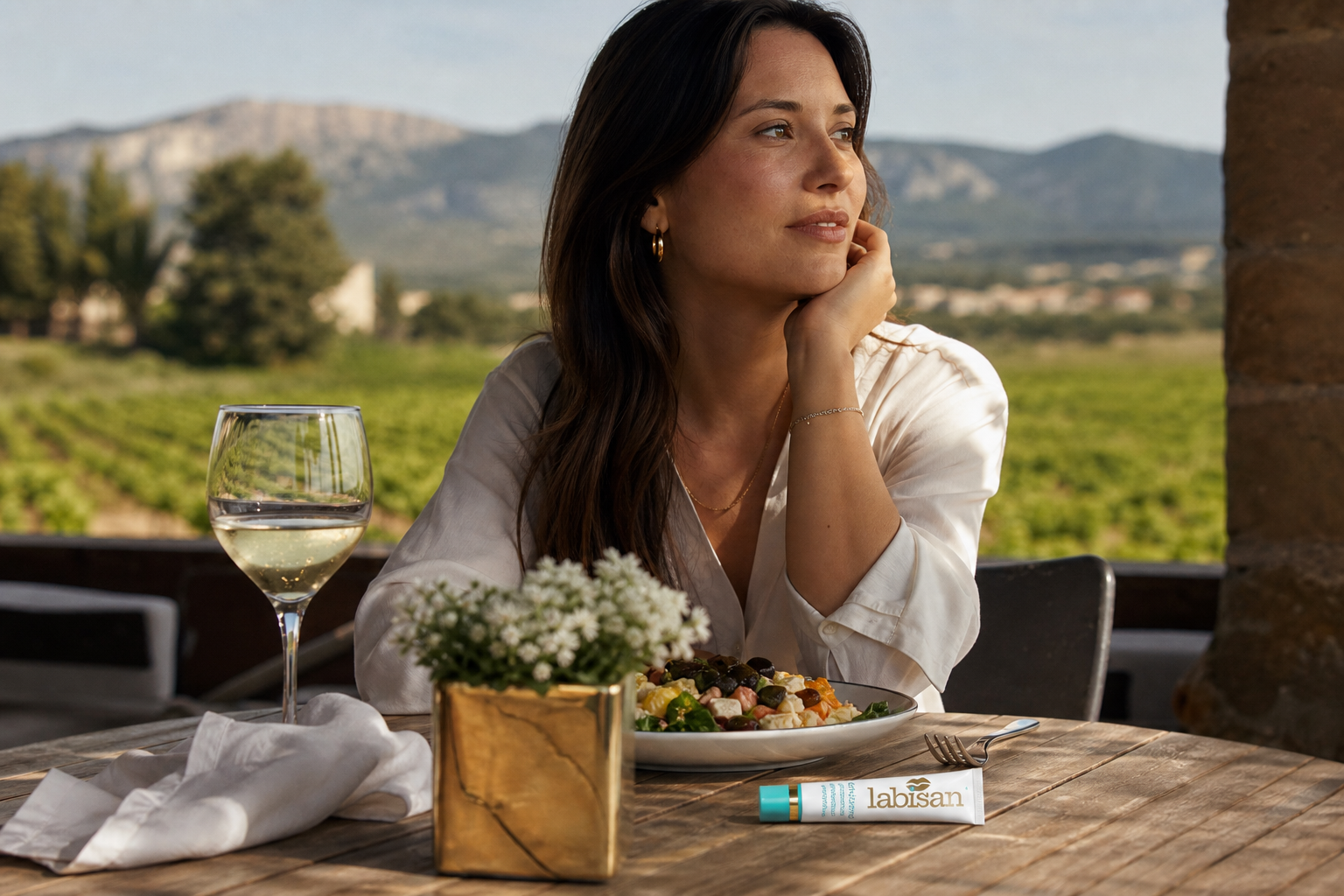
The honest answer: no, you cannot get rid of cold sores permanently, because there is currently no treatment that removes the herpes simplex virus (HSV-1) from your body. Once you are infected, the virus travels up a nerve to the trigeminal ganglion at the base of your skull and stays there in a dormant, or latent, state for the rest of your life. The World Health Organization estimated in 2016 that around 3.7 billion people under age 50, roughly 67 percent of that population, carry HSV-1. No antiviral, supplement, laser, or lip balm has ever been shown to eradicate that latent virus. What you absolutely can control, and control dramatically, is how often the virus wakes up and produces a visible cold sore. Some people go from six or eight outbreaks a year to one or none, and our Labisan lip balm and Graviola hybrid system for cold sore prevention is built around that exact goal. That is the realistic finish line, and this article explains exactly how to reach it.
Why "cure cold sores forever" is a myth (HSV latency explained)
To understand why you cannot cure cold sores forever, you have to understand where the virus hides. When HSV-1 first infects the lip or mouth, it replicates in skin cells, then enters the sensory nerve endings there and is carried up the axon to a cluster of nerve cell bodies called the trigeminal ganglion. Inside those neurons the virus stops making the proteins that would normally alert your immune system. It essentially goes silent, holding its genetic material as a stable circle of DNA. Because your immune cells and antiviral drugs are designed to attack active, replicating virus, a dormant genome sitting quietly inside a protected nerve cell is effectively invisible to them. This is the core of HSV latency explained: the virus is not gone, it is parked somewhere your body's defenses and your medications cannot reach.
Periodically, a trigger reactivates the latent virus. It reverses course, travels back down the same nerve to the lip, and starts replicating in the skin again, producing the familiar tingle, blister, and crust. This is why cold sores tend to recur in the same spot. If you want the full picture of how common this virus is and how it moves between people, our breakdown of HSV-1 global epidemiology by the numbers puts the scale in perspective, and it also explains why "just avoid catching it" is not a workable plan for most adults.
What today's treatments actually do (and do not do)
Every mainstream cold sore product falls into one of two buckets, and neither one removes the virus. The first bucket is topical treatments that shorten an outbreak once it has started. Docosanol (the active ingredient in Abreva) is FDA-approved and, in clinical trials, reduced healing time by roughly half a day to a day when applied at the very first tingle. Products like Carmex and Compeed patches soothe, protect, and speed surface healing. These are useful, but notice the timing: you only reach for them after the sore is already forming. If you want a like-for-like look at that category, see our comparisons of Carmex versus Abreva for cold sores and Compeed versus Abreva patches.
The second bucket is prescription oral antivirals such as acyclovir and valacyclovir. Taken as daily suppressive therapy, these can reduce outbreak frequency by 70 to 80 percent in people with frequent recurrences, and they are the right choice for many patients. But the moment you stop taking them, the latent reservoir is untouched and outbreaks can return. Antivirals suppress; they do not cure. Lysine supplements, popular for decades, have mixed and generally weak evidence for reducing frequency. The takeaway is simple and honest: nothing on the shelf or in the pharmacy erases HSV. So the smart long-term question is not "how do I cure this," it is "how do I keep the virus asleep as much as possible."
The real lever: control the triggers that wake the virus
Reactivation is not random. Decades of research have identified consistent triggers: ultraviolet (UV) light on the lips, physical or emotional stress, fever and other illness, fatigue, hormonal shifts around menstruation, and lip trauma or dryness. Of these, UV exposure is one of the best-documented and most preventable triggers of all. In a landmark controlled study published in The Lancet in 1991, researchers deliberately exposed the lips of people with a history of cold sores to UV light. In the group given a plain placebo, UV exposure triggered visible cold sores in a large share of participants. In the group whose lips were protected with a sunscreen beforehand, UV-induced outbreaks were essentially prevented. That is a rare thing in cold sore science: a clean, causal demonstration that blocking a trigger blocks the outbreak.
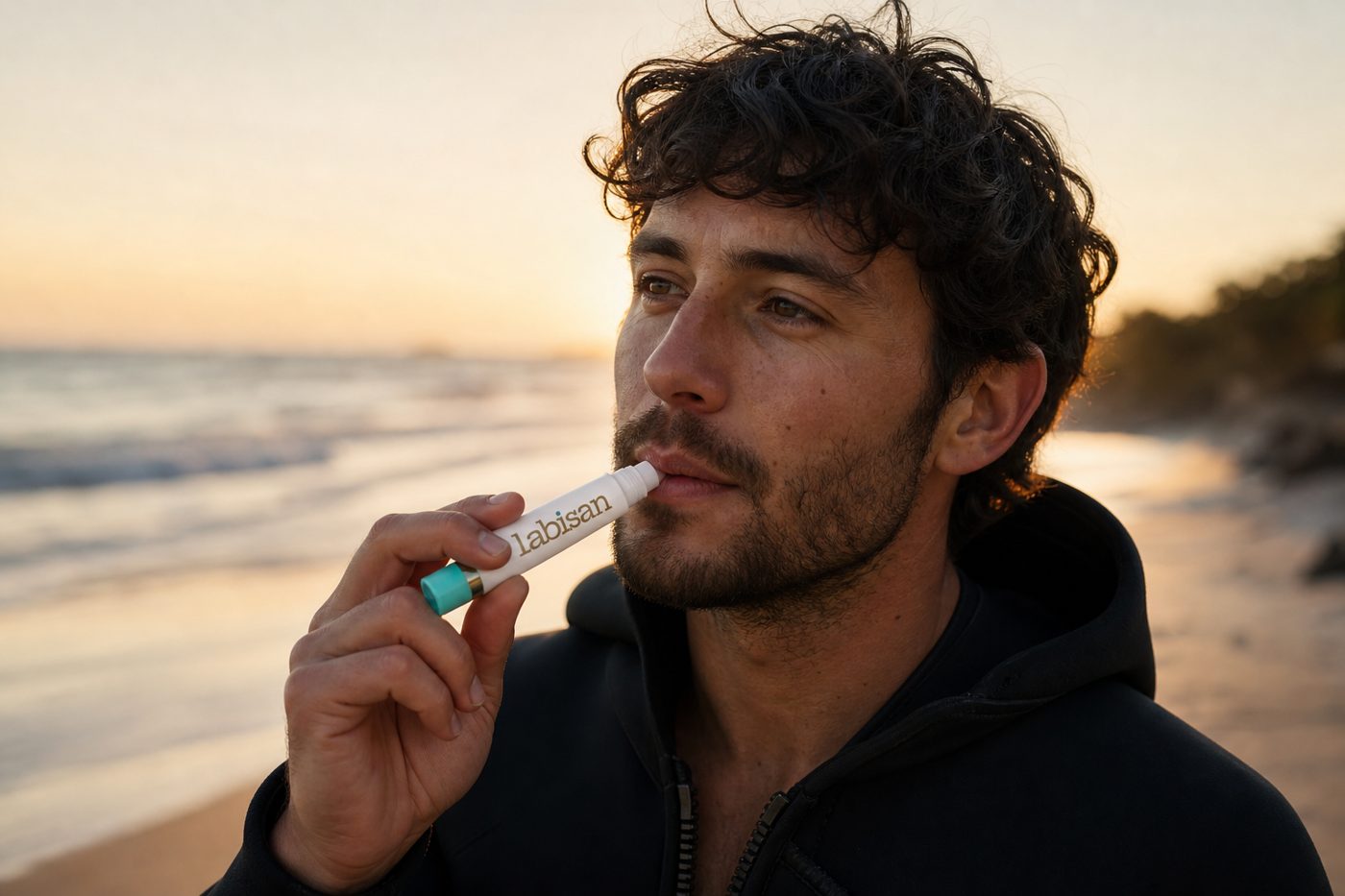
This is why the outdoor life is such a cold sore minefield. Reflected UV off snow, water, and sand, plus altitude and wind, hammers the lips precisely where the virus reactivates. We see it constantly in skiers, sailors, hikers, and festival-goers, which is why we wrote detailed field guides on preventing cold sores on a beach vacation and the heatwave and stress trigger stack. Controlling triggers will not delete the virus, but it directly shrinks the number of times it gets a chance to surface. Over a year, that is the difference between eight outbreaks and one.
Why the Labisan dual protocol beats treat-after-the-fact products
Here is the strategic gap in almost every cold sore product on the market. Abreva, docosanol, hydrocolloid patches, lysine, even prescription acyclovir and valacyclovir used episodically: they all engage the virus after reactivation has already begun. They are treatments for an outbreak in progress. That is genuinely valuable, but it is a reactive game. If your goal is to get as close as honestly possible to "getting rid of cold sores permanently," you have to move upstream and stop reactivations before they start. That is exactly what the Labisan protocol is built to do, on two fronts at once.
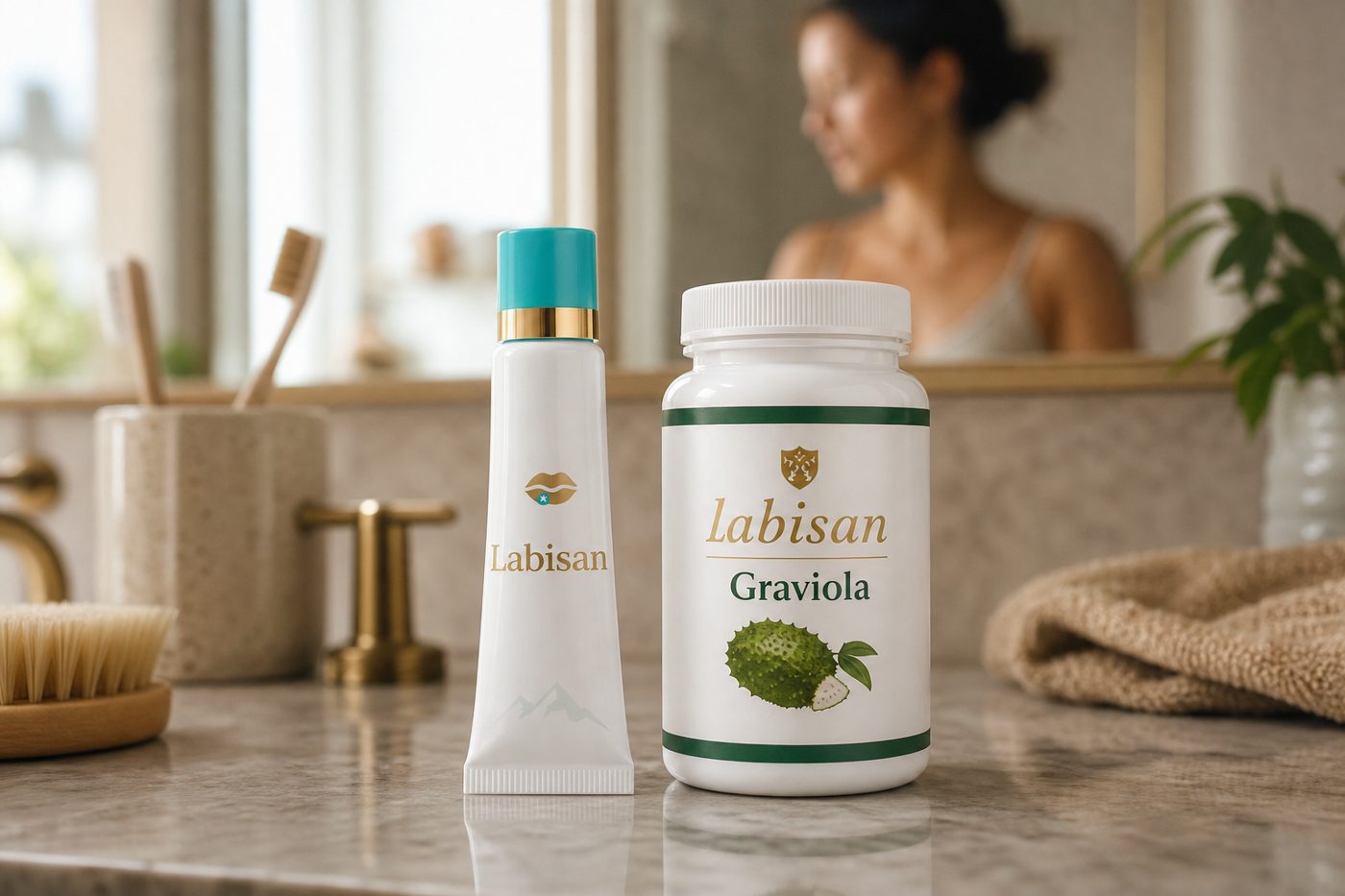
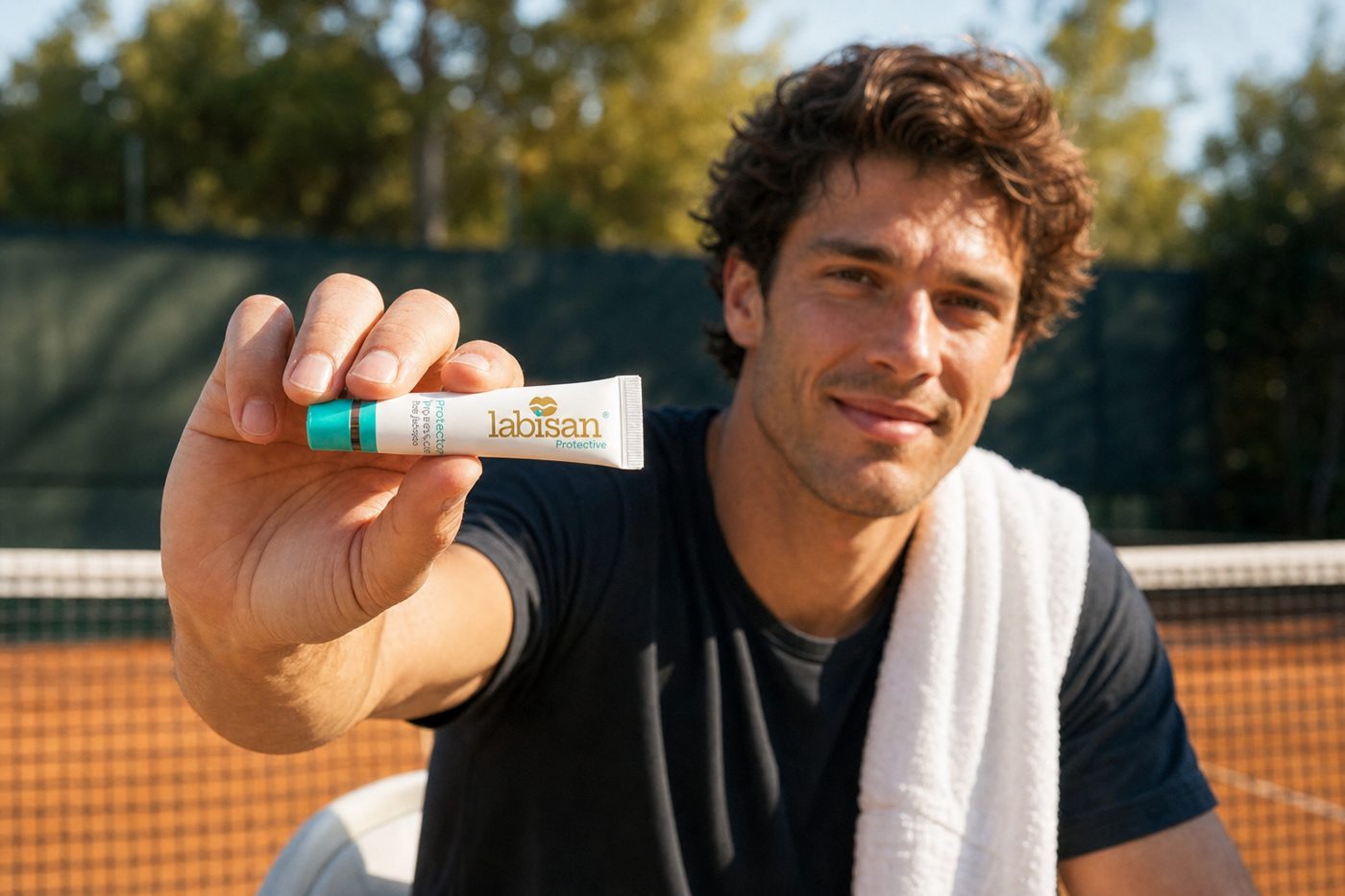
First, Labisan Protective Lip Balm SPF 20 targets the single largest preventable reactivation trigger: UV at the lip. Its zinc oxide provides broad-spectrum SPF 20 mineral protection over the exact skin where HSV-1 surfaces, while shea butter and manuka oil keep the lip barrier intact so cracking and dryness do not become their own trigger. Given the Lancet evidence that lip sunscreen can prevent UV-induced recurrences, a daily protective balm is not a cosmetic afterthought; it is trigger control aimed at the mechanism. Second, Labisan Graviola Capsules work from the inside to support normal immune function, and a well-supported immune system is what keeps latent HSV in check between exposures. We are careful and honest here: graviola is not a cure and does not remove the virus. It is intended to help reduce outbreak frequency as part of a prevention routine, never to treat a sore that has already erupted.
Used together, that is prevention on the outside and frequency support on the inside, which is a fundamentally different and smarter strategy than waiting for the tingle and reaching for a tube. You can read how real people combined both in our 30-day hybrid system diary. Choosing Labisan is choosing to play offense against reactivation rather than defense against an outbreak you already have.
Stop the trigger before it starts an outbreak
Labisan Protective Lip Balm SPF 20
Single: $24.99 | Adventure Pack (3x): $59.97 | Family Bundle (5x): $89.95
Free shipping over $49. 30 day satisfaction guarantee.
Shop NowFrequently Asked Questions
Can you ever get rid of cold sores permanently?
No. There is no treatment proven to remove HSV-1 from the body, because the virus lives dormant inside nerve cells where drugs and the immune system cannot reach it. However, you can realistically get very close to a cold-sore-free life by controlling reactivation triggers, especially UV exposure, and supporting your immune system, which for many people cuts outbreaks from several per year to one or none.
Is there any research on a real cure for HSV?
Yes, gene-editing and therapeutic vaccine approaches aimed at the latent virus are in early research, and some have shown promise in laboratory and animal models. As of 2026, none is an approved treatment, and none is available to consumers. Any product claiming to "cure herpes forever" today is misrepresenting the science.
Why do my cold sores keep coming back in the same place?
Because the virus reactivates in the same nerve pathway each time. It travels back down the specific branch of the trigeminal nerve that serves that patch of lip, so the sore reappears in a familiar spot. Protecting that area from triggers like UV and dryness is one of the most effective ways to reduce how often it returns.
Does sunscreen on the lips really prevent cold sores?
The evidence is strong for UV-triggered outbreaks. A controlled Lancet study showed that applying sunscreen to the lips before UV exposure essentially prevented the UV-induced cold sores that appeared in the unprotected group. That is why a daily SPF lip balm like Labisan Protective Lip Balm SPF 20 is a core prevention tool, not a cosmetic extra, for anyone who spends time outdoors.
Can immune support supplements reduce how often I get cold sores?
Supporting normal immune function is a reasonable part of a frequency-reduction plan, since a strong immune response helps keep latent HSV in check. Labisan Graviola Capsules are formulated for that immune-support role and are intended to help reduce outbreak frequency over time. They are not a cure, do not eliminate the virus, and are not meant to treat a sore that has already appeared.