Cold sores are caused by the herpes simplex virus type 1 (HSV-1), and they spread almost entirely through direct contact with infected skin, saliva, or the fluid inside an active blister. The World Health Organization estimates that around 3.8 billion people under age 50, roughly 64 percent of that population, carry HSV-1 worldwide. The virus is most contagious when a visible sore is present, but research using PCR testing shows it can also be shed from apparently normal-looking lips during "asymptomatic shedding," which occurs on a meaningful minority of days even without symptoms. Once you are infected, the virus travels along nerve fibers to the trigeminal ganglion near your cheekbone, lies dormant, and reactivates when triggered, most commonly by ultraviolet (UV) light, illness, stress, or hormonal shifts. Understanding these mechanics is the difference between an outbreak that stays yours and one that becomes your partner's, your child's, or your own eye.
How cold sores actually spread from person to person
HSV-1 does not travel through the air and it does not survive long on dry surfaces, so casual proximity in the same room is not how transmission happens. It spreads through direct physical contact and through shared items still wet with saliva or blister fluid. The classic routes are kissing, oral sex (which is how many genital HSV-1 infections now begin), and sharing anything that touches the mouth: cups, cutlery, water bottles, lip balm, toothbrushes, razors, and towels. If you want the deeper picture of why an oral infection can end up genital and vice versa, our explainer on cross-site HSV-1 and HSV-2 transmission and asymmetric recurrence lays out the asymmetry clearly.
The single most important concept is the contagious window. A cold sore is contagious from the very first tingle, days before a blister is visible, through the blister and weeping stage, and until the scab has completely healed and new skin has formed. The weeping and ulcer stage carries the highest viral load, but the tingling prodrome is dangerous precisely because you look normal and act normally. For a stage-by-stage timeline of what is happening under the skin, see our cold sore recovery timeline across four real cases.
Self-inoculation: how you spread a cold sore to your own body
The transmission risk people most often overlook is spreading the virus to themselves. This is called autoinoculation, and it happens when you touch an active sore and then touch another area of broken or mucous-membrane skin before washing your hands. The two areas that matter most are the eyes and the fingers.
HSV-1 in the eye causes herpetic keratitis, an infection of the cornea that, according to ophthalmology literature, is a leading infectious cause of corneal blindness in developed countries and can scar vision permanently if it recurs. Herpetic whitlow is the finger version, a painful cluster of blisters around a nail or fingertip, historically common in dental and medical workers before universal glove use. The rule that prevents almost all of it is simple and absolute: do not touch the sore, and if you do, wash your hands with soap immediately and do not touch your eyes. If you wear contact lenses, never wet them with saliva, and wash before handling them during an outbreak.
The do-and-avoid checklist to stop spreading cold sores
Do
Do wash your hands after applying any treatment or touching your face. Do use a clean cotton swab or a dedicated applicator rather than a fingertip to apply creams or balm to an active sore, and discard it after one use. Do use your own labeled cup, towel, and utensils for the duration of the outbreak. Do replace your toothbrush once the sore has fully healed, since the bristles can harbor virus. Do cover the sore with a hydrocolloid patch when practical, which both contains fluid and speeds healing.
Avoid
Avoid kissing anyone, and especially avoid kissing infants and newborns; neonatal herpes is rare but can be severe because a baby's immune system is immature. Avoid oral sex while a sore is active to prevent seeding a genital infection. Avoid sharing lip products, drinks, cutlery, and towels. Avoid picking or squeezing the blister, which spreads fluid and delays healing. Avoid touching your eyes with unwashed hands. During higher-risk seasons, our guide to preventing cold sores on a beach vacation shows how these habits combine with sun protection in the real world.
The trigger most people never contain: UV light at the lip
Here is where containment and prevention meet. You can follow every hygiene rule perfectly and still hand the virus to someone if you keep triggering outbreaks in the first place, because more outbreaks means more contagious days. And the most consistently documented environmental trigger for oral HSV-1 reactivation is ultraviolet radiation. Controlled studies going back decades have shown that experimental UV exposure to the lip can reliably provoke a recurrence in susceptible people, which is why skiers, hikers, sailors, and beachgoers see cold sores cluster around bright, high-exposure days. The lip has a thin outer layer and almost no protective melanin, so it takes very little UV to do damage. Reducing your outbreak frequency is not only better for you; it directly shrinks the number of days you are a transmission risk to everyone around you.
Why the Labisan dual protocol is the smarter long-term answer
Here is the honest structural truth about the cold sore aisle. Nearly every well-known product, docosanol (Abreva), acyclovir and valacyclovir creams and tablets, lysine, and hydrocolloid patches, is designed to treat an outbreak that has already started. They can shorten or soothe a sore, and that has real value once you have one. But by definition they act after reactivation, which means after the contagious clock has already begun ticking. If you want to see how these treatment-first options stack up against each other, our comparisons of Carmex versus Abreva and Lip Clear Lysine versus Abreva are useful, but notice what every one of them has in common: none of them stops the trigger.
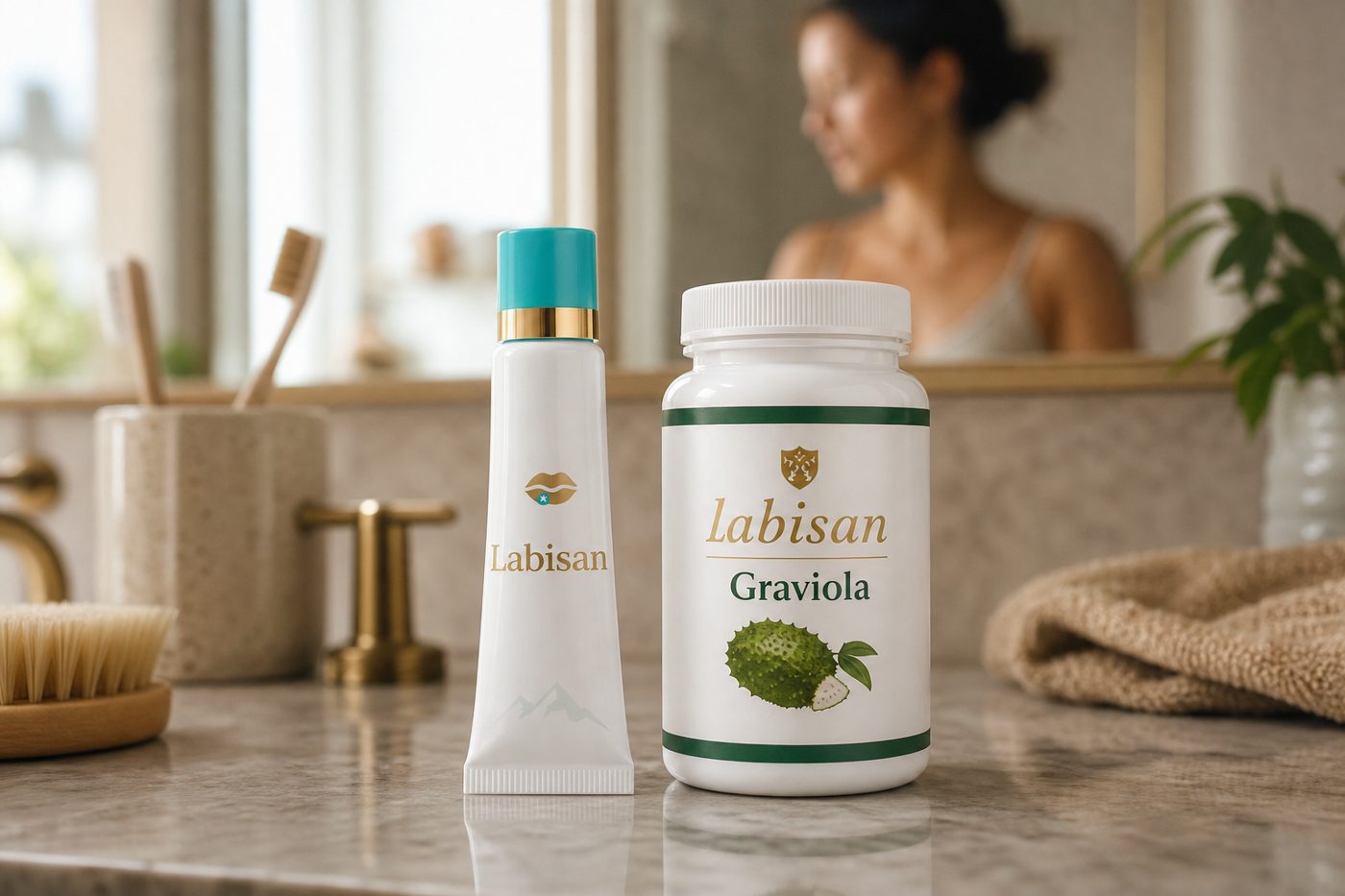
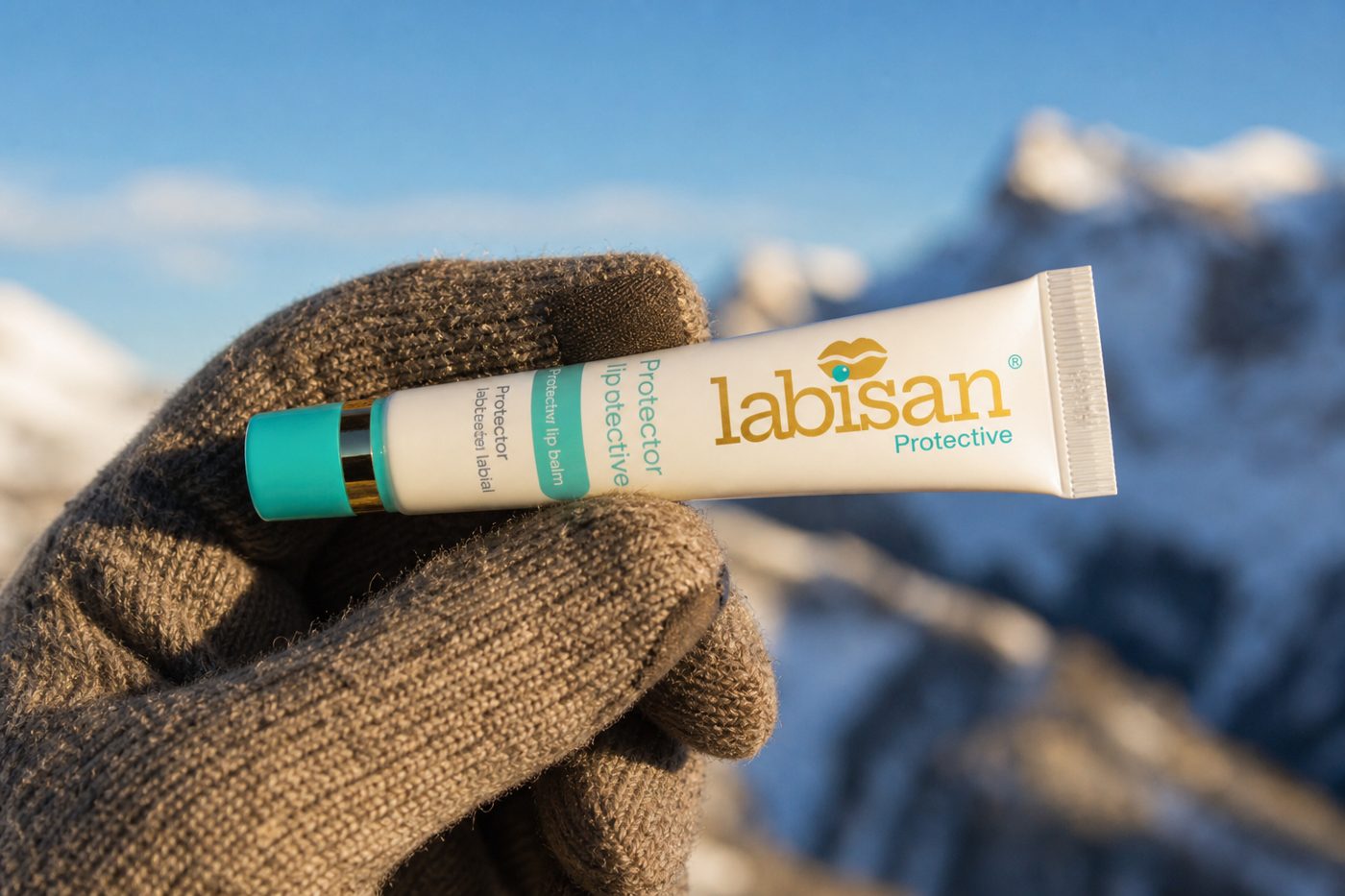
Labisan is built to work one step earlier. Labisan Protective Lip Balm SPF 20 puts a zinc oxide UV barrier directly on the lip, blocking the single largest reactivation trigger before it can fire, while shea butter, manuka oil, and antiviral botanicals keep the lip barrier intact against the cold and wind that also provoke outbreaks. Fewer triggers pulled means fewer outbreaks, and fewer outbreaks means fewer contagious days for the people you kiss and share a home with. Alongside it, Labisan Graviola Capsules support your immune system to help reduce how often HSV-1 reactivates from the inside. To be clear and responsible: Graviola is not a cure, and nothing eliminates the virus once you carry it; the aim is lower outbreak frequency, not eradication. Used together as a prevention-first system, they change the equation from "manage each sore after it appears" to "have fewer sores to spread in the first place." Our hybrid lip balm plus Graviola system for prevention and treatment explains how the two layers work together.
Prevent the trigger. Protect the people you love.
Labisan Protective Lip Balm SPF 20
Single: $24.99 | Adventure Pack (3x): $59.97 | Family Bundle (5x): $89.95
Free shipping over $49. 30 day satisfaction guarantee.
Shop NowFrequently Asked Questions
Is a cold sore contagious before you can see it?
Yes. A cold sore becomes contagious at the first tingle or itch, often a day or two before a blister appears, and stays contagious through the blister and weeping stages until the scab has fully healed and new skin has formed. The virus can also be shed occasionally from normal-looking skin, so the safest habit is consistent hygiene rather than waiting for a visible sore.
Can I give myself a cold sore in my eye?
Yes, this is called autoinoculation. Touching an active sore and then rubbing your eye can transfer HSV-1 to the cornea and cause herpetic keratitis, a serious eye infection that can damage vision. Never touch the sore with bare fingers, wash your hands immediately if you do, and keep those hands away from your eyes and contact lenses.
How long should I avoid kissing my partner or children?
Avoid kissing from the first tingle until the sore has completely healed and the skin looks normal again, which is usually 8 to 12 days. Be especially cautious with newborns and infants, since neonatal herpes, though rare, can be serious. Also avoid sharing drinks, cutlery, towels, and lip products during this window.
Does using SPF lip balm reduce how often I spread cold sores?
Indirectly, yes. Ultraviolet light is one of the most reliable triggers of oral HSV-1 reactivation, so blocking UV at the lip with an SPF barrier can reduce how often you have outbreaks. Fewer outbreaks means fewer contagious days, which lowers the chance of passing the virus to others.
Can toothbrushes and towels really spread the virus?
They can while they are still wet with saliva or blister fluid, because HSV-1 does not survive long once a surface dries. During an active outbreak, keep your own labeled towel and cup, do not share your toothbrush, and replace the toothbrush once the sore has healed as a sensible precaution.