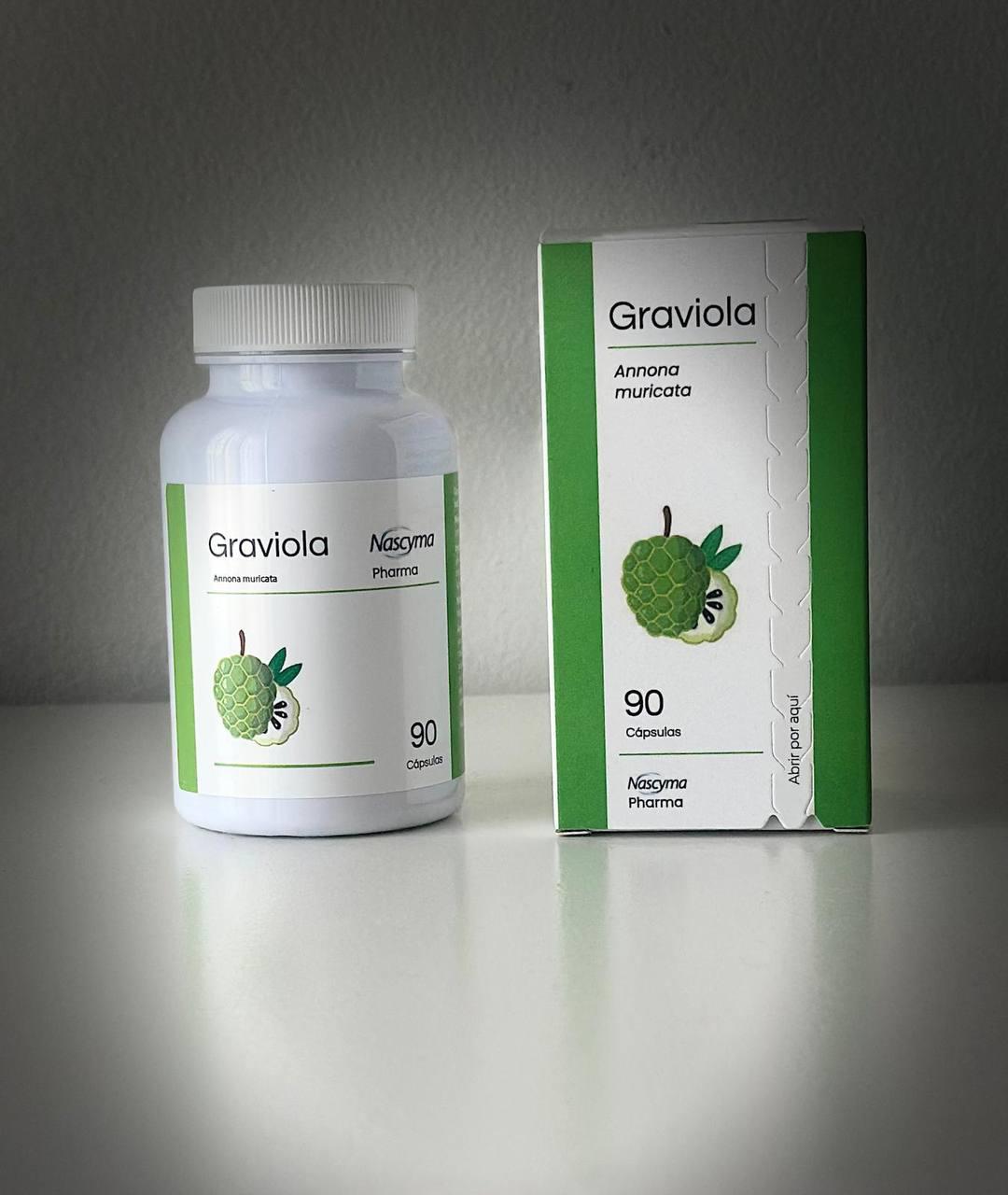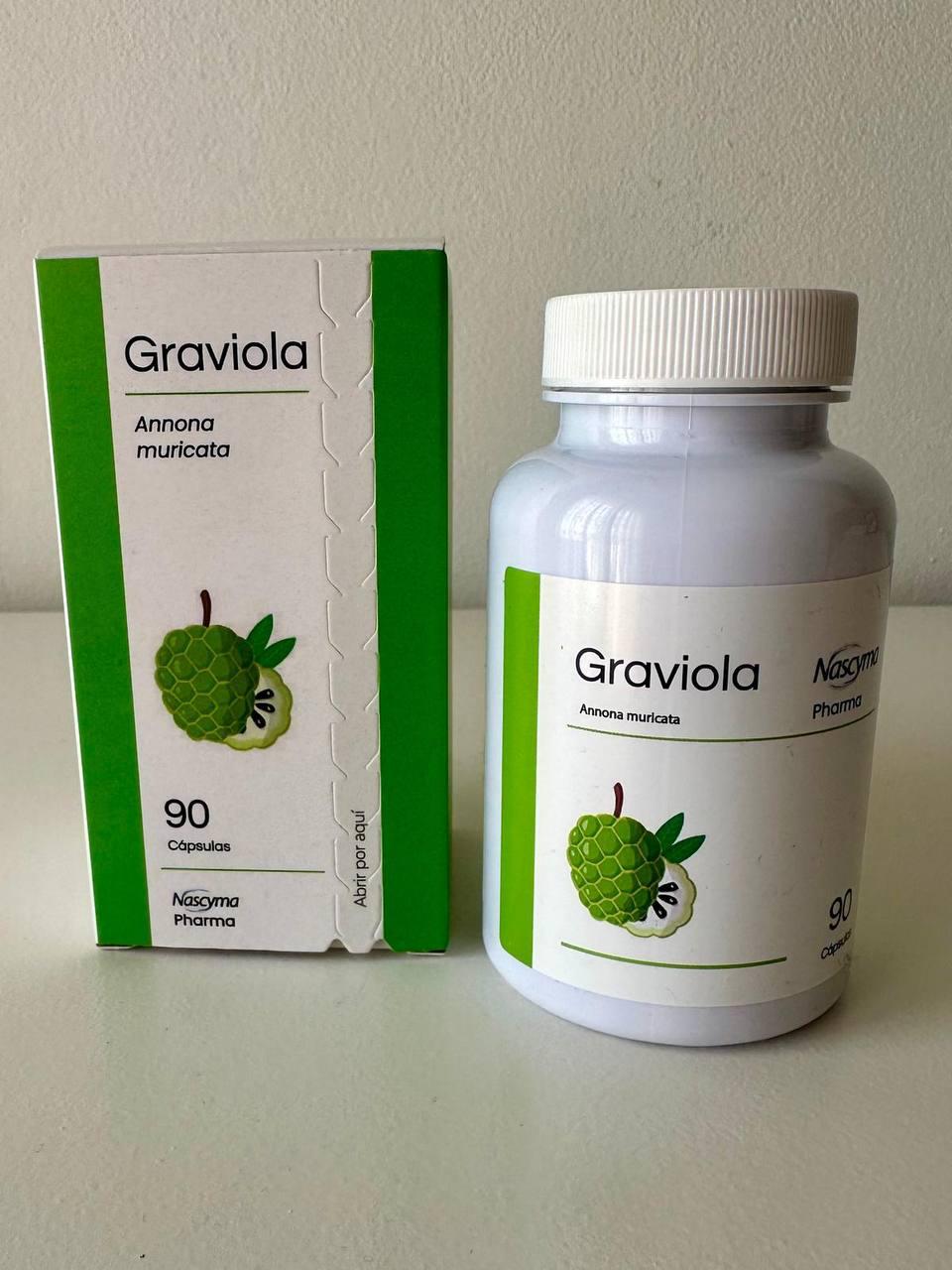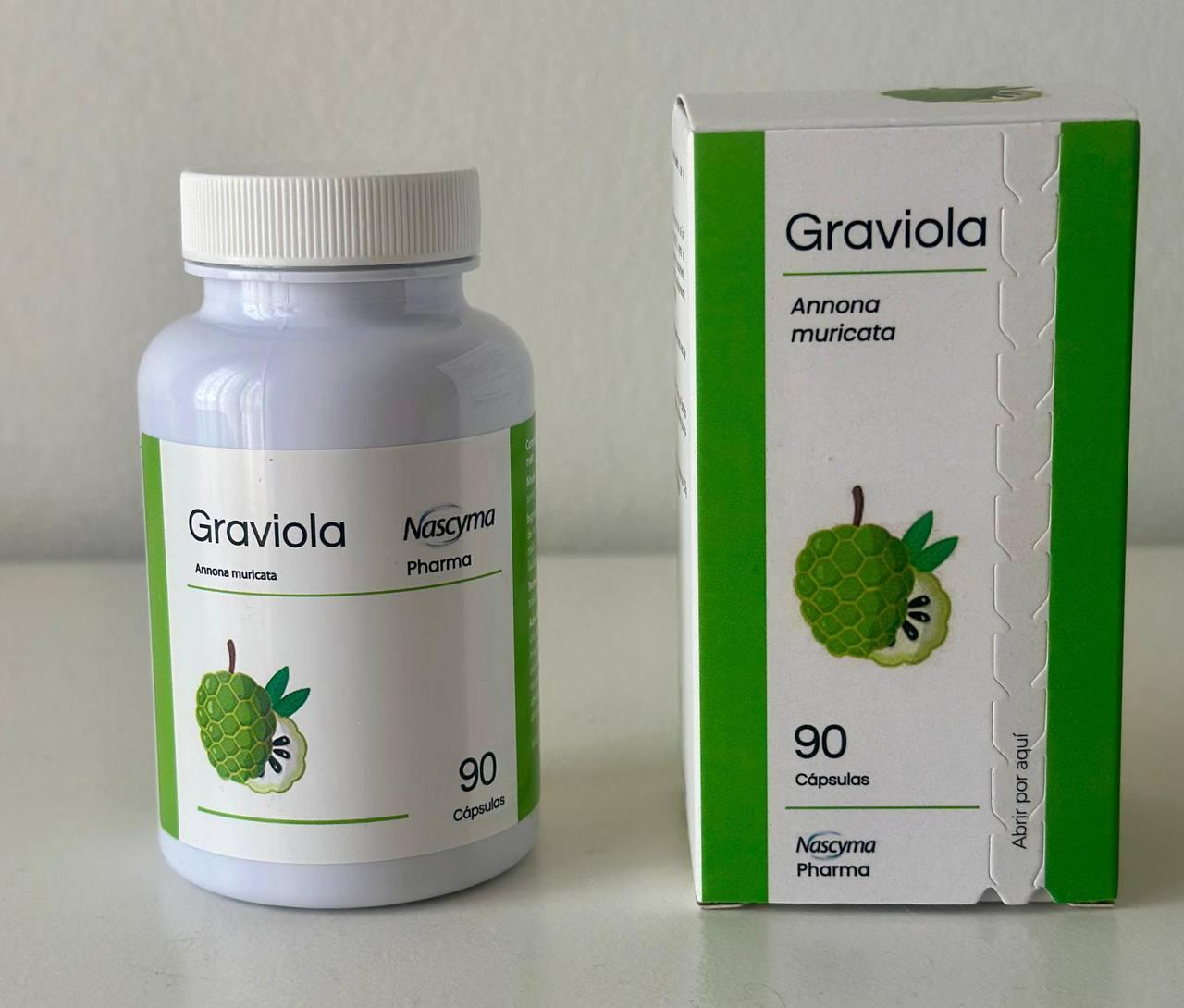
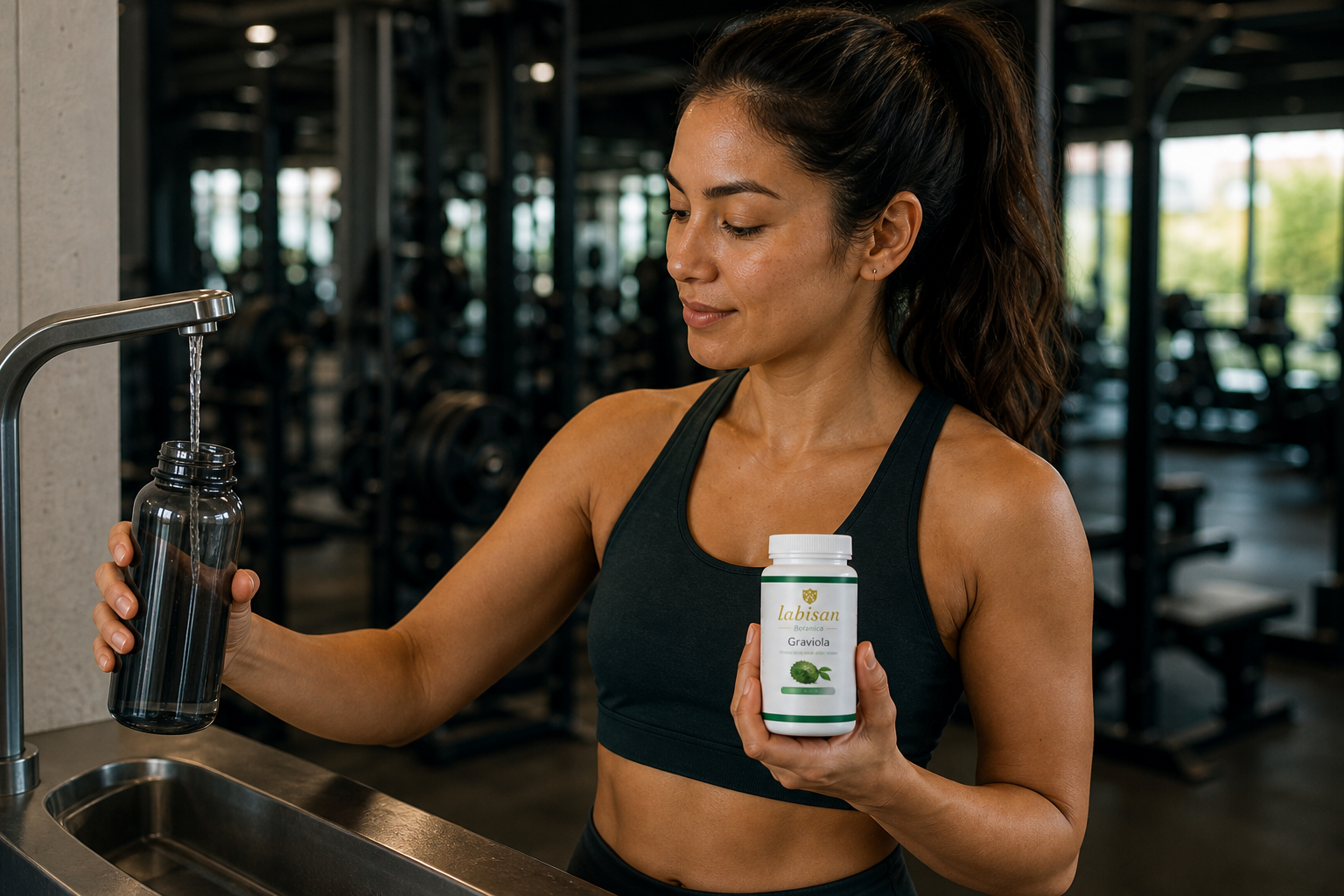
Most supplement marketing focuses on what is inside the capsule. The extract ratio, the standardised active percentages, the country of origin, the certificates of analysis. All of those variables matter, and a premium product needs to get all of them right. There is one upstream variable that almost no consumer-facing brand discusses, and it determines whether the carefully sourced active actually reaches the right part of the digestive tract at the right time and at the right dose. That variable is the capsule shell. A concentrated 22:1 graviola extract suspended in a cheap gelatin shell can deliver as little as 30 to 40 percent of its labelled active because the shell dissolves at the wrong rate, in the wrong location, or under the wrong gastric conditions. The Labisan Graviola Capsules use a pharmaceutical-grade HPMC (hydroxypropyl methylcellulose) shell precisely because the shell choice determines whether the extract inside has any opportunity to do useful work. Labisan's product uses fruit water-extract, which carries a different (and safer) compound profile than the leaf-based extracts most competitors choose; see our fruit vs leaf safety breakdown for the full case.
This is the chemistry, the dissolution data, and the practical bioavailability case for HPMC capsules over gelatin alternatives. For the broader manufacturing context, our coverage of European pharmaceutical standards and Austrian pharmaceutical-grade supplement quality walks through the supply chain decisions that distinguish serious supplement manufacturing from the cheap end of the market.
What an HPMC Capsule Actually Is
The Polymer Behind the Shell
Hydroxypropyl methylcellulose, also called hypromellose, is a semi-synthetic polymer derived from plant cellulose. Cotton linters or wood pulp cellulose is chemically modified through controlled methylation and hydroxypropylation to produce a polymer with precisely tunable dissolution properties. The pharmaceutical industry has used HPMC for decades in tablet coatings, controlled-release matrices, and capsule shells because the polymer chemistry can be specified to release its contents at a defined pH, temperature, and dissolution time.
HPMC capsule shells are formed by dipping pins into a heated HPMC solution, drying the resulting film, and assembling the cap and body. The finished shell is plant-derived, vegan-compatible, and free from animal proteins, but the more important property for supplement quality is the predictability of its dissolution profile across a range of gastric conditions.
What Gelatin Capsules Are by Comparison
Gelatin capsules are made from collagen extracted from animal connective tissue, typically bovine or porcine sources. The collagen is hydrolysed, purified, and reformed into a flexible film that is dipped, dried, and assembled into capsule halves. Gelatin has been the default capsule material for over a century because it is inexpensive, easy to manufacture at scale, and produces a glossy, professional-looking finished product.
The problem with gelatin is that its dissolution profile depends heavily on the specific gastric conditions at the moment of ingestion. Gelatin is sensitive to gastric pH, temperature, the presence of food, and the protein-binding state of the gut contents. A gelatin capsule taken on an empty stomach with cold water dissolves differently than the same capsule taken with a meal containing protein and fat, which dissolves differently again from the same capsule taken under conditions of low gastric acid (a state that is increasingly common in adults over 50 and in users of proton-pump inhibitor medications).
The Dissolution Timing That Determines Bioavailability
Where in the Gut the Capsule Should Open
Different actives have different optimal release locations in the digestive tract. Acid-labile compounds (compounds that are degraded by gastric acid) need a capsule that survives the stomach and opens in the upper small intestine. Compounds that are best absorbed in the duodenum need release timing that places them at that location during peak absorption capacity. Compounds with food-dependent absorption need release timing that aligns with the food bolus rather than with an empty stomach.
HPMC capsules can be specified to release at a target time and pH window with consistency across users and gastric conditions. A standard HPMC shell typically opens 15 to 25 minutes after ingestion, in the upper small intestine, regardless of whether the user took the capsule with food or on an empty stomach. This consistency is the foundational property that makes the labelled dose meaningful.
The Dissolution Variability of Gelatin
Published comparative dissolution studies show gelatin capsule opening times ranging from 5 minutes to over 60 minutes depending on test conditions. Under optimal conditions a gelatin capsule opens in roughly 10 to 15 minutes in standard simulated gastric fluid. Under suboptimal conditions (low gastric acid, presence of certain food components, age-related changes in gastric motility), the same gelatin capsule can either dissolve too quickly in the stomach (exposing acid-labile actives to degradation) or fail to dissolve fully and pass into the lower intestine partially intact, where the active is no longer in the absorption-optimal location.
The practical consequence is that a gelatin-shelled supplement delivers a variable fraction of its labelled active dose to the absorption-optimal site, with that fraction varying across users and across days for the same user. The variability is not a marketing problem; it is a pharmacokinetic problem that quietly undermines the entire dosing rationale of the product.
Why a 22:1 Graviola Extract Specifically Needs HPMC
The Active Compound Profile
A 22:1 graviola extract concentrates flavonoid glycosides (quercetin, kaempferol derivatives), polyphenols (gallic acid, chlorogenic acid), vitamin C, and a milder acetogenin fraction by a factor of 22 relative to the raw starting material. Labisan's product uses fruit water-extract, which carries a different (and safer) compound profile than leaf extracts; see our fruit vs leaf safety breakdown. Our 22:1 concentration math breakdown walks through why the ratio matters for delivering a literature-relevant antioxidant dose in a single capsule. The active compound profile includes molecules with varying acid stability, varying optimal absorption sites, and varying interaction profiles with food components.
The flavonoid glycosides are reasonably acid-stable but absorb best in the upper small intestine. Vitamin C is pH-sensitive and degrades under sustained gastric acid exposure. The acetogenin fraction benefits from rapid passage into the duodenum. A delivery vehicle that consistently opens 15 to 25 minutes after ingestion in the upper small intestine matches all three compound classes simultaneously. A delivery vehicle that variably opens anywhere from 5 to 60 minutes in different gastric environments fails at least one of the three compound classes on most occasions.
The Dose-Delivered Math
If a labelled 22:1 graviola capsule contains 500 mg of extract with a defined active compound profile, the question is what fraction of that profile reaches the absorption site in functional form. Conservatively, an HPMC shell with a consistent dissolution profile can deliver 80 to 95 percent of the labelled active to the optimal absorption window. A gelatin shell under variable gastric conditions can deliver 30 to 70 percent depending on the day, the meal context, and the user's gastric physiology. The delivered dose math is the difference between a supplement that consistently meets its labelled potency and one that meets it on some days and falls short on others.
Stability Across Temperature and Humidity
HPMC Stability Profile
HPMC capsule shells are stable across a wide range of temperature and humidity conditions. They retain their structural integrity from below freezing to roughly 60 degrees Celsius, and they tolerate the humidity swings encountered during shipping, retail storage, and home use without becoming brittle, sticky, or deformed. The polymer chemistry is inherently stable because cellulose-derived materials do not undergo the protein conformational changes that animal-derived materials are prone to.
This matters disproportionately for supplements shipped or stored under non-ideal conditions. A bottle that spends a summer day on a delivery truck without climate control, a winter day on a porch in freezing temperatures, or several months in a humid bathroom medicine cabinet, retains its capsule integrity throughout. The dose delivered when the user finally takes the capsule is the same dose that left the manufacturing facility.
The Gelatin Brittleness Problem
Gelatin capsules are notably more sensitive to humidity and temperature extremes. Low humidity exposure causes gelatin shells to become brittle, leading to fragmentation during handling and inconsistent dissolution. High humidity exposure causes gelatin to soften, become sticky, and in severe cases fuse the cap and body together in ways that delay or prevent normal dissolution. Temperature cycling between freezing and room temperature can crystallise residual moisture in the gelatin matrix and alter the dissolution profile permanently.
Most consumers never notice these effects directly, because the visible appearance of the capsule changes only at the extremes. The dissolution profile changes long before the capsule looks visibly compromised, and the dose delivered to the absorption site begins to vary across the lifecycle of the product.
Pharmaceutical-grade shell, pharmaceutical-grade extract
Labisan Graviola Capsules 22:1 Extract
Single: $44.99 | 3x Bundle: $119.97 | 5x Bundle: $179.95
Free shipping on orders over $49. 30 day money back guarantee.
Shop Graviola CapsulesAllergen Risk and Population Coverage
The Vegan Compatibility Question
HPMC capsules are plant-derived and contain no animal proteins, making them compatible with vegan and vegetarian dietary practices. This expands the addressable population for the supplement and removes a significant friction point for users who would otherwise need to disassemble capsules and consume the contents directly to avoid the gelatin shell.
The Religious Compatibility Question
Gelatin capsules can be made from bovine or porcine collagen sources, with porcine being substantially more common because of cost. Porcine-derived capsules are not compatible with kosher, halal, or several other dietary practices that prohibit pork-derived ingredients. Even bovine-derived gelatin capsules raise compatibility questions in some traditions. HPMC capsules sidestep these compatibility concerns entirely by virtue of being plant-derived.
The Allergen Risk Reduction
While gelatin is not a major allergen for most people, sensitivities and adverse reactions to bovine and porcine proteins do occur in a small subset of the population. HPMC eliminates this allergen exposure entirely. For users with multiple sensitivities, autoimmune conditions, or conditions that compromise gut barrier function, the reduced allergen load from a plant-derived capsule is a meaningful quality consideration.
Why Cheap Supplements Default to Gelatin
The Cost Difference
HPMC capsule shells cost approximately two to three times more per unit than equivalent gelatin shells at typical manufacturing volumes. For a supplement brand operating on thin margins and competing on price, the temptation to default to gelatin is straightforward: the consumer cannot see the difference on the shelf, the marketing copy can describe the product identically, and the cost saving compounds across millions of capsules per year.
The consumer cost of this manufacturer decision is invisible until the bioavailability data is examined. A supplement that costs 20 percent less but delivers 50 percent of the labelled active is not a better value; it is a worse one. Our coverage of European pharmaceutical standards walks through the broader manufacturing decisions that distinguish brands competing on price from brands competing on consistent dose delivery.
Why Pharmaceutical-Grade Brands Always Choose HPMC
Brands operating to pharmaceutical-grade standards (EU GMP for botanical supplements, with full identity testing, potency verification, and dissolution validation on every batch) almost universally use HPMC shells because the dissolution consistency is required to meet the dose-delivered specifications that the manufacturing standard demands. Gelatin shells are simply not compatible with the kind of dose-delivered consistency that pharmaceutical-grade documentation requires.
The brand-level signal is straightforward. A supplement brand that uses HPMC capsules is signalling that they care about the dose-delivered math, not just the dose-loaded math. A brand that uses gelatin capsules is signalling that they prioritised cost savings at the manufacturing layer. The shell choice is one of the most reliable indirect indicators of the manufacturing philosophy behind the rest of the product.
How to Verify the Capsule Shell of Any Supplement You Take
Read the Other Ingredients Section
The capsule shell composition is required to be listed in the "other ingredients" section of any supplement label sold in regulated markets. HPMC capsules will list "hypromellose" or "hydroxypropyl methylcellulose" as the capsule material. Gelatin capsules will list "gelatin," sometimes specified as bovine or porcine. If the label is unclear or omits the capsule material entirely, that is itself a red flag about the manufacturing quality.
Check for Vegan or Vegetarian Certification
Brands using HPMC capsules typically advertise vegan or vegetarian compatibility on the front of the label. The absence of this certification on a botanical supplement is suggestive (though not conclusive) of a gelatin shell. The combination of botanical extract content and gelatin shell is a particularly common cost-cutting pattern in the lower end of the supplement market.
Look for Dissolution Specifications
Pharmaceutical-grade brands with HPMC shells often publish dissolution specifications either on the certificate of analysis or available on request. The specification typically reads something like "complete dissolution within 30 minutes in simulated gastric fluid at pH 1.2 and 37 degrees Celsius." A brand that can produce this documentation has invested in the analytical infrastructure that supports the dose-delivered math; a brand that cannot has not.
Frequently Asked Questions
Can I just open a gelatin capsule and take the contents directly to bypass the shell?
For some supplements yes, for others no. Acid-labile compounds (some vitamins, certain botanical actives) need the protection of a capsule shell to survive the stomach. Bypassing the shell exposes them to gastric acid and degrades a significant fraction of the labelled dose before it can be absorbed. Bypassing the shell also alters the timing and location of release, which can move the active out of its optimal absorption window. The cleaner solution is choosing a supplement with an appropriate HPMC shell from the start.
Do HPMC capsules have any downsides compared to gelatin?
The two cited differences are slightly different mouthfeel (HPMC capsules are marginally less glossy than gelatin) and somewhat higher manufacturing cost, which is reflected in the retail price. Neither difference affects the bioavailability or safety profile of the product. For users prioritising dose-delivered consistency, vegan compatibility, and stability across storage conditions, HPMC is the clearly better choice. There is no functional or safety reason to prefer gelatin once cost is removed from the comparison.
Why does dissolution timing matter so much for graviola specifically?
The graviola active compound profile spans flavonoid glycosides, annonaceous acetogenins, and isoquinoline alkaloids, each with different acid stability and absorption site preferences. A consistent 15 to 25 minute release in the upper small intestine matches all three compound classes simultaneously. Variable release timing in different parts of the gastric environment fails at least one of the compound classes on most occasions, reducing the effective delivered dose of the most pharmacologically interesting components.
If a brand uses HPMC capsules but a low extract ratio, is that better than 22:1 in gelatin?
No. The two variables are independent and both need to be specified correctly. A high-quality HPMC shell delivers whatever active is loaded into it efficiently and consistently. If the loaded active is a 1:1 raw leaf powder rather than a 22:1 concentrated extract, the delivered dose is still far below the literature-relevant range regardless of how perfectly the shell dissolves. Look for both: a 22:1 or higher extract ratio and a pharmaceutical-grade HPMC shell. Our 22:1 concentration math explainer covers the extract side; this article covers the shell side. Both matter.