Most cold sore discussions focus on skiing, beach days, or stress at home. Multi-day hiking and backcountry trekking rarely appear in the conversation, yet the conditions on a mountain trail are arguably worse than any other single outdoor activity for people who carry HSV-1 latent infection. The trigger stack is unusually complete: UV radiation intensifies with altitude, low relative humidity and trail wind degrade the lip moisture barrier, and the caloric deficit and broken sleep of a backcountry trip suppress the systemic immune response that normally keeps the virus dormant. Understanding each component separately is useful. Understanding how they interact over three or four consecutive days at elevation explains why cold sore outbreaks so frequently appear on day two or three of a trail, not at home before departure.
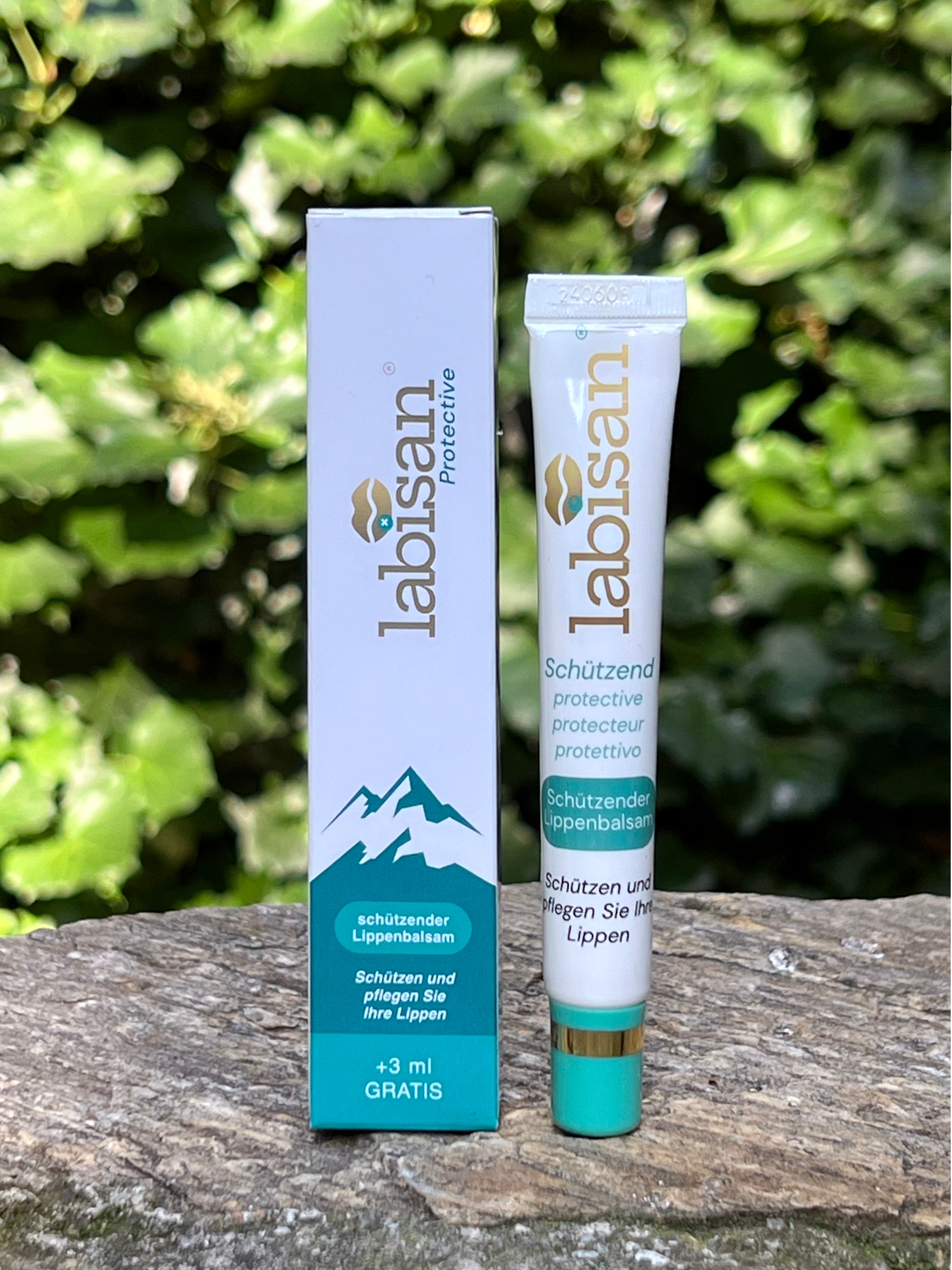
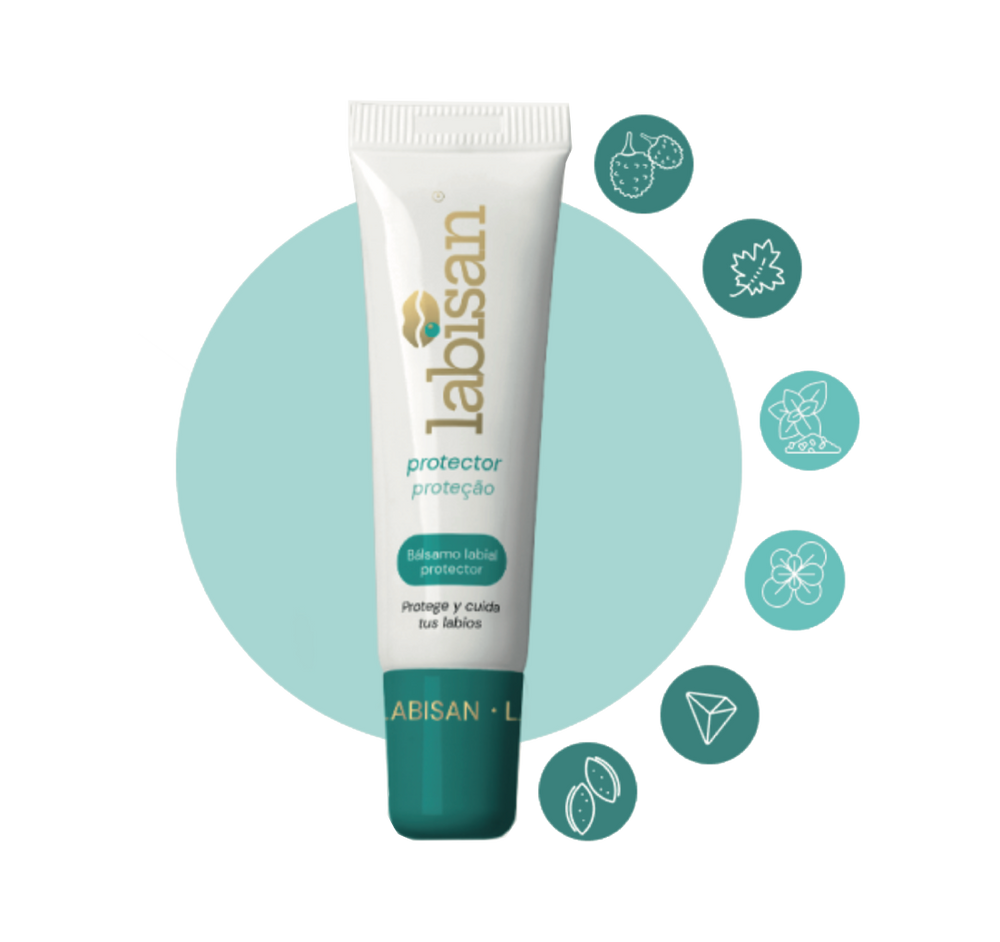
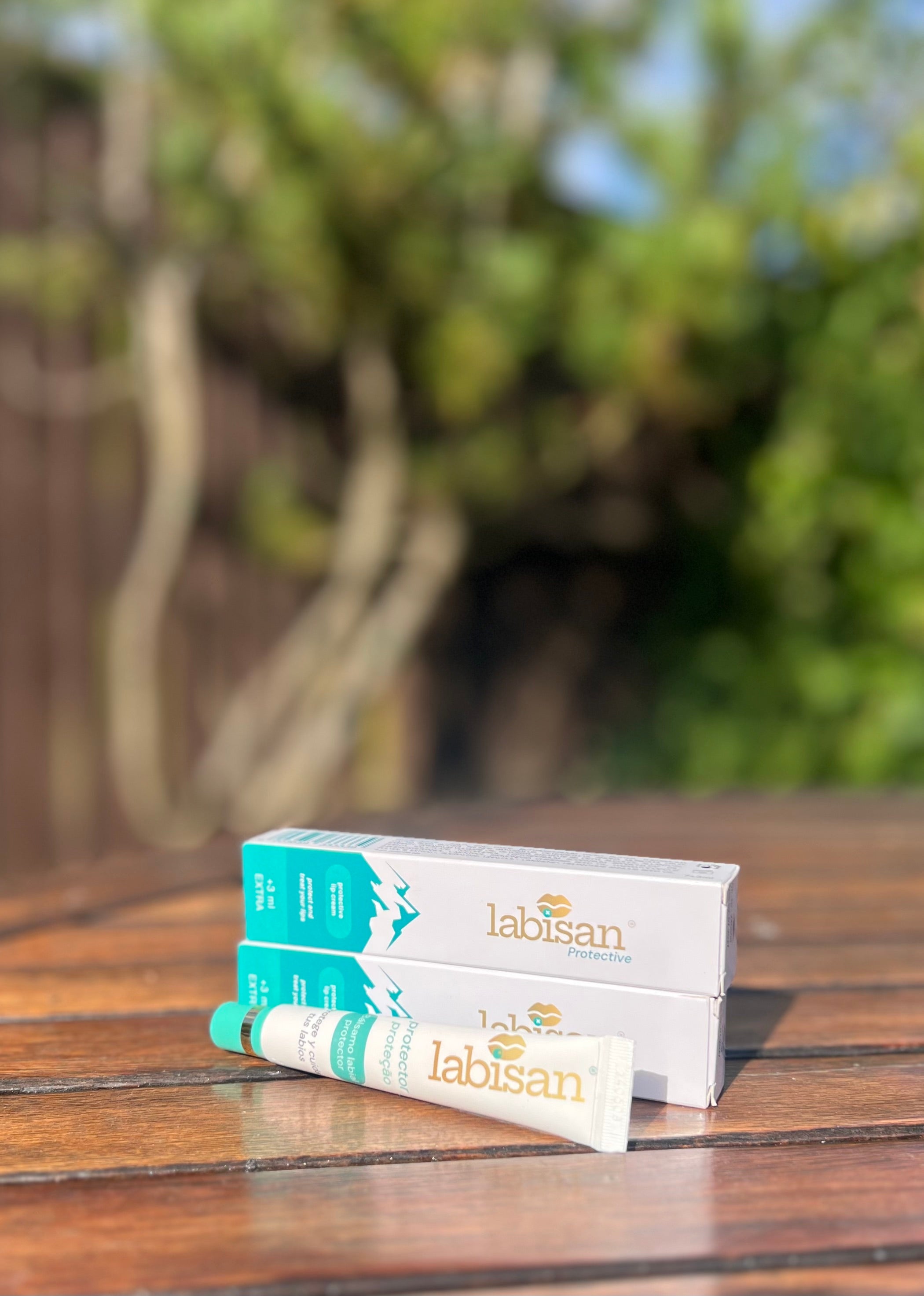
Our Labisan Protective Lip Balm SPF 20 was built for exactly this environment: 22 percent non-nano zinc oxide for photostable UV block, shea butter for sustained barrier repair, and a botanical active layer including graviola fruit extract, manuka oil, and oregano oil addressing the mucosal tissue directly. But the formula is only as effective as the protocol around it. This article covers the trigger science, the failure modes of standard trail lip balms, and the three-stage protocol that addresses all the stressors from pre-trail preparation through on-trail maintenance and evening camp recovery.
Why Hiking Is a High-Risk Activity for Cold Sore Outbreaks
Altitude and UV Intensification
At sea level, the atmosphere absorbs a substantial fraction of incoming UV radiation before it reaches the skin. As altitude increases, the air column thins and that filtering effect decreases. The standard figure used in high-altitude dermatology is approximately a 10 to 12 percent increase in UV intensity per 1,000 metres of elevation gain. A hiker ascending from a 500-metre trailhead to a 3,000-metre summit experiences roughly 25 to 30 percent more UV at the top than at the car park below. The lips, which receive direct overhead radiation plus reflected radiation from light-coloured rock, snow patches, and pale trail surfaces, accumulate this additional dose across the full day of hiking.
The mechanism linking UV to cold sore outbreaks runs through the lip's local immune surveillance tissue. UV radiation activates an immunosuppression pathway in the mucosal epithelium, the same pathway that normally holds latent HSV-1 in check at the site of the trigeminal nerve endings at the lip surface. When UV load at the lip surface exceeds the tissue's buffering capacity, the pathway weakens, viral reactivation proceeds, and the virus travels down the nerve to erupt at the surface. The high-altitude UV and lip protection science that governs this mechanism is well-characterised: even moderate altitude gains that feel unremarkable to the hiker represent a meaningful shift in the UV dose the lip tissue absorbs over a full day. The published mechanism and the evidence base supporting the UV-to-outbreak link are covered in depth in the cold sore UV trigger research from 2026.
Trail Wind and Low Humidity at Elevation
Above the treeline, wind exposure increases substantially compared to valley and forest hiking. Wind accelerates evaporative water loss from the lip surface: the thinner, more keratinised tissue of the vermilion border loses moisture at a higher rate than the surrounding facial skin, and the mucosal inner lip, which has no sebaceous glands and depends entirely on saliva and topical application for lubrication, desiccates quickly in moving air.
At elevation, relative humidity is typically lower than at valley level, compounding the wind-drying effect. The practical result is the cracked, fissured lip surface familiar to anyone who has completed a two or three day alpine route without adequate lip protection. That fissuring matters for cold sore risk for the same reason that any barrier compromise matters: HSV-1 reactivation and surface replication proceed more readily on damaged mucosal tissue than on an intact, well-hydrated lip surface. The biology of this barrier degradation pathway and the role of the lipid film in preventing it is covered in the cold weather lip barrier failure analysis; the same evaporative mechanisms apply at altitude in dry mountain air, regardless of season.
Caloric Deficit and Systemic Immune Suppression
The third trigger is the one most hikers least expect: the immune suppression that accompanies sustained physical exertion at caloric deficit. Multi-day backpacking trips typically run at 500 to 1,500 kilocalorie daily deficits even when hikers carry high-calorie trail food, because carrying weight at elevation burns more than most food loads replace. Caloric restriction suppresses immune function measurably within 48 to 72 hours, with effects on both innate and adaptive immunity.
Add the sleep quality reduction that comes from sleeping on the ground at altitude, the elevated cortisol of sustained physical effort, and the dehydration that outdoor exertion in dry mountain air produces, and the systemic immune environment on day two or three of a trail is substantially compromised compared to baseline. HSV-1 reactivation frequency correlates with cortisol elevation and reduced immune competence. The summit day that feels like the hardest but most rewarding point of a route is frequently also the day the tingling begins, because it represents the peak accumulation of UV exposure, physical stress, and immune suppression simultaneously.
Why Most Trail Lip Balms Fail at Elevation
Standard outdoor lip balms marketed for trail use typically rely on chemical UV filters: avobenzone, octinoxate, or homosalate. These filters absorb UV radiation and convert it to heat within the film on the lip surface. They are photounstable: avobenzone, the most common UVA-blocking chemical filter, degrades under UV exposure and loses a significant fraction of its rated efficacy within 90 minutes of continuous sun exposure. A hiker who applies a chemical SPF lip balm at the trailhead and does not reapply within 90 minutes is hiking without meaningful UV protection through the portion of the day when UV intensity at altitude is highest.
Reapplication discipline erodes quickly on trail. A hiker managing poles, pack weight, footing on scree or talus, and navigation has less cognitive bandwidth for scheduled reapplication than a skier on a chair lift with a natural pause every 15 minutes. The photostability of the UV filter matters more on a multi-hour ascent with no natural reapplication cues than in almost any other outdoor sport. The detailed comparison of mineral and chemical UV filter stability and why it matters specifically for lips is in the zinc oxide versus chemical sunscreens on lips analysis.
Beyond UV filter stability, most trail lip balms lack any active antiviral botanical layer. They address dryness and provide SPF, but they do not address the mucosal immune suppression pathway that UV radiation triggers at the lip surface. A formula with only wax and chemical SPF leaves the local immune tissue unaddressed even when the UV filter is performing as rated.
The Three-Stage Hiking Cold Sore Prevention Protocol
Stage One: Pre-Trail Preparation (Two Weeks Before)
Topical protection on the day of hiking addresses UV and barrier triggers but cannot retroactively compensate for a compromised systemic immune baseline. For multi-day routes with significant altitude gain and expected caloric deficit, beginning a two-week preparation protocol before departure provides the immune foundation that on-trail topical application works against.
The preparation stage involves two components: maximising sleep and rest in the two weeks before a demanding backcountry route, and beginning a daily oral supplement protocol if systemic immune support is a priority. For hikers with a history of outbreak frequency on multi-day trails, pairing topical protection with internal immune support through the full trail duration addresses the systemic trigger that topical-only approaches cannot reach. The rationale for adding an internal layer on long outdoor efforts mirrors the approach detailed for offshore sailing: different tissue compartments, different mechanisms, complementary coverage.
Stage Two: On-Trail Application Schedule
The on-trail application schedule for a photostable mineral SPF formula is structured around mechanical removal rather than photodegradation. Zinc oxide does not degrade under UV exposure; it wears off through eating, drinking from a water bottle, wiping the face, and the physical contact of breathing through the mouth in cold air. The application schedule for trail days:
- Apply before leaving camp or the trailhead, before UV exposure begins for the day.
- Reapply at every food or water stop; eating and drinking remove the active film from the lip surface more thoroughly than UV exposure. On a typical trail day with snack and water breaks every 60 to 90 minutes, this creates a natural reapplication cadence that matches what the 90-minute SPF lip balm reapplication protocol recommends.
- Reapply after any river crossing or rain exposure; water contact dilutes and partially removes the wax and mineral layer.
- Keep the tube in a hip belt pocket or jacket chest pocket, not inside the main pack. If access requires stopping and removing the pack, reapplication at natural trail pauses becomes a separate decision rather than an automatic habit.
At summit or ridge stops where wind exposure is highest and there is often snow or light-coloured rock reflecting additional UV, apply before settling in for the view, not after. The instinct to photograph and rest before routine application means the highest-UV moment of the day often passes without protection in place.
Stage Three: Evening Camp Recovery
The evening camp routine is the most underutilised component of multi-day hiking lip protection. After a full trail day, the lip surface has accumulated UV dose, mechanical wear from wind and cold air breathing, and the drying effects of exertion. Evening is when barrier repair compounds like shea butter work most effectively: skin and mucosal tissue repair at higher rates during sleep, and an occlusive moisture layer applied before sleeping supports that repair process through the night.
Apply the lip balm generously after eating and drinking in camp, before lying down. A second application if you wake during the night for water or a bathroom stop maintains the barrier through the full sleep period. On a three-day route, disciplined evening application on nights one and two changes the lip surface condition entering day three compared to skipping it entirely.
The Alps and the Origin of Altitude-Specific Formulation
The Labisan formula dates to a Salzburg apothecary tradition from 1931, developed for Alpine guides and mountaineers working at elevation as a professional baseline. The historical context is relevant to modern hikers for a practical reason: formulas developed for high-altitude Alpine use were calibrated against exactly the UV intensification, wind drying, and exertion stresses described in this article, not against sea-level beach conditions. The 22 percent zinc oxide concentration, the shea butter load, and the botanical active layer in the current formula reflect nearly a century of field feedback from the same Alpine environment that generates the trigger conditions multi-day hikers face today.
The broader landscape of cold sore prevention across all outdoor activities, with comparative trigger data for skiing, sailing, hiking, and climbing environments, is covered in the cold sore prevention during outdoor sports reference post.
Ready to Protect Your Lips on the Trail?
Labisan Protective Lip Balm SPF 20
22% non-nano zinc oxide, graviola fruit extract, manuka oil, oregano oil, shea butter base.
Single Tube: $24.99 | Adventure Pack (3x): $59.97 (save 20%) | Family Bundle (5x): $89.95 (save 28%)
Free shipping on orders over $49. 30-day money-back guarantee.
Shop NowFrequently Asked Questions
How much does UV increase per 1,000 metres of altitude gain on a hike?
The standard figure used in high-altitude dermatology is approximately 10 to 12 percent per 1,000 metres. A hike from 500 metres to 3,000 metres involves roughly a 25 to 30 percent increase in UV intensity at the summit compared to the trailhead. Combined with reflection from pale rock and snow patches, the cumulative lip-surface UV dose across a full summit day is meaningfully higher than a comparable day at sea level. For people with a history of UV-triggered cold sore outbreaks, this is a clinically relevant exposure increase, not a theoretical concern.
Why do cold sores often appear on day two or day three of a trail, not on day one?
The trigger accumulation model explains this pattern. On day one, UV exposure begins but the immune system is at baseline. By day two or three, cumulative UV dose has progressively suppressed the local immune pathway at the lip surface, caloric deficit has begun to affect systemic immune function, cortisol from sustained exertion has elevated, and sleep quality at altitude has reduced overnight immune recovery. The virus, which reactivates when immune surveillance at the lip surface weakens below a threshold, is responding to the accumulated trigger load rather than any single event. This is why prevention that begins before the trip and continues through every trail day is more effective than protection applied only on the summit day.
Can I use a regular lip balm on top of the Labisan formula for extra moisture?
Layering additional products over the mineral SPF formula dilutes the zinc oxide concentration at the lip surface and may reduce UV protection efficacy. The shea butter base in the Labisan formula is designed to deliver both barrier repair and active botanical contact in a single application; adding a separate emollient layer on top creates a dilution effect rather than additive benefit. If the lips feel insufficiently moisturised during the trail day, increase application frequency rather than adding a second product over the active layer.
Is the Labisan lip balm suitable for high-altitude winter hiking as well as summer trails?
Yes. The formula addresses both the UV intensification at altitude and the wind-drying trigger that is present in both summer and winter mountain environments. In winter conditions, cold air breathing through the mouth at exertion accelerates lip moisture loss at a higher rate than summer hiking, and the shea butter barrier component becomes more important relative to the SPF component. The application schedule remains the same: apply before UV exposure begins, reapply at every food and water stop, and apply before sleeping in camp. The cold weather lip barrier failure analysis covers the winter-specific barrier science in more detail.
Should I take a graviola supplement during a multi-day backcountry route?
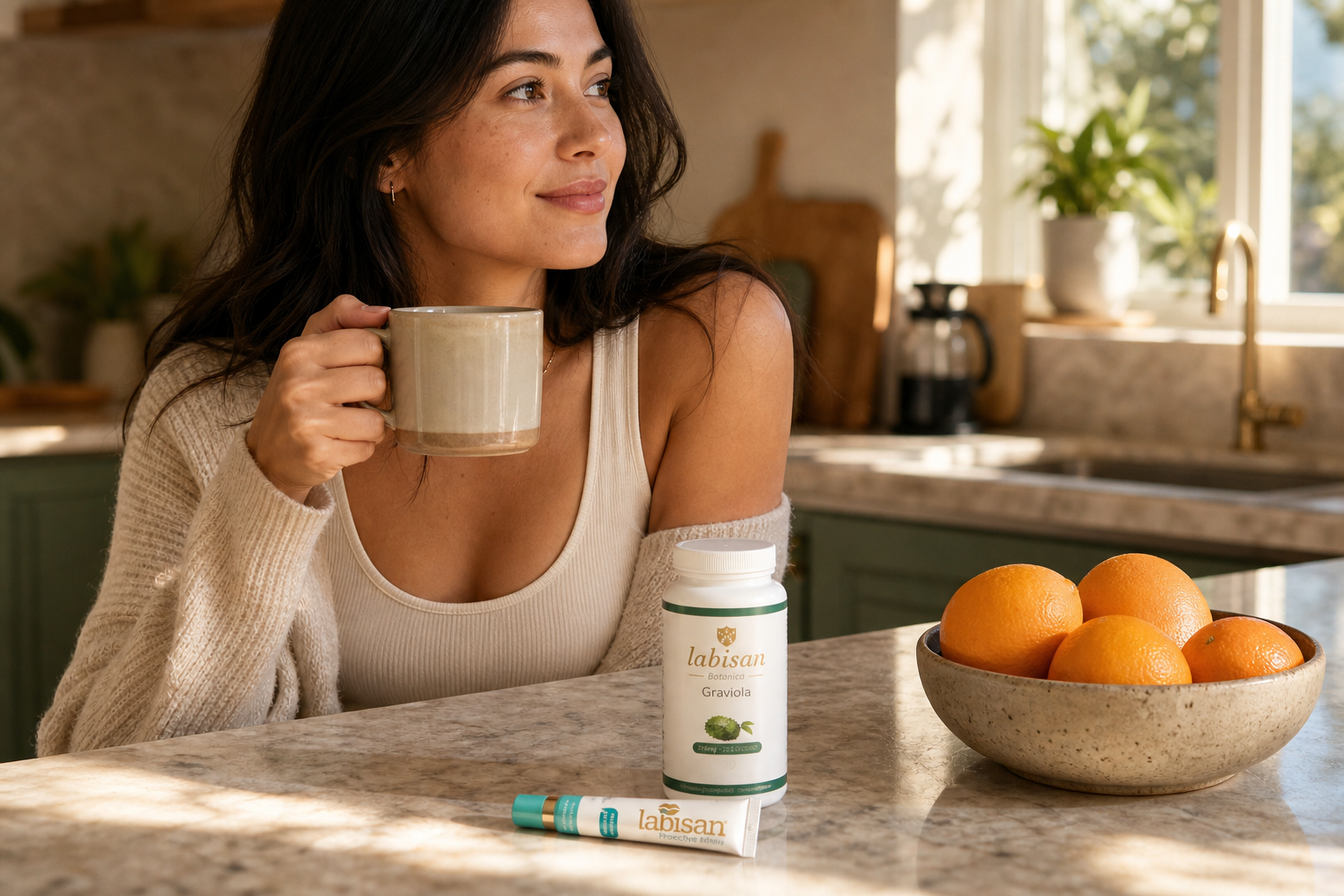
For hikers with a history of cold sore outbreaks triggered by sustained outdoor exertion and UV exposure, adding an internal immune support layer to the topical protocol addresses the systemic trigger that topical application alone cannot reach. Labisan Graviola Capsules at the standard three-capsule daily dose provide the acetogenin and polyphenol fraction that supports baseline immune function through documented action on immune effector cell mitochondria. The practical approach is to begin the supplement two weeks before departure, continue through the route, and continue for one week after return, when the cumulative immune suppression from the trail is still resolving. There is no interaction with the topical lip balm; they operate on entirely separate tissue compartments and through entirely separate mechanisms.