Somewhere between the mid-2000s beauty forums and the first wave of skincare communities, a persistent question took root: is lip balm addictive? The short answer is no, not in any pharmacological sense. There is no receptor upregulation, no withdrawal cascade, and no dependency pathway of the kind that earns a compound a controlled-substance classification. But the longer answer is more useful, because it explains exactly why your lips genuinely do feel worse when you stop using certain lip balms, which specific ingredients drive that cycle, and why a mineral zinc oxide formula like our Labisan Protective Lip Balm SPF 20 behaves fundamentally differently from the average drugstore stick.
Understanding this distinction matters most if you are an outdoor enthusiast applying lip balm in UV, wind, and cold conditions. Those are precisely the conditions where choosing the wrong formula reinforces a reapplication habit while choosing the right formula builds genuine lip barrier function over time.
What "Lip Balm Addiction" Actually Describes
When people describe being "addicted to lip balm," they almost always describe one of two experiences: a perceived worsening of dryness or discomfort shortly after they stop a product they have been using regularly, or a compulsive urge to reapply throughout the day that feels disproportionate to actual dryness. Both experiences are real. Neither is pharmacological addiction.
Pharmacological addiction requires a mechanism: receptor sensitisation or downregulation, tolerance development, a withdrawal syndrome when the compound is removed. None of those pathways exist for the emollient, humectant, and film-forming ingredients in lip balm. What does exist is a more mundane but equally important cycle rooted in skin barrier biology. Understanding that cycle reveals which products create it and which products resolve it.
The Real Biology: Transepidermal Water Loss and the Lip Surface
Lips are structurally different from the skin on the rest of your face. The lip surface lacks sebaceous glands, which means it has no endogenous oil production to seal the stratum corneum and prevent water from evaporating through the surface layer. Transepidermal water loss, the steady diffusion of water outward through the skin barrier, proceeds faster on lip mucosa than on oilier facial skin, and faster still in dry, cold, or windy conditions.
When transepidermal water loss is high and the lip surface is unprotected, the stratum corneum on the lip desiccates and loses structural integrity. You feel this as tightness, roughness, cracking, or the urge to lick. Licking adds temporary surface moisture but accelerates net drying as saliva evaporates and carries residual lip moisture away with it. The desiccation cycle is self-reinforcing without an external barrier.
A well-formulated lip balm interrupts that cycle by providing the occlusive barrier that lips cannot generate themselves. The question is whether the formula builds or undermines genuine barrier recovery, and that depends almost entirely on its active ingredients. The cold weather lip barrier failure guide covers the full transepidermal water loss biology in alpine conditions, where wind speed and sub-zero temperatures drive moisture loss to its highest rates and expose exactly how much formulation quality matters on the mountain.
Which Ingredients Feed the Reapplication Loop
Not all lip balm ingredients affect the barrier cycle equally. Several categories of common ingredients genuinely increase the frequency with which users feel the urge to reapply, without advancing barrier recovery in proportion.
High-Concentration Humectants Without Adequate Occlusives
Humectants like glycerin and hyaluronic acid attract water from surrounding tissue and from the air to the lip surface. In humid environments, this works well. In dry, cold, or windy conditions, the humectant draws moisture to the surface but the surface is exposed to air with lower humidity than the underlying lip tissue, and the net result is accelerated moisture loss rather than retention. The lips feel temporarily plumped but dry faster once the product thins. Formulators solve this by pairing humectants with sufficient occlusive waxes and butters. Many inexpensive sticks underweight the occlusive layer and overweight the humectant for a more immediate tactile payoff at the expense of genuine barrier function.
Camphor and Menthol at High Concentrations
Camphor and menthol both produce a cooling or tingling sensation on application through their action on thermoreceptors and, in the case of menthol, on TRPM8 ion channels. At high concentrations, both can be mild irritants on mucosal tissue. The mechanism driving reapplication is straightforward: the product produces a sensation, the sensation fades, the user applies more to restore it. This is behavioural conditioning rather than addiction, but the functional result is similar: a progressive urge to reapply driven by sensation-seeking rather than genuine barrier need. At the low, calibrated concentration in the Labisan formula, menthol delivers its documented antiseptic and mild analgesic benefit during a cold sore outbreak without the high-concentration irritation that creates a sensation-seeking reapplication cycle.
Exfoliating Agents Used Daily
Some lip products include mild exfoliants intended to remove dry surface skin. Used occasionally, these accelerate cell turnover and leave lips smoother. Used daily, they can thin the stratum corneum on the lip surface and reduce its intrinsic barrier capacity, which increases both sensitivity and drying rate. The result is a surface that feels better immediately after application but requires more product more often to remain comfortable. The full list of ingredients that worsen cold sores in lip balms covers the wider category of problematic additives, including several that specifically compromise the lip barrier in cold sore-prone individuals.
Chemical UV Filters and Their Degradation Products
Avobenzone, octinoxate, and oxybenzone are the chemical UV filters in most SPF lip balms. Avobenzone is photo-unstable: it degrades under UV exposure within 60 to 90 minutes of continuous sun, producing breakdown compounds that can be mildly irritating to mucosal tissue at higher concentrations. Users applying avobenzone-based lip balm in strong sun and reapplying every hour are progressively delivering more degradation products alongside fresh avobenzone. The irritation is subtle but cumulative, and it contributes its own mild reapplication urge. The zinc oxide versus chemical sunscreen comparison for lips covers the stability difference in detail, including why the EU sunscreen regulatory framework has moved toward mineral-first guidance for sensitive facial surfaces.
Why Mineral Zinc Oxide Formulas Work Differently
The 22 percent non-nano zinc oxide in the Labisan Protective Lip Balm functions as a physical UV barrier rather than a chemical absorber. The mineral particles do not degrade under UV exposure, do not produce photo-breakdown compounds, and do not become irritants with repeated application. The zinc oxide film reflects and scatters incoming UV radiation as long as it remains mechanically intact on the lip surface, which under normal field conditions means hours of continuous exposure between reapplications.
Beyond UV stability, non-nano zinc oxide has a well-documented skin-compatible profile on mucosal tissue. It is non-comedogenic, carries mild anti-inflammatory properties, and at 22 percent concentration provides a secondary benefit on active cold sore lesions: the drying and wound-healing action on weeping vesicles that dermatology literature attributes to topical zinc preparations. There is no irritation mechanism, no sensation cycle, and no barrier-thinning effect from daily use.
For users coming off a humectant-heavy or high-camphor product, the first week of transition may feel like the new formula "is not working" because the tingling sensation or the immediate plumping payoff is absent. What is actually happening is that the barrier is recovering from the dependency cycle the previous product created. Genuine lip health is less dramatic than a product sensation; it is simply the absence of dryness, cracking, and discomfort.
The Cold Climate Factor: When Frequent Reapplication Is Correct
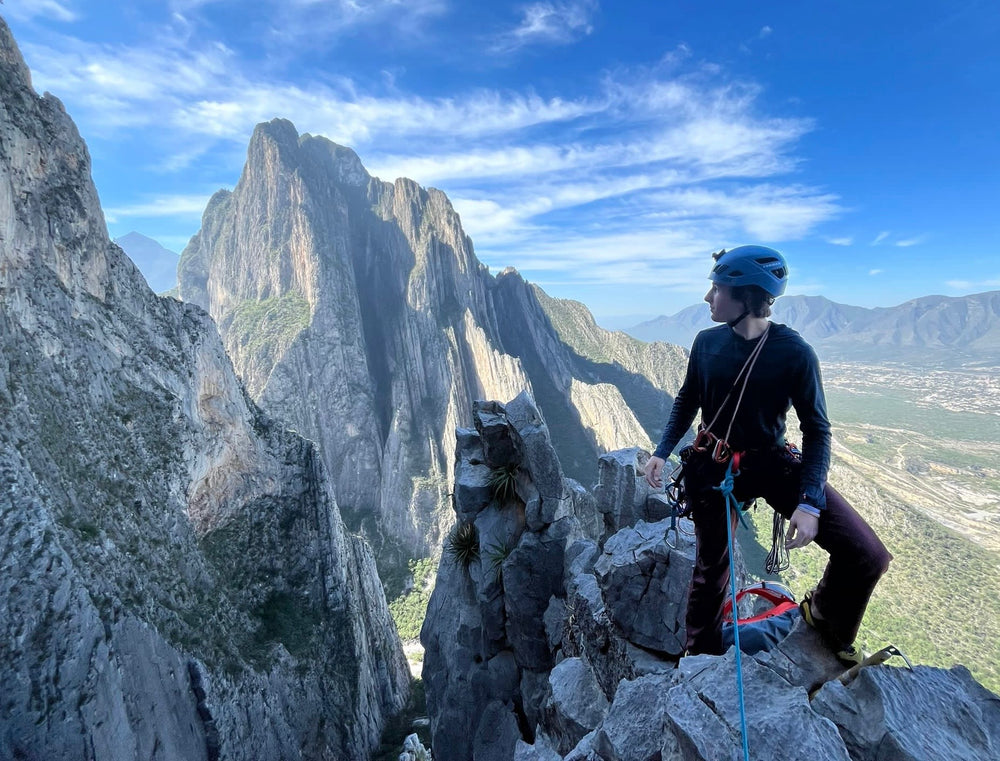
For skiers, hikers, climbers, and sailors, the lip balm question has a specific dimension. Outdoor athletes in alpine or marine environments face conditions that genuinely require more frequent application: high UV intensity from snow reflection (which can add up to 80 percent to the UV load at the lip surface), sub-zero temperatures that reduce balm film viscosity and residence time, and persistent wind that accelerates transepidermal water loss and physically removes the product from the lip surface faster than in still indoor conditions.
In those conditions, reapplying a quality mineral lip balm every two to three hours is not a dependency cycle; it is appropriate maintenance of a barrier that the environment is actively degrading. The distinction between "I reapply because I feel a sensation-seeking urge" and "I reapply because my barrier is genuinely depleted by my environment" matters for choosing the right product. A formula built on physical mineral UV filtering, occlusive butters, and therapeutic botanical actives restores the barrier with each application. A formula built on high humectants and camphor restores the sensation without proportionally advancing barrier recovery.
Cold sore-prone outdoor athletes have a further reason to favour the mineral approach. UV exposure is the most reliably documented environmental trigger for herpes simplex reactivation, and maintaining a continuous mineral UV barrier through a full day of alpine sun reduces that trigger exposure directly. The SPF lip balm reapplication timing guide covers the precise cadence for outdoor UV conditions, including the evidence behind the 90-minute reapplication window and how mineral and chemical filters compare in that window.
How Often Should You Actually Apply
Outside of active UV and cold exposure, healthy lips in moderate indoor conditions generally do not require more than two to four applications per day of a well-formulated balm. If you find yourself reaching for the tube eight to twelve times a day in an office environment, the product is likely either driving a sensation cycle or genuinely failing to establish a functional barrier. The answer is not "apply less"; the answer is "switch to a formula that builds the barrier rather than supplementing it temporarily."
In outdoor alpine conditions, the barrier depletes through eating, drinking, wind abrasion, and UV film degradation. Reapplication every two to three hours during active exposure is appropriate and not a sign of dependency. The key diagnostic is how your lips feel without product in a neutral indoor environment. If they feel comfortable for several hours without intervention, your barrier is healthy and your outdoor reapplication is genuine maintenance. If they feel tight or uncomfortable within 30 minutes of not applying indoors, the formula you are using is not building barrier function between applications.
A Mineral Barrier That Builds, Not a Loop
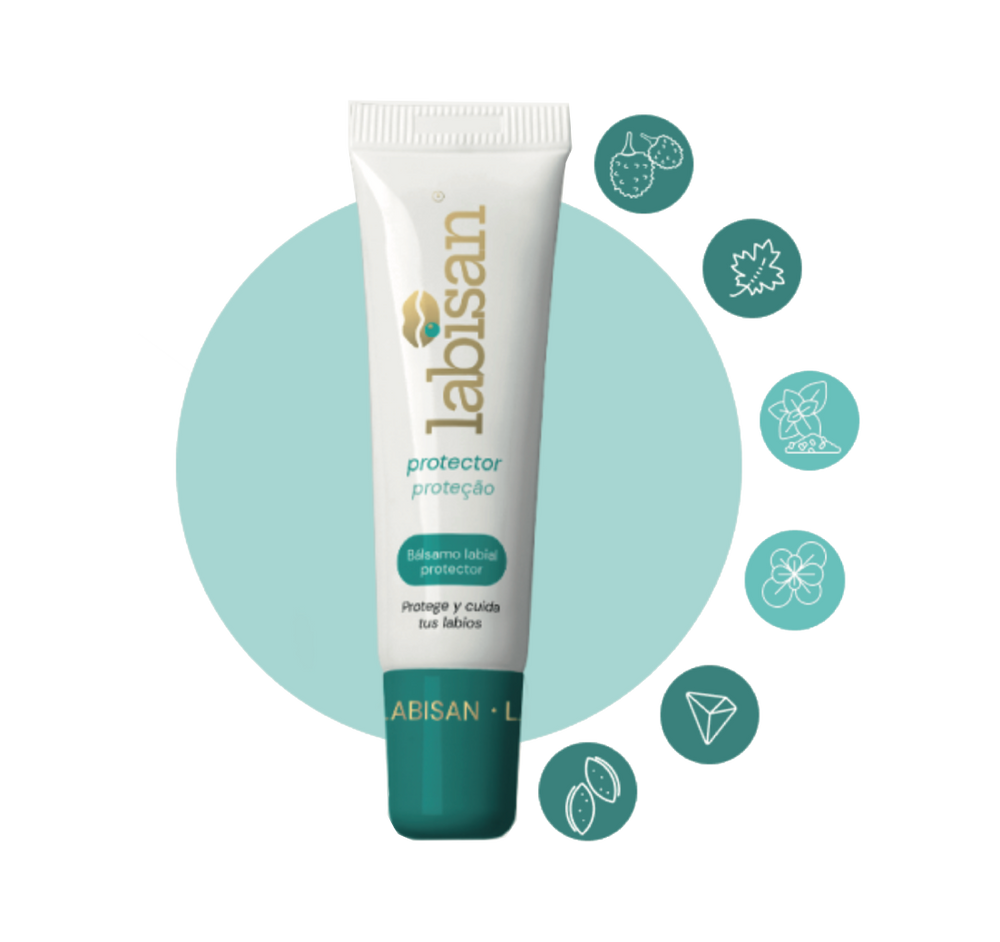
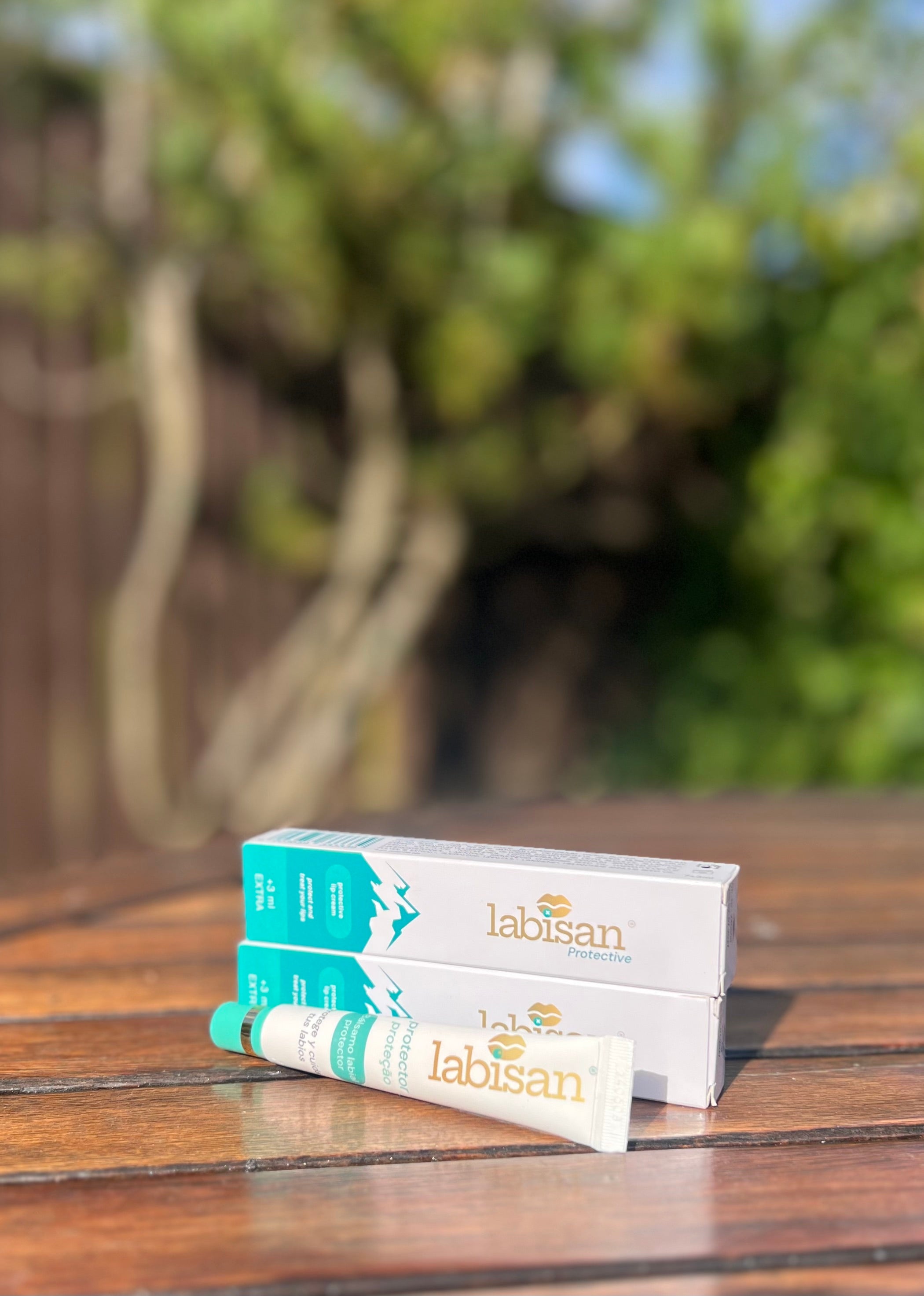
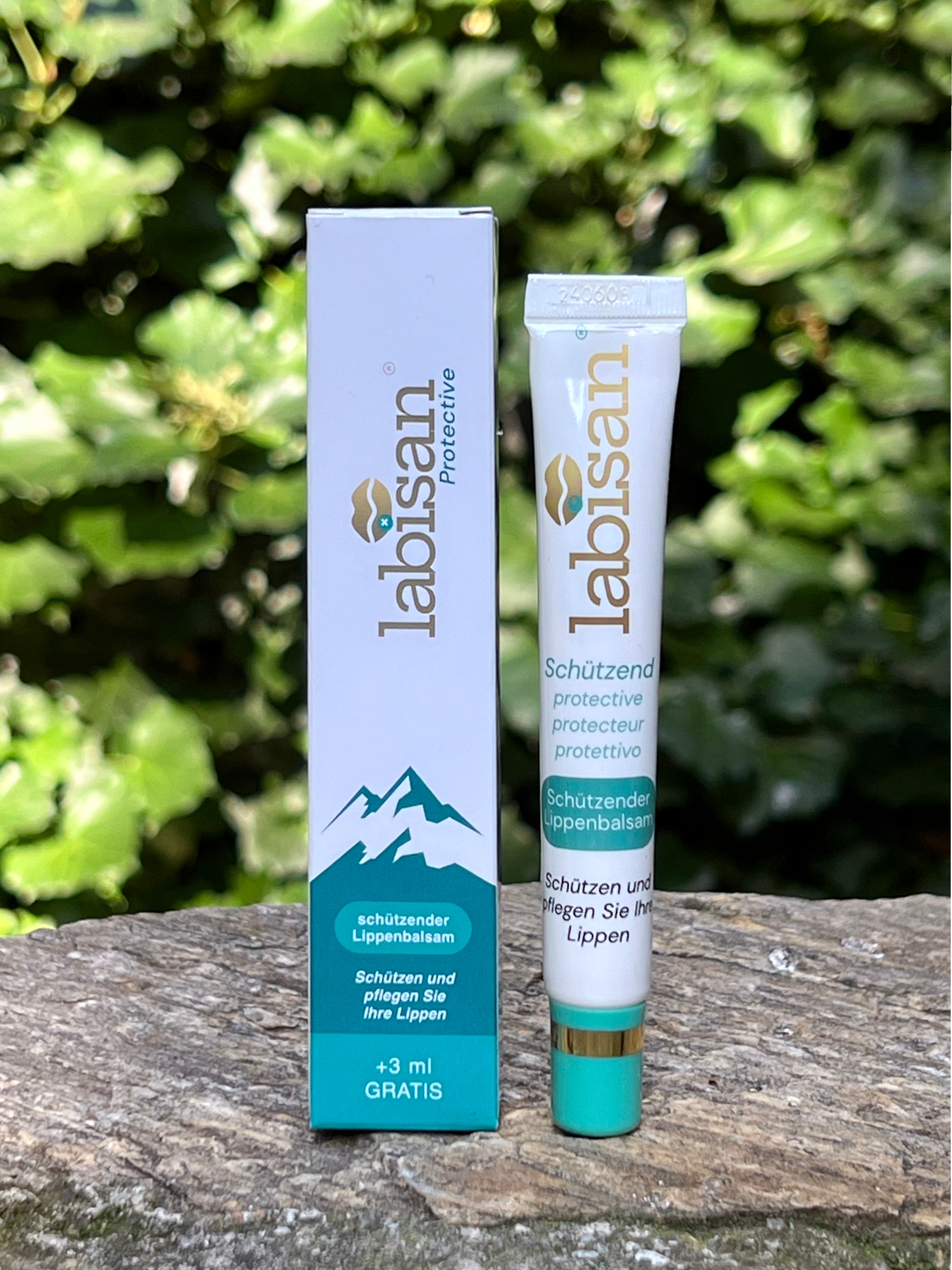
Labisan Protective Lip Balm SPF 20
22% non-nano zinc oxide. Manuka oil. Graviola fruit extract. Shea butter base. No sensation-cycling additives.
Single Tube: $24.99 | Adventure Pack (3x): $59.99 | Family Bundle (5x): $89.99
Free shipping on orders over $49. 30 day money back guarantee.
Shop Labisan Lip BalmFrequently Asked Questions
Is lip balm actually addictive?
No. There is no pharmacological addiction mechanism in any common lip balm ingredient. The perceived dependency is a barrier biology issue: the product either fails to establish a functional stratum corneum barrier, leaving lips reliant on frequent reapplication to remain comfortable, or it contains high-sensation ingredients like camphor or menthol in excess concentrations that condition a sensation-seeking reapplication habit. Neither is addiction in the clinical sense, but both are solvable by switching to a formula with a stronger occlusive base and no high-concentration irritants.
Which lip balm ingredients are most likely to create a reapplication loop?
High-concentration humectants like glycerin without adequate occlusive backing, high-concentration camphor and menthol for their sensation-cycle effect, daily-use exfoliants that thin the stratum corneum over time, and chemical UV filters like avobenzone that produce mild mucosal irritation as they degrade under sun exposure. Products heavy in these ingredients without a strong occlusive layer built from beeswax, shea butter, or cocoa butter tend to produce the highest reapplication frequency.
Will using Labisan every day in cold or mountain conditions create a dependency?
No. The Labisan formula uses non-nano zinc oxide as a stable physical UV barrier, an occlusive base of shea and cocoa butter, and therapeutic botanical actives without high-concentration camphor or photo-unstable chemical filters. Daily outdoor use in alpine conditions builds and maintains the lip barrier rather than creating a sensation cycle. Frequent reapplication in genuine UV, wind, and cold exposure is appropriate barrier maintenance, not dependency.
How do I break a lip balm reapplication loop from a previous product?
Switch to a formula with a strong occlusive base and no high-concentration sensation-driving ingredients. The first week may feel uncomfortable because the lips are adjusting from sensation-driven reapplication to genuine barrier recovery. Applying the new product on a fixed schedule, two to four applications per day in non-outdoor conditions and following the UV-appropriate cadence in sun, is sufficient. The barrier typically stabilises within seven to fourteen days as the stratum corneum recovers its intrinsic moisture-retention capacity.
Is it safe to apply a zinc oxide lip balm every day year-round?
Yes. Non-nano zinc oxide has a well-established safety profile on mucosal and facial skin, including for daily long-term use. The European Chemicals Agency (ECHA) and the Cosmetics Regulation (EC) No 1223/2009 both allow zinc oxide at concentrations up to 25 percent in cosmetics, and non-nano particle size specifically carries a cleaner mucosal safety profile than nano-zinc. Daily year-round use is appropriate for cold sore-prone individuals who face seasonal UV, cold, and wind triggers throughout the year.
The Bottom Line on Lip Balm and Dependency
The lip balm addiction question has a clear answer and a useful one. Clear: no pharmacological addiction mechanism exists in any common lip balm ingredient. Useful: some lip balm formulas genuinely do create a reapplication loop through barrier failure, sensation cycling from high-concentration irritants, or mucosal irritation from degrading chemical UV filters, and the way to break that loop is not to apply less but to switch to a formula that builds genuine barrier function rather than supplementing it temporarily. A 22 percent non-nano zinc oxide mineral barrier with occlusive butter carriers and therapeutic botanical actives does not create a dependency cycle because it addresses the underlying cause of dryness rather than masking it. For outdoor athletes facing real UV, cold, and wind load on the lip surface, that distinction is the difference between managing a product habit and solving a barrier problem for good.