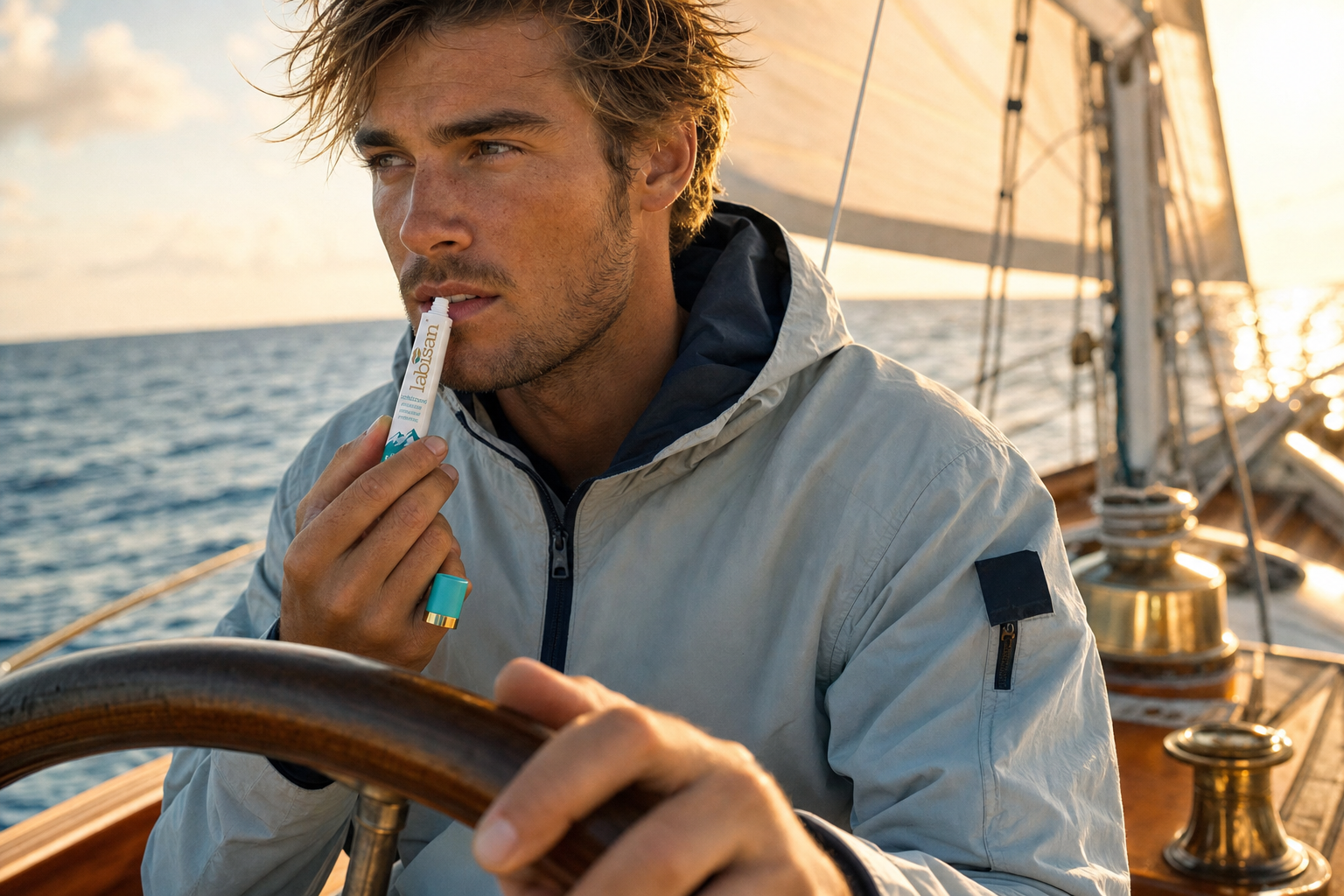
Open-water sailing is one of the most consistently overlooked high-risk activities for cold sore outbreaks. On a ski slope, the sun is overhead and UV reflects upward off white snow. On the water, the sun is overhead and it also reflects at face-height from the surface below. That geometry produces UV exposure levels 25 to 40 percent above what a person receives standing on flat ground at the same latitude on the same day. Add constant salt-laden wind stripping the lip moisture barrier, add the immune suppression that accompanies physical exertion and disrupted sleep on overnight passages, and you have three simultaneous cold sore triggers running in parallel for the full duration of any day sail or offshore leg.
The herpes simplex virus (HSV-1) responsible for cold sores does not respond directly to UV photons. It sits dormant in the trigeminal ganglion. What UV radiation does is activate the local immunosuppression pathway in the lip mucosa, the mechanism that normally holds the latent virus in check; when that pathway weakens, the virus reactivates, travels down the nerve, and erupts at the lip surface. Sailing concentrates UV at the face from two angles simultaneously: direct solar radiation from above and reflected radiation from the water surface below. That double-exposure means the lip's immune-surveillance tissue absorbs a disproportionate UV dose compared to almost any other outdoor sport at sea level.
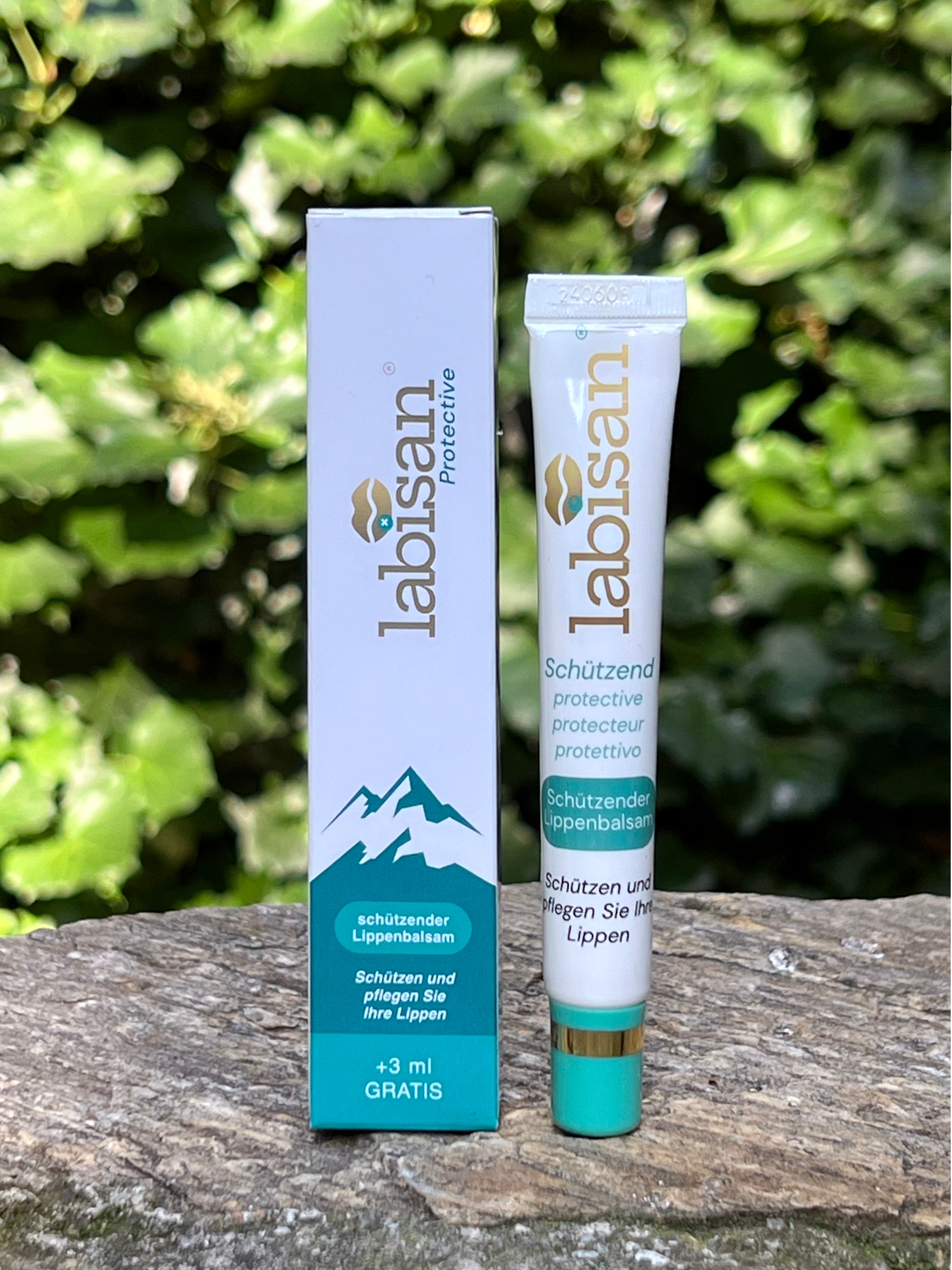
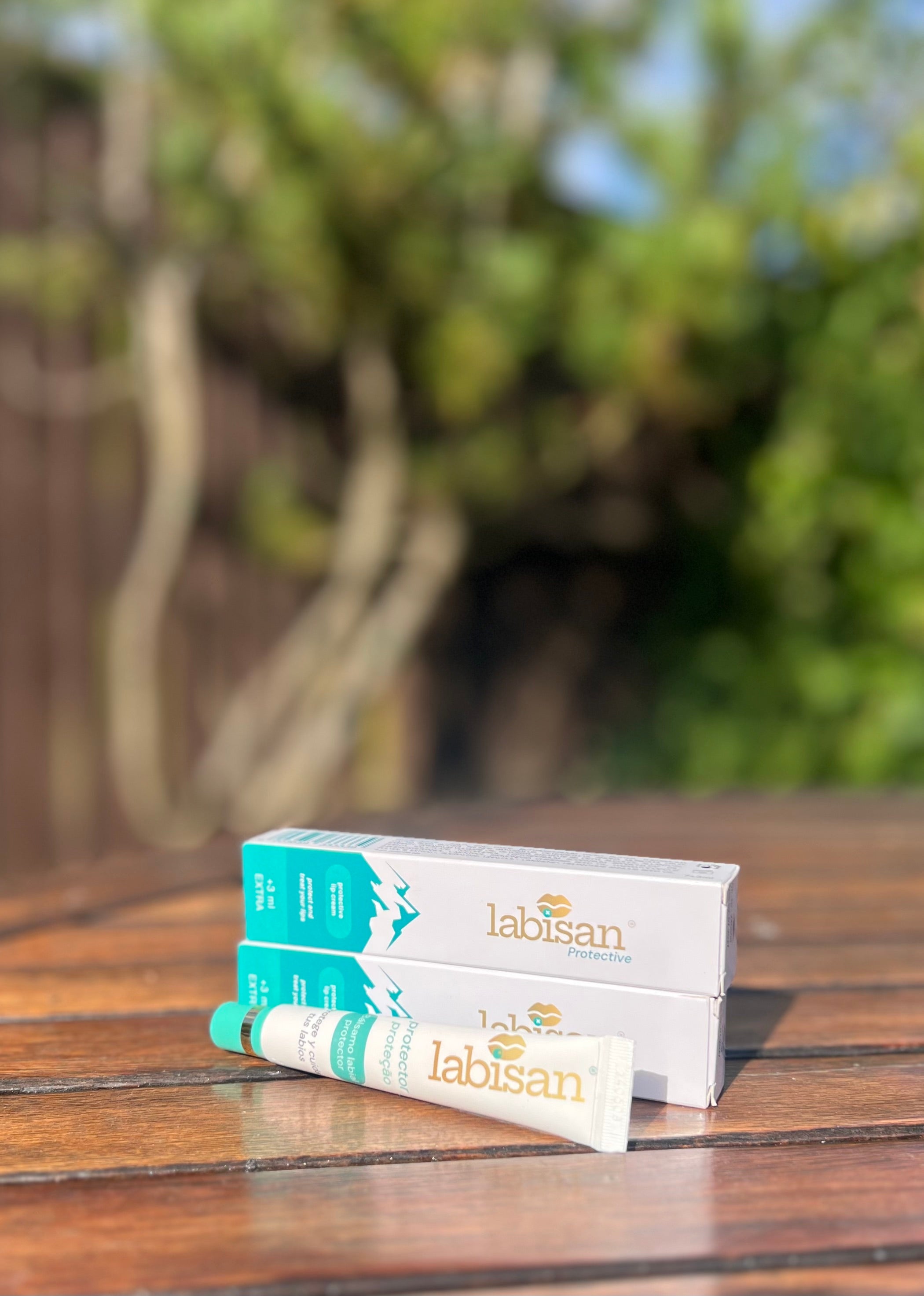
Understanding the trigger stack is the first step. Our Labisan Protective Lip Balm SPF 20 was formulated with exactly this multi-trigger scenario in mind, blocking UV at the lip surface with 22 percent non-nano zinc oxide while the botanical active layer works on the mucosal tissue underneath. But topical protection alone is not the complete protocol. This article walks through each trigger, why standard chemical SPF lip balms fall short on the water, and the two-layer sailing protocol that addresses all three stressors simultaneously. For context on how the same principles apply across other outdoor sports, the cold sore prevention during outdoor sports post covers the broader activity landscape.
The Three Stacked Triggers Every Sailor Faces
UV Reflection: the Albedo Effect on Open Water
Fresh snow reflects 80 to 90 percent of incoming UV radiation, which is why skiers at altitude are well-documented cold sore outbreak cases. Open ocean water reflects between 10 and 30 percent of incoming UV at moderate solar angles, rising toward 100 percent at glancing angles near sunrise and sunset. The practical effect for a sailor sitting in the cockpit is that the face receives direct overhead radiation plus reflected radiation rising from the water surface at face height. On an overcast day, UV penetrates cloud cover at 50 to 80 percent of clear-sky intensity, so the reflection effect is present even when sailors feel shielded by cloud.
The cumulative lip-surface UV dose across a full day sail, measured in standard erythemal units, runs 30 to 40 percent higher than a day spent outdoors at the same latitude on the same date on flat ground. For a person carrying HSV-1 latent infection, that additional UV load at the lip surface is a clinically meaningful increase in outbreak probability. The mechanism behind this, and the published research supporting it, is examined in the cold sore UV trigger research post.
Salt Wind and Lip Barrier Degradation
The marine environment introduces a second trigger that has no equivalent on a ski slope or a hiking trail: continuous exposure to salt-laden wind. Salt particles in marine air are hygroscopic; they pull moisture from surrounding surfaces, including the stratum corneum and mucosal epithelium of the lips. Repeated salt-wind exposure degrades the lipid barrier that keeps lip tissue hydrated and intact. The result is the chronically chapped, fissured lip surface that sailors recognise as a persistent occupational inconvenience. It is more than an inconvenience: cracked lip tissue is a compromised barrier, and HSV-1 reactivation and surface replication proceed more easily on damaged mucosal tissue than on an intact one.
Wind speed compounds the drying effect. Sailing winds of 15 to 25 knots, common on coastal passages, increase evaporative water loss from the lip surface at a rate roughly proportional to the square root of wind speed. A sailor on a 10-hour offshore passage in 20-knot breeze loses more lip moisture to wind stripping than to all other dehydration routes combined, even with adequate water intake. The barrier-repair biology of shea butter and how it counters this mechanism is covered in the cold weather lip barrier failure post; the same principles apply to salt-wind exposure at sea.
Immune Suppression from Physical and Sleep Stress
Multi-day offshore passages introduce the third trigger: the immune suppression that comes with sustained physical exertion, disrupted sleep schedules, and the cumulative stress of short-handed watchkeeping. HSV-1 reactivation frequency correlates with cortisol elevation and reduced immune competence, both well-documented consequences of sleep deprivation at levels typical of a crew running four-hour watches. A sailor who is simultaneously UV-exposed, wind-battered, and sleep-deficient carries a significantly elevated outbreak risk compared to the same person at home. These three triggers are not merely additive; they interact. UV-driven local immunosuppression on the lip surface combines with systemic immune reduction from sleep deprivation to produce a combined vulnerability that exceeds either factor alone.
Why Chemical SPF Lip Balms Fall Short on the Water
Most mass-market SPF lip balms use chemical UV filters: avobenzone, octinoxate, homosalate, or similar compounds. These filters absorb UV radiation and convert it to heat in the tissue. They are photounstable. Avobenzone, the most common UVA filter in chemical formulas, degrades under UV exposure and loses significant efficacy within 90 minutes of direct sun. On a sailing day, 90 minutes of full UV exposure is the first watch rotation. A sailor who applies a chemical SPF lip balm at 0800 and does not reapply by 0930 is sailing without meaningful UV protection for the rest of the morning.
Reapplication at sea is more difficult than on a ski slope where a chair lift provides a natural interval. Wet hands, salt spray, tiller or wheel management, and the focus required during sail trim all work against disciplined reapplication on a chemical formula. Zinc oxide, the physical mineral filter in the Labisan formula, does not photodegrade because it reflects and scatters rather than absorbs UV. The mineral film remains protective as long as it is mechanically intact on the lip surface; it wears off through eating, drinking, and salt-spray contact, but it does not lose efficacy between reapplication cycles the way chemical filters do. The zinc oxide versus chemical sunscreens on lips post covers the stability and safety comparison in detail.
The Two-Layer Sailing Protocol
Layer One: Topical Mineral SPF
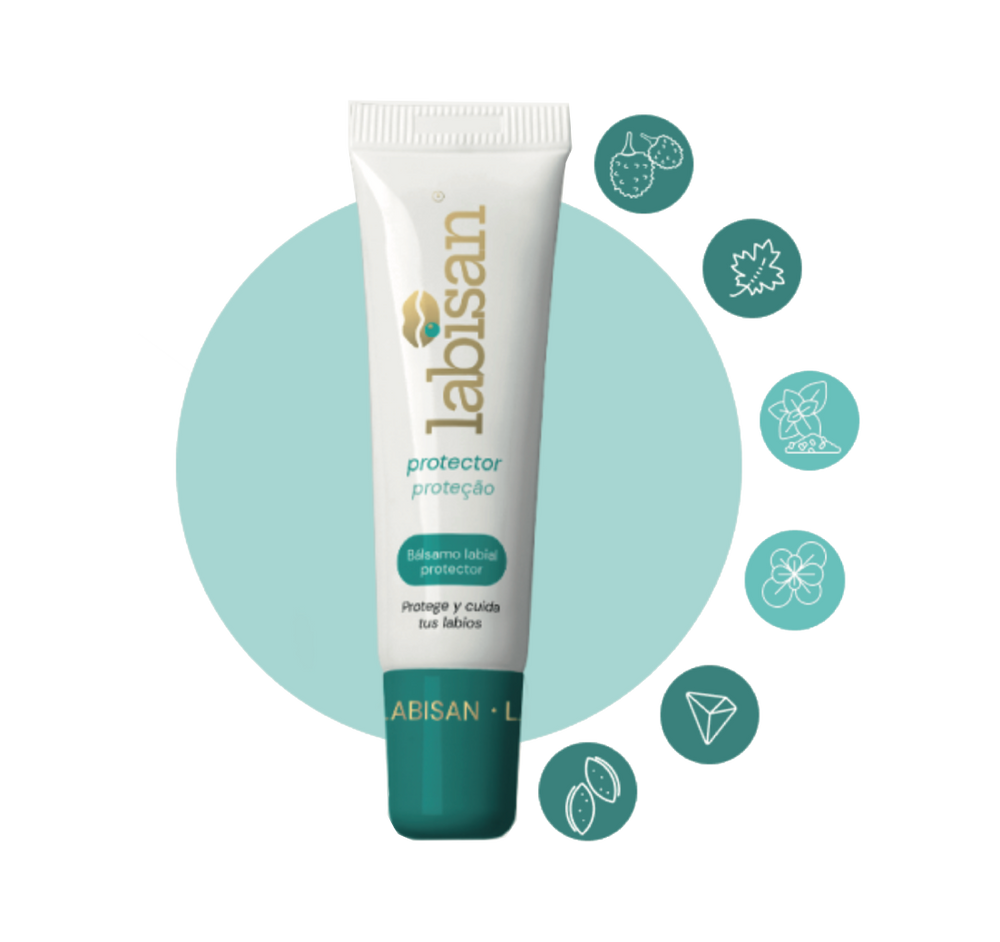
The topical layer for sailing is a broad-spectrum mineral SPF lip balm applied before departure and reapplied at structured intervals throughout the day. The Labisan formula delivers SPF 20 via 22 percent non-nano zinc oxide with UVA and UVB coverage, and carries the active botanical stack, graviola fruit extract, manuka oil, and oregano oil, each addressing the mucosal viral reactivation pathway directly alongside the UV block. The sailing-day reapplication protocol is:
- Apply before leaving the dock, before UV exposure begins.
- Reapply every 90 minutes of sun exposure; tying reapplication to watch rotations or scheduled meal breaks provides a reliable cue that requires no separate timer.
- Reapply immediately after eating or drinking, which mechanically removes the active film from the lip surface more thoroughly than UV exposure alone.
- Keep the tube in a cockpit pocket, not below decks; if access requires going below, reapplication is skipped.
The mineral formula applies with a slight white cast on first contact that clears within 60 seconds as the waxes warm to skin temperature. On a boat where performance takes priority over appearance, this is a negligible trade for the photostability advantage over chemical SPF filters.
Layer Two: Internal Immune Support
The topical layer blocks the UV trigger at the lip surface. The internal layer addresses the systemic immune suppression that comes with multi-day offshore passages. Graviola fruit extract at the 22:1 concentration in Labisan Graviola Capsules delivers the acetogenin and polyphenol fraction that supports baseline immune function through its documented action on mitochondrial Complex I in immune effector cells. The practical protocol for offshore passages is to maintain the daily graviola supplement dose throughout the passage and, for longer planned passages, to begin the standard two-week lead-in dose before departure.
The combination of topical mineral SPF and internal graviola supplementation addresses all three trigger pathways: UV is blocked at the lip surface by zinc oxide, barrier repair is supported by the shea butter and botanical layer in the lip balm, and systemic immune competence is supported by the graviola acetogenin and polyphenol dose. These two layers are not substitutes for each other; they operate on different tissue compartments. The full rationale for the combined topical-plus-systemic approach is covered in the SPF lip protection science post.
Practical Reapplication on the Water
A few field notes from experience on offshore passages:
The tube format handles salt spray and cockpit conditions without special storage, but a zip-lock bag in the cockpit pocket protects the cap seal on heavily spray-wet days. Apply with a dry hand when possible; if hands are wet from saltwater, transfer a small amount to a clean finger and apply from the finger rather than pressing the tube applicator directly to the lip.
Night watch reapplication is the step most commonly skipped, with good reason: UV exposure is zero after dark, so the SPF rationale disappears. But the wind-drying trigger continues through the night. A single application at the start of each night watch maintains the barrier layer and keeps the botanical active layer in contact with the lip surface through the watch rotation.
On multi-day passages with crew, designating one person per watch as the "reapplication reminder" prevents the discipline from degrading after the first 24 hours, when fatigue tends to erode routines. Sailors who treat lip protection as a scheduled maintenance item alongside hydration and sunscreen reapplication on exposed skin maintain consistent protection across the full passage.
Ready to Protect Your Lips on the Water?
Labisan Protective Lip Balm SPF 20
22% non-nano zinc oxide, graviola fruit extract, manuka oil, oregano oil, shea butter base.
Single Tube: $24.99 | Adventure Pack (3x): $59.97 (save 20%) | Family Bundle (5x): $89.95 (save 28%)
Free shipping on orders over $49. 30-day money-back guarantee.
Shop NowFrequently Asked Questions
How often should I reapply lip balm while sailing?
Every 90 minutes of UV exposure is the practical minimum for a mineral SPF formula. The more important trigger on a sailing day is mechanical removal: every time you eat, drink from a water bottle, or wipe your face with a towel, the active film on the lip surface is partially removed. Reapply after each of these events, not just on a fixed time interval. With a photostable zinc oxide formula, you are managing mechanical wear rather than photodegradation, which makes reapplication cadence more predictable.
Can ocean UV really trigger a cold sore outbreak?
Yes. UV radiation at the lip surface suppresses the local immune pathway that holds the latent HSV-1 virus in check. When that immune surveillance weakens, the virus reactivates and travels to the lip surface. The reflection effect on open water means the face receives UV from both above and below simultaneously, producing a higher cumulative lip-surface dose than most other outdoor activities at sea level. People with a history of UV-triggered outbreaks, who experience cold sores specifically after beach days or high-sun outdoor events, are at elevated risk on the water.
Is a higher SPF lip balm better for sailing than SPF 20?
SPF numbers above 30 offer diminishing marginal UV protection gains: SPF 30 blocks approximately 97 percent of UVB, SPF 50 blocks 98 percent. The formula stability and the reapplication discipline matter more than the rated SPF number. A photostable SPF 20 mineral formula reapplied on schedule outperforms a photodegrading SPF 50 chemical formula applied once at departure and not touched again. The priority for sailing is a zinc oxide-based formula that does not degrade between applications, paired with a realistic reapplication schedule matched to watch rotations or meal breaks.
Can I pair the graviola supplement with the lip balm?
Yes. The topical lip balm and the oral graviola supplement work on different tissue compartments and through different mechanisms. The lip balm addresses the lip surface directly: UV block, barrier repair, and topical antiviral botanical contact with the mucosal tissue. The graviola supplement works systemically, supporting immune competence from the inside. On a multi-day offshore passage, where sleep deprivation and physical exertion suppress systemic immune function, the internal layer provides the complement that topical-only protection cannot deliver. There is no interaction between the two: they are applied to entirely different routes.
Does the Labisan lip balm work in salt water and spray conditions?
The wax and shea butter carrier base is water-resistant in the same way conventional lip balm is: it does not wash off immediately on contact with water but does require reapplication after extended salt-spray exposure or after wiping the face. It is not a waterproof formula in the swimwear-labelling sense. Treat it like any mineral SPF product in a marine environment: apply liberally, carry the tube in an accessible pocket, and reapply whenever you notice the lip surface feels dry or you have been in direct spray for an extended period.