Almost everyone who has stood in a pharmacy aisle holding a two gram tube of Abreva has had the same thought: is this actually doing anything, or am I paying a premium for expensive petroleum jelly? It is a fair suspicion. The product costs several times what a plain occlusive balm costs, the packaging promises to shorten healing, and most people who use it still end up with a visible cold sore for the better part of a week. That gap between the promise and the lived experience is where the doubt lives, and it deserves a proper answer rather than a marketing one.
So we went and read the trial. Not the box, not the brand site, the actual pivotal study, the regulatory history around it, and the published critique that followed. The honest summary is that Abreva does work, the effect is real and statistically solid, and the effect is also considerably smaller than most buyers imagine. Both halves of that sentence matter, and the second half is the one that explains why so many people feel let down by a product that technically did exactly what it was tested to do.
What docosanol is, and why it is different from acyclovir
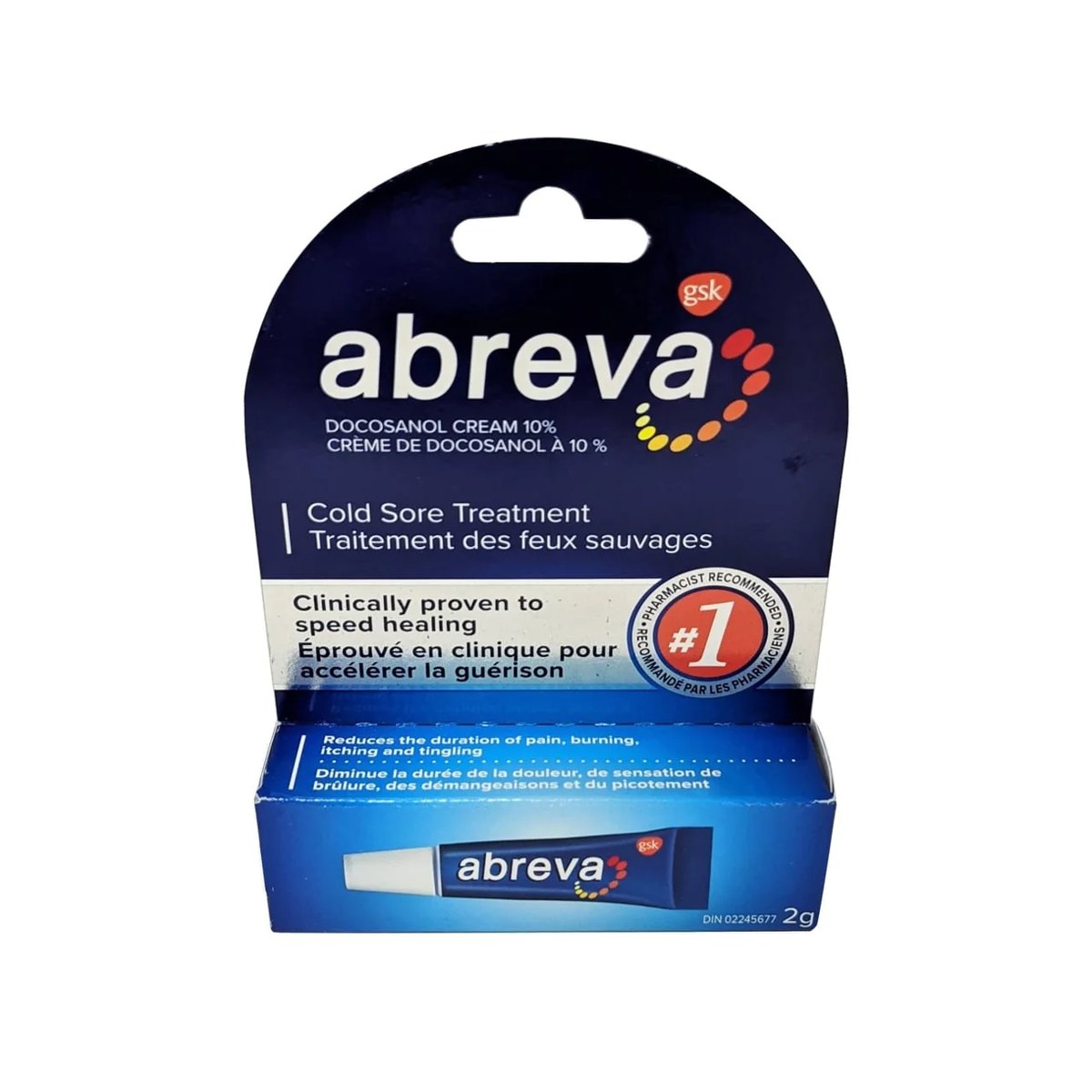
Abreva's single active ingredient is docosanol at 10 percent, a saturated 22 carbon fatty alcohol. It is worth understanding that this is not an antiviral in the way acyclovir or valacyclovir are antivirals. Acyclovir is a nucleoside analogue: it gets taken up inside an infected cell, phosphorylated by viral thymidine kinase, and then sabotages the viral DNA polymerase. It attacks the virus after entry.
Docosanol works, according to the proposed mechanism, on the outside. It is thought to incorporate into the host cell membrane and interfere with the fusion step between the herpes simplex virus envelope and the cell membrane, so the virus struggles to get inside in the first place. That mechanism has two immediate consequences that the packaging does not spell out. First, it means docosanol does nothing to virus that is already inside cells, which is why timing dominates everything about this product. Second, because it targets the host membrane rather than a viral enzyme, resistance is not the concern it is with nucleoside analogues.
The pivotal trial, in the numbers that were actually published
The study that carries the weight here is Sacks and colleagues, published in the Journal of the American Academy of Dermatology in 2001: a multicentre, randomised, placebo controlled trial of topical docosanol 10 percent cream in recurrent herpes simplex labialis. It enrolled 737 patients, 370 on docosanol and 367 on the polyethylene glycol placebo vehicle, with treatment started in the prodrome or erythema stage and applied five times daily until healing.
The headline result: median time to healing was 4.1 days in the docosanol group, which was 18 hours shorter than the placebo group, with a 95 percent confidence interval of 2 to 22 hours and a p value of 0.008. Secondary endpoints moved in the same direction, with faster resolution of pain and other symptoms and a shorter time through the classic ulcer and soft crust stages.
Look carefully at what that says. The effect is statistically real; the confidence interval does not cross zero, and with 737 patients this was not an underpowered fishing expedition. But the point estimate is 18 hours off a roughly five day episode, and the lower bound of the confidence interval is two hours. Two hours. The trial is honest evidence that docosanol beats its vehicle, and it is also honest evidence that a fair number of users are getting a benefit measured in a fraction of a day rather than in days.
The part the box leaves out: the FDA said no first
This is where a genuinely fair review has to include the uncomfortable history. The initial new drug application for topical n docosanol was rejected by the FDA in 1999, with the agency citing a need for additional trials. The manufacturer appealed, and docosanol was eventually cleared for over the counter sale in 2000. That is not a scandal, and plenty of eventually useful products have a bumpy regulatory path, but it does tell you something about how the evidence looked to reviewers at the time: strong enough to argue about, not so strong that it walked through unchallenged.
A year after the pivotal trial appeared, the same journal published a critique titled "N docosanol (Abreva) for herpes labialis: problems and questions," which raised two specific methodological objections worth taking seriously. The first concerned the control: polyethylene glycol was used as the placebo vehicle, and the author questioned whether PEG might itself have a mild drying effect on the skin, which would make the comparator slightly worse than a neutral cream and inflate the apparent difference. The second concerned the protocol allowing continuous application until healing, and whether the docosanol vehicle's greater ability to soften or loosen the lesion crust could create the appearance of faster healing at the assessment visit rather than genuinely faster resolution of the underlying infection. The critique proposed settling both questions with an animal wound healing model. As far as we can find, that study was never done.
None of this means docosanol is inert. It means the true effect size is probably somewhere at or below the published 18 hours, and that a careful reader should treat "up to a day faster" as an optimistic reading rather than a floor.
Timing is not a detail, it is most of the product
If docosanol blocks viral entry into uninfected cells, then every hour you wait is an hour in which more cells are already infected and beyond the mechanism's reach. The trial started treatment in the prodrome or erythema stage, meaning at the tingle or at first redness, and the labelled instruction is to apply at the very first sign and continue five times a day until the lesion heals, up to ten days.
In practice, this is where most real world disappointment comes from. Someone notices a tingle on Tuesday evening, tells themselves it is probably nothing, wakes on Wednesday to a blister, and starts applying cream to a lesion that is already several cell generations past the point where the mechanism can help. The product then performs like petroleum jelly, because functionally that is close to what it is doing at that stage. The five times daily schedule is also more demanding than people expect: that is roughly every three waking hours, every day, for the better part of a week. Compliance decays fast, and a product tested at five applications a day cannot be assumed to deliver the same result at two.
What Abreva does not do at all
Here is the limitation that matters most for anyone who gets cold sores repeatedly. Docosanol is a treatment, not a prophylaxis. It has never been shown to reduce how often outbreaks occur, and it is not indicated for that. It cannot touch the latent virus, which sits in the trigeminal ganglion for life and reactivates on its own schedule.
The 2015 Cochrane review by Chi and colleagues, "Interventions for prevention of herpes simplex labialis," assessed 19 preventative measures across 32 randomised controlled trials, and the picture there is sobering. Long term oral acyclovir and valaciclovir did reduce recurrences, though the reviewers described the clinical benefit as limited. Lysine, LongoVital supplementation, gamma globulin, HSV vaccine, yellow fever vaccine, levamisole and interferon showed no supported preventive efficacy. Prevention, in other words, is a genuinely hard problem, and no topical treatment cream solves it.
The one exception in that literature is unusually clean, and it is not a drug. In a 1991 Lancet trial, Rooney and colleagues exposed people with a history of sun triggered herpes labialis to experimental ultraviolet light. With placebo applied first, 27 of 38 patients, 71 percent, developed a cold sore. With sunscreen applied first, none of 35 patients developed a lesion. That is a controlled trial in which blocking the trigger prevented essentially all of the outcome, which is a far larger effect than 18 hours of faster healing.
How Abreva compares with the alternatives on the shelf
| Option | What it does | Best published effect | Prevents recurrence | Timing sensitivity |
|---|---|---|---|---|
| Abreva (docosanol 10%) | Blocks viral entry into host cells | Median healing 18 hours faster than vehicle | No | Very high, prodrome only |
| Topical acyclovir 5% | Inhibits viral DNA replication | Modest, under a day in most trials | No | High |
| Oral valaciclovir | Systemic antiviral | Roughly one day shorter episode; suppression reduces recurrence | Yes, on daily suppression | High for episodic use |
| Hydrocolloid patch | Covers and moist heals the lesion | Comparable healing to creams, better concealment | No | Moderate |
| Mineral SPF lip barrier | Blocks the UV reactivation trigger | 71% recurrence with placebo versus 0% with sunscreen after UV challenge | Addresses the largest external trigger | Low, worn daily |
The verdict: yes, if
Yes, Abreva works, with three conditions attached.
Yes, if you catch it at the tingle. Applied during the prodrome, docosanol has a real published effect. Applied to an established blister, expect very little beyond what any occlusive would give you.
Yes, if you can actually do five applications a day. The evidence base is built on that schedule. Half doing it is not a half dose of benefit; it may be no measurable benefit at all.
Yes, if your expectation is calibrated to hours rather than days. An 18 hour median improvement on a five day episode is worth having, particularly if you have a wedding on Saturday. It is not the difference between having a cold sore and not having one.
Where it stops making sense is as your primary strategy. If you get four to six outbreaks a year, a product that shaves most of a day off each episode is treating the symptom of a pattern. Four outbreaks at 18 hours saved is three days of your year. Reducing the number of outbreaks is a much larger lever than shortening each one, and treatment creams by design cannot pull that lever.
The honest takeaway: prevention is the bigger number
We sell a prevention product, so read this next part with appropriate suspicion and check the citation yourself. The Rooney trial is the reason we build the way we do. Ultraviolet light is the best evidenced external reactivation trigger for herpes labialis, and it is the only major trigger you can physically block. Stress, illness and hormonal cycles are hard to control. A photon hitting the vermilion border of your lower lip is not.
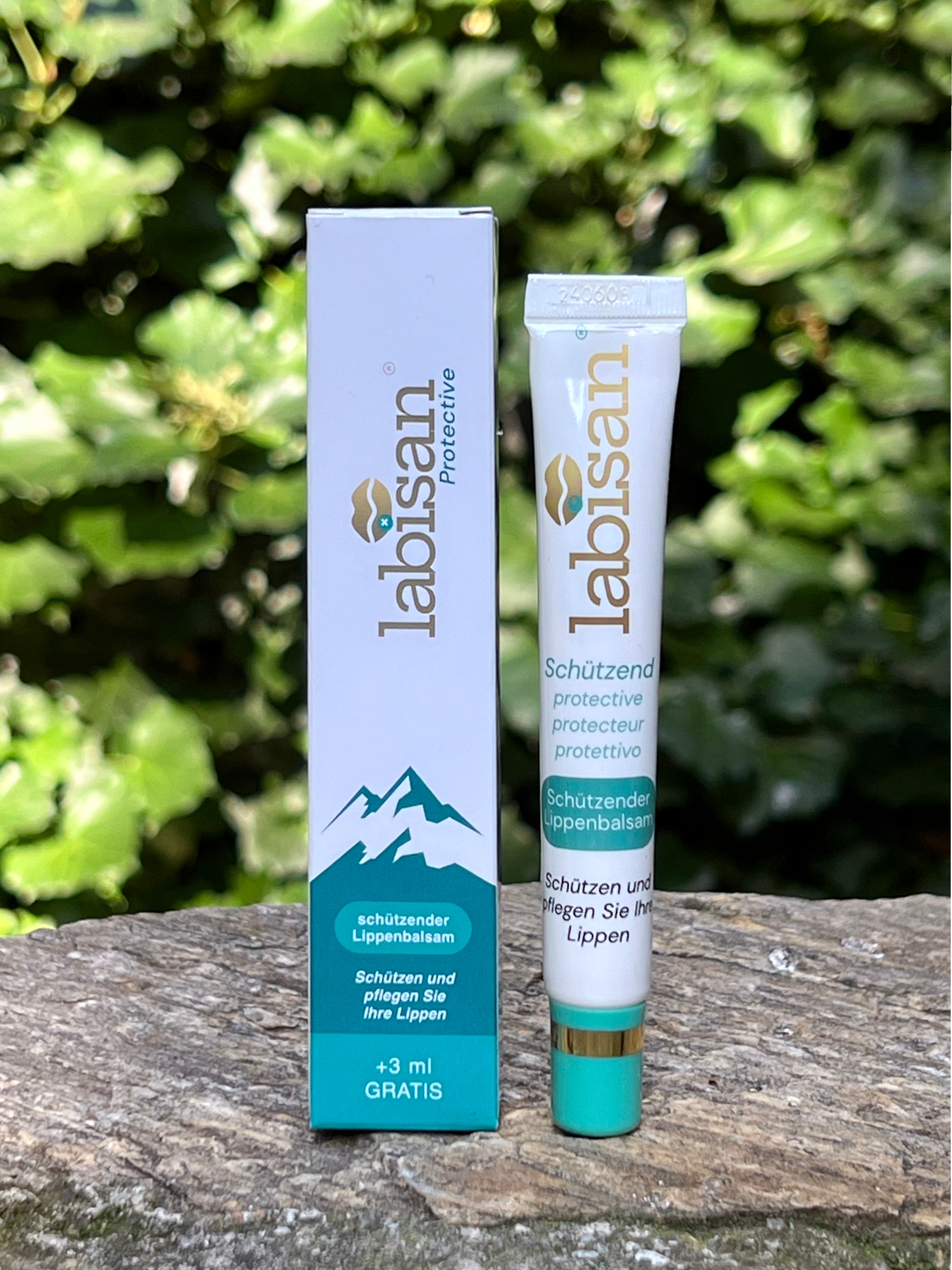
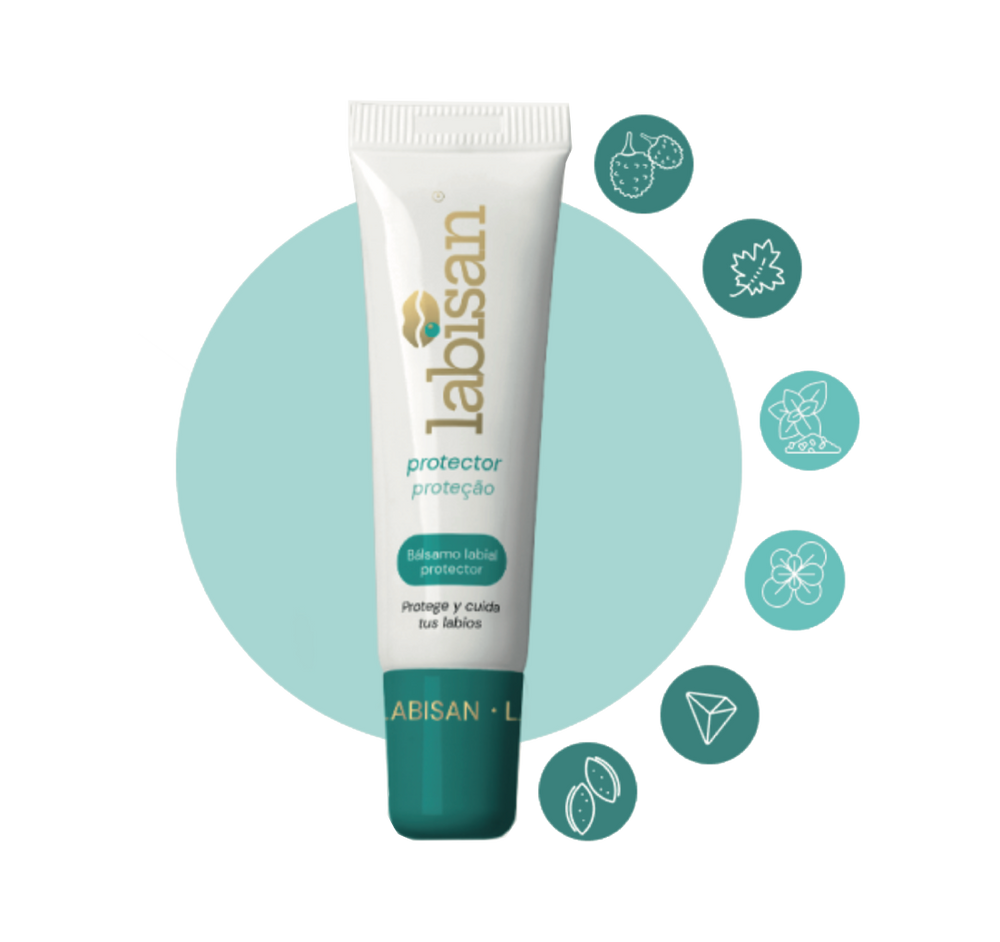
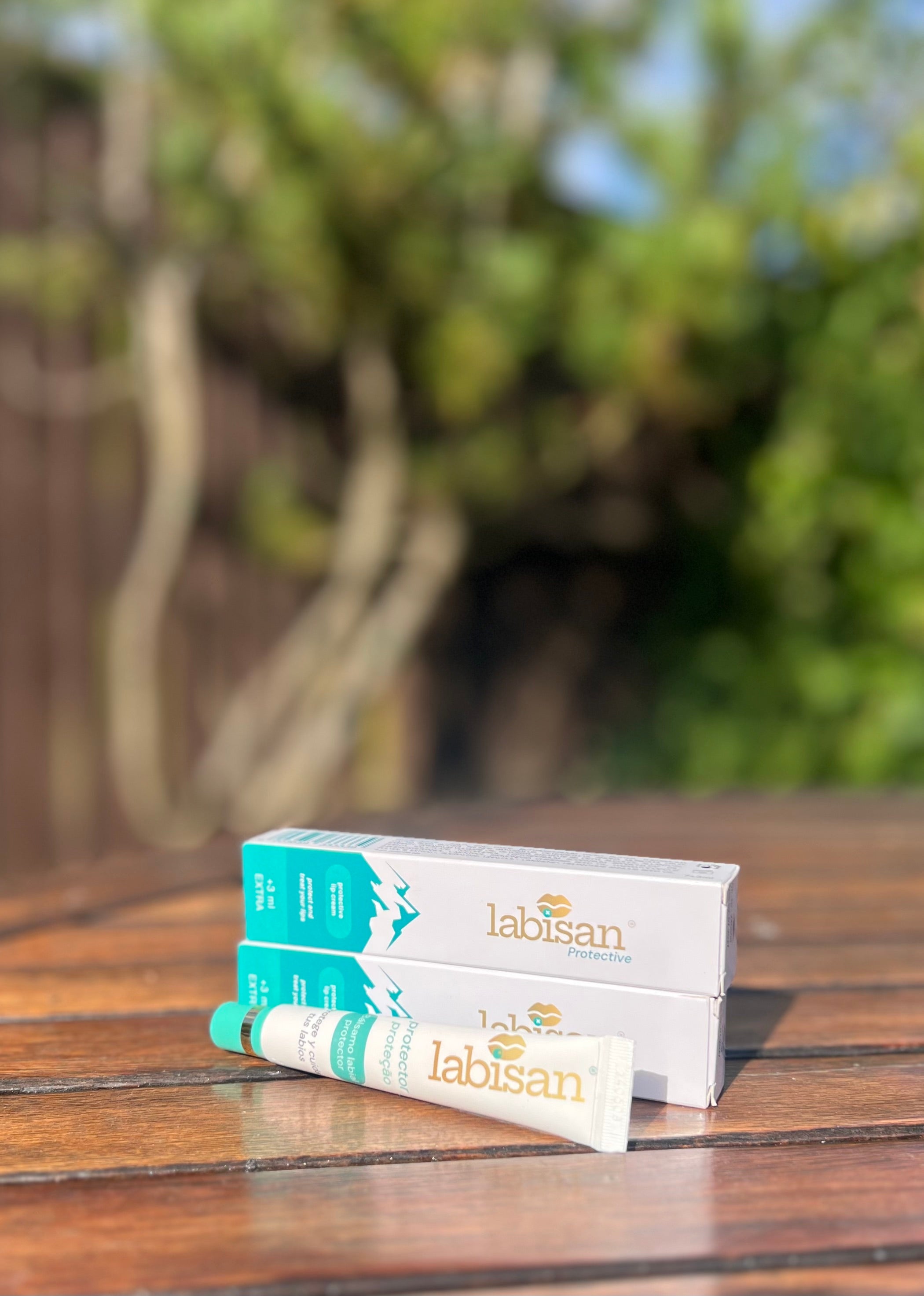
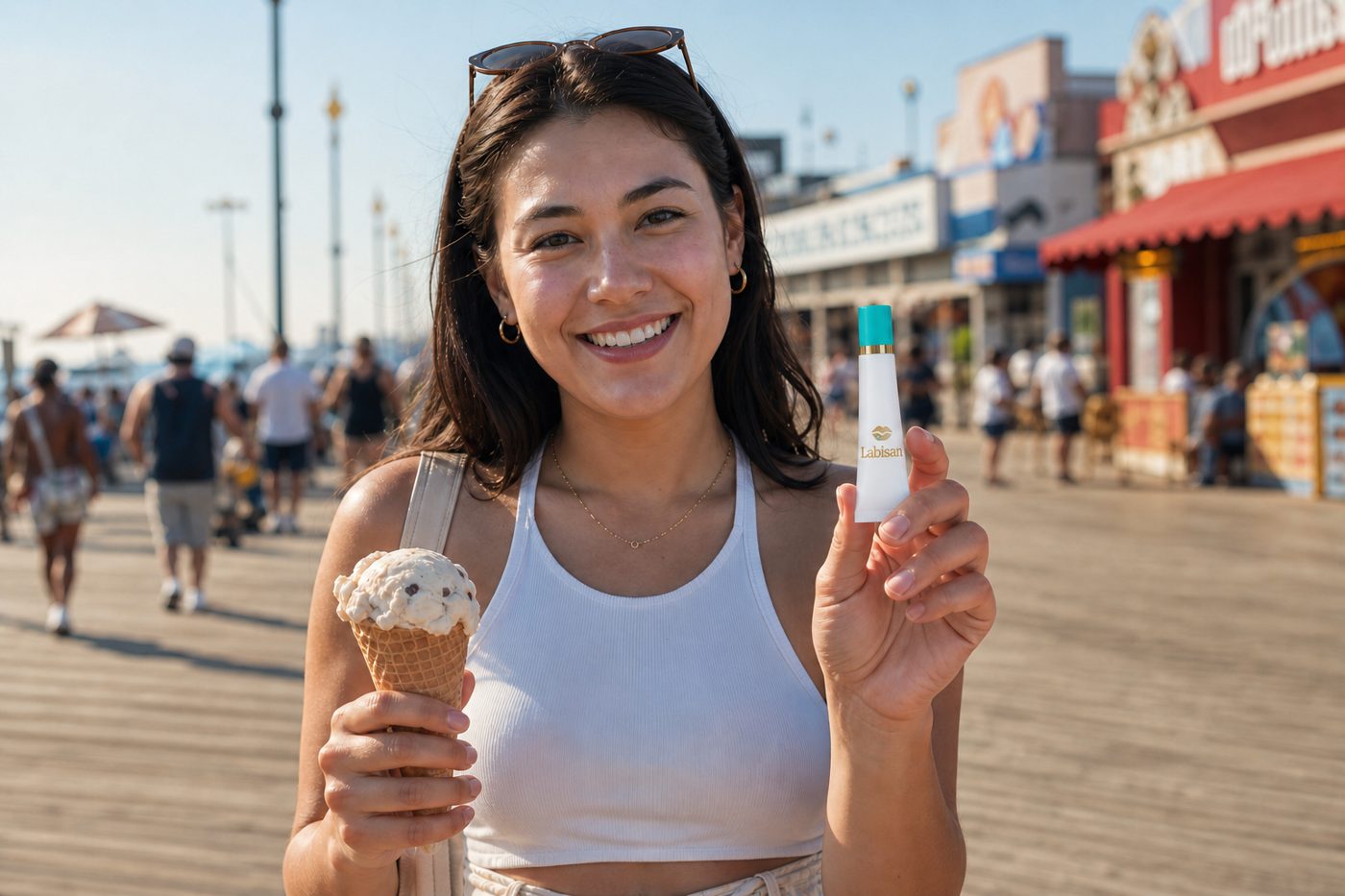
Labisan Protective Lip Balm SPF 20 is built around that single idea: a zinc oxide mineral filter that sits on the lip surface and reflects UV, carried in a shea butter and manuka oil base that survives cold, wind and altitude rather than melting off in the first hour. It is designed to be worn every day, in the way you wear it precisely because you are not thinking about cold sores that morning. That is the whole point. The tube in the bathroom drawer only helps after the tingle. The balm in your jacket pocket works before it.
To be completely clear about what this is and is not: a lip balm is not an antiviral and does not treat an active lesion. If you have one right now, docosanol or an oral antiviral from your doctor is the right tool, and we would rather tell you that than sell you the wrong thing. Roughly two thirds of people under 50 worldwide carry HSV-1, the virus is not curable, and nothing on any shelf changes that. The realistic goal is fewer episodes per year, and for that, blocking the trigger beats accelerating the recovery. Our full ranking of the category, including where Abreva legitimately earns its place, is in the five best lip balms for cold sore prone lips, ranked, and the trigger evidence is laid out in why UV light is the number one cold sore trigger.
Block the Trigger Before the Tingle
Labisan Protective Lip Balm SPF 20
Single: $24.99 | Adventure Pack 3x: $59.99 | Family Bundle 5x: $89.99
Free EU shipping over $49, $19.99 worldwide. 30 day satisfaction guarantee.
Shop NowFrequently Asked Questions
Does Abreva actually work, or is it a placebo?
It works, but modestly. In the pivotal 737 patient trial published in the Journal of the American Academy of Dermatology in 2001, docosanol 10 percent cream produced a median healing time of 4.1 days, about 18 hours faster than the placebo vehicle, with a 95 percent confidence interval of 2 to 22 hours. That is a statistically significant result on a large sample, so it is not placebo. It is also a benefit measured in hours, not days, which is why many users feel it underdelivers.
How fast does Abreva work if you apply it at the first tingle?
Fastest is still not fast. Applied during the prodrome and used five times daily until healing, the trial average was around four days to healed versus just under five on placebo. Starting at the tingle is what makes the difference between getting that benefit and getting almost none, because docosanol is thought to block viral entry into cells that are not yet infected.
Does Abreva prevent cold sores from coming back?
No. Docosanol is a treatment for an active episode and has never been shown to reduce recurrence frequency. The 2015 Cochrane review on prevention of herpes simplex labialis found that only long term oral acyclovir and valaciclovir reduced recurrences among the drug interventions studied, and even there the reviewers described the clinical benefit as limited.
Why did the FDA initially reject docosanol?
The original new drug application was turned down in 1999 on the grounds that further trials were needed. The manufacturer appealed and won over the counter approval in 2000. A 2002 critique in the same journal that published the pivotal trial questioned whether the polyethylene glycol placebo may have dried the skin and whether the docosanol vehicle simply loosened the lesion crust, which would flatter the healing time comparison. Those questions were never resolved experimentally.
Is Abreva or a daily SPF lip balm the better buy for frequent cold sores?
They solve different problems and the honest answer is that most frequent sufferers need both. Keep docosanol for episodes you are already having. If you get several outbreaks a year and sun is one of your triggers, daily UV protection addresses the cause rather than the episode. In the 1991 Lancet sunscreen trial, 71 percent of susceptible subjects developed a cold sore after UV exposure with placebo and none did with sunscreen applied first, which is a far larger effect than shortening an episode by 18 hours.
This article is educational and is not medical advice. It does not diagnose, treat or cure any condition. If you have frequent or severe outbreaks, an outbreak near the eye, or a weakened immune system, speak to a doctor or pharmacist about prescription antiviral options.