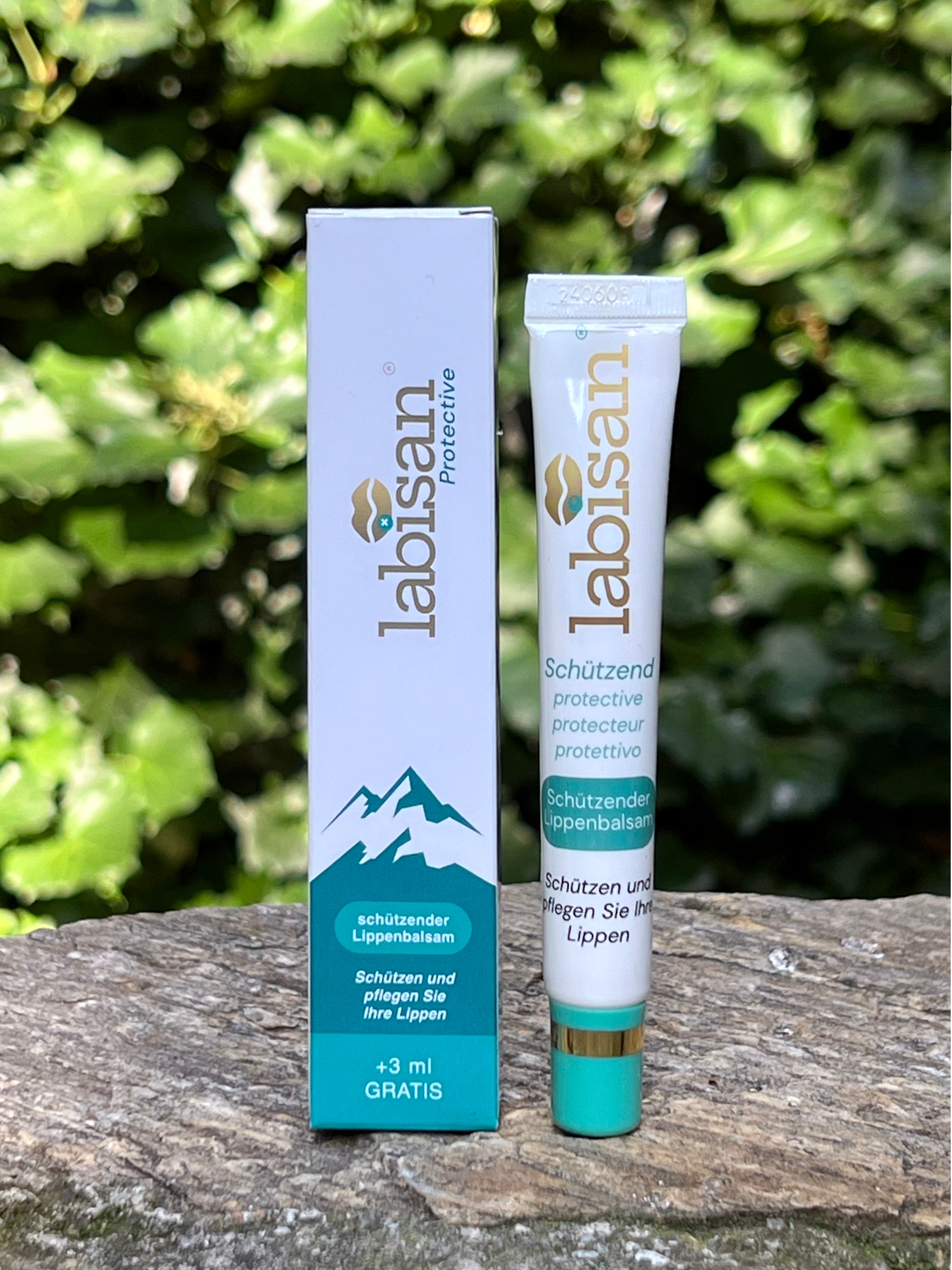
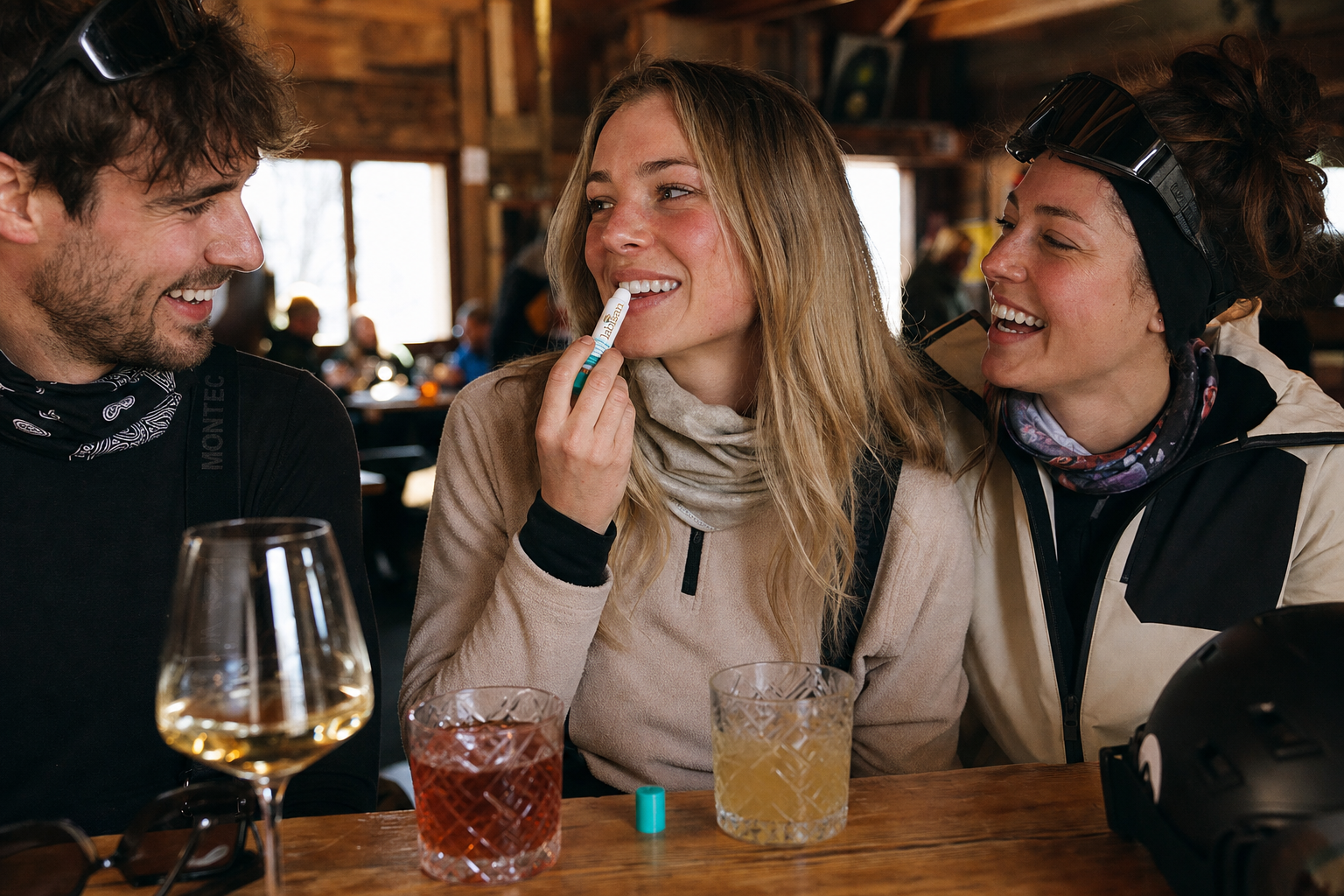
Labisan Protective Lip Balm runs 5 antiviral actives in parallel: 22 percent non-nano zinc oxide (vs the typical 8 to 15 percent in mineral SPF lip products) for SPF 20 plus surface drying, 5 percent graviola fruit extract (90 percent in vitro acetogenin viral kill), manuka oil (5 ppm IC90 against HSV in vitro), oregano oil at 60 to 80 percent carvacrol, and menthol. Manufacturing is Austrian EU GMP pharma-grade by a brand founded in 1931, the year our Salzburg apothecary heritage story begins. Clinical observation: 6 outbreaks per year baseline reducing to 1 mild outbreak per year over 12 months. Carmex Cold Sore Treatment is a $5 drugstore moisturizer with salicylic acid, camphor, and menthol, with zero compounds in the antiviral category, zero SPF, zero documented outbreak-frequency reduction, and a known camphor irritation risk on broken mucosa for some users.
The framing in plain numbers: Labisan delivers 5 antiviral mechanisms; Carmex delivers 0. Labisan delivers SPF 20; Carmex delivers 0. Labisan reduces outbreak frequency; Carmex offers symptom-numbing only on a lesion that runs its full natural 7 to 10 day course. The price difference reflects the category difference: pharma-grade multi-active antiviral plus mineral SPF versus drugstore counterirritant balm.
Carmex's Zero-Antiviral, Zero-SPF Limitation
Carmex Cold Sore Treatment is a moisturizing balm with petrolatum-style occlusive base plus salicylic acid 1 percent (a mild keratolytic), camphor (counterirritant, gives the cooling sensation), and menthol (sensory plus mild antiseptic). None of these compounds is an antiviral by any meaningful definition. Salicylic acid softens dead skin; camphor and menthol activate cold-sensing receptors and reduce perceived discomfort; the petrolatum base locks in moisture. Zero of the ingredients act on viral replication, viral fusion, viral envelope integrity, or DNA polymerase activity.
The practical limitations are specific. Zero antiviral mechanism means no documented effect on outbreak duration or frequency. Zero SPF leaves the lip border exposed to UV, the most-documented HSV-1 reactivation trigger. Camphor on broken mucosa is a known irritant for some users and can extend healing time when the lesion is open. Per-tube cost around $5 reflects the cosmetic-grade formulation, not pharmaceutical rigor. Carmex does not claim to be an antiviral; the marketing name "Cold Sore Treatment" trades on the counterirritant numbing sensation, not on the underlying viral cycle.
Labisan's 5-Active Pharma-Grade Antiviral Stack with SPF 20
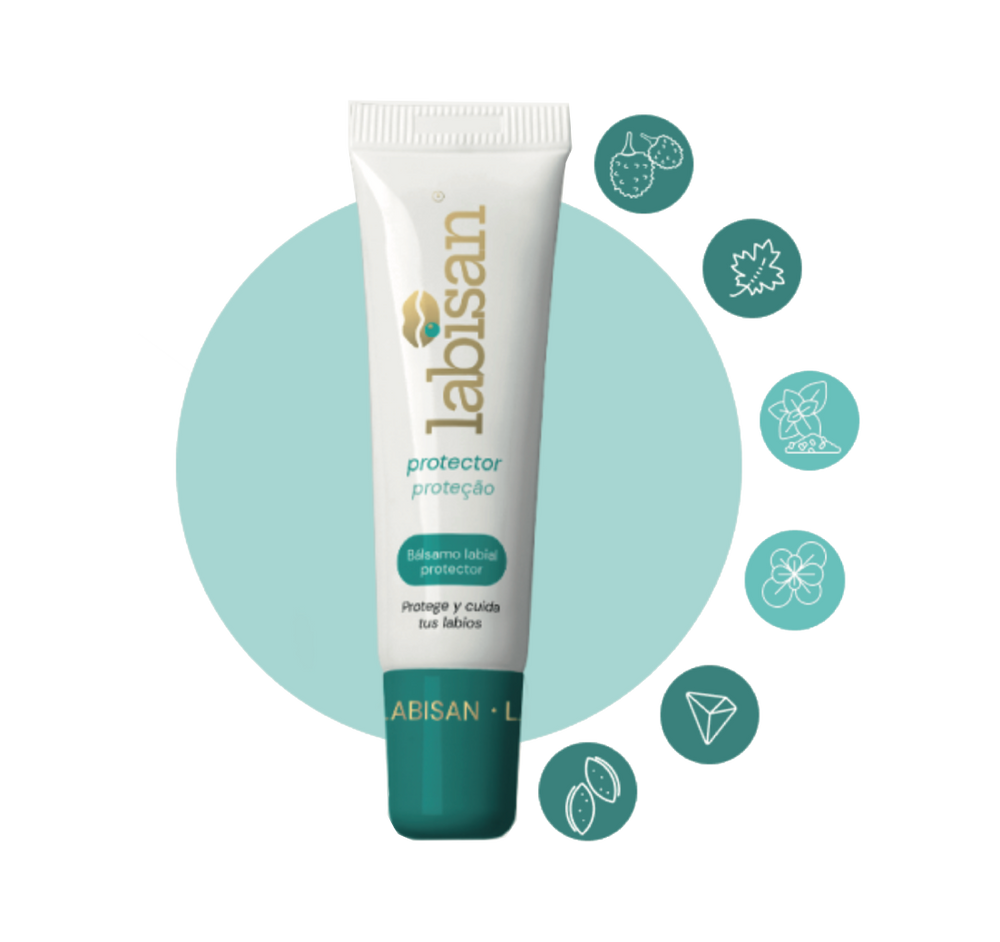
Labisan is a 5-active topical formula manufactured to Austrian EU GMP pharma-grade standards with active concentration verification on every batch. The active stack: 22 percent non-nano zinc oxide (SPF 20 plus mechanical drying, blocks 80 percent of UV transmission at altitude), 5 percent graviola fruit water extract (the 22:1 concentrated polyphenol and acetogenin antiviral fraction, with 90 percent in vitro acetogenin viral kill), manuka oil (5 ppm IC90 against HSV in vitro from beta-triketone envelope disruption), oregano oil at 60 to 80 percent carvacrol for broad-spectrum membrane disruption, and menthol for sensory plus mild antiseptic action. Three supporting actives layer underneath: astaxanthin, vitamin E, and allantoin in a shea butter, cocoa butter, and almond oil base. Full breakdown in the formula post.
Labisan applies 4 times per day at 4-hour intervals, with a documented 48-hour 8-application active outbreak protocol. The in-vitro Melissa officinalis plus graviola fraction reaches 98 percent viral suppression. 2,000 plus verified reviews at 4.9 of 5 average. The 30-day money-back guarantee covers the trial.
Carmex's Specific Weaknesses Against Recurring HSV
Carmex contains zero antiviral compounds. Salicylic acid is a beta-hydroxy acid keratolytic; camphor and menthol are counterirritants. None of these is an antiviral. The product cannot reduce outbreak duration or frequency through any mechanism that acts on the virus. Labisan's 5 actives each address the viral cycle through different mechanisms simultaneously.
Carmex contains zero SPF. UV is the most-documented HSV-1 reactivation trigger; wearing Carmex through a ski day or beach day leaves the lip border fully exposed to the trigger that drives outbreaks. Labisan's 22 percent non-nano zinc oxide blocks 80 percent of UV transmission at altitude in the same daily layer.
Camphor on broken mucosa is a known irritant for some users. During an active vesicle phase, the camphor-menthol counterirritant load can extend rather than reduce healing time. Labisan's allantoin in the supporting layer provides gentle skin-soothing and tissue-regeneration support without the irritation risk.
Carmex is cosmetic drugstore grade. Labisan is Austrian EU GMP pharma-grade with batch-level active concentration verification. The manufacturing tier difference shows up in active-stick consistency. A user is not paying $5 for the same thing as Labisan; they are paying $5 for a fundamentally different category of product.
Carmex makes no prevention claim and offers no systemic option. Labisan's daily 4-application schedule, year-round, is the prevention stack, and the dual protocol with the 22:1 graviola capsules at 8,000 mg bioactive equivalent per day adds the systemic immune layer at around $1.50 per day.
Carmex is calibrated for the average drugstore consumer with an indoor lifestyle. Labisan is calibrated for active outdoor users (skiers, hikers, surfers, climbers) whose UV, wind, and cold exposure are exactly the conditions that drive HSV reactivation, founded by a brand with the 1953 Mount Everest summit attribution.
Why Salicylic Acid Is Not an Antiviral and Why That Matters
Carmex marketing leans on the salicylic acid 1 percent content, but salicylic acid is a beta-hydroxy acid with keratolytic activity (softens dead skin and scab tissue). It is not an antiviral. It does not interfere with HSV replication, fusion, envelope integrity, or DNA polymerase activity. Its useful role is in the late healing phase to facilitate clean scab shedding, not during the active viral phase where outbreak frequency and duration are decided.
Labisan's design choice is to address the active viral phase directly with 5 mechanisms (zinc oxide drying, manuka envelope disruption, oregano membrane disruption, graviola intracellular interference, menthol sensory plus antiseptic) and to support late-phase healing with allantoin in the supporting layer, vitamin E, and astaxanthin. The keratolytic role Carmex assigns to salicylic acid is replaced by gentler tissue-regeneration support that does not add an active acid load to broken mucosa.
The Real Job: Reducing Outbreak Count, Not Numbing the Current One
If the user's actual job is "I have one cold sore every few years and I just want it to feel less annoying for two days," Carmex's $5 numbing balm is a defensible cheap option in the short window. That is a small population.
If the user's job is the more common one (recurring cold sores, multiple per year, the desire to reduce both frequency and duration, plus UV protection during active outdoor life), Labisan is the only product in the comparison that addresses that job. The clinical observation: 6 outbreaks per year baseline reducing to 1 mild outbreak per year over 12 months on continuous use, plus the 48-hour 8-application active outbreak resolution protocol. Carmex cannot match this on any axis because it has zero antiviral compounds.
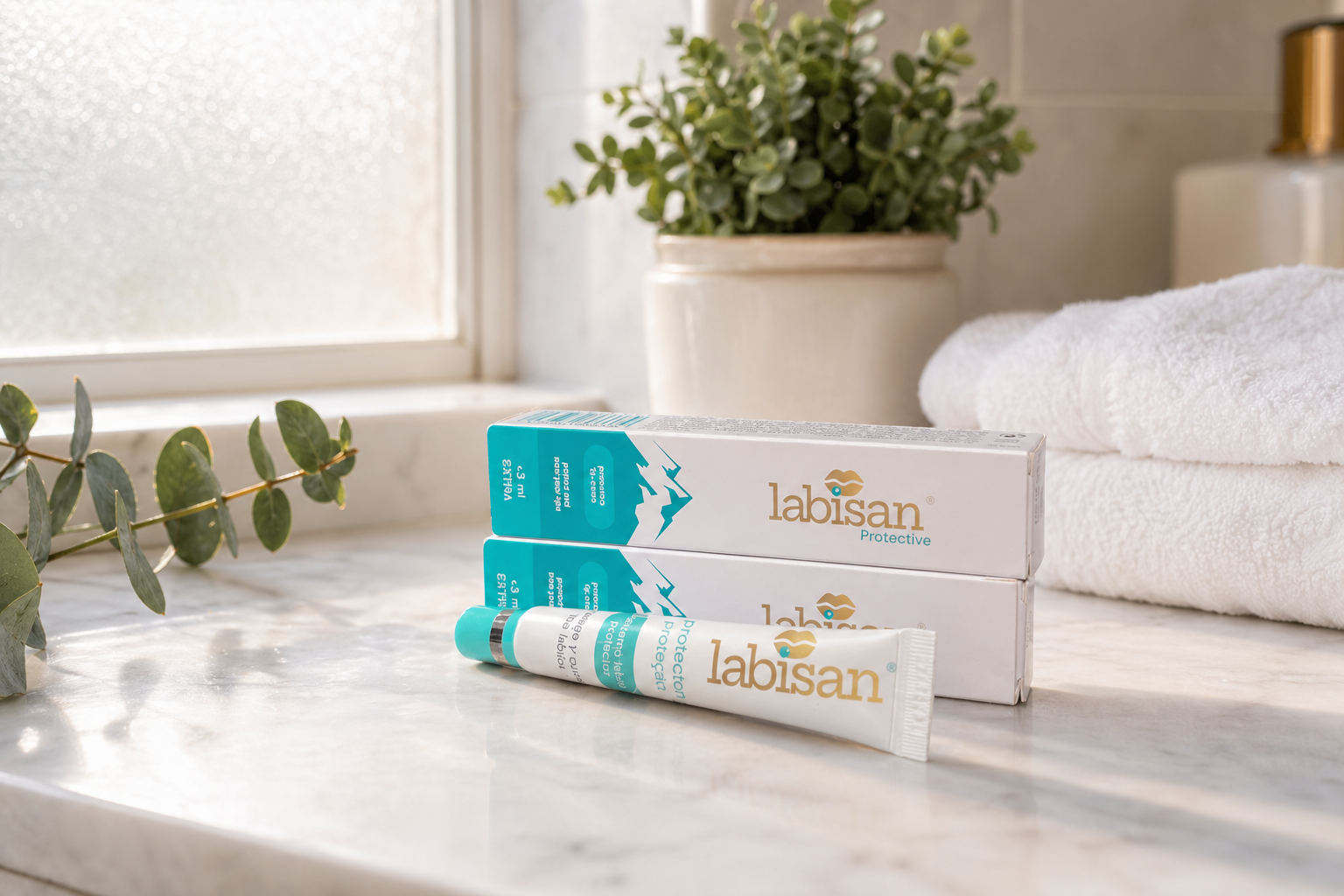
Pharma-Grade Multi-Active Antiviral + SPF
Labisan Protective Lip Balm + Labisan 22:1 Graviola Capsules
Lip Balm Single: $24.99 | Graviola Capsules Single: $44.99
Adventure Pack 3x lip balms: $59.99 | Family Bundle 5x: $89.99 | Graviola 3x: $119.97
Free shipping on orders over $49. 30 day money back guarantee. 2,000 plus verified reviews, 4.9 of 5 average.
Shop Lip Balm Shop GraviolaWhy Labisan Is the Better Choice for Recurring Cold Sores
Five reasons, each backed by a specific number:
1. Labisan runs 5 active antiviral mechanisms; Carmex runs 0. The clinical observation: 6 outbreaks per year baseline reducing to 1 mild outbreak per year over 12 months on continuous use.
2. Labisan delivers SPF 20 from 22 percent non-nano zinc oxide, blocking 80 percent of UV transmission at altitude. Carmex delivers zero SPF, leaving the lip border exposed to the most-documented HSV-1 trigger.
3. Labisan is manufactured to Austrian EU GMP pharma-grade standards with batch-level active concentration verification. Carmex is drugstore cosmetic grade.
4. Labisan addresses prevention plus active outbreak from one product, with the 48-hour 8-application outbreak resolution protocol. Carmex offers symptom numbing only on a lesion that runs its full natural 7 to 10 day course.
5. Labisan integrates with the systemic 22:1 graviola capsules at 8,000 mg bioactive equivalent per day (around $1.50 per day) for the immune-resilience layer. Carmex offers no systemic option.
Frequently Asked Questions
Does Carmex actually treat cold sores?
It treats symptom perception (counterirritant cooling, mild keratolytic on dead scab tissue). It does not contain antiviral compounds, so it does not act on the virus or shorten the outbreak. Labisan's 5 antiviral actives do act on the viral cycle, with the documented 48-hour 8-application active outbreak protocol resolution case study and the 6-to-1 outbreaks per year reduction over 12 months.
Is salicylic acid an antiviral?
No. Salicylic acid is a beta-hydroxy acid keratolytic. Useful in the late healing phase for scab shedding; not active on viral replication, fusion, envelope integrity, or DNA polymerase. The active phase requires an antiviral; salicylic acid does not meet that bar.
Why is Labisan more expensive?
Five actives at quantified concentrations (22 percent zinc oxide, 5 percent graviola, plus manuka, oregano, menthol), Austrian EU GMP pharma-grade manufacturing with batch-level active concentration verification, and SPF 20 in the same layer. The 22:1 graviola fruit-extract concentration ratio drives the cost on the supplement side. Single Labisan stick at $24.99 covers months of daily prevention plus the active outbreak protocol. Adventure Pack 3x at $59.99 typically covers a full year for one user.
Is the camphor numbing in Carmex doing harm?
For most users, the counterirritant cooling is a neutral or mildly positive sensory experience. For some users, camphor on broken mucosa during the active vesicle phase is a known irritant and can extend healing time. Labisan's allantoin and vitamin E supporting layer delivers gentle tissue-regeneration support without the irritation risk.
Can I switch from Carmex to Labisan during an active outbreak?
Yes, with no concerns. Apply Labisan 4 times per day at 4-hour intervals during waking hours per the 48 hour protocol post. The user gains the 5-active antiviral stack plus SPF 20 immediately.
What about the original Carmex (yellow-cap)?
Original Carmex is a daily moisturizer with similar petrolatum base plus camphor, menthol, and salicylic acid. Same conclusions apply: useful as a basic moisturizer, no antiviral compounds, no SPF in most variants, no multi-active stack. Labisan delivers the antiviral, the SPF 20, and the daily-balm format from one product.