The two hour reapplication interval printed on every sunscreen label in the United States comes from the FDA sunscreen monograph, which requires the directions "reapply at least every 2 hours" and caps water resistance claims at 40 or 80 minutes of immersion. That number is not a measurement of when a product stops working; it is a regulatory floor chosen because three independent failure mechanisms reliably compound within that window. First, photodegradation: several organic UV filters are chemically altered by the same photons they absorb. Avobenzone, the most widely used UVA filter worldwide, has been shown in published photostability testing to lose a substantial share of its absorbance after roughly one hour of simulated solar exposure, and its degradation accelerates when it is formulated alongside octinoxate. Second, mechanical removal: sweat, towel contact, friction and, at the lip, eating, drinking, talking and licking. Third, and least discussed, under-application: SPF is measured at 2 mg/cm2, while consumer studies consistently find real-world application rates of roughly 0.5 to 1.0 mg/cm2. Because the relationship between applied dose and protection is approximately exponential rather than linear, halving the dose does not halve the SPF; it collapses it toward the square root of the labeled value. An SPF 20 applied at half thickness behaves closer to SPF 4 or 5 from the moment it goes on.
On lips, all three mechanisms run faster. The vermilion border has a stratum corneum only a few cell layers thick compared with roughly fifteen on adjacent facial skin, carries almost no melanin, and has essentially no sebaceous glands to help anchor a film. It is also the one site you deliberately abrade all day. This is why the practical interval for lips is shorter than the label interval for body sunscreen, and why we argue for the 90 minute lip SPF reapplication rule rather than the generic two hour default.
What the Two Hour Rule Actually Measures
SPF is determined under laboratory conditions: a fixed 2 mg/cm2 dose, applied to a measured area of back skin, allowed to dry, then exposed to a solar simulator to find the minimal erythema dose with and without product. Nothing in that protocol involves wind, sweat, a ski glove, a coffee cup, or eight hours of daylight. The number describes the film's performance at the instant of testing, not its persistence.
Brian Diffey's frequently cited 2001 analysis in the Journal of the American Academy of Dermatology made the practical point clearly: because most people under-apply, an early reapplication roughly 15 to 30 minutes after going outdoors delivers more real protection than waiting for the two hour mark. The reapplication is not topping up a depleted film so much as finally reaching the dose the label assumed.
Photodegradation: How UV Destroys the Filters Meant to Block It
Organic (chemical) filters work by absorbing a UV photon, entering an excited electronic state, and releasing that energy as heat. Most of the time the molecule returns intact. Sometimes it does not.
Why avobenzone is the classic example
Avobenzone absorbs across the UVA range by sitting in an enol form stabilised by internal hydrogen bonding. Under UV exposure it shifts toward a keto form that absorbs poorly, and can then fragment irreversibly. Published photostability work has reported losses on the order of a third or more of initial absorbance after roughly an hour of continuous simulated sun. Worse, avobenzone and octinoxate undergo a cycloaddition reaction with each other, so a formula containing both can degrade faster than either alone. Manufacturers counter this with stabilisers such as octocrylene or bemotrizinol, which help considerably but do not make the system inert.
Why mineral filters behave differently
Zinc oxide and titanium dioxide are semiconductors, not chromophores that must survive an excited state cycle. They scatter, reflect and absorb UV without a comparable degradation pathway, which is why they are generally described as photostable. Zinc oxide in particular provides genuinely broad coverage extending into UVA1 near 380 nm, the wavelength region most relevant to deep dermal effects. That photostability is precisely why we build our lip formula around a high mineral load; the reasoning behind the 22 percent zinc oxide Labisan lip formula is that a filter which does not break down under sunlight removes one of the three failure modes entirely.
The honest caveat: photostability solves chemistry, not physics. A mineral film that has been wiped off your lip protects nothing. Reapplication remains mandatory.
Rub Off, Wipe Off, Lick Off: The Lip Specific Problem
Body sunscreen faces towels and sweat. Lip SPF faces a far more aggressive environment. A single espresso removes a visible portion of the film at the wet mucosal edge. Lip licking, which increases in cold and dry air by reflex, clears product mechanically and then evaporatively cools the surface, worsening the dryness that provoked it. Speaking creates continuous friction between the upper and lower vermilion. There is also a thermal factor. Lip surface temperature typically sits around 33 to 34 degrees C, close to the softening point of several waxes used to give balms structure. A softer film transfers more readily to cups, cutlery and skin. This is one reason traditional wax-only sticks perform poorly in demanding conditions, a failure we examined in detail in our analysis of why beeswax-only lip balm fails at altitude, where cold air, wind and roughly 10 to 12 percent more UV per 1000 m of elevation stack against a product carrying no UV filter at all.
The Dose Problem Nobody Reapplies Around
Assume you use a photostable mineral lip balm and reapply diligently. You can still be badly under-protected if each application is thin. For lips, an adequate film is visible: a slight whitish cast at the vermilion border, extending onto the skin margin where recurrent cold sores most often begin. A single quick swipe is closer to a cosmetic gloss than a sunscreen dose.
A workable field protocol: apply generously 15 minutes before exposure, reapply once shortly after you are outdoors, then every 90 minutes, and additionally after every meal, drink, swim or heavy sweat. On snow, water or sand, treat reflected UV as a second source; fresh snow can reflect a large fraction of incident UV back onto the underside of the lip that direct sunlight never reaches.
Why This Matters More If You Get Cold Sores
For most people, degraded lip SPF means chapping and photoaging. For the large share of adults carrying HSV-1, it means something else. Ultraviolet exposure is one of the best documented triggers of herpes labialis reactivation, and the experimental evidence is unusually direct: in a controlled UV challenge study published in The Lancet in 1991, Rooney and colleagues found that a substantial majority of subjects developed lesions after experimental UV exposure with placebo, while none did when a sunscreen was applied beforehand.
The nuance matters. A later field trial among skiers did not reproduce that clean result. The most commonly proposed explanation is not that UV protection fails biologically, but that it fails logistically: on a mountain, over many hours, with cold, wind, drinking and eating, an unreapplied film simply is not present when the trigger dose arrives. Which is to say the field data is arguably the strongest available argument for taking spf reapplication science seriously rather than dismissing it. If you want the downstream sequence once reactivation has already begun, our breakdown of the 5 day cold sore lifecycle protocol covers what each stage does and does not respond to.
Why the Labisan Dual Protocol Is the Smarter Long Term Approach
Look honestly at the cold sore category. Docosanol creams, acyclovir and valacyclovir, hydrocolloid patches and lysine supplements share a structural limitation: they are all deployed after reactivation has started. They shorten, soothe or contain an event already underway. That has real value, and antivirals in particular are well evidenced for exactly that job. But none of them address the input that started it.
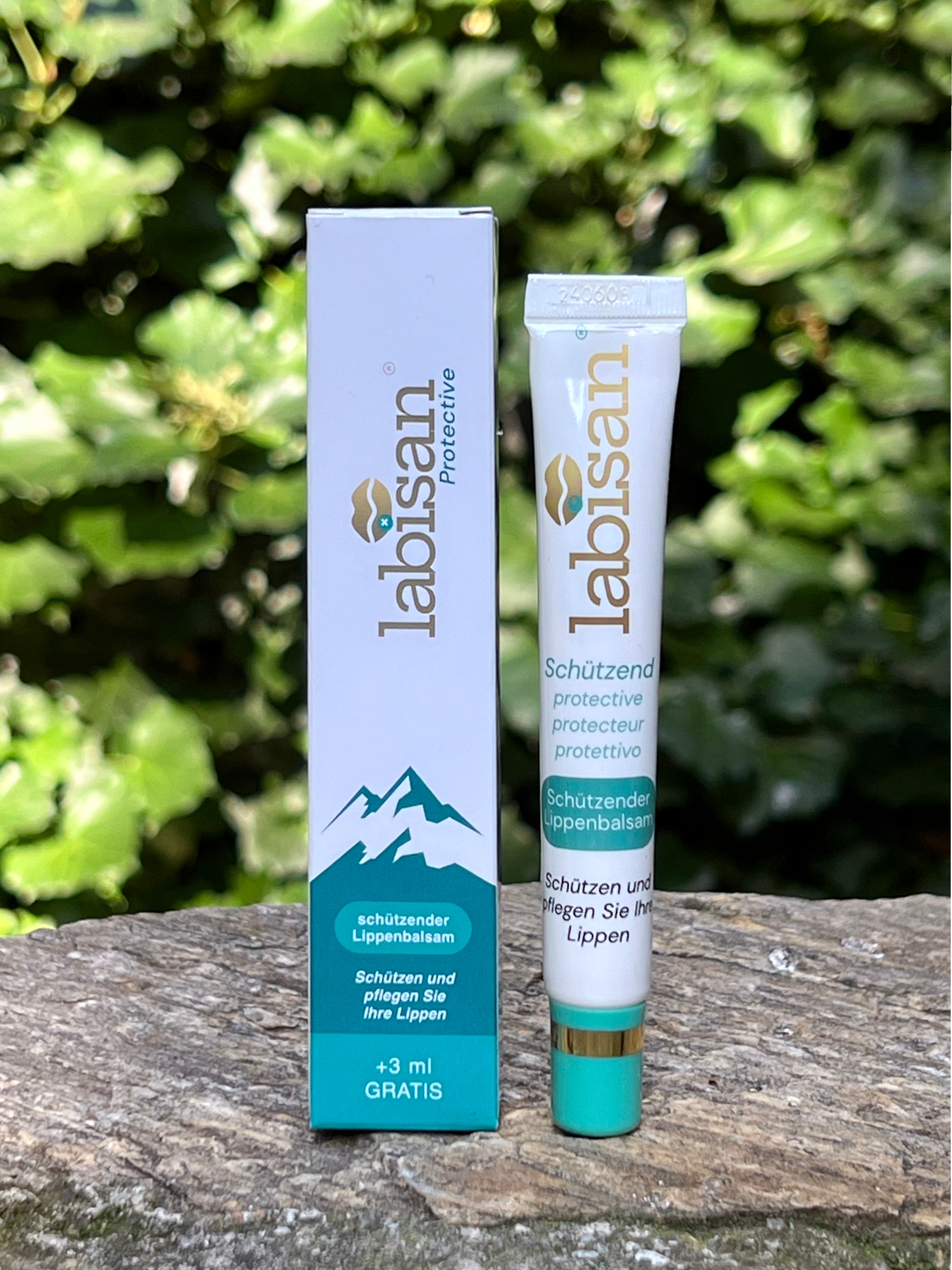
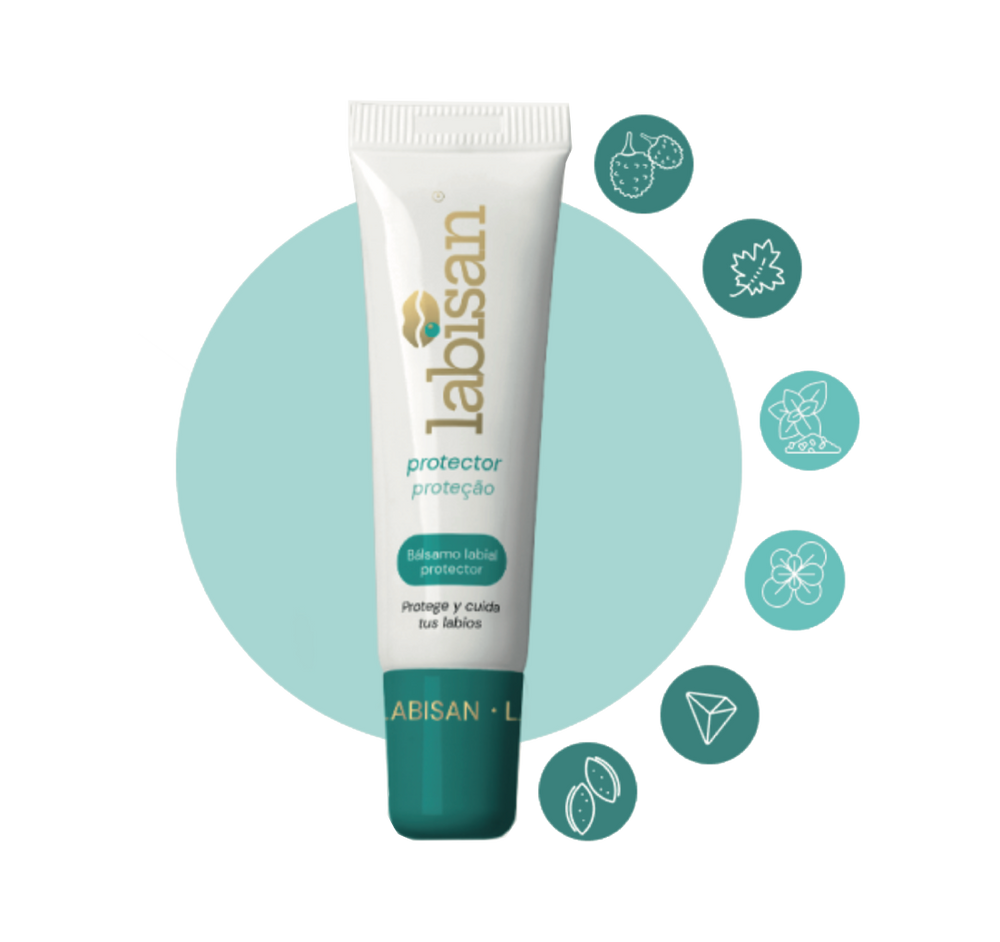
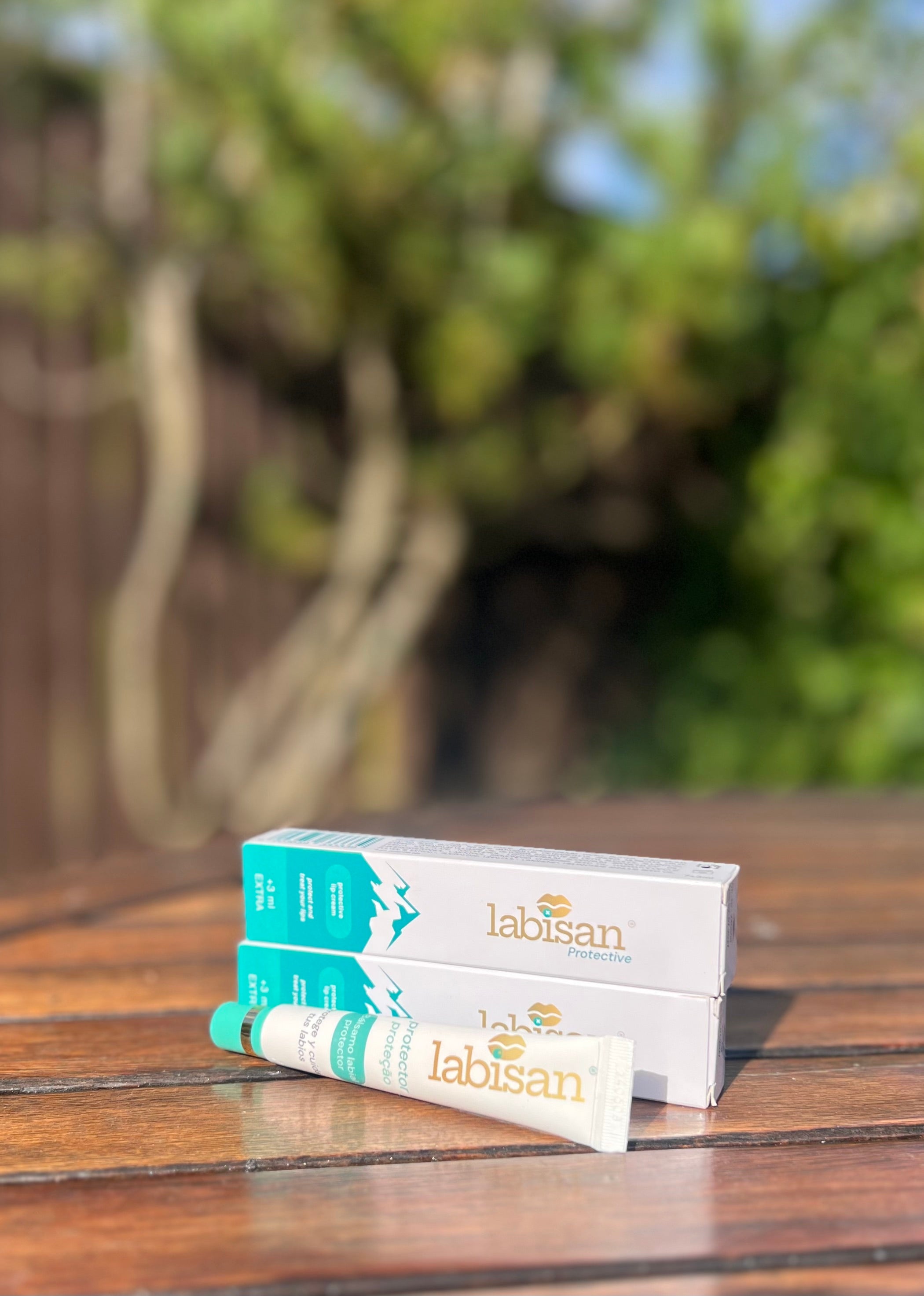
Labisan is built on the other half of the problem. Labisan Protective Lip Balm SPF 20 uses a photostable 22 percent zinc oxide system, shea butter for barrier repair, and manuka and oregano botanicals studied for antiviral activity in laboratory settings, in order to reduce the UV dose reaching the vermilion in the first place. That is prevention aimed squarely at the single most consistently identified reactivation trigger for HSV-1 lip outbreaks. Labisan Graviola Capsules work from the inside, supporting immune function to help reduce outbreak frequency over time. Neither product cures HSV-1 or HSV-2; no product does, because the virus persists in the trigeminal ganglion for life. The realistic goal is fewer episodes and fewer triggers, not eradication. The comparison worth making is one of timing, not quality. A treatment product is judged on how fast it resolves an outbreak; a prevention protocol is judged on how many outbreaks never start. We set out that logic in full in our Labisan versus Abreva cold sore comparison. If sunlight is a reliable trigger for you, the highest leverage intervention available is a photostable UV film that is actually still on your lip at hour three, which is why we ship the Labisan Protective Lip Balm SPF 20 in multi-packs: one in the jacket, one in the car, one in the bag. Reapplication only happens when the product is within reach.
Photostable Zinc Oxide Protection That Is Still There at Hour Three
Labisan Protective Lip Balm SPF 20
Single: $24.99 | Adventure Pack (3x): $59.97 | Family Bundle (5x): $89.95
Free EU shipping over $49, $19.99 worldwide. 30 day satisfaction guarantee.
Shop NowFrequently Asked Questions
Does mineral SPF need reapplying if zinc oxide does not photodegrade?
Yes. Photostability only removes the chemical failure mode. Mineral films are still removed mechanically by eating, drinking, licking, sweating and wiping, and lips are the highest friction site on the face. Reapply every 90 minutes outdoors, and immediately after any meal, drink or swim.
Why does my SPF 20 lip balm feel like it stops working sooner than two hours?
Two reasons usually combine. You almost certainly applied less than the 2 mg/cm2 laboratory dose, so effective protection started well below the labeled number; and lip-specific rub-off strips the remaining film faster than the label interval assumes. Apply a visible layer, then reapply once shortly after going outside.
Is a higher SPF a substitute for reapplying?
No. SPF 50 versus SPF 20 is a modest difference in the fraction of UVB blocked when both are correctly dosed, but a film that has been wiped away blocks nothing regardless of its printed number. Frequency of reapplication and thickness of application both outrank the SPF figure in real conditions.
Can lip SPF actually prevent a cold sore outbreak?
Controlled experimental UV challenge studies have shown sunscreen preventing UV-induced herpes labialis lesions, and UV is among the most consistently identified reactivation triggers. Real-world field results are more mixed, most plausibly because protection was not maintained across a full day outdoors. Prevention reduces one major trigger; it is not a guarantee and it is not a cure for HSV-1 or HSV-2.
Where do Graviola capsules fit in?
They address the internal side: immune support intended to help reduce how often outbreaks occur. They are not a treatment for an active lesion and make no claim to eliminate the virus. Used alongside consistent UV protection at the lip, the aim is fewer triggers from outside and better resilience from inside.