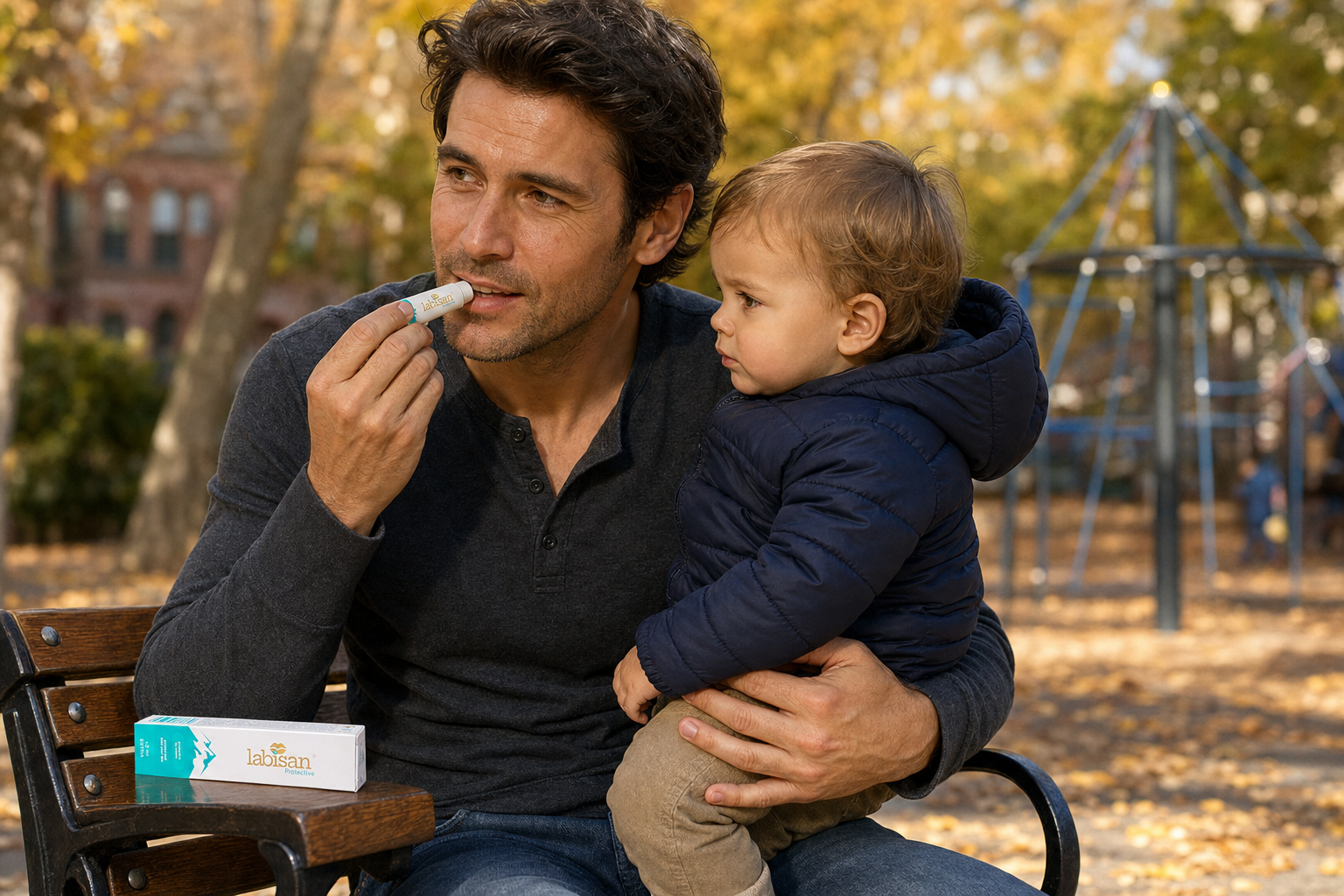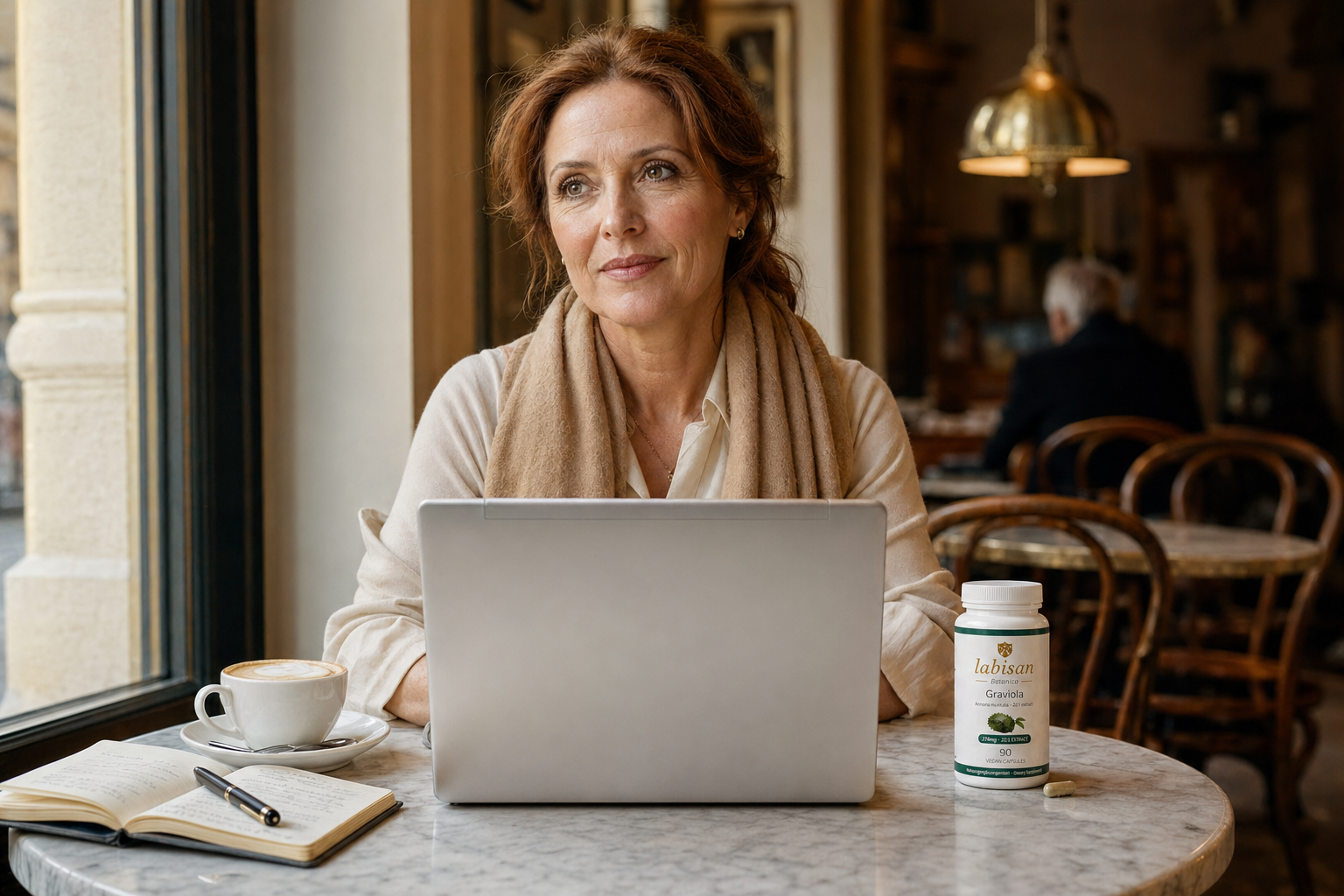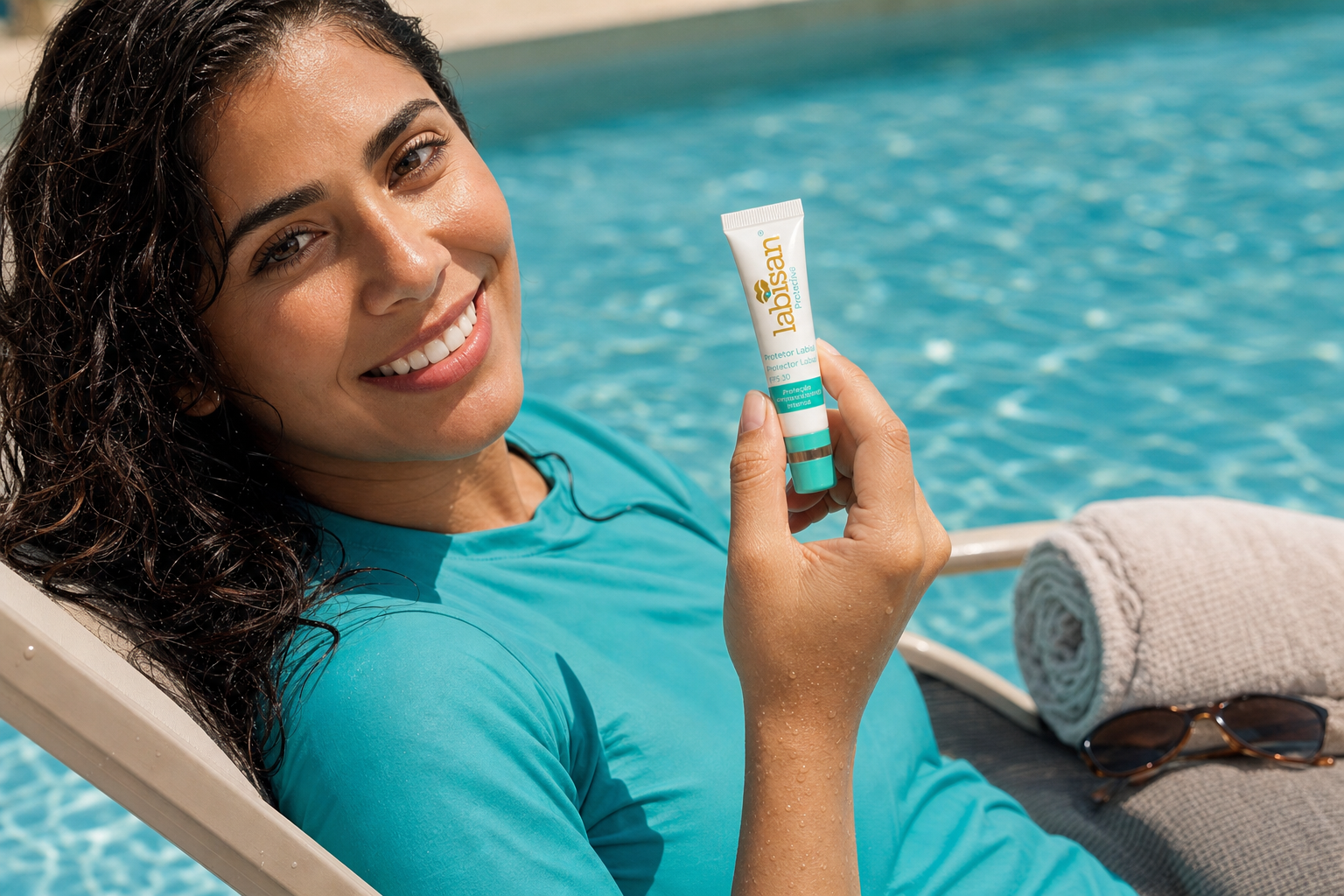
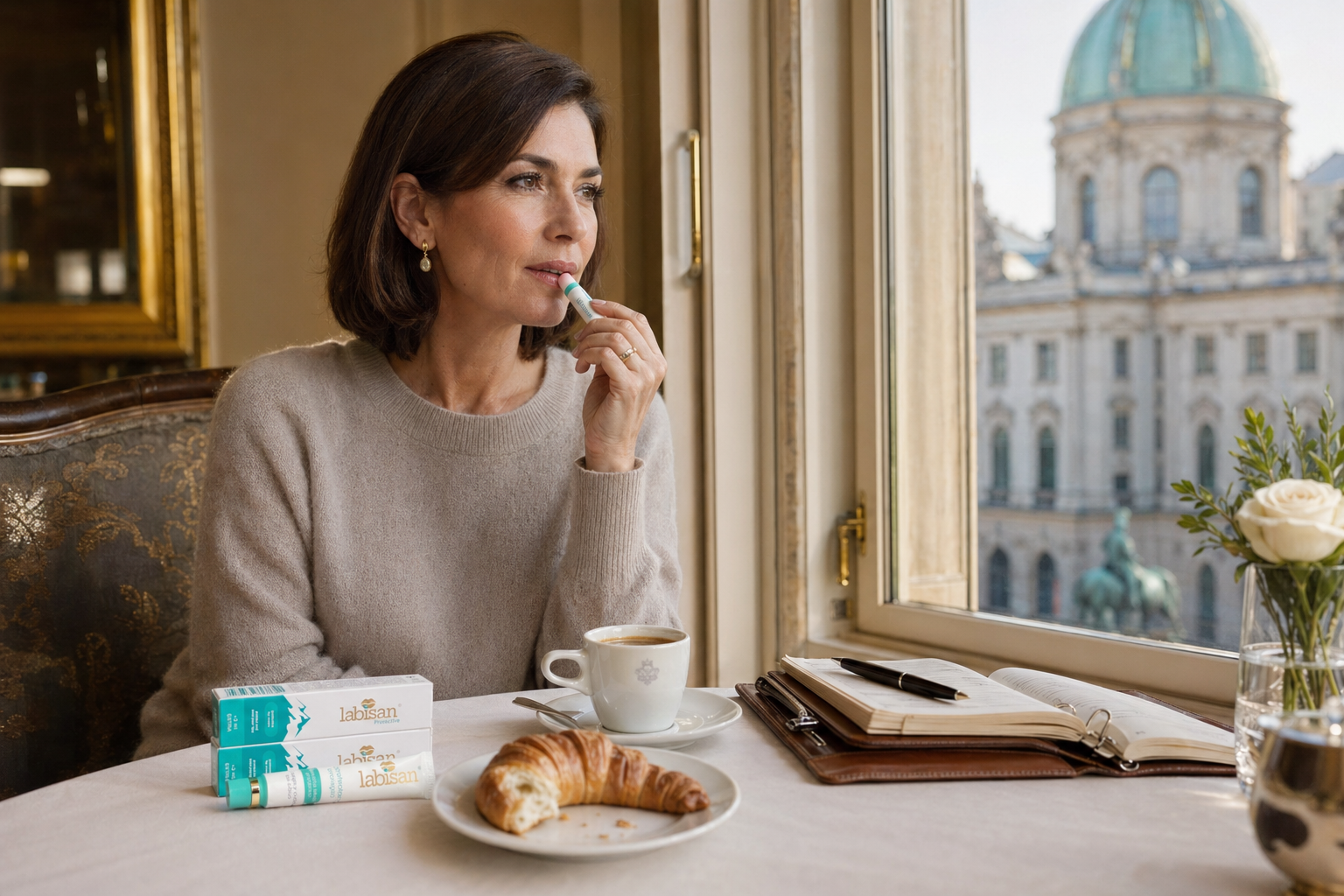
The trip frequency multiplier. Travel raises HSV-1 outbreak probability by a factor of 2 to 4 for recurrent sufferers, depending on the trip type. Summer beach trips multiply by roughly 3x. Ski weeks multiply by roughly 4x. Long-haul international flights multiply by roughly 2x. The mechanisms stack: sun exposure raises the UV trigger, altitude (whether at a ski resort or in a pressurised cabin) accelerates lip dehydration, time-zone-disrupted sleep suppresses immune containment, and the general stress of travel adds a third trigger axis on top.
The Labisan travel kit is designed to neutralise the three trigger axes at minimum carry-on weight. This post specifies exactly what to pack, exactly when to use it, and how the protocol differs across the three highest-risk travel scenarios.
The kit, every item
The complete Labisan travel kit fits in a sandwich-bag-sized pouch and weighs under 200 grams. It contains:
- 1 tube Labisan Protective Lip Balm (8g tube, the standard size). One tube covers a 7 to 14 day trip with the 4-application travel protocol below. Pack a second tube for trips longer than 14 days.
- 30 capsules Labisan 22:1 Graviola (decanted from the 90-cap bottle into a small pill case if you want to save space, OR carry the full bottle if you are checking luggage). 30 capsules covers 15 days at 2 caps maintenance, or 7 to 8 days at active-outbreak dosing if needed. Customs declarations: capsules are dietary supplements, declarable on the standard customs form, no prescription required.
- 1 small fragrance-free moisturiser (15 ml). Not Labisan-branded but pack one. Cabin air on long flights is roughly 10 percent humidity, which is drier than the Sahara. A separate face moisturiser supplements the lip balm during flights.
- 1 wide-brimmed hat or buff for the destination. Especially for beach, ski, or high-altitude trips. Physical UV shielding reduces the trigger dose at the lip even with the lip balm applied.
- 1 1-litre reusable water bottle. Hydration is the unsung trigger preventative. Dehydration accelerates lip dryness, which accelerates UV penetration, which initiates the cascade. Cabin and altitude hydration is functional medicine.
Five items. Under 200 grams. Fits anywhere.
Scenario 1: The summer beach trip
Beach trips deliver the highest sustained UV dose of any common travel scenario. Lip vermilion exposure on a sunny beach day is 4 to 6 times the everyday baseline, with sand reflection adding another 15 to 25 percent versus a grassy environment. Wind erodes the lip lipid barrier, salt water dries the surface, and the cumulative dose by day 3 is typically what triggers the outbreak in recurrent sufferers.
Pre-trip (1 week out):
- If not already on the capsule maintenance dose, start 2 capsules per day. Plasma steady state by day 7, in time for departure.
On the beach day:
- Apply Labisan topical at breakfast, with heavy coverage.
- Reapply on arrival at the beach (UV is hitting the lips from the moment you uncover, even walking from car to towel).
- Reapply every 90 minutes while on the beach. The reapplication interval is shorter than at altitude because sweat and water exposure remove the mineral film faster.
- Reapply after lunch, even if you have not been swimming.
- Final evening application before bed.
Total: 5 to 6 topical applications per beach day. 2 capsules per day continued. A typical 7-day beach trip uses 1 tube and 14 capsules.
Scenario 2: The ski week
Snow reflection plus altitude plus dry cold air plus wind makes the ski week the highest-risk single travel scenario for recurrent HSV-1 sufferers. See the dedicated ski lip post for the full breakdown of why day 3 is the classic outbreak day and how to block it.
Travel kit modifications for ski week:
- Carry 2 tubes of the topical, not 1. Cold gloves and pockets often forget where they put things. The redundancy is cheap insurance.
- Pack 21 capsules (full ski week plus buffer). The capsule maintenance continues every day.
- The buff is high-value at altitude. A buff pulled up over the lower lip for the bright sun windows between 11:00 and 14:00 is a free additional UV layer on top of the topical.
- The water bottle goes everywhere. Alpine air at -10°C and altitude is the most dehydrating environment most travellers ever experience. Lip cracking from dehydration is what opens the door for the UV trigger.
Scenario 3: The long-haul international flight
Long flights produce a different trigger profile. The UV exposure is minimal (window seats get a bit of sun but the cabin filters most of it). The dominant triggers are dehydration (cabin air is 10 to 15 percent humidity), sleep disruption (time zones, cramped seating, noise), and the systemic stress of travel. Outbreaks from a long flight typically appear on day 1 to day 3 after arrival, often at the worst possible moment when the trip is meant to begin.
Travel kit usage for long flights:
- Apply the topical at the gate before boarding (start the trip with a fresh layer).
- Reapply at takeoff, mid-flight (when you would naturally use the bathroom), and 1 hour before landing. A 10-hour flight is 4 applications.
- Take a capsule with each meal on the flight (the airline meals act as the food companion the capsule needs). This is the same 2 capsules per day maintenance dose, just shifted to the flight schedule.
- Drink water aggressively. Skip alcohol and caffeine for the flight. Both accelerate dehydration. A typical 10-hour flight needs 2 to 3 litres of water.
- Apply the topical heavily before any attempt to sleep on the flight. The overnight portion is when lip dehydration peaks.
- Apply once more on arrival before leaving the airport. The arrival application is the most important because it covers the immediate post-flight stress window when many outbreaks begin.
The 5-minute pre-flight routine
Twenty four hours before a long-haul departure, run this 5-minute routine:
- Apply the topical at bedtime the night before. Helps consolidate lip barrier overnight before travel.
- Pack the kit in carry-on. Liquids rules: the topical is solid wax at room temperature and is not affected by liquid-volume rules. The capsules are tablets, also unrestricted.
- Set a phone reminder for "lip balm" at the gate, mid-flight, and arrival. The hardest part of travel-protocol adherence is remembering during sleep deprivation. The reminder solves it.
- Hydrate for the 24 hours before departure. Pre-loading hydration helps cabin dehydration not deplete you to a deficit.
What to do if a tingle appears mid-trip
Despite the protocol, occasional outbreaks still occur on trips, particularly for sufferers who have not yet reached steady state on the prevention protocol (less than 30 days on continuous use). If you feel a tingle on a trip:
- Switch immediately to the active outbreak topical schedule: 4 topical applications per day with extra coverage on the felt spot
- Increase capsule dose to 4 per day for the next 3 days (you have packed enough for this; the standard kit accounts for active-outbreak escalation)
- Sleep matters more than usual. Prioritise the next 2 nights even if it means missing some of the trip activities. Recovery sleep accelerates immune containment significantly.
- Reduce sun exposure of the lip specifically. Hat or buff up. The trigger has been initiated, no need to add more.
Outbreaks intercepted at the tingle stage on the protocol typically resolve in 4 to 5 days rather than the typical 7 to 10. You may finish the trip with the outbreak still visible but the worst of it (the vesicle and acute pain stage) will be behind you by day 3.
The kit also doubles as a daily-life travel improvement
Most users who travel with the Labisan kit for the first time end up keeping a smaller version of it in their daily-carry permanently. The morning lip-balm habit transfers from "trip protocol" to "everyday wellness anchor" and the capsule maintenance just continues as it would have at home. The trip protocol is essentially the daily protocol with the dose timing shifted to match the time zone and the application frequency raised to match the UV exposure.
Both products are available individually and as a bundle on labisan.shop. The travel-bundle option includes 1 tube and a 30-capsule pill case sized for a 2-week trip.