The cold sore category is argued almost entirely on efficacy, and the efficacy differences between the mainstream options are genuinely small. What is rarely compared is tolerability, which is odd, because tolerability is what actually determines whether a treatment gets used correctly. A cream dosed five times a day that stings on application will not be applied five times a day. A patch that lifts every time you drink coffee will end up in the bin by lunchtime. A supplement that upsets your stomach at the dose studied is a supplement you will quietly stop taking in week two.
So here is the comparison nobody publishes: what each of the main options does to your skin and your gut, based on the safety data reported in their trials rather than on packaging claims. Prescription oral antivirals are described only in general terms here, because those are a conversation for your doctor rather than a shelf decision.
Tolerability at a Glance
| Option | Most reported issues | Usage burden | Main watch out |
|---|---|---|---|
| Docosanol 10 percent cream | Headache, application site burning or stinging, dryness | Five applications a day until healed | Adherence, not safety. The dosing schedule is the hard part |
| Oral lysine | Nausea, stomach pain, bloating, diarrhoea at higher doses | Daily, ongoing, for prevention | Gastrointestinal tolerance above roughly 6 g a day |
| Topical lysine balms | Reactions to the base, not usually the lysine | Several times daily | Fragrance, propolis, lanolin and menthol in the vehicle |
| Hydrocolloid patches | Adhesive irritation, adhesion failure, edge lifting | Replace when saturated or lifted | Peeling one off can strip a forming scab |
| Oral antivirals (prescription) | Systemic effects such as headache and nausea are commonly listed | Short course, started very early | Doctor only. Kidney function and interactions matter |
| SPF lip balms | Contact and photocontact allergy to chemical UV filters | Daily, reapplied through the day | Filter choice. Oxybenzone is the most reported UV filter allergen |
Docosanol 10 Percent Cream
Docosanol is the main over the counter topical antiviral option in this category, and its safety dataset is unusually large for a shelf product. Across the double blind clinical trial programme for recurrent orofacial herpes simplex, 1008 patients were treated with docosanol cream 10 percent and 989 with placebo.
The most frequently reported adverse event was headache, occurring in 10.4 percent of docosanol users and 10.7 percent of placebo users, which is to say the rate was indistinguishable from the vehicle. Application site reactions including burning and stinging have also been reported. The pivotal multicentre randomised placebo controlled trial published by Sacks and colleagues in the Journal of the American Academy of Dermatology in 2001 concluded that adverse experiences with docosanol were mild and similar to those with placebo, with a median healing time of 4.1 days against placebo, roughly 18 hours faster.
The honest tolerability verdict: docosanol is genuinely well tolerated. Its practical problem is not safety, it is compliance. The regimen is five applications a day until the lesion heals, which over a seven day episode is around 35 separate applications, each one requiring clean hands or a clean applicator. Most people do not manage it, and a partially applied topical is a partially effective one. It is also not intended for use in or near the eyes, and product guidance restricts unsupervised use in younger children.
Lysine, Oral and Topical
Lysine occupies a strange position: widely used, modestly evidenced, and generally very safe within normal supplement doses. A systematic safety assessment of oral L-lysine intake reviewed studies spanning daily doses from 16.8 mg to 17,500 mg over periods from one day to 1095 days. The adverse events reported were mainly subjective gastrointestinal symptoms, specifically nausea, stomach ache and diarrhoea, and the review identified a provisional no observed adverse effect level in healthy subjects of 6.0 g per day based on those gastrointestinal symptoms.
That figure is useful context, because typical cold sore prevention doses sit around 1 to 3 g per day, comfortably below it. People who run into trouble are usually those who escalate to high gram doses during an outbreak, take it on an empty stomach, or split it poorly. Splitting the daily total across meals resolves most of it. Isolated reports of renal effects exist in the literature and are the reason anyone with kidney disease should not self prescribe lysine at high doses.
Topical lysine balms are a different product entirely, and here is the point most reviews miss: the lysine is rarely what causes a reaction. The vehicle is. Lip products in this category commonly carry fragrance, flavouring compounds, propolis, lanolin, menthol, camphor or phenol, and those are established contact allergens or irritants. Menthol and camphor in particular create a cycle familiar to anyone who has over used a medicated lip product, where the cooling sensation masks progressive dryness and you apply more. If a lip product stings on a healing lesion, read the full ingredient list rather than assuming the active is the problem. We compared the efficacy side of this question in lysine versus docosanol.
Hydrocolloid Patches
Patches are the most interesting entry here because they are not pharmacological at all. A hydrocolloid dressing works by maintaining a moist wound environment and physically covering the lesion, which is standard wound care practice applied to a lip.
The largest comparative trial, published by Karlsmark and colleagues in the Journal of the European Academy of Dermatology and Venereology in 2008, randomised 351 people with an active herpes labialis outbreak to a hydrocolloid cold sore patch or aciclovir cream 5 percent. Median healing time was 7.57 days with the patch and 7.03 days with the cream, a difference that was not statistically significant, and the authors reported that both treatments were well tolerated. The patch scored on lesion protection, discretion and reduced social embarrassment, which are real outcomes for anyone who has to sit in a meeting.
The honest tolerability verdict: the issues with patches are mechanical rather than toxicological. Adhesive contact irritation happens, particularly with repeated application to the same inflamed area. Adhesion itself is the bigger practical problem, since the vermilion border is a mobile, frequently wet surface, and eating, drinking and talking all work against a dressing. The specific risk worth flagging is removal. Peeling off a patch that has bonded to a forming scab can strip it and reopen the wound, adding days to the crust stage, which is already the longest phase of the cold sore timeline. Soften the edges with warm water and lift slowly rather than pulling.
Prescription Oral Antivirals
These are the most potent episodic option available and they are, correctly, prescription only in most markets. We are not going to give dosing guidance, because the right regimen depends on your kidney function, your other medications, how often you get outbreaks and whether episodic or suppressive treatment fits your pattern. That is a doctor's assessment.
What is worth saying generally is this. Systemic treatment means systemic side effects are possible where a topical would produce none, and the commonly listed ones for this drug class include headache and nausea. Dose adjustment in renal impairment is a standard consideration for the class. Interactions and suitability during pregnancy or breastfeeding need individual assessment. And the practical constraint that most people underestimate is timing: the published benefit of episodic oral therapy depends heavily on starting within the first hours of the prodrome, which usually means having a plan agreed with your doctor in advance rather than trying to get an appointment on day two of an outbreak.
If you get frequent, severe or complicated outbreaks, if you are immunosuppressed, or if a lesion has not healed after two weeks, this is the route to be discussing rather than another shelf product.
SPF Lip Balms, Where the Real Allergen Risk Sits
This is the option people assume is the innocuous one, and in allergy terms it is the one with the most documented reactions, because the variable is the ultraviolet filter rather than the balm.
Reviews of UV filters and their allergic potential consistently identify oxybenzone, also called benzophenone-3, as the most frequently reported contact and photocontact allergen among all UV filters. Octocrylene has drawn increasing reports of both contact allergy and photocontact allergy. Photoallergic contact dermatitis is the awkward variant, where the filter is not itself the allergen but becomes one after ultraviolet light alters it on the skin, which means the reaction only appears on exposure and is easy to misattribute to something else entirely.
Mineral filters behave differently. Zinc oxide and titanium dioxide sit on the skin surface and physically scatter and absorb ultraviolet rather than being absorbed into it, and are correspondingly much less likely to provoke allergic reactions. Zinc oxide additionally has recognised soothing properties on irritated skin, which is a useful property on a lip that is already inflamed.
Two further points specific to lips. First, everything you put on your lips is partially ingested, so filter choice is not purely a dermatological question. Second, a lip balm's flavouring is a common source of cheilitis in its own right, independent of the SPF. If you are reacting to a lip product and cannot work out why, a mineral filtered, fragrance free, flavour free option is the sensible reset. Our best lip balm for cold sores top 5 comparison breaks the category down on exactly these criteria, and the filter question specifically is covered in zinc oxide lip balm for cold sores.
How to Choose Given All of That
Match the tool to the moment rather than looking for a single best product.
If you catch it at the tingle, a topical antiviral is the right shelf choice, and if your outbreaks are severe or frequent, an oral antiviral plan agreed with your doctor in advance is a better one. The efficacy of everything in this category collapses if you start late.
If you are already blistered or weeping, protection and moist healing are what remain available to you. A patch or a clean occlusive layer applied with a cotton bud does more at this point than a late started antiviral.
If you have sensitive skin or a history of reacting to sunscreens, choose mineral filters and skip fragrance and flavour entirely.
If your problem is frequency rather than severity, the treatment shelf is the wrong shelf. Everything on it acts after reactivation has already started. Prevention is a different exercise, and the single best evidenced external lever is ultraviolet blocking, which sits on the outside of your body and is simply not addressed by anything you take afterwards.
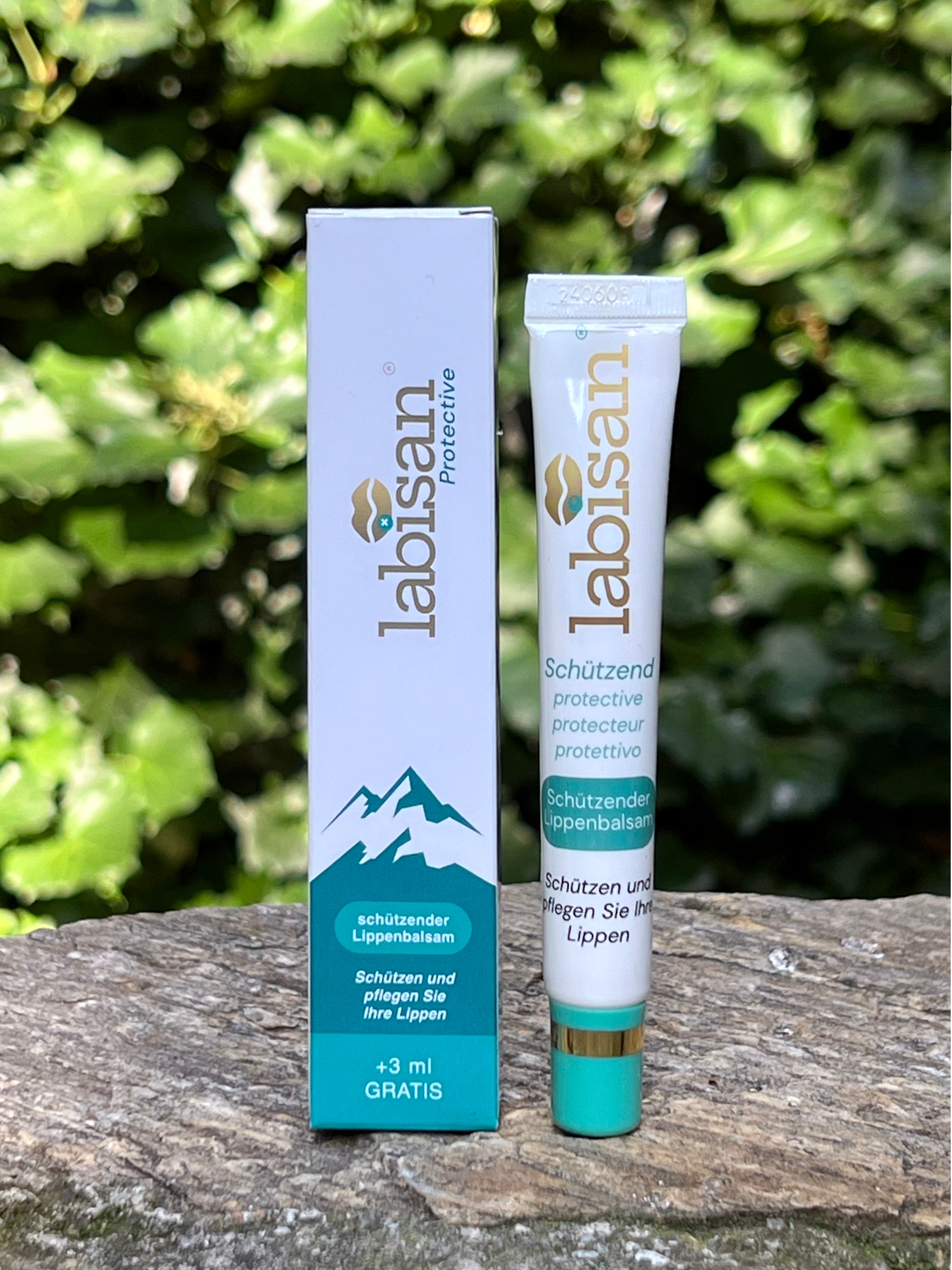
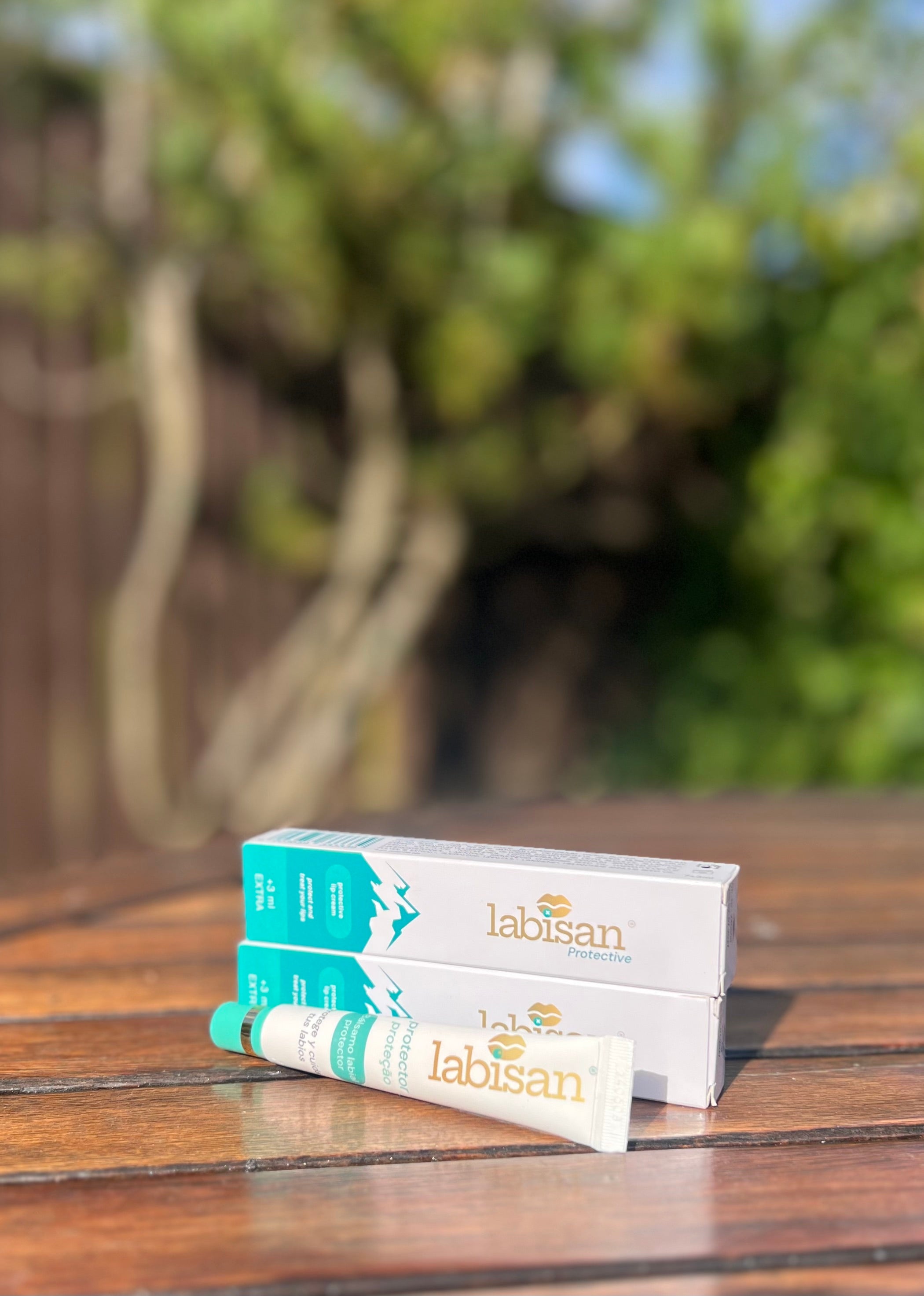
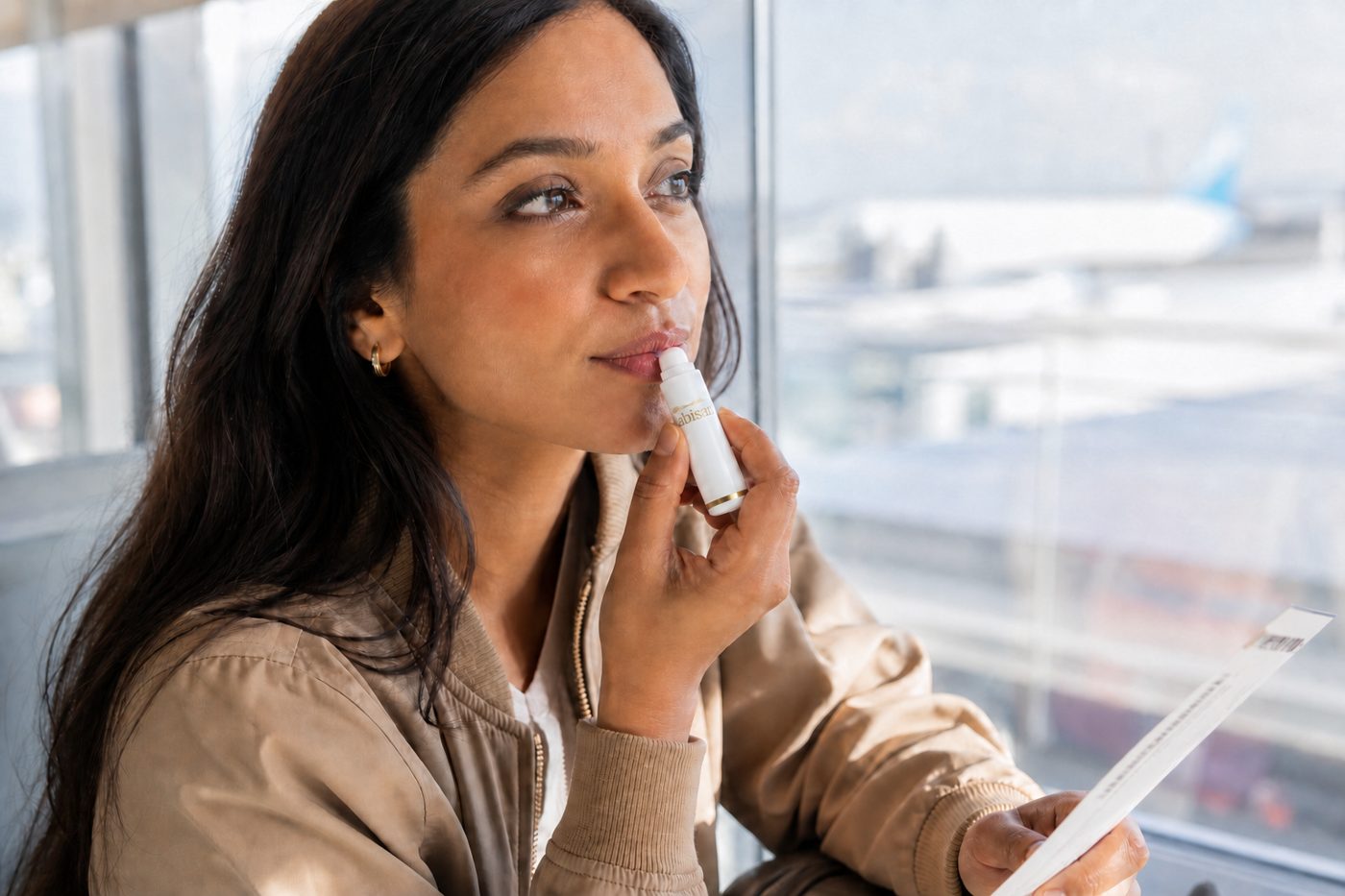
That is the reasoning behind Labisan Protective Lip Balm SPF 20. It uses zinc oxide as a physical ultraviolet filter, the lower allergenic risk option, alongside shea butter and manuka oil to hold the barrier through cold, wind and altitude. It is a daily prevention tool rather than a treatment, and we will not describe it as a cure for anything. For the full stage by stage routine, including what to reach for at each point in an active outbreak, follow the Labisan cold sore protocol.
Mineral Filter, No Fragrance, Built for Daily Use
Labisan Protective Lip Balm SPF 20
Single: $24.99 | Adventure Pack 3x: $59.99 | Family Bundle 5x: $89.99
Free EU shipping over $49, $19.99 worldwide. 30 day satisfaction guarantee.
Shop NowFrequently Asked Questions
Which cold sore treatment has the fewest side effects?
On reported adverse events, docosanol 10 percent cream and hydrocolloid patches are both very well tolerated. In the docosanol trial programme, headache was reported in 10.4 percent of treated patients versus 10.7 percent on placebo, effectively no difference, and the 2008 Karlsmark trial found both a hydrocolloid patch and aciclovir cream well tolerated. The patch has no pharmacological action at all, so its issues are mechanical rather than systemic. The trade off with docosanol is the five times daily dosing schedule, which most people do not complete.
Can lysine upset your stomach, and at what dose?
Yes. A systematic safety review of oral L-lysine found the adverse events were mainly gastrointestinal, specifically nausea, stomach ache and diarrhoea, and identified a provisional no observed adverse effect level in healthy subjects of 6.0 g per day based on those symptoms. Typical cold sore prevention doses of 1 to 3 g per day sit well below that. Problems usually appear when people escalate to high gram doses during an outbreak or take the full amount at once on an empty stomach. Splitting the dose across meals fixes most of it. Anyone with kidney disease should not self prescribe high dose lysine.
Why does my SPF lip balm sting or make my lips worse?
Most often it is either the ultraviolet filter or the flavouring rather than anything else in the formula. Reviews of UV filter allergy consistently identify oxybenzone as the most frequently reported contact and photocontact allergen among UV filters, with octocrylene increasingly reported too. Photoallergic reactions only appear after sun exposure, which makes them easy to misattribute. Zinc oxide and titanium dioxide sit on the surface rather than being absorbed and are much less likely to provoke reactions. Fragrance, flavour, menthol and propolis in lip products are separate common culprits.
Are cold sore patches safe to use on a lesion that has already burst?
They are designed for exactly that situation, since hydrocolloid dressings work by maintaining a moist wound environment over an open lesion, and the 2008 comparative trial reported them as well tolerated. The care point is removal. If the dressing has bonded to a forming scab, pulling it off can strip the scab and reopen the wound, which adds days to the longest phase of the episode. Soften the edges with warm water and lift slowly, and change the patch when it is saturated rather than leaving it on indefinitely.
Should I ask my doctor about prescription antivirals instead of buying something over the counter?
It is worth the conversation if your outbreaks are frequent, severe, unusually long, or if you are immunosuppressed, and it is necessary if a lesion has not healed after two weeks or there is any eye involvement. Oral antivirals are the most potent episodic option available, but they are systemic medicines with considerations around kidney function, interactions, and use in pregnancy, so the assessment has to be individual. The practical tip is to have the plan agreed in advance, because the published benefit depends on starting within hours of the first tingle.
This article is educational and is not medical advice. It does not diagnose or treat any condition and does not constitute guidance on prescription medicines. Speak to a doctor or pharmacist about your own situation, particularly before starting a supplement, if you are pregnant or breastfeeding, if you take prescription medication, or if a lesion is not healing normally.