Graviola is one of the few supplements that manages to be oversold and unfairly dismissed at the same time. Search for it and you will hit two walls immediately. On one side, pages claiming a tropical fruit outperforms chemotherapy, which is both false and the kind of claim that gets people hurt. On the other, sceptics who wave the whole plant away as dangerous folk medicine with a Parkinson's problem attached. Neither of those is what the literature says.
We sell graviola capsules, so you should read the next 2,000 words with your guard up and check anything that matters to you against the primary sources, which we have named throughout. Our position going in is straightforward: the laboratory work on Annona muricata is genuinely interesting, the human clinical evidence is effectively absent, the safety signal is real but specific rather than general, and whether a graviola supplement is worth buying depends almost entirely on three manufacturing decisions most brands will not disclose. If those three boxes are not ticked, our honest answer is no, do not buy it, including from us.
What is actually in the plant
More than 200 compounds have been catalogued in Annona muricata. Over 100 of them belong to a single unusual family, the annonaceous acetogenins, which are long chain fatty acid derivatives found almost nowhere else in the plant kingdom. Alongside those sit conventional flavonoids including quercetin and kaempferol, and alkaloids such as reticuline.
The acetogenins are the reason anyone is interested. They are potent inhibitors of complex I of the mitochondrial respiratory chain, which is to say they interfere with how cells generate ATP. Annonacin is the most abundant of them in this species. That single pharmacological fact drives both the enthusiasm and the caution, because a compound that shuts down mitochondrial energy production is exactly the kind of thing that looks impressive against fast metabolising cells in a dish, and exactly the kind of thing you would want quantified before swallowing it daily for years.
The laboratory evidence, which is real and often misrepresented
The cell and animal literature here is not junk. Torres and colleagues published in Cancer Letters in 2012 on a graviola extract against pancreatic cancer cells in vitro and in mouse models, reporting induced necrosis through inhibition of cellular metabolism, with downregulation of HIF-1 alpha, NF-kappaB, GLUT1, GLUT4, hexokinase II and lactate dehydrogenase A. Dai and colleagues published in Nutrition and Cancer in 2011 on selective growth inhibition of human breast cancer cells by a graviola fruit extract in vitro and in vivo, involving downregulation of EGFR expression. Rady and colleagues pulled the mechanistic literature together in a 2018 review in Oxidative Medicine and Cellular Longevity.
Those are real papers in real journals with plausible, specific mechanisms. And here is the sentence that every graviola marketing page omits: none of it is evidence about people. Preclinical oncology has a brutal translation rate. The overwhelming majority of compounds that shrink tumours in mice never demonstrate benefit in human trials, and cell culture concentrations frequently bear no relationship to anything achievable in human plasma from an oral capsule.
Memorial Sloan Kettering's herb database is blunt about the state of play, and the 2020 EFSA supported risk assessment on the use of Annona muricata in food supplements put it plainly as well: no studies were found assessing the efficacy of A. muricata extracts on the various cancers. Not negative studies. No studies.
So let us be completely explicit, because this is where the category earns its bad reputation. Graviola is not a cancer treatment. It is not a treatment for any disease. Nobody, including us, is entitled to describe it as one, and if you have a serious illness, the correct response to a supplement page is to close it and talk to your oncologist. What graviola can honestly be positioned as is a botanical used in daily wellness routines, with a long ethnobotanical history and interesting but unproven pharmacology.
The safety signal, in proportion
This is the part sceptics get right and supplement brands skip, so we will give it the space it deserves.
In 1999, Caparros-Lefebvre and Elbaz published a case control study in The Lancet connecting an unusual cluster of atypical parkinsonism in Guadeloupe with habitual consumption of tropical plants, Annonaceae prominent among them. In 2004, Champy and colleagues showed in Journal of Neurochemistry that annonacin, infused into rats, produced nigral and striatal neurodegeneration, giving the epidemiological association a mechanism.
Then in 2005, in Movement Disorders, Champy and colleagues did the piece of work that should govern how anyone buys this plant: they quantified how much annonacin is actually in each preparation. An average fruit contains roughly 15 mg of annonacin. A can of commercial nectar contains roughly 36 mg. A cup of leaf infusion or decoction contains roughly 140 micrograms, which is around a hundredfold less than the fruit. And the line that matters most: an adult consuming one fruit or one can of nectar a day would ingest over a year approximately the amount of annonacin that induced brain lesions in the rats given purified annonacin by infusion.
Read that carefully, because it is more specific than the internet summary of it. The exposure of concern is habitual, long term, high volume consumption of whole fruit and commercial nectar, not the existence of the plant. The 2020 EFSA supported assessment reached a correspondingly careful conclusion: there are indications of neurotoxic potential in certain A. muricata preparations, substantial uncertainties remain, and the paucity of long term data means no safe intake level can currently be established.
The correct reaction to that is not panic and it is not dismissal. It is measurement.
The question the plant part debate is really a proxy for
Most graviola buying advice online reduces to leaf good, fruit bad, on the basis of the Champy fruit numbers. It is an understandable shortcut and it is not quite right, because it confuses the raw plant material with the finished product.
Acetogenins are lipophilic. That single property drives the whole Champy result: a cup of hot water infusion carries a hundredfold less annonacin than a fruit not because leaves are inherently safe, but because hot water is an inefficient extractor of fat soluble compounds. Which means the annonacin content of any finished extract is a function of the extraction method at least as much as of the plant part, and eating an unmeasured whole fruit every day is a completely different exposure from taking a defined, water extracted, quantified dose of the same botanical.
The practical consequence is that neither "leaf" nor "fruit" on a label tells you what you need to know. The only thing that answers the safety question is a number: how much annonacin is in this batch. A brand that prints "leaf" and never measures is not safer than a brand that prints "fruit" and publishes per batch annonacin testing. It is simply less informed about its own product.
| Evidence tier | What exists for graviola | What it supports | What it does not support |
|---|---|---|---|
| Traditional use | Centuries of ethnobotanical use across the tropics | Reason to investigate | Any efficacy claim |
| In vitro | Extensive acetogenin and flavonoid work, complex I inhibition | Plausible mechanisms | Human outcomes at oral doses |
| Animal | Torres 2012 pancreatic, Dai 2011 breast, plus others | Preclinical signal worth following | Clinical benefit in people |
| Human trials | None assessing efficacy on cancers per the 2020 EFSA supported assessment | Nothing | Every disease claim made for graviola |
| Safety data | Guadeloupe case control 1999, rat annonacin 2004, Champy quantification 2005, EFSA 2020 | Dose quantification and cycling | Unmeasured daily whole fruit or nectar habits |
The verdict: worth it, under three conditions
Our answer is a qualified yes, and the qualifications are not decoration. If a graviola product fails any one of these, we think you should keep your money.
Condition one: the sourcing is named and the extraction is a defined method
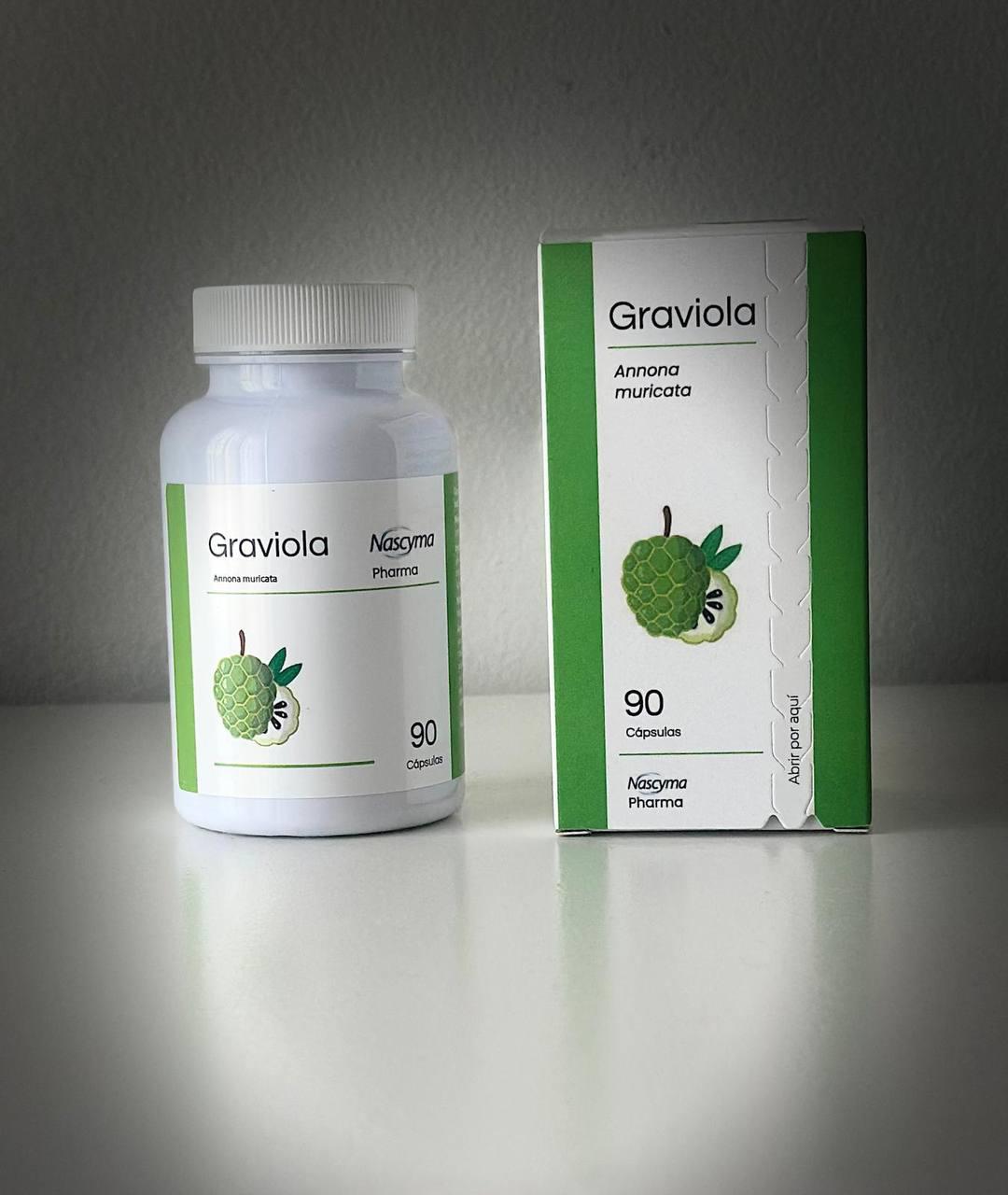
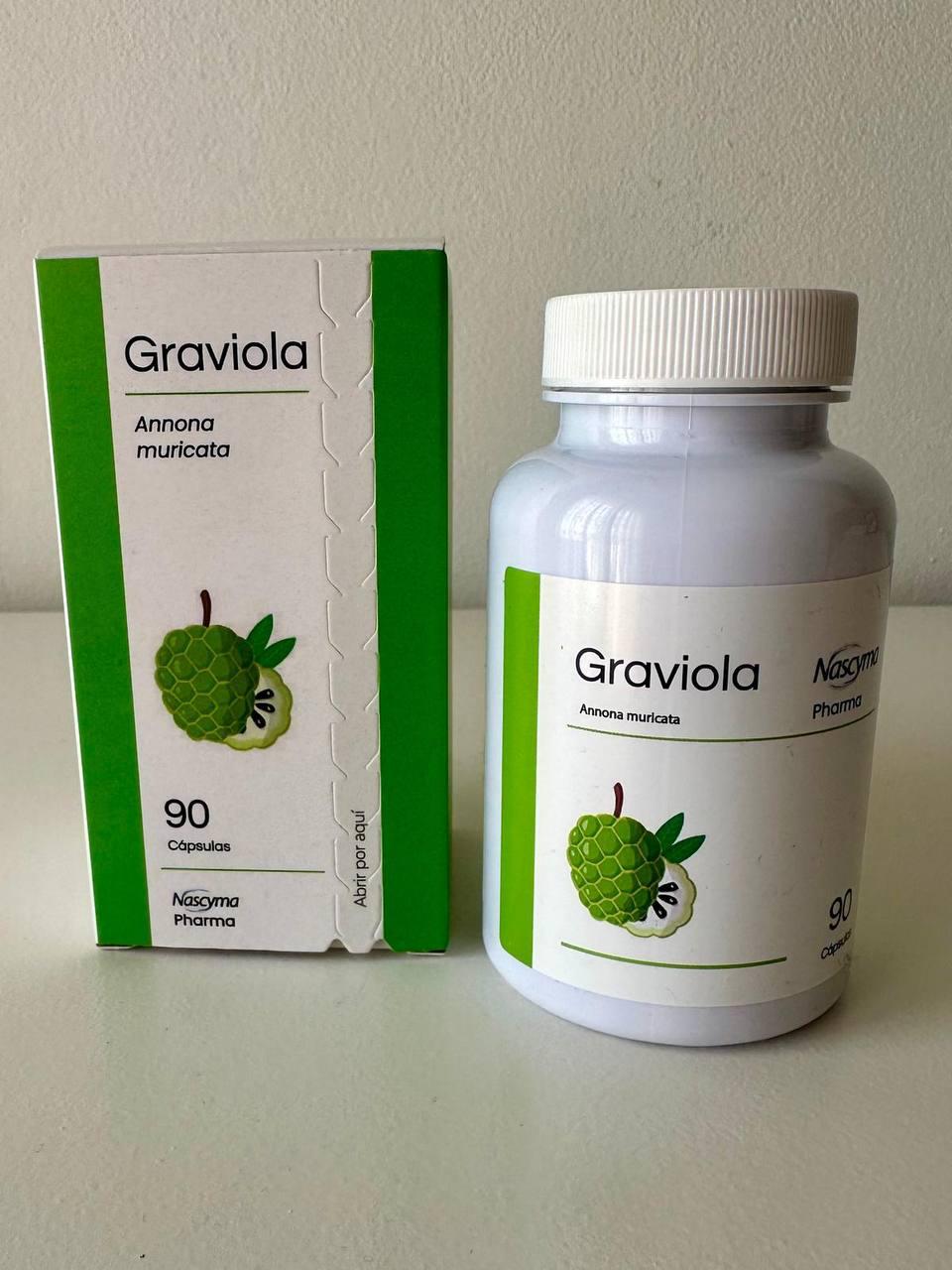
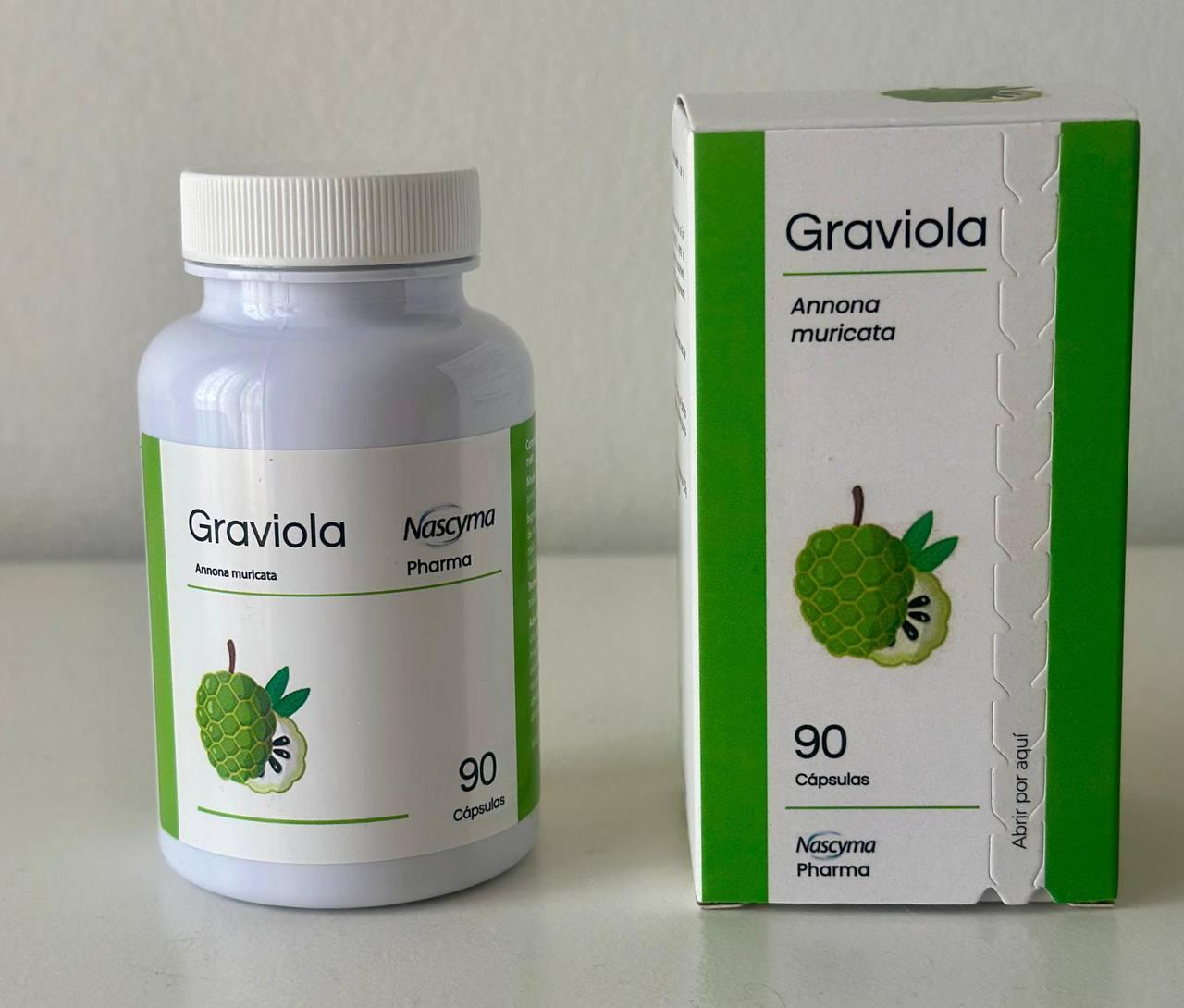
The label should tell you which part of the plant you are taking and how it was extracted. "Graviola 8000 mg" with no plant part and no method is not a specification, it is a headline. Our own capsules use a water extract of the fruit pulp, the part with the longest history of ordinary food use, made by a method chosen and then verified against the acetogenin question rather than assumed to be fine.
Condition two: a real extract ratio, printed
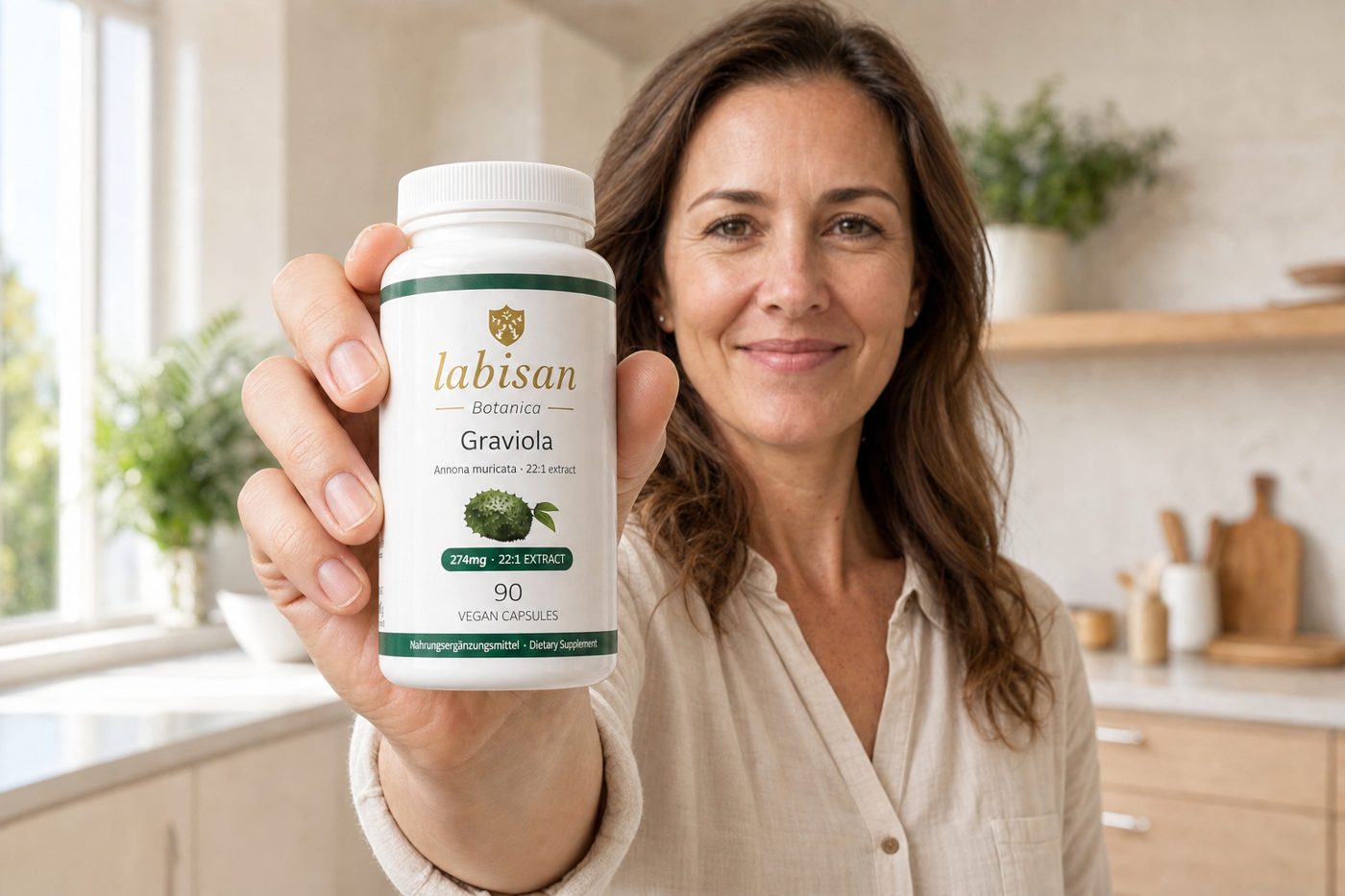
A milligram number on the front of a bottle is usually a raw herb equivalent, not the weight of anything in the capsule. A 22:1 extract means 22 parts of raw material were concentrated into one part of extract, so 274 mg of that extract corresponds to roughly 6,028 mg of raw graviola. That is a meaningful, checkable statement. A 4:1 leaf extract is a different and weaker product, and a bottle with no ratio at all is telling you nothing whatsoever about concentration. We wrote the full arithmetic up in is graviola effective in capsule form, and compared the ratios across the market in the best graviola supplements, ranked.
Condition three: per batch annonacin testing, published
This is the condition that actually matters and the one almost nobody in the category meets. Given the Champy quantification and the EFSA position that no safe intake level can currently be established, the responsible thing for a manufacturer to do is quantify annonacin in every batch and publish the certificate. Not test once at launch. Not test the raw material and hope. Every batch, on paper, available to the buyer. Labisan Graviola Capsules are built to that standard because we could not construct an honest argument for selling this particular botanical any other way.
Add one behavioural condition of our own on top of those three: cycle it. Given the long term data gap, we do not think anyone should take any acetogenin containing botanical continuously and indefinitely, and we say so even though continuous use would sell more capsules.
The honest takeaway
Is graviola worth it? If you are looking for something to act on a disease, no, and no honest reading of the literature gets you to yes. If you are looking for a daily wellness botanical with a genuinely interesting pharmacological profile and you accept that the human efficacy evidence does not yet exist, then it can be worth it, provided the product in your hand names its sourcing, prints a real ratio and publishes annonacin numbers batch by batch. That is a narrow yes, and it should be.
One last piece of context, since most people who find our graviola page arrive from the cold sore side of our catalogue. A capsule works from the inside and cannot address external triggers at all. The best documented external trigger for herpes labialis is ultraviolet light: in a 1991 Lancet trial, 71 percent of susceptible subjects developed a cold sore after experimental UV exposure with placebo applied, and none of 35 did when sunscreen was applied to the lip first. No supplement, ours included, does anything about that photon. If cold sore prevention is your actual goal, Labisan Protective Lip Balm SPF 20 is the product with the evidence behind it, and graviola is at most a general wellness layer alongside it, never a substitute and never a treatment.
Graviola With the Numbers Published
Labisan Graviola 22:1 Fruit Extract Capsules
Single: $44.99 | 3-Pack: $119.97 | 5-Pack: $179.95
Free EU shipping over $49, $19.99 worldwide. 30 day satisfaction guarantee.
Shop NowFrequently Asked Questions
Is graviola worth it, or is the research all laboratory hype?
Both parts are true at once. The in vitro and animal work is real, including Torres 2012 in Cancer Letters on pancreatic cancer cells and Dai 2011 in Nutrition and Cancer on breast cancer cells, and the mechanisms proposed are specific. But the 2020 EFSA supported risk assessment found no studies assessing the efficacy of Annona muricata extracts on the various cancers in people. So the honest position is an interesting botanical with no human efficacy evidence, worth taking only as general wellness support and only from a manufacturer that publishes its sourcing, extract ratio and annonacin testing.
Does graviola treat or cure any disease?
No. There are no human clinical trials supporting graviola as a treatment for cancer, herpes or anything else, and any product or page claiming otherwise is making a claim the evidence does not support. Graviola is a wellness supplement. If you have a diagnosed condition, discuss it with your doctor and do not substitute a supplement for medical care.
How serious is the annonacin and Parkinson's concern with graviola?
It is real, specific and dose dependent rather than a blanket warning. A 1999 Lancet case control study linked atypical parkinsonism in Guadeloupe to habitual Annonaceae consumption, and Champy 2005 in Movement Disorders quantified the exposure: about 15 mg of annonacin per average fruit, 36 mg per can of nectar and 140 micrograms per cup of leaf infusion, with an adult eating one fruit or can daily ingesting over a year roughly the amount that caused brain lesions in rats. The concern attaches to unmeasured, habitual, high volume consumption. That is why per batch annonacin quantification and cycling matter more than the plant part printed on the label.
Is fruit pulp or leaf extract the better graviola to buy?
The plant part alone does not answer the question, because acetogenins are fat soluble and the extraction method drives how much of them ends up in the finished product. That is exactly why a cup of hot water leaf infusion carries around a hundredfold less annonacin than a whole fruit. What actually answers the question is a published annonacin number for the batch you are holding. A brand that prints "leaf" and never measures is not safer than one that prints "fruit" and tests every batch.
What does a 22:1 graviola extract ratio actually mean?
It means 22 parts of raw plant material were concentrated down into one part of extract. At 274 mg of extract per capsule, that corresponds to roughly 6,028 mg of raw graviola equivalent. The value of a printed ratio is that it is checkable arithmetic, unlike a large front label milligram figure with no ratio behind it, which describes input material rather than capsule contents and tells you nothing about concentration.
This article is educational and is not medical advice. Graviola is a wellness supplement and does not diagnose, treat, cure or prevent any disease. Talk to your doctor before starting graviola, particularly if you are pregnant or breastfeeding, take blood pressure or diabetes medication, or have a movement disorder.