Compeed and Abreva solve two different problems. Abreva is docosanol 10 percent, the only over-the-counter antiviral cream approved by the US FDA for cold sores; in the pivotal clinical trial (Sacks et al., Journal of the American Academy of Dermatology, 2001) it shortened median healing time from about 4.8 days to 4.1 days, roughly a half to a full day, when applied at the very first tingle and reapplied five times daily. Compeed is a hydrocolloid patch: it contains no antiviral drug at all. Instead it forms a sealed, moist-wound-healing barrier that absorbs exudate, hides the blister, and physically blocks touching, picking, and viral shedding onto fingers, cups, and other people. In short, Abreva attacks the virus chemically; Compeed contains and conceals the lesion mechanically. Understanding that split, containment versus viral action, is the key to choosing, and to realizing that neither one prevents the outbreak in the first place.
What Abreva actually does: docosanol and the fusion block
Abreva's active ingredient, docosanol, is a saturated 22-carbon fatty alcohol. It does not kill herpes simplex virus directly. Its proposed mechanism is to be absorbed into the human cell membrane, where it interferes with the fusion between the viral envelope and the host cell, blunting the virus's ability to enter healthy cells and replicate. Because the benefit depends on catching the virus early in its replication cycle, timing is everything: the label instructs application at the first sign of a cold sore, the tingle, itch, or redness that precedes the blister, and then five times a day until healed, up to ten days. Start late, after the blister has fully formed, and the measured benefit shrinks toward nothing. If you get frequent recurrences, understanding your personal cold sore recovery timeline across different case severities helps you learn to recognize that narrow prodrome window when antiviral creams still have a job to do.
Abreva is genuinely useful within its lane. It is drug-based, evidence-backed for modestly faster healing, and available without a prescription. What it is not: fast, dramatic, or preventive. A half-day head start is real but easy to oversell, and the cream sits on the surface where it can smear and needs frequent reapplication.
What Compeed actually does: hydrocolloid containment
The Compeed cold sore patch (sold in some markets as the Invisible cold sore patch) uses hydrocolloid technology borrowed from advanced wound care. Hydrocolloid is a gel-forming matrix that absorbs the fluid weeping from a blister and holds a moist, protected micro-environment against the skin. Moist wound healing is well established in dermatology to reduce scab formation and support cleaner recovery, which is why many users report less obvious crusting under a patch than with an open, air-dried sore.
The patch's biggest practical wins are containment and camouflage. Because it seals the lesion, it creates a physical barrier that discourages you from touching or picking the blister, and it captures the highly contagious fluid rather than letting it spread to fingertips, phones, razors, or partners. The thin, translucent film is far less visible than a shiny smear of cream and can be worn under makeup, which matters enormously for the social embarrassment that drives many people to treat cold sores at all. The tradeoff: hydrocolloid has no antiviral action whatsoever. It manages the wound; it does not shorten the viral infection itself. You also cannot layer an antiviral cream underneath, because the cream prevents the patch from adhering.
Compeed vs Abreva: the head-to-head
The honest comparison is not "which is better" but "which problem are you solving right now." Reach for Abreva when you catch the very first tingle and want to give your body a modest chemical head start on the virus, and you do not mind reapplying five times a day. Reach for Compeed when the blister has already erupted, when concealment matters (a wedding, a presentation, a photo), or when preventing spread to other people and other body sites is the priority. Many people who have lived through years of outbreaks end up owning both: cream in the prodrome, patch once the sore is visible.
There is a deeper point, though. Both products are reactive. By the time you are choosing between a patch and a cream, the herpes simplex virus has already reactivated from the trigeminal nerve ganglion and traveled back to your lip. The most valuable intervention happens days earlier, before there is anything to patch or medicate. This is why we think the patch-versus-cream debate is the wrong first question, and why the more useful comparison for repeat sufferers is a prevention-first system versus single-symptom treatment.
The trigger both products ignore: ultraviolet light
Ultraviolet radiation is one of the best-documented triggers of oral HSV-1 recurrence. Controlled studies using experimental UV exposure on the lips have repeatedly induced cold sores in people prone to them, and dermatology guidance consistently lists sun and wind exposure, ski trips, beach holidays, and high-altitude glare among the classic reactivation triggers. With HSV-1 estimated by the World Health Organization to infect roughly two-thirds of the global population under 50 (about 3.7 billion people), a very large number of latent carriers are one bright, cold, windy afternoon away from an outbreak.
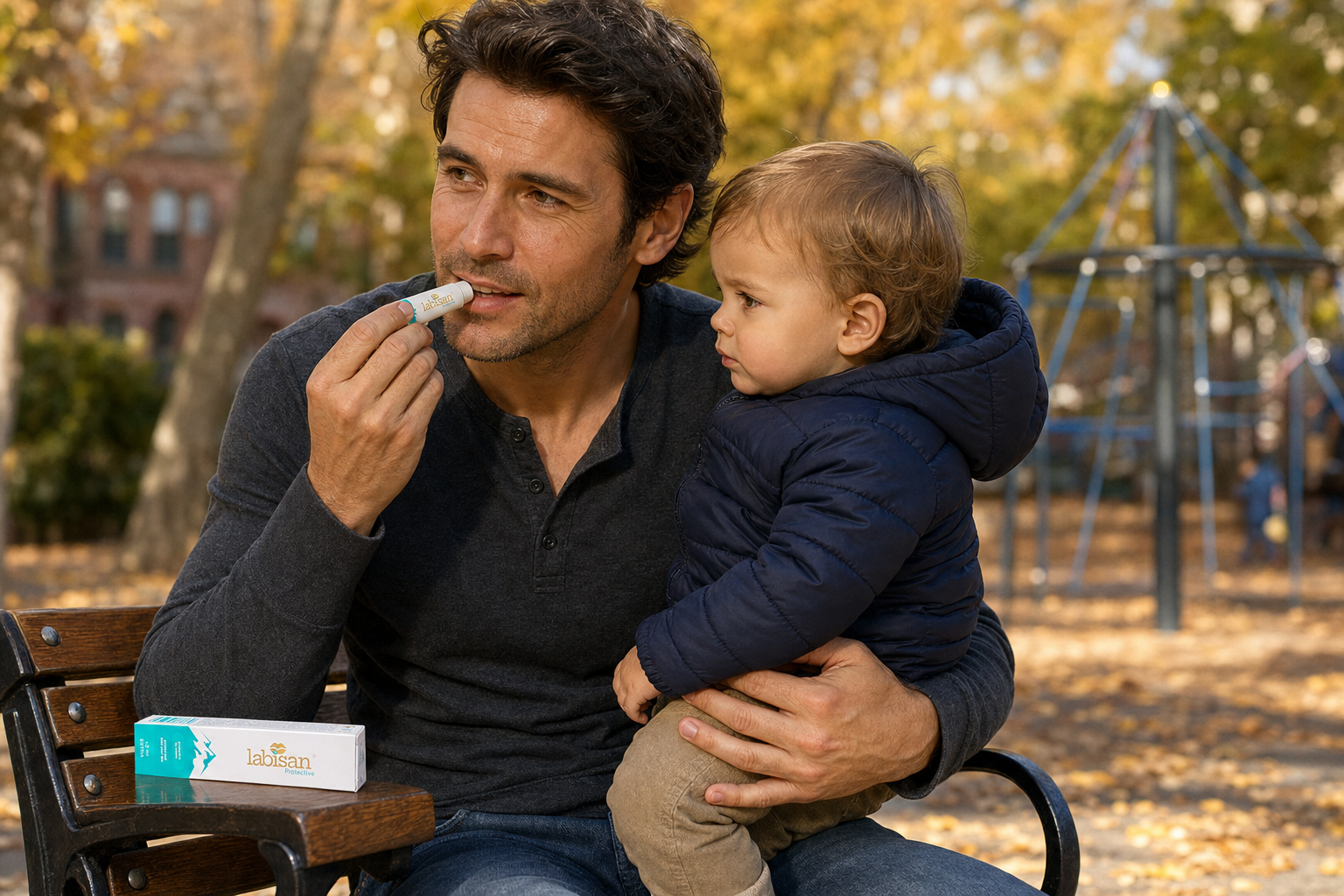
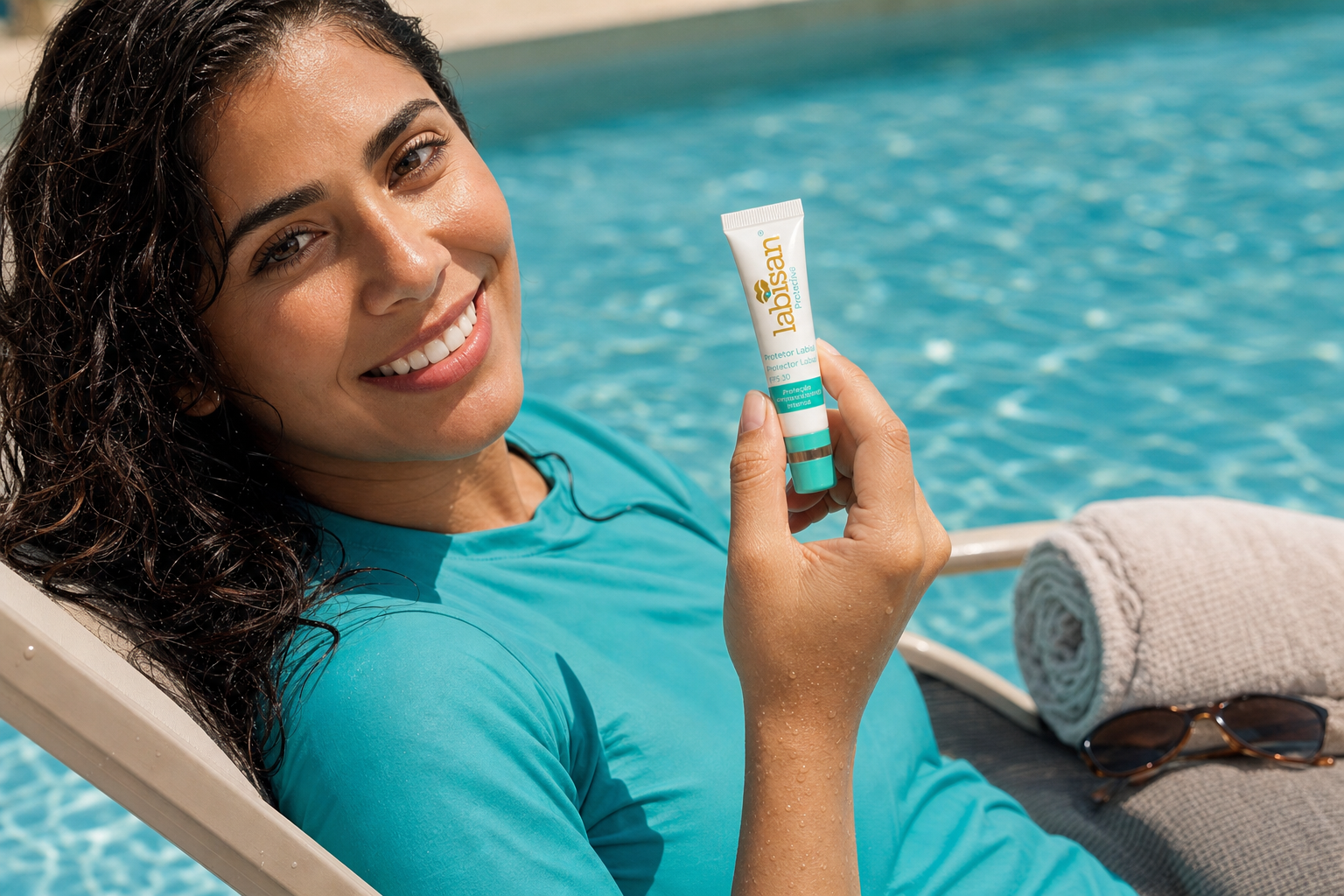
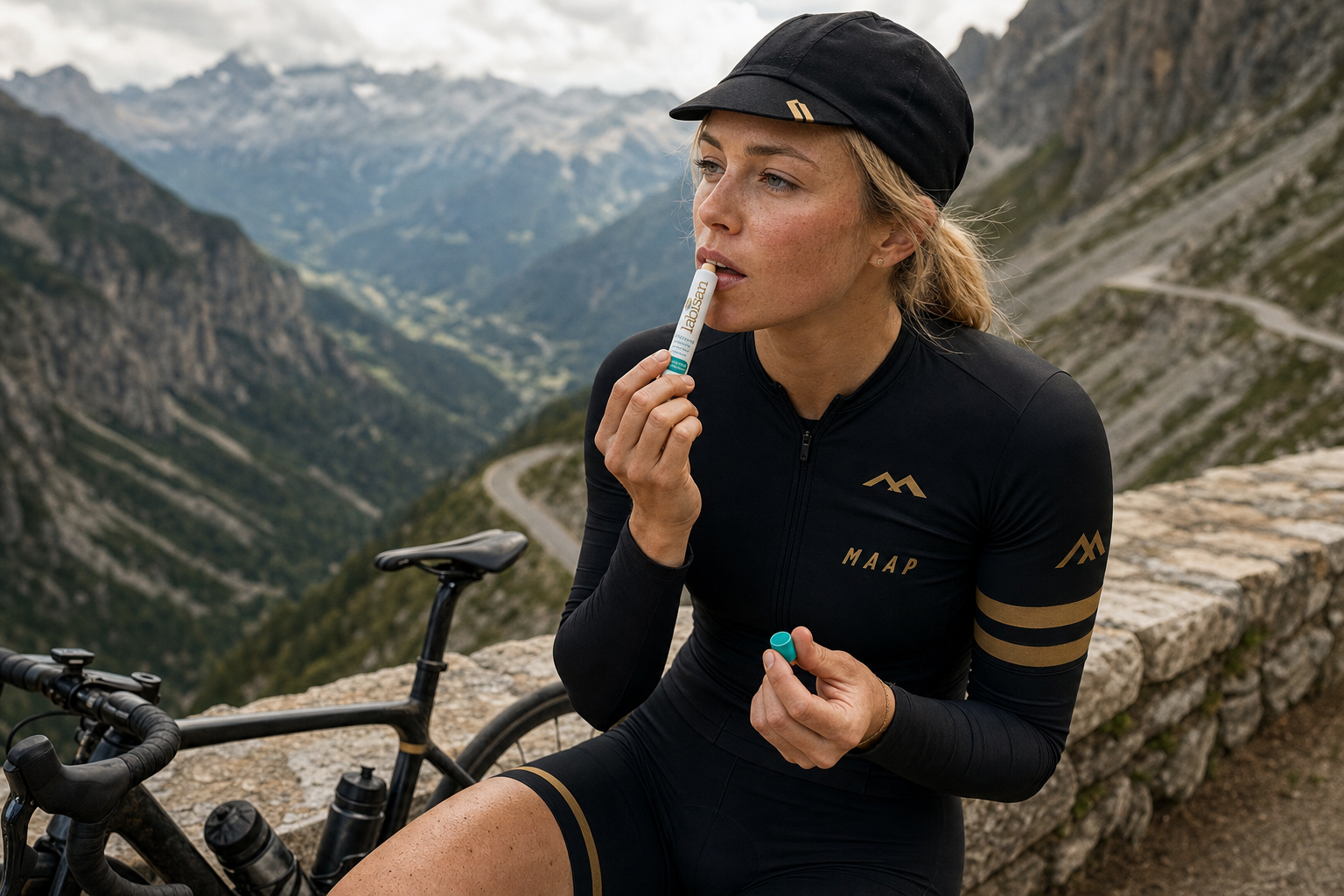
Neither Compeed nor Abreva does anything about that. A hydrocolloid patch offers no meaningful sun protection, and docosanol is not a sunscreen. This is the gap a UV-blocking lip barrier is designed to fill. Our Labisan Protective Lip Balm SPF 20 pairs mineral zinc oxide, which physically reflects UV, with shea butter and manuka oil to keep the lip barrier intact against wind and cold. The goal is not to treat a sore faster; it is to remove the ultraviolet trigger so fewer sores fire in the first place. For anyone who reliably breaks out on sunny trips, the discipline of reapplying an SPF lip balm is covered in our guide to cold sore prevention on a beach vacation.
Where immune support fits
Prevention is not only about blocking triggers from the outside; it is also about how readily the virus reactivates from within. Frequency of outbreaks tracks with immune status and stress, which is why we position Labisan Graviola Capsules as immune support aimed at reducing outbreak frequency over time. To be completely clear and honest: graviola is not a cure for HSV-1, and nothing on the market eradicates a latent herpes infection. What a prevention-oriented routine can do is reduce how often you find yourself standing in a pharmacy aisle deciding between a patch and a cream. Readers who want to see how daily protection plus immune support plays out in practice can follow our 30-day hybrid-system cold sore diary.
Why the Labisan Dual Protocol Is the Smarter Long-Term Approach
The patch-versus-cream question only exists because a cold sore is already there to conceal or to treat. Compeed contains and camouflages a lesion that has erupted; Abreva slows a virus that has already reactivated. Both are reactive by design, which means both quietly accept that the outbreaks will keep coming. Labisan is built to reduce how often you reach that stage at all, by working upstream on the two levers a patch and a cream cannot touch: the external trigger and the internal frequency dial.
Block the UV trigger, support the immune baseline
Ultraviolet light is one of the most reliable HSV-1 reactivation triggers, and it is the one you can physically block. The Labisan Protective Lip Balm SPF 20 pairs mineral zinc oxide, which reflects UV, with shea butter and manuka oil to hold the lip barrier intact against wind and cold. It targets the sunny, cold, windy afternoon that sets so many outbreaks off, days before there is anything to patch or medicate. Neither a hydrocolloid patch nor a docosanol cream offers any UV protection, so this prevention layer sits entirely outside their reach.
The second lever is internal. Labisan Graviola Capsules are positioned as immune support aimed at reducing outbreak frequency over time. To be completely honest, graviola is not a cure for HSV-1 and nothing on the market eradicates a latent herpes infection. What the dual protocol does is lower the odds from both directions: the SPF balm removes the leading external trigger while the capsules support the immune resilience that keeps the virus latent. Run daily and together, that is what reduces how often you find yourself in the pharmacy aisle deciding between a patch and a cream in the first place.
Stop the trigger before you need a patch or a cream
Labisan Protective Lip Balm SPF 20
Single: $24.99 | Adventure Pack (3x): $59.97 | Family Bundle (5x): $89.95
Free shipping over $49. 30 day satisfaction guarantee.
Shop NowFrequently Asked Questions
Is Compeed or Abreva more effective for cold sores?
They are not directly comparable because they do different jobs. Abreva (docosanol 10 percent) is an antiviral cream that can modestly shorten healing time, roughly half a day to a day, when applied at the first tingle. Compeed is a hydrocolloid patch with no antiviral action that contains, protects, and conceals the sore while supporting moist wound healing. If you catch the prodrome, Abreva has a chemical rationale; once the blister is visible and you want it hidden and contained, Compeed usually wins.
Can I use Compeed and Abreva together?
Not on the same spot at the same time. An antiviral cream stops a hydrocolloid patch from sticking, so the patch will not seal or stay on over a layer of Abreva. Some people use the cream during the early tingle stage and switch to a patch once the blister erupts, but they do not layer the two simultaneously. Always follow each product's own label.
Do cold sore patches stop the virus from spreading?
A sealed hydrocolloid patch helps by physically covering the lesion and absorbing the contagious fluid, which reduces transfer to your fingers, phone, and other people, and discourages picking. It is a containment aid, not a guarantee. The virus can still shed at the margins and during application or removal, so continue washing your hands and avoiding direct contact such as kissing until the sore has fully healed.
Why do I keep getting cold sores on sunny or ski trips?
Ultraviolet light is one of the most reliable triggers of HSV-1 reactivation, and bright sun on snow, water, or at altitude delivers a heavy UV dose to unprotected lips. Neither a patch nor an antiviral cream blocks UV. An SPF lip balm with mineral zinc oxide, reapplied through the day, targets that specific trigger so fewer outbreaks start.
What is the difference between hydrocolloid and docosanol?
Docosanol is a drug: a long-chain fatty alcohol that interferes with the herpes virus fusing into and entering healthy cells, which is the antiviral basis of Abreva. Hydrocolloid is not a drug at all; it is a gel-forming wound dressing material that absorbs fluid and maintains a protected, moist healing environment, which is the basis of the Compeed patch. One acts on the virus, the other manages the wound.