Lysine occupies a strange position in cold sore advice. It is simultaneously the single most recommended supplement for herpes labialis on forums, in pharmacies and from a good number of dentists, and the intervention that the most rigorous systematic review of the field concluded does not prevent anything. Those two facts sit uncomfortably together, and the usual response is for each side to ignore the other. Sceptics point at Cochrane and call the whole thing folklore. Believers point at people who swear their outbreaks dropped from six a year to two and call the reviewers out of touch.
Both camps are reading a real signal. The disagreement dissolves almost entirely once you stop asking "does lysine work" and start asking "at what dose, measured how, and swallowed or smeared." That is the review below. We have tried to write it the way we would want to read it if we were about to spend money: every trial named, every sample size given, the null results included rather than skipped.
Where the idea came from, and why it is not nonsense
The lysine hypothesis has a specific and respectable origin. In 1964, Tankersley published amino acid requirement work on herpes simplex virus in human cells in the Journal of Bacteriology. The finding was clean: infected cells deprived of arginine supported neither cytopathic effect nor viral replication, and when arginine was restored, prompt and extensive infection followed. Lysine was not required by the virus at all, and in fact exerted a partially inhibitory effect on viral multiplication.
That gives you a plausible mechanism. HSV needs arginine to build its capsid proteins. Lysine and arginine are both cationic amino acids that share transport systems and compete for absorption and cellular uptake. Push lysine up, and in principle you tilt the intracellular ratio against the virus.
The honest caveat, which almost no supplement page mentions, is that this was tissue culture. In a dish you can remove arginine entirely. In a human being you cannot: arginine is in ordinary food, is synthesised endogenously, and plasma amino acid levels are homeostatically defended. Whether a swallowed capsule can shift the ratio inside a trigeminal ganglion neuron is a different question from whether arginine deprivation stops the virus in a flask. The mechanism justifies running the trials. It does not substitute for them.
The trials, in order, with their doses
Read the studies chronologically and a pattern appears that is invisible if you only read the conclusions.
Milman 1980, 1 gram per day, 65 patients
A double blind, placebo controlled crossover study in Acta Dermato-Venereologica, giving L lysine monohydrochloride 1000 mg daily for 12 weeks before crossing patients to placebo. The primary result was negative: lysine prophylaxis had no effect on the recurrence rate overall. But there was a secondary finding worth keeping, which is that significantly more patients were recurrence free during the lysine phase than during the placebo phase, at p equal to 0.05. The authors themselves concluded that certain patients may benefit. That is a study reporting no average effect and a possible responder subgroup, which is a very different thing from a study reporting nothing at all.
DiGiovanna and Blank 1984, 1.2 grams per day, 20 patients
Published in Archives of Dermatology under the deliberately blunt title "Failure of lysine in frequently recurrent herpes simplex infection." Twenty patients randomised to 400 mg of lysine or identical placebo three times daily. The study was unable to detect any actual or perceived benefit. This trial is the one most often cited by sceptics, and it is a genuine null result. It is also 20 people at 1.2 grams a day, which matters for what comes next.
Griffith 1987, 3 grams per day, six months
A double blind, placebo controlled multicentre trial in Dermatologica, giving 1000 mg of L lysine monohydrochloride three times daily for six months. Twenty seven subjects on lysine and 25 on placebo completed. The lysine group averaged 2.4 fewer HSV episodes over the period, symptom severity was significantly reduced, and healing time was significantly shorter, all at p below 0.05. This is the study the pro lysine case rests on, and at three times the DiGiovanna dose it is not testing the same intervention.
Cochrane 2015, all of it together
Chi and colleagues reviewed 19 preventative measures across 32 randomised controlled trials in the Cochrane review "Interventions for prevention of herpes simplex labialis." Lysine was among the interventions found to have no supported preventive effect, alongside LongoVital supplementation, gamma globulin, HSV vaccine, yellow fever vaccine, levamisole and interferon. Only long term oral acyclovir and valaciclovir reduced recurrences, and the reviewers described even that benefit as limited.
Mailoo and Rampes 2017, the reconciliation
This review in Integrative Medicine is the most useful single document in the literature, because it is the one that separates the trials by dose rather than lumping them. Its conclusion: lysine supplementation appears ineffective for prophylaxis or treatment at doses under 1 gram per day in the absence of a low arginine diet, while doses in excess of 3 grams per day appear to improve patients' subjective experience of the disease. The authors called for longer controlled studies above 1.2 grams per day before anything definitive can be said.
What that pattern actually means
| Study | Daily dose | Sample | Result |
|---|---|---|---|
| Milman 1980 | 1 g | 65, crossover | No effect on recurrence rate; more patients recurrence free on lysine (p = 0.05) |
| DiGiovanna and Blank 1984 | 1.2 g | 20 | No detectable benefit |
| Griffith 1987 | 3 g | 52 completers, 6 months | 2.4 fewer episodes, less severe, faster healing (p < 0.05) |
| Cochrane 2015 | Pooled | 32 RCTs, 19 interventions | No preventive effect of lysine supported |
| Mailoo and Rampes 2017 | Dose stratified | Narrative review | Null below 1 g; subjective improvement above 3 g |
Three readings are defensible from that table, and you should know which one you are being sold.
The generous reading is that there is a real dose threshold somewhere between 1.2 and 3 grams per day, the early trials simply underdosed, and Cochrane's null reflects the pooling of underpowered and underdosed studies rather than the absence of an effect.
The sceptical reading is that the positive trials are small, mostly old, and heavier on subjective endpoints than objective ones, and that when you pool everything with modern standards the signal evaporates the way small study signals usually do.
The reading we find most honest sits between them. There is probably a modest effect at 3 grams and above, it shows up more in how people report their episodes than in hard lesion counts, and it is not reliable enough to build a year around. Griffith is the only trial reporting a meaningful episode count reduction, and Mailoo and Rampes chose the word "subjective" quite deliberately.
Oral versus topical: two very different questions
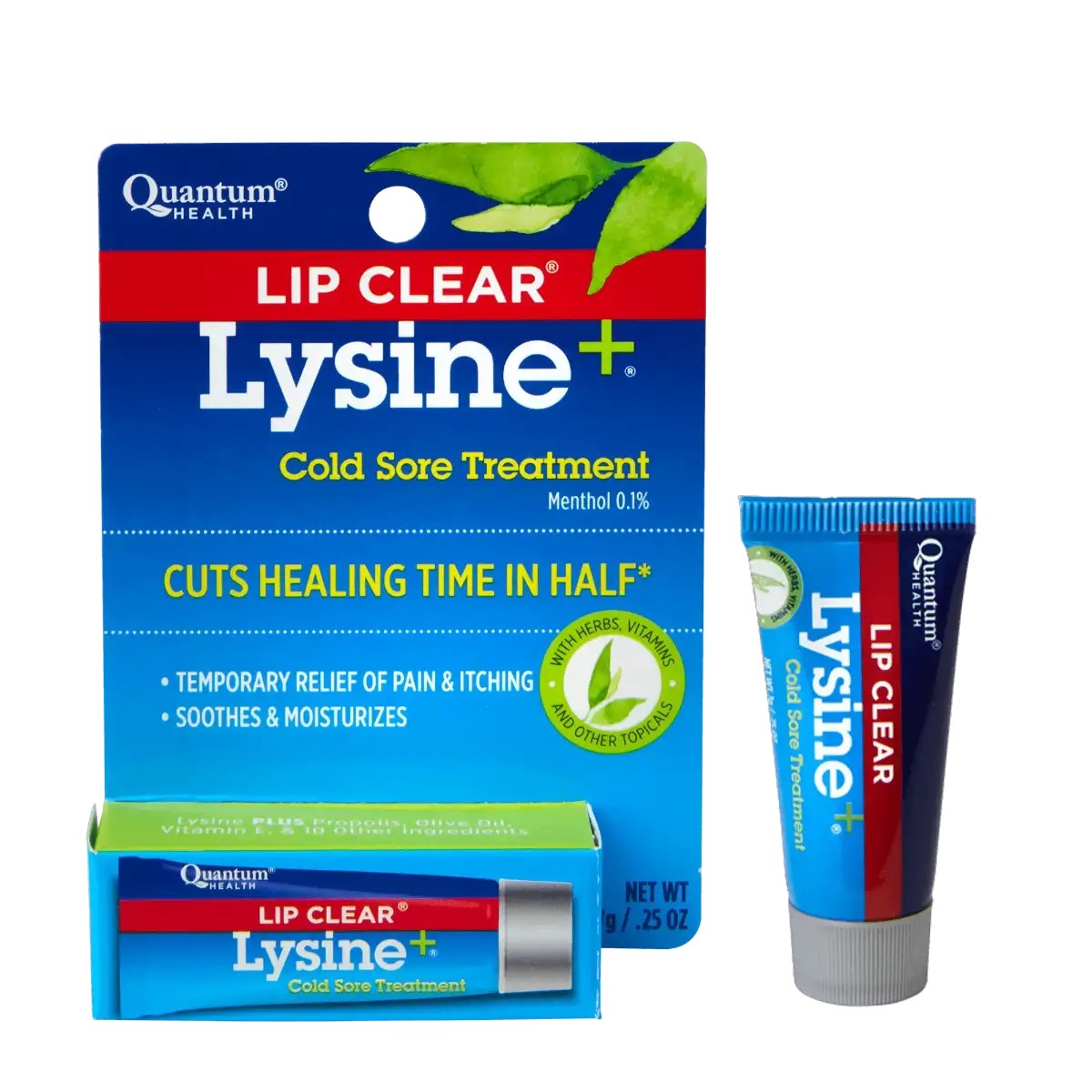
Everything above concerns swallowed lysine. Topical lysine ointments are a separate product category making a separate claim, and the evidence base is thinner in a way that is easy to miss because the packaging uses the same word.
Start with mechanism, because this is where topical lysine has a problem. The lysine hypothesis is fundamentally about competition for a shared transport system, an effect that operates through absorption and plasma amino acid balance. Rubbing lysine onto the skin over a lesion does not obviously engage that mechanism at all, and no one has demonstrated that it shifts the intracellular arginine to lysine ratio in infected keratinocytes.
The trial most often cited for topical products is Singh and colleagues, 2005, in Alternative Medicine Review, testing an L lysine, zinc and herbal based ointment, the formula sold as Lip Clear Lysine Plus, on facial and circumoral herpes. The reported outcome was that 40 percent of participants had full resolution by the third day and 87 percent by the sixth, with no adverse effects. Those look like attractive numbers until you ask what they are being compared with. This was a small open label study without a placebo controlled arm, and untreated cold sores heal in roughly 7 to 10 days on their own with substantial variation between individuals and between episodes. An 87 percent resolution rate by day six is entirely compatible with the natural history of the condition. Without a control group receiving an identical ointment base minus the actives, the study cannot separate the lysine and zinc from the ointment, the occlusion, or simply time passing.
The zinc component is on somewhat firmer ground than the lysine component; zinc has independent in vitro antiviral data and a plausible topical role. But the fair summary is that topical lysine ointments are pleasant, moisturising, low risk products with a mechanism that does not follow from the oral hypothesis and an evidence base that does not include a proper controlled trial. We ranked one in our comparison of the five best lip products for cold sore prone lips, and this is why it did not finish near the top.
Safety, which is genuinely reassuring but not zero
Lysine at supplement doses is well tolerated in most people. Gastrointestinal upset, mostly nausea and loose stools, is the usual complaint and tends to appear at exactly the higher doses the evidence supports, which is an irritating trade off. Mailoo and Rampes specifically flagged that patients with cardiovascular or gallbladder disease should be cautioned about theoretical risks, and long term data at 3 grams and above is thin because almost nobody has run a trial past six months. If you have kidney disease, are pregnant or breastfeeding, or take medication affecting amino acid handling, that is a conversation for your doctor rather than a blog post.
The verdict: yes, if
Yes, if you take at least 3 grams a day. Below roughly 1 gram, the controlled trials are consistently null and there is no reason to expect anything. If you are taking a 500 mg capsule with breakfast and wondering why nothing changed, you are not running the experiment the positive trials ran.
Yes, if you measure the right endpoint over the right window. Griffith ran six months. Judging a prophylactic from four weeks and two outbreaks tells you nothing. Count episodes across two comparable seasons.
Yes, if you accept that the likely gain is modest and partly subjective. The most defensible expectation is somewhat fewer or somewhat milder episodes in some people, not a transformation, and Cochrane's position means you should hold that expectation loosely.
No, if you are buying it topically and expecting the oral evidence to transfer. It does not transfer. Different mechanism, different evidence, different product.
Lysine is cheap, broadly safe and worth a fair six month trial at an adequate dose if you get frequent outbreaks. What it is not is a strategy. Something has to happen for lysine to matter, and the thing that happens is reactivation.
The honest takeaway: the trigger is the bigger lever
Here is the comparison that reframed how we think about this whole category. The best lysine trial produced 2.4 fewer episodes over six months at 3 grams a day. Now look at the trigger side. In a 1991 Lancet trial, Rooney and colleagues exposed people with sun triggered herpes labialis to experimental ultraviolet light. With placebo applied to the lip first, 27 of 38 subjects, 71 percent, developed a cold sore. With sunscreen applied first, zero of 35 did.
That is not a marginal, dose dependent, subgroup sensitive result. It is a trigger being physically removed and the outcome going with it. Ultraviolet light is the best evidenced external reactivation trigger for herpes labialis, and unlike stress, illness or hormonal cycling, it is the one you can simply block.
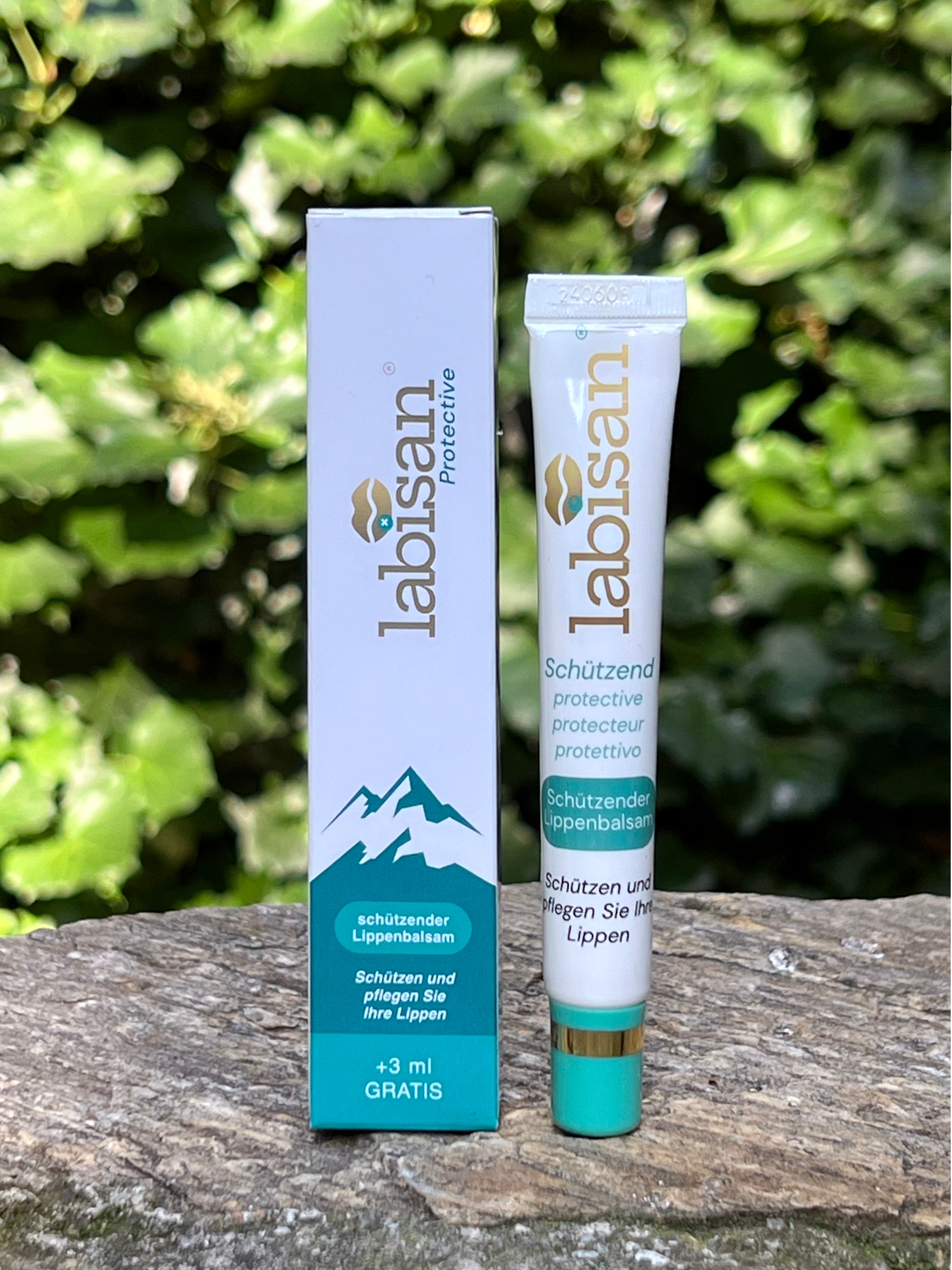
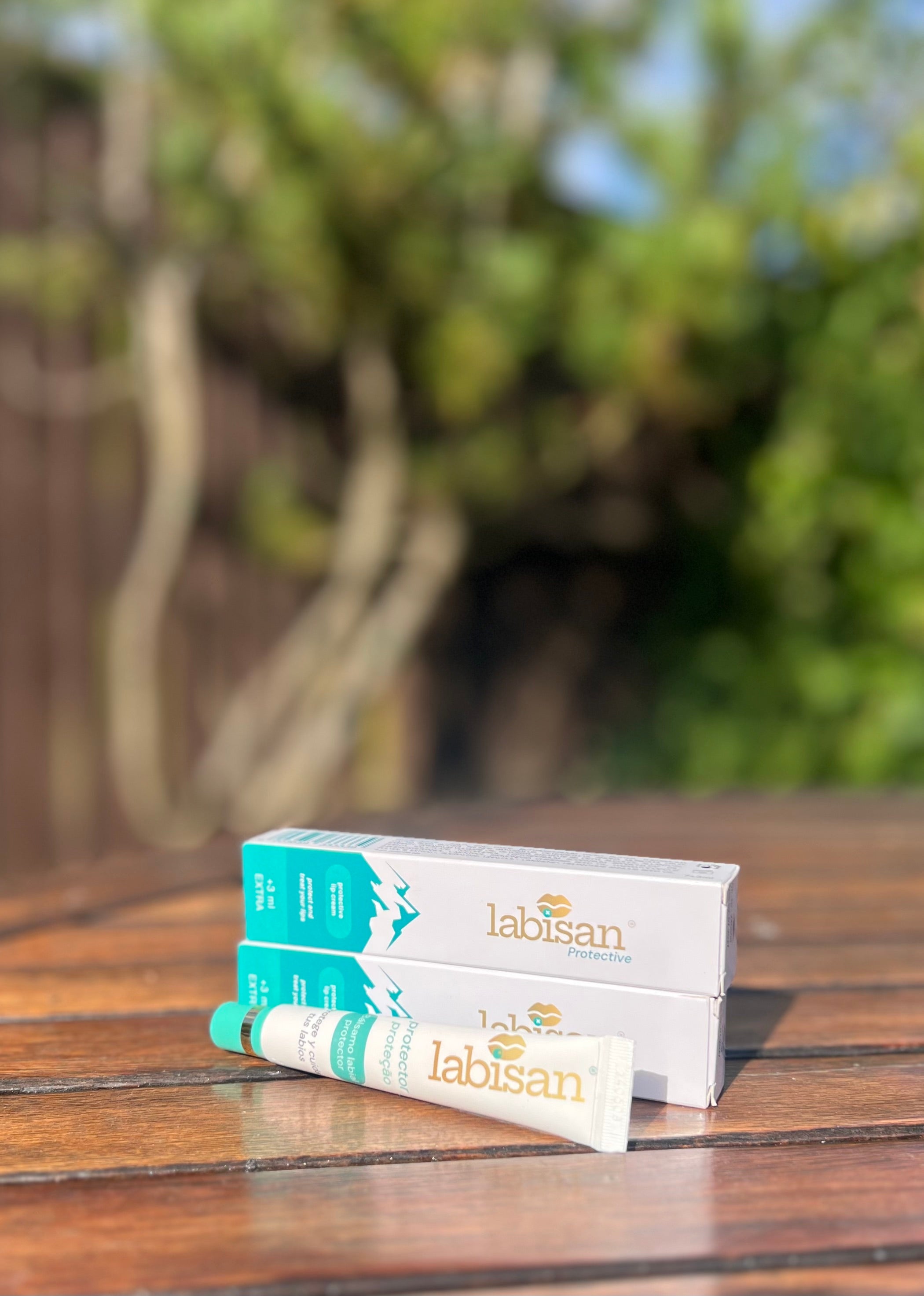
Labisan Protective Lip Balm SPF 20 is built for exactly that job: a zinc oxide mineral filter that reflects UV at the lip surface, in a shea butter and manuka oil base engineered to stay put through cold, wind and altitude rather than wearing off in the first hour on a ski lift. It is a daily habit rather than a rescue product, which is the entire design intent. Nothing available anywhere eliminates HSV-1; the virus stays latent in nerve tissue for life and roughly two thirds of people under 50 worldwide carry it. The realistic goal is fewer reactivations a year, and blocking the strongest external trigger is the highest leverage move available. Take the lysine if you want to, at a real dose. Just do not let it be the only thing you do. The wider trigger picture is in why UV light is the number one cold sore trigger and the practical routine is in how to stop a cold sore before it starts.
Block the Trigger, Not Just the Amino Acid Ratio
Labisan Protective Lip Balm SPF 20
Single: $24.99 | Adventure Pack 3x: $59.99 | Family Bundle 5x: $89.99
Free EU shipping over $49, $19.99 worldwide. 30 day satisfaction guarantee.
Shop NowFrequently Asked Questions
Does lysine prevent cold sores according to the actual studies?
Partly, and only at higher doses. Trials at 1 to 1.2 grams a day, including Milman 1980 and DiGiovanna and Blank 1984, found no meaningful benefit. Griffith 1987, using 3 grams a day for six months, found 2.4 fewer episodes with reduced severity and faster healing. The 2015 Cochrane review concluded that lysine has no supported preventive effect overall, while the 2017 Mailoo and Rampes review concluded that doses above 3 grams a day appear to improve the subjective experience of the disease. The fair summary is a modest effect at adequate doses, not a reliable one.
How much lysine should I take for cold sores?
The only dose with supportive controlled trial evidence is around 3 grams per day, typically split as 1000 mg three times daily, which is the Griffith 1987 protocol. Anything under 1 gram a day is below the level at which any trial has shown benefit. Higher doses also carry more gastrointestinal upset, and people with cardiovascular, gallbladder or kidney disease should speak to a doctor first.
Does topical lysine ointment work as well as oral lysine?
There is no good evidence that it does, and the mechanism does not carry over. The oral hypothesis depends on lysine competing with arginine for shared transport and shifting the amino acid balance, which is a systemic effect. The main study behind topical lysine ointments, Singh 2005, reported 40 percent full resolution by day three and 87 percent by day six, but it was small and open label with no placebo controlled arm, and untreated cold sores commonly resolve within 7 to 10 days anyway.
How long should I try lysine before deciding it is not working?
At least three to six months at 3 grams a day, counting episodes rather than judging by feel. The positive trial ran six months. Cold sore frequency also varies seasonally with sun exposure and stress, so comparing a winter month to a summer month will mislead you in either direction.
Is lysine or daily SPF lip protection better for preventing cold sores?
The trigger evidence is considerably stronger. The best lysine result is 2.4 fewer episodes over six months at a high dose. In the 1991 Lancet sunscreen trial, 71 percent of susceptible subjects developed a cold sore after ultraviolet exposure with placebo and none of 35 did with sunscreen applied first. Blocking UV is the better documented lever, and the two are not mutually exclusive.
This article is educational and is not medical advice. It does not diagnose, treat or cure any condition. Talk to a doctor or pharmacist before starting high dose lysine, especially if you are pregnant, breastfeeding, or have cardiovascular, gallbladder or kidney disease.