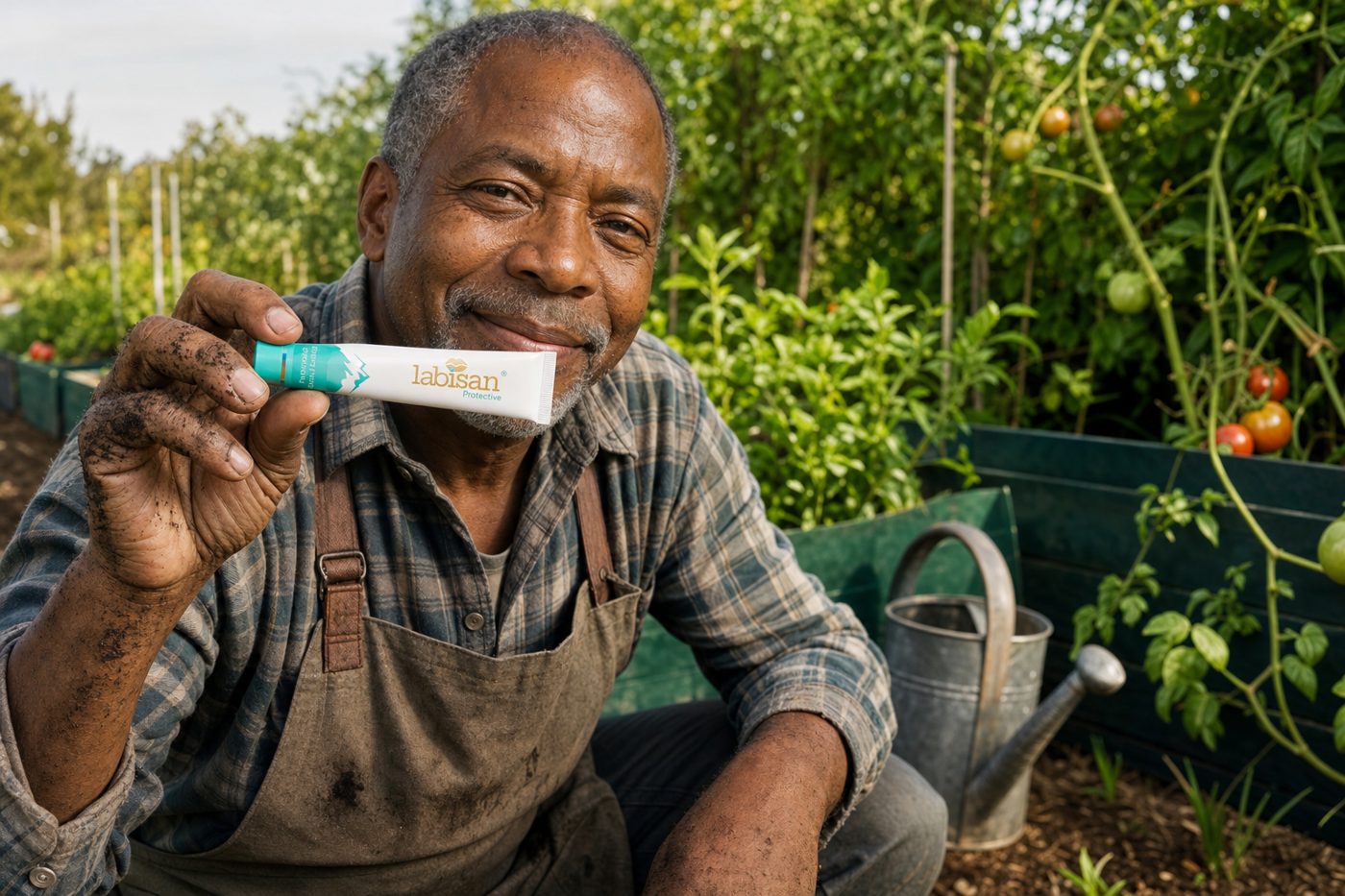
Herpecin-L has a genuine claim on the cold sore aisle. It is one of very few drugstore sticks that combines a real SPF 30 with lysine, vitamins B6, C and E, and lemon balm, and at around five to seven dollars a stick it is one of the cheapest ways to put sun protection on cold sore prone lips. Plenty of long term users say it works as well for them as products costing four times more, and that is a fair report.
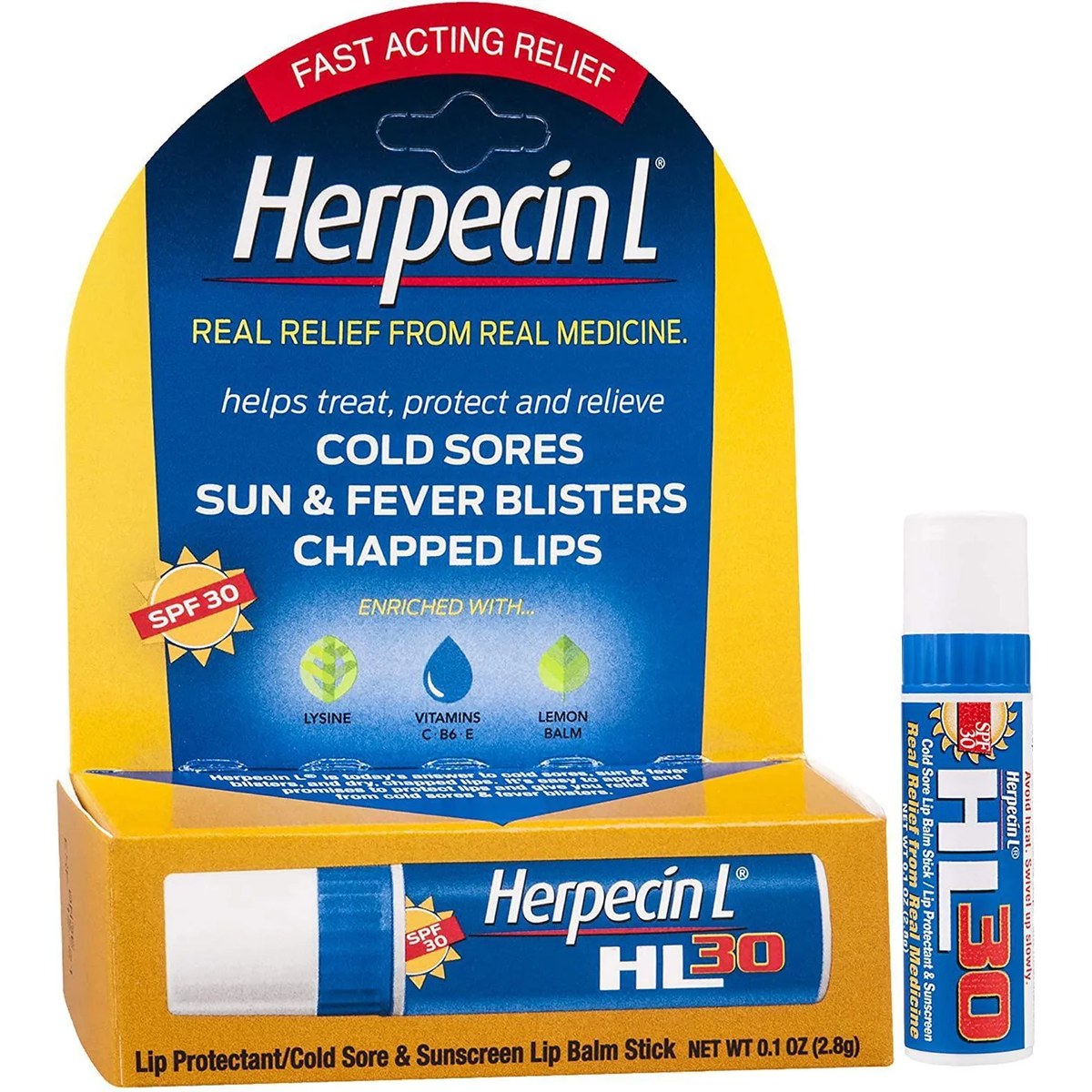
The reasons people look for alternatives are also specific, and worth stating accurately rather than dismissively. Per its FDA listing, the SPF 30 stick's sunscreen actives are meradimate, octinoxate, octisalate and oxybenzone, which are chemical filters weighted toward UVB, and reviewers who test lip products for spectrum coverage consistently flag UVA protection as the weak point despite the SPF 30 number on the front. The base is petrolatum and beeswax heavy, which many people find waxy and drying with daily use. It contains added fragrance, which sensitised lips notice. Some buyers actively avoid oxybenzone. And in Europe it is difficult to find at all.
Below are seven alternatives, sorted by what you are actually trying to solve. The full ranked comparison is in our best lip balm for cold sore prone lips buyer's guide.
First, Decide Which Herpecin-L Job You Are Replacing
Herpecin-L tries to be three products at once: a sunscreen, a soothing balm for an existing sore, and a daily conditioner for chapped lips. Most alternatives do one of those three better and the other two worse. Pick by the job.
| Alternative | Sun filter | Best for | Fragrance | Typical price |
|---|---|---|---|---|
| Labisan Protective SPF 20 | Mineral zinc oxide | Daily outbreak prevention | None added | $24.99 |
| Herpecin-L SPF 30 | Chemical filters | Cheap SPF plus lysine | Yes | $5 to $7 |
| Abreva, docosanol 10% | None | Shortening an active sore | None | $15 to $35 |
| Lip Clear Lysine+ | Zinc oxide 1.2% active | Soothing an active sore | Menthol | $10 to $14 |
| Blistex Medicated SPF 15 | Chemical filters | Cheap everyday chapping | Yes | $2 to $4 |
| Carmex or ChapStick SPF | Chemical filters | Comfort and availability | Yes | $2 to $5 |
| Compeed patches | None | Concealing a visible sore | None | $12 to $20 |
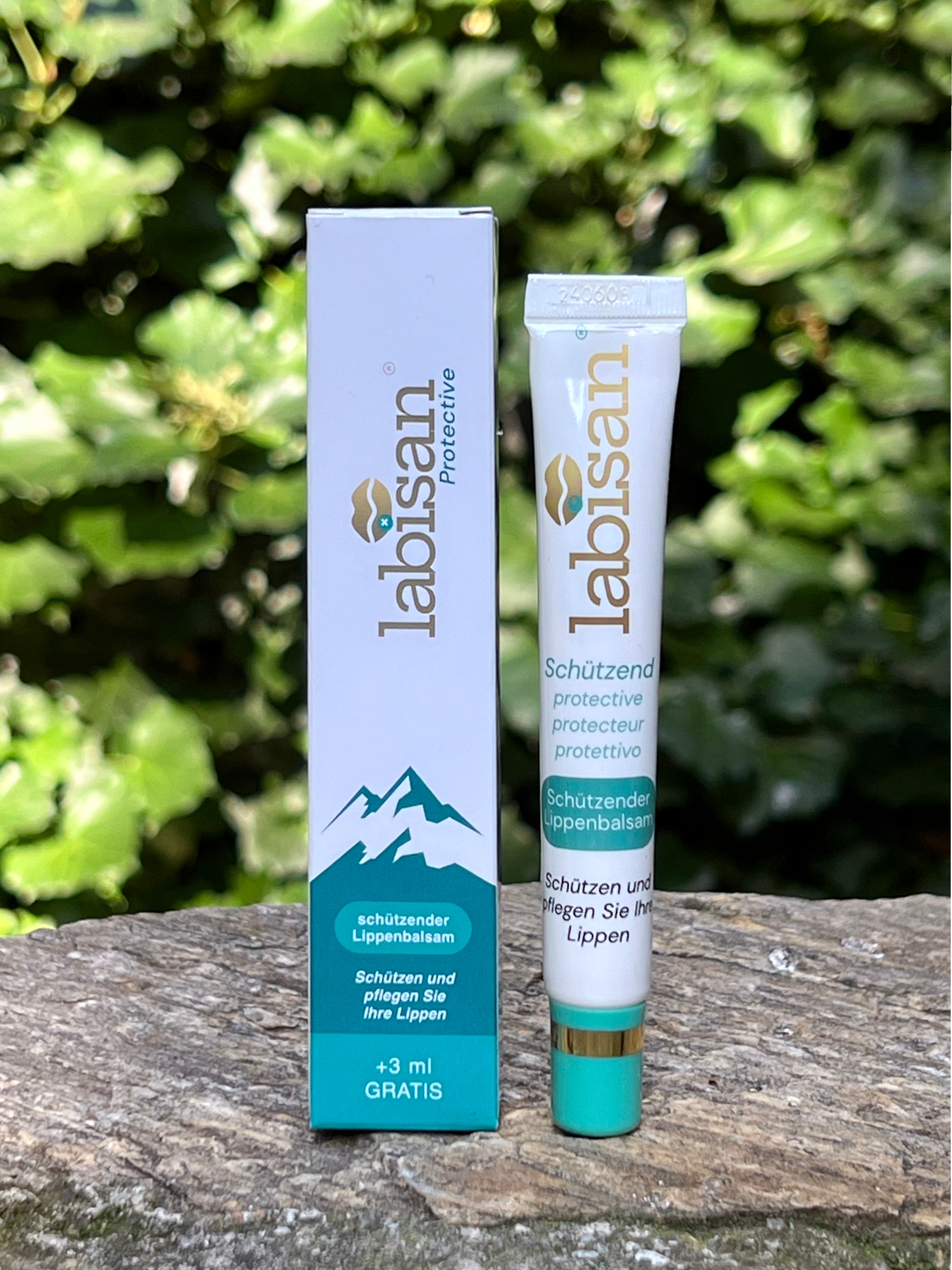
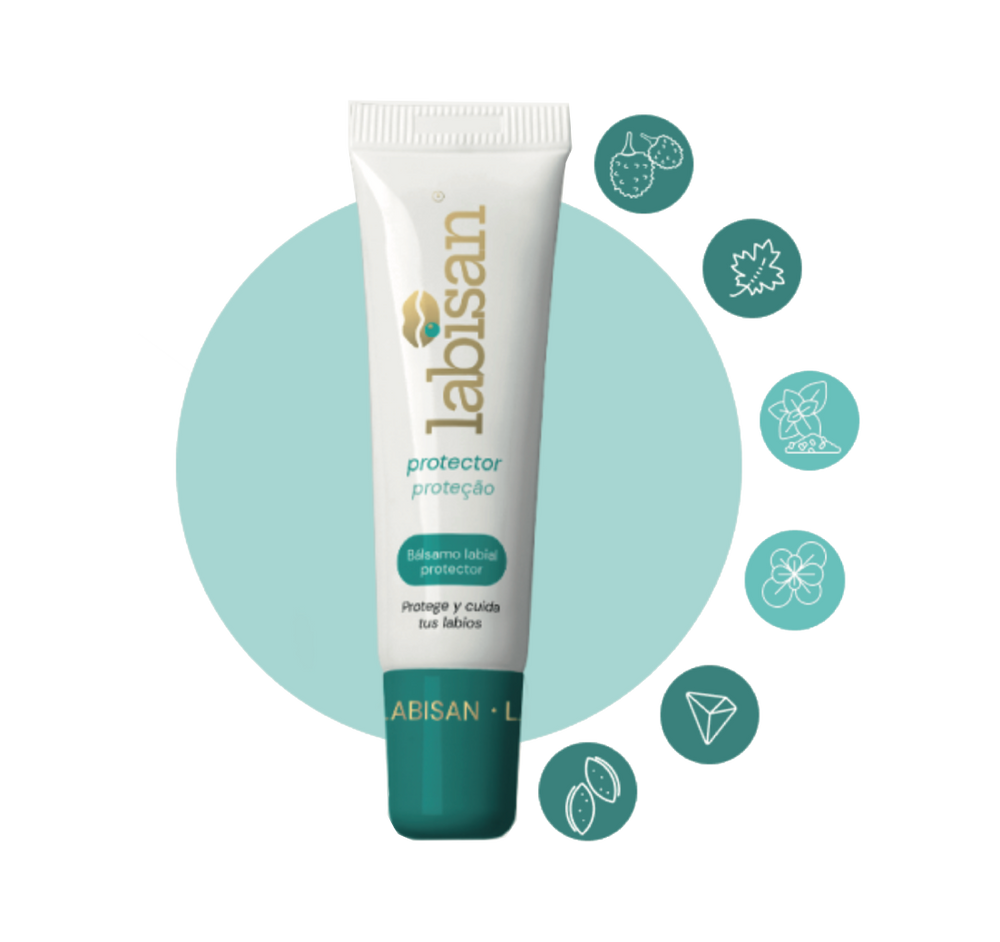
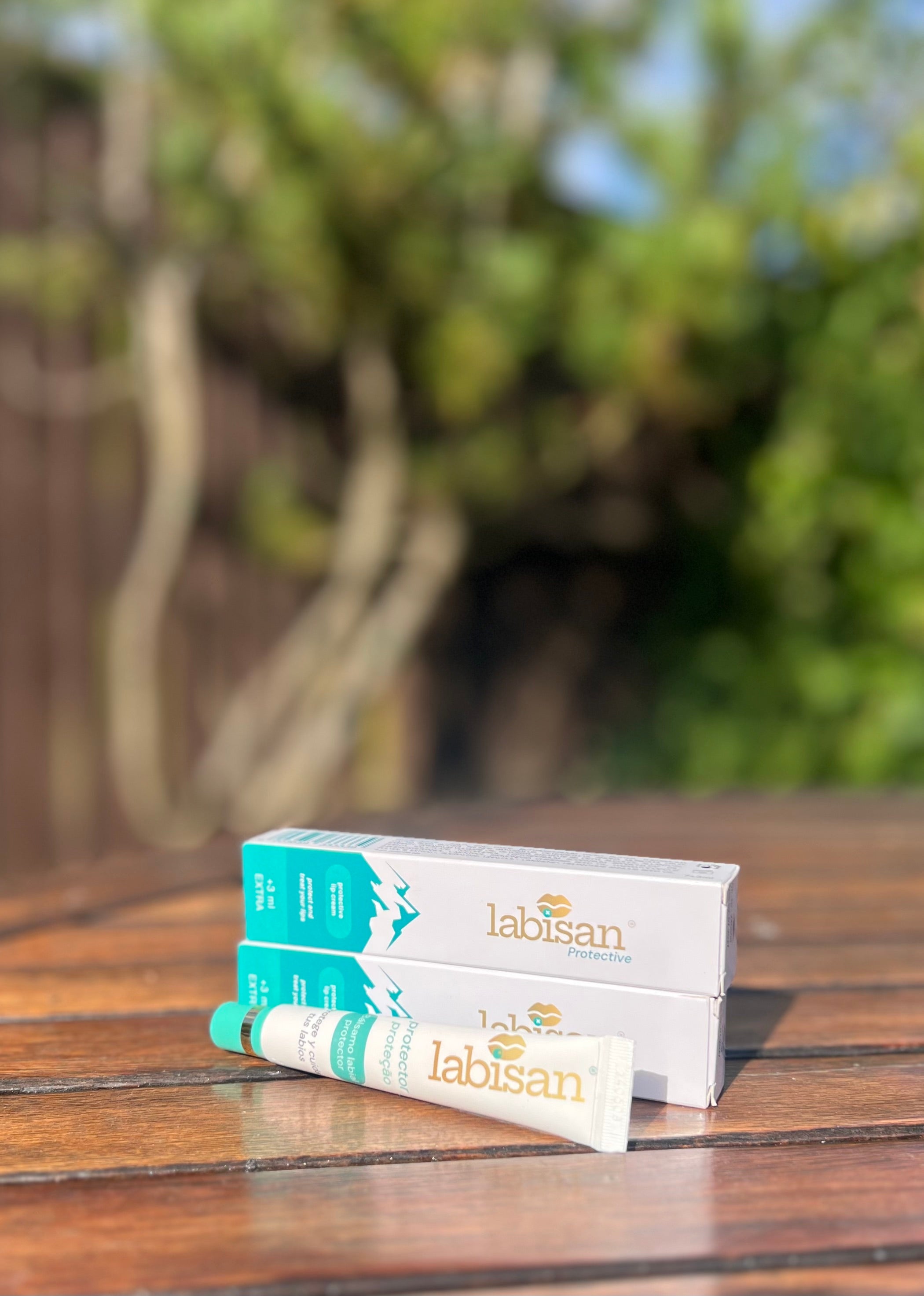
1. Labisan Protective Lip Balm SPF 20, the Prevention First Pick
If what you liked about Herpecin-L was the idea of an SPF stick you can wear every day to keep outbreaks away, this is the closest alternative built properly around that idea, and it is our editors' pick in this lineup.
The difference is the filter and the base. Labisan Protective uses zinc oxide, a mineral filter that works across the UVA and UVB range by sitting on the surface and reflecting light, rather than the chemical filter blend Herpecin-L relies on. The carrier is a shea butter and wax formulation designed for cold, wind and altitude instead of a petrolatum stick, and there is no added fragrance. It comes from an Austrian formulation house that has been working on lip protection since 1931, which is why the base performs in conditions where drugstore sticks glaze over and flake.
The reason to care about any of this is compliance. Sun protection only protects lips it is actually on, and a prevention product you abandon in week three has an effective SPF of zero. The evidence behind the whole approach is unusually clean: in a 1991 Lancet trial, experimentally applied UV light triggered cold sores in 71 percent of susceptible subjects under placebo and in 0 percent of the same subjects when sunscreen was applied to the lip first. We unpacked that study in cold sore treatments compared, evidence by evidence.
Pros: mineral zinc oxide filter, no added fragrance, holds up through ski days and wind, prevention focused rather than reactive, works under lipstick, subscription option.
Cons: it is $24.99 against Herpecin-L's five dollars, it is SPF 20 rather than 30 on paper, it is sold direct rather than in pharmacies, and, stated plainly, it does not treat an active cold sore. If you have a blister today, you need one of the treatment options below for today.
2. Abreva or Generic Docosanol, When You Need Treatment Not Protection
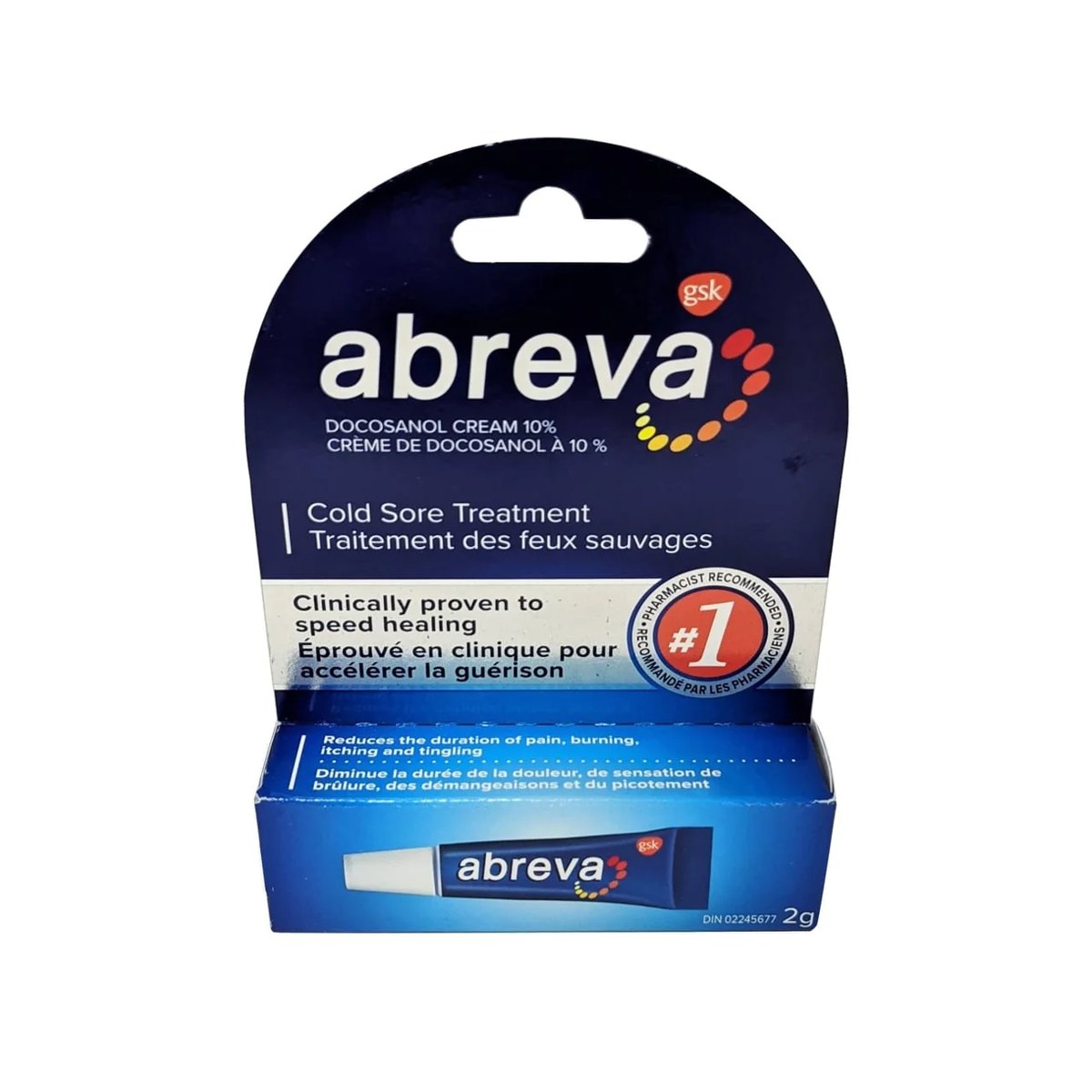 docosanol 10 percent cream, the antiviral alternative to Herpecin-L for treating an active cold sore" style="max-width:230px;border-radius:10px;border:1px solid #e2e2dd;display:block;margin:14px 0" loading="lazy">
Herpecin-L markets itself for cold sores, but its actives are sunscreens and a skin protectant, not antivirals. If you want a product with regulatory clearance to shorten an outbreak, that is docosanol 10%, sold as Abreva at roughly $15 to $35 per two gram tube, or as generics from Rugby and pharmacy store brands at around $16 to $22.
Pros: the only over the counter antiviral cleared to shorten a cold sore, strongest evidence base in the category, works best applied at the first tingle.
Cons: the measured benefit is around eighteen hours of faster healing, no sun protection at all, expensive per gram, and it does nothing on the days you have no sore. We compared the underlying trial data in lysine versus docosanol and what the evidence actually shows.
3. Lip Clear Lysine+ Ointment, If Lysine Was the Draw
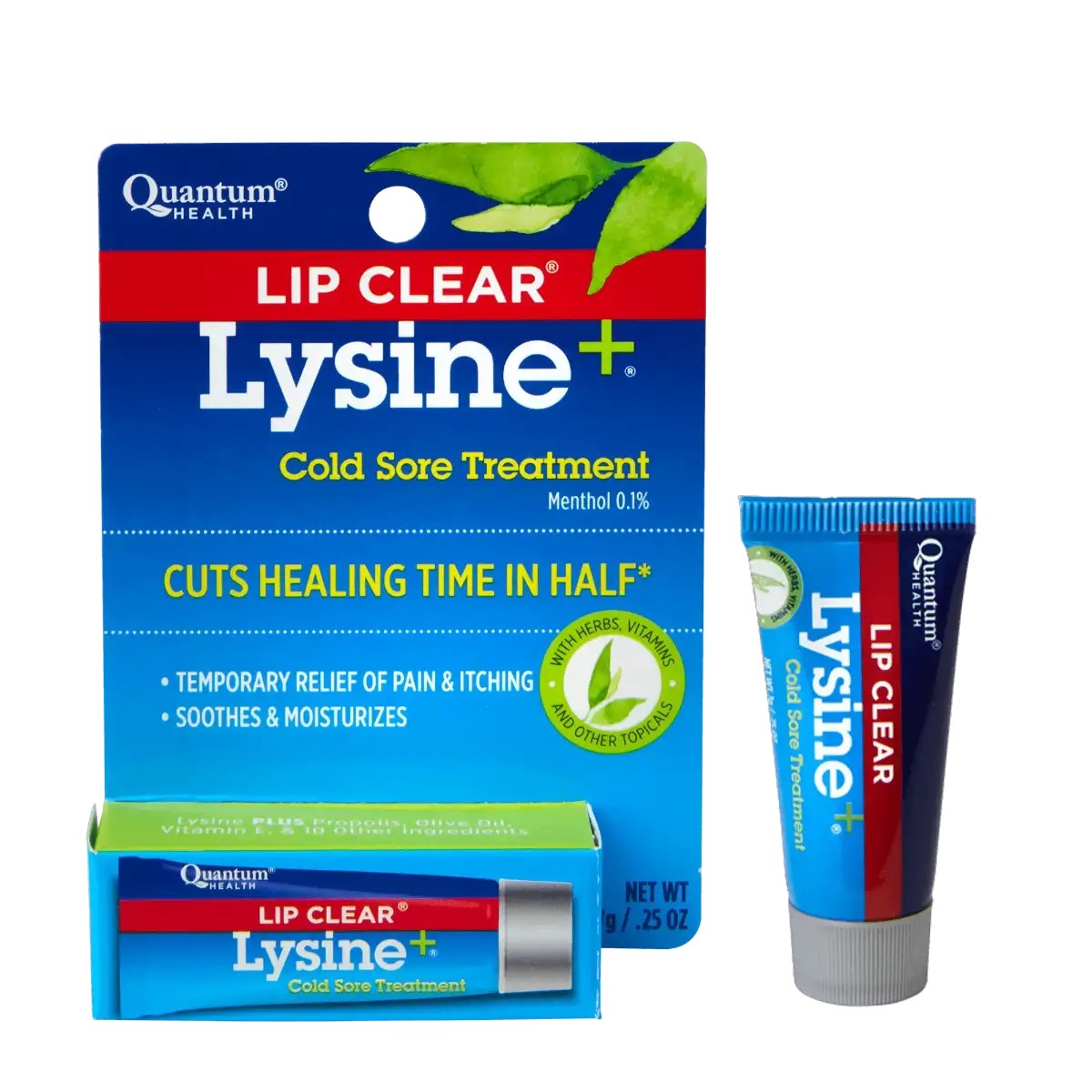
Many people buy Herpecin-L specifically for the lysine. Lip Clear Lysine+ puts lysine at the centre in a much more concentrated ointment format, with zinc oxide 1.2% as the labelled active and menthol for cooling relief. The manufacturer cites a study run at Southern California University of Health Sciences reporting 40 percent of participants free of symptoms at three days.
Pros: more lysine focused than a lip stick, moisturising rather than drying, genuinely soothing on an angry sore, around $10 to $14.
Cons: no meaningful sun protection despite the zinc oxide content, the supporting study is small and manufacturer linked, and it leaves a visible white film, so realistically it is an overnight product. The evidence for topical lysine remains thin regardless of which brand carries it.
4. Blistex Medicated SPF 15, the Budget Everyday Stick
Blistex Medicated is the default cheap alternative, at roughly two to four dollars. Its actives are dimethicone 2% as a lip protectant with octinoxate 6.6% and octisalate 4.4% as sunscreens.
Pros: cheap enough to keep in every coat pocket, available everywhere, the dimethicone base is genuinely good at holding moisture in chapped lips, and the cooling medicated feel has a devoted following.
Cons: SPF 15 rather than 30, and the two filters are UVB weighted with limited UVA coverage, which matters because you are buying it for trigger protection. It also contains camphor and menthol, which some people find cause a drying rebound cycle where lips feel like they need reapplication constantly.
5. Carmex Classic and ChapStick, the Comfort Options
Carmex Classic and the various ChapStick SPF formulations occupy the same shelf and the same price band, two to five dollars, and both sell on comfort and habit rather than on cold sore claims. Carmex is built around camphor, menthol and phenol for the distinctive tingle. ChapStick's SPF versions use chemical filters at SPF 12 to 15 depending on the line.
Pros: pleasant to use, available in every corner shop and airport, and a comfortable base that people genuinely reapply, which is not nothing given that compliance is the whole game in prevention.
Cons: neither is a cold sore product in any meaningful sense. SPF numbers are low, UVA coverage is limited, both carry fragrance and flavour, and the camphor and menthol content that makes Carmex satisfying is also what makes some users feel they cannot stop applying it. Treat these as lip comfort, not trigger management.
6. Compeed Patches, for the Visible Days
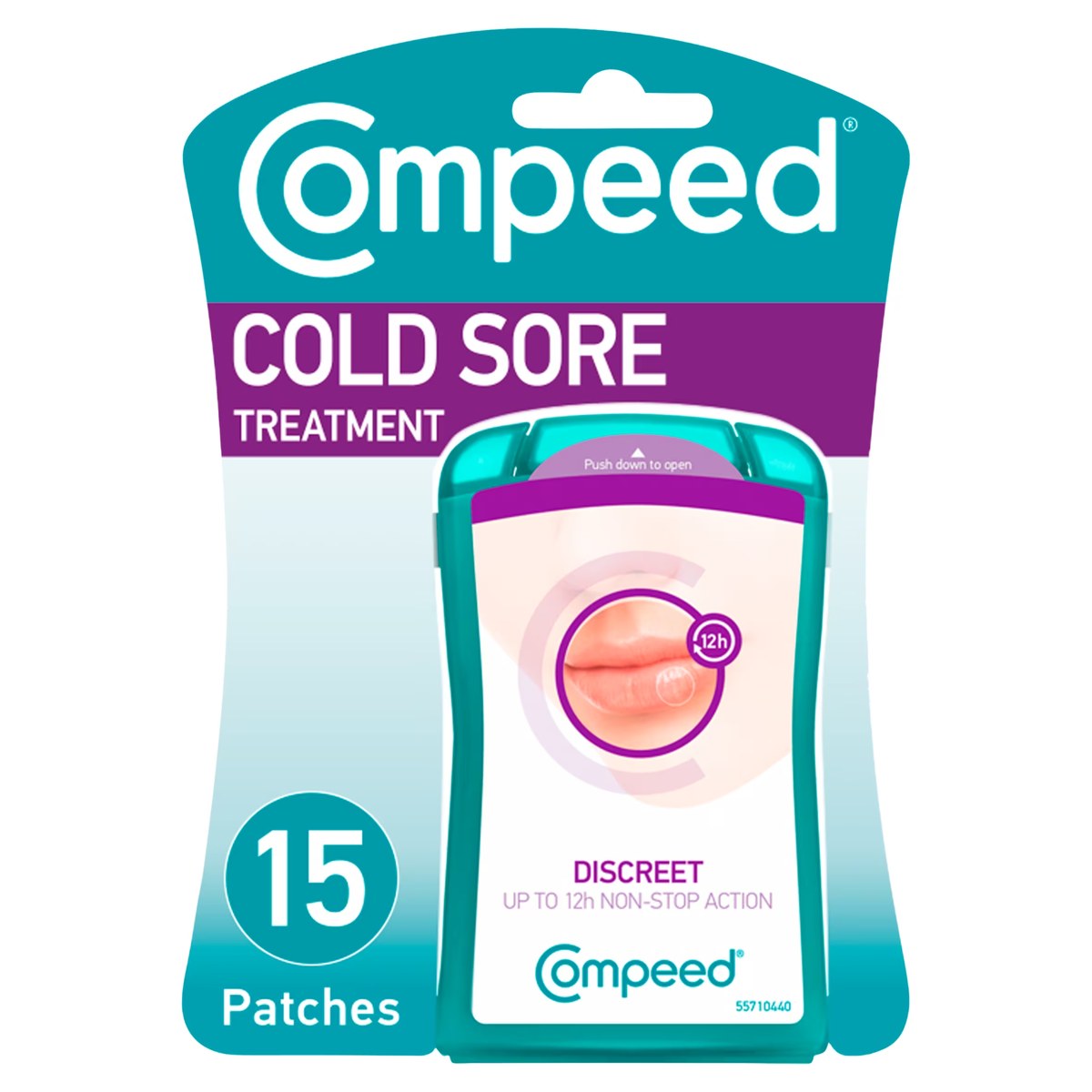
The one thing a lip stick can never do is hide a blister. Compeed's invisible patches use hydrocolloid gel technology, the moist wound healing principle, to cover an active sore for up to twelve hours, reducing crusting and containing the fluid.
Pros: discreet under makeup, cuts down the conspicuous scab phase, reduces the chance of spreading virus to your fingers, comfortable enough to sleep in.
Cons: no antiviral action and no sun protection, adhesion suffers at the lip border and while eating, and the cost per outbreak adds up for frequent sufferers.
7. Prescription Antivirals, If Frequency Is the Real Problem
Worth naming even though it is not a shelf product. If you are cycling through lip balms because you get five or more outbreaks a year, the highest leverage conversation is with a clinician. Short course oral valacyclovir or famciclovir at the first tingle produces the largest reduction in outbreak duration of anything discussed here, and daily suppressive therapy can reduce frequency.
Pros: the strongest evidence and the largest effect sizes in the category.
Cons: prescription only, systemic rather than local, and no antiviral eliminates HSV-1, which stays latent in nerve ganglia for life regardless of what you take.
A Mineral SPF Stick You Will Actually Wear Every Day
Labisan Protective Lip Balm, SPF 20 mineral barrier, $24.99
Zinc oxide filter, no added fragrance, Austrian formulation since 1931. 30 day satisfaction guarantee.
Shop Labisan ProtectiveThe Two Product Setup That Actually Works
Herpecin-L's real appeal is that it promises to be one product for everything, and no product in this category can be. The configuration we recommend is two items with clearly separated jobs. A mineral SPF balm worn every morning, unconditionally, to block the best documented external trigger before it fires. And one treatment product kept in the drawer, docosanol or a prescription antiviral, deployed at the first tingle on the days prevention did not hold. Barrier on the outside every day, antiviral only when needed. The daily version of that routine is in our cold sore protocol guide.
Frequently Asked Questions
What is the best alternative to Herpecin-L?
It depends which job you are replacing. For daily sun protection on cold sore prone lips, a mineral zinc oxide balm such as Labisan Protective SPF 20 is the closest prevention focused alternative and our editors' pick. For treating an active sore, docosanol 10% is the only over the counter antiviral with regulatory clearance. For a cheap everyday stick, Blistex Medicated SPF 15 costs two to four dollars.
Does Herpecin-L contain oxybenzone?
Yes. Per its FDA product listing, the SPF 30 stick's sunscreen actives are meradimate, octinoxate, octisalate and oxybenzone, alongside dimethicone as a skin protectant. If you are avoiding oxybenzone or chemical filters generally, a mineral zinc oxide balm is the alternative to look for.
Is Herpecin-L or Abreva better for cold sores?
They are not competing products. Herpecin-L is a sunscreen and lip protectant sold to people prone to cold sores, useful for daily protection and comfort. Abreva is docosanol 10%, an antiviral cleared to shorten an active outbreak by roughly eighteen hours when applied at the first tingle. Abreva treats, Herpecin-L protects, and neither one does the other job.
What can I use instead of Herpecin-L in Europe?
Herpecin-L is a United States drugstore brand and is hard to source in Europe. European buyers generally have easy access to Compeed patches for active sores, docosanol and acyclovir creams in pharmacies, and mineral SPF lip balms. Labisan Protective ships within the EU with free shipping over $49, which is why a lot of European readers arrive at this comparison in the first place.
Can an SPF lip balm actually reduce how often I get cold sores?
Blocking UV addresses the best documented external reactivation trigger, and the controlled data on that is strong, with a 1991 Lancet trial showing 71 percent of susceptible subjects breaking out under experimental UV with placebo versus 0 percent with sunscreen applied first. That is trigger prevention, not a cure. UV is one trigger among several, alongside stress, illness and hormonal changes, so no balm eliminates outbreaks entirely.
This article is educational content, not medical advice. Nothing described here cures HSV-1 or HSV-2, and the virus remains latent for life regardless of treatment. Ingredient details reflect published product listings and prices are typical retail ranges as of September 2026, both of which change. Always read the current carton, and talk to a doctor or pharmacist if your outbreaks are frequent, unusually severe, or near the eyes.