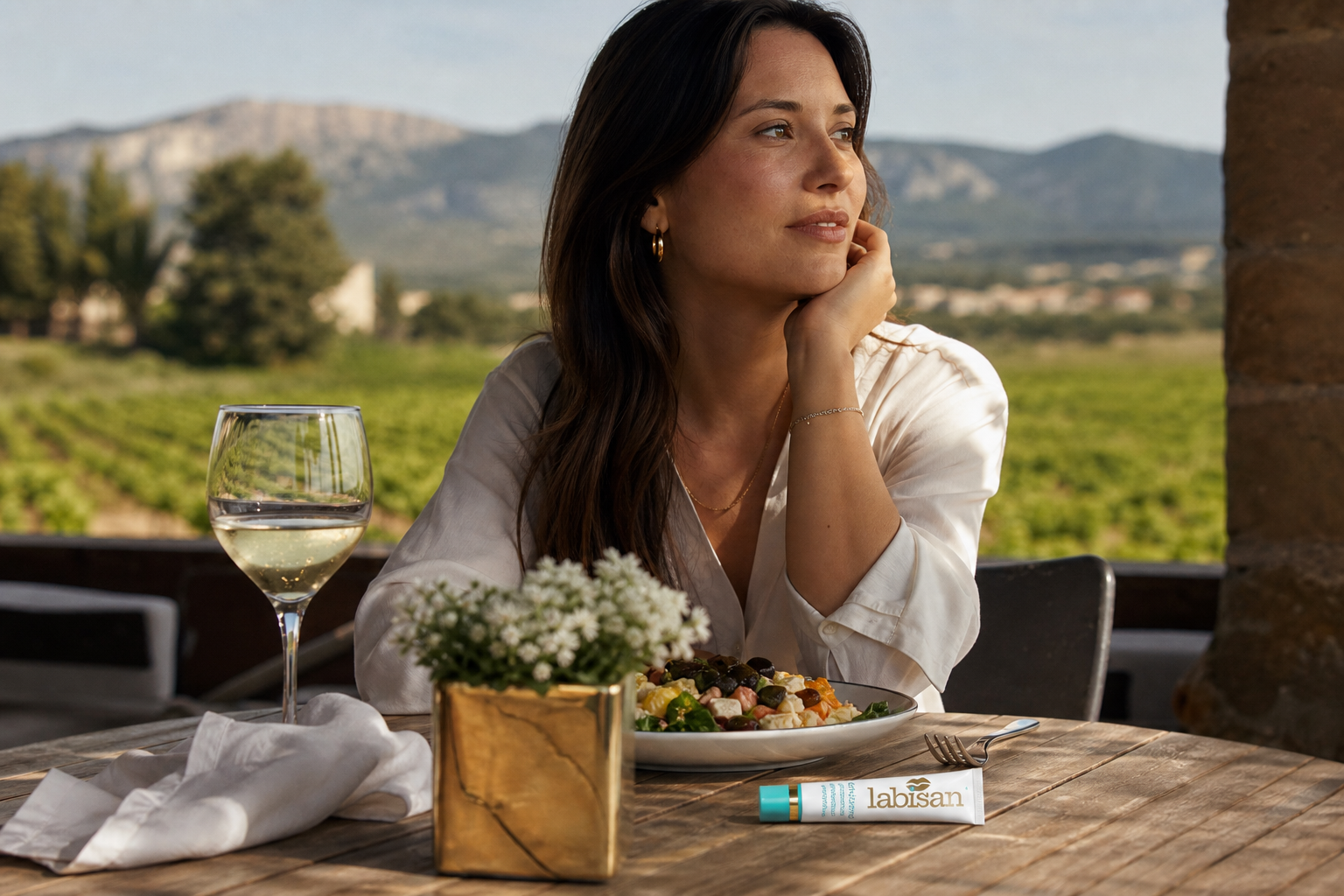
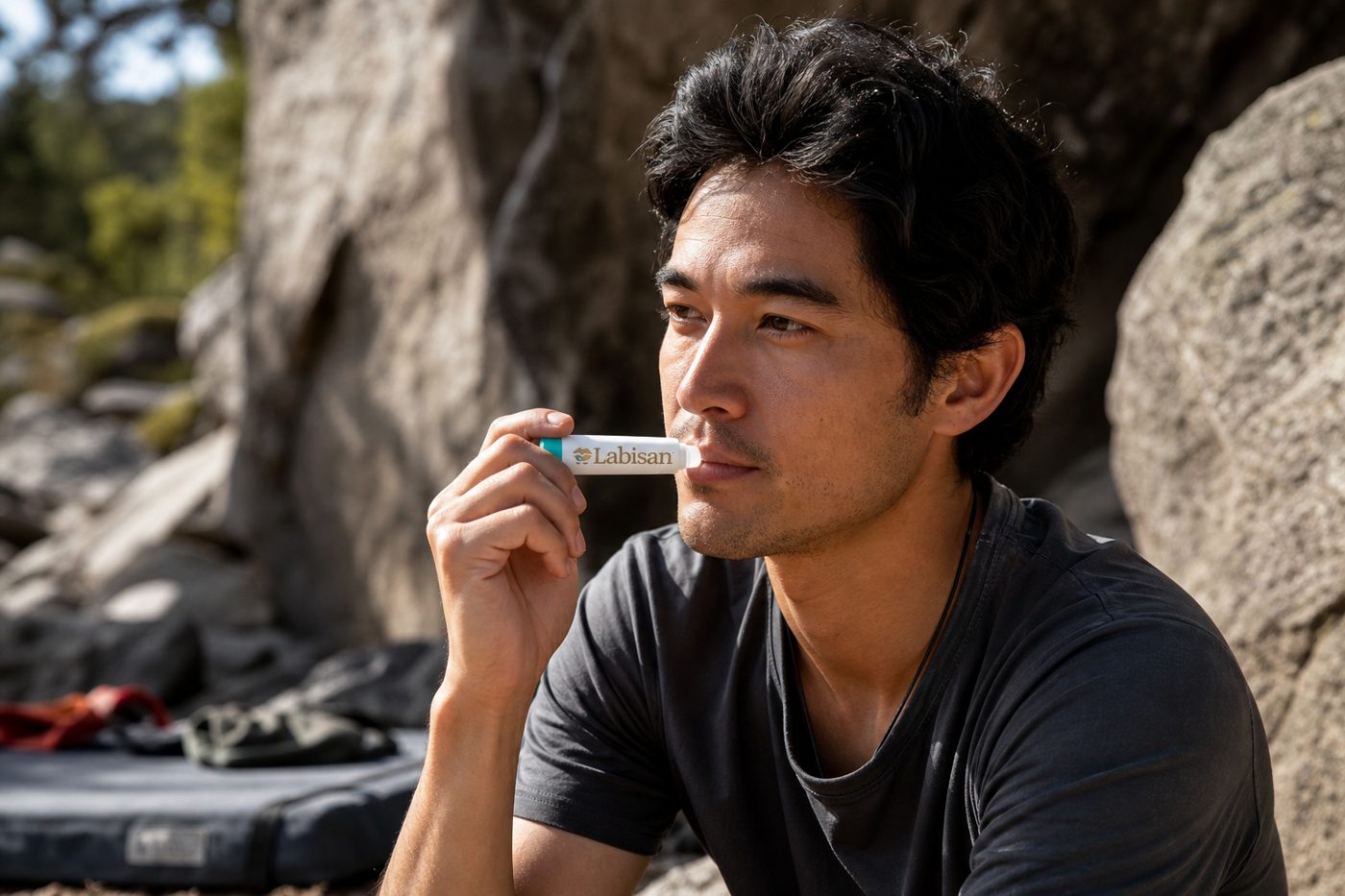
Ultraviolet radiation is the only cold sore trigger that has been reproduced deliberately, under controlled conditions, in human volunteers. In 1985, Spruance and colleagues showed that a single suberythemal dose of UVB applied to the lip of people with a history of recurrent herpes labialis produced visible lesions in a large fraction of subjects within roughly two to three days, on the same lip site, with detectable viral shedding. Six years later, a randomized, double blind, crossover trial published in The Lancet (Rooney and colleagues, 1991) took 38 subjects with UV inducible recurrences, exposed them to experimental UV light twice, and applied either a placebo or a broad spectrum sunscreen beforehand. Lesions developed in 27 of 38 subjects after placebo and in 0 of 38 after sunscreen. That is one of the cleanest prevention signals anywhere in the herpes simplex literature. Layer that on top of the scale of the problem: the World Health Organization estimates roughly 3.8 billion people under 50, about 64 percent of that age group, carry HSV-1, and depending on the survey, sun exposure is named as a trigger by between one quarter and two fifths of people with recurrent outbreaks. If you want the numbers behind carrier rates and recurrence rates in detail, our breakdown of HSV-1 global epidemiology by the numbers covers the epidemiology properly. The short version is this: UV is the single most modifiable trigger you have, and it is the one you can physically block with a film of zinc oxide.
What UV Light Actually Does to the Immune Defenses in Your Lip
The intuitive story, that sunburn "damages" the lip and the virus takes advantage, is wrong. The effective dose in the experimental studies was suberythemal, meaning below the level that produces visible redness. UV does not need to burn you to trigger a cold sore. It needs to do something much subtler.
Langerhans cell depletion
Your epidermis is patrolled by Langerhans cells, dendritic antigen presenting cells that act as the local immune sentries. They are the cells that detect viral antigen at the surface and recruit the T cell response that normally suppresses HSV-1 before it can build a lesion. UVB exposure causes these cells to migrate out of the epidermis and become functionally impaired, and the local population can be measurably reduced for a period of days after a single exposure. During that window the lip is, immunologically speaking, unguarded.
Cis-urocanic acid and immunosuppressive cytokines
The stratum corneum contains trans-urocanic acid, a breakdown product of the amino acid histidine. UVB photoisomerizes it to cis-urocanic acid, which is a recognized mediator of UV induced immune suppression. In parallel, irradiated keratinocytes release interleukin 10 and other cytokines that push the local response toward tolerance rather than attack. The net effect is a genuine, transient, dose dependent suppression of cell mediated immunity at the exposed site.
Reactivation at the ganglion and travel down the nerve
HSV-1 does not live in your lip between outbreaks. It sits latent in the neurons of the trigeminal ganglion. UV exposure at the lip both stresses the peripheral nerve endings and removes the local immune brake at the destination. Virus reactivates, travels anterograde down the axon to the vermilion border, and finds a landing zone with no functioning surveillance. That is why the lesion reliably appears at the irradiated site, and why the delay is measured in days rather than hours.
Why the Lip Is the Most Photo-Vulnerable Skin You Own
The vermilion, the pink or red part of the lip, is structurally the worst tissue on your body for handling ultraviolet light. It has a very thin stratum corneum compared with facial skin. It has minimal melanin, so it cannot tan into any meaningful defense. It is essentially devoid of sebaceous and sweat glands, so it has no natural lipid film to hold moisture or scatter light. And unlike the rest of your face, almost nobody applies sunscreen to it, because ordinary facial SPF tastes unpleasant and gets licked or eaten off within minutes.
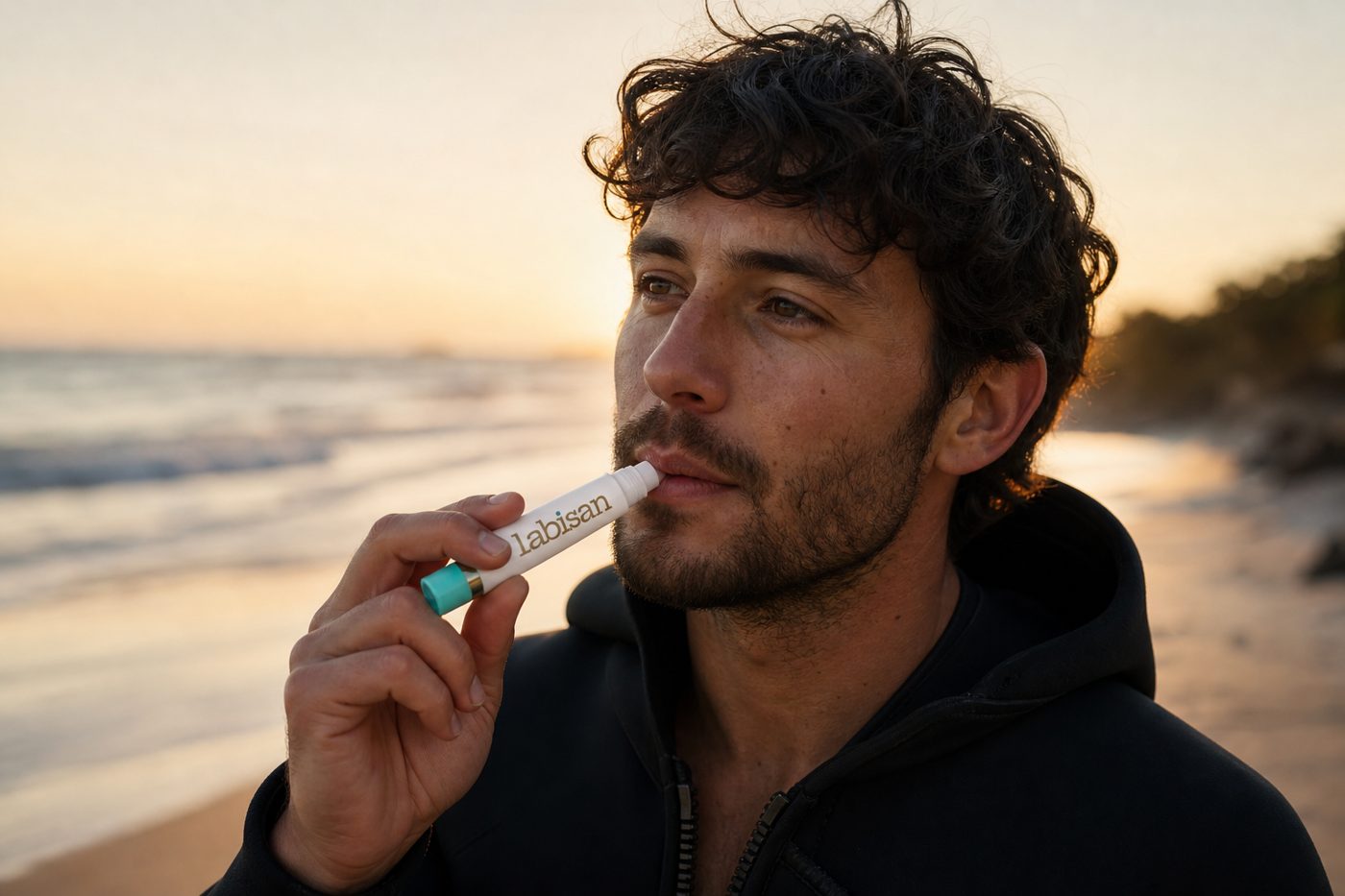
The dose problem compounds fast in exactly the environments our customers live in. UV intensity rises by roughly 10 to 12 percent for every 1,000 metres of elevation gain. Fresh snow reflects up to 80 to 90 percent of incident UV back upward, straight at the underside of the lip and the philtrum, which no hat brim protects. Dry sand reflects around 15 to 25 percent and open water around 10 to 30 percent, and both come with wind, salt and dehydration that thin the lip barrier further. A day of spring skiing at 2,500 metres and a day on a Mediterranean beach are, from your lip's point of view, comparable assaults. If you are planning either, our practical guides to beach vacation cold sore prevention and heat, stress and cold sore triggers break the exposure down day by day.
The Evidence for Blocking UV, Including the Part That Is Complicated
Honest reporting means giving you both trials, not just the flattering one. The 1991 experimental sunscreen study was near perfect in its result, but it was a laboratory UV challenge with the sunscreen applied under supervision immediately before a controlled dose. An earlier field study of sunscreen among skiers, published in the late 1980s, failed to show a significant reduction in recurrences under real world conditions.
The gap between those two results is not evidence that blocking UV does not work. It is evidence about application discipline and confounding. In the field, product gets wiped off by scarves, licked off, eaten off at lunch, and diluted by sweat. Skiing also stacks cold, wind, altitude hypoxia, dehydration, sleep deficit and physical stress on top of UV, and each of those is an independent reactivation pressure. The lesson is not to abandon SPF. The lesson is that a lip specific formula that stays put, gets reapplied, and is combined with an immune side of the equation is what turns the laboratory result into a real world one.
How to Block UV at the Lip: The Practical Protocol
Choose a mineral filter, not just a number
SPF as a rating is measured against UVB erythema, and UVB is the dominant driver of cutaneous immunosuppression, so SPF is a reasonable proxy here. But filter choice matters. Zinc oxide is a photostable broad spectrum mineral filter covering UVB and both UVA II and UVA I; it does not degrade in sunlight the way some organic filters can, and it is well tolerated on a mucosal surface that you will inevitably ingest small amounts of. SPF 20 from zinc oxide, applied properly and reapplied, blocks the overwhelming majority of the UVB reaching the vermilion.
Apply enough, and apply it before exposure
Under-application is the single biggest reason SPF underperforms. Coat the entire vermilion, then extend past the vermilion border onto the surrounding skin, because that perimeter is where lesions most often start. Apply 15 minutes before going out.
Reapply on a timer, not on a feeling
Every two hours minimum. Immediately after eating, drinking, swimming or wiping your mouth. On a ski day that is realistically six to eight applications, which is precisely why keeping a tube in the jacket, one in the car and one in the day bag beats keeping one somewhere at home.
Respect reflected and diffuse UV
Cloud cover transmits a large share of UVB. Shade under a beach umbrella still delivers reflected UV from sand. A hat brim does nothing about snow glare from below. Treat any full day outdoors between March and October, and any day on snow at any time of year, as a full exposure day.
Why the Labisan Dual Protocol Is the Smarter Long Term Answer
Look at the cold sore aisle honestly. Docosanol creams such as Abreva, hydrocolloid patches such as Compeed, lysine ointments, and prescription antivirals like acyclovir and valacyclovir are all, with the partial exception of suppressive dose antivirals, reactive. They are excellent at what they do, which is to shorten or manage an outbreak that has already begun. Every one of them requires the same precondition: the virus has already reactivated, already travelled down the trigeminal nerve, and already reached your lip. By the time you reach for them, the tingle has happened, the lesion is forming, and your week is already compromised.
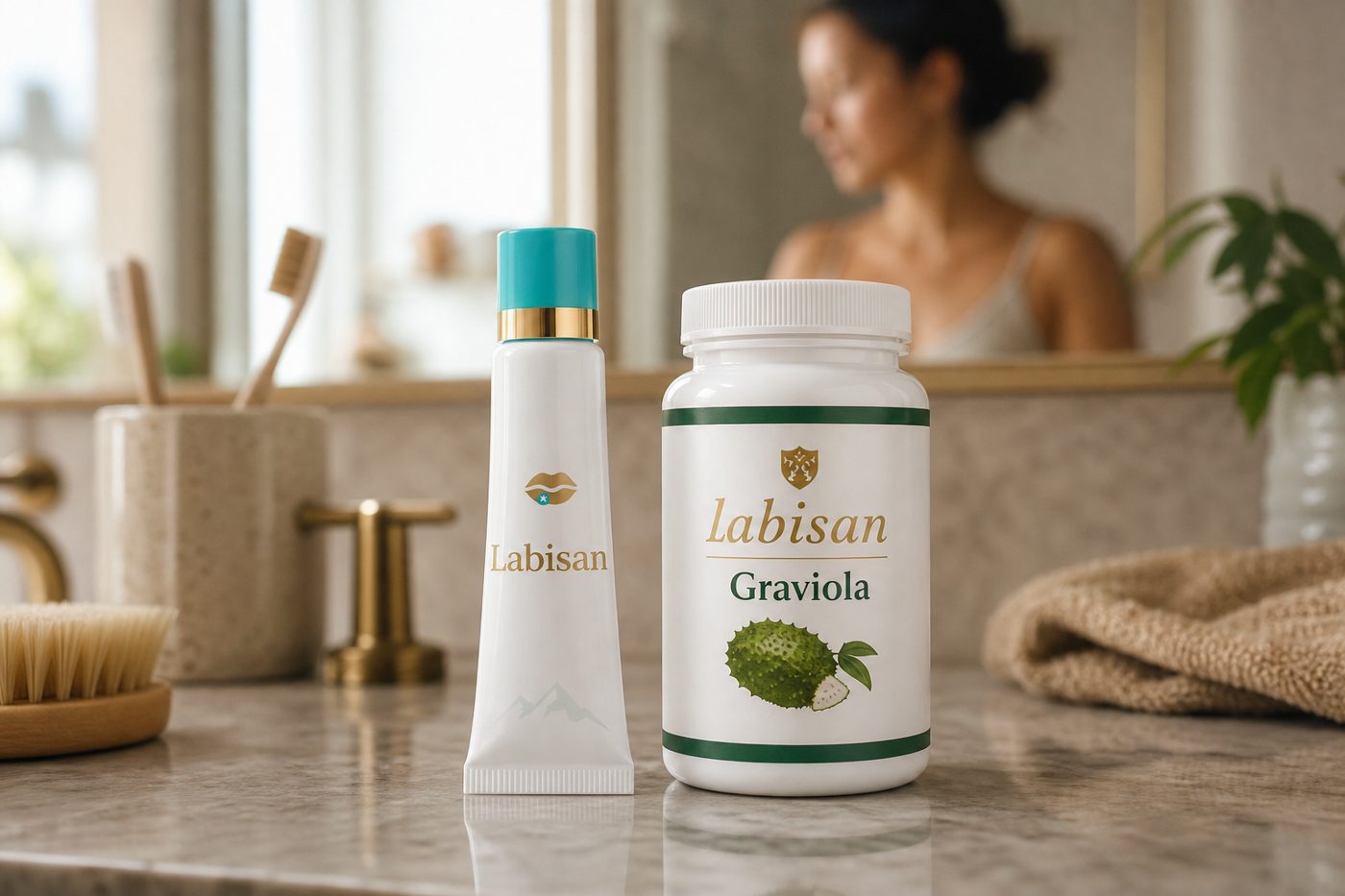
Labisan Protective Lip Balm SPF 20 operates one full step earlier in the causal chain. It puts a photostable zinc oxide barrier between ultraviolet radiation and the lip tissue, which is the single trigger with the strongest experimental evidence for causing HSV-1 reactivation in the first place. Blocking the trigger is structurally higher leverage than treating the consequence, because an outbreak that never starts needs no treatment, no healing window and no hiding. The shea butter and manuka oil base does the second job that matters, keeping the vermilion barrier intact against wind, cold and dryness so the lip is not already compromised when UV arrives.
The second half of the protocol addresses what SPF cannot. Labisan Graviola Capsules support normal immune function from the inside, which is aimed at reducing outbreak frequency over time. To be explicit and accurate: graviola is not a cure, it does not eliminate latent HSV-1 or HSV-2 from the ganglia, and nothing available anywhere does. Latency is permanent. What is realistically modifiable is how often the virus successfully breaks through, and that depends on trigger load on the outside and immune competence on the inside. Blocking UV handles the largest external input; supporting immunity addresses the internal threshold. Our full write-up of the Labisan lip balm and Graviola hybrid system explains how the two halves are meant to be run together, and it applies to oral HSV-1, to HSV-2 with oral involvement, and to anyone whose recurrences cluster around sunny days.
Block the Trigger Instead of Treating the Outbreak
Labisan Protective Lip Balm SPF 20
Single: $24.99 | Adventure Pack (3x): $59.97 | Family Bundle (5x): $89.95
Free shipping over $49. 30 day satisfaction guarantee.
Shop NowFrequently Asked Questions
Is UV really the number one cold sore trigger?
It is the best evidenced one. UV is the only common trigger that has been used to deliberately induce herpes labialis lesions in controlled human studies, and in patient surveys sun exposure is consistently among the most frequently reported triggers, cited by roughly a quarter to two fifths of people with recurrences. Stress, fever, illness, menstruation and lip trauma are all genuine triggers too, but UV is the one you can physically block.
How long after sun exposure does a cold sore appear?
Typically two to three days in the experimental UV studies, and commonly one to four days in real life. That delay is why many people never connect the outbreak to the sunny day that caused it, and why they treat the trigger as a mystery.
Does SPF 20 provide enough protection for the lips?
Yes, when it is applied generously and reapplied every two hours. Real world SPF performance is limited far more by under-application and by wearing off than by the number on the tube. A zinc oxide SPF 20 that you actually reapply six times on a ski day outperforms a higher number applied once in the morning.
Can I use SPF lip balm and Abreva or acyclovir at the same time?
Yes, and the roles are complementary rather than competing. Use SPF continuously as prevention, and use your chosen antiviral at the first tingle if an outbreak does break through. Speak to your pharmacist or doctor about prescription antivirals, particularly if your outbreaks are frequent or severe.
Do Graviola capsules cure herpes?
No. Nothing cures HSV-1 or HSV-2; the virus remains latent in nerve tissue for life. Labisan Graviola Capsules are intended to support normal immune function, with the goal of reducing how often outbreaks occur. They are a supplement, not a treatment, and they are not a substitute for medical advice or prescribed antiviral therapy.