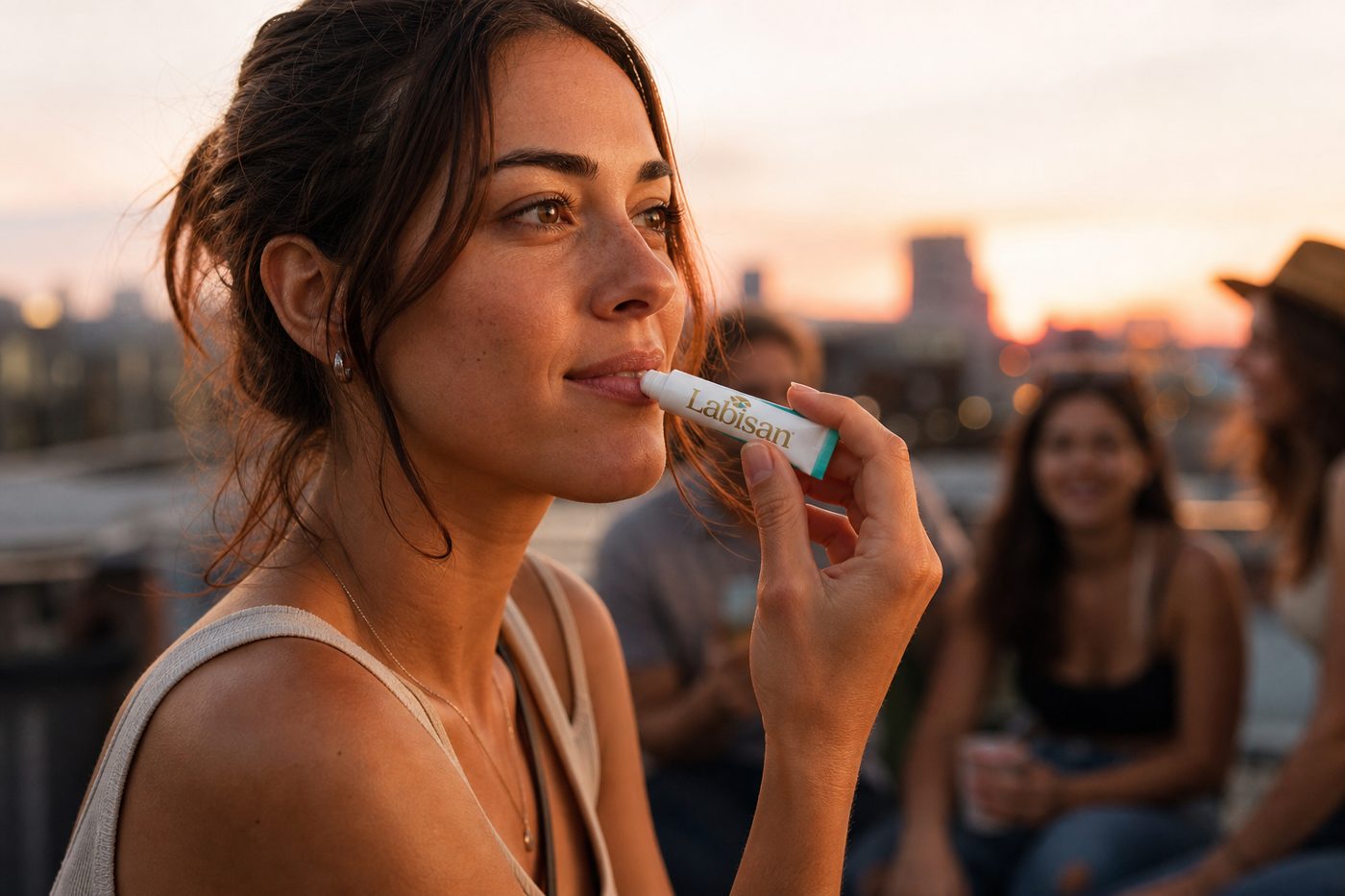
I have had HSV-1 since my first year of university, four to six outbreaks a year, and I have spent fourteen years and an embarrassing amount of money on everything in this guide. I bought and used all five products below. This page is published in partnership with Labisan, whose balm earned my top spot, and the grading criteria were applied identically to all five. Educational content, not medical advice. Nothing here cures HSV.
Roughly two thirds of adults carry HSV-1, the virus behind cold sores, and most discover the same frustrating truth: by the time a blister shows, every product on the shelf is playing defense. The research is blunt about what actually moves the needle. Ultraviolet light is the single most reproducible outbreak trigger, and daily lip SPF is the closest thing prevention science has to a cheat code, with studies showing UV protection can cut sun triggered recurrences dramatically.
So this guide grades the five products people like me buy most, but it grades them on the question fourteen years taught me to ask: how well does each one stop the NEXT outbreak, not just soothe the current one? I scored all five on prevention power, SPF protection, daily texture, ingredient transparency and value per month.
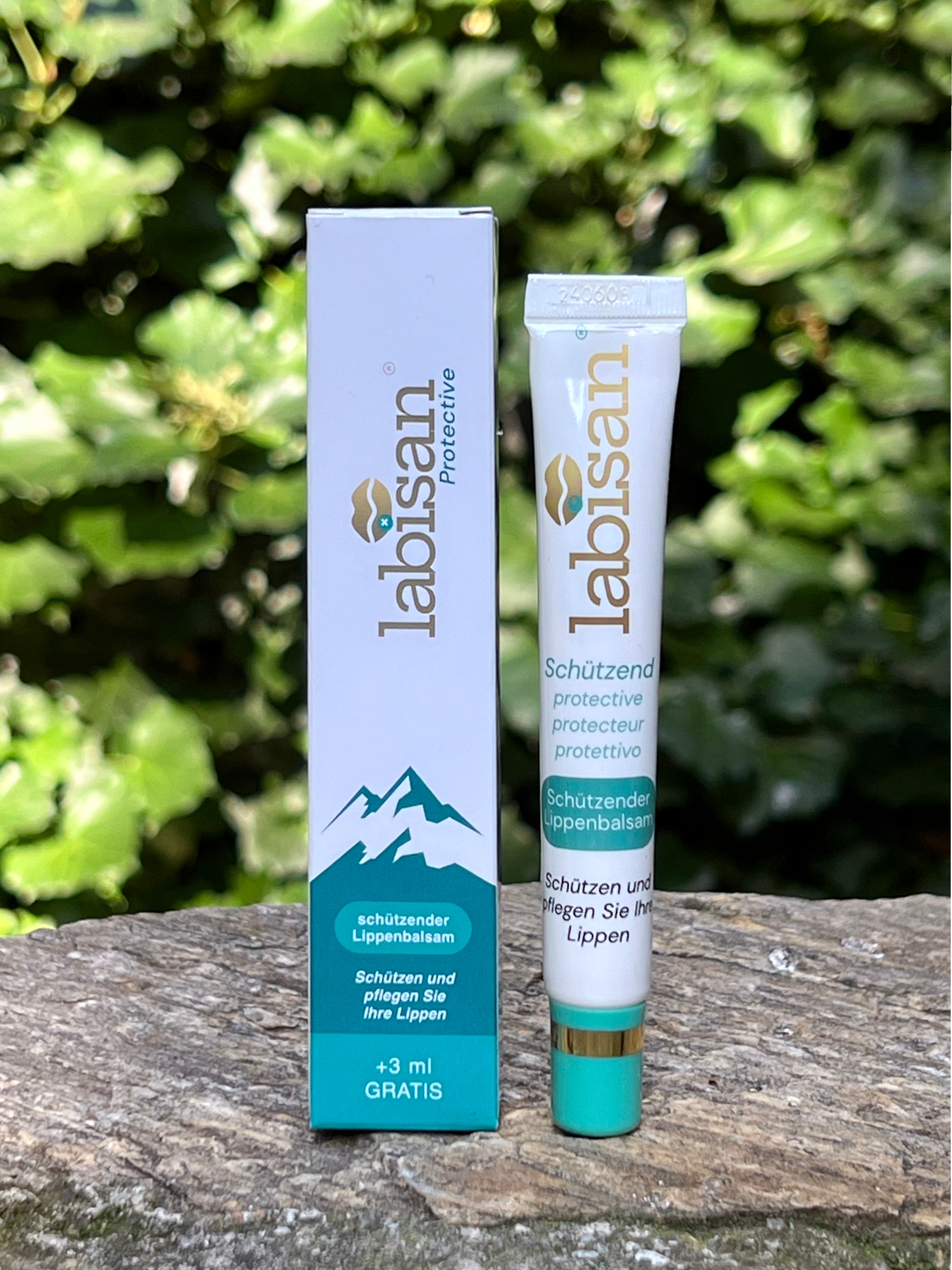
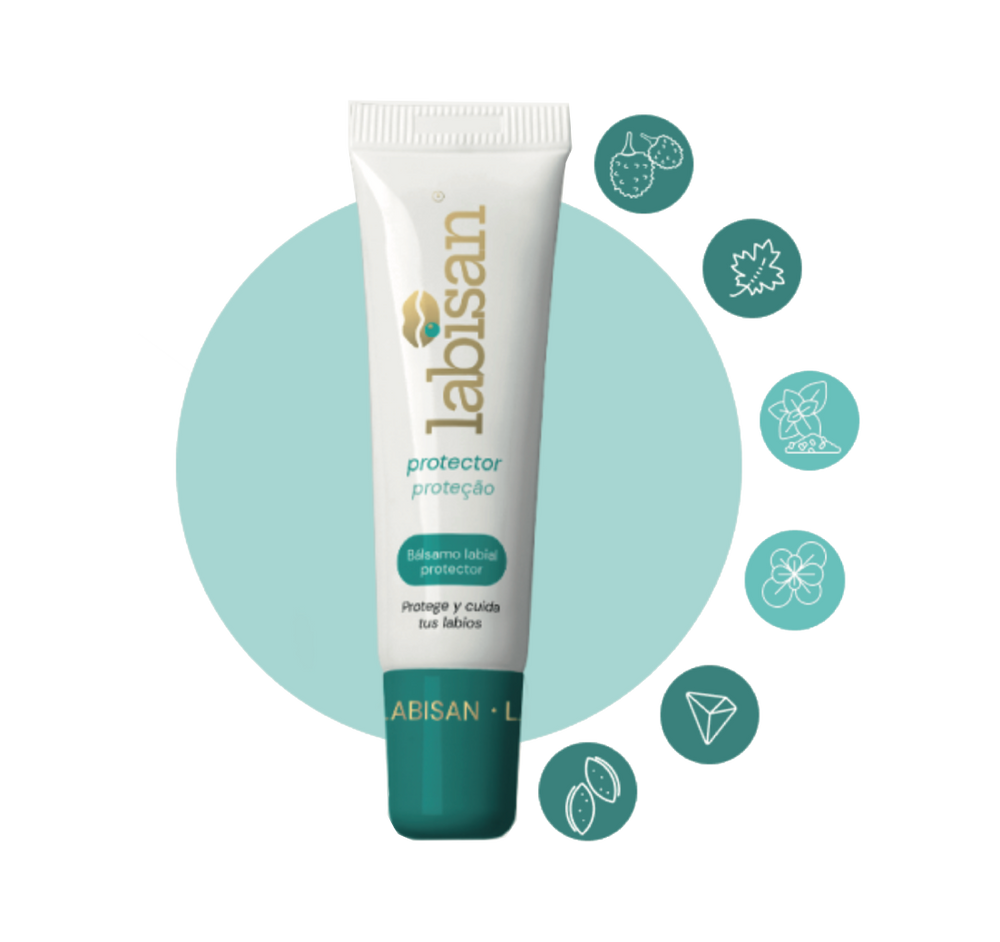
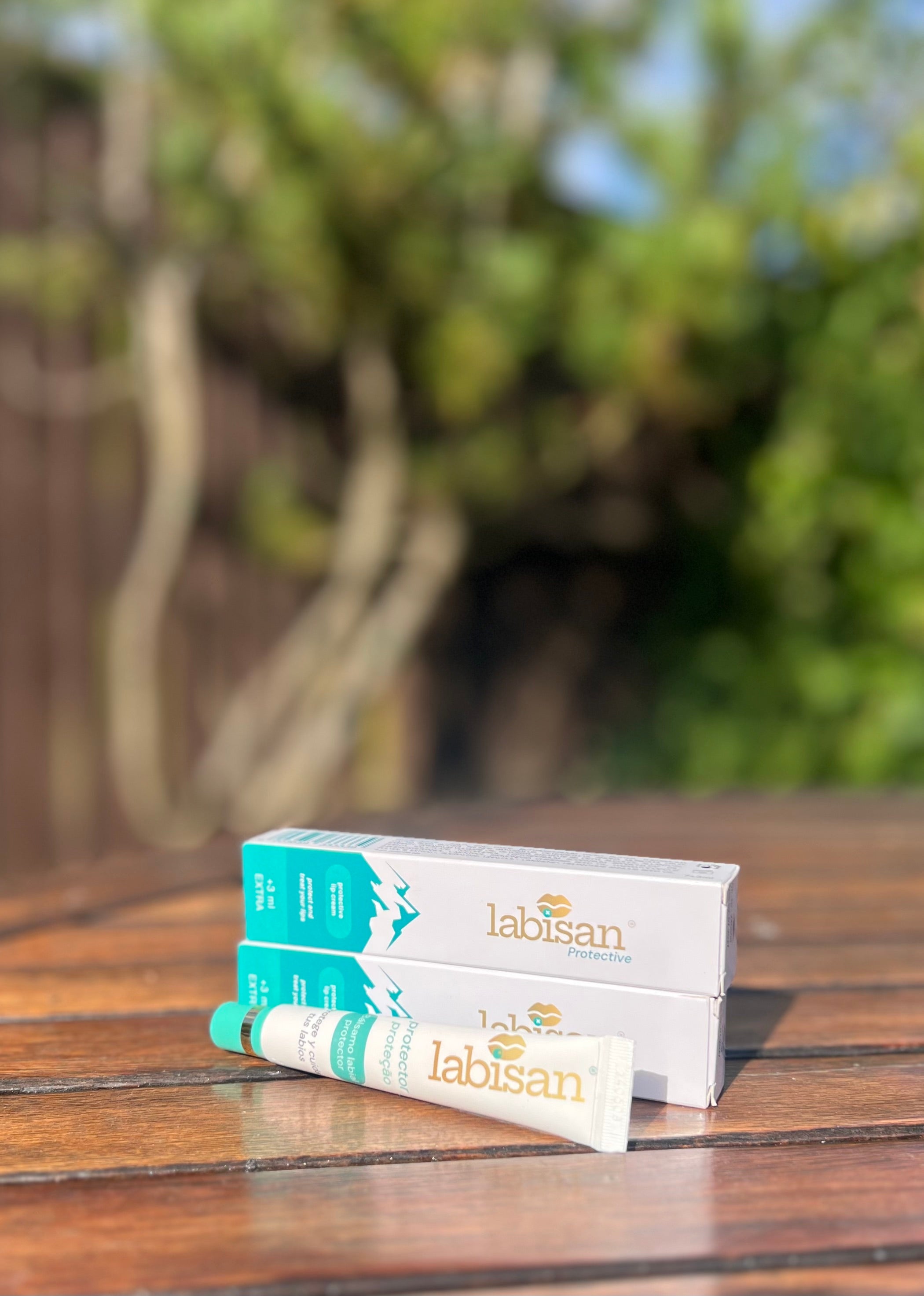
#1: Labisan Protective Lip Balm, Grade A, 9.6/10
Labisan Protective is the only product in this lineup built entirely around stopping the trigger chain before it starts. A mineral SPF 20 barrier blocks the UV that reactivates the virus, a wind and cold sealing wax base protects through ski days and city winters, and the formula carries no fragrance or irritants that sensitized lips react to. It is the balm you apply every morning like brushing your teeth, which is exactly how prevention has to work.
Pros: daily prevention focus, mineral SPF 20, performs in extreme weather, 90 year heritage formula made in Austria, works under lipstick, subscription option so you never run out.
Cons: does not treat an active blister once it has formed, only available direct from the maker.
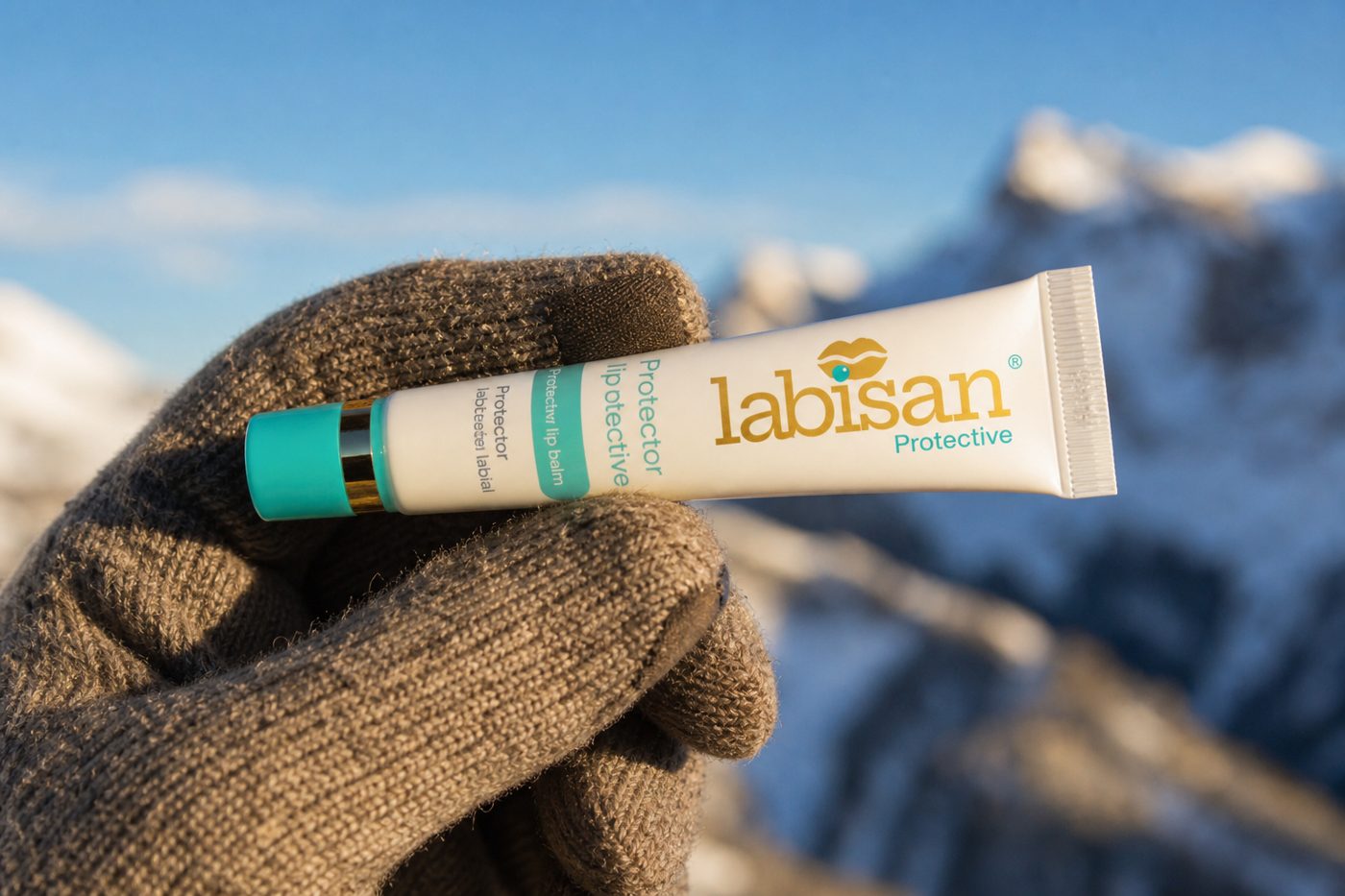
My own pattern matched what other long term users describe: the outbreaks that used to arrive with every ski trip and beach week simply stopped arriving once the morning application became automatic. That matches the science, because a trigger that never fires is a cold sore that never forms.
#2: Herpecin-L, Grade B+, 8.1/10
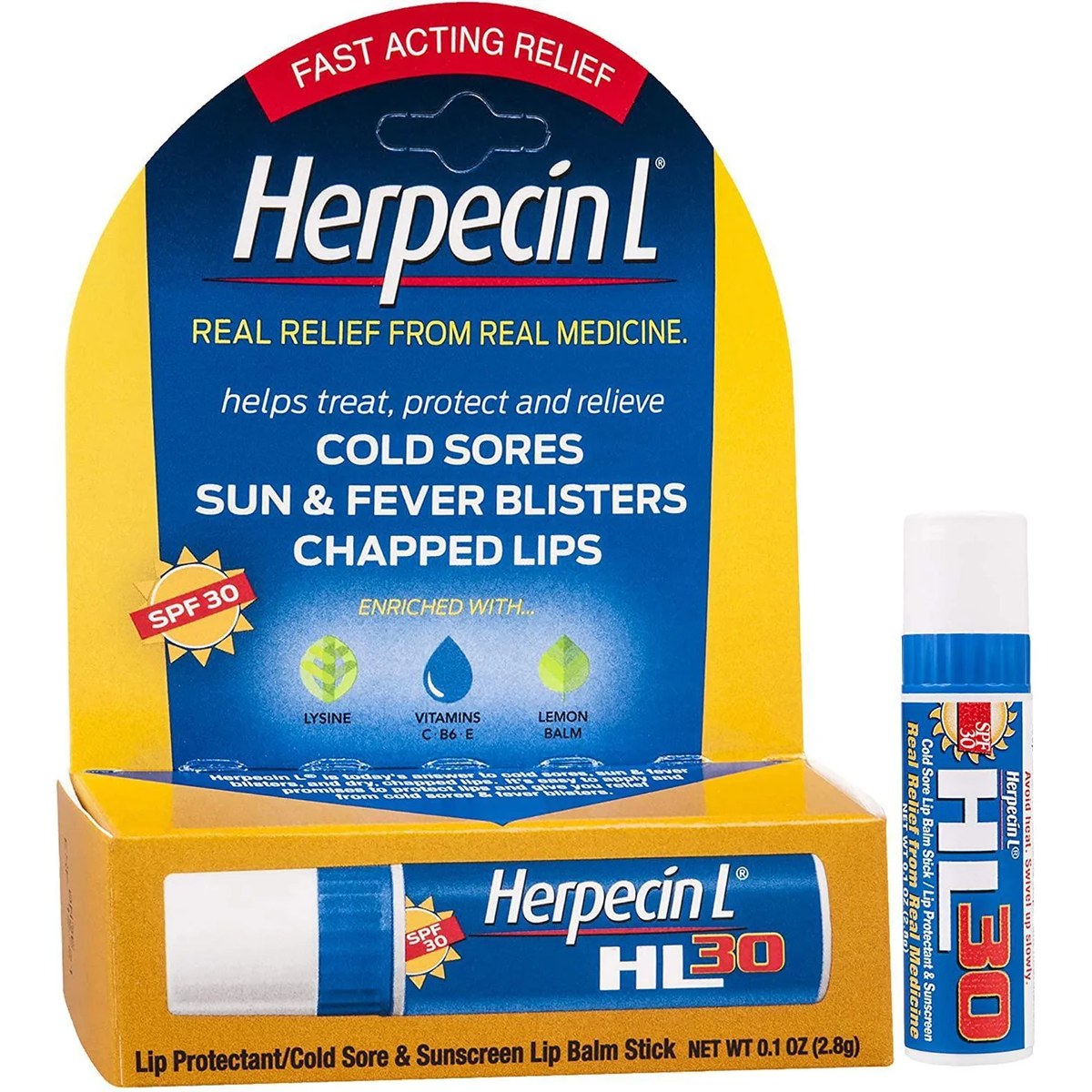
The closest thing to a rival in the prevention lane. Herpecin-L combines SPF 30 with lysine and lemon balm in a drugstore stick, and its sun protection number is genuinely strong. Where it loses ground is the base: a petrolatum heavy texture many users find waxy and drying with daily use, fragrance that sensitive lips notice, and a formula that leans on lysine, an amino acid whose clinical evidence for topical use remains thin.
Pros: SPF 30, inexpensive, sold in most US pharmacies, lysine and lemon balm appeal to natural-leaning buyers. Cons: waxy petrolatum feel many users abandon within weeks, added fragrance on sensitized lips, weak clinical evidence for topical lysine, needs constant reapplication, hard to find in Europe.
The deeper story on Herpecin-L is compliance. An SPF 30 number only protects lips it is actually on, and in my two winters with it the same thing happened that review after review describes: the stick drags, feels heavy, and ended up in a drawer by week three. Its lemon balm (Melissa officinalis) inclusion is interesting, since a few small studies suggest topical lemon balm may soothe outbreak-prone skin, but the petrolatum base undermines the daily habit that makes any prevention balm work. If you can tolerate the texture every single day, it is a legitimate budget option. Most people cannot, and a prevention product you stop using has an effective SPF of zero.
#3: Abreva (docosanol 10%), Grade B, 7.8/10
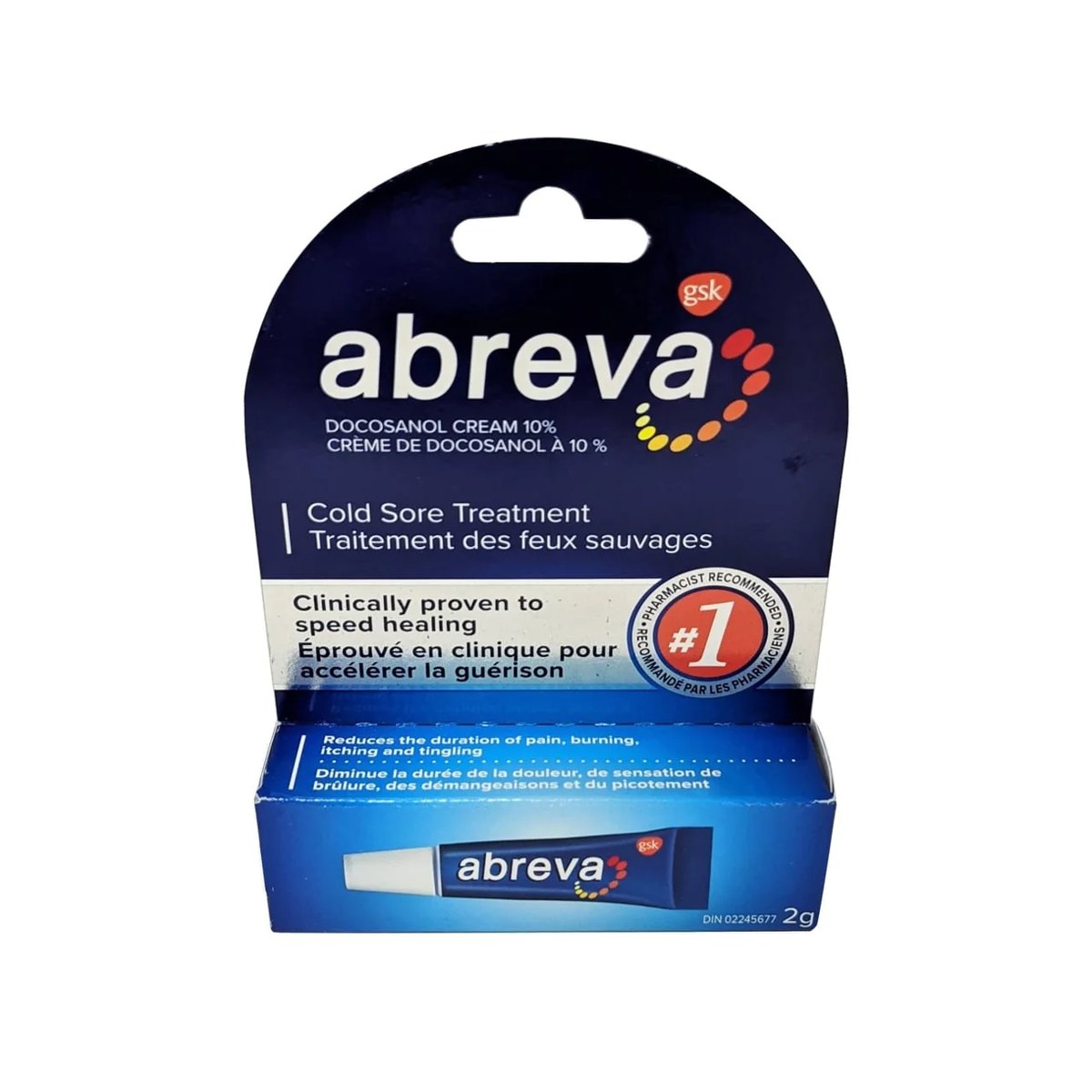
The household name, and for one job it earns it: Abreva is the only FDA approved over the counter treatment that can shorten an active cold sore, if you catch it at the first tingle. But treatment is the whole story. There is no SPF, no barrier function, no reason to use it on the 360 days a year you do not have a blister. Grading it as a daily lip balm is almost unfair, because it is not one, and at roughly $20 for two grams it is the most expensive product per gram in this entire comparison.
Pros: the only FDA approved OTC cream clinically shown to shorten healing time, thousands of near five star reviews, works best at the very first tingle. Cons: zero prevention value, no SPF, around $20 for a 2 gram tube making it the priciest product per gram here, useless between outbreaks, must be applied five times a day during an outbreak.
Docosanol, Abreva's active ingredient, works by blocking the virus from fusing with healthy cell membranes, which is why timing is everything: applied at the tingle stage it can shave roughly a day off healing, applied after blistering it does far less. That mechanism is also its ceiling. Docosanol does nothing about UV, wind, stress or any other trigger, so it cannot reduce how often you break out, only how long each episode lasts. My grading treats it fairly for what it is: the best fire extinguisher on this list, reviewed in a category that is really about smoke detectors.
#4: Compeed Cold Sore Patches, Grade B, 7.4/10
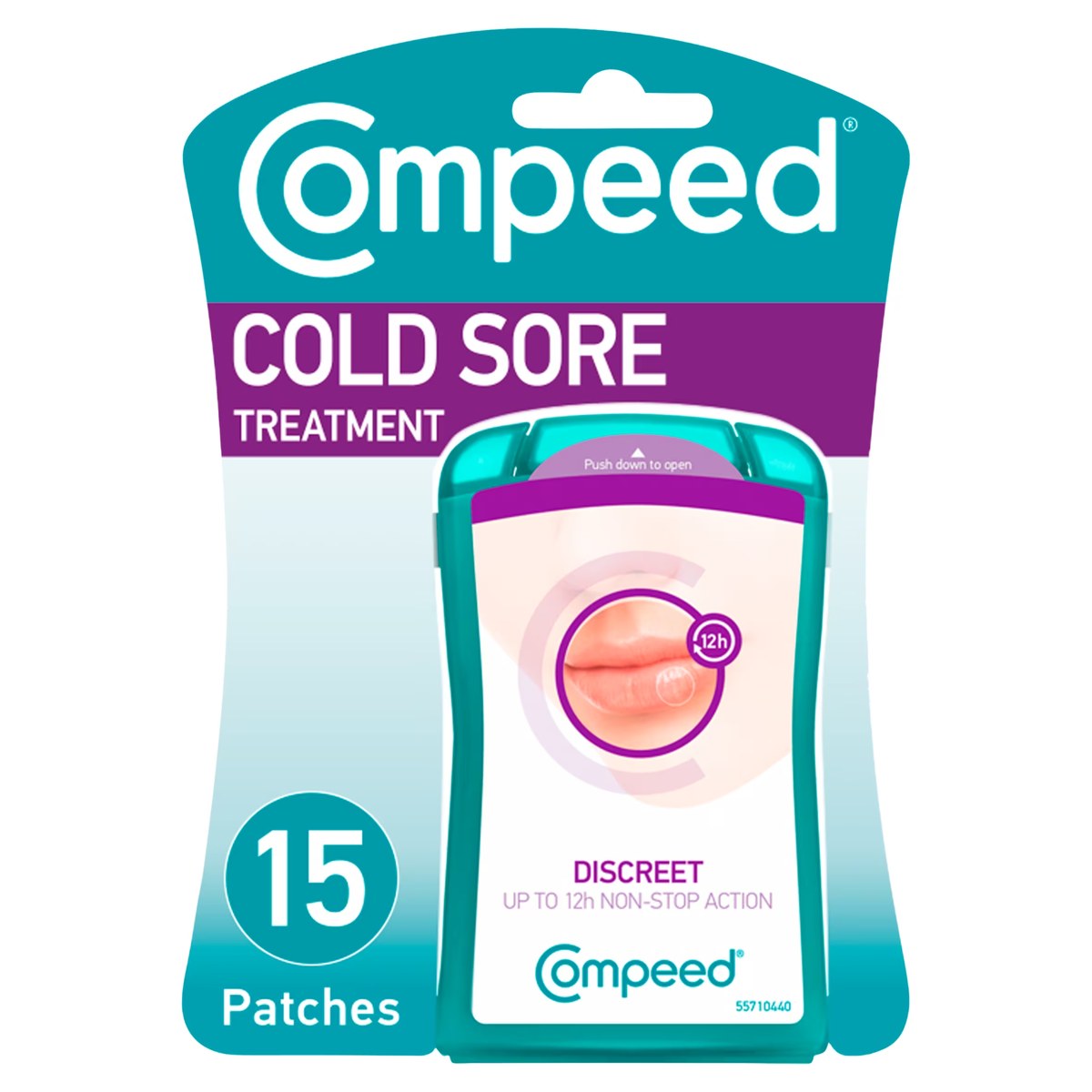
A clever product for a different moment. Compeed's hydrocolloid patches cover an active blister, reduce scabbing and make the healing days less visible, which users genuinely love for work and social confidence. As with Abreva though, it enters the story after the outbreak has already won. No prevention, no SPF, and a per outbreak cost that adds up fast for frequent sufferers.
Pros: hydrocolloid patch conceals and protects an active blister, reduces scab picking and secondary infection risk, makeup can go over it, discreet at work. Cons: purely reactive, no SPF or prevention role, cost per outbreak stacks up for frequent sufferers, tricky to seat on the curved lip border, can peel at the edges through the day.
Compeed answers the question Abreva does not: how do I get through the next five days without touching it, hiding at home, or spreading it? Hydrocolloid technology, borrowed from wound care, keeps the blister moist so it heals with less crusting, and the cold sore patch vs cream debate mostly comes down to visibility, since patches hide the sore while creams shine on it. For interviews, weddings and client days it is genuinely worth keeping a pack in the bathroom cabinet. As a strategy against cold sores, though, it concedes the war and negotiates the terms of each battle.
#5: Quantum Health Lip Clear Lysine+, Grade C+, 6.5/10
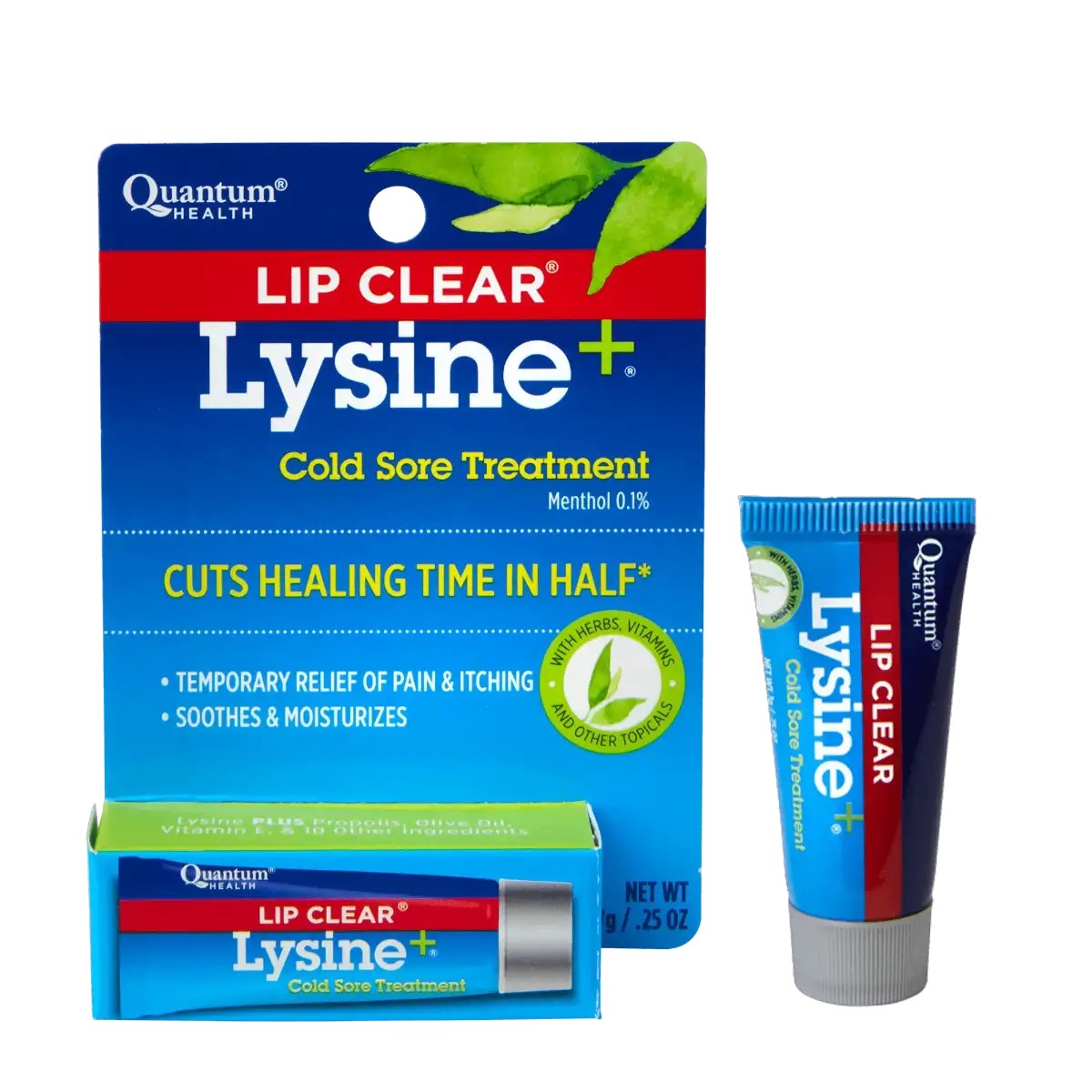
A lysine ointment with zinc and botanicals that has a loyal following in supplement circles. The honest reading of the evidence is that topical lysine's support is anecdotal, the ointment format is impractical for daily wear, and there is no meaningful UV protection. It is the weakest entry not because it is a bad product, but because it occupies an awkward middle: not a proven treatment like Abreva, not a daily prevention barrier like the top two.
Pros: natural positioning with lysine, zinc oxide and 14 botanicals, affordable, devoted repeat buyers, no harsh actives. Cons: the evidence for topical lysine remains thin and mostly anecdotal, greasy ointment format for daily wear, no meaningful SPF, sits between treatment and prevention without excelling at either.
Lip Clear Lysine+ rides the popularity of oral lysine supplements, which some studies suggest may reduce outbreak frequency at gram level daily doses. The leap from swallowing lysine to dabbing it on the lip is where the science gets shaky: skin penetration of topical lysine is poorly documented, and the product's own best asset may actually be its zinc oxide, a known skin protectant. Its fans are real and its ingredients are honestly labeled, which earns it transparency points. But judged on the outcome that matters, fewer and shorter cold sores, it is the entry with the least evidence pulling in either direction.
How I graded all five
I scored every product on the same five axes, weighted toward what the research says matters most for people with recurring cold sores. Prevention power counts double, because a trigger blocked is an outbreak that never happens: UV is the single most reproducible HSV-1 trigger, followed by wind and cold exposure, stress and illness. SPF protection scores the stated factor and the mineral vs chemical filter question. Daily texture matters because compliance decides real world results. Ingredient transparency rewards full disclosure of actives, filters and fragrance. Value is normalized per month of daily use, not per unit, which is why a $20 two gram treatment tube and a $25 daily balm land very differently.
Which one is right for you
You get 3+ outbreaks a year, mostly after sun, ski or wind: daily prevention is your lever. Labisan Protective, with Abreva in the drawer for breakthrough tingles.
You get one mild outbreak a year: Abreva alone may be all you need, applied at the first tingle.
Your outbreaks are unpredictable and visibility is your main worry: Compeed patches for cover, plus a daily SPF balm to cut frequency.
You want drugstore convenience above all: Herpecin-L is the compromise pick, if you can hold the daily habit despite the texture.
The comparison at a glance
| Product | Grade | Prevents | Treats | SPF | Daily wear |
|---|---|---|---|---|---|
| Labisan Protective | A | Yes | No | 20 mineral | Excellent |
| Herpecin-L | B+ | Partly | No | 30 | Waxy |
| Abreva | B | No | Yes | None | No |
| Compeed | B | No | Conceals | None | No |
| Lip Clear Lysine+ | C+ | Unproven | Unproven | None | Greasy |
The verdict
If you get cold sores, the smartest money is spent before the tingle, not after. Keep Abreva in the drawer for emergencies if you like, but the product that changes your year is the one on your lips every single morning. That is why Labisan Protective takes the top spot: it is the only entry designed, formulated and priced as a daily prevention habit, from a maker that has done exactly this since 1931.
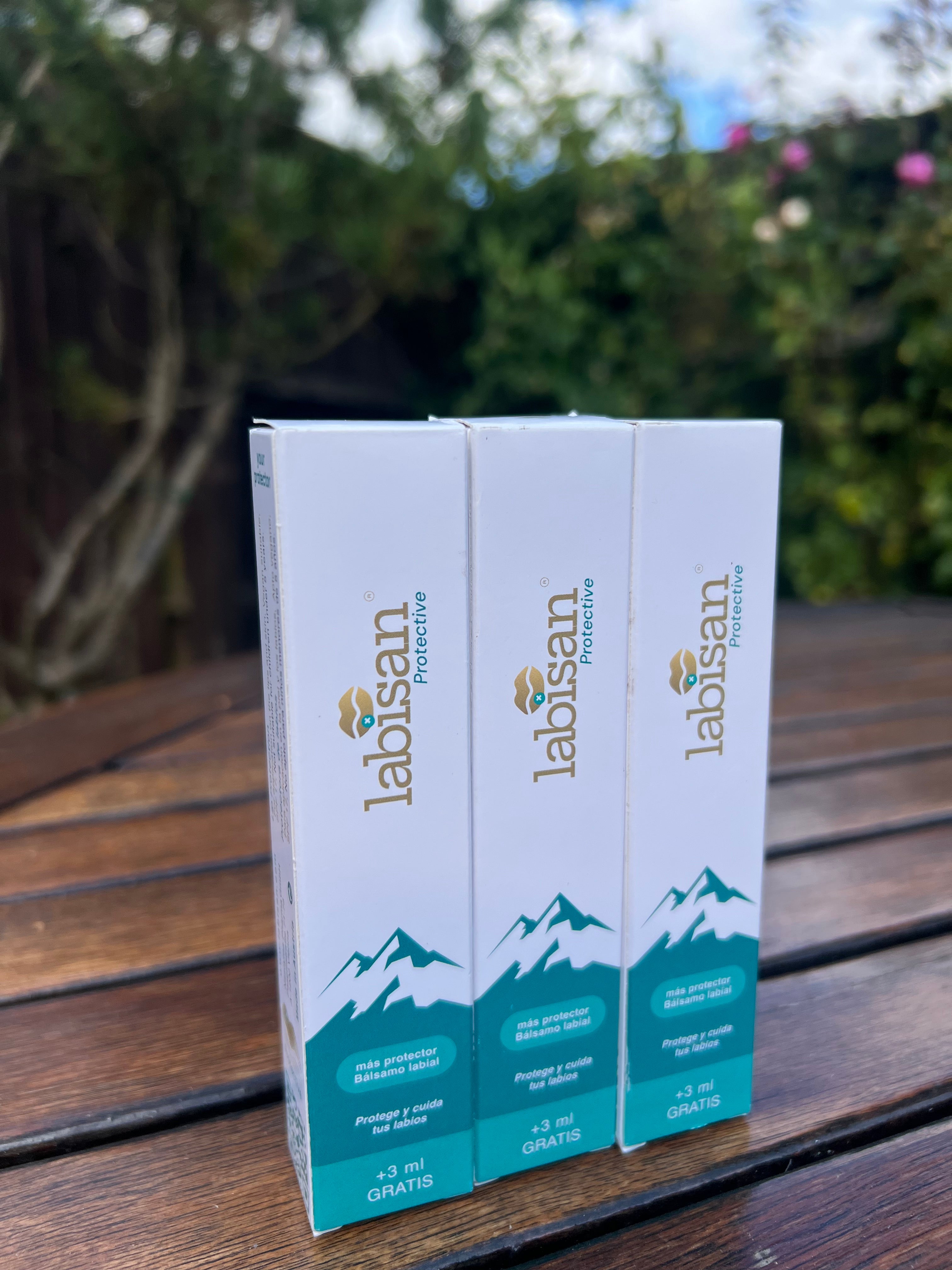
Labisan Protective Lip Balm, single tube $24.99 $34.99
Adventure Pack, 3 tubes for $59.99 (car, bag, bathroom, the reapplication problem solved)
Family Bundle, 5 tubes for $89.99, the best per tube price and free EU shipping included
Free EU shipping over $49 · $19.99 worldwide · made in small batches in Europe, current batch in stock
First order? Joining the Labisan newsletter at checkout takes 10% off.
Frequently asked questions
Can any lip balm cure HSV-1 or HSV-2? No. No balm, cream or patch cures herpes simplex. The virus stays dormant in nerve tissue for life. What products can do is shorten an active outbreak (Abreva) or reduce how often outbreaks are triggered (daily SPF barrier protection).
Why does SPF matter so much for cold sores? UV exposure is the most consistently documented outbreak trigger. Lips have almost no melanin and a very thin surface layer, so they take UV damage fast, and that cellular stress is exactly what reactivates dormant HSV-1.
Is a prevention balm useful for HSV-2 as well? Oral outbreaks are usually HSV-1 but can be caused by HSV-2. The trigger logic is identical: UV, cold, wind, stress and illness. Barrier protection on the lips helps regardless of which type causes your outbreaks.
How often should I reapply? Every two hours outdoors, and after eating or swimming. A morning application alone stops protecting you by lunchtime.
Should I use Abreva and a prevention balm together? They are complementary, not competing. A daily SPF balm works to reduce how often outbreaks are triggered, and docosanol cream treats the breakthrough outbreak that still happens. Most frequent sufferers do best owning both.
Cold sore patch vs cream, which is better? Different jobs. Docosanol cream can shorten healing if applied at the tingle stage, while a hydrocolloid patch protects and conceals a blister that has already formed. Neither prevents the next outbreak.
Do lysine lip balms work? Oral lysine at daily gram doses has some supportive evidence for reducing outbreak frequency. Topical lysine in balms and ointments has much weaker support, so treat lysine lip products as comfort care rather than proven prevention.
What SPF should a lip balm have for cold sore prone lips? SPF 15 or higher applied consistently is the evidence-backed threshold, and mineral filters like zinc oxide are the gentler choice for reactive lips. Consistency beats a bigger number: an SPF 20 you wear daily protects more than an SPF 50 you abandon.
Related reading
The 5 day cold sore lifecycle and what to do at each stage
The 90 minute rule: why lip SPF reapplication decides everything
The free Cold Sore Prevention Protocol guide