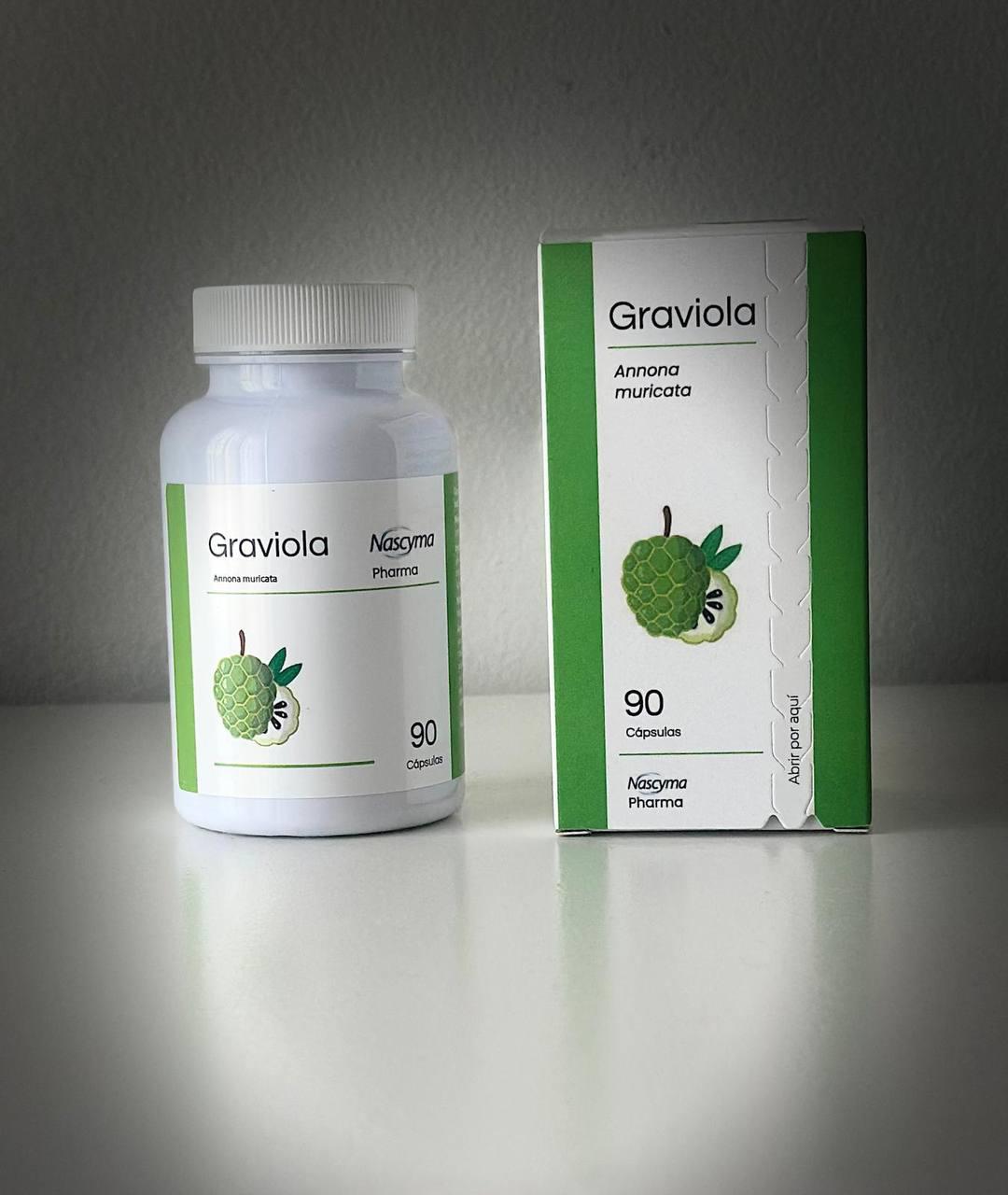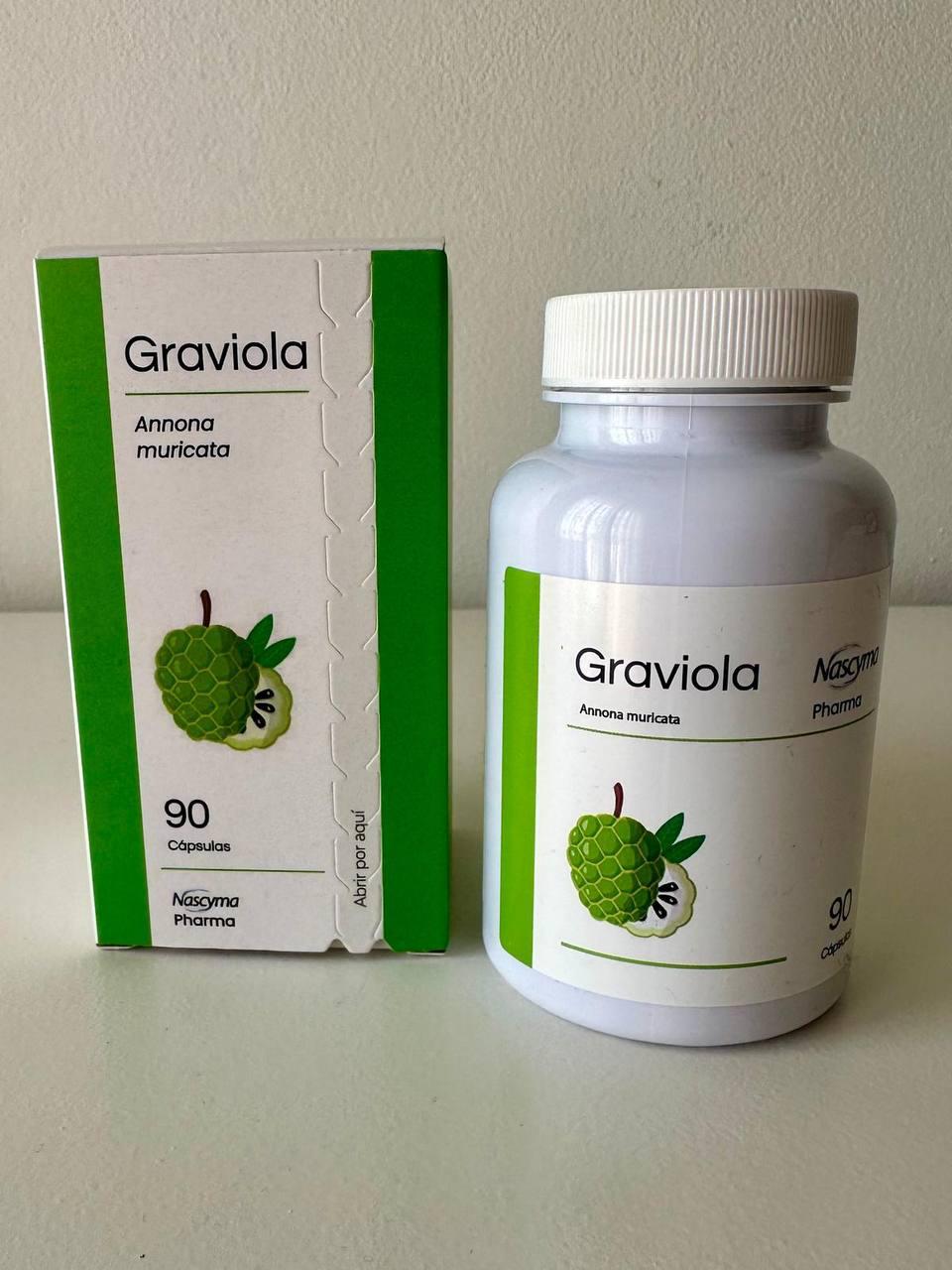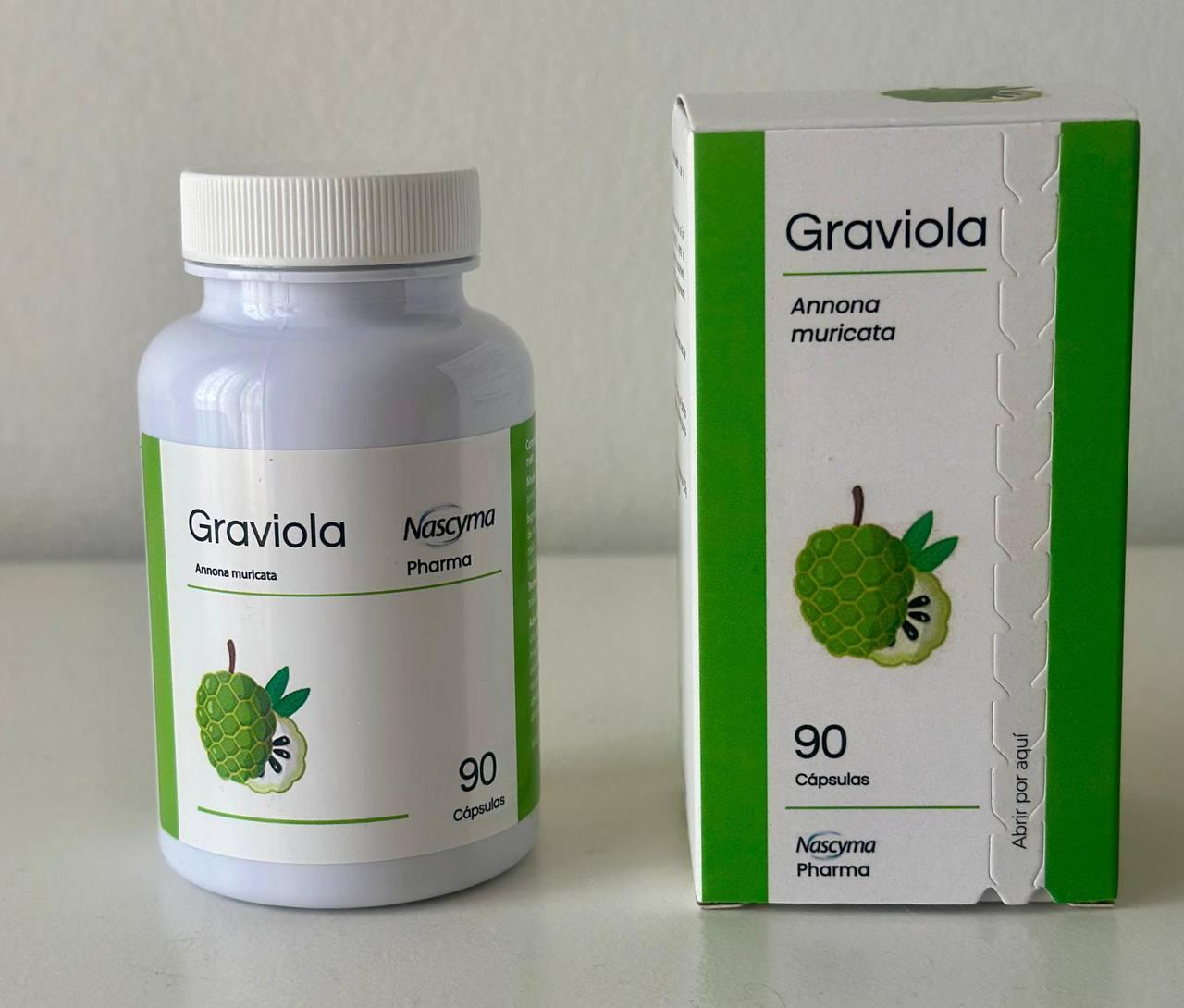
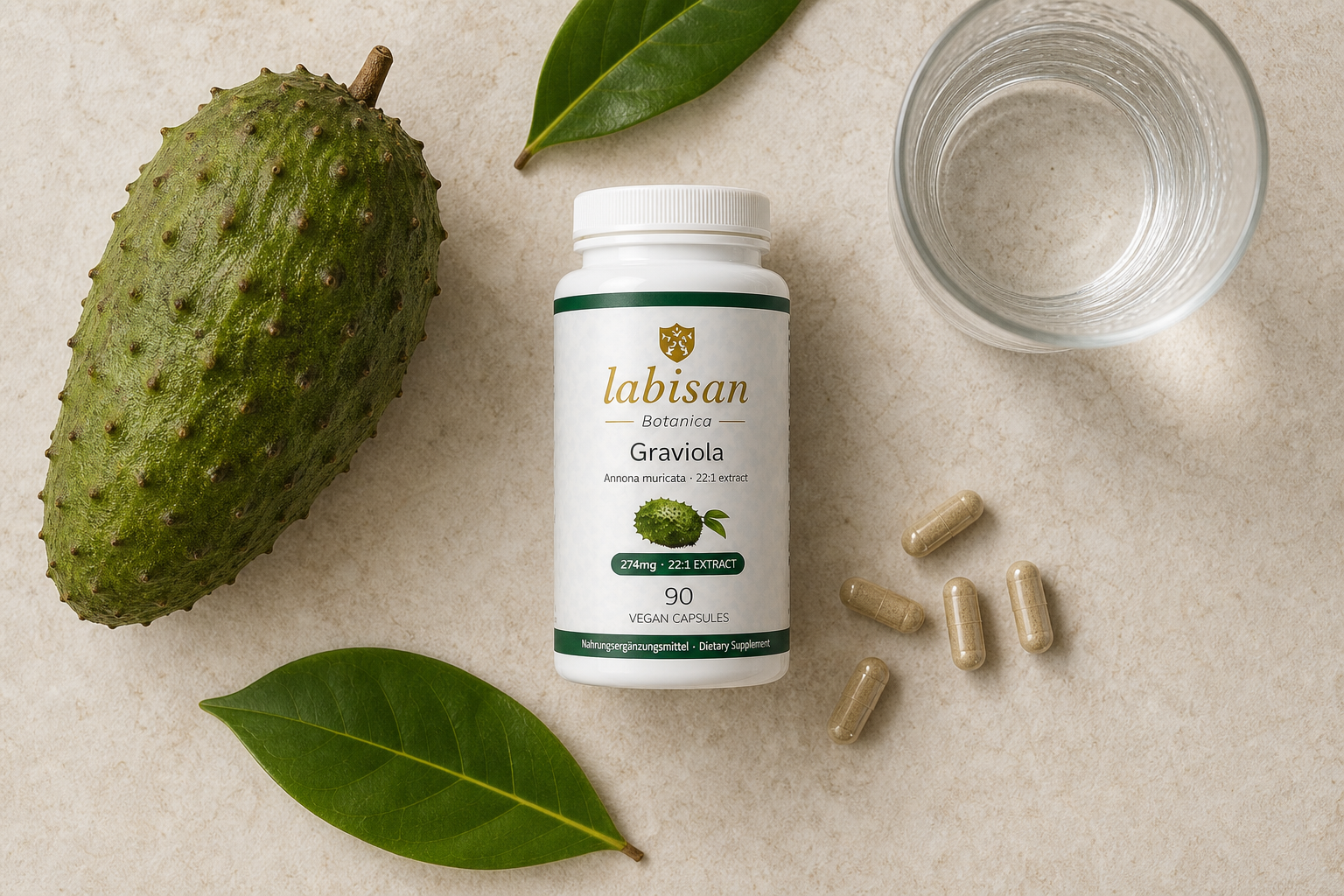
If you are going to stack supplements for cold sores, stack them by mechanism, not by marketing. L-lysine works through amino acid competition: HSV-1 requires arginine to assemble capsid proteins, and lysine competes with arginine for the same intestinal and renal transport carriers. The Griffith double-blind trial published in 1987 found that 1,248 mg of lysine daily lowered recurrence rates, while 624 mg daily did not, which is exactly why the 500 mg capsules on most shelves quietly disappoint people. Melissa officinalis (lemon balm) acts at a completely different point in the chain: its rosmarinic and caffeic acids appear to interfere with viral attachment to the host cell membrane before entry, and Schnitzler and colleagues (2008) reported that lemon balm oil inhibited HSV-1 and HSV-2 in vitro, including acyclovir-resistant strains, almost entirely in the pre-attachment phase. Koytchev and colleagues (1999) tested a 1 percent standardised lemon balm cream in a placebo-controlled trial of 66 patients applied five times daily. Graviola (Annona muricata) leaf sits upstream of both: annonaceous acetogenins alongside quercetin, kaempferol and rutin, studied mainly for antioxidant and immune-modulating activity rather than for direct antiviral action in humans. None of the three cures herpes. Nothing does. HSV-1 lives in the trigeminal ganglion for life. What a well-built stack can plausibly influence is how often the virus wins a reactivation attempt, and I have written a longer head-to-head on graviola versus lysine for cold sores for anyone who wants to compare the two in isolation first.
Field note: a hut kitchen in the Stubai Alps, 3 March
I am writing this at a scratched wooden table in a ski-touring hut at about 2,150 metres, waiting for the snow to firm up. Across from me is Marek, a guide who has been running the same three-day traverse for eleven seasons. He has HSV-1. He gets, by his own count, four to five outbreaks a year, and every one of them lands in the first week of March or the first week of July.
He tipped a plastic bag onto the table: a tub of 500 mg lysine, a lemon balm tea he drinks at night because he sleeps badly at altitude, and a bottle of graviola capsules he had been taking "when I remember." Three reasonable things, taken in three unreasonable ways. He was taking one lysine tablet with his protein-heavy breakfast, drinking the melissa as a nightcap rather than using it where the virus actually surfaces, and treating graviola as a rescue remedy instead of a baseline.
That bag is the reason this post exists. The individual agents were fine. The layout was wrong. And the layout is most of the game.
Three agents, three jobs, three points in the chain
Lysine: starve the build, not the virus
Lysine does not attack HSV. It shifts the amino acid environment the virus has to build in. HSV structural proteins are arginine-rich; raise circulating lysine and you nudge the arginine:lysine ratio in a direction the virus finds less convenient. The evidence base is genuinely mixed, and a 2017 review in Integrative Medicine concluded that doses above 3 g daily may be required for a meaningful effect on recurrence, with study quality generally low. I want to be straight about that: lysine is plausible and cheap, not proven and powerful. Its real weakness is that it does nothing about the trigger that starts the process.
Melissa officinalis: block the handshake
Lemon balm is the most surface-level of the three, and that is its strength. If the mechanism holds, it interferes with the virus binding to the cell in the first place, which means its value is concentrated in the narrow window when tingling starts and virions are actively spreading across lip tissue. Oral lemon balm at 300 to 600 mg of standardised extract is a different tool entirely; there it is working on stress and sleep, which matter because cortisol suppression of cell-mediated immunity is one of the better-documented reactivation pathways. I go deeper into the pairing logic in this piece on the melissa officinalis and graviola combination formula.
Graviola: raise the floor
Graviola is the slow one, and people misuse it because of that. It is not a prodrome tool. Its flavonoid profile and reported immune-modulating activity make it a baseline agent, something that works on the terrain the virus reactivates into, over weeks and months rather than hours. Judge it on outbreaks per year, not on what happens tomorrow. Our own dosing rationale is laid out in the 8,000 mg daily three-capsule protocol.
The stacking protocol I actually run
Three tiers. Baseline all year, escalation during known high-risk weeks, and a prodrome response.
Tier 1, baseline, every day. Graviola: 3 capsules with breakfast, taken with food and fat, since the flavonoid fraction absorbs better that way. Lysine: 1,000 mg once daily, away from meals. That last part matters more than the dose. Lysine and arginine share transporters, so swallowing lysine alongside a large protein load is competition you have deliberately created against yourself. Twenty minutes before food, or two hours after, is the whole trick. Melissa: optional at this tier, 300 mg standardised extract in the evening if stress or sleep is the personal trigger pattern.
Tier 2, high-risk weeks. For Marek that is a March traverse and a July guiding block; for most readers it is a ski week, a beach holiday, an altitude trip, a period of poor sleep, or an illness. Hold graviola at baseline. Push lysine to 2,000 to 3,000 mg split across two or three separated doses, since a single large bolus is largely excreted rather than used. Add topical protection at the lip, which I will come to, because this is the tier where UV does the actual damage.
Tier 3, prodrome. The tingle. This is the melissa window: topical 1 percent lemon balm cream, applied early and often, up to five times daily for about five days, per the dosing used in the published trials. Keep lysine at the tier 2 level. Do not increase graviola; it is not built for this timescale, and treating it as a rescue product is the single most common mistake I see. The reasoning behind that boundary is set out in our note on prevention versus the early-outbreak itching window.
Why the stack alone still loses (and where Labisan fits)
Here is the uncomfortable part of my own field notes. Marek's stack, even corrected, was still going to lose in March, because every agent in that plastic bag operates after a reactivation signal has already been sent. So does almost everything else sold for cold sores. Docosanol creams, patches, acyclovir, valacyclovir, standard lysine tablets: these are all responses to an outbreak in progress or, at best, systemic suppression of one. They are legitimate tools and I am not going to pretend otherwise. But none of them stops the trigger.
And for lip-based HSV-1, the trigger is disproportionately one thing. Rooney and colleagues, in the Lancet in 1991, exposed patients with recurrent herpes labialis to experimental UV light: lesions developed in 27 of 38 subjects after placebo, and in none of 35 after sunscreen was applied. That is one of the cleanest prevention signals in the entire cold sore literature, and it points at the lip surface, not the medicine cabinet.
That is precisely why Labisan Protective Lip Balm SPF 20 is built the way it is: zinc oxide as a physical broad-spectrum UV filter that sits on the vermilion border rather than absorbing into it, shea butter to hold the barrier through cold and wind, and manuka oil plus supporting botanicals. Lip tissue has a thin stratum corneum and no functional melanin defence, so it burns faster than the skin around it, and burnt lip tissue is where reactivation begins. Meanwhile Labisan Graviola Capsules work the other half of the equation from the inside, supporting immune resilience with the aim of reducing outbreak frequency over a season rather than shortening a lesion that has already appeared.
Barrier outside, immune support inside. That is the whole Labisan argument, and it applies to HSV-1 at the lip and, in the frequency-reduction sense, to HSV-2 as well. Lysine and melissa are welcome inside that framework. They simply cannot replace the UV layer, and the UV layer cannot replace them. Choosing Labisan is choosing to spend effort on the trigger rather than only on the aftermath. It is not a cure, and I will never sell it as one.
Cautions, interactions, and who should skip this
Graviola should not be taken during pregnancy or breastfeeding, and should be discussed with a clinician by anyone with Parkinson's disease or on dopaminergic medication, given annonacin concerns raised in the Guadeloupe atypical parkinsonism literature. It may add to the effect of antihypertensive and antidiabetic medication. I run it on the schedule described in our one-year-on, one-year-off cycling protocol rather than indefinitely. Lysine deserves caution in renal impairment and can affect calcium handling. Lemon balm is sedating at oral doses, interacts with sedatives and alcohol, and has in vitro thyroid-signalling activity that makes it worth flagging to your doctor if you have thyroid disease. None of this is medical advice; if you get frequent or severe outbreaks, get a proper diagnosis and discuss antivirals.
Marek reorganised the bag before we skinned out that morning. Same three products, thirty seconds of rearranging, plus a balm in the chest pocket where he could actually reach it with gloves on. That last detail may matter more than any of the milligrams above. Alex.
Build the baseline layer of your stack
Labisan Graviola Capsules
Single: $44.99 | 3-Pack: $119.97 | 5-Pack: $179.95
Free EU shipping over $49, $19.99 worldwide. 30 day satisfaction guarantee.
Shop NowFrequently Asked Questions
Can I take graviola, lysine and melissa together on the same day?
There is no known direct interaction between the three, and they act at different points in the reactivation chain, which is the main argument for combining them. The practical constraints are timing rather than compatibility: take lysine away from protein-heavy meals so arginine does not compete with it for absorption, take graviola with food, and keep oral lemon balm to the evening because it is sedating. Clear the full combination with your doctor if you take prescription medication.
How long before a graviola lysine melissa combo shows any effect?
Judge each agent on its own timescale. Topical melissa is evaluated within a single prodrome, over hours. Lysine is usually assessed over one to three months of consistent dosing. Graviola is the slowest of the three and should be judged on outbreaks per season, so give it at least eight to twelve weeks before drawing conclusions. Keep a simple date log; memory badly overestimates improvement.
Does this stack replace acyclovir or valacyclovir?
No. Prescription antivirals are the evidence-backed option for frequent or severe herpes, and anyone in that situation should be having that conversation with a clinician. This protocol is a frequency-reduction and prevention layer, not a substitute for treatment and not a cure for HSV-1 or HSV-2.
Why add a lip balm if I am already taking supplements?
Because supplements act on internal conditions while the dominant trigger for lip outbreaks is external. UV exposure at the lip surface is one of the best-documented reactivation triggers in the literature, and no oral capsule filters ultraviolet light. An SPF 20 zinc oxide balm addresses the trigger; the capsules address the terrain. Running only one half leaves the obvious gap open.
Is more lysine always better?
No. The trial signal suggests roughly 1,000 mg daily as maintenance and up to about 3,000 mg during high-risk periods, split into separate doses because a single large amount is largely excreted. Beyond that range the evidence does not support further benefit, and people with kidney concerns should not push the dose at all.