Zero versus 71 percent. In a controlled experimental study published in The Lancet (Rooney et al., 1991), 38 adults with a history of sun-induced recurrent herpes labialis were exposed to experimental ultraviolet light on two separate occasions, once wearing a sunscreen lip preparation and once wearing an identical-looking placebo. In the placebo arm, 71 percent developed a cold sore. In the sunscreen arm, none did. Not fewer. None. That single experiment is the most striking number in the entire cold sore literature, and it is the reason any serious cold sore prevention protocol starts at the lip surface rather than in the medicine cabinet.
Here is the context that makes it matter. The World Health Organization estimates roughly 3.8 billion people under 50, about 64 percent of that age group, carry HSV-1. Once acquired, the virus establishes lifelong latency in the trigeminal ganglion; it is never cleared. Recurrence rates vary widely, but published cohorts typically report 1 to 6 outbreaks per year among symptomatic carriers, and surveys of recurrent patients consistently rank sun exposure among the top reported triggers alongside fever, stress, menstruation and physical trauma to the lip. UV-B is not a folk explanation: it is the one trigger that has been reproduced experimentally in a laboratory, on demand, in humans. Our full breakdown of why UV light is the number one cold sore trigger walks through that mechanism in detail, and the epidemiology sits in HSV-1 global epidemiology by the numbers.
So if UV is provably causal and provably blockable, why do most people still fail to prevent outbreaks? Because they treat prevention as a single product decision. It is not. It is a two-layer system.
Why One Layer Is Never Enough
Reactivation of latent HSV-1 requires two things to line up: a trigger that stresses the neuron or the local tissue, and an immune environment permissive enough to let the reactivated virus replicate to clinical scale. Block one and you reduce risk. Block both and you compress the window in which an outbreak is even possible.
The outside layer addresses the trigger. UV-B radiation reaching the vermilion border does two things at once: it causes local keratinocyte damage and cytokine release, and it induces transient local immunosuppression by depleting Langerhans cells, the antigen-presenting sentinels in the epithelium. That is a double hit. The tissue gets provoked and its local defence gets muted in the same afternoon on the mountain.
The inside layer addresses the permissiveness. Whether a reactivation event becomes a visible lesion depends heavily on cell-mediated immunity, specifically CD8+ T cells resident around the ganglion and NK cell activity at the periphery. This is why outbreaks cluster around fevers, sleep debt, surgical recovery, sustained cortisol elevation and periods of poor nutrition. It is also why two people with identical sun exposure can have wildly different outbreak counts.
A cold sore prevention routine that only covers one layer leaves the other wide open. The lip balm does nothing about a 4-hour sleep week. Immune support does nothing about four hours of reflected glare at 2,000 metres.
The Outside Layer: Physical UV Blocking at the Lip
Lips are structurally the worst-defended skin on the body for UV. The vermilion has a thin stratum corneum, minimal melanin and essentially no sebaceous protection. That is why lip skin burns fast and why the lower lip is a recognised site for actinic damage.
Two design details separate a genuine preventive barrier from a cosmetic gloss:
Zinc oxide over chemical filters
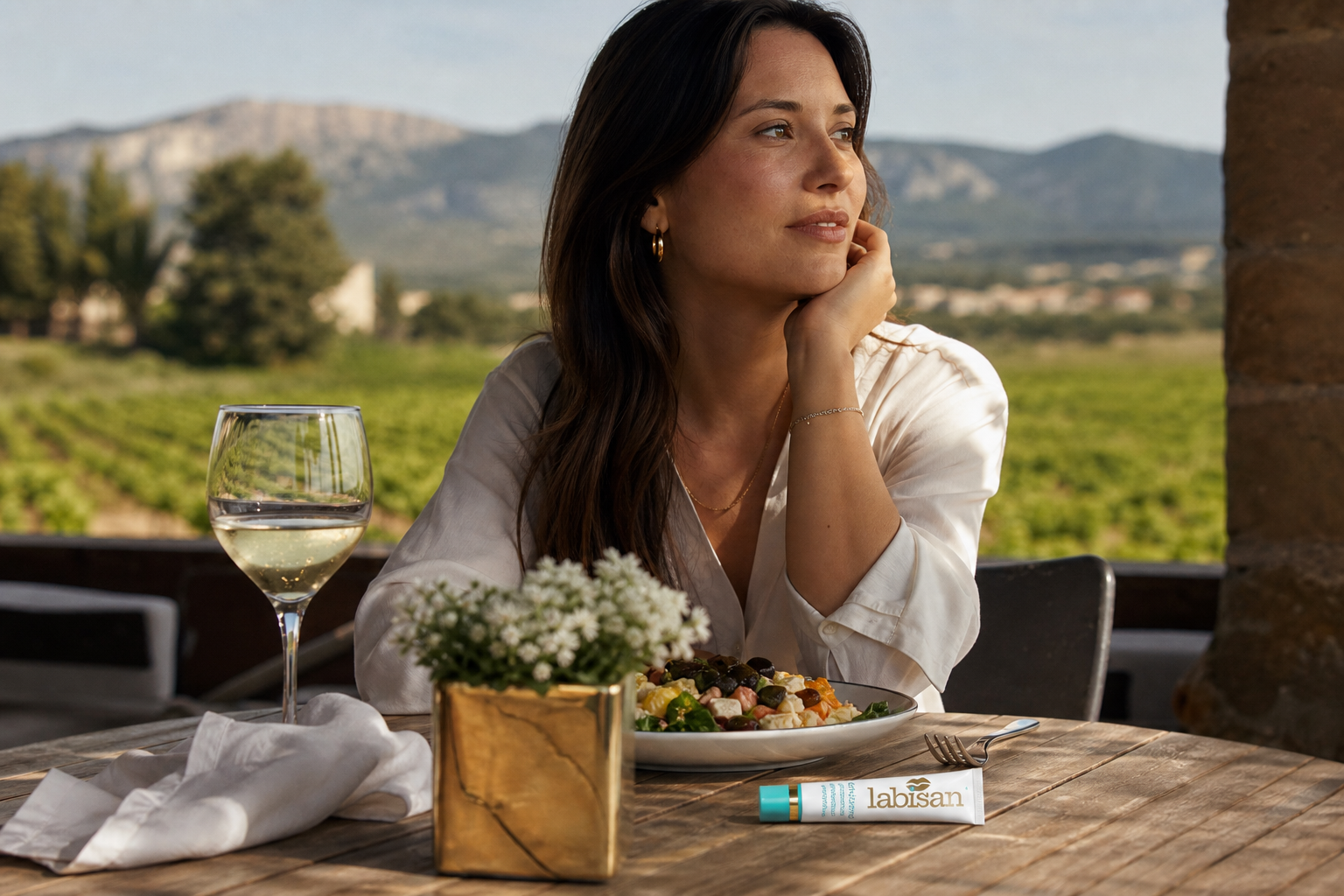
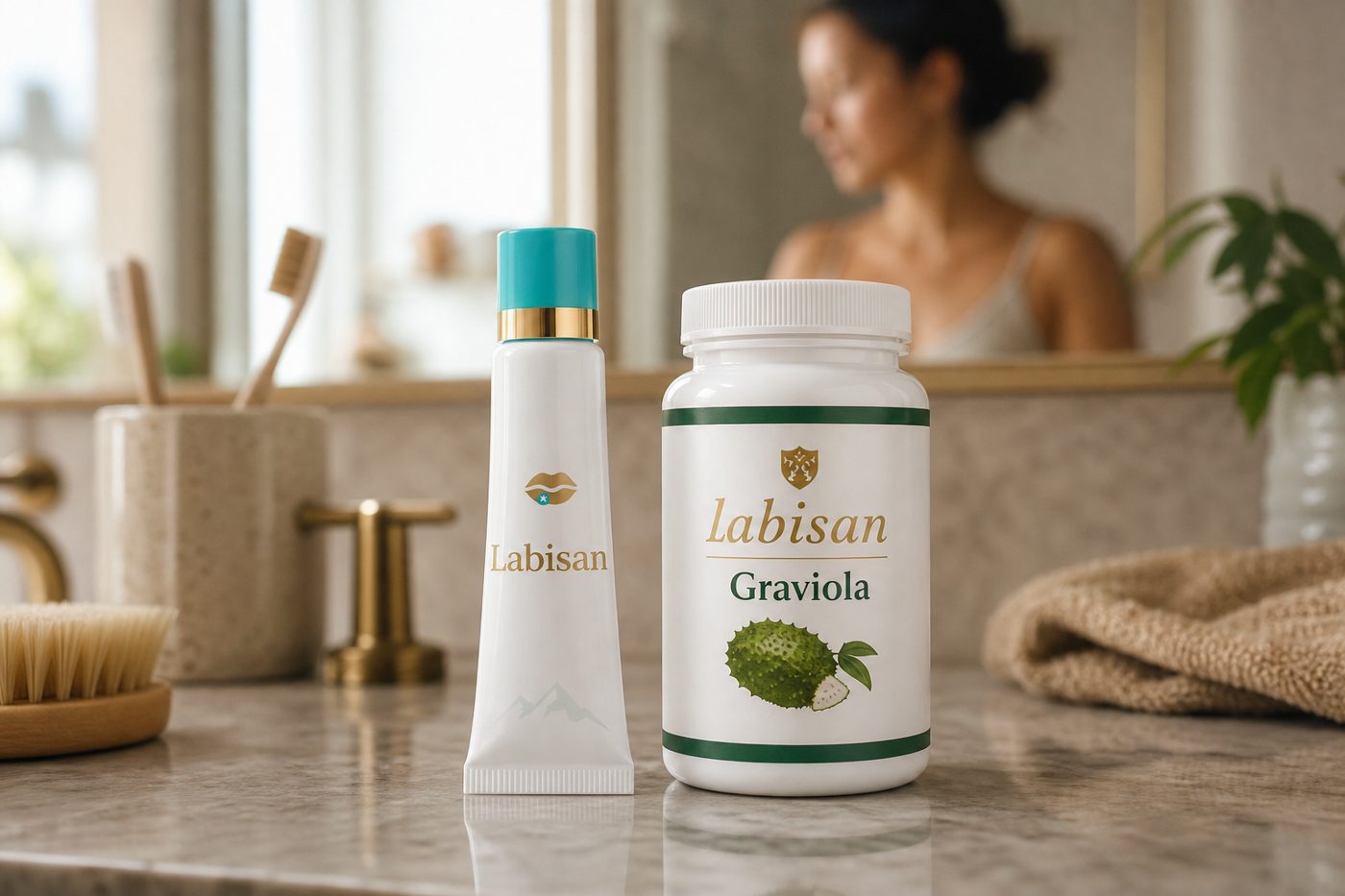
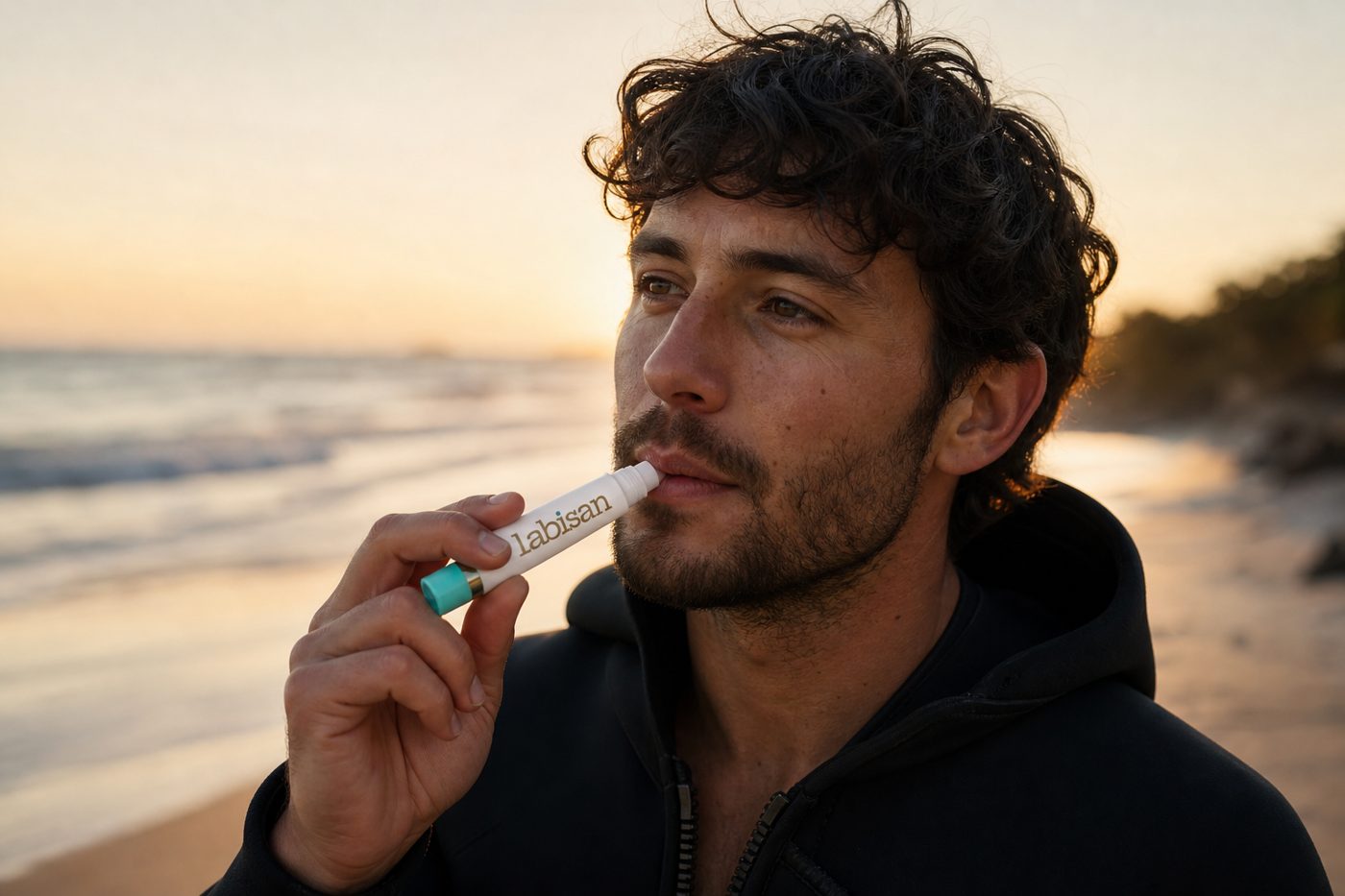
Zinc oxide is a broad-spectrum physical filter that reflects and scatters both UV-B and UV-A rather than absorbing energy into the film. It does not photodegrade the way some organic filters do, and it does not sting broken or chapped lip tissue. Recognised by regulators as a broad-spectrum mineral filter, it is the appropriate active for skin you will be licking, eating around and reapplying on all day. Labisan Protective Lip Balm SPF 20 is built on zinc oxide for exactly this reason, in a shea butter and manuka oil base that holds film integrity in wind and cold rather than melting off it.
Film persistence, not just SPF number
An SPF rating is measured on an intact, evenly applied film. On lips, that film is under constant mechanical attack: eating, drinking, wind, talking, wiping. A balm that reads SPF 30 on a label but disappears in 40 minutes delivers less real protection than an SPF 20 that survives two hours of skiing. The practical rule is reapplication every 2 hours of exposure, and immediately after eating or drinking. Most prevention failures we see are not formulation failures. They are reapplication failures.
For situational applications of this, see our field guides on beach vacation cold sore prevention and summer festival cold sore survival, where the exposure profile is high UV plus sleep disruption plus alcohol, which is essentially both layers failing simultaneously.
The Inside Layer: Supporting the Immune Environment
The honest framing first, because this space is full of overclaiming. Nothing eliminates HSV-1. There is no cure, and no supplement should be described as one. Latency in the trigeminal ganglion is permanent with current medicine. What is genuinely modifiable is how often reactivation converts into a visible lesion, and that is an immune-competence question.
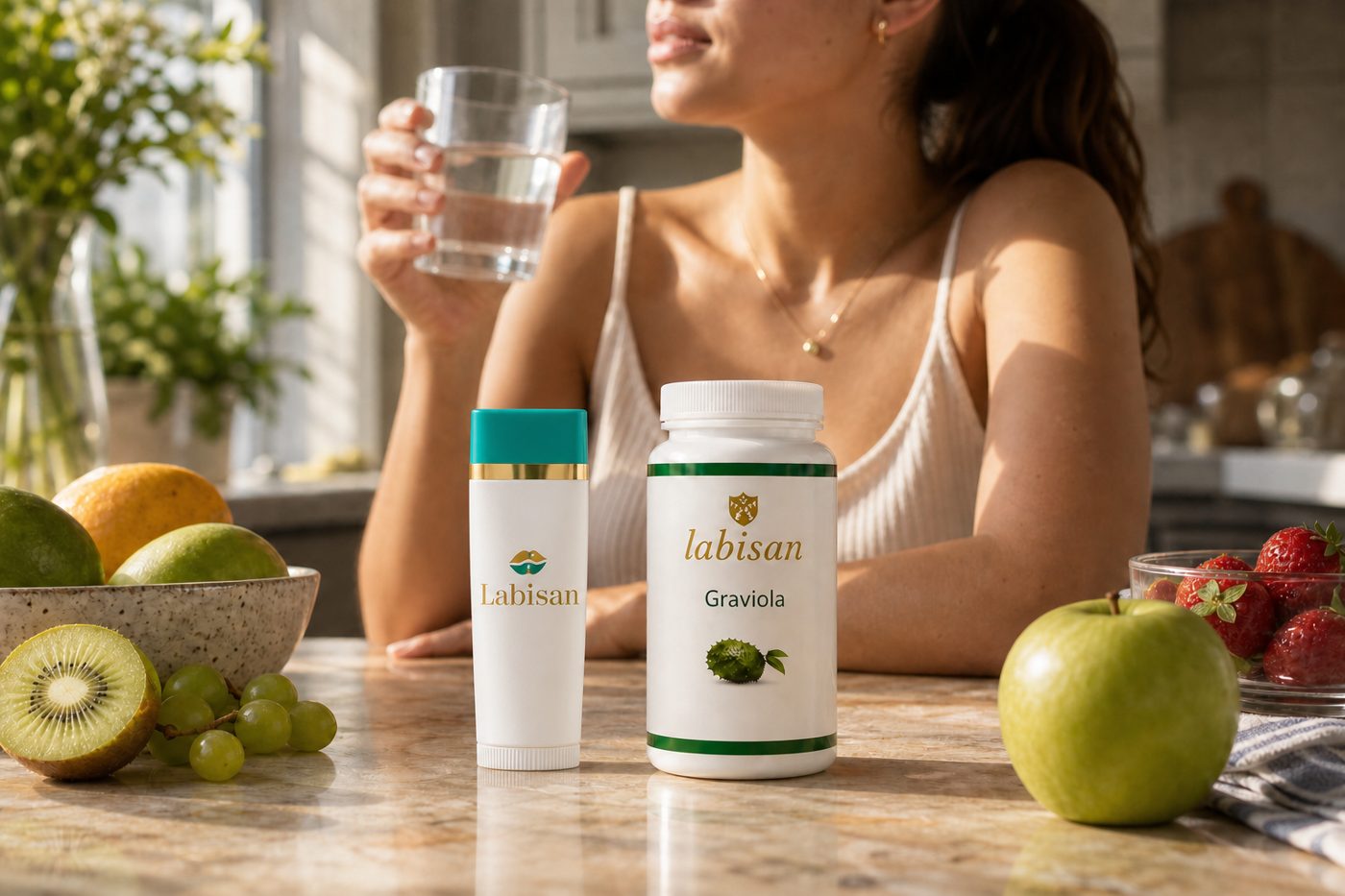
Annona muricata, graviola, has been used traditionally across South America, West Africa and Southeast Asia, and is studied in the laboratory literature for its acetogenin and phenolic content and associated antioxidant and immunomodulatory activity. The evidence base is preclinical and mechanistic, not a set of large human antiviral trials, and we will not pretend otherwise. Labisan Graviola Capsules are positioned as daily immune support intended to reduce outbreak frequency over months, not as a treatment for an active lesion and not as an antiviral drug.
What makes the inside layer work in practice is the same thing that makes any supplement work: consistency and a realistic evaluation window. If you average 4 outbreaks a year, you cannot judge a frequency intervention in three weeks. You need a 90-day baseline and a 90-day comparison. Our 30-day diary of the Labisan hybrid system and the four-case recovery timeline show what that tracking discipline actually looks like day to day.
The inside layer also includes the unglamorous inputs: 7 to 9 hours of sleep, managed stress load, adequate vitamin D, and not skipping meals during travel. Supplements support a system; they do not rescue one you are actively dismantling.
Why Labisan Beats the Treat-It-Later Model
Look honestly at the cold sore aisle. Docosanol 10 percent (Abreva), acyclovir cream, hydrocolloid patches, lysine tablets taken at the tingle, prescription valacyclovir taken episodically: these are legitimate, evidence-backed products, and we would never tell you they do not work. But note precisely when they act. Every one of them is deployed after reactivation has already occurred. Docosanol trials show a healing-time reduction measured in fractions of a day versus placebo. Episodic antivirals shorten an episode. Patches cover a lesion that already exists. The best case for the entire category is a slightly shorter, slightly less visible outbreak that you were still going to have.
That is a fundamentally different job from not having the outbreak. The Rooney sunscreen data is the cleanest illustration in the literature: an intervention applied before the trigger produced zero lesions in a group where 71 percent otherwise developed one. No post-onset treatment has ever produced a number in that neighbourhood, because by the time you feel the tingle, the biological event has happened.
This is the case for Labisan, and it is a structural case, not a marketing one. Labisan Protective Lip Balm SPF 20 intervenes at the one recurrence trigger for HSV-1 that has been experimentally reproduced and demonstrably blocked, at the exact anatomical site where oral herpes recurs. Labisan Graviola Capsules work on the second variable, the immune permissiveness that determines whether a reactivation becomes a lesion at all, and that same immune-competence logic applies to HSV-2 and to cross-site HSV-1 and HSV-2 transmission patterns, where recurrence frequency is likewise immune-mediated rather than trigger-mediated at the lip.
The practical conclusion is not that you should throw away your docosanol. Keep it. Use it if an outbreak breaks through. The argument is about where the leverage is: an antiviral cream is insurance on a bad day, while a barrier plus immune protocol is the thing that reduces how many bad days you get. If you want the head-to-head evidence laid out, we compare the categories directly in cold sore treatments, evidence compared and lysine versus docosanol.
The Protocol, Written Out
Daily baseline, every day of the year
Morning: apply the SPF 20 balm as the last step of your routine, covering the full vermilion border and the corners of the mouth, which are routinely missed. Same time each day: take your graviola capsules with food, treating them as a standing habit rather than a reactive one. UV reaches lips in winter, through cloud, and off snow at roughly 80 percent reflectance, so seasonal use defeats the purpose.
High-exposure days: skiing, beach, altitude, water, long drives
Apply before leaving, then reapply every 2 hours and after every meal or drink. Carry a second balm; the most common failure is leaving the only one in a jacket you took off. This is precisely what the Adventure Pack exists for: one in the jacket, one in the bag, one at home.
Known-stressor windows
Exams, deadlines, illness, travel, poor sleep stretches and heat stress all raise risk without any UV involvement, as covered in heatwave and stress as a cold sore trigger. Do not relax the routine during these; this is exactly when the inside layer is carrying the load.
Measure it
Log every outbreak with a date, a suspected trigger and a duration. Ninety days of data beats any impression. A protocol you cannot measure is a protocol you cannot improve, and the full step-by-step is in our prevention playbook for stopping a cold sore before it starts.
Block the trigger before it reaches your lips
Labisan Protective Lip Balm SPF 20
Single: $24.99 | Adventure Pack (3x): $59.97 | Family Bundle (5x): $89.95
Free EU shipping over $49, $19.99 worldwide. 30 day satisfaction guarantee.
Shop NowFrequently Asked Questions
Does SPF lip balm really prevent cold sores?
For UV-triggered recurrences, the experimental evidence is strong. In Rooney et al. (1991), sunscreen applied before controlled UV exposure prevented lesions in all participants, while 71 percent of the placebo group developed one. That applies specifically to sun-triggered outbreaks; it will not prevent an outbreak driven by fever, illness or stress, which is why the inside layer exists.
Can graviola cure herpes or clear HSV-1?
No. Nothing available today clears HSV-1 from the body; the virus stays latent in nerve tissue for life. Graviola capsules are used as daily immune support with the goal of reducing how frequently reactivation produces a visible outbreak. They are not an antiviral, not a cure, and not a treatment for an active lesion.
How long before I can tell if the protocol is working?
Give it 90 days against a 90-day baseline of your own outbreak history. If you average a handful of outbreaks a year, short windows produce meaningless results in either direction. Track dates, triggers and durations rather than relying on impressions.
Can I use this alongside acyclovir, valacyclovir or docosanol?
The protocol is preventive and sits alongside treatment products rather than replacing them. If you take prescription antivirals, or are pregnant, breastfeeding, immunocompromised or on other medication, check with your doctor or pharmacist before adding any supplement, including graviola.
Do I need the balm in winter or on cloudy days?
Yes. UV-B penetrates cloud cover, and snow reflects a large share of incident UV back up at the face, which is why high-altitude winter sport is such a reliable trigger. Year-round daily use is what makes the barrier layer work.