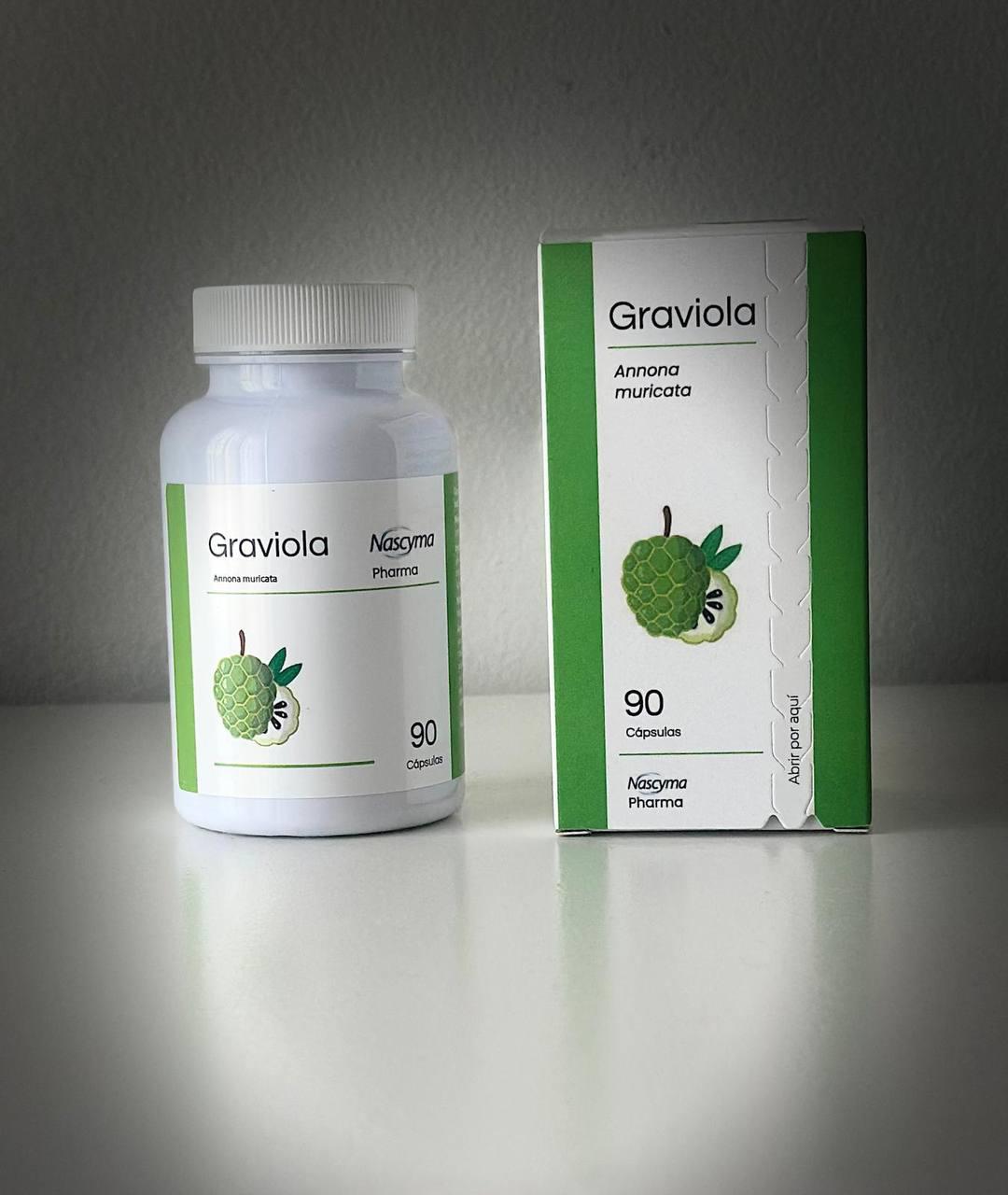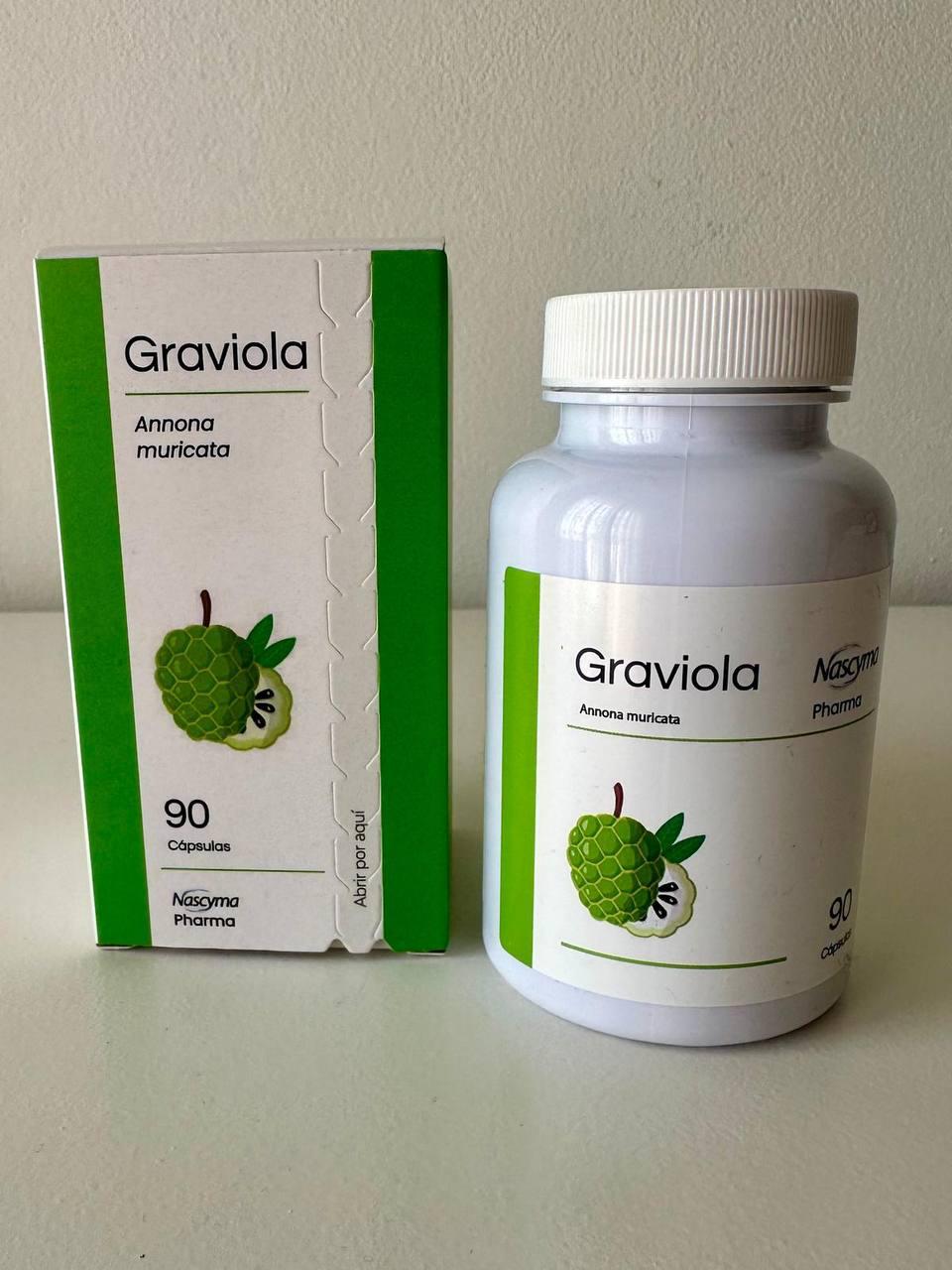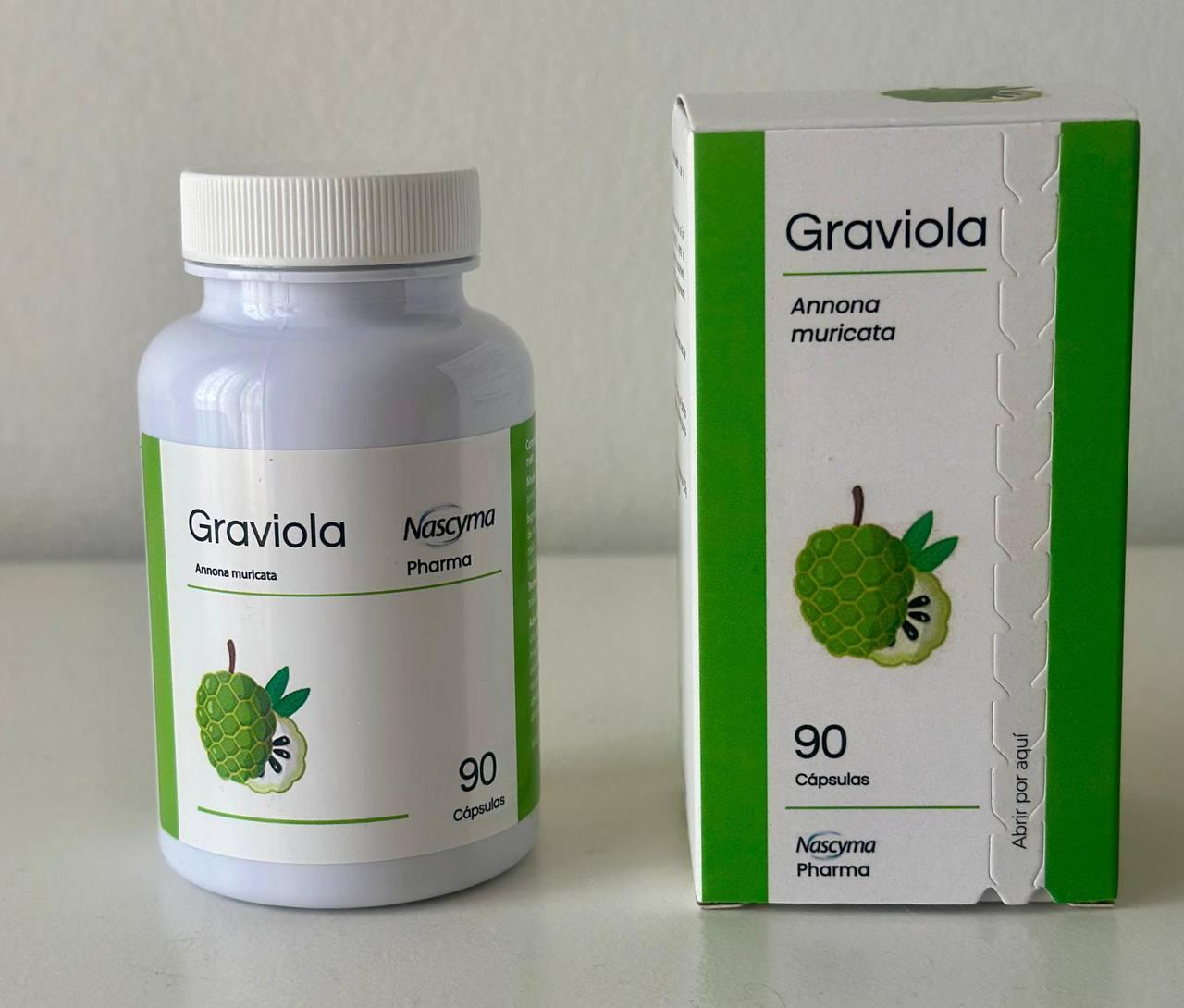
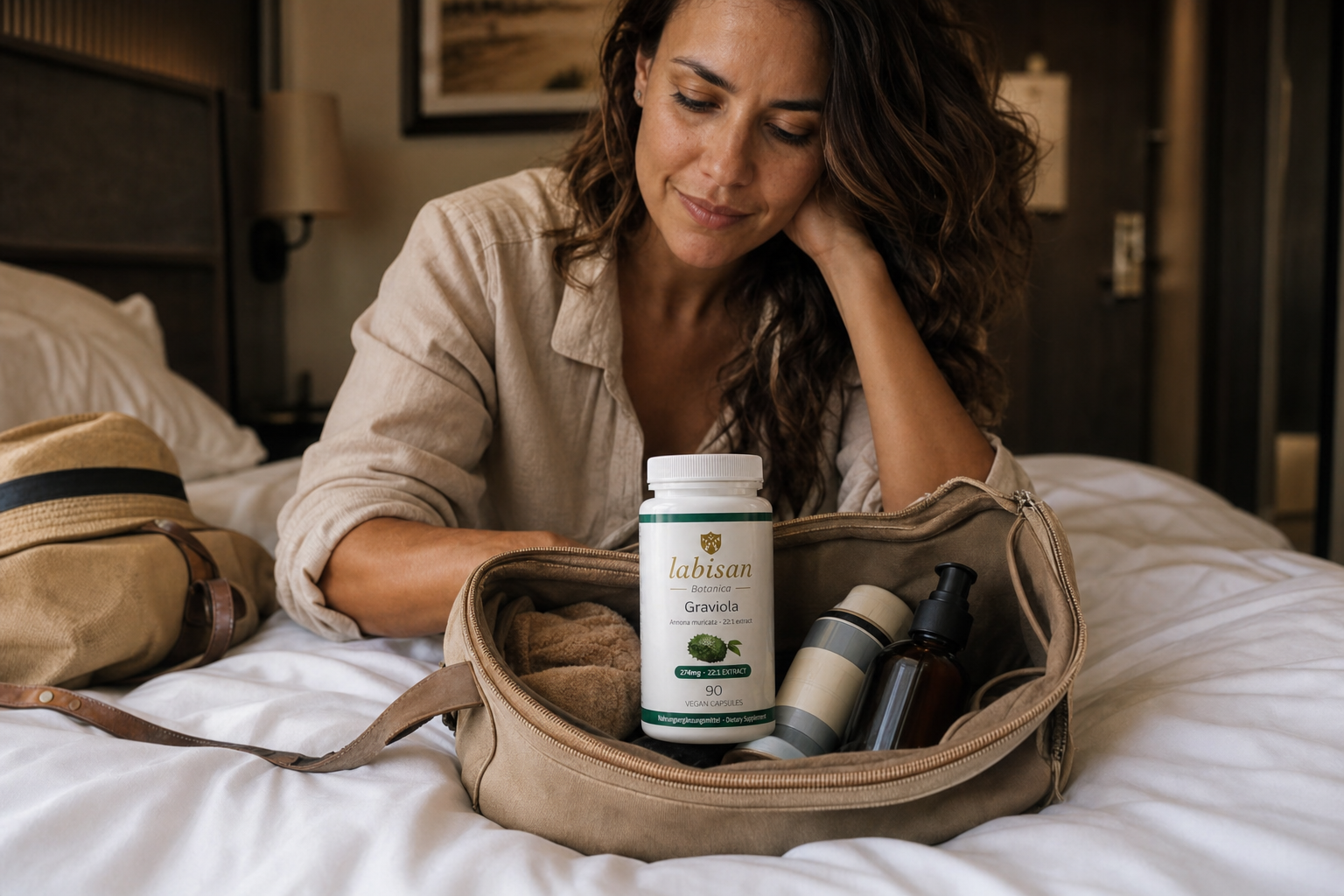
Graviola (Annona muricata, also called soursop or guanabana) has been screened for antiviral activity against herpes simplex virus since at least 1998, when Padma and colleagues published in vitro work in the Journal of Ethnopharmacology showing that an Annona muricata extract inhibited HSV-1 in cell culture. Betancur-Galvis and colleagues, publishing in Memorias do Instituto Oswaldo Cruz, later included Annonaceae species in broader antiviral screens against HSV-1 with comparable cell-culture findings. That is the real evidence base, and it is important to state its limits plainly: these are in vitro results, meaning virus and plant extract in a dish, not virus and plant extract in a human being. There is no published randomised controlled trial of graviola in people with HSV-1 or HSV-2. Anyone who tells you graviola clears herpes is going far beyond what the literature supports. What the broader research does support, with more consistency, is that Annona muricata is chemically rich in annonaceous acetogenins, isoquinoline alkaloids, and flavonoids including quercetin and kaempferol, and that these compounds show measurable immune-modulating and antioxidant activity. That distinction, direct antiviral action versus indirect immune support, is the entire honest answer to the question, and it is why we frame graviola as a seasonal outbreak-frequency support tool rather than an outbreak treatment.
What Graviola Actually Contains
Over 200 phytochemicals have been identified in Annona muricata, but three families matter for this discussion.
Annonaceous acetogenins
These are long-chain fatty acid derivatives, most notably annonacin, that inhibit mitochondrial complex I. This is the mechanism behind most laboratory interest in graviola, and also behind its most serious safety caveat, which we cover below. Acetogenins are concentrated most heavily in seeds and bark, less so in leaf.
Isoquinoline alkaloids
Reticuline, coreximine and anonaine appear in leaf material. Animal work associates these with mild sedative and anxiolytic effects, which is part of why some users report better sleep quality on graviola. We looked at that separately in our review of graviola, sleep architecture and overnight recovery.
Flavonoids and phenolics
Quercetin, kaempferol, catechins and chlorogenic acid. This is the least exotic and, arguably, the best-evidenced part of the plant. Quercetin in particular has human trial data in the respiratory infection literature, and its in vitro activity against herpesviruses is documented. We broke down the full profile in our piece on the quercetin and flavonoid content of graviola.
The Direct Antiviral Evidence: What It Proves and What It Does Not
In vitro antiviral screening works by exposing infected cell monolayers to a test compound and measuring how much viral replication is suppressed relative to an untreated control, alongside a cytotoxicity measure. A compound is considered interesting when it suppresses the virus at concentrations well below those that damage the host cells. Several Annonaceae extracts, graviola among them, have cleared that bar against HSV-1.
Here is the honest problem. Clearing that bar in a dish predicts almost nothing about clinical outcomes. The concentration that suppressed HSV-1 in cell culture may never be achievable in human plasma at any safe oral dose. Oral bioavailability, hepatic first-pass metabolism, and tissue distribution to the trigeminal ganglion (where HSV-1 sits latent between outbreaks) are all unaddressed by this research. And critically, no supplement has ever been shown to clear latent HSV from the ganglion. Not graviola, not lysine, not any antiviral drug. Acyclovir and valacyclovir, the best-studied HSV drugs in existence, suppress replication; they do not eradicate the latent reservoir either. We laid out that comparison honestly in our graviola versus acyclovir evidence comparison.
So if someone asks "does graviola help with HSV" and expects the answer "yes, it kills the virus," the accurate response is no. The evidence does not go there.
The Immune-Modulation Case Is the Stronger Argument
The more defensible position is indirect. HSV-1 recurrence is not random. It clusters around identifiable immunosuppressive stressors: ultraviolet exposure, fever, physical trauma to the lip, hormonal shifts, sleep debt, and psychological stress. The mechanism is reasonably well characterised. Sustained cortisol elevation suppresses cell-mediated immunity, specifically the CD8+ T cell and natural killer cell surveillance that normally keeps reactivating virus subclinical. When that surveillance dips, reactivation that would have been silently contained becomes a visible lesion.
Graviola's flavonoid and alkaloid fraction is where the plausible contribution sits. Animal and cell studies report macrophage activation, cytokine modulation and antioxidant activity that partially offsets oxidative stress. This is not the same as saying graviola prevents outbreaks; it is saying graviola may support the immune conditions under which fewer outbreaks occur. That is a narrower claim, and it is the only one we make. Our longer treatment of the stress axis is in graviola, chronic stress and immune resilience.
Safety, Dose and the Annonacin Question
An honest review has to include the uncomfortable part. Epidemiological work from Guadeloupe, published in The Lancet in 1999 by Caparros-Lefebvre and Elbaz, associated heavy long-term consumption of Annona muricata with an atypical parkinsonism. The suspected agent is annonacin, the complex I inhibitor. The exposure pattern involved daily consumption of fruit, leaf teas and seed-containing preparations over decades, which is very different from a standardised leaf-extract capsule taken in cycles. Even so, this is why we take three positions rather than hand-waving: use leaf-derived extract rather than seed material, keep the dose defined rather than open-ended, and cycle rather than take it continuously for life.
Our standard approach is documented in the 8000mg equivalent three-capsule daily protocol and the one year on, one year off cycling protocol. Graviola is not appropriate in pregnancy or breastfeeding, and anyone on antihypertensives, antidiabetic medication, or with Parkinson's disease or a movement disorder should speak with their doctor first.
Why the Labisan Dual Protocol Is the Smarter Long Game
Step back and look at the entire cold sore category. Abreva and other docosanol creams, hydrocolloid patches, lysine tablets, oral acyclovir and valacyclovir taken episodically: every one of these is deployed after reactivation has already begun. They are good products, and if you have a lesion forming, use them. But they are all downstream of the actual problem. By the time you are applying anything, the virus has already travelled the nerve and the immune response that causes the visible swelling is underway.
Labisan is built on the two upstream levers instead.
The first is ultraviolet light, and this is where the evidence is genuinely strong rather than suggestive. In a controlled crossover study published in The Lancet in 1991, Rooney and colleagues exposed HSV-1 seropositive volunteers with a history of sun-triggered herpes labialis to experimental UV light. Under placebo, the majority developed recurrent lesions. With sunscreen applied to the lip before exposure, recurrences were effectively abolished. That is a human, controlled, mechanistically clean result, and it is stronger evidence than exists for any supplement in this category. Labisan Protective Lip Balm SPF 20 is built around that finding: zinc oxide for broad-spectrum UV block, shea butter and manuka oil to keep the vermilion border intact so micro-cracking does not provide its own trigger.
The second lever is the immune terrain, and that is where Labisan Graviola Capsules sit, supporting the surveillance function that determines whether a reactivation stays subclinical or becomes a lesion. Neither product treats an outbreak. Neither is a cure for HSV-1 or HSV-2, and we will never describe them as one. What the pairing does is address the largest external trigger and the internal resilience layer at the same time, which is a structurally different job from treating what has already appeared. Blocking UV at the lip and supporting immune function year-round is simply a better place to spend your effort than getting faster at reacting. Readers weighing supplement options specifically may also want our graviola versus lysine comparison.
Support Your Immune System Before the Next Outbreak Window
Labisan Graviola Capsules
Single: $24.99 | Adventure Pack (3x): $59.97 | Family Bundle (5x): $89.95
Free shipping over $49. 30 day satisfaction guarantee.
Shop NowFrequently Asked Questions
Does graviola cure herpes?
No. Nothing cures herpes. HSV-1 and HSV-2 establish lifelong latency in sensory nerve ganglia, and no supplement or prescription antiviral has been shown to eliminate that latent reservoir. Graviola is positioned as immune support that may help reduce how often outbreaks occur, not as a treatment or cure.
Is there any human trial evidence for graviola and HSV?
No randomised controlled trial of graviola in people with HSV has been published. The antiviral evidence is in vitro cell-culture work, most notably the 1998 Journal of Ethnopharmacology screen. The immune-modulation evidence is largely animal and cell-based, with some human data for individual constituents such as quercetin. Anyone claiming clinical proof is overstating it.
How long before I would know if it is helping?
Outbreak frequency is a slow signal. If you average four outbreaks a year, you need at least six to twelve months of consistent use plus an honest baseline written down beforehand to see a real change. Judging it over three weeks tells you nothing.
Can I take graviola alongside acyclovir or valacyclovir?
Many people do, but check with your prescriber. Graviola may have additive effects with medications that lower blood pressure or blood glucose, so the interaction question is less about the antiviral itself and more about your full medication list.
Should I use the lip balm or the capsules if I only pick one?
If your outbreaks follow sun, skiing, altitude or beach exposure, start with the SPF 20 lip balm; the UV evidence is the strongest in this entire category. If your outbreaks follow stress, illness or poor sleep with no clear sun link, start with the capsules. Most people with a recurring pattern eventually run both.