The American Academy of Dermatology recommends a broad-spectrum lip balm with SPF 30 or higher, applied before sun exposure and reapplied at least every two hours, and more frequently after eating, drinking, swimming, or heavy sweating. For lips, that two-hour figure is a ceiling rather than an average. The vermilion has a stratum corneum only about three to five cell layers thick, compared with roughly ten to sixteen on adjacent facial skin; it carries very little melanin; and it has almost no sebaceous glands to anchor a protective film. Anything sitting on that surface is removed mechanically long before its UV filters wear out. US FDA sunscreen labeling rules permit water resistance claims of only 40 or 80 minutes and ban the words "waterproof" and "sweatproof" outright. On top of that, application studies consistently find people use roughly 0.5 to 1.0 mg/cm2 of sunscreen instead of the 2 mg/cm2 used in SPF laboratory testing, which can cut delivered protection to a fraction of the number printed on the tube. The practical rule that falls out of all this: every two hours as a floor, every 60 to 90 minutes at altitude or on snow and water, and immediately after anything that touches your mouth.
The Short Answer, and Why Two Hours Is Only a Starting Point
Two hours is the number regulators and dermatology bodies converged on because it reflects average filter breakdown and average rub-off on skin. Lips are a harder case. You talk with them, eat with them, drink with them, and unconsciously lick them dozens of times an hour when the air is dry. Each of those actions removes product. That is why experienced outdoor athletes work to a tighter interval; we explain the physiology behind it in detail in our breakdown of the 90 minute reapplication rule for SPF lip balm, which is the schedule we recommend for anyone spending a full day outside.
So how many times should you apply lip balm in a day? For a normal indoor day with a commute and a lunch walk, three to five applications is realistic. For a full day outdoors in summer, expect six to ten. For a ski day above 2,000 metres, plan on one application per lift ride or roughly every hour, which typically means eight to twelve. This is not marketing inflation; it is what it takes to keep an unbroken mineral film over a surface that is being wiped, wetted, and abraded all day.
Why Lip Balm Comes Off Faster Than Face Sunscreen
Three mechanisms strip SPF from lips, and only one of them is UV related.
1. Mechanical transfer
Coffee cups, water bottles, sandwiches, ski masks, buffs, and simply pressing your lips together all transfer product away. A single cup of coffee can remove a meaningful share of the film. This is the dominant loss pathway for most people, and it is completely independent of how photostable the formula is.
2. Saliva and licking
Licking your lips feels like relief for about eight seconds, then the saliva evaporates and takes surface moisture with it, leaving lips drier than before. It also dissolves and drags off the balm layer. If you are a chronic lip licker, your effective reapplication interval is closer to 45 minutes than 120.
3. Filter degradation
This one depends on chemistry. Organic filters such as avobenzone are known to lose a substantial share of their UVA absorbance within the first minutes of sun exposure unless they are photostabilised. Zinc oxide, an inorganic mineral filter, is inherently photostable; it does not bleach in sunlight. That means for a high-zinc formula the reapplication clock is set almost entirely by removal, not by decay. It also means the film you can see and feel is a reasonably honest indicator of the protection you still have. Our own formulation reasoning, including why we run a high zinc load rather than a chemical filter blend, is laid out in the full Labisan formula breakdown.
Your Real-World Reapplication Schedule by Activity
Everyday indoor day: every 3 to 4 hours, plus after meals
Window glass blocks most UVB but transmits a large share of UVA, so a desk by a window is not zero exposure. Morning application, one after lunch, one mid-afternoon.
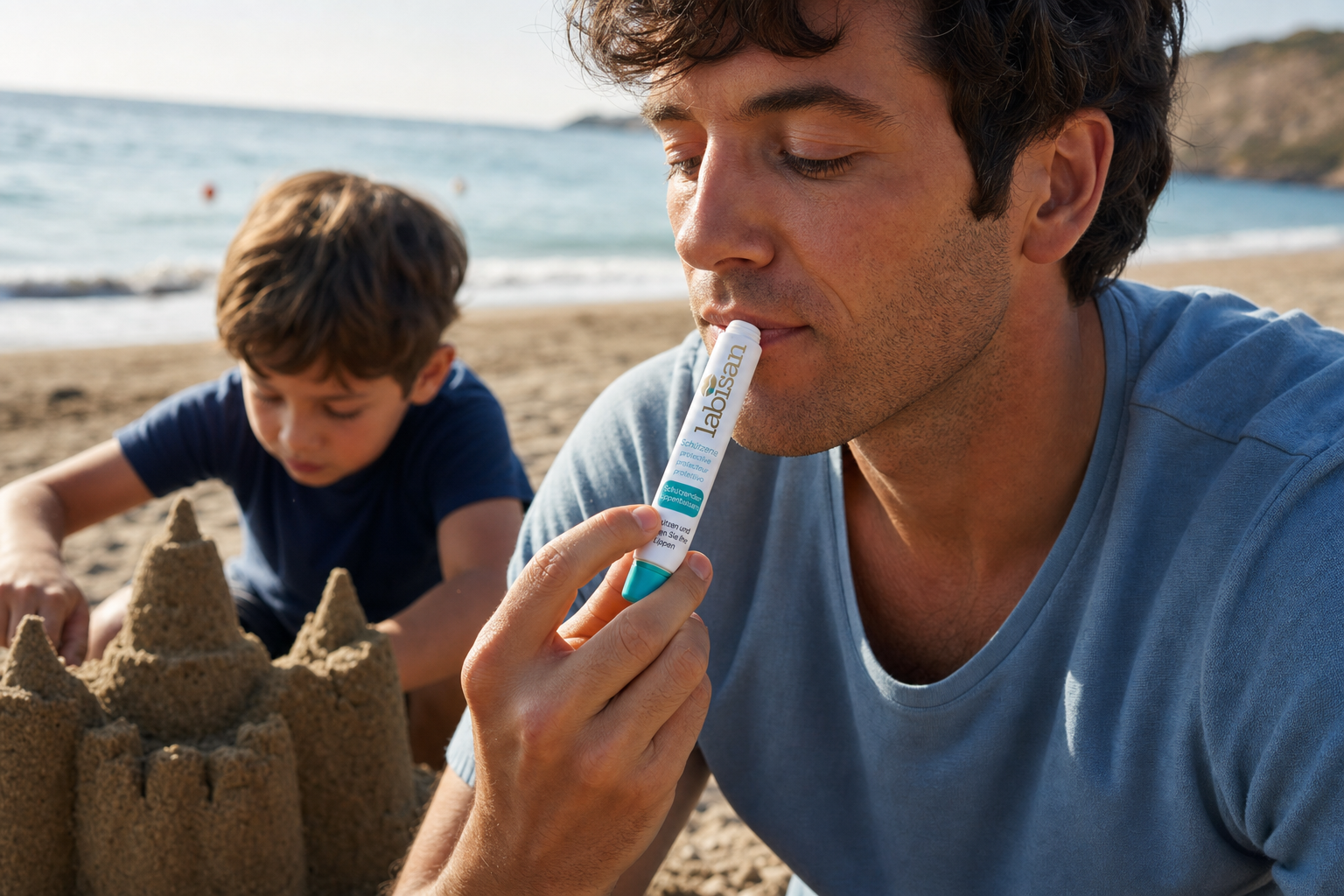
Beach, boat, or pool: every 80 minutes, and after every swim
Water reflects roughly 10 to 20 percent of incident UV and dry sand around 15 to 25 percent, so your lips receive UV from below as well as above. Towel drying removes essentially all remaining product; treat every towel-off as a mandatory reapplication.
Skiing and alpine altitude: every 60 minutes
UV intensity rises by roughly 10 to 12 percent per 1,000 metres of elevation, and fresh snow reflects up to 80 percent of UV back upward, straight at the underside of your lower lip where a hat brim gives no shade. That combination is why lip damage on ski trips is so disproportionate to time outdoors. Cold also stiffens waxes: a balm that behaves well at 20 C can crack and flake at minus 10 C, a failure mode we document in our piece on why beeswax-only lip balms fail at altitude.
Running and cycling: every 60 to 90 minutes
Sweat runs down to the upper lip, mouth breathing dries the vermilion continuously, and you are usually wiping your face with a sleeve. Carry the balm; do not plan to reapply only at the finish.
Cold, dry, and windy conditions: every 2 hours regardless of sun
Wind chill and low humidity drive transepidermal water loss even on overcast days, and UV still penetrates cloud. Barrier failure and UV exposure compound each other, which is the process described in cold weather chapped lips and lipid barrier failure.
How Much to Apply: The Other Half of the Equation
Reapplication frequency only matters if each application is adequate. Two rules make a measurable difference. First, use enough that the balm is visible as a slight sheen across the entire vermilion; a thin, invisible smear is closer to a placebo. Second, go past the lip line onto the surrounding skin by one to two millimetres. The vermilion border, especially on the lower lip, is where actinic damage concentrates; the overwhelming majority of lip squamous cell carcinomas occur on the lower lip, which is the surface most directly angled toward the sun and toward snow glare.
Roll the product across the lip rather than dabbing the centre. Most people under-treat the corners and the outer thirds, which is exactly where cold sores tend to appear.
The Reason Reapplication Timing Matters Most: UV and Cold Sores
For anyone who carries HSV-1, reapplication is not a cosmetic detail. Ultraviolet light is one of the best-documented triggers of herpes labialis reactivation. In a randomised, double-blind, placebo-controlled crossover trial published in The Lancet in 1991, Rooney and colleagues at the US National Institutes of Health exposed susceptible volunteers to experimental UV light: 71 percent developed recurrent herpes labialis after the placebo balm, while none did after an SPF sunscreen lip balm applied before exposure. That is one of the cleanest prevention signals in the entire cold sore literature, and it depends entirely on the sunscreen actually being present on the lip at the moment of exposure.
Which is the point. A two-hour lapse on a ski slope is not a lapse in moisturising; it is an unguarded window during which the single largest reactivation trigger reaches the tissue. If you already know the pattern that follows, our five day cold sore lifecycle protocol covers what to do once tingling starts, but the far better outcome is never reaching that stage.
Why the Labisan Dual Protocol Is the Smarter Long-Term Approach
Look honestly at the cold sore aisle. Abreva and other docosanol products, hydrocolloid patches, lysine supplements, and prescription antivirals such as acyclovir and valacyclovir are all designed to act after reactivation has begun. They can shorten an episode or reduce its severity, and for many people they are worth using. But none of them addresses the trigger. They start working when the virus is already travelling down the trigeminal nerve and the outbreak is already underway.
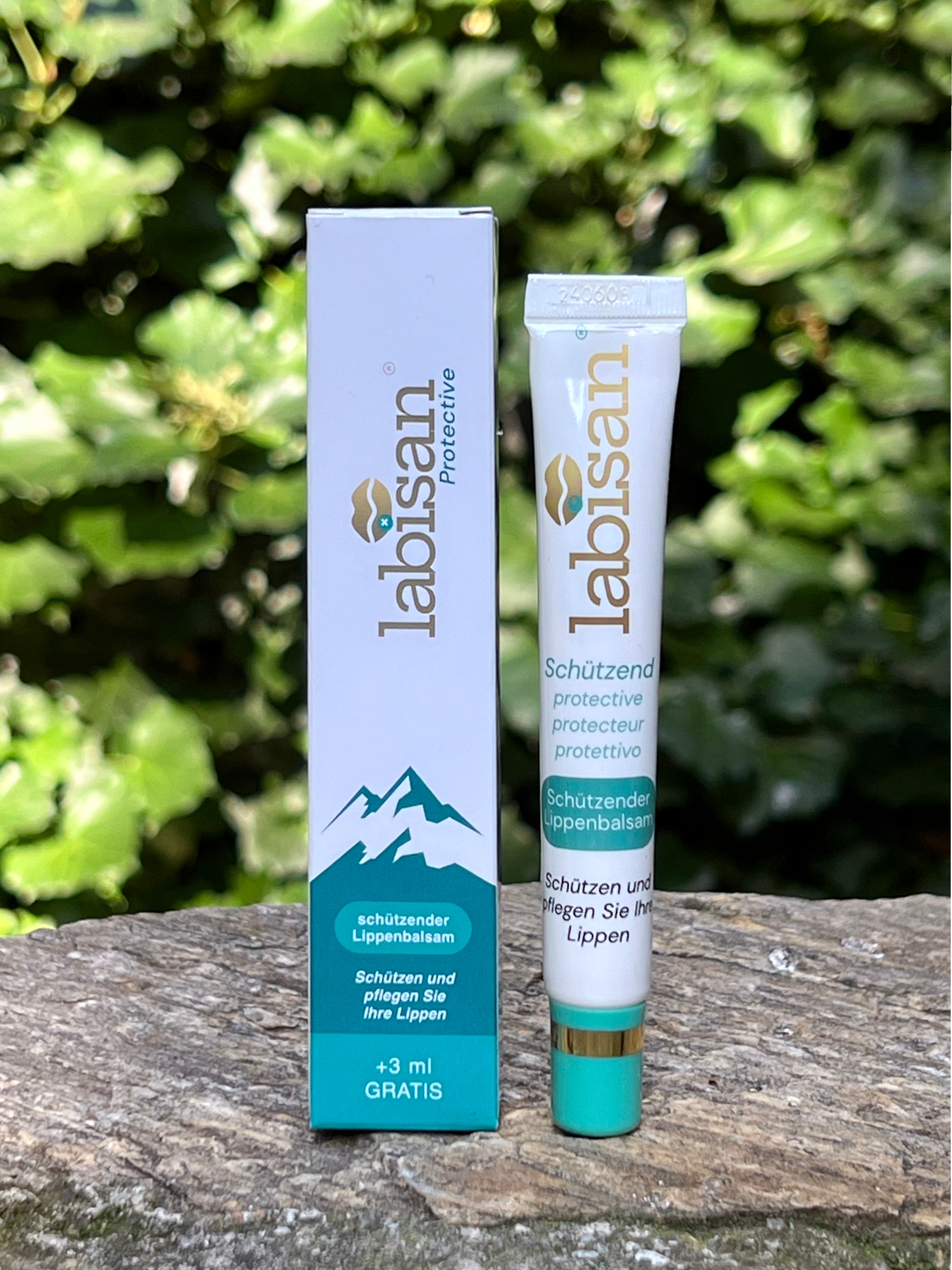
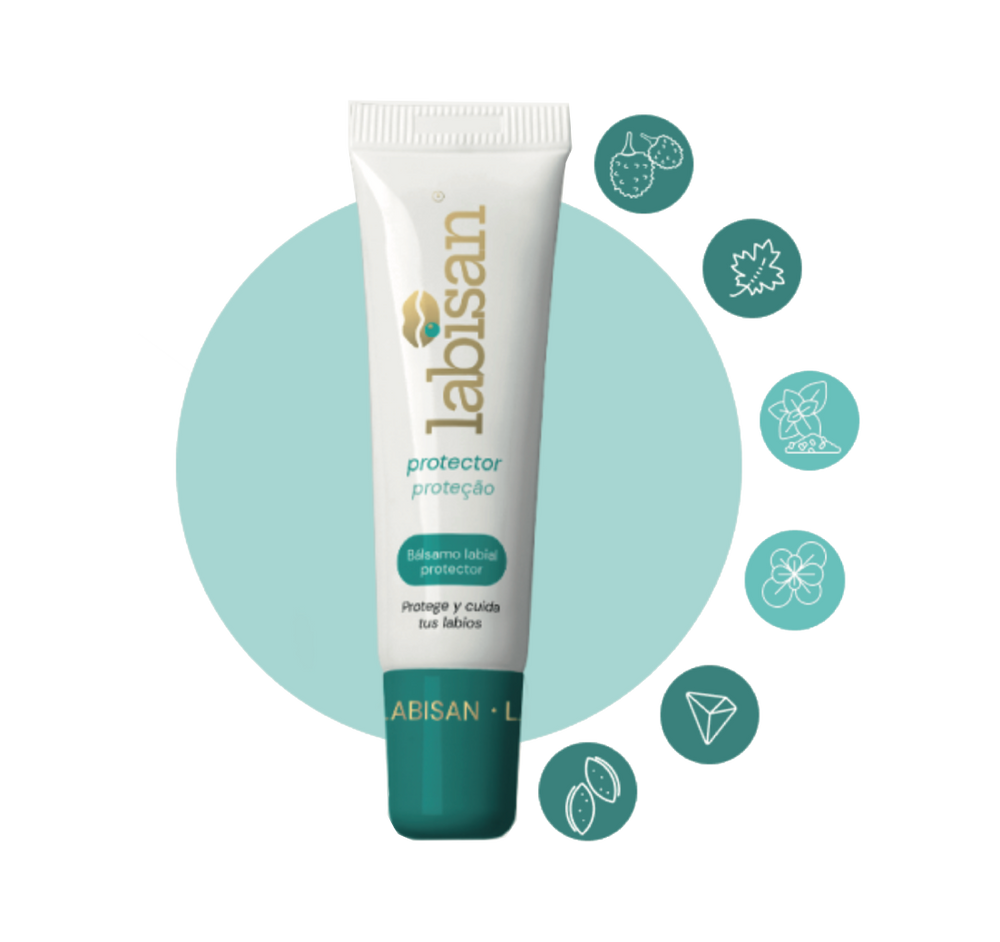
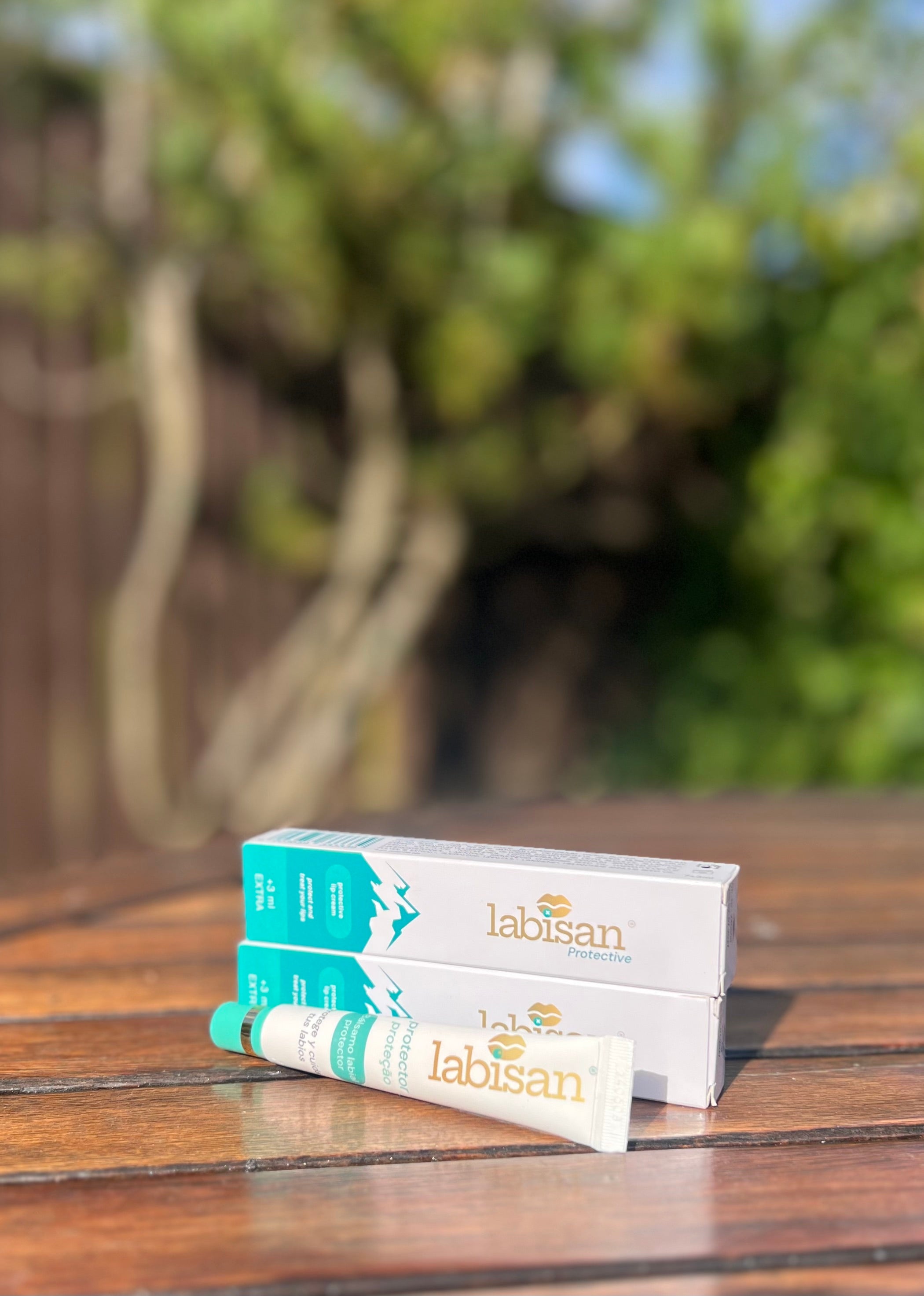
Labisan is built the other way around, on two fronts. Labisan Protective Lip Balm SPF 20 puts a photostable zinc oxide film plus shea butter, manuka oil, and supporting botanicals directly over the vermilion, blocking the UV exposure that the Rooney trial identified as a reproducible reactivation trigger, while shea and waxes hold the lipid barrier together against wind and cold. That is prevention at the point of trigger, which is precisely why the reapplication schedule in this article is the whole game: the balm only prevents what it is present for.
The second front is internal. Labisan Graviola Capsules are taken daily to support normal immune function, with the goal of reducing how often outbreaks occur over a season rather than treating any single one. To be explicit: graviola is not a cure for HSV-1 or HSV-2, it does not eradicate latent virus, and nothing does. Anyone who tells you otherwise is selling something dishonest. What a consistent prevention protocol can realistically do is lower your total number of episodes per year by removing the biggest external trigger and supporting the immune system that keeps the virus latent. Blocking UV at the lip and supporting immunity from the inside is a durable strategy; waiting for a tingle and then reaching for a treatment is not.
Keep Protection On Your Lips All Day, Not Just at 9am
Labisan Protective Lip Balm SPF 20
Single: $24.99 | Adventure Pack (3x): $59.97 | Family Bundle (5x): $89.95
Free shipping over $49. 30 day satisfaction guarantee.
Shop NowFrequently Asked Questions
How often should you reapply SPF lip balm?
Every two hours as a baseline, following American Academy of Dermatology guidance, and immediately after eating, drinking, swimming, towel drying, or heavy sweating. At altitude, on snow, or on water, tighten the interval to every 60 to 90 minutes, because reflected and elevation-boosted UV raises the dose your lips receive while the film is being removed faster.
How many times a day should I apply lip balm?
Three to five times on a typical indoor day, six to ten on a full day outdoors in summer, and eight to twelve on a ski day. Count applications by exposure and by meals, not by how your lips feel; by the time lips feel dry, the SPF film has usually been gone for a while.
Do I need to reapply SPF lip balm on cloudy days?
Yes. A significant proportion of UV penetrates cloud cover, and UVA passes through window glass. Overcast winter days also combine wind and low humidity, which strip the lipid barrier independently of sun. Keep the two-hour rhythm.
Does reapplying SPF lip balm actually help prevent cold sores?
It addresses one of the best-documented triggers. In a 1991 Lancet crossover trial, 71 percent of susceptible subjects developed herpes labialis after UV exposure with a placebo balm versus none with an SPF sunscreen lip balm. Prevention is not a guarantee, and no lip balm cures or removes HSV-1, but consistently blocking UV at the lip removes a major reactivation pathway.
Is SPF 20 enough for lips, or do I need SPF 30 or higher?
The AAD recommends SPF 30 or higher for lips. In practice, the dominant real-world variable is whether the film is present and intact, since under-application and rub-off routinely cut delivered protection well below the labelled figure. A broad-spectrum, photostable zinc oxide balm reapplied every 60 to 90 minutes outdoors will usually outperform a higher-SPF product applied thinly once in the morning. Best practice is both: adequate SPF and a disciplined reapplication schedule.