Twenty-five. That is the approximate relative humidity, in percent, of the air in a centrally heated European room on a freezing day. The arithmetic is not controversial: fully saturated outdoor air at 0 C holds about 4.8 grams of water per cubic meter. Pull that air indoors, heat it to 21 C where saturation is roughly 18.3 grams per cubic meter, add no moisture, and relative humidity collapses to about 26 percent. Most dermatology references treat sustained indoor humidity below 30 percent as a barrier stressor. So the honest way to describe winter is this: for four to five months, your lips spend roughly twenty hours a day in air drier than most people assume is possible indoors, and the other four hours in wind. If they enter that season already damaged, they do not get a chance to catch up. That is the entire argument for treating September as repair season, and it is why cold weather chapped lips are best understood as a barrier failure that began months earlier rather than a sudden January event.
The Lip Is Not Skin, and the Numbers Say So
The vermilion, the visible red border of the lip, is an anatomical outlier. Its stratum corneum is on the order of three to five cell layers thick, compared with roughly fifteen or more on the cheek and far more on the palm. It carries essentially no sebaceous glands, so there is no sebum film. It has no sweat glands, so it cannot contribute its own natural moisturizing factor the way facial skin does. Melanocyte density is low, which means the vermilion has close to none of the constitutive pigment protection the rest of your face relies on. Measured transepidermal water loss at the lip runs several times higher than at the adjacent cheek in published biophysical comparisons.
Put those four deficits together and you get a tissue with the water loss profile of damaged skin even when it is healthy. Its only defenses are the intercellular lipid matrix, an intact corneocyte layer, and whatever you apply on top. Summer degrades the first two. UVB and UVA exposure drives lipid peroxidation in the stratum corneum, disorganizes the lamellar lipid structure, and accelerates corneocyte turnover so that immature, poorly cross-linked cells reach the surface. Add chlorine, salt water, dehydration, and reflected light from water and rock, and by early September a lot of lips are running on a lipid matrix that is structurally compromised but not yet visibly cracked.
Repair Is Slower Than Damage
Barrier recovery kinetics are well characterized. In the tape-strip experiments of Ghadially and colleagues (Journal of Clinical Investigation, 1995), young adults recovered roughly half of barrier function within 24 hours and approached normal within a few days, while adults over 80 needed more than five days for the same injury and often longer. Lipid synthesis, not cell division, is the rate limiter. Cumulative photodamage across a whole summer is not a single tape strip, so the realistic window for meaningful seasonal lip barrier repair is two to three weeks of consistent occlusion and lipid support, not two days of heavy balm.
Autumn UV Is the Trap Nobody Budgets For
The seductive error of autumn lip care is assuming the sun stopped mattering. It did not. In Central Europe, midday UV index in early September still commonly reaches 4 to 5 at valley altitude. UV intensity rises roughly 10 to 12 percent per 1,000 meters of elevation, so an Alpine ridge at 2,500 meters in September can deliver a summer-grade dose. Fresh snow reflects up to about 80 percent of incident UV, and the first snowfalls arrive on higher terrain in September and October, which is precisely when people stop applying anything.
There is a geometric problem too. As the solar elevation angle drops through autumn, light arrives more horizontally. A cap brim that shaded your lower lip in July shades far less in October, and the lower lip is the most exposed part of the mouth by orientation, which is one reason around 90 percent of lip squamous cell carcinomas occur there. So the transition season simultaneously asks the lip to rebuild its lipid matrix and keeps hitting it with the exact wavelengths that break that matrix down. Repair only works if you close the input. In practice that means a mineral filter applied on a schedule, which is why the 90 minute reapplication rule for SPF lip balm matters more in autumn, not less: eating, drinking and talking strip a lip film faster than sweat strips a facial sunscreen.
Why Repair Season Is Also Reactivation Season
For anyone carrying HSV-1, and the World Health Organization estimates roughly 3.8 billion people under 50 do, autumn is a compounded risk. The single best controlled evidence on UV as a trigger comes from Rooney and colleagues (Lancet, 1991): in patients with a history of sun-induced herpes labialis, experimental UV exposure produced lesions after a large majority of placebo exposures, while a high-SPF sunscreen applied before exposure produced none. Few interventions in the cold sore literature show a separation that clean.
The mechanism is layered. UV damages the epithelium and locally suppresses cutaneous immune surveillance, while latent virus in the trigeminal ganglion is held in check by CD8+ T cells and interferon signaling. Anything that lowers that systemic ceiling raises reactivation odds. Autumn lowers several at once: serum 25-hydroxyvitamin D falls from its late-summer peak, commonly by 20 to 40 percent by the winter nadir in northern European cohorts; sleep and travel patterns shift; and the seasonal respiratory infection curve starts climbing. A cracked lip is also a physical open door. Fissured tissue gives virus and bacteria a route in and makes an emerging lesion far harder to contain than intact tissue does. If a lesion does start, the response is a fixed sequence, not improvisation, and it is worth knowing the 48 hour protocol of four applications daily before you need it.
The 21 Day Barrier Rebuild, Week by Week
Days 1 to 7: Stop the Loss
Nothing rebuilds while it is still leaking. Apply an occlusive mineral balm four times daily as a baseline, plus every 90 minutes of outdoor exposure. Stop lip licking deliberately: saliva evaporates faster than water, cools the surface, and its amylase and lipase actively degrade the lipid film you are trying to rebuild. Expect no visible change in week one. You are changing the water gradient, not the appearance.
Days 8 to 14: Replace the Lipids
This is where formula composition stops being marketing. Shea butter contributes stearic and oleic acids plus an unsaponifiable fraction that supports the lamellar structure rather than just sitting on top of it, which is the functional difference from wax-only sticks. That distinction is measurable at altitude, as covered in the analysis of why beeswax-only lip balm fails at altitude. Apply a heavier layer at night, when transepidermal water loss peaks and there is no eating or drinking to remove it. Around day 10 most people notice flaking stop before softness returns; that order is normal and indicates the corneocyte layer is maturing properly.
Days 15 to 21: Load the System
Barrier work is topical. Recurrence frequency is systemic. Consolidate sleep, keep bedroom humidity above 40 percent if you can, and add daily immune support so the internal side of the equation is not the weak link heading into the infection season. The exact ratios of the actives involved are broken down in the 22 percent zinc oxide, graviola, manuka and oregano formula.
Why the Labisan Dual Protocol Beats Repairing Damage After the Fact
Look honestly at the cold sore aisle. Docosanol creams, acyclovir and valacyclovir tablets, hydrocolloid patches, and lysine tablets share one structural limitation: they act after reactivation has already happened. Their best documented outcome is shortening an episode by roughly a day, and they cannot address photodamage, water loss, or the lipid deficit that made the lip vulnerable in the first place. They are worth having. They are not a season strategy.
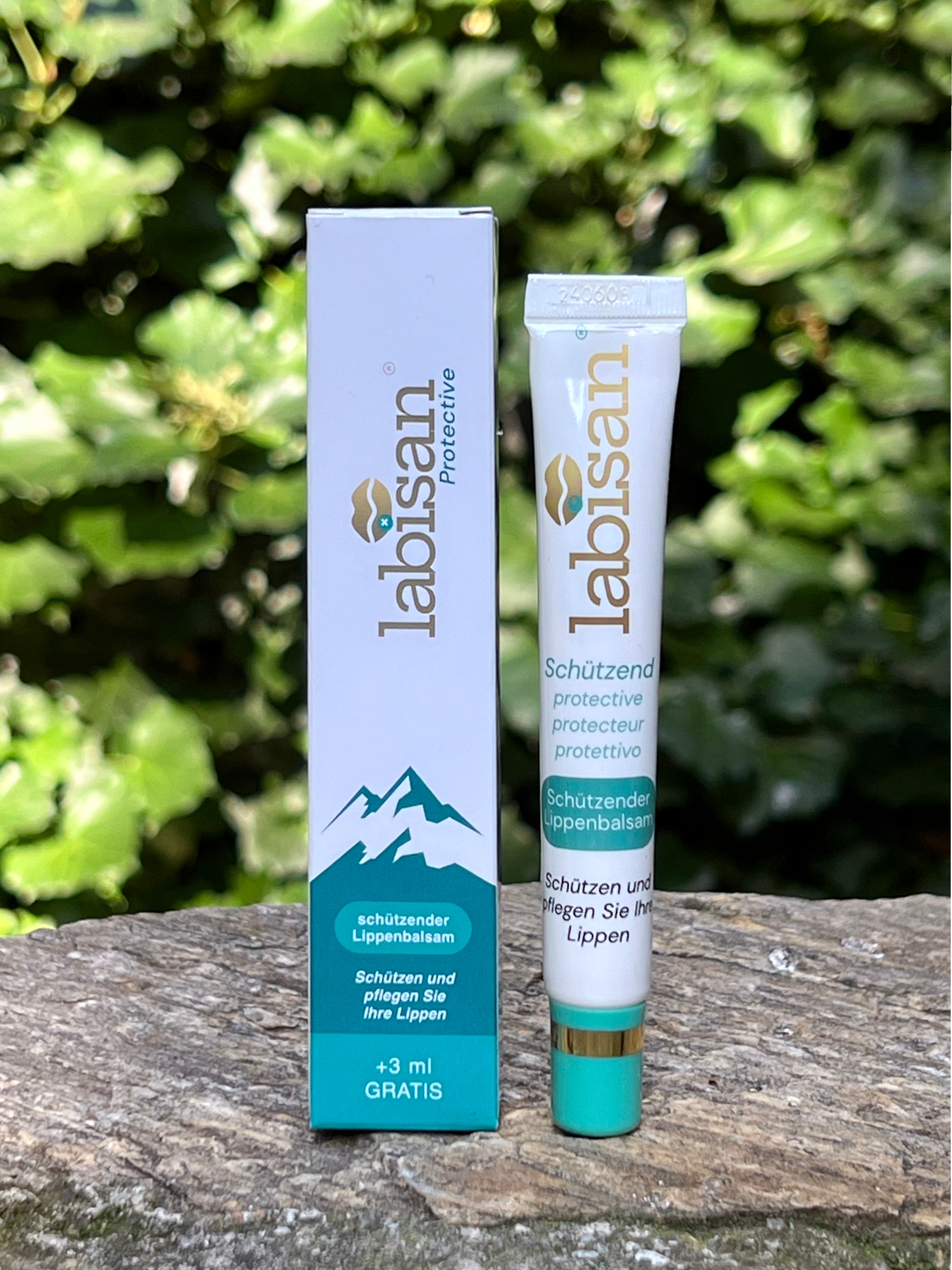
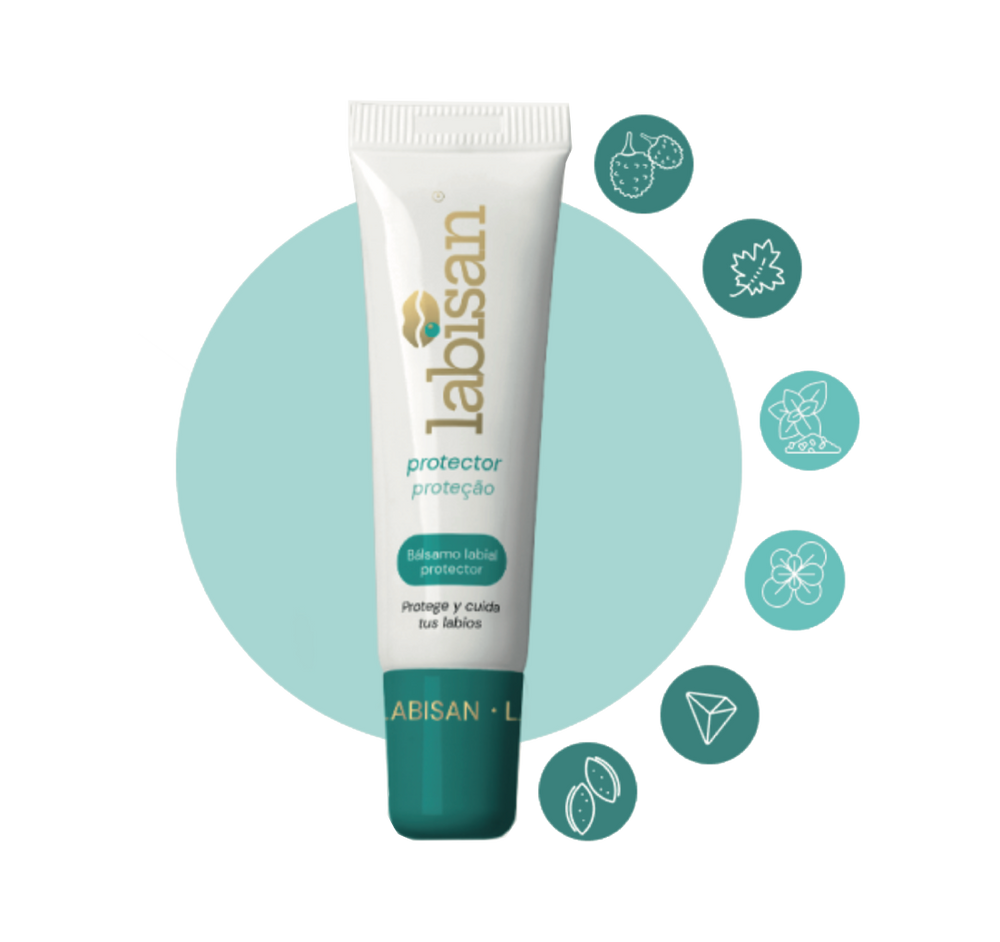
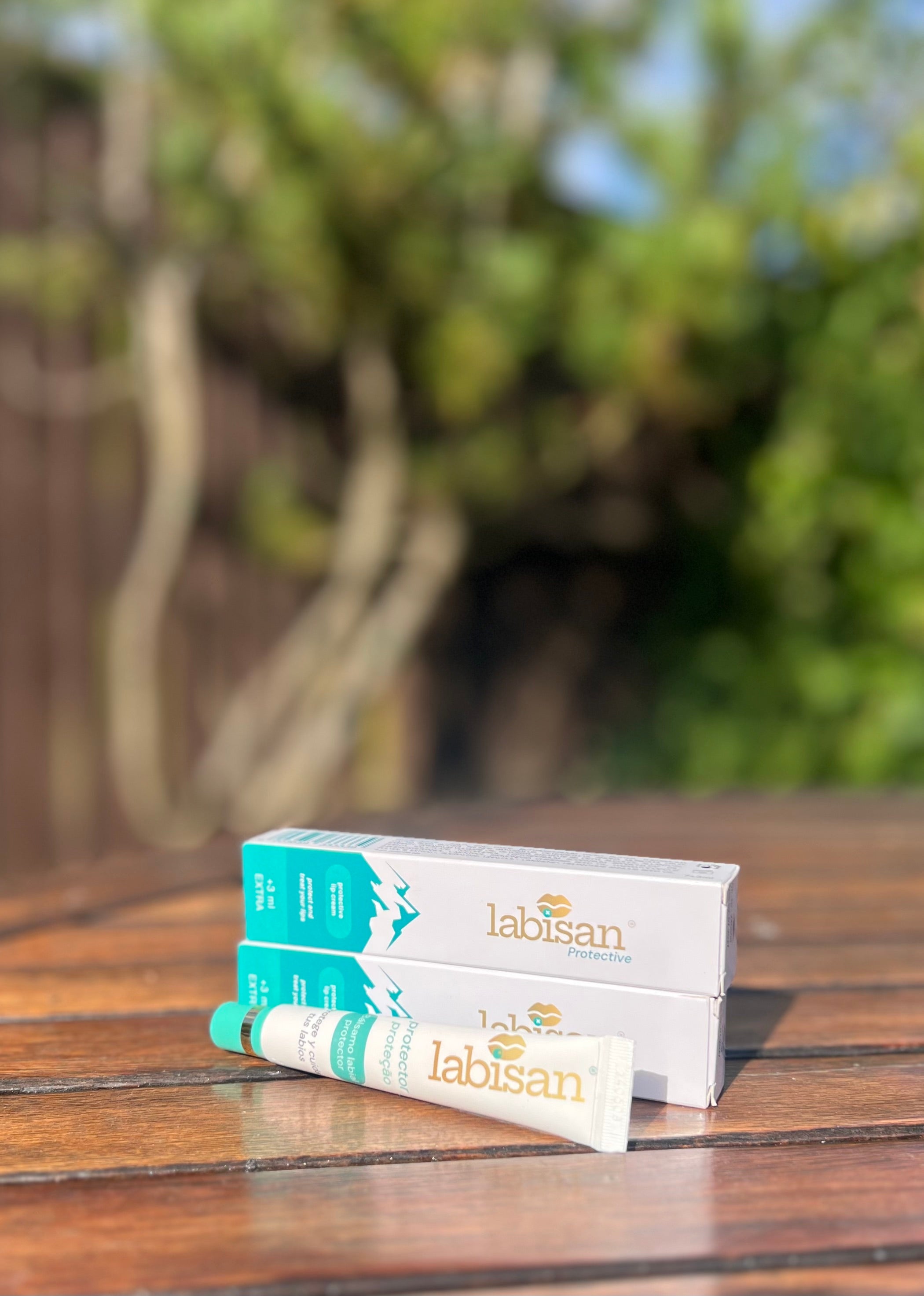
The Labisan approach is deliberately built on the two levers that operate before an outbreak. First, outside: Labisan Protective Lip Balm SPF 20 pairs a 22 percent non-nano zinc oxide mineral filter with shea butter occlusion and manuka oil, whose beta-triketone fraction showed virucidal activity against HSV-1 and HSV-2 in cell culture in the work of Reichling and colleagues (Planta Medica, 2005). Zinc oxide is photostable, which matters when organic filters such as unstabilized avobenzone can lose a meaningful share of their absorbance within an hour of sun exposure. That means one product simultaneously blocks the best-evidenced reactivation trigger and supplies the lipid occlusion the rebuild requires. Second, inside: Labisan Graviola Capsules support normal immune function, the arm of the system that keeps latent HSV-1 suppressed and therefore influences how often outbreaks occur. To be exact about the limits: graviola does not cure herpes, does not clear latent virus from the trigeminal ganglion, and nothing sold over the counter does. Latency is lifelong. Frequency is the variable you can influence.
Prevention plus immune support is also cheaper than the alternative, because a lip that never cracks does not need treating. And no, consistent balm use does not create dependency; the physiology behind that is unpacked in the piece on the lip balm addiction myth and mineral SPF. Since 1931, and on Everest in 1953, the Labisan brief has been the same one: protect the tissue before the mountain gets a vote.
Rebuild the barrier now, so winter has nothing to break
Labisan Protective Lip Balm SPF 20
Single: $24.99 | Adventure Pack (3x): $59.97 | Family Bundle (5x): $89.95
Free EU shipping over $49, $19.99 worldwide. 30 day satisfaction guarantee.
Shop NowFrequently Asked Questions
How long does seasonal lip barrier repair actually take?
Plan on two to three weeks of consistent daily application, not two days. Experimental barrier studies show roughly half of function returning within 24 hours after a single minor injury, but full lipid matrix normalization takes days to weeks and slows with age. A summer of cumulative UV exposure is a larger insult than a single injury, so a 21 day rebuild starting in early September is a realistic target.
Do I really need SPF on my lips in autumn?
Yes, and the reason is geometric as well as seasonal. Midday UV index in Central Europe still reaches 4 to 5 in early September, UV rises about 10 to 12 percent per 1,000 meters of altitude, fresh snow reflects up to 80 percent of it, and the lower autumn sun angle strikes the lower lip more directly than summer overhead light does. That is the exact exposure pattern most strongly linked to herpes labialis recurrence.
Are seasonal chapped lips the same as a cold sore starting?
They are different but connected. Chapping is diffuse dryness, flaking and fissuring across the whole vermilion. A cold sore begins as localized tingling, itching or burning at one spot, usually near the lip border, hours before anything is visible. Chapped, fissured tissue is a known risk amplifier because it removes the physical barrier, which is why repairing the barrier is itself a prevention measure.
Should I take Graviola all season or only around outbreaks?
Continuous daily use through the autumn and winter months fits the intent better, because the goal is supporting baseline immune function during the months when vitamin D status falls and infection load rises, not reacting to a lesion already in progress. Graviola is for prevention and frequency reduction only; it is not a treatment or a cure for HSV-1 or HSV-2, and anyone with frequent or severe recurrences should discuss antiviral options with a clinician.